





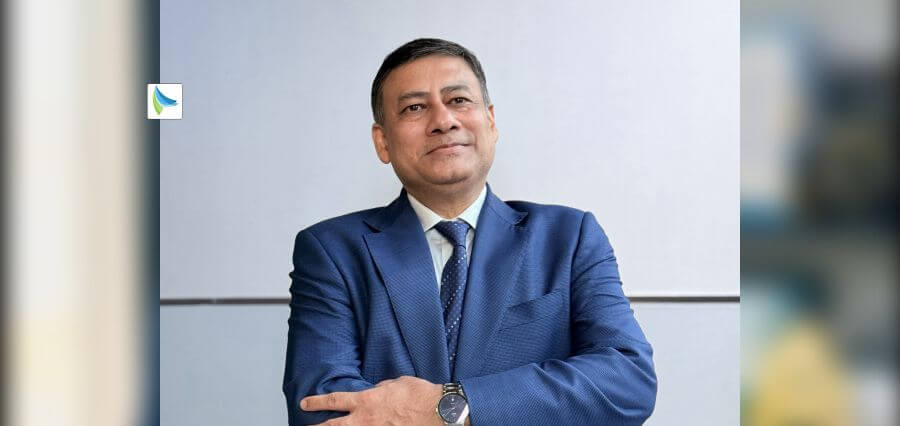
Trust at the Core – Intertec Systems: Building Cyber Resilience for a Secure Digital Tomorrow
Trust is the cornerstone of cybersecurity in the digital era that is evolving at a breakneck speed. That’s why, soon after its establishment in 1991 as an IT infrastructure provider, Intertec Systems transformed into a comprehensive digital transformation partner, expanding its capabilities across applications, managed services, cybersecurity, and cloud solutions. Its evolution has always been driven by a deep commitment to listening to its customers and continuously reinventing itself to meet not only its current needs but also future challenges. Pioneering Innovation: From Managed Services to Smart, Sector-Specific Solutions Intertec Systems was among the pioneers of managed services in the region and executed one of the first cloud migrations to Azure North DC. Today, it continues to innovate with a portfolio of industry-focused intellectual properties, including inspection solutions for municipalities, tailored platforms for the insurance sector, enterprise portfolio management systems, and advanced asset tracking and lifecycle management solutions—integrated with drones and visual asset intelligence. These innovations reflect the company’s dedication to delivering practical, forward-thinking solutions that create real value. From Infra to Intelligence: The Cybersecurity Transformation Intertec Systems has come a long way since its early focus on security product deployments and being a part of Infra Solutions. Over time, it evolved into a trusted provider of cybersecurity consulting and technical advisory services. As one of the early system integrators to establish a dedicated cybersecurity business unit, it has consistently stayed ahead of the curve. Today, its capabilities span Managed Security Services, GRC solutions and consulting, Security Testing Services, and a strong emphasis on Data and Identity Security—an area experiencing significant growth and momentum. Unified Defense: IT, IoT, and OT Secured Together Intertec Systems’s cybersecurity framework also integrates IoT and OT security, forming a unified fabric that supports comprehensive threat defense. The Cybersecurity Resilience Center (CSRC) is now fully equipped to manage OT Security Operations (SecOps), enabling seamless coordination across OT, IoT, and IT environments. This integration is critical for delivering rapid, precise responses to an increasingly complex threat landscape. A Future-Proof Vision: AI at the Heart of Cybersecurity Looking ahead, the future of cybersecurity lies in proactive monitoring, swift incident response, and advanced threat intelligence. Intertec Systems is embedding AI into enterprise security frameworks to empower organizations to anticipate and neutralize threats—before they surface. A Fortress of Cyber Resilience: Six Pillars of Protection Intertec Systems delivers a robust and integrated cybersecurity portfolio built around six core pillars. At the heart of its operations is the Cybersecurity Resilience Center, offering advanced services such as Managed Detection and Response (MNDR), Next-Gen SOC, Managed Endpoint Services, Vulnerability Scanning, Patch and Asset Management, and Disaster Recovery Planning. It was named a contender in IDC GCC Managed Security Services MarketScape in 2023 and a major player in IDC Middle East Managed Detection and Response MarketScape 2024. Sector-Driven Security: Tailored for Every Industry With over three decades of experience, offices in five countries and customer presence in over fifteen countries, Intertec combines deep industry knowledge with innovative technology to deliver customized, resilient cybersecurity solutions. It has a strong presence across Public Sector, Banking & Finance, Healthcare, Insurance, Energy & Utilities, and Enterprise domains. Intertec Systems’s sector-specific expertise allows it to understand the unique regulatory, operational, and threat landscapes of each industry. For example, in banking and finance, the priority is for advanced threat detection, secure transaction frameworks, and compliance-driven controls. In healthcare, the company focuses on protecting sensitive patient data and securing medical IoT (IMoT) environments. For the public sector, it enables secure citizen services and critical infrastructure protection, while in energy and utilities, it addresses OT/IoT security and IEC 62443 compliance. By aligning cybersecurity strategies with industry-specific needs, Intertec empowers organizations to innovate securely, maintain compliance, and build long-term resilience in an increasingly complex threat landscape. Beyond Defense: Building Resilience That Lasts Intertec Systems goes beyond traditional cybersecurity by helping organizations build true cyber resilience—ensuring business continuity even in the face of sophisticated cyber threats. Its approach integrates advanced threat detection, proactive risk management, and automated response mechanisms across IT, OT, and cloud environments. Through its AI-powered CSRC and Managed Services, Intertec Systems provides continuous monitoring, threat hunting, and incident response. The company supports clients in preparing for and recovering from disruptions through disaster recovery and business continuity planning that is aligned with global standards. Its layered defense strategy incorporates Zero Trust Architecture, Automated Moving Target Defense, and User and Entity Behavior Analytics to detect and contain threats before they escalate. Additionally, it offers cloud-native protection (CNAPP), DevSecOps integration, and Data Security Posture Management to ensure resilience across hybrid and multi-cloud environments. By embedding security into every layer—from infrastructure and applications to identity and data—Intertec empowers organizations to defend against attacks, recover swiftly, maintain operational continuity, and adapt confidently to an evolving threat landscape. AI-First Cybersecurity: Intelligence That Learns and Adapts Intertec Systems is at the forefront of integrating AI and automation into cybersecurity, enabling secure digital transformation and building resilient enterprises. Its AI-first approach enhances visibility into internal and external risks, allowing organizations to conduct comprehensive AI risk assessments, implement mitigation strategies, and continuously monitor their security posture. Through its AI-powered CSRC/ SOC with XDR capabilities, the company delivers adaptive protection, behavioral analytics for zero-day threat detection, and orchestrated automated responses. Intertec CSRC further strengthens this capability with predictive recovery planning, autonomous infrastructure testing, and deep and dark web monitoring. The firm also ensures secure AI adoption by safeguarding sensitive data, preventing exposure to large language models (LLMs), and enforcing continuous security posture management. In addition, it leverages AI for proactive threat hunting, automated breach response, and real-time anomaly detection. With strategic partnerships, certified expertise, and advanced AI capabilities, Intertec Systems is enhancing how organizations detect, respond to, and recover from cyber threats—delivering intelligent, end-to-end cybersecurity solutions in an AI-driven world. Governance That Guards: Streamlined Risk, Compliance & ESG Intertec’s Unified GRC solutions help organizations manage risk, ensure compliance, performance, and address ESG requirements. In the realm of Data Security & Governance, it provides capabilities like Data Security Posture Management, Data Loss

Setting New Benchmarks for Data Protection
Trusted and Tested Data protection is no longer a legal compliance issue in an age characterized by the growing digital footprint and ever-more complex cyber threats, but a strategic pillar. Companies must now gain stakeholder confidence through ensuring data security that is not only “trusted but tried” but also through unprecedented levels of technical innovation, governance, measurement, and regulatory preparedness. Institutionalizing Data Protection: Governance as Bedrock Governance frameworks on data protection are now fundamental. According to a recent scholarly report, there is significant value in rigorous frameworks that bind risk management, access control, data quality assurances, and compliance procedures, such as GDPR, HIPAA, and CCPA. Companies that integrate these structures, such as vendor and breach checks, data mapping, and privacy impact assessments (PIAs), show significantly higher data responsibility and resilience. The Rise of Measurement and KPIs Organizational leaders are no longer interested in implementing privacy programs as check-the-box activities. According to the benchmark research conducted by TrustArc in 2025, organisations that monitor their privacy using KPIs (including the number of breaches, time to triage data subject access requests (DSARs), and the number of privacy impact assessments (PIA)) achieve a 100-point privacy maturity rating, compared to the likes of 55 points when no metrics are shown. Just one in five firms is taking advantage of commercial privacy platforms as much as possible, but those have privacy index scores averaging 78%, as compared to 54% in average use by those using open-source or manual tools. Technology Defenses: Automation, AI, and Zero‑Trust Contemporary data protection requires automation. Compliance platforms powered with AI, as provided by TrustArc or OneTrust, allow real-time risk detection, tracking consent, and automating reporting across rapidly changing regulatory landscapes. At the same time, zero‑trust Architecture (ZTA) with strong identity control and active verification has become a paradigmatic standard, not a best practice alternative. ML-driven threat detection tools, extended detection and response (XDR), and anomaly-detection systems are assisting in accelerating breach detection and response within organizations, including by decreasing the duration of detection. Evolving Technical Standards and Privacy‑Enhancing Technologies (PETs) Technical frameworks protecting and ensuring compliance are enhanced by new standards such as ISO/IEC 27040 (Storage security and backup systems) and NIST SP 800-209. In 2025, Privacy Enhancing Technologies (differential privacy, homomorphic encryption, secure multi‑party computation, etc.) are becoming more piloted and allow for making data processing safer without larger utility losses. Barriers Enterprises are also implementing data clean rooms and decentralized identity frameworks to facilitate privileged, secure data sharing with partners without compromising personal privacy. Resilience as Compliance: DORA, NIS2 and Cyber Resilience Alongside privacy regulation, emerging standards, such as the NIS2 Directive and Digital Operational Resilience Act (DORA) in the EU, are also pushing the envelope on aspects of availability, incident reporting, and supply chain protection. Such regulations require organizations, particularly those in critical services and finance, to prove incident readiness, keep the business-continuity procedures, and make the investment in cyber-resilience measures. Privacy leaders are also supposed to handle not only confidentiality but also integrity and availability. Regulations and Global Harmonization There is a new frontier of data privacy laws being enacted. India offers the Digital Personal Data Protection Act (2023) by example, now requiring the aspect of fiduciary duties, penalties, and fines on gaps, and a new Data Protection Board to adjudicate. Simultaneously, the European GDPR and the Californian CCPA are inspiring more than a dozen states in the United States to create their own regulation, resulting in a Swiss-iness that is leading to the call to harmonize through a new proposed Global Data Privacy Alliance (GDPA). Many organizations are adjusting to these international guidelines, such as ISO 27701, APEC CBPR, Nymity PMAF, and others that make accountability result oriented. Benchmarking Cyber‑Insurance and Risk Transfer There is a growing demand for cyber insurance due to the rising breach expenses and ransomware attacks. In modern premiums, validation of robust security postures matters, with immortal backups, incident-response planning, and XDR deployments all being solid underwriting factors. Firms negotiating coverage have an obligation to demonstrate vetted capabilities, continuous back-ups, immutable vaults, and disaster recovery drills, which indicate reliable data protection. Strategic Outcomes: Trust and Stakeholder Confidence The stakeholders are already leaning towards organizations that have been able to integrate governance, measurement, robust technical controls, resilience planning, and compliance with regulations. TrustArc statistics indicate that close to 47 percent of stakeholders currently trust the data protection of trusted organizations unreservedly- an increase that is stunning compared to last year. Businesses that support strategy with quantifiable outcomes not only fear fines but also stand out as brands encompassing privacy ethics and regulatory excellence. Realizing “Trusted and Tested” Protection The new standard of data protection is a combination of governance maturity, quantitative KPIs, sophisticated controls (AI, ZTA, PETs), and regulatory-aligned resilience activities. To be trusted and tested does not merely imply checking off compliances; it means the incorporation of privacy and resiliency at every organizational stratum, including technical, procedural, legal, and cultural. Those organizations that use governance frameworks as their strategic infrastructure, implement platform-based privacy tools and metrics that can be enforced, and demonstrate incident readiness are the new standard-setters-they are turning privacy into a competitive edge rather than a liability. Read More: Masters of Cybersecurity Automation Tools

Masters of Cybersecurity Automation Tools
Behind the Firewall As cyber threats become more advanced, organizations are considering the use of cybersecurity automation tools to strengthen their defenses. Such systems not only increase the level of security but also make the work of teams work radically differently, significantly reducing manual labor and response time. This article addresses major actors, advantages, risks, and new directions in the automation of cybersecurity. Why Automate? Traditional Security Operations Centers (SOCs) faced the problem of alert fatigue for years: constant manual triaging, false positives, and disparate tools, which did not allow prompt action. Tools aimed at automating cybersecurity, such as Security Information & Event Management (SIEM) and SOAR, ease this load by automating (more), reacting (more), and performing activities (more). Use of automated systems allows SOC analysts to give attention to strategic threats instead of routine notifications. In addition, human defenses are no longer sufficient as attackers are automated using AI. Automation serves as a powerful force multiplier, enabling organizations to counter AI-driven threats with AI-driven defenses. However, it is not a fully autonomous solution, as expert oversight remains essential to guide, validate, and refine automated actions. Leading Solutions Here’s a rapid-fire overview of top cybersecurity automation tools shaping today’s defense landscape: IBM QRadar (SIEM/SOAR) QRadar automatically identifies incidents and prioritizes risks through analytics and automated playbooks, which makes busy days much less stressful. Palo Alto Networks Cortex XSOAR The Cortex XSOAR provides streamlined incident coordination and automation, with fully customizable playbooks, support of hundreds of tools, and integration into the SOAR platform. Splunk Phantom / Enterprise Security Splunk ES offers profound analytics, and Phantom manages case management and orchestration. They both automate workflows, alerting, and threat hunting, but complexity and cost are barriers. Tenable.io and Qualys Cloud Platform They are automated tools that conduct vulnerability checks, continuous checks, and remediation planning, which are the core components of proactive threat prevention. Ansible & Puppet (Configuration Management) They are useful in DevOps, but they also automate security baselines, patching, and compliance, keeping secure configurations within enterprises. Darktrace & AI‑driven XDRs Anomaly detection with the help of self-learning AI and the capability of automatic containment is leveraged by platforms such as Darktrace. These new-age tools are opening the door to the future of defense. Challenges & Cautions Although promising, cybersecurity automation tools are still a long way from being plug-and-play. The process of integrating platforms such as Cortex XSOAR and Splunk is also complicated, demanding extensive planning, configuration skills, and valuable time, which may become an actual challenge to smaller or less-resourced teams. The economic and expertise requirements of leading-edge platforms like Splunk ES and QRadar are also a challenge, which can require specific people to handle and monitor them properly. Another crucial thing is trust. Although there is a growing acceptance of AI-based cybersecurity among executives, the same survey carried out by Techradar found that only one in every ten security analysts has complete trust in automated tools. Closing this divide will necessitate more explainability and transparency of the algorithm behavior of such systems. In addition, attackers are now adopting automation as well and can use it to expand and accelerate their threats. This is an arms race where defensive automation has to keep up in speed. Future Trends Automation and machine learning are used by platforms like ReliaQuest GreyMatter and vulnerability detection models that use AI to provide fast and data-driven incident detection and response. The DevSecOps arena is experiencing a radical shift in the practicality of penetration testing, as effective human control is still a necessity because AI tools such as PenTest++ are automatically creating tests and finding possible exploits. Standardized automation protocols, such as SCAP frameworks and IEC 62443 standards, are becoming more notable in facilitating interoperable, policy-based security automation in industrial control systems and critical infrastructure. In the future, projects such as Google Big Sleep herald the advent of autonomous cyber-AI, or systems capable of identifying, investigating, and blocking threats independently of direct interaction with the human operator, a significant step in terms of cyberspace protection of a preventive nature. Final Thoughts Cybersecurity automation tools are no longer optional improvement addons; they are now key defenses. Although powerful, effective deployment needs a strategy that includes selecting the right tools (SIEM, SOAR, EDR, XDR, vulnerability scanners, configuration enforcers), building analyst trust, and maintaining control. The future holds even more autonomy: self-testing, non-UI AI agents, and standards-driven policies. Nevertheless, the cardinal rule remains that technology can support and enhance cybersecurity efforts, but it cannot replace the critical judgment and expertise of human professionals. Teams with a mastery of automation will be able to stay ahead of the evolving digital threat and respond rapidly, intelligently, and with resilience as we go behind the firewall. Read More: Setting New Benchmarks for Data Protection

Trump Secures Historic $550 Billion US–Japan Trade Deal with 15% Tariff Accord
Prime Highlights President Trump signs a $550 billion trade pact with Japan, putting a flat 15% tariff on Japanese imports. The agreement opens Japanese markets to US agriculture, autos, and energy, enhancing American job prospects. Key Facts Japan agrees to invest $550 billion in the US where 90% of the returns will accrue to the American economy. The agreement avoids higher tariffs previously threatened and excludes steel and aluminum from reductions. Key Background In a stunning economic move, former President Donald Trump has unveiled what he refers to as the “largest trade deal in history” between the United States and Japan. This comprehensive deal levies a flat 15% reciprocal tariff on Japanese exports, significantly lower than the earlier proposed 25% to 27.5%. The tariff is applied to most goods, from Japanese cars and industrial goods, but most importantly, does not apply to steel and aluminum, which will continue to have a 50% tariff. The crown jewel of the deal is Japan’s commitment to a record $550 billion investment in the US economy. The economic stimulus will be provided in the form of structured loans and infrastructure projects, as well as a large liquefied natural gas (LNG) project on Alaska. President Trump emphasized that nearly 90% of the benefits from this investment would remain in the United States, an argument he made as a win for American workers and companies. In return, Japan is committing to open up its market to many of America’s top exports like automobiles, rice, beef, and other farm products. America’s farm and manufacturing industries are most likely to benefit with enhanced access. Trump indicated that the deal will help create hundreds of thousands of American jobs and stabilize supply lines in both nations. The agreement also set off a positive market reaction, with Japan’s stock market Nikkei 225 surging and automakers such as Toyota, Honda, and Nissan posting double-digit stock gains. Economists view the level flat 15% tariff as a step in a more unshackled and reciprocal approach to trade policy than Trump’s earlier segmented tariff approach. Japanese Prime Minister Shigeru Ishiba indicated cautious support, noting the significance of the deal but adding that full legislative review would follow later. The deal is part of Trump’s broader “Liberation Day” trade reform initiative, with similar deals in negotiation with Southeast Asia and negotiations scheduled later this year with China and the EU. Read More: Tesla’s Financial Slide Deepens After Musk’s White House Exit
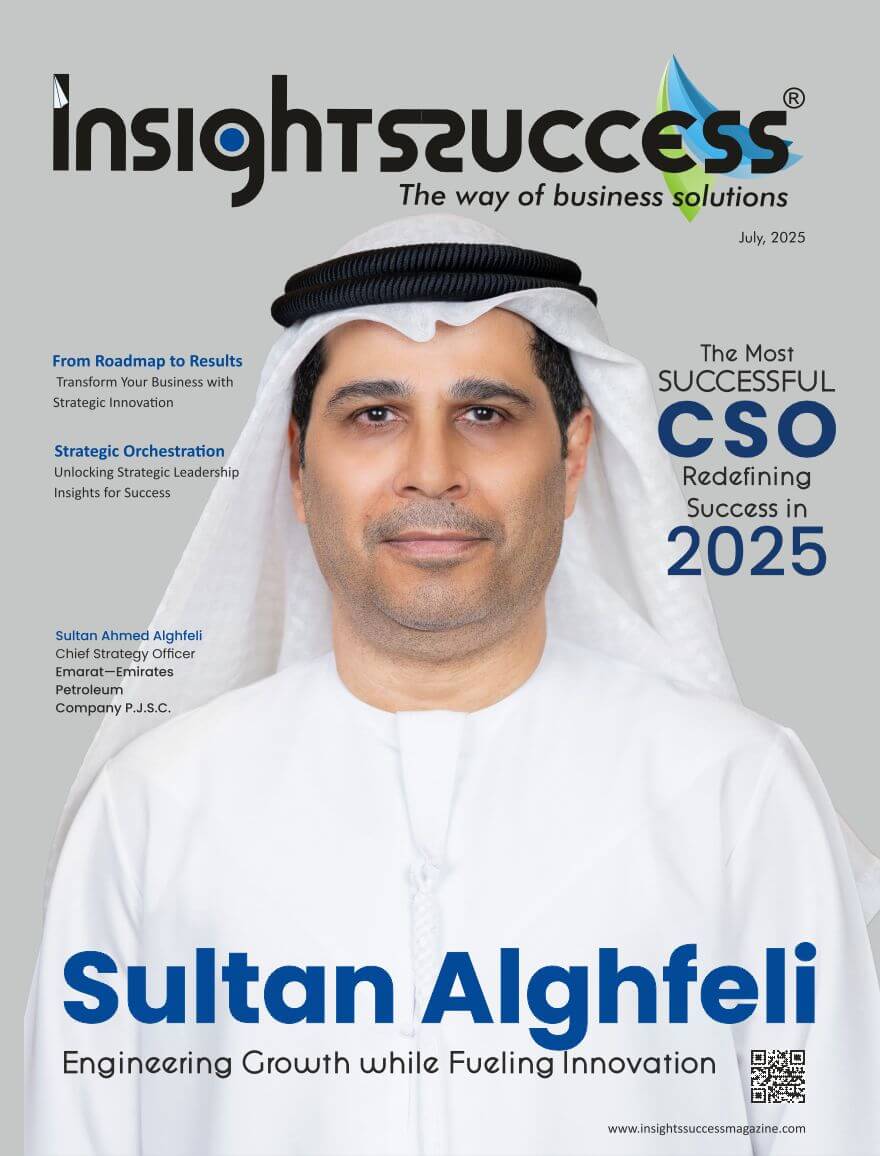
The Most Successful CSO Redefining Success in 2025
The Most Successful CSO Redefining Success in 2025 Sultan Ahmed Alghfeli, Chief Strategy Officer at Emarat, exemplifies visionary leadership in driving innovation and sustainable transformation. With cross-industry expertise and a people-first philosophy, he redefines Emarat’s role from a fuel provider to a future-focused mobility hub, aligning national priorities with customer-centric, technology-driven growth. The Most Successful CSO Redefining Success in 2025 Sultan Ahmed Alghfeli, Chief Strategy Officer at Emarat, exemplifies visionary leadership in driving innovation and sustainable transformation. With cross-industry expertise and a people-first philosophy, he redefines Emarat’s role from a fuel provider to a future-focused mobility hub, aligning national priorities with customer-centric, technology-driven growth. Digital Link Quick highlights Quick reads
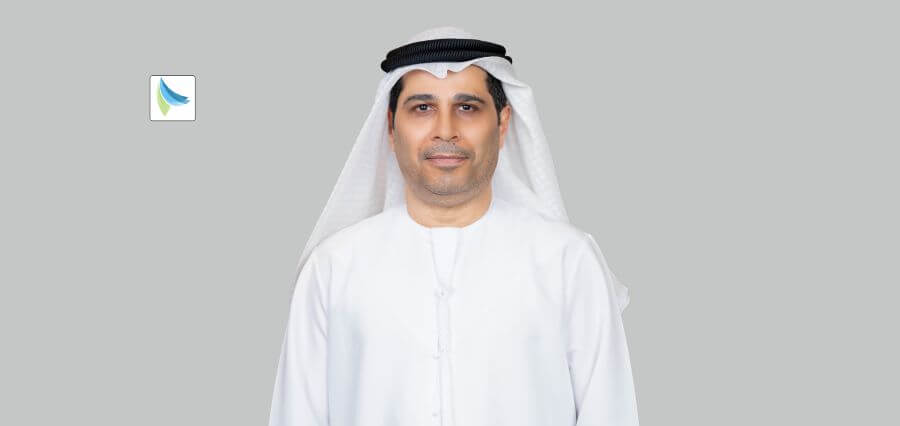
Sultan Alghfeli: Engineering Growth while Fueling Innovation
In the dynamic world of international energy, the United Arab Emirates finds itself at a special crossroads—trading on its heritage as an oil giant while pursuing a vision of a diversified, sustainable, and innovation-driven future. Guiding this transformation are leaders whose strategic vision and leadership are shaping the future. One such prominent leader is Sultan Ahmed Alghfeli, the Chief Strategy Officer of Emarat—Emirates Petroleum Company P.J.S.C. Sultan Alghfeli’s journey is not just a testament to professional resilience, but also a reflection of how adaptability, human-centric leadership, and strategic thinking can drive monumental change. His narrative, rich with cross-industry experience and transformation leadership, captures the essence of modern Emirati excellence—rooted in purpose, powered by innovation, and guided by people. A Cross-Industry Odyssey: From Oil Fields to Customer-Centric Frontlines Sultan Alghfeli’s professional journey is as complex as it is motivating. He started in the conventional core of the UAE economy—oil and gas—in a cost-center organization that worked in oil refining and gas processing. This initial exposure to industrial processes provided him with a strong operational background, but his path was never meant to be straightforward. Shifting from institutional oil and gas to a contractor-based system brought him closer to the heartbeat of implementation. But it was in 2001 that a dramatic change took place—Sultan Alghfeli made a conscious transition from oil and gas to the telecom sector, stepping into a pure commercial space. This move was not opportunistic; it was personal and strategic. “I needed to relocate to establish a home of my own,” he says. This geographic imperative coincidentally fell in with the launching of a national initiative—Thuraya Satellite Telecommunications. It was a start-up venture, full of promise, and Sultan Alghfeli saw in it not just an opportunity to serve a national cause but also an opportunity to widen his professional scope. The transition exposed him directly to the customer experience—a significant shift from his previous work. This exposure to frontline operations, customer analytics, and big data was a strong foundation for his subsequent roles, especially in Emarat, where customer-centricity is now an integral ethos. Strategic Leadership Forged in Transformation When Sultan Alghfeli became the CSO at Emarat, he had already gained a unique depth of experience in commercial, operational, human resource, IT, and billing functions. These different verticals gave him an integrated view of business dynamics—a pre-requisite for effective strategy leadership. His rise to CSO was not a coincidence; it was the culmination of persistent alignment with transformation imperatives in each organization he worked for. “Every milestone in my career coincided with an opportunity for transformation, fueled by a leadership vision to go from good to great,” Sultan states. At Emarat, that change is about much more than meeting numbers—it’s about embracing the UAE’s national purpose, reimagining the organization’s identity, and future-proofing its role as a mobility hub in a rapidly changing energy world. Philosophy and Values: Aspirations Over Limitations When queried about the essential philosophy that motivates his strategic thinking, Sultan is quick to respond: “You have to scale up your resources to be in line with your ambitions. Never lower your ambitions to your current capabilities.” This is the strategy that Emarat operates on. It is not reaction-led; it is vision-driven. Strategic building at Emarat is about driving the benchmark, questioning assumptions, and resetting what’s possible. It’s about imagining results beyond the immediate horizon and empowering teams to take that step. No less critical is execution on strategy, which Sultan calls “the joy of problem-solving.” To him, there is immense pleasure in facing what seems to be an unconquerable problem and dissecting it until it succumbs to creativity, teamwork, and determination. Building Buy-In and Execution through Co-Creation Sultan Alghfeli is well conscious that strategy without implementation is merely theory. At Emarat, strategic planning is a co-creation process. “You create buy-in in development—not in implementation. It’s too late then,” he asserts. This model guarantees that business unit leaders become stakeholders right from the start. By owning the initiatives, they don’t merely approve strategic roadmaps —they commit. This deeply ingrained ownership manifests as accountability, flexibility, and most importantly, results. His leadership philosophy is rooted in empowerment and clarity. He practices leading by example and empowering his teams with tools, authority, and autonomy. Every project or initiative has a well-defined owner, and when ownership is taken, the organization supports them wholeheartedly. Future-Ready Transformation: From Fuel Stops to Mobility Destinations Though Emarat is well known to operate fuel stations, Sultan Alghfeli is changing what that image entails. “We are not fuel stations. We are mobility hubs,” he declares. With Sultan’s strategic vision at the helm, Emarat is looking for expansion in areas of aviation fuel, natural gas distribution, LPG, and logistics, and so on. But what makes the vision so unique is the customer. The transition of Emarat as a customer-oriented marketing company signifies that it’s not about the product—it’s about the experience. Whether powering internal-combustion-engine or electric vehicles, Emarat is attuned to what the customer holds dear—convenience, service quality, and brand trust. “We are not biased towards a particular energy source; we are biased towards customer preference,” Sultan Alghfeli explains. This subtle yet potent shift in orientation is driving Emarat’s entire future strategy. Harnessing Technology and Market Intelligence When asked how Emarat translates complicated market information into actionable plans, Sultan’s answer demonstrates pragmatism and vision. “Our plans are data-driven and financially stringent. But they are never set in stone.” In a world where market conditions and technologies evolve rapidly, flexibility is key. Emarat continuously de-risks its strategies by maintaining a pipeline of innovation. “We plan thoroughly, but we recognize change is inevitable. So, we innovate constantly,” he notes. Digitization, big data, and AI are already part of Emarat’s customer experience and operational efficiency. But Sultan Alghfeli feels the actual disruption lies elsewhere, it’s about enhancing the customer experience. “AI won’t replace people, but it will enable us to serve customers better, faster, and more intuitively.” Workforce Strategy: Talent as a Strategic Asset Underpinning Sultan Alghfeli’s strategic vision is a people-first

Petra Wicklandt: Leading with Purpose to Shape a Sustainable Future
In an era where sustainability is reshaping the way businesses operate, Petra Wicklandt stands out as a leader who is driving meaningful change. As the Chief Sustainability Officer of Merck KGaA, Darmstadt, Germany, Petra has played a pivotal role in integrating responsible practices into core business strategies. Her thoughtful leadership, grounded in transparency, collaboration, and strategic execution, has helped the company make notable strides toward its ambitious sustainability goals. For Petra Wicklandt, sustainability is not an isolated initiative—it is a central pillar of corporate success. Under her guidance, Merck KGaA, Darmstadt, Germany, has taken significant steps toward climate neutrality by 2040, building sustainable supply chains, and embedding ethical governance into operations. The company’s purpose— “Sparking Discovery, Elevating Humanity”—is more than a slogan. It reflects a deep, centuries-old commitment to creating innovations that improve health and well-being while respecting planetary boundaries. Petra Wicklandt’s leadership journey at Merck KGaA, Darmstadt, Germany, spans more than 30 years—a tenure that surprises many. But Petra never found time to get bored. She’s held diverse roles across R&D, production, and strategic leadership, constantly evolving her expertise. Starting as a Pharmaceutical Development Lab Manager after leaving DuPont, she soon advanced to leading teams and eventually managing the modernization of a pharmaceutical manufacturing site. This role taught her resilience, long-term vision, and the value of persistence, as she navigated budgets, influenced stakeholders, and led large-scale transformation. Her dream job came next—leading Pharmaceutical Development and later Chemical and Pharmaceutical R&D. Contributing to treatments for cancer and multiple sclerosis was particularly meaningful. These roles honed her communication skills and taught her that engaging teams goes far beyond simply sharing information; it’s about listening, building consensus, and fostering purpose. Petra Wicklandt then stepped outside her comfort zone to build a government affairs organization and lead the company’s corporate sustainability strategy. This experience broadened her perspective across sectors and functions, showing her the importance of big-picture thinking and bold change. In her current role, Petra Wicklandt oversees several critical functions, including Sustainability, Cybersecurity, Trade Compliance, Bioethics, Crisis Management, and more. She continues to grow as a leader, applying lessons from her past to navigate new challenges with clarity and calm. One such challenge is measuring the return on sustainability investments. For example, Merck KGaA, Darmstadt, Germany’s commitment to climate neutrality involves complex calculations, particularly for Scope 3 emissions across its vast supply chain. Petra Wicklandt acknowledges that some variables remain uncertain, such as future carbon pricing or offset costs. But she believes in acting today to secure long-term resilience, even if the business case seems speculative now. She’s confident that, with time, what feels difficult today will become obvious in hindsight. For Petra Wicklandt, leadership is rooted in three dimensions: innovation, continuous improvement, and inspiration. She believes in building highly engaged teams, where fair decision-making, open communication, and mutual appreciation create a strong sense of trust. Petra views purpose as a powerful force, embedded in every project her team undertakes—from improving patient health and reducing environmental impact to ensuring ethical business practices. Managing global and hybrid teams comes with unique challenges, but Petra Wicklandt sees great opportunity in uniting diverse talents. She makes use of digital communication tools but also prioritizes in-person interactions, believing that nothing replaces the connection formed through face-to-face engagement. Regular town halls and on-site visits help her maintain a strong sense of connection across geographies. Work-life balance is another area where Petra Wicklandt brings realism and empathy. For her, family is the foundation of her balance. As a full-time working mother of two daughters, she knows the juggling act firsthand. Support from her husband—who took parental leave before it was common—and her extended family made it possible. She encourages others to build a support network and to extend grace to themselves, especially working parents who often carry an unfair sense of guilt. Outside of work, Petra Wicklandt lives her values. She shops locally, avoids energy waste, and drives a hybrid car powered by solar panels from her roof. Sustainability, for her, is not just professional—it’s personal. Petra Wicklandt’s accomplishments are always team-driven. She is most proud of her daughters, now young women making thoughtful decisions about their futures. Her oldest is studying medicine, and her youngest is preparing for a semester abroad. In business, Petra Wicklandt takes pride in having contributed to Merck KGaA, Darmstadt, Germany’s long history—from modernizing facilities and developing life-changing medicines to advancing the company’s sustainability transformation. When asked about legacy, Petra Wicklandt acknowledges it’s a big word, but she hopes that her deep conviction—that doing the right thing for the planet, human health, and society creates shared value—continues to guide future leaders. She knows that change is constant and that the next generation must address new challenges with new tools. But if her purpose-driven approach leaves a lasting impression, she’ll consider that a success. Petra Wicklandt is a shining example of how strategic leadership, personal integrity, and a commitment to sustainability can shape the future of responsible business. Through her work at Merck KGaA, Darmstadt, Germany, she is proving that doing the right thing is not only possible—it’s profitable, impactful, and essential for long-term success. Read More: Eoin Daly: Driving Sustainable Transformation in Banking

Eoin Daly: Driving Sustainable Transformation in Banking
Redefining Financial Stability Through Environmental and Social Impact The banking industry is undergoing a profound T transformation as it embraces sustainability as a core business imperative. Regulatory pressures, climate risks, and growing stakeholder expectations are reshaping how banks operate, finance, and engage with communities. At the heart of this shift is a commitment to aligning financial success with environmental and social responsibility—paving the way for a more stable and equitable future. Eoin Daly, Head of Sustainability at the Commercial Bank of Dubai (CBD), is a leading voice in this transformation. His journey into sustainability was sparked by a deeply personal moment: a question from his then-seven-year-old daughter who asked, “Daddy, what are you doing about climate change?” His honest response— “not enough”—became a defining call to action. Around that time, sustainability reporting became mandatory for listed entities in the UAE, creating a timely opportunity for Eoin Daly’s to lead CBD’s transition toward a more sustainable future. Backed by the support of CBD’s CEO, Dr. Bernd van Linder, Eoin Daly’s was given the mandate to integrate sustainability into the bank’s strategy. Dr. van Linder recognized the importance of maintaining the bank’s social license to operate and committed to addressing the externalities of banking operations. With that, Eoin Daly began laying the groundwork for CBD’s sustainability journey. Embedding Sustainability into Strategy Eoin Daly’s diverse professional background in management consulting and leading strategic teams within CBD provided a solid foundation for his sustainability leadership. His experience building the Change Management Office, Channels and Digitization, and Customer Engagement teams translated seamlessly into forming a high-performing Sustainability team. Recognizing that sustainability transformation requires organization-wide engagement, he advocated for a systemic shift: every function within the bank needed to contribute. This led to the creation of an ESG Council, composed of representatives from various departments, which was tasked with driving key ESG initiatives and tracking their performance. This cross-functional approach ensured that sustainability was not siloed but embedded across the organization. From Vision to Action: Key Achievements Under Eoin Daly’s leadership, CBD has achieved several significant sustainability milestones. Among the most notable was the issuance of its first green bond in 2023—an initiative that ring-fenced $500 million for projects aligned with their sustainable finance framework. The Green Bond Report released in June 2024 revealed that the projects funded avoided over 100,000 tCO2e in emissions—the equivalent of what 7 million trees would sequester in a year. The bank also established its first greenhouse gas (GHG) emissions baseline across scopes 1, 2, and 3, with the assistance of external experts. While the majority of emissions stem from financed activities, CBD recognized the need to lead by example. They publicly committed to achieving carbon neutrality for their operations by 2030—demonstrating their intent to “get their own house in order” before expecting customers to follow suit. Other notable initiatives included revising the bank’s risk management framework to account for climate-related risks, co-hosting the inaugural Future Sustainability Forum, and launching their first sustainability hackathon. These projects reflect CBD’s broader commitment to innovation, education, and community collaboration in the sustainability space. A Strategic Approach to ESG Integration Eoin Daly and his team conduct annual materiality assessments to identify the most impactful ESG priorities, consulting a wide range of stakeholders including customers, NGOs, and government entities. This ensures that the bank remains focused on the initiatives that matter most while adapting to the evolving sustainability landscape. CBD’s sustainability approach is also client-centric. For corporate customers, they provide transition finance solutions—loans tied to sustainability-linked KPIs that support the shift toward greener business models. For retail customers, green banking products help promote eco-friendly financial choices. These efforts reflect CBD’s ethos of “backing customers’ ambitions”—many of which are increasingly aligned with environmental goals. Cultivating the Right Mindset: The “3Ps” When it comes to building a career in sustainability, Eoin Daly emphasizes three critical qualities: passion, patience, and perseverance. Passion is essential because sustainability is purpose-driven work; it requires belief in the mission. Patience is necessary because not everyone will be on the same page initially—people come to their “climate awakening” at different times. Perseverance is key because the work is often long-term and challenging, requiring resilience and consistency. “You don’t need to be Greta Thunberg or Al Gore, but you do need to believe in the cause and recognize there is no ‘Planet B’.” Eoin explains. Changing Perceptions and Building Collaboration Historically, sustainability was seen as a cost—either for compliance or for marketing. But this perception is shifting. Increasingly, banks and businesses are recognizing that ESG oriented practices lead to stronger, more stable financial performance. For banks, managing climate risk is not just a moral obligation but a financial necessity. Ignoring these risks could lead to significant losses down the line. Eoin Daly stresses the importance of partnerships and collaboration. CBD has actively sought to “stand on the shoulders of giants,” learning from global leaders, forming local alliances with other banks, and co-developing sustainable finance frameworks. This collaborative spirit has helped accelerate progress and ensure best practices are shared across the industry. Looking Ahead: Sustainability as Second Nature Eoin Daly believes the ultimate goal is for sustainability to become fully embedded in an organization’s strategy and culture. Eventually, it should be so deeply integrated that it becomes “second nature”—not just a separate function but part of every decision, process, and value system within the bank. His advice to aspiring sustainability professionals? “Take the first step. Don’t wait to know everything. You’ll learn as you go, and you’ll be surprised by how much support you’ll find along the way.” Through vision, leadership, and an unwavering commitment to purpose, Eoin Daly is proving that sustainability and financial performance are not mutually exclusive. At the Commercial Bank of Dubai, he’s helping redefine what it means to be a responsible bank in the 21st century—one that doesn’t just manage money, but also shapes a better future. Read More: Empowering Dreams: Ali Alamri’s Contribution to the Growth of Saudi Entertainment

Empowering Dreams: Ali Alamri’s Contribution to the Growth of Saudi Entertainment
In the heart of Saudi Arabia’s journey transformative journey under Vision 2030 lies a vibrant and rapidly evolving entertainment industry. One individual playing a pivotal role in shaping this dynamic sector is Ali Alamri, a seasoned expert in strategic innovation and business development. With over 18 years of experience spanning both public and private sectors, Ali has become a name synonymous with visionary leadership and excellence. His story is not just about professional accolades but about a deeper mission—to drive sustainable growth, empower local talents, and position Saudi Arabia as a global entertainment hub. A Visionary Strategist in a Transforming Nation Ali Alamri’s expertise is anchored in a strong academic foundation—an MBA with Merit from Manchester Business School—and a suite of professional certifications including Project Management Professional (PMP), Certified Balanced Scorecard Professional, and ISO 9001 & 27001 Lead Auditor. These credentials underscore his multifaceted skill set, encompassing strategic formulation, execution, governance, and organizational excellence. But Ali Alamri’s real edge lies in his ability to transform strategy into tangible results. In a landscape where every challenge is a doorway to opportunity, he has consistently crafted strategies that guide entities through complex transformations. Reflecting on Saudi Arabia’s rapid development, he says, “Transforming entities under the ambitious Vision 2030 is no walk in the park.” Bridging the Gap Between Vision and Execution Ali Alamri’s career reflects a rich tapestry of experiences across the Capital Market Authority, Private Banking, the SME Authority, and the General Entertainment Authority (GEA). Each role has further honed his perspective, enabling him to bridge gaps between government vision and private sector innovation. His strategic foresight has led to the establishment of foundational frameworks including Strategy Management Offices, Project Management Offices, and Organizational Excellence models. These structures are crucial in translating policy into action and ensuring continuity in implementation. “Building these foundations demands not just strategic acumen,” Ali Alamri explains, “but also a keen understanding of human dynamics.” This understanding has been especially crucial in balancing two often conflicting objectives: expanding market reach and maintaining regulatory integrity. Ali adds, “Achieving this equilibrium fosters a thriving business environment while upholding governance.” Championing the Private Sector With over 15 years of private sector experience, Ali Alamri understands the nuances of business growth. His approach is pragmatic yet strategic, always aimed at minimizing bureaucratic hurdles while maximizing value creation. “I use my combined knowledge to bring bigger value,” he explains, “it’s about making strategic moves that support and elevate the private sector without adding unnecessary burdens.” This ethos is deeply woven into his work at GEA, where he’s played a vital role in crafting strategies that empower SMEs, attract international investments, and provide startups with a nurturing environment. His focus remains on stimulating a balanced ecosystem—one where large investors and small entrepreneurs alike find fertile ground to thrive. Technology and Innovation: The New Frontiers Ali Alamri’s role also extends into one of the most exciting developments in entertainment—technology. He recognizes the transformative power of innovations such as AI, Augmented Reality, and Virtual Reality. “These technologies enhance customer experiences,” he says, “creating entirely new dimensions of engagement.” One standout success story is the exponential growth of the e gaming sector in Saudi Arabia. Powered by robust 5G and fiber internet infrastructure, the Kingdom has emerged as a global hub for gamers and developers alike. “KSA’s dedication to e-gaming sets a global standard,” Ali notes, “making it a hotspot for gamers and industry pioneers.” Yet, the role of technology isn’t limited to front-end experiences. Behind the scenes, data analytics tools are shaping smarter decisions. “Technology empowers us to understand markets deeply,” he explains, “offering valuable insights that guide investors towards more profitable ventures.” Preserving Legacy, Embracing Tomorrow At the center of Saudi Arabia’s entertainment revolution is the General Entertainment Authority (GEA), with a bold vision to quintuple the sector’s market value to $6 billion by 2030 and generate over 450,000 direct jobs. Ali sees this not just as an economic objective but a social mission. “It’s about transforming dreams into reality,” he asserts. GEA’s three strategic pillars—Enriched Experience, Thriving Sector, and Sustainable Capabilities—are not just guiding principles, they are actionable frameworks. From curating unforgettable events to supporting startups and training local talent, each pillar contributes to a sustainable and inclusive entertainment ecosystem. Ali Alamri’s fingerprints are evident on several key initiatives—from the successful hosting of the IAAPA Summit in Riyadh to international investment roadshows across the US, UK, France, China, and beyond. “These efforts position Saudi Arabia as a credible and exciting market for global entertainment players,” he says. He’s equally passionate about grassroots initiatives like The Hawi (Hobby Clubs Association), designed to support community-driven entertainment by fostering hobby-based clubs. “It’s about creating spaces where passions are nurtured, not just businesses,” Ali adds. Catalyzing Entrepreneurial Growth Ali Alamri’s commitment to nurturing local entrepreneurship shines through in the launch of two accelerators under GEA’s umbrella. These platforms are tailored to support startups, offering them the guidance, exposure, and funding needed to succeed in a competitive market. “We’re making entrepreneurial dreams more attainable,” he notes. Moreover, the entertainment ecosystem is backed by unprecedented government support—incubators, funding programs, and regulatory reforms. “Funding has never been easier or more accessible,” Ali emphasizes. “It’s a golden age for startups in Saudi Arabia.” Recognition and the Road Ahead Under Ali Alamri’s leadership, GEA earned the prestigious EFQM Excellence Award, a testament to its commitment to quality, innovation, and impact. For Ali, accolades like these reflect the hard work of many but also reaffirm the strategic direction being pursued. Looking ahead, Ali Alamri remains deeply committed to Vision 2030. “My objective is to deliver upon the promises of Vision 2030 in every possible way,” he states. His focus remains on nurturing talent, attracting investments, and creating a sustainable framework for the entertainment sector’s long-term prosperity. Lights, Camera, Enterprise Entertainment is now one of the fastest-growing sectors in Saudi Arabia, opening doors for profitable business opportunities. With strong government backing, accessible funding, and a tech-savvy population, the sector is ripe for innovation

From Roadmap to Results: Transform Your Business with Strategic Innovation
In times of uncertainty and competition, innovation is no longer an adjective—but a requirement. Companies that fail to innovate are bound to become obsolescent, inconsequential, and ultimately, insolvent. Strategic innovation fills the gap by linking innovation activities to long-term business objectives. The forward-looking framework helps companies develop new markets, redefine customer connections, and redefine business models. Strategically executed, innovation can be the cornerstone of competitive superiority. Strategic innovation is more than product improvement. Or even feature development. It is about breaking old paradigms, overturning the value chain, and rethinking how to create value. Through digital transformation, service repositioning, or market redesigning, strategy-driven innovation unlocks opportunities that merely operationally-focused solutions cannot. Learning the Function of Strategic Innovation Strategic innovation is conscious planning and implementation of new and creative ideas that are in tandem with an organization’s long-term strategy. It is not about profitability in the short term but thinking about how a company can be unique and relevant in an ever-changing world. This involves finding reluctant customer needs, probing new technologies, and identifying new business models. The goal is to reimagine how the business produces value such that it shatters paradigms or constructs new markets. There are certain shared characteristics that all leaders of strategic innovation share. They possess a highly acute insight into their customers, competitors, and broad market trends. This allows them to foresee behavior change and respond with similar solutions in kind. Consider the case of business entities such as Tesla or Netflix that disrupted the auto and entertainment industries by envisioning new paradigms. They did not become successful by accident but by having a vision clear enough that prioritizes innovation in the midst of its goal. Second, strategic innovation encourages long-term thinking. It asks questions like: Where is our business headed in the next five or ten years? How do we shape that future? How do we stay relevant to our customers as their needs evolve? Creating a Culture That Embraces Innovation A culture that will support and enhance an innovative approach cannot be a thing without leadership encouraging openness, experimentation, and cooperation actively. Leadership encouraging openness, experimentation, and collaboration is the basis of an innovating culture. A culture of innovation does not come from setting only objectives and norms; leaders must be models for demonstrating that innovative thinking is valued and failure, when responsibly necessary, is tolerated as part of learning. Employees will not risk undertaking the risk required to stimulate real innovation without psychological safety. In addition to good leadership, a company needs processes that allow interdepartmental collaboration. Silos between departments provide breeding grounds for contemplated innovation to be blind spots or underrated possibilities. Cross-functional collaboration allows for variety in thought and expertise, which is critical in idea creation. Innovation also thrives in companies where learning as a lifestyle is the norm. That translates to investment in access to training, workshops, and experimental hands-on training so as to make employees inquisitive and capable. Reward structures play an important role in creating innovation culture as well. Praising innovative thinking publicly, although it will fail on day one, is a strong message sent well to the employees. It tells them that they matter and innovation is each employee’s job, not the task of some group. Technology and Data to Drive Innovation Technology is maybe the most powerful driver of strategic innovation. Machine learning and artificial intelligence, blockchain and Internet of Things (IoT) are some of the technologies continuously changing, and they lead to new ways of value delivery, encouraging efficiency, and engaging with the customer. The key to success, however, is not pursuing every trend, but choosing technologies to drive particular business goals. Having a clear vision for what issues and possibilities the organization faces is what determines which innovations are most appropriate. Data is the motivation here. Business analytics provides organizations with sharp facts about what customers need, firm performance, and market trends. These inform wise decisions and identifying areas of space for innovation. Predictive analytics, for instance, allows potential customer behavior to be forecasted so that firms can fine-tune their products prior to widespread adoption. Automation does the same to procedures, costing less and freeing human capacity for more strategic purposes. Digital transformation projects must also include assessing organizational readiness. Investing in new technology without any infrastructure or capability typically equates to underwhelming results due to neglect. Companies need to spend on upfront investment in people and infrastructure in order to benefit from most technology-fueled innovation. Conclusion Strategic innovation is a prime driver of business change, and long-term success. Strategic innovation enables organizations to shape market change, create differentiated value propositions, and revitalize industries. By infusing innovation into the DNA of strategy, creating a culture of experimentation, and utilizing technology and data, organizations have the capability to be leaders in change and bring about huge growth. With an environment that is full of uncertainty and complexity, businesses cannot hope to thrive based on past successes or incremental progress. They must think boldly, act courageously, and innovate smartly. They will not just survive but also thrive. Read More: The Essential Skills Every Financial Strategist Must Master in 2025