






Naasongshd.com: The Real Place to Listen to Telugu Songs Online
A few months ago I was looking for a Telugu song I’d heard in a friend’s car. I typed “naa songs” into Google, and honestly, I regretted it within five minutes. The first page was full of sites with almost the same name, the same layout, and the same promises. One of them sent me to a page where every button was an ad. Another gave me a file that stopped halfway through the song. That’s when I learned something most people searching for Telugu music don’t realise: there are a lot of fake copies using the Naa Songs name. They copy the look of the real site, grab the search traffic, and leave you with broken downloads and popups. If you’ve ever closed four tabs just to play one song, you already know what I mean. How I Found the Real One After that mess, I asked around. A couple of friends who listen to a lot of South Indian music all pointed me to the same address: Naa Songs. The domain is naasongshd.com, and it’s the genuine site. Once I opened it, the difference was obvious. Pages loaded quickly, there were no fake buttons, and I didn’t have to fight my way through redirects. Why It Works for Telugu Music What I like most is the Telugu section. You can stream songs right on the page, and the sound quality is clear, not that muffled, low-bitrate audio you get on copy sites. I tested it with a few big soundtrack albums and a couple of older classics, and everything played without stuttering, even on my slow home connection. Telugu cinema has had a busy 2026 too. Big soundtracks like The RajaSaab (composed by Thaman S) and Mana Shankara Vara Prasad Garu (with music by Bheems Ceciroleo) both came out in January, and people were searching for them within hours. If you’d rather keep a song on your phone for later, there’s also a telugu songs download page where everything is sorted in one place. That helps a lot when your mobile data is limited, because you can save a track once and play it anywhere, even without a signal. A Few Tips Before You Search Always check the spelling of the domain: naasongshd.com. Look-alike names are the most common trap. If a site makes you click through several ads before the song loads, close it. My Honest Take I’m not saying it’s perfect, and no music site is. But after trying a lot of copycats, I’ve stopped bothering with them. For Telugu songs, I go straight to naasongshd.com now, play what I want, and move on with my day. If you’ve been burned by fake sites the way I was, save yourself the trouble. Bookmark the real one, and next time you want to hear a new Telugu track, you’ll know exactly where to go.

Infleqtion Leads First Quantum Application Forum for Global Executives in London
Prime Highlights- Infleqtion hosts its first Quantum Application Forum in London to show business leaders where quantum technology creates commercial value. Executives from finance, healthcare, energy and telecommunications compare quantum strategies to boost national competitiveness and economic growth in the UK. Key Facts- Plenary sessions and roundtables cover quantum AI workloads, security readiness and adoption standards for business leaders. Attendance is free for confirmed guests, with registration open by approval for invited participants. Background- Infleqtion will host its first Quantum Application Forum in London, bringing senior business and technology leaders together to explore where quantum technology can create commercial value. The one-day event at IET Savoy Place invites executives who guide technology, innovation and investment decisions to examine how quantum can solve key challenges, drive economic growth and strengthen national competitiveness. Under the theme Integrating Quantum into National and Economic Growth, leaders from financial services, healthcare, pharmaceuticals, materials science, energy, telecommunications and government will join. Colin Sullivan MBE, Managing Director of Infleqtion UK, said the UK can team up with its European neighbors to turn its quantum research strength into an industry advantage. He added that business leaders know which problems deserve solving, and their insight will shape how the technology gets used. He wants every attendee to leave with a clear view of quantum’s benefits and a practical next step. Morning plenary sessions will lead into afternoon roundtables on quantum and AI hybrid workloads, software optimization, resilient supply chains, security readiness, and the standards shaping adoption. Attendance is free for confirmed guests. Registration works by approval, and interested leaders can apply at infleqtion.com/qaf. Infleqtion has deep European roots. It delivered the UK’s first operational 100-physical-qubit quantum computer to the National Quantum Computing Centre at Harwell and recently won a £9 million Innovate UK award for a deployable quantum radio frequency direction finding system. Read Also: Hyundai Commits $15.5 Billion to Make India a Core Growth Market

Neuro Surge Reviews and Complaints: Honest Look at This Brain Health Supplement
Cognitive decline is one of the most feared aspects of aging — and the market for brain health supplements has exploded as a result. Neuro Serge (formerly known as Neuro Surge) is one of the newest entrants, positioning itself as a “medical breakthrough” for brain health, energy, and mental sharpness. With a 20+ ingredient formula and a bold 180-day money-back guarantee, it has attracted significant attention online. But bold claims deserve careful scrutiny. In this complete Neuro Surge review — now Neuro Serge — we take an evidence-based look at every ingredient, break down what the science actually says, assess the pricing, examine real user feedback, and give you a clear verdict on whether this supplement deserves a place in your daily routine. Important: Product Name Change — Neuro Surge is Now Neuro Serge If you searched for “Neuro Surge” and landed here, you are in the right place. After its initial launch, the brand officially rebranded the product name from Neuro Surge to Neuro Serge. The formula, ingredients, pricing, and guarantee remain unchanged — only the name is different. All references to Neuro Surge and Neuro Serge in this review refer to the same product. What Is Neuro Serge? Neuro Serge is an oral dietary supplement — taken as capsules with water — formulated to support brain health, mental clarity, focus, and sustained energy. It is manufactured in the United States in an FDA-registered facility and is marketed as non-GMO, gluten-free, stimulant-free, and non-habit forming. The product is sold exclusively online through its official website, with ClickBank handling payment processing. The brand claims over 127,000 customer reviews and positions Neuro Serge as the only supplement on the market with its specific blend of 20+ plant-based ingredients and minerals. “Brand New Ingredients Specially Designed For The Health Of Your Brain” — Neuro Serge official site The formula targets the connection between sustained attention, brain health, and long-term quality of life — a framework supported by legitimate research, though as we will explore, the specific product itself has not been the subject of independent clinical trials. How Does Neuro Serge Work? Neuro Serge’s proposed mechanism centers on addressing several key biological factors that contribute to cognitive decline and low mental energy: Oxidative stress reduction — antioxidant-rich ingredients protect brain cells from free radical damage Blood flow optimization — certain ingredients support cerebrovascular circulation, delivering more oxygen and nutrients to the brain Inflammatory response support — chronic neuroinflammation is linked to cognitive fog and decline Blood sugar regulation — stable glucose levels are critical for consistent brain energy and focus Liver and kidney support — the proprietary plant blend is designed to reduce the toxic load on the body, indirectly supporting brain function Rather than relying on stimulants for a short-term focus boost, Neuro Serge claims to build a healthier neurological environment over time — which is why the brand recommends consistent use for at least 3 to 6 months to see full results. Neuro Serge Ingredients: Science-Backed Analysis The formula contains over 20 ingredients, including a core set of named compounds and a proprietary plant and mineral blend. Here is what the research says about the most significant ones: Olive Leaf Extract Olive leaf extract contains oleuropein, a powerful antioxidant and anti-inflammatory compound. Research published in peer-reviewed journals has linked oleuropein to neuroprotective effects — specifically, its ability to reduce oxidative stress in brain tissue. It also supports healthy blood pressure, which is an important factor in long-term brain health. This is one of the better-evidenced ingredients in the formula. Green Tea Extract Green tea extract is among the most researched cognitive support ingredients available. Its key bioactive compound, EGCG (epigallocatechin gallate), has been shown in multiple studies to support brain-derived neurotrophic factor (BDNF) — a protein critical for the growth and maintenance of neurons. It also provides a modest caffeine boost alongside L-theanine (naturally present), which together create a calm, focused alertness without the crash associated with coffee. Grape Seed Extract Rich in proanthocyanidins, grape seed extract is a potent antioxidant with well-documented benefits for blood pressure and circulation. Improved microvascular blood flow directly benefits the brain, as the neural tissue is among the most oxygen-hungry in the body. Some research also suggests neuroprotective effects against amyloid plaque formation, which is associated with age-related cognitive decline. Bilberry Extract Bilberry is rich in anthocyanins — the same class of antioxidants found in blueberries. Studies suggest anthocyanins may improve memory, learning, and cognitive processing speed. Bilberry also supports retinal health and circulation, which is connected to overall brain blood flow. It is a credible inclusion in a cognitive health formula. Cinnamomum Cassia (Cinnamon) Cinnamon extract has a growing body of research supporting its role in blood sugar regulation. Since the brain runs almost exclusively on glucose, maintaining stable blood sugar levels is directly linked to sustained mental energy, mood, and focus. Cinnamon also has anti-inflammatory properties that may reduce neuroinflammation over time. Deglycyrrhizinated Licorice (DGL) DGL is a processed form of licorice root with the glycyrrhizin removed — which eliminates the blood pressure-raising compound found in standard licorice. DGL supports the adrenal glands, which regulate cortisol levels. Chronically elevated cortisol is a significant driver of cognitive impairment, memory issues, and brain fog. By supporting stress hormone balance, DGL may help the brain function more clearly under pressure. Important note: While the individual ingredients in Neuro Serge have documented health properties, the complete formula as a combination product has not been evaluated in independent clinical trials. These statements have not been approved by the FDA. Potential Benefits of Neuro Serge Based on the ingredient profile and available research, consistent use of Neuro Serge may offer the following benefits: Reduced brain fog — antioxidants and anti-inflammatory compounds support clearer thinking Improved sustained focus — green tea and bilberry extracts support attention span and cognitive processing More stable daily energy — blood sugar-regulating ingredients help eliminate energy crashes Better stress resilience — DGL and licorice compounds support healthy cortisol balance Long-term neuroprotection — antioxidants

All Day Slimming Tea Reviews And Complaints: Does This Herbal Weight Loss Tea Really Work?
Looking for an honest All Day Slimming Tea review? We break down ingredients, benefits, side effects, pricing, and real customer results to help you decide if this herbal tea is worth trying. If you’ve been searching online for a natural, fuss-free way to support your weight loss journey, you’ve likely come across All Day Slimming Tea. With bold promises of round-the-clock fat burning, improved digestion, better sleep, and a detoxified body — all from sipping a simple cup of herbal tea — it’s no wonder this product has attracted thousands of curious buyers. But does it actually deliver? In this comprehensive All Day Slimming Tea review, we go beyond the marketing claims to examine the real ingredients, the science behind them, realistic expectations, user feedback, and whether the price is worth it. Let’s get into it. What Is All Day Slimming Tea? All Day Slimming Tea is a two-part herbal tea system designed to support weight loss at two different times of day. All Slimming Herbs markets the formula and sells it through official website. The concept is inspired by traditional tea-drinking cultures, specifically drawing on the dietary habits of the Nicoya Peninsula in Costa Rica — one of the world’s famous “Blue Zones” where people routinely live past 100 in good health. The system includes: Morning Tea — designed to energize, kickstart metabolism, and support fat burning throughout the day Evening Tea — designed to support overnight detoxification, digestion, and restful sleep Together, the two blends claim to create a 24-hour weight management cycle that works with your body’s natural rhythms. How Does All Day Slimming Tea Claim to Work? The product’s core theory is that weight gain isn’t just about calories — it’s also driven by slow metabolism, poor digestion, toxin buildup, and disrupted sleep. By addressing all four simultaneously, the tea claims to create the ideal internal environment for natural, sustainable weight loss. Specifically, All Day Slimming Tea claims to: Accelerate metabolism by stimulating thermogenic processes Block fat production and storage through ingredients like Garcinia cambogia Boost energy and mental focus via antioxidants that support mitochondrial function Reduce cravings for carbohydrates and salty snacks Support gut health and digestion for better nutrient absorption Detoxify the body overnight through gentle herbal cleansing Improve sleep quality, since poor sleep is directly linked to weight gain It’s an ambitious set of claims for a tea — but some of them are plausible when you look at the ingredient list. All Day Slimming Tea Ingredients: A Closer Look Morning Tea Ingredients Green Tea is the star ingredient here, and for good reason. It is one of the most researched natural compounds for weight management. Its catechins — particularly EGCG — are associated with increased fat oxidation and improved metabolic rate. The caffeine in green tea also provides a clean energy boost without the jitters. Oolong Tea bridges the gap between green and black tea. Studies suggest oolong may activate enzymes that break down triglycerides, the form in which fat is stored in the body. It also provides a modest caffeine boost to complement the green tea. Ginger Root is a well-known digestive aid with anti-inflammatory properties. It may help reduce bloating, support gut health, and has shown some thermogenic effects in research, which could contribute to modest calorie burning. Ginseng Root is an adaptogenic herb that helps the body manage stress — and chronic stress is a major driver of cortisol-related weight gain. Ginseng also supports energy levels and has been studied for its effects on blood sugar regulation. Garcinia Cambogia contains hydroxycitric acid (HCA), which has been marketed heavily for weight loss. The evidence is mixed — some studies show modest benefits in appetite suppression, while others show minimal effect. It’s unlikely to be a game-changer on its own, but it may contribute to the overall formula. Dandelion Leaf, Lemongrass, and Orange Peel round out the blend with anti-inflammatory, diuretic, and digestive support properties. Monk fruit and natural mint are included for flavor and natural sweetness without calories. Evening Tea Ingredients Senna Leaves are a clinically recognized natural laxative. They are effective for short-term digestive support and detox, but it is important to note that regular long-term use of senna can cause dependency and electrolyte imbalances. If you use the Evening Tea daily over months, monitoring your body’s response is strongly advisable. Licorice Root has been studied for its potential to reduce body fat — specifically visceral fat — and for supporting adrenal health and reducing stress-related cortisol spikes. Fennel Fruit and Cinnamon Bark both support digestion and help regulate blood sugar levels. Stable blood sugar is a key factor in controlling hunger and reducing cravings late at night. Peppermint Leaves provide digestive calm and have shown benefits in reducing IBS-related bloating in clinical settings. Combined with lemongrass and ginger, the evening blend is well-structured for nighttime digestive comfort. Potential Benefits of All Day Slimming Tea When used consistently alongside a balanced diet and reasonable activity level, All Day Slimming Tea may offer: Gradual, sustainable weight support — not dramatic overnight results, but steady progress over weeks and months Reduced bloating and digestive discomfort — several ingredients are well-validated for gut health Better energy in the mornings — green tea and ginseng provide a clean, sustained energy lift Improved blood sugar balance — cinnamon, fennel, and oolong all have supporting evidence here More restful sleep — by reducing inflammation and promoting digestive calm before bed Natural daily detox — the evening blend provides gentle cleansing support As with all dietary supplements, results are not guaranteed, and what works well for one person may be less effective for another. Pricing and Packages All Day Slimming Tea is available in three purchasing options: Package Price Per Box Total Bonus 2-Month Supply $79 $159 None 3-Month Supply $69 $207 3 Free Bonuses 6-Month Supply (Best Value) $49 $294 3 Free Bonuses The 3- and 6-month packages come with three free digital bonuses: the Slim Over 55 Program (a home workout guide),

Understanding Marketing Tactics to Stay Grounded
Marketing Is Not the Enemy, but Drift Is Marketing can be useful. It helps people discover products, understand services, compare options, and connect with brands that match their needs. The problem starts when marketing stops being a clear communication tool and turns into a constant chase for attention. That is when both businesses and consumers can lose their footing. Staying grounded means noticing the difference between useful marketing and noisy marketing. A shopper looking for eBay cash back may be making a practical choice, but the surrounding messages still matter. Sale banners, countdowns, trend videos, influencer posts, and personalized recommendations can all push the decision in a more emotional direction. On the business side, the same thing happens when teams chase every new platform, format, or viral trick without asking whether it actually serves their audience. The healthiest way to understand marketing tactics is to treat them like tools, not magic. A tool can help when it fits the job. It can create waste when it distracts from the real work. The Shiny Object Problem Is Real Every few months, there seems to be a new must use platform, content format, growth hack, or advertising trend. One week everyone is talking about short videos. The next week it is artificial intelligence, live shopping, creator partnerships, private communities, newsletters, or some new app that promises huge reach. Some of these tools are genuinely useful. Many are worth testing. But chasing all of them at once creates scattered marketing. A business may post everywhere but connect nowhere. A consumer may see more messages than ever but feel less confident about what is actually worth buying. Shiny object syndrome happens when novelty feels like strategy. It gives the illusion of progress because there is always something new to try. But grounded marketing starts with the audience, not the trend. Who are you trying to reach? What do they care about? What problem are you helping solve? Where do they already spend attention? Those questions matter more than whether a tactic is currently popular. Foundations Beat Flash Strong marketing is usually built on boring fundamentals. Clear positioning. Honest messaging. Consistent service. Useful content. Reliable follow through. Easy to understand offers. Good customer support. These things do not always feel exciting, but they build trust over time. The Federal Trade Commission’s advertising and marketing guidance emphasizes that businesses have responsibilities around truthful and fair marketing. That principle is a grounding force. A campaign can be clever, funny, or highly targeted, but if the message is misleading, the tactic is not healthy. It may win attention in the short term while damaging trust later. For consumers, this means flashy marketing deserves a pause. For businesses, it means a strong promise should be supported by real delivery. In both cases, the foundation matters more than the sparkle. Data Should Calm the Room, Not Hype It Up Data is supposed to help people make better decisions, but it can also create confusion when used carelessly. A marketer can look at likes, impressions, clicks, watch time, signups, conversion rates, customer feedback, and sales numbers, then still miss the point. Not every number means progress. Grounded marketing uses data to stay honest. If a platform gets attention but does not bring the right customers, that matters. If a campaign gets clicks but creates disappointed buyers, that matters too. If customers keep asking the same question, the message may need to be clearer. The same idea applies to consumers. Seeing a product with thousands of likes does not automatically mean it is right for you. A high view count shows attention, not guaranteed value. Data is useful when it answers a real question. It becomes noise when it is used only to create excitement. Human Centered Marketing Feels Different Good marketing remembers that people are not just segments, clicks, or conversion targets. They are busy humans trying to make decisions with limited time, money, and energy. A grounded strategy respects that. Human centered marketing explains instead of manipulates. It helps people compare options. It answers concerns clearly. It avoids fake urgency, hidden conditions, and exaggerated claims. It does not treat confusion as an advantage. The U.S. Small Business Administration’s marketing and sales guidance encourages businesses to understand customers, define the market, and build sales plans around real demand. That is a practical reminder that marketing should begin with people, not platforms. When the audience is clear, tactics become easier to choose and easier to reject. Trends Are Tests, Not Commitments A grounded business can still experiment. In fact, it should. New channels and creative formats can open useful doors. The key is to treat trends like tests, not permanent identity shifts. Before jumping into a trend, ask what it is supposed to accomplish. Is the goal awareness, trust, education, sales, retention, feedback, or community? How will success be measured? How long will the test run? What would make the team stop, continue, or adjust? This keeps experimentation from becoming chaos. A brand does not need to be everywhere. It needs to be present where its message, audience, and resources meet in a useful way. Consumers can use the same mindset. When a product appears everywhere because of a trend, treat it as a test of interest, not a command to buy. Save it. Research it. Wait a day. See whether the need is still real once the trend energy fades. Urgency Is One of the Loudest Tactics Urgency is everywhere in marketing. Limited time offers, low stock alerts, countdown timers, seasonal drops, exclusive access, and ending soon messages all push people to act quickly. Sometimes urgency is legitimate. A sale may truly end. Inventory may really be limited. A registration deadline may matter. But urgency can also shrink thinking time. It can make people focus on what they might lose instead of what they actually need. That is why staying grounded requires separating deadline from value. A deal is only useful if the purchase makes sense before the timer appears.

Is Vinyl Flooring a Good Choice for High-Moisture Areas?
Ceramic tile has been the default for bathrooms and kitchens in Amman for as long as most people can remember. It’s hard, cold, and grout lines stain, but nobody worries about it getting wet. So when homeowners and facility managers start looking at vinyl flooring for the same rooms, the hesitation makes sense. The honest answer is that vinyl handles moisture very well in most cases, but the type you pick and the room you put it in make all the difference. Not All Vinyl Behaves the Same The word “vinyl” covers several quite different products. Sheet vinyl comes in wide rolls, so you can often cover a small bathroom or laundry room with no joints at all. Glue-down planks and tiles are bonded to the subfloor, which seals most of the underside. Click-lock luxury vinyl planks float over the subfloor and lock together at the edges. Rigid core options, usually called SPC, add a dense stone-plastic layer that stays stable when temperatures and humidity shift. Every one of these resists water on the surface. They differ in how they handle water that seeps around the edges. Room by Room Kitchens are an easy win. Spills, splashes, and daily mopping won’t trouble any decent vinyl, and it’s kinder underfoot than stone. Laundry rooms are a good fit too, with one caveat. A leaking washing machine can release a lot of water over a few hours, so sheet vinyl or glue-down tiles are safer than floating planks here. Bathrooms work well for most households, especially guest bathrooms and family bathrooms with a bathtub or enclosed shower. Open walk-in showers and wet rooms, where the floor itself gets soaked every day, are better left to tile or specialist wet-room systems. Ground-floor rooms and basements are where people get caught out. Here the risk isn’t spills but damp coming up through the slab. A moisture test and a proper barrier underneath matter more than the vinyl itself. For commercial projects, the picture shifts slightly. Many flooring solutions Jordan facility managers use for clinics, school washrooms, and hotel back-of-house areas use sheet vinyl with welded seams and coved edges, because it creates a continuous surface that’s easy to sanitize. Don’t Forget Slip Resistance A wet floor that won’t swell can still be dangerous. Some vinyl finishes become slippery when wet, particularly glossy residential ranges. For bathrooms and commercial kitchens, look for products with a stated slip-resistance rating, often shown as an R rating or a wet pendulum value, and choose a textured surface where people walk barefoot or carry trays. Keeping It in Good Shape Vinyl needs very little in damp rooms. Wipe up standing water rather than letting it sit along the edges, use a damp mop instead of flooding the floor, and skip harsh solvents that can dull the wear layer. Check the silicone around tubs and toilets yearly, because a failed seal lets water creep under the edge unnoticed. For kitchens, laundry rooms and most bathrooms, vinyl is a practical, comfortable and affordable choice that won’t warp or rot. Match the format to how much water the room really sees, and it should stay sound for years.
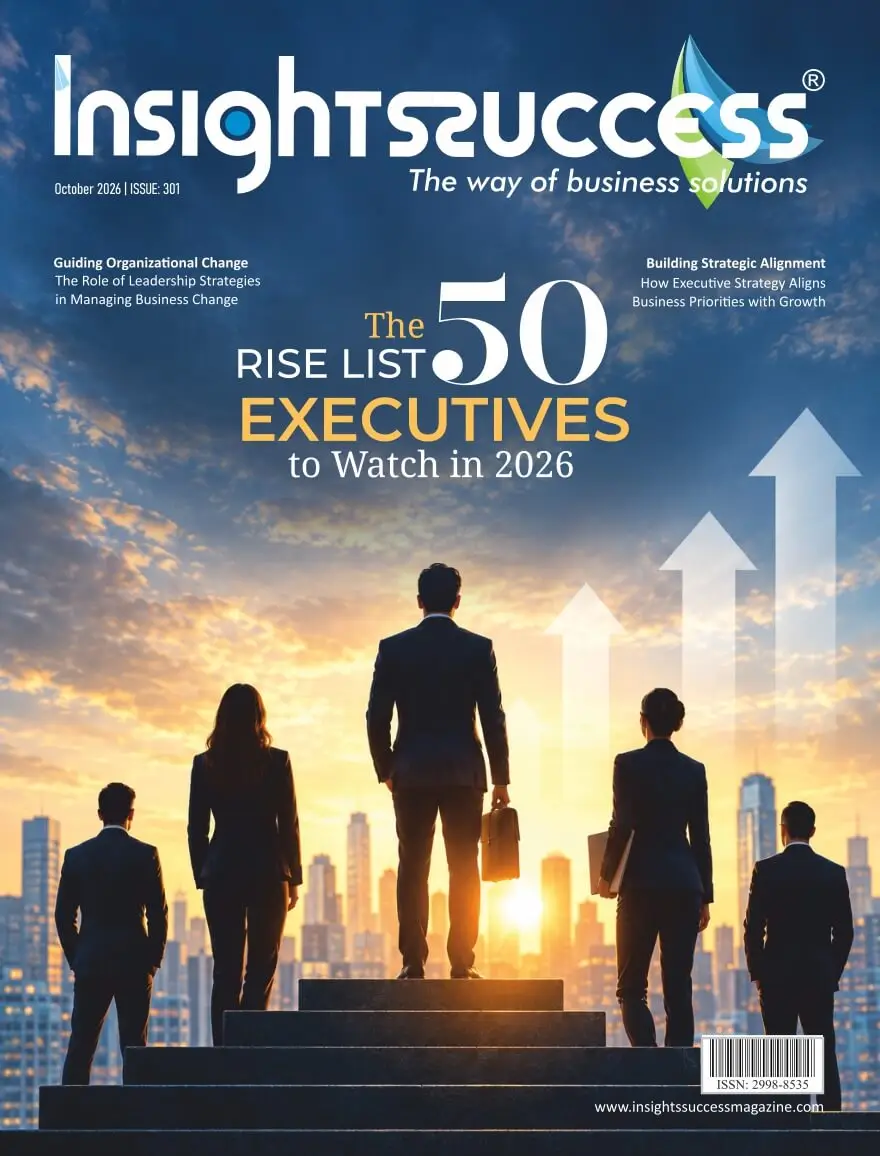
The Rise List: 50 Executives to Watch in 2026
The Rise List: 50 Executives to Watch in 2026 Recognizing executives shaping business growth through strategic thinking, innovation, and strong leadership. This edition highlights emerging leaders driving organizational progress, building teams, and creating lasting value across industries. Digital Link Quick highlights Quick reads

Leadership That Turns Vision into Lasting Value
Leadership is defined not only by the goals an organization sets but also by the decisions that bring those goals within reach. Across industries, executives face the responsibility of building trust, strengthening teams, improving systems, and creating value that lasts beyond immediate business results. Their work requires a clear understanding of people, technology, strategy, and the structures that allow organizations to grow with purpose. Strong leaders recognize that progress begins with understanding real challenges. Whether improving digital infrastructure, aligning people with business objectives, or introducing secure technology solutions, they look beyond short-term outcomes. They consider how their decisions affect customers, employees, partners, and the wider communities their organizations serve. This approach calls for practical thinking, accountability, and a willingness to learn from every stage of the professional journey. The Rise List: 50 Executives to Watch recognizes leaders whose work reflects these qualities. The edition brings together executives from different fields who contribute to business progress through strategic thinking, professional expertise, and a clear sense of responsibility. Their journeys offer valuable perspectives on building reliable organizations, developing people, strengthening customer relationships, and responding to changing market needs. Together, their stories highlight how leadership creates value when vision is supported by action, sound judgment, and consistent standards. The executives featured in this edition bring distinct perspectives to leadership and organizational growth. Their work spans digital infrastructure, people strategy, human resources, telecommunications, digital security, and technology-driven business solutions. From strengthening ICT systems and improving organizational performance to connecting customer needs with measurable business outcomes, their professional journeys demonstrate the value of combining technical knowledge with strategic thinking. Their experiences also show how trust, accountability, and long-term relationships help organizations build a firm foundation for future growth. Turn the page to discover the ideas, experiences, and leadership approaches shaping the future of business!

Beyond the Transaction: How Youssef Houry Is Redefining What Commercial Leadership Looks Like in the Digital Age
If you had mapped the Middle East’s technology sector twenty years ago and compared it to what exists today, the distance between the two would be difficult to explain without the word transformation. Telecommunications networks that once carried voice calls now carry biometric data, digital identities, and real-time payment instructions across infrastructure that took years and enormous capital to build. None of that happened on its own, and none of it was inevitable. It happened because professionals who understood both the technology and the market showed up consistently and helped clients navigate decisions that had no established playbook. Youssef Houry is one of those professionals. His more than two decades of experience across telecommunications, digital security, smart card technologies, and digital transformation have not followed a tidy arc from one role to the next. They have followed the logic of a career built at the intersection of technical understanding and strategic relationship development, where each new challenge required bringing both to bear simultaneously. At VALID Middle East, the Dubai-based subsidiary of a group founded in 1957 with a global footprint across identity, payments, and digital security, he leads commercial strategy from exactly that intersection. He mentions, “Sustainable growth comes from understanding customer challenges, delivering measurable value, and building long-term trust. This philosophy continues to shape my leadership approach today.” From Engineering Foundation to Commercial Vision The engineering foundation that anchored Youssef’s early career was not incidental to his later commercial success. It was its precondition. Understanding technology at the level of how it actually works, rather than simply how it can be positioned in a sales narrative, gave him something that pure commercial professionals rarely possess: the credibility to engage meaningfully with technical stakeholders at the highest levels of client organizations. Over time, as he transitioned into business development and sales leadership roles across the Middle East, that technical foundation became the trust currency of every executive relationship he built. C-level conversations in telecommunications and digital security are not won through polished presentations alone. They are won through the demonstrated ability to understand a client’s operational reality at sufficient depth that the proposed solution feels genuinely tailored rather than generically applied. What he discovered through that evolution was a conviction that would become central to everything he subsequently built: that the word sales undersell the actual nature of the work. He prefers the term commercial role, and the distinction is precise rather than merely semantic. A sales role closes transactions. A commercial role creates the conditions within which the right solutions reach the right clients at the right moment, producing outcomes that justify ongoing partnership rather than simply completing a single engagement. He asserts, “Sales is much more than revenue generation. It is about understanding market dynamics, identifying opportunities, and creating value for customers and stakeholders.” The Milestone That Demonstrated What Was Possible Among the most significant chapters of Youssef’s career was the successful expansion of business operations across multiple Middle Eastern markets and the establishment of strategic partnerships with some of the region’s most prominent telecommunications groups. The achievement demanded navigating complex and frequently shifting market dynamics, building senior executive relationships across cultures and organizations with very different internal priorities, and leading high-performing teams operating simultaneously across different countries with different regulatory environments and different competitive landscapes. What makes this milestone most instructive is not the scale of what was accomplished but the approach that made it possible. Success in that kind of expansion is rarely a matter of superior product specifications or pricing advantage alone. It is almost always a function of relationship depth, of having invested consistently and authentically in understanding what matters most to the people on the other side of the table and of being trusted enough that they bring you into conversations before the formal procurement process has begun. Equally significant was his contribution to the broader evolution of the sector: supporting the transition from traditional telecom and identity solutions toward digital transformation initiatives involving digital onboarding, biometric authentication, eSIM platforms, and comprehensive secure digital services. Being part of that transition and helping clients navigate it rather than simply supplying components of it, reinforced his understanding of the strategic dimension of commercial leadership. He highlights, “These experiences reinforced the importance of innovation and strategic thinking in driving long-term business success across complex and competitive markets.” Digital Transformation and the New Commercial Reality Digital transformation has changed the operating environment for commercial leadership in ways that are both enabling and demanding in equal measure. The enabling dimension is real and significant: data analytics, automation, artificial intelligence, and digital engagement platforms have given sales organizations unprecedented visibility into customer behavior, market dynamics, and the performance of their own commercial activities. Decisions that once relied on accumulated intuition can now be informed by real-time data. Customer engagement can be personalized on a scale that was operationally impossible a decade ago. The demanding dimension is equally real. Digital transformation has raised customer expectations in ways that show no sign of reversing. Organizations that can deliver seamless, intelligent, and genuinely valuable digital experiences set the benchmark for everyone operating in the same space. Those that cannot find themselves competing on price in markets where differentiation on price is neither sustainable nor strategically satisfying. For Youssef, navigating this reality requires maintaining a discipline that digital abundance can paradoxically undermine: the discipline of strategic focus. Not every technology trend represents a genuine opportunity worth pursuing. Not every innovation aligns with business objectives in ways that create sustainable value for both the organization and its clients. The leaders who make the most effective decisions in this environment are those who can distinguish between genuine strategic opportunities and attractive noise. He states, “Innovation should always serve a clear business purpose and deliver tangible value to customers. Strategic discipline is essential. Not every innovation aligns with business objectives.” Leadership That Creates the Conditions for Excellence Youssef’s philosophy of leadership is built on a premise that he applies consistently across every team he has

How Ria Mohta Turned Cross-Industry Leadership into a Philosophy
There is a line Ria Mohta returns to consistently, across boardroom conversations, consulting engagements, and executive education programs: business grows through strategy, but strategy succeeds through people. It is not a motivational phrase she borrowed from someone else. It is the conclusion she arrived at through two decades of direct experience, across manufacturing floors, global FMCG organizations, construction conglomerates, and now the advisory work she leads as Board Advisory and HR Transformation Consultant associated with Black and Grey. Every role she has held, every industry she has entered, and every challenge she has navigated has reinforced the same foundational truth. The organizations that grow sustainably are not those with the best strategies on paper. They are those whose people’s strategies and business strategies move together. Ria’s professional journey does not follow a conventional arc. It follows something more deliberate: a series of intentional choices; each made not advance a title but to solve a business problem she had never encountered before. After completing her MBA, she joined the Parle Group, where the shop floor became her first and most formative classroom. Working in manufacturing alongside Lean Management and Greenfield expansion projects, she learned that productivity, quality, safety, employee engagement, and business performance are never separate conversations. They are deeply interconnected, and the culture that connects them is not built in meeting rooms. It is built where people create value every day. The PepsiCo Turning Point If Parle gave Ria her foundation, PepsiCo gave her transformation. It was her first experience of a truly worldclass HR function, one that operated not as a support service but as a genuine strategic partner, influencing business decisions, shaping leadership capability, and contributing directly to long-term growth. The shift in her understanding of what HR could be was fundamental and permanent. It was also, by her own account, the most personally demanding period of her career. She joined PepsiCo as a young mother to a toddler, living in Chennai without an extended family support system, while her husband frequently worked on long-term projects across the GCC. The tension between professional ambition and personal responsibility was real and daily. What carried her through was the quality of the environment around her: people whose ambition inspired growth rather than competition, and a culture where ordinary people consistently produced extraordinary outcomes. She reflects, “Culture is not created through policies. It is created through the everyday behaviors of people. Culture is not built by having the loudest voice in the room; it is about creating an environment that continues to influence even the last person in the business to think about business purpose and their contribution to the bigger picture.” That conviction, formed during one of the most demanding chapters of her life, has never left her. Executive education at XLRI deepened her theoretical grounding. But it was the lived experience of those years at PepsiCo that shaped the leader she became. From Breadth to Board Level The trajectory that followed moved with deliberate intention across industries and geographies. At IFFCO, Ria stepped from being an HR Business Partner into a genuinely strategic leadership role, contributing to boardroom discussions across multiple countries, aligning people strategy with business strategy at the highest levels, and experiencing large-scale organizational transformation from the inside. The experience reinforced her central belief: transformation is sustainable only when leadership strategy and people’s strategy move forward together, not in sequence. The move into consulting marked another deliberate boundary crossing. Corporate HR teaches depth within one organization. Consulting teaches breadth across many. Working with diversified conglomerates across construction, engineering, hospitality, healthcare, and manufacturing challenged her to design solutions contextually rather than prescriptively. Every client had different business realities. Every solution had to be built around the organization’s culture, strategy, and stage of growth. Leading Talent and Organizational Development for Khansaheb further strengthened her conviction that leadership capability is the greatest competitive advantage any organization can build. CHRO program at Unniversity of Pennislyvania at The Wharton School, alongside aspiring CHROs around the world, expanded her perspective while reinforcing a principle that has held constant: business contexts differ across countries and industries, but great leadership principles remain universal. She notes, “No two roles have ever been the same. Every experience built the foundation for the next. I have always believed in experiencing first and learning next.” The Questions That Drive Innovation When Ria evaluates whether a people’s practice is genuinely innovative or simply new, she applies three questions that have become the filter through which she assesses every initiative she designs or advises. The first: if we were building this practice today from scratch, would we design it the same way? If not, why are we continuing with the old approach? Second: imagine this initiative failed five years from now. What could be the possible reasons, and what can we do today to prevent them? The third: can the business sustain this approach after implementation without continuously depending on guidelines, manuals, or external intervention? These questions ensure that innovation is not only creative but genuinely durable. The best solutions, as she describes them, are not the most complicated. They are the ones that people can adopt, sustain, and connect with because they solve a real problem in a way that makes operational sense. Her framework for identifying trends before they become obvious draws on the same structured thinking. She has carried the PESTLE model as a lens across her entire career, not as an academic exercise but as a way of reading signals that most leaders dismiss as noise. Some of the most valuable insights, she argues, come not from reports but from listening closely to frontline employees, young professionals entering the workforce, and people who challenge conventional assumptions. Trust as a Compounding Asset Across two decades of working with stakeholders ranging from shop floor teams to board members, Ria’s view of trust is precise and consistent. It is never established through authority. It is earned through consistency, and it compounds over time the way reputation does, slowly built