




The Most Influential Personality To Follow In 2026
The Most Influential Personality To Follow In 2026 Recognizing a visionary leader whose influence, innovation, and leadership continue to inspire industries, empower communities, and drive meaningful change through exceptional achievements, strategic thinking, and a lasting impact in 2026. Digital Link Quick highlights Quick reads

Strengthening Growth Through Corporate Governance
Corporate Litigation and Advisory The legal and regulatory landscape is becoming more diverse and complex for global organizations in a world of globalization, technology change, and changing expectations of stakeholders. Common business concerns these days have to deal with risks involved in their operation, and they need to be transparent, accountable, and compliant with regulations. Insanitary governance within companies can lead to financial fines, reputational losses, and operational instability. As time goes on, Corporate Litigation and Advisory services are proving crucial to ensuring that businesses can maintain growth and operate efficiently in this climate. Legal services are becoming more valuable for businesses as they need to resolve conflicts and also to provide legal guidance and legal planning to eliminate future risks. A robust legal advisory structure enables organizations to handle regulatory issues and commercial disputes. Meanwhile, good Corporate Governance is now a crucial part of business’s successful strategies in the long term. Governance frameworks can enhance accountability, decision making, business operations, and good ethical management practices and provide stakeholders with confidence and continuity in business operations. Managing Risk and Strengthening Compliance Today’s businesses are working in a legal, and regulatory environment that feels way more complex than before. In multiple sectors, companies are dealing with fresh pressures that came up from regulatory changes, cross-border business operations, and also the compliance bar that keeps rising. Because of this, organizations often need legal structures that are clear and well defined, so they can keep things running smoothly, while also limiting financial exposure and legal risks. Robust corporate litigation and advisory strategies can help companies tighten up contract management, speed up dispute resolution processes, and keep in line with regulatory requirements. On top of that, taking a proactive legal approach—like doing early legal planning—can reduce sudden operational disruptions. It also helps maintain steadier, more constructive commercial relationships. Likewise, good Corporate Governance helps to enhance transparency and accountability within the organization. Governance systems enable improved governance over the operation and facilitate the business’s leadership decisions to be in alignment with ethical and regulatory requirements. Firms that emphasize governance measures tend to fare better when it comes to attracting investor trust and boosting market standing. Firms are also more likely to embed governance and legal compliance programs into wider operational planning programs. Companies that integrate legal strategies into their business goals can be better positioned for long-term success and stability. Technology and Legal Transformation The legal industry is still evolving with a little help from technology, and it’s the same story for corporate governance. When you bring in AI, digital documentation systems, predictive analytics, and cloud-based compliance platforms, it can boost overall efficiency and also encourage more legal oversight, plus better transparency. It’s kind of messy right now though in the best way, because the process keeps moving, and companies adjust as they go. Corporate Litigation & Advisory services are, sort of, getting folded into digital transformation strategies for a lot of organizations, to strengthen compliance oversight and manage operational risk. In other words, businesses can improve accountability and also become quicker to react to regulatory shifts via automated legal workflows and digital reporting systems, which helps a lot. Simultaneously, today’s Corporate Governance frameworks are depending more and more on digital tools, to help with audit readiness, regulatory reporting, and operational governance. With the aid of more advanced technologies, companies can improve the way leadership teams, compliance departments, and legal counsel connect, and at the same time they gain better visibility as well as transparency, so things are sort of clearer and trackable. Governance and legal management frameworks are also big parts of cybersecurity and data protection, you know. For organizations that have critical business data, keeping digital security steady while aligning with regulations and at the same time optimizing operations becomes the main focus. It’s not just about protection, but also about rule following and day to day efficiency, in practice. Building Long Term Organizational Resilience Legal and governance approaches in order to be successful in business must be able to stand up to economic turmoil and change in operations. Good governance is seen as directly contributing to operational stability and stakeholder trust by growing more and more important in highly competitive markets. Effective Corporate Litigation and Advisory structures enable organizations to enhance risk management, contractual engagements, and support proactive legal decision making. Companies with a formal legal advisory system typically handle more regulatory shifts and business challenges. Similarly, good Corporate Governance practices also help to enhance resilience of the organization by fostering transparency, accountability, and promoting ethical business practices of leadership. Excellent governance can enable companies to sustain investor confidence and operate for the long term. The landscape of business is constantly changing, and organizations will be more relying on integrated legal advisory and governance to remain competitive and stable in the world. Companies that effectively integrate legal skills, governance transparency and operational effectiveness will likely be more resilient and grow more sustainably in increasingly complex global markets, fostering long-term investor and stakeholder trust and responsible business management globally today. Read Also : Transforming Growth Through Digital Healthcare Marketing

Transforming Modern Corporate Law
Business Law Innovation Leaders Organizations across multiple industries are getting hit by rapid legal and operational transformation, mostly because of globalization, fast digital innovation, and regulatory expectations that keep shifting. A lot of businesses now need legal strategies that back up day to day operational efficiency, help with regulatory compliance, and also support sustainable growth, all while they adjust to competitive global markets. Companies are starting to see that legal services can’t just stay as traditional advisory work; in other words, they have to evolve into strategic contributors for long term business success. In this kind of environment, Business Law Innovation Leaders are helping companies modernize their legal workflows and make the whole organization more resilient. They blend legal knowledge with a kind of strategy sense, back business transformation, operational responsibility, and regulatory adaptability. So, organizations that really lean into newer legal practices are sometimes better placed to handle that growing complexity and even build stronger competitive positioning, in a steadier way. At the same time, organizations are pouring resources into Modern Corporate Law frameworks that are meant, sort of, to bolster operational clarity, governance accountability and, in a more sustained way, commercial growth. In practice, companies are requiring legal systems capable of handling shifting business challenges while still staying aligned with the regulatory requirements and compliance duties. Innovation and Strategic Legal Planning Modern businesses work inside pretty dynamic landscapes, shaped by tech advancement, cross border dealings, and stakeholder expectations that just keep shifting. Organizations have to make sure their legal strategy, kind of syncs with day-to-day operational priorities and also supports long term business aims. Otherwise, it gets messy quickly. Strong Business Law Innovation Leaders help organizations make legal planning a bit more practical through tech integration, compliance modernization, and a more proactive approach to risk management. In many cases businesses that keep an innovative legal framework in place are better prepared to enhance operational efficiency while also lowering their exposure to regulatory and commercial risks, so yeah, the whole thing tends to work smoother. Similarly, effective Modern Corporate Law supports greater organizational accountability and operational consistency, kinda like it makes things more in line. Legal frameworks that emphasize transparency and governance excellence help businesses improve decision making, all while strengthening investors and stakeholder confidence. Companies that prioritize legal modernization are often better prepared to manage evolving market conditions, and the shifting regulatory expectations too. Technology and Legal Transformation Technology keeps reshaping corporate legal services and those governance routines worldwide. Artificial intelligence, predictive analytics, cloud-based document systems and compliance platforms that run themselves are making day-to-day operations faster, and at the same time they help reinforce legal oversight, plus reporting abilities. It kind of feels like everything is converging, in a good way, but still with that steady control. Many Business Law Innovation Leaders are using digital technologies, sort of to boost contract management, compliance tracking, and legal reporting processes all at once. Automated systems help organizations cut down on operational delays, also making things clearer and more accountable across departments, and within various business functions. At the same time modern Corporate Law frameworks increasingly lean on technology driven compliance systems, back governance management and operational oversight day to day. Businesses can use digital platforms for strengthening collaboration between executive leadership teams legal advisors and operational managers, all while keeping stronger visibility into regulatory requirements, and that makes the whole process feel more managed. Cybersecurity, and data privacy have turned into kind of big priorities now inside corporate legal teams. Companies that handle sensitive operating and financial information have to make sure their digital systems stay safe, while also making room for compliance requirements, and keeping things running without interruption. Building Sustainable Legal Resilience Strong business law innovation leaders assist organizations with better governance standards and compliance programs, while enabling more proactive legal decision making. Companies that lean into legal innovation often find themselves more able to pivot as regulations shift, all while keeping operations running smoothly and reassuring stakeholders. Likewise, effective Modern Corporate Law helps bring more organizational resilience, by backing ethical governance, operational transparency, and regulatory accountability. Companies that really push modern legal frameworks are usually in a better spot to keep sustainable growth going and also protect their long-term market credibility. As business environments keep evolving, globally, organizations will find themselves relying more and more on inventive legal leadership and modern governance systems to stay competitive and keep operations steady. Firms that manage to weave in technology, legal modernization, and day to day accountability tend to build stronger resilience, and they can sustain growth across those more complex international markets, too—while still supporting responsible governance and long-term organizational success worldwide, even today. Read Also : Strengthening Growth Through Corporate Governance
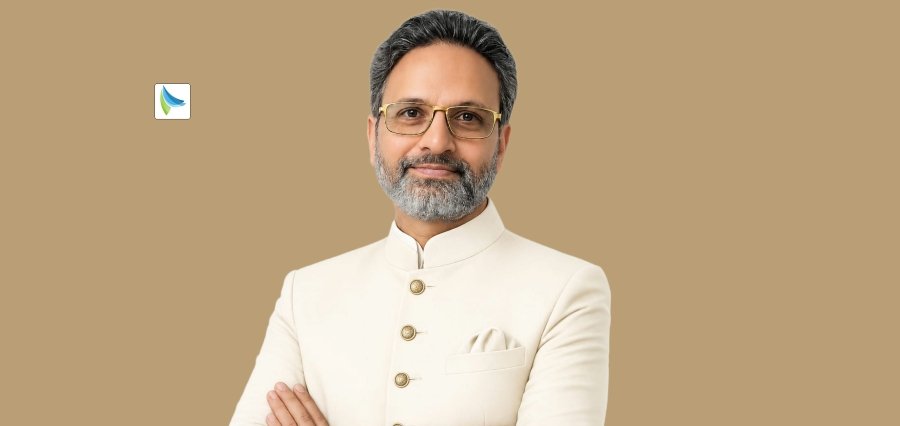
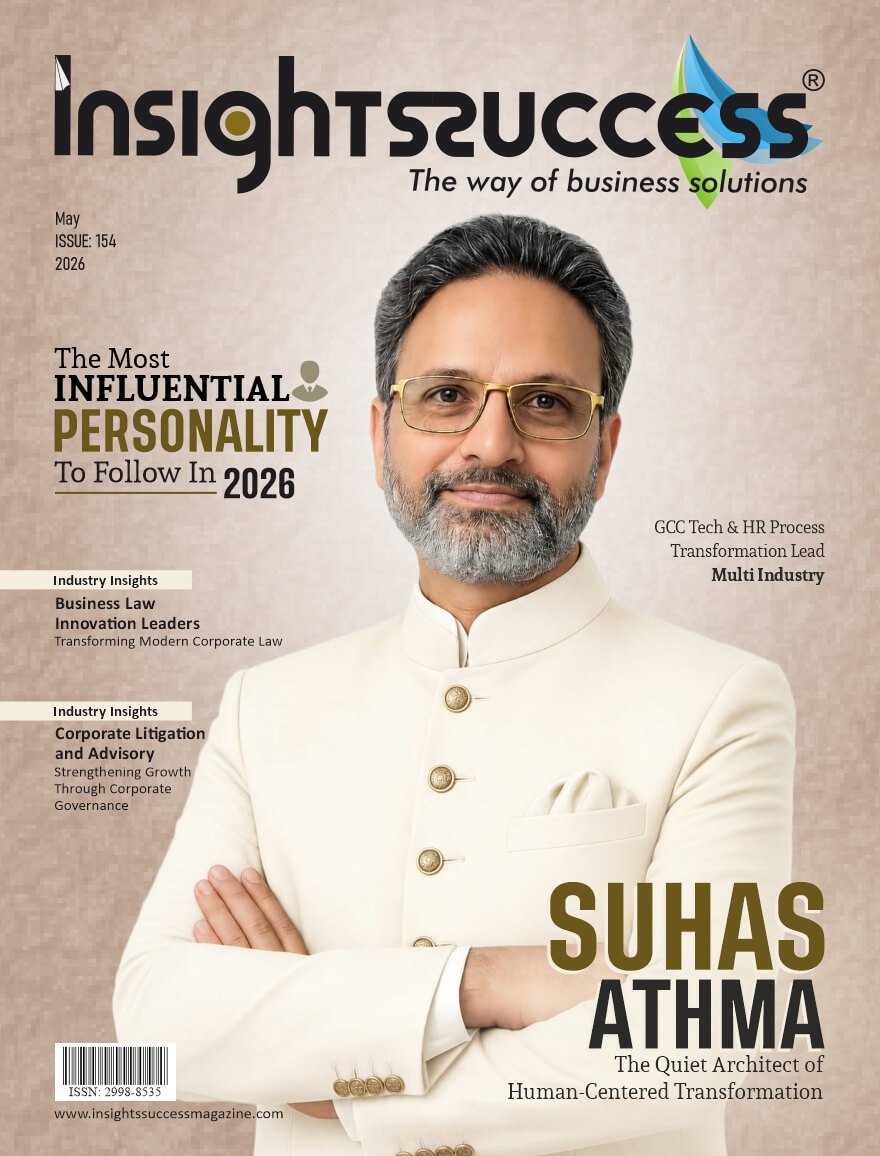
Suhas Athma: The Quiet Architect of Human-Centered Transformation
The business world established digital transformation as a mandatory requirement before corporate leaders adopted it as their preferred boardroom term. Suhas Athma discovered that organizations achieve success through organizational practices that show their staff members specific recognition and genuine trust based on their individual worth. He grew up in a middle-class household, which taught him that building resilience needed to become a daily practice while he learned about human behavior and relationships, and how to stay calm during uncertain times. The observations he made during this time formed the basis for his successful career, which lasted almost thirty years. Currently, he works at Multi Industry as their GCC Tech & HR Process Transformation Lead, where he combines his expertise in technology with his strategic capabilities and his ability to manage personnel. His professional background includes work in manufacturing facilities, consulting firms, global capability centers, and multinational companies that operate across different sectors and global regions. He has managed major HR changes while leading projects that developed AI systems that have changed how businesses handle staff development in our digital age. His most important quality comes from two main areas: his modernization expertise and his strong understanding of empathetic leadership as the foundation for successful leadership. He demonstrates through his work that people achieve their best development when they maintain their essential human qualities as their main focus. Discover how Suhas Athma is reshaping the future of HR by placing people at the heart of transformation. Roots Of a Purpose-Driven Journey Suhas Athma grew up in a middle-class family where hard work was simply a way of life. From an early age, he understood people well, how they react under pressure, how relationships help during difficult times, and how staying grounded sets true leaders apart. These lessons came not from books, but from everyday life, and they later shaped the way he approached his career. His academic path reflects both intellectual breadth and strategic curiosity. He holds a B.Sc. (Hons) from Bhavan’s New Science, Hyderabad, a Master’s degree in Defense Management from Madras University, and a Master’s Diploma in Business Management from the Institute of Marketing and Management. He pursued a Post-Graduate CHRM from the prestigious XLRI Jamshedpur, an institution that sharpened his thinking on leadership, organizational behavior, and business strategy. In 2019, he added a Post Doctorate (HC) in Management of Excellence in HR from the University of Entrepreneurship and Technology, Delaware, USA, cementing his credentials as a scholar-practitioner. But he belongs to a generation that learned as much in the field than in the classroom. His entry into HR came not with a blueprint but with a belief that the gap between policy and people was where real transformation lived. Across Industries and Across Borders Few HR professionals can claim the breadth of experience Suhas Athma has accumulated over three decades. He moved through manufacturing, telecom, technology, consulting, pharmaceuticals, logistics, energy, and global capability centers, a journey that took him through startups, Indian conglomerates, and multinational organizations spanning multiple countries and cultures. Each chapter brought new pressures, new stakeholders, and new lessons in navigating uncertainty while keeping people at the center of the equation. Early in his career, working in industrial relations and manufacturing environments exposed him to the raw, unfiltered reality of workforce management. He watched how the right communication and responsive leadership could transform employee confidence overnight and how neglect could erode it just as fast. Those experiences created in him a deep sense of accountability, not as a compliance requirement, but as a personal moral standard. As his career evolved, so did the scale of his ambitions. He began leading large-scale HR transformations, building Global Capability Centers from the ground up, and driving Workday implementations alongside automation and AI-enabled HR services. He championed digital HR transformation at a time when many organizations still treated technology as an afterthought rather than a strategic enabler. His certifications reflect the same forward-looking orientation: Senior Certified Professional in HR from SHRM USA, Certified Digital HR Specialist from AIHR Netherlands, Certified Advanced RPA Professional and Licensed Business Analyst of RPA from Automation Anywhere University USA, Certified Blockchain Expert, and a Certification Program in Gen AI and HR from CHRMP India. “No two days in this profession are ever the same. That diversity keeps me energized and continuously learning,” he says. When The Pandemic Tested Everything When COVID-19 swept across the world in 2020, it did not merely disrupt business operations; it exposed the emotional architecture beneath them. For HR leaders, the pandemic removed every comfortable buffer between policy and humanity. Employees arrived at meetings visibly frightened, managing grief, anxiety, and uncertainty that no performance management framework had ever been designed to address. For him, it became the defining professional test of his career. He focused immediately on what he knew mattered most, i.e., transparent communication, genuine well-being support, and preserving trust during moments of institutional uncertainty. He did not wait for the storm to pass. Instead, he used disruption as a catalyst to accelerate the very digital transformations that organizations had been deferring for years. Virtual onboarding, remote workforce management, AI-enabled HR support systems, and data-driven people strategies moved from pilot stage to full deployment within months. What could have taken years happened in a season. The pandemic also delivered a more personal lesson. Suhas Athma speaks candidly about the empathy it demanded, the recognition that behind every designation was a human being carrying struggles invisible to performance dashboards. That insight permanently changed the way he approached leadership, making him a more complete human being as well as a more effective professional. Strength and Self-Awareness Part of what distinguishes Suhas Athma from many leaders is his willingness to speak as honestly about his limitations as about his achievements. He identifies his greatest strengths as his empathy-driven approach, his adaptability across environments, and his ability to bring clarity and structure to complexity. Across diverse industries and geographies, he built a reputation for connecting with people at every level of the organization,
Breaking Barriers: The New Face of Influence in 2026
Breaking Barriers: The New Face of Influence in 2026 Influence in 2026 is no longer defined by status alone; it is shaped by innovation, resilience, authenticity, and purpose-driven leadership. Breaking Barriers: The New Face of Influence in 2026 celebrates visionary individuals and organizations redefining industries, challenging conventions, and inspiring global change through bold ideas, transformative actions, and meaningful impact across diverse sectors. Digital Link Quick highlights Quick reads

The Business Case for Conscious Leadership Transformation
Driving Organizational Success Through Intentional Change At the present time, with the changing dynamics within the business environment, profit-making and organizational prowess are not the sole determining factors of how organizations are viewed. At present, people working within an organization, including its consumers and other stakeholders, expect leaders to be empathic, accountable, honest, and purpose-driven. The changed perceptions have thus made way for a need for change to adopt a new leadership paradigm, where both efficiency, leadership, and value leadership must come together. This transformation into conscious leadership is one of the most important elements of the new leadership paradigm. Companies that practice conscious leadership are finding that transformation is not only a matter of morality or culture but of competitive advantage. Understanding Conscious Leadership Transformation The concept of conscious leadership transformation means a transformation of the consciousness of leaders to create more self-awareness, emotional intelligence, ethical thinking, and deliberate actions. Conscious leaders lead people not by instilling fear and authority but by fostering collaboration, trust, and unity towards common purposes. This kind of transformation prompts leaders to think beyond short-term results and start working for long-term consequences. They have to be conscious of the effects that their behavior produces on corporate culture, employee welfare, consumer loyalty, and societal development. Unlike conventional leadership concepts, conscious leadership implies such features as authenticity, awareness, responsibility, and humanness. Moreover, conscious leadership has nothing to do with stripping leaders of their authority but with the responsible use of that authority. Why Businesses Are Prioritizing Conscious Leadership Transformation The modern working population has experienced substantial evolution. The contemporary employee looks for something more than salary; they look for meaning, dignity, inclusivity, and opportunities for professional development. When companies lack these features, there are likely to be problems with engagement, burnout, and employee churn rate. Conscious leadership transformation is precisely what companies need under these conditions. Leaders who listen, speak honestly, and focus on their employees’ development foster environments where people feel important and inspired to do something. There are many studies that point out the direct correlation between an engaged workforce and better results at work. A conscious leader provides psychological safety, and this allows employees to freely share their ideas without being afraid of any sort of criticism. Along with this, conscious leadership assists businesses in handling uncertainty. Emotionally intelligent people who know their strengths are able to face crises and make appropriate decisions under such stressful conditions. The Financial Impact of Conscious Leadership Transformation Even though conscious leadership has many features that focus on the needs of humans, its effect on corporate success can be easily quantified. Companies that engage in the process of conscious leadership transformation benefit financially due to several reasons. First, there is a significant reduction in staff turnover. Hiring new employees is costly, including recruitment, adaptation to a new environment, training, etc. Organizational cultures built around leadership help keep talented people. Next, there is an increase in employees’ productivity. People who know that their opinions matter, feel valued, and understand what they do are more motivated to go overboard at work. Besides, leadership culture affects customer loyalty. These days, consumers tend to support businesses with good reputations and socially responsible behavior. This makes companies act in line with customers‘ expectations. Finally, investors tend to become aware of the long-term gains of ethical leadership. Building a Culture Through Conscious Leadership Transformation Culture cannot be developed through only the formulation of mission statements; it must evolve through the actions and decisions taken by leaders daily. The way in which leaders communicate, decide, and interact with employees directly affects company culture. Transformational leadership that is conscious allows companies to create cultures based on trust, inclusiveness, and accountability. Leaders who practice authentic leadership practices will foster the same practices among their employees. This kind of culture promotes learning over fault-finding; mistakes are viewed as learning opportunities. Employees are free to make mistakes because they understand that doing so is an essential part of the process. This promotes innovation because employees will feel safe in experimenting and contributing to their work. In addition, conscious leadership promotes efforts toward diversity and inclusiveness within companies. Self-aware and empathic leaders are more capable of recognizing their own biases and creating an environment that promotes equality among all employees. Inclusiveness creates problem-solving and diverse mindsets in an organization.. Challenges in Implementing Conscious Leadership Transformation Nevertheless, implementing conscious leadership is not a simple process. There are many organizations that work according to their own traditional structure, where for long years leadership was associated with power and control. One of the obstacles to conscious leadership could be the difficulty associated with being vulnerable. This implies that the leaders should think about their strengths and weaknesses and be prepared to accept criticism. Another problem could relate to finding the balance between the need to generate results and cultural transformation. Only those companies that manage to look into the future will succeed. In this regard, leadership development programs are extremely important. The key element here is the willingness of the organization’s management to initiate such processes. Conscious leadership presupposes continuous improvement. The Future of Business Depends on Conscious Leadership Transformation As businesses keep developing due to digital disruption, globalization, and changing expectations from the work environment, leadership will become an important factor of business success. Technical knowledge or efficiency are not enough anymore, as human-centered leadership has also become a must-have element. In the future, success will go to those companies that understand the value of empathy, authenticity, and purposeful leadership. Transformation towards conscious leadership makes it possible to thrive in complexity and at the same time stay connected with all stakeholders of business activities. Transformation towards conscious leadership inspires not only productivity but also trust and loyalty, as these leaders manage to develop such businesses where everyone feels empowered, innovative, and inspired to move forward together. At the end of the day, it is not only about becoming better leaders; it is also about developing successful companies through conscious leadership.

Integrating Subconscious Healing Mentorship into Clinical Practice
A Framework for Modern Therapists Over the last few years, there have been many changes in the delivery of health care that has moved beyond the traditional process where the aim was simply to relieve physical ailments. In the present time, people need medical assistance that will enable them to improve their well-being both physically and mentally, as well as take into consideration other factors contributing to their health. Subconscious healing mentoring enables the individual to solve his/her inner conflicts. As the trend is moving towards more patient-oriented environments, incorporating subconscious healing mentoring may be effective. Understanding the Role of Subconscious Healing Mentorship Subconscious mind contains memories, emotions, learnt behaviors, and inner stories that have been created over a lifetime. Often, emotional triggers, stress reactions, and even bodily sensations can be traced back to unresolved subconscious issues. In the usual process of treating disease, a diagnosis is made and a suitable treatment plan is devised; however, subconscious mentoring seeks to resolve underlying emotional or psychological reasons that may have contributed to the development of the illness. Such a mentoring process does not seek to replace scientifically proven medicine in any way. Rather, it serves as an added component that enables a patient to achieve emotional balance and heightened awareness. Patients will often find ways to cope and feel emotionally stronger through introspection, emotional exploration, mindfulness, and transformation of mindset. Often, healthcare professionals who practice subconscious healing mentoring see greater patient engagement, communication, and overall trust from their patients. Why Clinical Practice is Embracing Holistic Healing Approaches With the increased number of stress-related diseases, anxiety, burnout, and chronic diseases, there is an increased need for the development of more holistic treatment models. The patient is not simply asking about how they can address the illness or condition but also asking why they have developed it in the first place. Here is where subconscious healing mentorship can be of benefit. By helping patients understand their emotional stress triggers, their fears and subconscious habits, the clinician can provide them with a more complete healing experience. This means that in the case of a patient suffering from chronic pain, the patient may also have to go through some emotional trauma, unresolved grief or ongoing stress, which is contributing to their physical pain. Equally, those who suffer from lifestyle-related illnesses could have subconscious beliefs around issues such as self-worth or emotional safety. Practical Ways to Integrate Subconscious Healing Mentorship into Clinical Settings It is possible to implement subconscious healing mentoring within the healthcare environment without necessarily forsaking traditional approaches. It means making space for an exploration of one’s emotions and for mentoring while giving treatment to those who seek it. Creating Safe and Compassionate Conversations Mentoring through subconscious healing starts by listening to a patient unconditionally. This may happen by encouraging patients to talk freely about any emotional distress, any stress that affects their health, and anything else that is bothering them about a condition. One way to do so is to ask insightful questions such as how the patient feels emotionally because of the problem or the stress associated with it. Incorporating Mindfulness and Emotional Awareness The use of mindfulness practices will allow people to gain awareness regarding subconscious responses and emotional triggers. Mindfulness techniques like breathing, visualization, meditations, and journaling will allow a person to take a step back and notice the emotions they experience. According to many subconscious healing mentoring practitioners, they advise clients to continue using such techniques in order to develop a high level of emotional resilience even during times when they are not attending therapy sessions. Collaborating with Mental Health and Wellness Professionals Healthcare providers don’t have to be psychologists, counselors, wellness mentors or coaches for them to implement subconscious healing principles effectively. They can collaborate with psychologists, counselors, practitioners knowledgeable in subconscious healing practices and wellness mentors so that there is an all-rounded healing environment. If clinicians partner with specialists in subconscious healing mentorship, then patients will get help not only in relieving their ailments but also in ensuring their mental well-being. The Impact of Subconscious Healing Mentorship on Patient Outcomes Many people experience considerable emotional transformation once subconscious healing mentoring becomes part of their process. Self-awareness is one such advantage, which leads to improved ability to manage emotions, reduce stress levels, and motivate people towards adopting healthy practices. Subconscious healing is often credited with the ability to make people more emotionally stable and mentally clear, as well as giving people a sense of power over their lives. Patients are often more resilient and better equipped to cope with difficult situations and experiences. This approach can also contribute to patients’ increased commitment to following through on their treatment plans since they realize how certain emotions affect their behavior and health decisions. Self-respect, reduced anxiety levels, and enhanced mind-body connection are additional benefits that patients can expect. For practitioners, providing patients with emotional support can be a highly gratifying experience. Healthcare professionals enter the medical field with sincere wishes to help others recover and heal, but often healthcare settings put barriers in their way, thus preventing them from experiencing true fulfillment at work. The use of subconscious healing can enable medical professionals to reconnect with the human component of their work. Ethical Considerations When Using Subconscious Healing Mentorship Even as subconscious healing mentorship may prove beneficial, ethical consideration must not be overlooked. It is paramount that the practitioner appreciates the extent of their abilities and does not confuse the practices of subconscious healing mentorship for therapy from licensed psychologists or psychiatrists where it is needed. Communication is another critical aspect of this type of mentorship. The patient needs to be made aware that subconscious healing is an alternative practice intended to enhance general wellbeing but should not be confused with treatments for any medical or psychological issues. In addition, practitioners should observe sensitive communication as delving into one’s subconscious mind might reveal unresolved psychological pain. The Future of Healing: Integrating Mind, Body, and Emotion The integration of subconscious

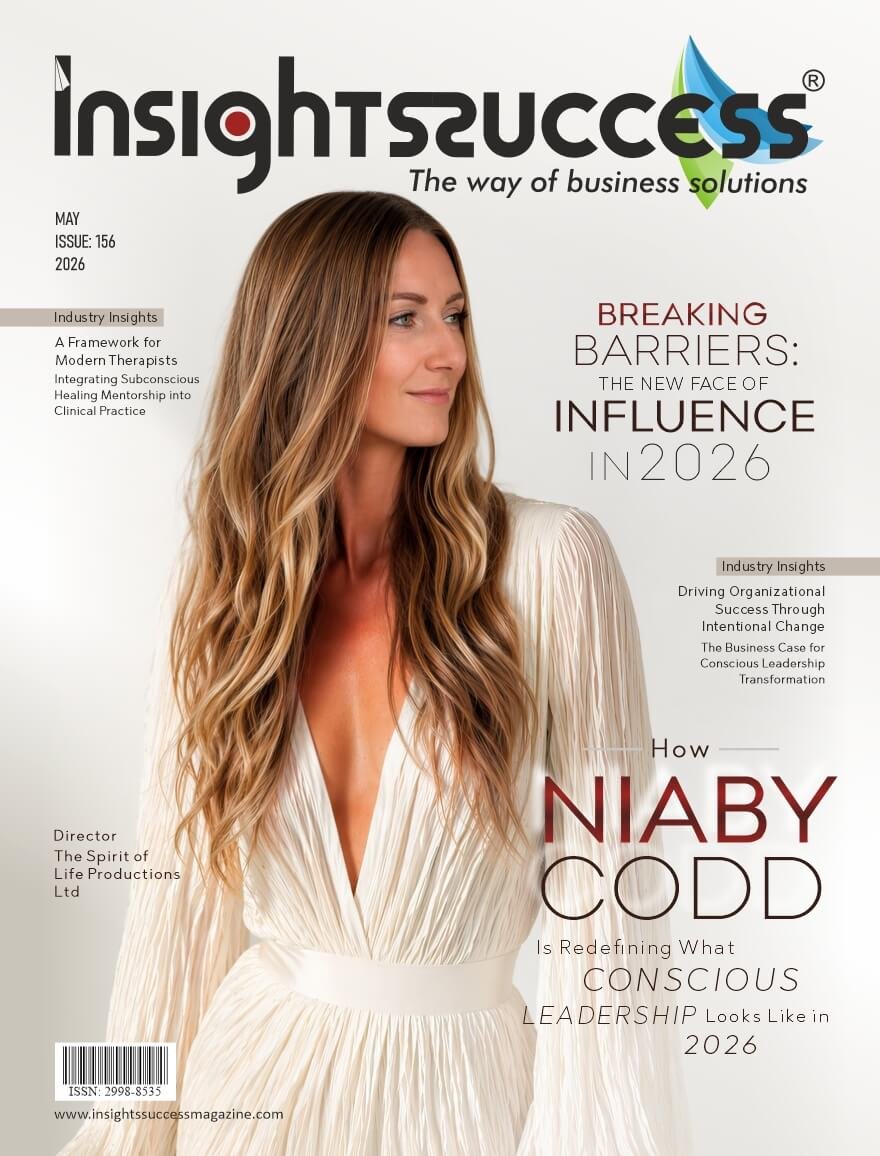
How Niaby Codd Is Redefining What Conscious Leadership Looks Like in 2026
There is a particular kind of exhaustion that high-achieving people rarely talk about. It is not the tiredness that sleep fixes. It is the deeper fatigue of performing a version of yourself that was never really you, of building a life that looks impressive from the outside while something essential quietly disappears on the inside. Most people who reach that point push harder. Niaby Codd stopped, looked at it directly, and chose a different path entirely. That choice, made in the aftermath of chronic burnout and ill health after fifteen years in finance and twelve as a stockbroker in London and Hong Kong, did not feel like a choice at the time. It felt like a collapse. But what emerged from that collapse is a body of work, a philosophy, and a form of leadership that is reaching people who have never been reached by conventional self-help or corporate coaching. As Director of The Spirit of Life Productions Ltd, she operates as the influencer behind the influencers: a conscious thought leader, visionary, and transformational mentor who works in the depths so that others can lead from their heights. In a media landscape crowded with voices competing for attention, she stands apart not because she is the loudest but because she is the most grounded in lived experience. She has walked through the fire she now helps others navigate, and that distinction is the foundation of everything she has built. From Trading Floors to Inner Territories Niaby’s corporate career was, by any external measure, impressive. Stockbroking in two of the world’s most demanding financial centers demands precision, resilience, and the ability to read situations quickly and act decisively under pressure. She had all of those qualities. What she also had, and what the environment consistently failed to honor, was an intuitive capacity to perceive outcomes before they materialized, a kind of foresight that the transactional world of finance had neither the language nor the patience to accommodate. When working on someone else’s desk, she would raise concerns or offer alternative perspectives based on what she could intuitively see playing out. Those perspectives were frequently dismissed. It was only when she ran her own broking desk, where she was responsible for the decisions being made, that she could let her foresight guide the work. When she did, the outcomes were measurable, clear, and consistent. She asserts, “What once felt like a burden became a source of conscious visionary insight.” But the cost of suppressing that capacity in environments that could not receive it was real and cumulative. Years of working against her own intuition, in a culture that rewarded performance and penalized anything that looked like sensitivity or dissent, accumulated into the chronic ill health and burnout that eventually made continuing impossible. What followed was not a career pivot. It was a dismantling and a rebuilding, from the ground up, with entirely different materials and an entirely different purpose. The Unravelling That Became the Work The years following Niaby’s departure from finance were not a clean or comfortable transition. They were reckoning. Working through what she describes as a collapse of identity, she began confronting layers of trauma and societal conditioning that had shaped not just her career choices but her fundamental understanding of who she was. The mask, constructed from performance, external validation, and the relentless need to appear capable, had kept her both functional and profoundly disconnected from herself. What began as a personal crisis became professional calling. The process of moving through that collapse, layer by layer, and emerging with clarity on the other side gave her not just her own healing but an intimate, embodied understanding of how human conditioning operates and how it can be released. That understanding became the foundation of everything she now offers others. She mentions, “This period of surrender and reconstruction led me to step away from conventional success and into a life devoted to humanity’s collective awakening.” Niaby Codd did not design her practice based on research alone. She emerged from a deeply personal process and then built the frameworks to help others navigate similar experiences. Her work is grounded in authenticity, empathy, and firsthand understanding, which gives it a distinctive depth and credibility that strongly resonates with those she supports. The Spirit of Life: A Platform Built from Purpose The Spirit of Life Productions Ltd was never conceived as a conventional business. Its tagline, inspiring people to be who they came here to be, is not a marketing line. It is a mission statement that predates any commercial consideration and shapes every decision the company makes. The platform operates across books, articles, podcasts, and music, each channel a different vehicle for the same essential message: that beneath the layers of conditioning, expectation, and inherited belief systems, each person carries a unique gift, and that expressing that gift is both an act of personal liberation and a contribution to collective healing. Her two published books sit at the heart of that mission. The Spirit of Life, written with what she describes as a precognition of the global shift of 2020, is a remembrance of divine consciousness and the sacred intelligence that moves through all things. Humanity’s Deception is a compelling and confrontational work that explores collective illusion and inherited belief systems, while inviting readers to look beyond conditioning and reclaim sovereign awareness. She highlights, “Every one of us has a gift, a gift that will help to heal the rift.” Her podcast, The Spirit of Life in Ibiza, extends that conversation into audio, delving into the stories and systems that shape lives, challenging assumptions, and creating space for the kind of reflection that produces genuine and lasting change. Her music, currently being developed across two full albums, brings consciously crafted lyrics into sound, offering what she describes as a rare and deliberate alternative to the unconscious messaging that saturates mainstream culture. Every output, regardless of medium, serves the same purpose: to help people remember who they are beneath everything they have
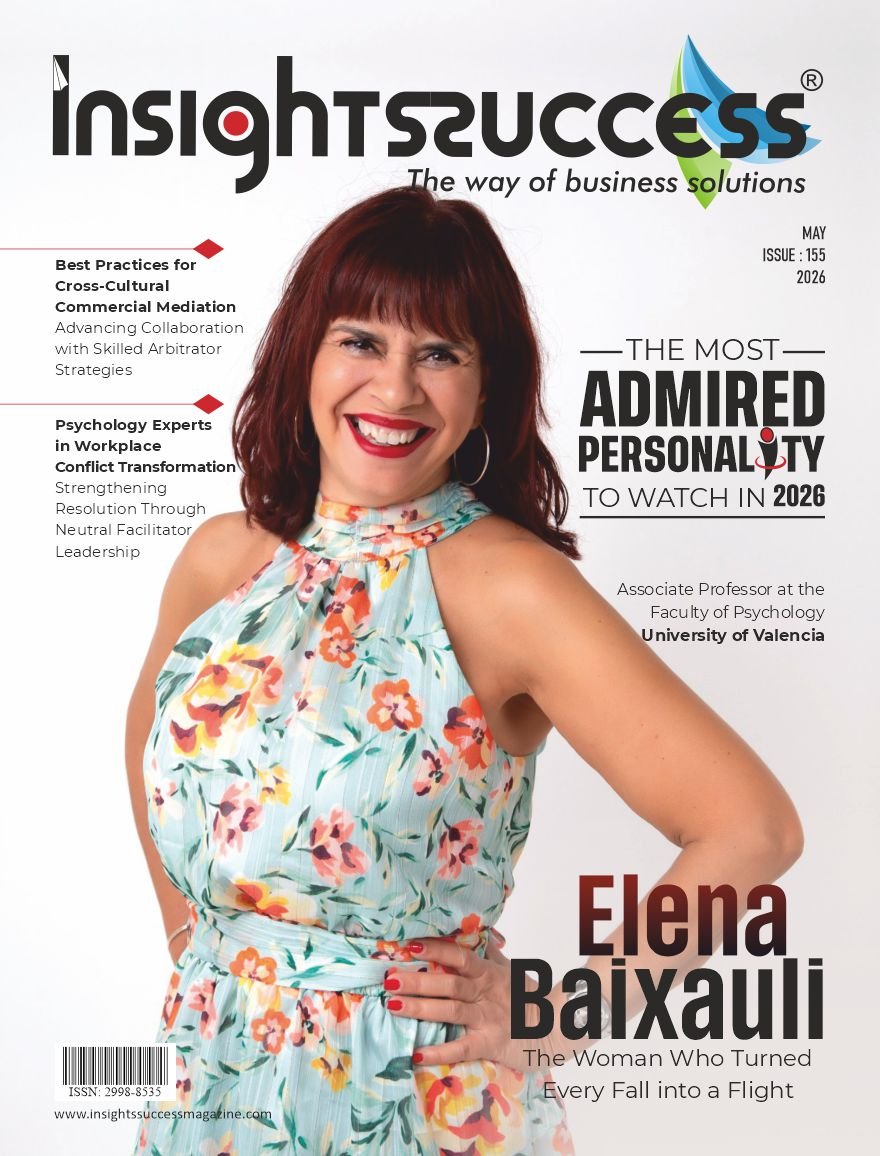
The Most Admired Personality To Watch In 2026
The Most Admired Personality To Watch In 2026 Celebrating an exceptional leader whose vision, influence, and dedication are shaping industries, inspiring transformation, and empowering communities through innovation, resilience, and impactful contributions that define excellence and leadership in 2026. Digital Link Quick highlights Quick reads
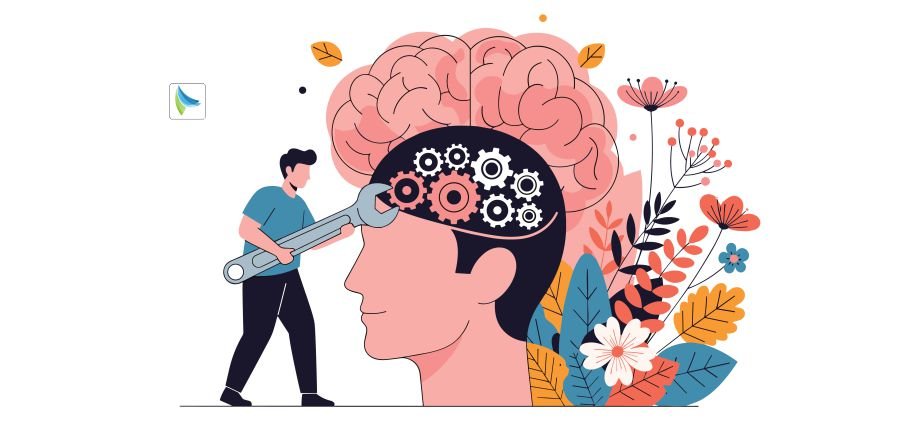
Strengthening Resolution Through Neutral Facilitator Leadership
Psychology Experts in Workplace Conflict Transformation Businesses are realizing that failure to address conflicts can have a detrimental effect on their operations, employees, efficiency, and ultimately their business. With the emergence of communication issues due to globalization, hybrid workplaces, and diverse workplace structures, there is a need for more intricate conflict management techniques to be implemented. It should be noted that good relationships in the workplace are not just about doing the right things anymore. This is because good relationships in the workplace are one of the key elements of ensuring sustainability in the business environment. Psychology Experts in Workplace Conflict Transformation help organizations to improve their communication, enhance their emotional intelligence, and build healthier workplace cultures in this space. These professionals employ the principles of behavioral psychology and conflict resolution techniques to manage conflict before it escalates into bigger operational issues. Businesses that focus on proactive conflict management can be well placed to enhance employee engagement and organizational performance. Concurrently, growing leadership and expertise in Neutral Facilitator skills are needed to facilitate productive conversations and facilitate fair processes of conflict resolution. Neutral facilitation can facilitate resolution of conflict and promote transparency, accountability and understanding among employee and leadership groups, building a more balanced discussion in an organization. The Role of Emotional Intelligence and Communication Today’s work environment demands people to work together with colleagues and leaders who are culturally, professionally, and linguistically diverse. Conflict can develop between team members and between departments caused by mistakes in what was expected, methods of leadership and approaches to communication. If these challenges are not addressed, it could lead to decreased morale, productivity, and employee turnover. A number of Psychology experts in workplace conflict transformation are interested in enhancing emotional intelligence and communication in organizational contexts. Conflict transformation is the process in which coaching programs, behavioral evaluations, and communication training sessions are some of the conflict transformation methods that help improve communication and cooperation. These efforts enable employees to become aware of their emotional responses, learn to listen, and build more positive strategies to solve issues. In the same vein, a good neutral facilitator will be able to help the organization communicate amid difficult negotiations and conflict situations. A facilitator provides a platform where individuals are allowed to share their views in a professional and dignified manner. In such cases, it becomes easier to improve employer-employee relations within the organization. Conflict resolution processes are also increasingly being incorporated into leadership development initiatives. Companies that promote teamwork and emotional intelligence have a higher likelihood of achieving good business culture and uniformity. Technology, Hybrid Work, and Conflict Resolution However, advancements in technology and hybrid working styles are transforming the manner in which businesses conduct themselves. Although technology has provided people with the opportunity to collaborate from different locations across various time zones, this form of collaboration may result in misunderstanding due to the absence of direct communication. Conflict Management approaches have been increasingly embraced by several Psychology Experts in Workplace Conflict in order to assist in the contemporary remote/hybrid workplace setting. Companies are actively engaging in efforts to improve employee engagement and address communication challenges through virtual mediation, communication skills training, and online collaboration. On the other hand, good neutral facilitator leadership is key in the digital environment in addressing complexity in workplace conversations. The facilitator will help the teams create productive virtual meetings and collaborative projects, encouraging balance and fostering positive discussion. Besides, digital tools can be used to analyze employee feedback, test the level of employee satisfaction and identify where there are communication difficulties in the organization. Organizations can evaluate and make improvements to their work environment and create intra- or inter-personal relationships using data. Building Sustainable Workplace Cultures The development of collaboration, accountability, and respectful communication among employees in the workplace is important for the success of the organization. In industries that move quickly and have stiff competition, there is growing recognition of the importance of having a good relationship within the work environment. Strong Psychology Experts in Workplace Conflict Transformation support organizations to build resilience and develop effective communication and proactive problem-solving approaches. Companies which implement workplace wellbeing and conflict resolution initiatives are more likely to keep employees happy and organization stable. Likewise, when the Neutral Facilitator works effectively, the trust in the organization will increase due to their balanced, respectful, and solution-oriented discussions. Organizational communication policies ensure that organizations are well-prepared for change, team building, and long-term employee engagement. In the future, leadership based on communication skills and systematic conflict management is expected to be of increasing significance in the workplace environment due to the need to ensure resilience and productivity. Emotional intelligence, good relations in the workplace, and conflict management are likely to result in improved organizational processes and more positive workplaces, which would contribute to the growth of the organizations and the well-being of their employees. Read Also : Integrating Subconscious Healing Mentorship into Clinical Practice