






What Property Owners Should Plan Before Clearing Land for a New Fence or Boundary Improvement
Installing a new fence or improving an existing property boundary often begins long before posts enter the ground. Trees, shrubs, vines, fallen limbs, and years of unmanaged vegetation can hide terrain features and restrict access along the proposed route. Clearing without a defined plan can create extra work if vegetation is removed from areas that do not actually interfere with construction. Brush clearing can help establish a workable corridor where crews need room to measure, transport materials, set posts, and operate equipment. The goal should be to create enough functional space for the project while preserving vegetation that can remain outside the construction zone. This approach keeps clearing connected to the actual fence plan. Larger woody material may require a different strategy once trees or substantial limbs are removed. Whole Tree chipping can become part of the material-management plan when suitable vegetation needs processing rather than accumulating along the boundary. Property owners working with Bear Claw Land Services can consider access, vegetation, terrain, and the intended fence layout together before clearing begins. Confirm the Boundary Before Creating a Clearing Corridor A visible tree line, old fence, worn trail, or mowing edge should not automatically be assumed to represent the legal property boundary. Existing landscape features may have developed independently of surveyed lines. Clearing first and confirming boundaries later can create avoidable complications. Property owners should identify reliable boundary information before establishing the work corridor. Survey markers, available property documents, and professional surveying where appropriate can provide a clearer basis for planning. The clearing route can then follow the actual project rather than an assumed line. This step also helps determine which vegetation truly conflicts with the proposed improvement. A tree that initially appears to block the route may fall outside the necessary work area once the boundary and fence alignment are properly understood. Decide How Much Working Width the Project Requires Fence construction requires more room than the finished fence itself occupies. Workers may need space for post-setting equipment, materials, tools, vehicles, and movement along both sides of the alignment. A narrow opening may expose the fence line while still leaving insufficient room for efficient construction. The necessary width depends on the project. A simple section accessible from one side creates different requirements from a long rural boundary where machinery must travel beside the fence. Gates, corners, steep areas, and material staging locations can require additional working space. Bear Claw Land Services can be considered when translating these access requirements into a vegetation-management plan. Establishing the required corridor before equipment begins working helps avoid both insufficient clearance and unnecessary removal beyond the project area. Mark Trees and Vegetation That Should Remain A fence project does not automatically require clearing every tree near the alignment. Mature trees, screening vegetation, and other desirable plants may remain compatible with the finished boundary if they do not interfere with construction or future maintenance. Identifying them early gives the clearing process clear limits. Trees close to the proposed fence deserve particular consideration. Their trunks may affect alignment, while roots can influence where excavation or post installation is practical. Future trunk and branch growth should also be considered rather than planning only around current dimensions. Clearly marking vegetation intended for preservation reduces uncertainty once work starts. Operators and contractors can distinguish intentional retention from vegetation that has simply not been addressed yet. Look for Hidden Obstacles Beneath Dense Growth Overgrown boundaries can conceal more than plants. Old wire, abandoned posts, rocks, discarded materials, drainage features, stumps, and remnants of previous improvements may be difficult to see until vegetation is reduced. These obstacles can affect both clearing equipment and later fence construction. An initial walking inspection is useful wherever conditions allow safe access. Property owners familiar with the land should identify known fencing, utilities, drainage structures, or buried features before machinery enters the corridor. Historical knowledge of the property can be especially valuable on older rural parcels. Brush clearing in Colorado should proceed with these potential obstacles in mind rather than treating dense vegetation as an uninterrupted mass. Revealing the ground progressively can provide information needed to adjust the construction plan before more extensive work occurs. Plan What Happens to Removed Woody Material Cutting vegetation creates a new logistical problem if the resulting material has nowhere to go. Branches, small trees, brush, and larger woody sections can occupy substantial space when piled loosely. Placing them directly along the future fence route may simply replace one obstruction with another. Material handling should therefore be decided before clearing begins. Some wood may be retained for another use, while suitable material may be processed depending on the project and site conditions. The chosen approach should keep construction access available. Whole Tree chipping can help manage appropriate woody vegetation when processing fits the scope and desired site condition. The resulting material still requires a planned destination, so property owners should consider where chips can remain or how they will otherwise be handled. Create Staging Areas Outside the Fence Work Zone Fence materials often arrive before installation begins. Posts, wire, panels, gates, hardware, and equipment need locations where they remain accessible without blocking the cleared corridor. Poor staging can force crews to move the same materials several times. Choose staging areas that support the direction of construction. On a long boundary, placing every material at one distant location may create unnecessary transportation. Strategic access points can reduce repeated travel while keeping the main work path open. The same principle applies to vegetation awaiting processing. Bear Claw Land Services can be part of planning how clearing and woody material management fit around available working space. Keeping incoming construction materials separate from outgoing vegetation creates a more organized transition between project phases. Consider Terrain Before Finalizing the Fence Alignment Vegetation can hide changes in slope that become obvious only after an area opens. Drainage channels, rocky ground, soft sections, gullies, and uneven surfaces may influence equipment movement or fence installation. A route that appears straightforward from a distance can require adjustments on the

What Makes Interior Shutters Age Well and Which Problems Signal Early Wear or Poor Fit
A window covering may look perfectly aligned after installation yet begin behaving differently after months or years of regular use. A panel starts rubbing against its frame, a louver refuses to remain at the chosen angle, or a finish develops marks that routine dusting no longer removes. Small changes like these deserve attention because they reveal where movement, hardware wear, moisture, or cleaning habits are affecting the covering. The lifespan of Shutters depends on more than the material from which they are made. Fit, mounting, everyday handling, room conditions, and maintenance all influence how well panels continue to operate. Spotting early changes gives homeowners a chance to distinguish a minor adjustment from damage that affects the structure of the covering. A useful inspection does not require dismantling anything or attempting complicated repairs. It involves watching how panels move, checking visible hardware, examining surfaces, and noticing changes from normal operation. AAA Blind & Shutter Factory may be considered when homeowners are comparing product condition, replacement options, or professional assessment after recurring problems appear. Smooth Panel Movement Reveals a Lot About the Installation A properly fitted panel should move through its normal range without scraping the frame, nearby trim, handles, or surrounding walls. New resistance that develops over time can point to loose hardware, alignment changes, or movement around the window opening. The location of the rubbing often provides the first useful clue. Look at the gaps around a closed panel. They should appear reasonably consistent rather than becoming noticeably tight at one corner and wide at another. A panel that seems to sag may also require slight lifting before it closes correctly. Repeatedly forcing a rubbing panel is a poor response. Friction can mark finishes and place additional strain on hinges or fasteners. Identifying why the alignment changed is more useful than simply pushing harder each time the covering is operated. Loose or Stiff Louvers Should Not Be Treated the Same Way Louvers are designed to hold an adjusted position while remaining easy enough to move. If several begin falling closed without being touched, tension or connecting components may have changed. A single louver behaving differently from all the others may indicate a more localized hardware issue. Excessive stiffness presents another problem. Forcing a resistant control mechanism puts pressure on connecting parts and may turn a small operating issue into physical damage. Dirt around moving areas, displaced components, or wear can all affect movement. Homeowners examining Shutters should compare the affected section with another panel that still operates normally. That simple comparison establishes what has changed without requiring technical disassembly. If the problem keeps returning after a basic adjustment, further inspection is more sensible than repeated force. Surface Changes Can Reveal More Than Ordinary Cosmetic Wear Small scratches and dust are expected on frequently handled household features, but swelling, cracking, peeling, or unusual discoloration deserve closer examination. These changes may indicate that the material or finish has been exposed to conditions it does not tolerate well. Bathrooms, kitchens, and other humid areas require particular attention. Moisture-related changes do not always appear across an entire panel. Lower rails, edges, corners, and surfaces close to frequently opened windows may show damage first. Checking these less visible areas during routine cleaning makes early changes easier to catch. AAA Blind & Shutter Factory can be included among the resources homeowners consider when trying to determine whether visible deterioration is limited to a finish or affects a larger component. The distinction matters because cosmetic damage and structural distortion lead to different decisions. Repainting a surface, for example, does not correct a panel that has physically changed shape. Cleaning Habits Can Either Preserve or Damage the Finish Dust tends to settle along horizontal louvers, frame edges, hinges, and corners. Allowing a heavy layer to accumulate makes later cleaning more difficult because grime may need greater pressure to remove. Light, regular dusting is usually gentler on both surfaces and moving parts. Cleaning methods should match the material. Saturating wood or leaving water around joints creates unnecessary exposure to moisture, while abrasive cleaners may dull or damage some coatings. A soft cloth or suitable duster is a safer starting point for ordinary household dust. Movable panels also need support during cleaning. Pulling against them while wiping hard-to-reach areas places stress on hinges and mounting points. Working from accessible angles and avoiding excessive pressure reduces the chance of turning routine care into an alignment problem. Hardware Problems Often Begin With Small Changes in Operation Hinges and connecting parts experience movement every time a panel opens or closes. A screw that gradually loosens may first appear as a slight change in alignment rather than an obvious hardware failure. Clicking sounds, unexpected movement, or a panel that no longer sits neatly can justify a visual check. Visible hardware should sit securely without obvious gaps or missing components. Homeowners should avoid repeatedly tightening parts without understanding why they are moving, especially if the surrounding material appears damaged. A fastener that will not remain secure may indicate a problem beyond simple looseness. Shutters that receive frequent daily use deserve closer observation than panels that rarely move. A heavily used living-room opening, for example, experiences different mechanical wear from a decorative window that remains in nearly the same position for weeks. Maintenance frequency should reflect actual use. Poor Fit Can Be Mistaken for Normal Aging Not every operating problem develops because a covering is old. An installation that began slightly out of square may show increasingly noticeable symptoms as components settle and receive regular use. Uneven gaps, recurring rubbing, and panels that will not remain neatly closed may point back to fit. Nearby obstacles can create similar confusion. Window handles, trim, furniture, or other features may interfere with movement and make a sound covering appear defective. Observing exactly where contact occurs prevents unnecessary replacement. When comparing corrective options through AAA Blind & Shutter Factory, homeowners can note when the issue began and which parts are affected. Photographs of changing gaps or surface marks can

Planning a Roof Replacement Around Landscaping, Driveways, Outdoor Features, and Daily Access
A major roofing project affects more than the surface above a home. Crews, materials, equipment, vehicles, and removed roofing components all need space around the property while work progresses. Preparing exterior areas before a Roof Replacement can make the project easier to coordinate without allowing routine household activity to compete with active work zones. Every property presents a different layout. Some homes have narrow driveways and mature landscaping, while others include patios, detached garages, fences, gardens, or several exterior entrances. Understanding how these features relate to the work area helps homeowners prepare practical access before the project begins. Property preparation does not require homeowners to redesign their entire outdoor space. Homey Roofing and Restoration can discuss project-related access and staging needs so residents know which areas deserve attention. Early planning allows movable belongings, vehicles, and everyday routines to be addressed before crews arrive. Walk Around the Property Before Work Begins A simple exterior walkthrough can reveal features that may affect project activity. Homeowners should look at driveways, gates, sidewalks, patios, landscaping, outdoor equipment, and frequently used entrances. The purpose is to identify spaces that serve more than one function. A driveway, for example, may normally provide parking while also becoming important for contractor access or material movement during the project. Taking photographs can help document normal property conditions. They also give homeowners a useful reference when returning outdoor spaces to their usual arrangement after work is complete. Decide Where Household Vehicles Will Go Driveways often become important working areas during roofing projects. Vehicles that normally remain beside the home may need temporary parking elsewhere so crews can maintain suitable access. Residents should decide on alternative parking before the scheduled start date. Waiting until work begins can create unnecessary vehicle movement around arriving workers, materials, or equipment. Household members should also know about the temporary arrangement. Clear expectations prevent someone from unknowingly returning a vehicle to an area that needs to remain available. Identify Landscaping That Needs Extra Attention Mature shrubs, flower beds, decorative plants, and garden features may sit close to the house. Their locations should be considered when preparing the perimeter for roofing activity. Separate Movable Features From Permanent Plantings Potted plants, lightweight decorations, small planters, and portable garden accessories can often be relocated before work starts. Permanent landscaping cannot simply be moved, so contractors should be made aware of areas that require consideration. Homeowners considering Lone Tree roof replacement services can review relevant exterior conditions as part of project preparation. Pointing out valued or sensitive features beforehand gives the project team better information about the property layout. Clear Patios and Outdoor Living Areas Patios and decks commonly contain furniture, grills, umbrellas, toys, planters, and decorative objects. Items positioned near the house may interfere with movement or become unnecessarily exposed to project activity. Homeowners can move portable belongings to a garage, shed, or another suitable location. Heavier items that cannot be relocated easily should be discussed before work begins. Clearing these areas also creates more usable space around the structure. Once the project is complete, belongings can be returned in an organized way instead of being moved repeatedly during construction. Keep Important Entrances Clearly Identified Families may need to enter and leave the home while roofing work is underway. The entrance normally used every day, however, may not always be the most practical route during particular stages. Homeowners should discuss which doors need regular access. Contractors can then explain relevant work-zone considerations and whether household routines may need temporary adjustment. This planning becomes especially useful for homes with children, older residents, or frequent visitors. Everyone should understand which areas are active work zones and which routes are intended for normal household movement. Plan for Pets Before Crews Arrive Roofing activity can be unfamiliar to pets. Noise, movement, workers around the property, and frequently opening exterior areas may affect animals that normally spend time indoors or outside. Residents can decide in advance where pets will remain during active work. Gates and fences should also be considered if workers need access through areas normally used to contain animals. A predictable plan reduces last-minute decisions. It also prevents routine pet care from requiring unnecessary movement through exterior work areas. Prepare Driveways for Changing Project Activity A driveway may serve several purposes during a Roof Replacement. Depending on project requirements, it may be involved in access, material delivery, equipment positioning, or other temporary activities. Homeowners should remove bicycles, recreational equipment, portable basketball hoops, trailers, and other movable objects when requested. Creating open space before work starts can reduce the need for rushed rearrangement. Residents should also consider their own schedules. If a vehicle will be needed during the day, parking it in an accessible location beforehand can prevent conflicts with active project areas. Consider Gates, Fences, and Side-Yard Access Side yards often provide important routes between the front and rear of a property. Narrow gates, stored equipment, hoses, bins, and landscaping can reduce the amount of usable space along these paths. Homeowners can clear unnecessary obstacles and confirm that gates operate properly. If a gate is normally locked, arrangements for appropriate project access should be discussed in advance. Hiep— wait, no. Homey Roofing and Restoration can explain which exterior routes are relevant to the planned work. Knowing those routes beforehand helps residents prepare only the areas that actually need attention. Move Fragile Exterior Decorations to Safer Locations Decorative objects around the house may be easy to overlook during preparation. Wall decorations, hanging items, lightweight ornaments, and fragile features near active areas can deserve temporary relocation. Homeowners should walk around the structure specifically looking for objects that are not permanently attached. Items with sentimental or financial value are better moved before project activity begins. This task can be completed several days in advance. Removing fragile belongings early keeps final preparation focused on access and household logistics. Coordinate Deliveries and Household Appointments Normal life does not necessarily stop during roofing work. Grocery deliveries, service appointments, visitors, and other scheduled activities may still bring people

Preparing Interior Rooms and Household Routines Before a Major Window Installation Project
A whole-home window project affects more than the openings being updated. Installers need practical access to work areas, while residents still need to manage furniture, belongings, pets, children, work schedules, and normal household responsibilities. Preparing these details before Impact Window Installation begins can make the project easier to navigate from the first room through the final cleanup. Good preparation does not require homeowners to empty every room or completely change their routines. Instead, the goal is to identify spaces that will be affected and remove obstacles that could interfere with access. A thoughtful plan also helps residents decide which rooms can remain in normal use and which may need temporary adjustments. Every property has a different layout, so preparation requirements can vary between projects. National Glass & Construction can provide project-specific guidance about areas that need to remain accessible. Homeowners can then organize their interiors around those requirements without moving belongings that do not affect the work. Walk Through Every Room Before Work Begins Preparation becomes easier when homeowners inspect the property room by room. Create a simple list of the windows involved and note furniture, decorations, electronics, curtains, or other belongings positioned nearby. This walkthrough can reveal obstacles that are easy to overlook during normal daily routines. A reading chair, plant stand, toy chest, or small table may sit close enough to an opening to restrict useful working space. Planning several days ahead provides time to relocate these items carefully. It also prevents the evening before the project from becoming an unnecessary rush. Create Clear Space Around Active Windows Installers need suitable access to the openings included in the project. Furniture positioned directly in front of a window may need to be moved according to the preparation instructions provided for the job. Large pieces deserve extra planning because relocating them can require more than one person. Homeowners should avoid waiting until work is about to begin before deciding where heavy furniture will temporarily go. National Glass & Construction can clarify appropriate access requirements before Impact Window Installation starts. Following those instructions helps residents prepare the necessary areas while keeping unaffected parts of the home reasonably organized. Remove Curtains and Nearby Decorative Items Window treatments naturally occupy the same area where installation work occurs. Curtains, blinds, shades, rods, and related accessories may need to be removed or adjusted before installers arrive. Protect Wall Decorations Near the Opening Pictures, mirrors, shelves, and fragile decorative objects positioned near active windows should also receive attention. Moving vulnerable pieces temporarily can protect them from accidental contact during normal construction activity. Store removed items together by room whenever practical. This makes restoring the space much easier after the project is complete. Protect Electronics and Sensitive Belongings Home offices, bedrooms, and living areas often contain electronics near exterior walls. Computers, televisions, speakers, gaming equipment, chargers, and other devices may require temporary relocation depending on their position. Homeowners should organize cables before moving equipment so reconnection does not become confusing later. Taking a quick photograph of complicated connections can provide a useful reference. Small valuables and fragile belongings should also be placed somewhere secure. Keeping active work areas uncluttered benefits both household organization and installer access. Adjust Work-From-Home Plans in Advance Remote work can make window projects more complicated because the quietest or most frequently used office may be directly affected. Calls, meetings, and concentration can become difficult while construction activity is occurring nearby. Residents should review their work calendars before the scheduled project. Important meetings may be easier to manage from another room or an alternative location if the home office will be temporarily unavailable. Preparing a backup workspace in advance prevents hurried changes on installation day. Essential chargers, documents, headphones, and computer equipment can be gathered before normal routines are interrupted. Plan Safe Spaces for Children Children may naturally be curious about unfamiliar activity inside the home. Tools, materials, open work areas, and frequent movement between rooms make clear boundaries especially useful during a project. Parents can determine which rooms will remain separate from active work zones. Activities, snacks, toys, and other essentials can be moved into those areas beforehand. Older children should also understand which pathways need to remain clear. Simple household rules can make temporary changes easier for everyone to follow. Arrange a Comfortable Area for Pets Pets may react differently to unfamiliar people, noises, open doors, and changing room access. Even animals that are normally calm can become stressed or curious during construction activity. A secure room away from active areas may provide a more manageable environment. Food, water, bedding, medication, and other necessities should be available there if the pet will remain separated for an extended period. Some households may prefer an alternative arrangement outside the home. The appropriate choice depends on the animal, project schedule, and available space. Keep Important Household Pathways Open Moving furniture away from windows can accidentally create new obstacles elsewhere. A sofa or table temporarily placed in a hallway may interfere with residents and installers moving through the property. Homeowners should choose temporary storage locations that preserve practical pathways. Entryways, stairs, hallways, and routes between active rooms deserve particular attention. This becomes especially important during larger projects involving several areas. Organized temporary placement keeps preparation from creating a different kind of household disruption. Decide How Bedrooms Will Function Bedroom windows may be part of the project while residents still need access to clothing, personal belongings, and sleeping areas. Preparing these rooms requires more than simply moving furniture away from an opening. Frequently needed clothes and personal items should remain accessible even if part of the room is temporarily rearranged. Residents can also decide whether another sleeping space is preferable during particularly active stages. Impact Window Installation becomes easier for households to manage when normal needs are considered before work starts. Temporary room changes should support the project without making essential belongings difficult to reach. Prepare Kitchens and Living Areas Differently Kitchens present unique concerns because counters, dining furniture, appliances, and food preparation routines may exist

Designing Smarter Waste Collection Points for Busy Commercial Properties and Workspaces
Waste collection inside a commercial property can affect more than cleanliness. Poorly positioned disposal points may require employees to carry materials farther than necessary, encourage waste to accumulate in unofficial locations, or interfere with customer and delivery areas. Effective Commercial Trash Removal begins with understanding where waste is actually generated throughout the property. Every business uses its space differently. A restaurant, retail store, office, warehouse, and service facility may have completely different movement patterns even when their overall waste volumes are similar. Collection points should therefore reflect daily operations rather than being positioned simply wherever unused space happens to be available. Thoughtful placement can make disposal routines easier for employees to follow consistently. Hiep Sanitation can support businesses as they consider how external collection fits with internal waste movement. Connecting these two parts of the process helps create a clearer route from the place where waste originates to its final collection point. Begin With a Walk Through Daily Operations Before changing collection locations, managers should observe how people actually move through the facility. Waste may originate near workstations, customer areas, stockrooms, kitchens, receiving zones, offices, or production spaces. Following the normal workflow can reveal unnecessary steps. Employees may be carrying bags across the building because the nearest collection point is inconvenient, or materials may be temporarily placed in hallways until someone has time to move them. These observations provide more useful information than choosing locations from a floor plan alone. A collection system should complement the work already taking place rather than create additional movement. Place Collection Points Near Waste Sources A practical collection point is usually accessible to the people who use it most often. If employees must travel too far, temporary piles or improvised disposal locations may gradually appear closer to their work areas. The answer is not necessarily adding containers everywhere. Too many collection points can make monitoring and maintenance more complicated. Businesses should instead identify the areas that consistently produce enough waste to justify convenient access. Hiep Sanitation can fit into this broader planning process by helping businesses connect internal routines with their main disposal arrangement. The objective is a logical path that keeps materials moving instead of allowing them to stop in unnecessary staging areas. Separate Customer Areas From Operational Waste Routes Customer-facing spaces often have different requirements from back-of-house areas. Visitors should be able to use entrances, walkways, waiting areas, and parking spaces without regularly encountering internal waste movement. Businesses can map routes that allow employees to move discarded materials without crossing heavily used customer areas whenever practical. Timing may also help when complete route separation is impossible. A restaurant, for example, may have periods when dining areas are busy while service corridors experience less traffic. Understanding these patterns allows managers to choose waste routines that fit the property’s normal activity. Keep Loading Areas Functional for Deliveries Loading and receiving areas often serve several purposes. Incoming inventory, delivery vehicles, pallets, equipment, outgoing materials, and waste may all need space within the same limited zone. Define Space for Each Activity Clear boundaries can prevent discarded materials from gradually spreading into areas needed for deliveries. Employees should know which locations are intended for temporary receiving and which are reserved for waste. Managers should also consider vehicle movement. A convenient collection point can become problematic if it regularly blocks turning space, loading access, or doors required by suppliers. Reduce Repeated Handling of the Same Waste Every unnecessary transfer adds another task to the disposal process. Waste might move from a workstation to a temporary bag, then to an intermediate area, and finally to the main collection location. Some transfers are unavoidable, especially in large facilities. However, managers can examine whether each step serves a clear purpose. Removing unnecessary stages can simplify employee routines and reduce the number of places where materials may accumulate. Commercial trash removal in Rockland County works more effectively as part of an organized internal system. The easier the route is to understand, the less likely employees are to create alternative disposal habits simply because the established process is inconvenient. Protect Hallways and Essential Walking Routes Hallways, doorways, stairways, and shared corridors are transportation spaces rather than waste-storage areas. Even temporary accumulation can reduce usable room and complicate normal movement through a busy facility. Collection points should be positioned so employees can reach them without routinely leaving materials along primary pathways. This requires particular attention in properties with narrow corridors or several departments sharing the same routes. Regular observation can identify locations where waste repeatedly appears despite existing rules. Repeated accumulation may indicate that the disposal system needs adjustment rather than simply more reminders. Consider Employee Convenience Without Creating Clutter A collection system needs to be practical enough that employees will use it. Placing every waste point far from active work may keep containers out of sight, but it can also make ordinary disposal unnecessarily time-consuming. Convenience should be balanced with organization. Collection areas need enough separation from active work to avoid becoming obstacles while remaining accessible during normal tasks. Hiep Sanitation can support the external portion of this system while managers refine the routes employees use inside the property. When both parts work together, waste can move consistently from its source without occupying valuable operational space. Match Collection Points to Different Departments Commercial facilities frequently contain departments that generate different materials and volumes. An office area may produce relatively little everyday waste, while a stockroom or preparation area may require more frequent attention. Using identical arrangements everywhere can therefore be inefficient. Managers can evaluate each department according to its activity, available space, and typical waste stream. This approach does not require creating a complicated system. It simply recognizes that a collection point should reflect the work performed nearby instead of following a one-size-fits-all layout. Make Waste Locations Easy to Understand Employees should not need detailed instructions every time they discard routine materials. Clearly established collection locations make expectations easier to follow, particularly for new workers or employees who move between departments. Consistency

How Residential and Commercial Fence Projects Differ in Privacy, Security, and Daily Use
Fencing can serve many purposes, but the priorities behind a project often depend on how the property is occupied. A homeowner may want greater privacy around a backyard, while a business may need clearer separation between public and restricted areas. Understanding the intended function helps owners make practical choices before materials and layouts are finalized. Residential and commercial properties can require different approaches because their users, activities, operating hours, and security expectations are not identical. Privacy may dominate one project, while visibility or controlled boundaries become more significant elsewhere. A successful plan responds to these specific needs instead of applying the same solution to every property. Hawk Fences can evaluate how occupants use the site before a fence installation begins. Looking at activities, sensitive areas, neighboring properties, and everyday routines provides useful context for planning. These considerations allow fencing to support the property’s actual purpose while maintaining practical movement and an appropriate exterior appearance. Residential Privacy Often Begins With Outdoor Living Homeowners commonly think about privacy in relation to patios, pools, gardens, and other spaces where family members spend time outdoors. The desired level of separation can depend on neighboring properties, nearby streets, landscape conditions, and how frequently an area is used. Complete visual separation is not always necessary across every boundary. Some portions of a yard may benefit from stronger screening, while others can remain more open to preserve views, sunlight, or connection with surrounding landscaping. Privacy planning should therefore reflect specific activities rather than one uniform assumption. Identifying where residents actually want greater separation can produce a more purposeful fencing layout. Commercial Privacy Can Protect Operational Areas Businesses may need visual separation for reasons unrelated to household comfort. Storage areas, equipment zones, waste containers, service spaces, and other operational sections can benefit from being less prominent to customers or passersby. Screening these areas can contribute to a more organized exterior while maintaining necessary access for employees and service providers. The fence should support operations without making routine work unnecessarily difficult. Privacy decisions may also vary across the same site. A customer-facing boundary can have different visual requirements from a rear service area that performs a primarily practical function. Security Priorities Depend on Property Activities Security needs should be evaluated according to what occurs within the property rather than relying on assumptions based solely on property type. Homes, offices, warehouses, retail locations, and mixed-use sites can each present different considerations. Identify Areas Requiring Greater Separation Owners can begin by identifying spaces where casual access should be discouraged. Equipment, private yards, storage areas, or operational zones may require clearer physical boundaries than ordinary landscaped sections. Consider Visibility Along Important Areas Privacy and visibility are not always the same objective. In some locations, maintaining sightlines may be useful, while another section may benefit from stronger screening. Balancing these priorities helps fencing respond to the function of each boundary. Home Fencing Must Fit Everyday Household Routines Residential fencing becomes part of daily life. Family members may use the yard for recreation, gardening, relaxation, pets, meals, or routine maintenance, so boundaries should support these activities without making the property feel unnecessarily restricted. Hawk Fences LLC can consider these household priorities while developing a practical layout. The appropriate solution may depend on which areas require separation and which portions should remain visually connected to the wider landscape. A fence should also relate comfortably to the home itself. Architecture, outdoor features, landscaping, and neighboring surroundings can influence whether a particular design feels naturally integrated with the property. Business Fencing Must Support Operational Requirements Commercial properties often contain spaces with clearly different functions. Public areas may need to feel approachable, while employee, storage, equipment, or service areas may require more obvious separation. Residential and commercial fencing therefore differs partly in how boundaries communicate purpose. At a business, a fence can help visitors recognize that certain outdoor areas are not intended for general access without requiring every boundary to appear visually imposing. Managers should consider operations during both busy and quiet periods. A layout that works only when the property is lightly used may become inconvenient when regular business activity increases. Material Choices Should Reflect Expected Conditions Fence materials contribute to appearance, privacy, maintenance expectations, and the way a boundary responds to regular use. Selecting a material should begin with the project’s functional priorities rather than appearance alone. A residential backyard may place considerable emphasis on visual warmth and separation. A commercial location may give greater weight to dependable boundaries around working areas, although appearance can remain important where customers regularly see the fence. Environmental exposure also matters in both settings. Sunlight, vegetation, moisture, surrounding terrain, and other site conditions should be considered when evaluating long-term maintenance expectations. Property Appearance Still Matters in Functional Projects A practical fence remains a prominent exterior feature. Its height, material, spacing, color, and relationship with surrounding buildings can influence how the entire property is perceived. For homeowners, fencing may need to complement architecture and landscaping without overwhelming outdoor living areas. Businesses may want boundaries that support a professional exterior while remaining appropriate for the site’s operational purpose. Hawk Fences LLC can consider these visual relationships alongside functional requirements. Treating appearance and performance as connected decisions helps prevent a fence from looking unrelated to the property it serves. Different Areas May Need Different Levels of Separation One property does not necessarily require the same fencing approach around every side. Conditions can change significantly between a street-facing boundary, neighboring property line, service area, garden, or private outdoor space. Varying needs should be identified during fence installation planning. Owners can determine where privacy, openness, visual definition, or stronger separation carries the greatest importance before choosing a uniform solution. This approach can prevent unnecessary enclosure. It also allows the fence to respond more precisely to the activities occurring along different portions of the property. Future Property Use Should Influence Current Decisions Homes and businesses both change over time. A household may add an outdoor living feature, while a company might reorganize exterior storage, expand

Stair Lift Installation Preparation: What Homeowners Should Organize Before Project Day
Preparing a home before accessibility equipment is added can make project day easier for residents and technicians alike. Staircases are often positioned in busy areas connecting bedrooms, living rooms, entrances, and hallways, so even temporary activity around them can influence household routines. Thoughtful Stair Lift Installation preparation helps homeowners understand what should be moved, which areas need access, and how daily activities may change temporarily. Preparation does not require homeowners to make major changes throughout the house. Most tasks involve organizing the immediate staircase area, considering how family members will move between floors, and making sure technicians can reach necessary spaces without avoidable obstacles. Completing these simple steps beforehand can reduce interruptions once work begins. Every staircase and household routine is different, making project-specific guidance valuable. Stairlift Virginia can explain which areas should remain available and what homeowners can expect during the scheduled visit. Knowing these details in advance allows residents to prepare calmly rather than rearranging belongings after technicians arrive. Clear Belongings From the Staircase Stairs sometimes become temporary storage areas for items waiting to be carried between floors. Shoes, laundry baskets, packages, books, and household belongings can reduce usable space without seeming particularly disruptive during ordinary routines. Removing these objects before project day creates a clear working area. Homeowners should check individual steps as well as the immediate spaces at both ends of the staircase. This preparation also helps household members. Items moved in advance are less likely to become misplaced when activity begins around an area normally used throughout the day. Create Space Around Both Landings The staircase itself is only one part of the working environment. Upper and lower landings may also need sufficient room for technicians, tools, equipment, and normal movement. Small tables, decorative baskets, plants, or movable furniture positioned close to the stairs may deserve temporary relocation. Homeowners can ask beforehand how much surrounding space should remain clear. Permanent architectural features generally stay in place. The objective is simply to remove easily movable obstacles that could make access unnecessarily complicated. Protect Fragile Items Near the Work Area Decorative objects near staircases can include framed photographs, artwork, lamps, ceramics, mirrors, and collectibles. Even when these items do not directly block access, homeowners may prefer moving particularly fragile pieces temporarily. Check Nearby Walls and Shelving Wall decorations and open shelves around the staircase deserve a quick review. Loose or delicate objects can be relocated to another room until project activity is complete. Stairlift Virginia can identify the general working area so homeowners know which belongings merit attention. This targeted approach avoids unnecessarily clearing entire rooms that will not be involved. Plan Household Movement Between Floors Residents may need to travel between floors while technicians are working. Understanding when staircase access could be limited allows the household to plan important activities beforehand. Frequently needed belongings can be moved to the appropriate floor before the appointment. Medications, work materials, clothing, chargers, and other essentials are easier to organize before the staircase becomes an active work area. Families should discuss these arrangements together. A simple plan can prevent someone from discovering that an important item is on another floor at an inconvenient moment. Prepare Children for Project Activity Children may naturally be interested in unfamiliar tools, equipment, and visitors inside the home. Parents should explain that the staircase area may temporarily function as a work zone. Young children can spend time in another room or supervised area during active work. This provides technicians with clearer space while helping household routines continue elsewhere. Favorite toys, school supplies, snacks, and other necessities can be moved beforehand. Preparation is especially useful when children’s bedrooms are located on a different floor from their daytime activities. Make Arrangements for Household Pets Pets can react unpredictably to unfamiliar people, sounds, and movement. Some become anxious, while others may repeatedly approach the work area out of curiosity. A quiet room away from the staircase may provide a more comfortable temporary space. Homeowners can prepare food, water, bedding, and other familiar items before technicians arrive. Doors and gates should remain secure according to the household’s normal pet-management routine. Planning ahead prevents owners from repeatedly moving animals while project work is underway. Discuss Parking and Equipment Access Technicians may need convenient access between their vehicle and the home’s entrance. Homeowners should ask whether a particular driveway or parking area needs to remain available. Moving household vehicles beforehand can simplify arrival and equipment movement. This is particularly useful where driveways are narrow or street parking is limited. Clear exterior access also reduces delays at the beginning of the appointment. Technicians can focus on bringing necessary materials inside instead of waiting for vehicles to be rearranged. Identify the Best Entrance for Technicians The front door is not always the most practical access point. A garage, side entrance, or another doorway may provide a shorter and clearer route to the staircase. Homeowners should discuss which entrance will be used and make sure that route is accessible. Packages, shoes, furniture, or seasonal decorations can be moved if they narrow the pathway. Protecting delicate floor coverings along the route may also deserve consideration. Project-specific instructions can clarify whether homeowners need to make any preparations themselves. Organize Questions Before the Appointment Project day often generates questions, but homeowners may forget them once activity begins. Writing down important topics beforehand can make conversations more productive. Questions might concern operation, household use, basic care, or what residents should expect after work is completed. Keeping them together ensures important concerns are addressed at an appropriate point. Stairlift Virginia can provide information relevant to the completed setup and homeowner responsibilities. Organized questions help residents focus on details that matter most to their household. Avoid Making Unrequested Staircase Changes Homeowners may assume they should remove railings, trim, carpeting, or other staircase components before technicians arrive. Making these changes without specific instructions can create unnecessary work or affect conditions that should have remained unchanged. Preparation should focus on movable belongings and access unless the project provider gives different directions.

How Addition Roofs Can Preserve the Architectural Character of an Existing Home
Expanding a home creates an opportunity to gain useful living space, but the exterior should still feel like one coherent structure. A poorly integrated roofline can make even a carefully planned addition appear disconnected from the original building. Thoughtful addition roofs can preserve architectural character by respecting the proportions, visual rhythm, and defining features already present. Successful integration does not necessarily mean copying every detail of the existing structure. Homes evolve, materials change, and new spaces sometimes require different dimensions from older rooms. The goal is to understand which roof characteristics give the original house its identity and carry those qualities into the expansion naturally. Planning should therefore consider the addition from multiple exterior viewpoints rather than focusing only on the new rooms beneath it. Expert roofers in Nashville can help homeowners evaluate roofing details within the broader appearance of the expanded structure. Early attention to scale and visual relationships can prevent the new section from looking like an unrelated attachment. Study the Existing Roof Before Choosing a New Shape Every established home has a visual language created by its roof form, exterior walls, windows, and proportions. Before selecting a shape for an expansion, homeowners should identify which roofing characteristics contribute most strongly to that appearance. A house dominated by long, simple roof planes may look awkward with a highly complicated new section. Conversely, a home with several established roof forms may accommodate additional architectural variation more comfortably. Photographs from different positions around the property can help reveal these relationships. The best solution usually responds to the entire exterior rather than copying one roof section without considering its context. Keep Roof Pitch Visually Compatible Roof pitch strongly influences architectural character because it determines how prominent the roof appears from the ground. A noticeably different pitch on an attached section can make the expansion look separate even when other materials match closely. Exact duplication is not always possible or desirable. Interior requirements, building dimensions, and structural considerations can influence the slope available for the new section. The important objective is visual compatibility. A different pitch can still feel intentional when its proportions relate clearly to the existing architecture instead of appearing accidental. Respect the Hierarchy of the Original House An addition should usually support the visual importance of the main structure rather than overpower it. A new roof that rises substantially above established features may change how the entire house is perceived. Let the Original Structure Remain Visually Clear Keeping the main roof form recognizable can help the expansion feel subordinate rather than competitive. This approach is particularly useful when the original house has a strong architectural identity. Ragan Roofing can contribute roofing considerations while homeowners and project professionals evaluate the new section. The objective is a roof that serves the expanded space while maintaining a clear relationship with the established structure. Compare Eaves and Overhangs Carefully Eaves and overhangs may seem like secondary details, yet they strongly affect the outline of a house. Differences in depth, fascia proportions, or edge treatment can make adjacent sections appear as though they were designed independently. Homeowners should observe these details on the existing building before finalizing the expansion. Consistency can create visual continuity even when the new roof has a somewhat different shape. Not every dimension needs to match perfectly. What matters is whether the finished edges appear intentionally related when viewed together from normal positions around the property. Consider How the Addition Changes the Front Elevation Some expansions are primarily visible from the side or rear, while others alter the appearance of the front significantly. The more visible the new section, the more carefully its roof proportions should be evaluated. A roofline that looks balanced on a plan may appear too dominant when viewed from the street. Perspective, neighboring roof sections, windows, and exterior wall heights can change how its scale is perceived. Exterior elevations or visual models can help homeowners judge these relationships before construction. Reviewing several viewpoints is more informative than relying on a single drawing. Treat Material Matching as a Visual Decision Matching roofing materials sounds straightforward, but existing surfaces have already experienced years of weather exposure. Even when the same product remains available, newly installed material may initially look different from older sections. Color is only one part of the comparison. Texture, profile, pattern, and the apparent scale of individual roofing elements also influence whether adjacent areas look compatible. Homeowners should view samples outdoors whenever possible. Natural light provides a more useful comparison than indoor displays, especially when materials will sit beside an established roof. Avoid Adding Too Many Competing Roof Features Dormers, small projections, intersecting forms, and decorative roof details can add character when they support the architecture. Too many features, however, can make an expansion visually busy. The existing house should guide the level of complexity. If its character comes from simple proportions, adding several unrelated features may weaken rather than strengthen the connection. Restraint often produces a more convincing result. One carefully proportioned feature can contribute more architectural value than several details competing for attention. Connect Roofing With Exterior Wall Materials The roof is only one part of the addition’s appearance. Siding, masonry, trim, windows, and exterior colors influence whether the new section feels connected to the house. A roofing choice that appears slightly different in isolation may work successfully when surrounding exterior materials create continuity. The opposite can also happen when a close roof match is paired with unrelated wall details. Ragan Roofing can address the roofing portion while the broader project team considers the complete exterior composition. Coordinated decisions help prevent individual materials from being selected without understanding their visual relationships. Pay Attention to Roofline Proportions Proportion determines whether a roof looks appropriately sized for the walls beneath it. An expansion with a large visible roof over a relatively small wall area may feel top-heavy, while another configuration may appear unusually flat. These impressions become clearer when drawings show the original house and addition together. Looking only at the new section removes
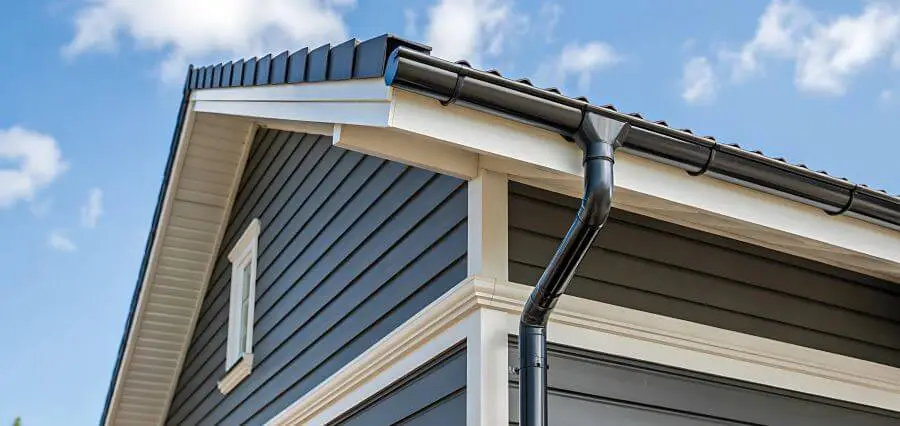
Siding and Gutter Installation During Exterior Remodeling: Planning the Project in the Right Order
Exterior remodeling often involves several improvements that affect neighboring parts of a home. Siding, gutters, windows, trim, roofing details, and exterior finishes may require contractors to work within the same areas at different stages. Siding and Gutter Installation becomes easier to coordinate when homeowners establish a sensible project sequence before materials arrive and work begins. Good sequencing is not simply about deciding which contractor arrives first. Homeowners should consider access requirements, removal work, material transitions, equipment placement, and whether one improvement could disturb another. A coordinated plan can reduce unnecessary repetition while giving each part of the exterior appropriate attention. The complete remodeling schedule should reflect the actual scope of the property. Emerald Roofing and Siding LLC can evaluate relevant exterior conditions while homeowners consider how planned improvements relate to one another. Early coordination creates clearer expectations and helps prevent scheduling decisions from being made only after work is already underway. List Every Planned Exterior Improvement First Homeowners should begin by identifying all exterior projects expected during the remodeling period. Even improvements scheduled several months apart may interact with the same walls, roof edges, openings, or access areas. A complete list can include siding, gutters, roofing, windows, doors, trim, painting, lighting, and other exterior work. Knowing the broader plan allows homeowners to identify connections before individual projects are scheduled. This exercise can also reveal improvements that are still uncertain. Discussing possible future work early gives contractors useful context, even when homeowners have not made final decisions about every project. Evaluate Existing Conditions Before Setting the Sequence Project order should respond to the property rather than follow a universal formula. Existing damage, aging materials, active moisture concerns, and other conditions can change which work deserves priority. An evaluation may identify components that need attention before new finishes are installed nearby. Addressing underlying concerns first can prevent completed surfaces from being disturbed unnecessarily later. Homeowners should also share known repair history with contractors. Previous work around roof edges, windows, doors, or wall transitions can provide useful information when the remodeling sequence is developed. Coordinate Work Around Windows and Doors Windows and doors interrupt exterior wall surfaces, making them important planning points during remodeling. Siding, trim, flashing, sealants, and other materials may meet around these openings. Confirm Which Projects Affect Each Opening Homeowners replacing windows or doors should discuss that work before surrounding exterior finishes are completed. Contractors can then understand which areas may require access, removal, or new detailing. Emerald Roofing and Siding LLC can consider relevant transitions when evaluating exterior work within its project scope. Clear communication between trades helps prevent assumptions about which contractor will handle materials surrounding an opening. Plan Removal Before Installing Finished Materials Many remodeling projects begin by removing existing components. That process can involve tools, debris, ladders, equipment, and repeated access around exterior walls. Installing a finished component too early may expose it to unnecessary activity from later demolition. Homeowners should therefore understand which materials must be removed before determining when replacement products are installed. The objective is not to delay completed work without reason. Instead, sequencing should reduce situations where newly installed materials must be protected, removed, or worked around during another planned improvement. Think About Gutters Before Finalizing Roof Edges Gutters occupy an important position along roof edges, where several exterior components can meet. Remodeling plans involving roofing, fascia, trim, or related areas should account for gutter work before final details are completed. Gutter installation in Rockland County may also require access to nearby wall sections and corners. Understanding these relationships beforehand can make scheduling more logical and reduce conflicts between crews working around similar areas. Homeowners should discuss whether existing gutters remain in place during other work. The appropriate sequence depends on project scope, current conditions, and how surrounding components will be handled. Organize Material Deliveries and Storage Exterior projects can bring substantial quantities of materials to a property. Siding products, gutters, trim, roofing materials, windows, and other supplies may all require temporary storage or staging space. Homeowners should identify appropriate locations before deliveries begin. Driveways, walkways, entrances, landscaping, and contractor access routes can become crowded when several projects overlap. Delivery timing matters as well. Materials arriving far ahead of installation may occupy useful space, while late deliveries can interrupt the sequence established for different trades. Preserve Access for Each Contractor Contractors need practical access to the areas included in their work. Scaffolding, ladders, vehicles, tools, and material staging can influence which portions of the property remain available during each phase. Homeowners should ask contractors what access they require rather than assuming every project uses the site similarly. One trade may need uninterrupted wall access, while another may require space around roof edges. Clear access planning can also protect completed work. Crews are less likely to move repeatedly across finished areas when alternative routes and staging locations have been considered beforehand. Schedule Painting and Finish Work Carefully Exterior painting can overlap with siding, trim, doors, windows, and other remodeling activities. Completing paint work before nearby construction ends may result in surfaces needing additional attention afterward. Homeowners should identify which materials arrive factory finished and which areas require field finishing. This distinction can influence when painters enter the overall schedule. Color decisions should also be made with the complete exterior in mind. Coordinating visible finishes before installation begins can prevent rushed choices when one contractor is waiting for another decision. Avoid Unnecessary Removal of New Work Poor sequencing sometimes creates situations where recently completed components interfere with the next project. Even when removal is technically possible, repeating work adds complexity to the remodeling process. A written schedule helps reveal these conflicts before construction begins. Homeowners can compare each contractor’s scope and identify where one project depends on another being completed first. Emerald Roofing and Siding LLC can discuss how its exterior work relates to relevant surrounding components. Homeowners can then coordinate those requirements with other professionals involved in the broader renovation. Keep Communication Clear Between Different Trades Multiple contractors may not automatically know

Solar Cleaning Near Me for Safely Maintaining Hard-to-Reach Residential Panel Arrays
Residential solar panels are often installed where they can receive substantial sunlight, but those locations are not always easy for homeowners to reach. Steep roof slopes, multiple stories, landscaping, narrow side yards, and complicated rooflines can turn routine exterior care into an access challenge. Searching for solar cleaning near me can provide a safer option when panel placement makes ordinary homeowner maintenance impractical. Accessibility deserves consideration before anyone decides how panels should be maintained. A system positioned above a low garage presents different conditions from an array installed near the ridge of a tall, steeply pitched roof. Even panels that appear reachable from the ground may require specialized equipment once their actual height and surrounding obstacles are considered. Safe maintenance begins by understanding the property rather than focusing only on the panel surface. Slon Exterior Care can evaluate access conditions around residential arrays before cleaning work begins. Roof configuration, ground conditions, nearby structures, and working space all influence how a service should be approached. Start With the Height of the Solar Array Panel height is one of the clearest factors affecting accessibility. Single-story homes may offer comparatively straightforward conditions, while second-story arrays can place substantial distance between the ground and working area. Height alone does not determine difficulty, however. A lower roof positioned above an enclosed courtyard or narrow passage may be harder to approach than a taller section surrounded by open space. Homeowners should avoid judging accessibility entirely from photographs or street views. A closer property assessment provides better information about realistic working conditions. Consider Roof Slope Before Planning Access Roof pitch changes how easily a person can move around an array. A surface that appears moderately angled from the ground can feel considerably steeper once viewed from roof level. Steeper roofs increase the importance of professional access planning and appropriate safety practices. Wet conditions can introduce additional concerns because roofing surfaces and surrounding components may become more difficult to navigate. Homeowners should never climb onto a roof simply because the panels appear close. Safe access requires more consideration than estimating distance from the nearest ladder position. Account for Panels Near Roof Edges Some solar arrays extend relatively close to roof edges, while others sit farther inward. Placement affects the working space available around individual panels. Limited surrounding space can make movement more complicated. Technicians need to consider how they will approach the array without relying on awkward positions or unnecessary movement near exposed edges. Panel location should therefore be evaluated together with roof shape. Two otherwise similar systems may require very different access strategies because their placement differs. Evaluate Ground Conditions Around the House Safe exterior work begins at ground level. Sloped lawns, loose gravel, narrow planting beds, retaining walls, steps, and uneven hardscaping can influence where equipment can be positioned. Keep Access Areas Clear Before Service Outdoor furniture, toys, garden tools, portable decorations, and other belongings can reduce usable working space. Moving appropriate items beforehand can create a clearer area for professional equipment. Slon Exterior Care can explain which ground-level areas should remain accessible before scheduled service. Homeowners can then prepare the property without attempting to move or handle anything on the roof themselves. Look at Landscaping Near Access Points Mature landscaping can complicate access even when it adds considerable beauty to a property. Tall shrubs, trees, hedges, climbing plants, and delicate garden beds may occupy areas close to useful approach points. Professional planning should consider these features rather than assuming they can simply be moved. Established vegetation may require equipment to be positioned elsewhere. Homeowners can help by identifying particularly sensitive planting areas. This information supports an access plan that respects both the solar system and the surrounding landscape. Recognize Challenges Created by Narrow Side Yards Many homes have limited space between exterior walls and fences. Air-conditioning equipment, utility components, storage containers, and vegetation can make these passages even narrower. Restricted ground space may affect how technicians reach certain roof sections. An approach that works on the front elevation may not be practical along the side of the house. These conditions should be discussed before service day whenever possible. Accurate information allows access needs to be considered before equipment arrives. Understand How Complex Rooflines Affect Movement Some houses contain several roof levels, intersecting sections, dormers, additions, and architectural projections. Solar panels may be distributed across more than one of these surfaces. Complex geometry can make a system look compact from the street while creating multiple distinct working areas. Moving between sections may require separate access planning rather than one simple approach. A property-specific assessment becomes particularly useful in these situations. The safest route to one array may not be appropriate for another array on the same home. Consider Skylights and Other Rooftop Features Solar panels rarely occupy an entirely empty roof. Skylights, vents, chimneys, antennas, and other components may be positioned around the array and influence available working space. These features create boundaries that should be recognized during access planning. Technicians need sufficient room to work without treating unrelated rooftop components as convenient stepping or support points. Homeowners can mention known features when arranging service. Clear information helps create a more complete picture of the roof before work begins. Avoid Improvised Homeowner Access Methods A difficult-to-reach panel can encourage creative solutions, but improvised access introduces unnecessary risk. Leaning from windows, climbing onto extensions, or using unstable household equipment can turn simple maintenance into a hazardous task. Long-handled tools do not automatically solve the problem either. Reaching upward from an awkward position may reduce control while making it difficult to see the surface being addressed. Searching for solar cleaning near me is particularly useful when safe access is the primary concern. Professional equipment and planning can remove the need for homeowners to place themselves in risky positions. Prepare the Property Before Professionals Arrive Homeowners can support efficient service without accessing the roof. Gates can be unlocked, appropriate ground areas can be cleared, and pets can be secured away from active exterior spaces. Vehicles may also need