






Leadership That Leaves a Lasting Mark
The Strategy of Significance In a world where leadership is typically gauged through quarterly results and short-term performance, it is the leaders who think differently that have the most lasting impact. They follow a plan not only for success but for significance. These leaders realize that impact is not merely measured by positional power or profitability—in fact, influence is most of all characterized by the value that lasts, the impact that is heartfelt, and the legacy that goes on long after the decisions have been made and the goals have been accomplished. Leadership based on significance is deliberate. It comes from having a clear purpose, good character, and the bravely to bring about a change that is bigger than oneself. It is not about being spectacular in the moment, but about making the difference that stays. Thinking Beyond the Immediate Win Leaders of significance do not stop at short-term accomplishments but rather they ask a more profound question: What remains? They decide with a far-reaching view, thus they are the first to invest in culture, people, innovation, and relationships, which will keep the organization going for a long time. They love performance targets and operational efficiency, but still, they do not trade victories for loss of integrity or values. Such a mindset requires strategic patience. It understands that some of the most valuable results—trust, credibility, loyalty—are intangible, and yet, they count even more than quick wins. Aligning Purpose with Leadership Action Effective leadership comes first from having a mission. These leaders are aware why they lead, not just the manner. Their purpose is like a beacon that directs decision-making and energizes others. Having clear purpose fosters trust, consistency, and zeal especially when things are uncertain. Leaders guided by purpose speak of the future sincerely. They encourage people to look at the grand mission and thus convert the ordinary work into real contributions. Leadership, when purpose and action are combined, is not only strategic but also very human. Building Trust Through Character Enduring influence can’t be done without trust. The leaders who make a difference in the world, acquire it mainly through their constancy, openness, and bravado in doing what is right even in the hardest situations. They exercise their promises, acknowledge their faults, and behave with impartiality even at times when it is hard to do. Trust is not something one is given; it has to be earned. It is constructed one step at a time, through openness toward others, dependability, and moral principles by which one thinks and acts. When leaders display good character, then trust becomes a cultural “coin”—it supports the collaboration, engagement, and loyalty to the organization that are of a high level. Empowering People to Lead, Not Just Follow Significant leaders are multipliers. They do not concentrate power—they distribute it. They teach, mentor, and develop the youth thus making leadership a shared account. Their inheritance is not measured by how many followers they have but by how many leaders they produce. Empowerment is what brings about the turning of the wheel. The moment people are given freedom to think, act, and come up with new ideas, they do it with ownership rather than under the heavy hand of obligation. Thus, the strengthening of teams takes place today and at the same time, the organization gets protected for the future. Choosing Innovation Over Tradition Those leaders who will be remembered for a long time are the ones that welcome change instead of guarding the status quo. They do not innovate for the sake of novelty, but by necessity—looking for better means of serving customers, making processes more efficient, and creating more value. They keep their minds open, challenge the established views, and are bold enough to go against the grain. This readiness to change keeps organizations alive and well in a very volatile world thus they can count on being around for quite some time rather than getting stuck in the comfort of being. A Leadership Model Built to Last Significance is not an ultimate success—it is a continuous effort. One intentionally cultivates it through small daily choices that put meaning before ease, personal development before comfort, and giving before getting. It decides for integrity even when there is no one to see and it pours into the days to come even when the results are far off. Leadership that leaves a lasting mark does not chase attention—it creates change. It thinks deeply, acts boldly, and leads generously. It is not characterized by moments, but by movements. Significance strategy is eternal because that is the main reason its impact is eternal. Such leaders not only create the future of companies but also that of people—and as a result, they make a genuine, lasting contribution.

Difficult Decisions, Uncomfortable Truths, Real Impact
The Courage to Lead Leadership is frequently depicted as the traits of having a vision, being an inspiration, and using influence. However, every leader who has made a difference knows that the real test of leadership is in those moments that have no shine — characterized by uncertain surroundings, unpopular decisions, and inconvenient truths. Having the courage to lead does not mean being confident when things are easy; rather, it means having conviction when they are difficult. It is the same decision that is much harder but still made, the choice of principle rather than approval, and the facing of reality without any kind of distortion or delay instead of silence, which would be much easier. Courageous leadership does not make noise or dramatize. It is quite regular, continuous, and dependent on one’s understanding. It takes the leader’s emotional strength, intellectual honesty, and moral depth to be able to maintain it. Also, it is the single most significant factor that separates leaders who only handle situations from those who change them. The Weight of Difficult Decisions Being in a leadership role means having to make decisions that impact human beings, the organizational culture, and the future of the business. Such choices usually are accompanied by a feeling of uncertainty — there is no perfect data, no sure result, and no way to please all. But, on the other hand, progress cannot do without moving forward, and it cannot do without deciding. Courageous leaders are the ones who make the decisions when others are not able to make up their minds. They find out as much as they can, foresee what is possible, and then act. They are not people who immobilize themselves in the face of uncertainty or try to avoid their obligation. They decide to take the responsibility for the choice because they know that failing to decide is a decision taken already — one that leads to stagnation, confusion, and lost opportunities. Courage is the power that pushes you to go forward even when you don’t have total clarity. Confronting Uncomfortable Truths The most difficult truths are those that we refuse to acknowledge, among them: a failing strategy, a toxic culture, a misaligned team, or a deeply-rooted systemic flaw that has been neglected. Leaders with courage do not run away from these realities. They identify them. They analyze them. They make them visible, even if doing so brings conflict and criticism. Growth cannot be achieved through avoidance, which is its greatest enemy. Change initiation needs truth as its very first step, be it uncomfortable or not. Courageous leaders foster openness in their teams, where honesty is respected, feedback is anticipated, and being transparent becomes the norm of the culture. Change happens when the truth is unmasked. Continuing to Support Values One of the characteristics of courageous leadership is that it comes from deeper than ambition, namely from values. Leaders that behave based on values are not easily influenced by factors such as being under pressure, the risk of losing their good reputation, or gaining something for a short period of time. In difficult moments, they continue to hold their principles. The ethical backbone is what makes the leader earn trust. The team members may not always be in agreement with the leader’s decisions, but they will trust a leader whose behavior is regular, unprejudiced, and based on integrity. One of the ways in which support of courage is seen is through the leaders’ decisions not to make certain choices, along with the decisions they make. That is, the compromises they will not allow and the standards that they will not lower. The Quiet Power of Courage One of the rare times when courage of a leader is of a theatrical character is when it is false. Real courage is present in the quiet moments — the decisions of doing what is right when no one is looking, the conversations that have been put off for too long but finally had to take place, the standing up for something when it would be much easier to compromise. Difficult decisions. Uncomfortable truths. Real impact. Courageous leadership is defined by these components. Those leaders that accept them are the ones that have the power to change organizations, influence culture, and raise people up. Besides, they are not only leading teams — they are leading futures.
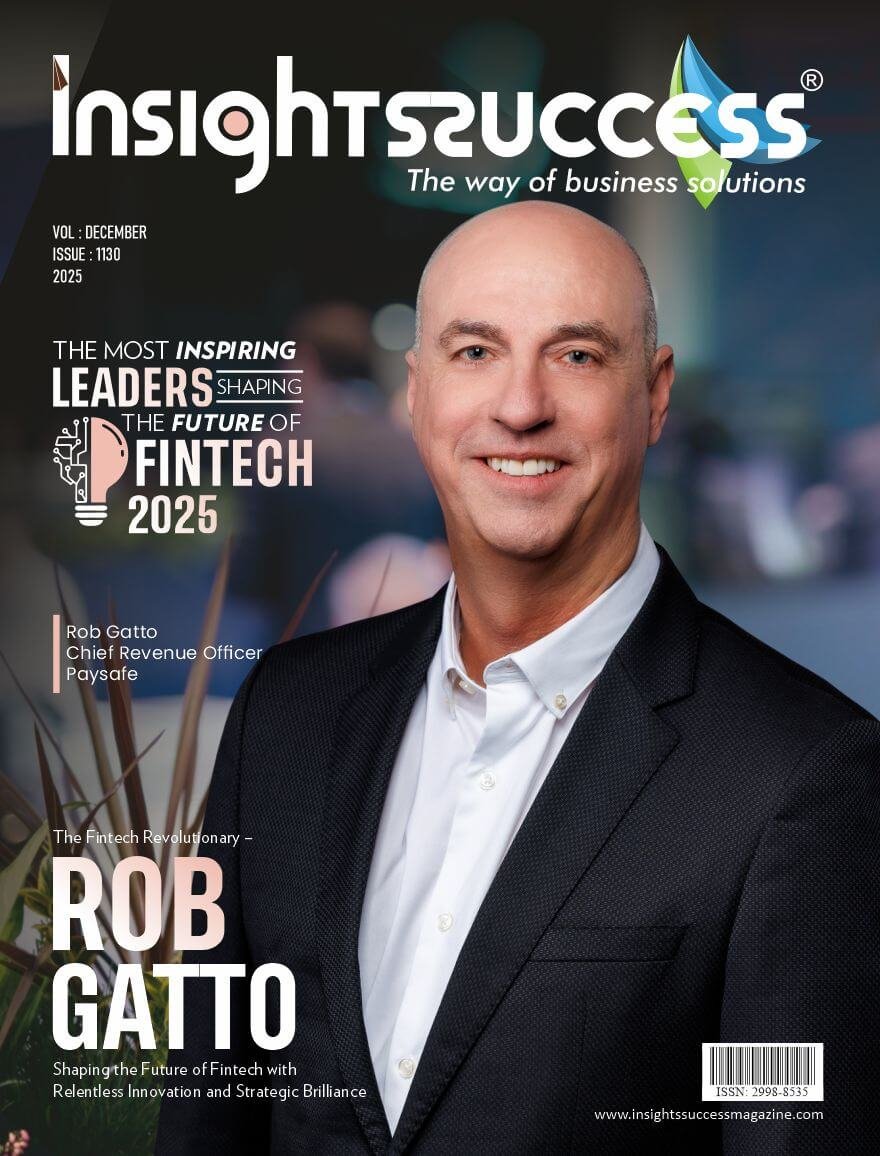
The Most inspiring Leaders shaping the future of Fintech 2025
The Most inspiring Leaders shaping the future of Fintech 2025 The world of finance is transforming faster than ever before, driven by innovation, digital disruption, and an urgent demand for smarter, more inclusive financial solutions. At the center of this transformation are the pioneers who see possibility where others see limitation. This edition celebrates the remarkable individuals redefining how money moves, how trust is built, and how technology empowers people and businesses across the globe. Digital Link Quick highlights Quick reads

The Fintech Revolutionary – Rob Gatto: Shaping the Future of Fintech with Relentless Innovation and Strategic Brilliance
The game of fintech in our globalized world keeps moving fast and remains high-stakes. Here, innovation is the only constant. That is why only those leaders succeed who are created in the crucible of challenges. A central figure in this financial revolution is Rob Gatto, an experienced technology executive and the company’s first Chief Revenue Officer (CRO) at Paysafe. Joined in July 2022, Rob was appointed to lead the global expansion of the company’s high-growth sectors of gaming, travel, entertainment, and digital assets. With over 30 years of experience, Rob is an expert in delivering transformational growth and shaping go-to-market strategies for organizations of any size. His career is a testament to his ability to build fast-growing organizations that have led to successful IPOs or have been acquired by some of the largest technology companies in the world, specifically IBM, Oracle, and Adobe. His depth of expertise includes, but is not limited to, sales, marketing, business development, and corporate strategy. There is no question that Rob is a powerful force in the space. Prior to joining Paysafe, Rob was a co-founder of Ureeka Inc., which was a community dedicated to helping small businesses grow in hyper-growth. Also possessing senior leadership roles at swiftly growing, high-performing technology companies, including TubeMogul, NeuStar, and PointRoll, Rob honed his leadership. Before that, he had been a graduate of Northern Illinois University. And during his entire professional journey, his commitment remained as one with relentless innovation and strategic brilliance, making him one of the most thought-inspiring leaders in shaping the future of fintech today. Beginning of a Masterclass Rob’s career is a masterclass in building and scaling businesses, a journey that has prepared him for the pivotal role he now holds at Paysafe. With over two decades of experience, he has led a variety of software companies, from small startups to large-scale organizations. His passion has always been for “building go-to-market strategies and cultivating strong client relationships.” The Power of Passion and People Rob describes his career as a constant evolution, where he transformed fragmented, product-specific sales teams into unified go-to-market functions. He found a natural fit at Paysafe due to its broad functionality across various payment types and diverse geographies. What truly energizes him, however, is the “evolving intersection of software and payments,” a space where he has spent considerable time and continues to find compelling. A People-First Philosophy Rob’s leadership is defined by two core principles that have guided him throughout his career. First is the unwavering belief in investing in people. He contends that building, growing, and maintaining a strong team is the key to success in any business. He strives to provide an environment where employees can learn and grow both personally and professionally. His second principle is the importance of coaching and mentoring. He understands that while everyone wants to grow professionally, it is incredibly difficult to manage a career and balance it with a personal life without strong guidance. Rob sees his role as not just a leader, but as a mentor, empowering his team to navigate their professional journeys with confidence and purpose. A Clear Vision and a Powerful Strategy Rob’s vast experience in building and transforming companies has provided him with a clear vision and a powerful execution strategy for Paysafe. He has drawn on his past successes to rebuild Paysafe’s go-to-market function, shifting from a collection of siloed product sales groups to a unified team. This strategic move has been highly effective, leading to a threefold increase in the size of the sales staff while simultaneously boosting the productivity of each representative, which has reignited growth at the company. A Global Leader in Digital Commerce In the highly competitive fintech landscape, Paysafe’s offerings stand out due to their ability to deliver tailored, secure, and versatile payment solutions on a global scale. Rob highlights Paysafe’s commitment to compliance with local regulations and its efficient, innovative approach. The company’s diverse solutions include card acquiring, alternative payment methods like eCash and digital wallets, and cross-border payments. Paysafe’s dedication to understanding consumer behavior is evident in its ““ survey, which gathers insights from over 14,000 consumers. The survey’s findings underscore the growing demand for Paysafe’s products, with 32% of consumers using digital wallets more frequently than a year ago. “This underscores the demand for our products like Skrill and Neteller. As a payment processor, we serve high-growth sectors like iGaming and e-commerce, where our survey found that 43% of consumers abandon carts if their preferred payment methods are unavailable.” Rob also points to Paysafe’s early adoption of and investment in AI technology, which has been integrated throughout the organization. This focus on flexibility, security, and innovation is what truly positions Paysafe as a trusted leader in digital commerce. Serving Global Industries and Regions At Paysafe, Rob says that their global footprint allows them to serve a wide range of industries and regions, each with distinct financial needs. As CRO, he ensures their business development strategy supports market-specific demands. This includes enabling capabilities like cross-border payments, multicurrency transactions, and seamless usability. These features are essential for many of their clients operating internationally. When he arrived, they were a product-oriented GTM team. Each product had its own seller and infrastructure. “We have completely rebuilt our GTM and are now organized by vertical, with each rep selling all Paysafe products to each merchant.” This allows them to truly understand each client’s goals and needs and tailor a solution specific to them within the vertical in which they reside. Innovation is a cornerstone of Paysafe’s growth strategy, driving both product development and customer experience. As CRO, Rob ensures that their investments in emerging technologies, such as AI, and their products, such as Skrill and Neteller digital wallets, eCash solutions like PaysafeCard, and payment processing, are business relevant and strategically aligned. “These innovations allow us to deliver secure, intuitive, and inclusive platforms tailored to the evolving needs of our clients.” They also leverage technologies to enhance payment security and simplify cross-border transactions. Through strategic
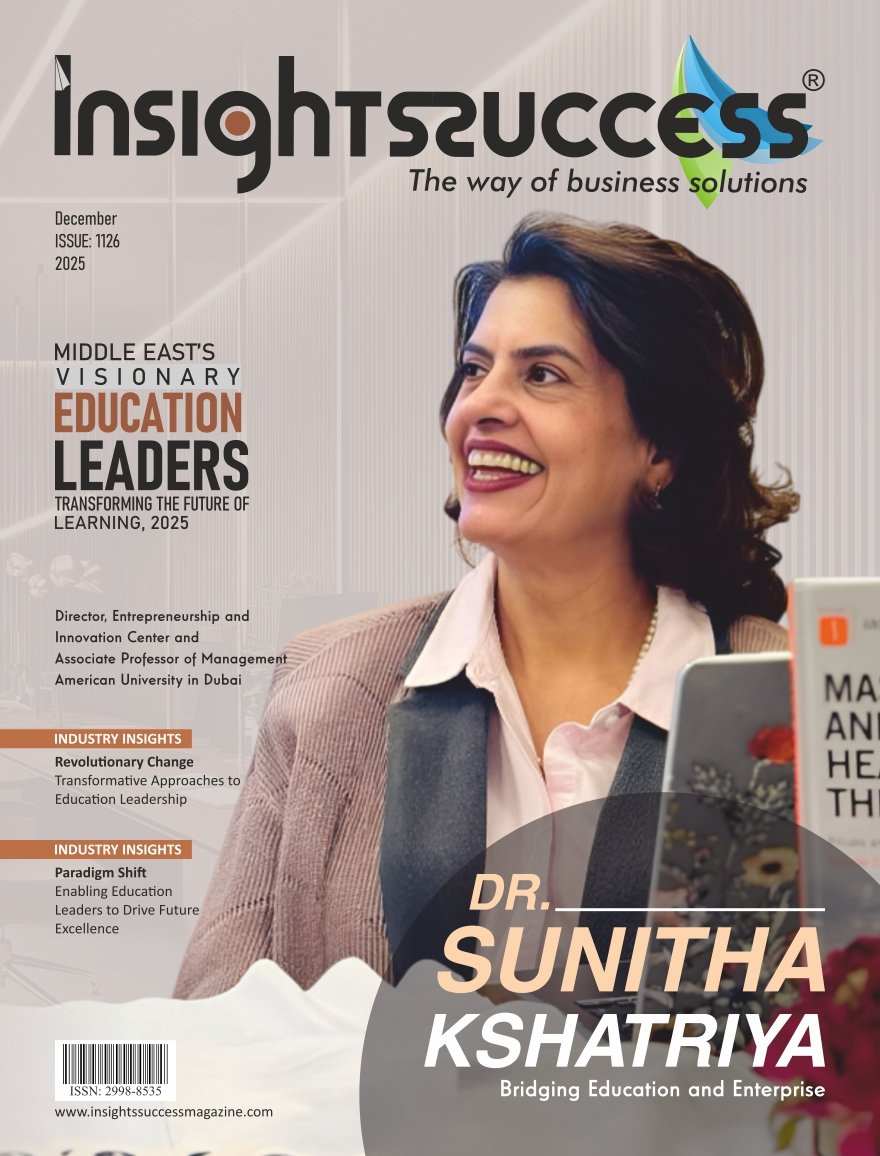
Middle East’s Visionary Education Leaders Transforming the Future of Learning, 2025
Middle East’s Visionary Education Leaders Transforming the Future of Learning, 2025 Dr. Sunitha Kshatriya, leading the Entrepreneurship and Innovation Center at the American University in Dubai, transforms education into empowerment. With global academic experience and a human-centric leadership approach, she fosters student entrepreneurship, inclusive innovation, and social impact, guiding future-ready changemakers while bridging academia, industry, and community. Quick highlights Quick reads

The Next Era of Payment Innovation
Instant, Invisible & Intelligent Payments are going through a quiet revolution. This revolution is altering the way money is moved in such a way that most people hardly take notice of it. The things that at the time necessitated signatures, swipes, and settlement windows are gradually being transformed to complete value flows, which are first of all, very fast, second, they are done behind the scenes, and third, they are equipped with some kind of intelligence. Payment innovation of the future will not only be faster, but also it will be free of any kind of friction, secure, and deeply integrated into the daily life of people. We are about to arrive at the point where payments will be less concerned with the actual way of transacting and more with the ease and the intuitive character of the transactions. Payment innovations will be a source of radical changes in the fields of user experience, financial inclusion, and global commerce. Instant: The End of Waiting Speed can no longer be considered a luxury since it is rather an expectation. The advent of real-time payments has eliminated the delays typical of the banking sector, thus, bringing about true immediacy for transfers, payroll, invoicing, remittances, and e-commerce operations. Both consumers and businesses are increasingly convinced that money should be cleared within seconds rather than days. Basically, when settlement is done instantly, the flow of cash can be managed in a better way, which in turn, facilitates the acceleration of supply chains and reduces financial stress. In the digital economy, waiting is on its way out. It is worth noting that the systems that facilitate instant payments are not simply user-friendly. On the contrary, they provide the economy with greater agility and also offer more freedom to individuals. Invisible: Payments That Disappear Into Experience The best payments are those that you don’t realize have happened. Invisible payments integrate perfectly with the user interaction, thus, they are characterized by the absence of any kind of form or friction, and most importantly, there is no interruption. The disappearance of payments into the user’s behavioral pattern can be observed in several scenarios such as one-click checkout, ride-share billing, in-app subscriptions, or transport card tap-outs. The revolution of embedded finance goes beyond this as it allows the integration of payment feature straight into those applications which are non-banking. In this way, the process of buying, booking, subscribing, or ordering is made extremely simple because the transaction is done automatically without the user noticing. Though payments are becoming less and less visible, experiences …continue to become smoother, quicker, and more human. Consumers in the new world are not stopping to pay—they are simply living. Intelligent: Money That Thinks and Protects Along with artificial intelligence and machine learning, payments are becoming not just a passive transaction but a proactive and adaptive system. Thus, the payment platforms with intelligence on board have the capability to detect fraud in a fraction of a second, change the credit risk dynamically, facilitate currency conversion, and make personalized financial suggestions. Some of the smart features of AI are also to make near-flawless authorization, using past data for spending analysis, authentication by means of biometrics and security that is based on the context. Thus, payments do not only follow the commands given to them but also they read the behavior and help the users by being their guardians in real-time. With intelligent payments, financial systems become capable of recognizing transactions which are safer, cleaner, and more relevant. Omnichannel Commerce Without Barriers The era of payment innovation that is next will be characterized by the fading of the distinction between offline and online. Users today move from one channel to another in a seamless manner – they are scrolling through pages, buying the goods, picking them up, and returning the articles. At the same time, they expect the payment process to be the same regardless of the touchpoint. The technologies that facilitate payment are coming together to form one universal layer. On top of that, these technologies include contactless terminals, digital wallets, QR codes, and direct-to-bank transfers. Commerce is becoming more and more like a liquid thereby enabling brands to be where their customers are without intervening, delaying, or complicating the matter further. Financial Inclusion Enhanced by Innovation Payment innovations are unlocking opportunities for people who have been left out of the financial systems in the past. Technologies that are mobile-enabled facilitate payments through digital wallets as well as low-priced transaction platforms, which can bring the rural communities, small businesses, and underprivileged groups, into the big digital economy. One of the biggest advantages of payment technology is that it does not rely on a physical bank branch or on the traditional credit framework and thus, it is giving more people the power to decide the way they want to earn, save, and spend.

How Digital Finance is Rewriting the Global Economy
The Fintech Frontier Finance is undergoing one of the most significant revolutions in recent history. Many of the things that were done via branches, bureaucracy, and paperwork are now simply done through a smartphone in a matter of seconds. The digitization of finance, which is a result of technologies such as artificial intelligence, blockchain, embedded banking, cloud infrastructure, and data intelligence, is tearing down walls, democratizing access, and rewriting the rules of economic participation. The fintech frontier is the present rather than the distant future; it is the way restructuring of individuals’ spending, saving, borrowing, investing, and wealth creation activities is done. The ripple effects of this are causing the restructuring of nations, institutions, and industries around these new possibilities and changing the global economy at its core. Money Without Borders One of the most significant impacts digital finance has had is the removal of the geographical limitations that were the banking of the past. Instant international transfers, digital wallets, global peer-to-peer platforms, and crypto-based payment systems are some of the innovations that have been implemented to make cross-border commerce more convenient than before. The small businesses have unlimited access to the global customers. Migrant workers can send money back home with minimal fees, and consumers can transact beyond national borders without friction. Money is becoming more fluid, accessible, and borderless than ever before, thus releasing a large economic potential in places where the physical banking infrastructure was not so strong. Data as the New Currency Fintech survives by consuming data. By providing every transaction, click, purchase, or financial interaction, consumers are essentially fueling and feeding the analytics engines that power risk assessments, service personalization, and fraud detection in real-time. The main consequence of this change is that it has helped the digital lenders in giving credits to the segments of the population which have been for long by the traditional banking system excluded due to lack of collateral or credit history. Risk models that use AI as a source are highly flexible, very inclusive, and accurate, making the finance sector smarter and more innovative in dealing with genuine human behavior. The Rise of Cashless Lifestyles Cash is overthrown. Every day new payment means conforming to the consumers’ need for a smooth, non-contact financial transaction become available. Hence the rise of cashless transactions can speed-up sales, help with the transparency, and prevent counterfeit money and financial crime. Amongst the many transactions, there are QR, tap-to-pay, biometric authentication, and digital identity systems. Some of the main agents in this money revolution are governments, retailers, and consumers. All three are on board for this ease and clearness which digital payments offer them. They are making the use of actual money gradually increasingly optional. Blockchain and Trustless Transactions Blockchain technology is gaining the trust by the finance sector gradually as it cuts the control from the center and reduces people’s intervention. Those apps that can govern themselves are one of the ways smart contracts work. The cryptocurrency market is one of the most common areas that benefit from the diversification of investment by using crypto assets. The third player on the field is algorithms that support decentralized finance (DeFi) platforms and hence the innovation of new ways of money management without bank involvement. Through this innovation, the financial world is turning less monopolized, more transparent in terms of transactions being done, and the users get to have more control over their assets to a greater extent because the technology allows it. Basically, blockchain is moving trust from organizations to mathematical concepts and the results of that are far-reaching. Embedded Finance and Invisible Banking The integration of financial services into the day-to-day platforms is probably the most significant change that the fintech sector has undergone. Access to loans, payments, investing, or insuring purchases through e-commerce platforms, ride-sharing apps, or digital marketplaces can be done by consumers without the need of bank visits or separate app downloads. Finance is slowly turning into a “silent” player, always present wherever users want it, without showing up or interrupting. The disappearance of the consumer friction is the reason this huge consumer adoption and enterprise innovation trend have been unfolding so fast. A Global Economy Built on Digital Momentum Fintech is not the next thing, it is the infrastructure that comes after. It is the backbone of commerce, the fuel for growth, the enabler for transparency, and the source of economic innovation. Its progression is the biggest factor behind the changes in the face of banking, insurance, real estate, retail, healthcare, trade, supply chains, and even government policy.

Revolutionary Change: Transformative Approaches to Education Leadership
Education systems worldwide are rapidly transforming their structures. Learner needs, widespread access to technology, and evolving workforce demands drive these changes. Effective leadership is at the centre of this change, it has become the main power to shape institutions that are resilient and ready for the future. Transformational leadership is a term that refers to the power of an administrative figure to pervade the whole organization emotionally, professionally and ethically, this way influencing the culture, teachers, students and establishing reforms which are viable and sustainable. It helps leaders to see innovation, fairness and co-operation as some of the main features which will guide them in the educational environment they create to be able to face new challenges emerging from the future. As educators and policymakers search for new strategies to improve learning outcomes, transformative approaches provide a complete framework for growth development. The change is not only about the use of new pedagogical tools or digital solutions. The change also affects the way leaders energize the staff, devise curricula, manage resources and create learning ecosystems that are open to all. Vision-Driven Leadership Transformational change is essentially powered by one factor: Vision-driven leadership. Leaders who not only develop but also share freely, a clear and bright direction purpose among teachers, students, and stakeholders, is the main idea of the story. By relying on the needs of the community, the ever-changing educational standards, and global trends, these leaders make it possible for the educational institutions to be future-oriented. In addition to that, they pave the way for workplaces where the staff feel comfortable to innovate and see the risk as an opportunity to learn rather than a mistake. A powerful vision, therefore, helps to fuel the energy of a group and makes sure that everyone is aware of the bigger mission that is guiding the daily academic decisions. The power of inclusive leadership lies in firm support for this vision by making sure that all voices have a say in educational change. When leaders get input from teachers, students, parents, and the most vulnerable groups, they create the environment which is characterized by the feeling of being part of something which, in turn, is very important for progress that lasts. Participation in decision-making at the school level also helps the schools to be more adaptive to the differences in learning and lessening the inequalities that have the effect of holding back student achievement. By being an example in exhibiting empathy, cultural sensitivity, and open communication, inclusive leaders establish trust which, in turn, becomes the base for the most effective collaboration. Data and Tech for Growth Educational leaders have become more dependent on data-informed strategies to uplift the quality of instruction as well as to increase the organization’s operational efficiency. Using data-driven decision-making, leaders can spot learning gaps, track performance, use resources effectively, and even tailor interventions. Leaders who rely on evidence rather than on intuition alone are in a better position to accurately evaluate programs and thereby, show accountability to stakeholders. Moreover, this method works as a catalyst for making strategic plans as it enables organizations to prioritize those projects which lead to a measurable impact. If data is used in a responsible and ethical manner, it can revolutionize the way educators perceive and support each student’s learning journey. In addition, the infusion of technology into the curriculum is in line with these moves by the education leaders as it gives way to more access to digital tools for the improvement of both teaching and leadership practices. Technology-savvy leaders do not view it as a replacement for human interaction but rather as a means to increase interaction and to tailor learning. They equip teachers with digital skills, facilitate the adoption of hybrid instructional models, and motivate teachers to explore new tools like AI-powered assessment platforms and virtual learning environments. A similar level of importance should be accorded to the commitment of continual professional development. Leaders who promote upskilling and peer learning opportunities for their staff, result in an energetic staff that is capable of leading innovation in the classroom. Student-Centered Systems Transformative leadership is focussed on collaboration between departments, disciplines, and institutions. Leaders who develop an extensive network around them create the atmosphere where it becomes easy for the teachers to share their best practices, develop curriculum materials together, and then face the challenges collectively. These relationships develop learning experiences by giving real-world insights and opportunities to the students. A collaborative culture is instrumental to give teachers an opportunity to take initiative that is in line with their expertise and interests. Leaders that have resilience and a student-centered approach are very significant in the development of strong education systems. They have to adapt their response to the issues of the times. For example, they should find proper responses to problems related to mental health, changes in curriculum standards, and technological disruptions. By focusing on student welfare, socio-emotional learning, and providing equal access to educational resources, leaders build environments in which every learner is capable of thriving. Resilient leadership is also about being able to foresee disruptions in the future and getting the preparation done so that the systems can change quickly through flexible teaching models, good communication channels, and supportive community networks. In the end, student-centered resilience guarantees that educational institutions have the qualities of being agile and relevant in a world which is always evolving. Conclusion Transformative strategies in education leadership remain vital for leaders to effectively navigate their organizations through an unprecedented time of change. Leaders equipped with vision, inclusiveness, decision-making based on data and collaboration are able to foster learning environments that are not only creative, fair and strong but also sustainable. By adopting a dual focus on educators and students, they develop the means to address both current situations and future challenges. The figure of education leadership will be, however, the most influential one in bringing about real change as the educational environments keep on changing. Transformational leaders who are committed to their professional development, create goodwill
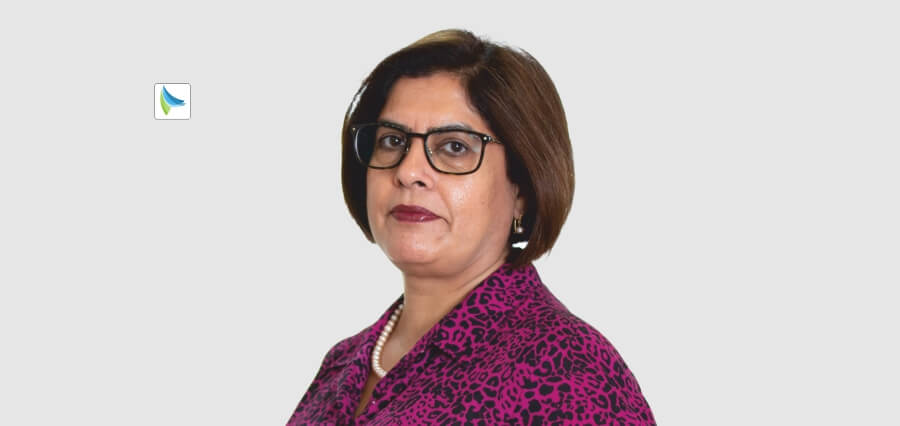
Dr.Sunitha Kshatriya: Bridging Education and Enterprise
At the American University in Dubai, Dr. Sunitha Kshatriya has redefined what it means to blend education with enterprise. Guided by years of experience working within Toronto’s immigrant communities, she recognized early on that entrepreneurship could be far more than a business endeavor, it could be a pathway to inclusion, empowerment, and social transformation. That belief has become real. Under her supervision, students who previously thought entrepreneurship was an abstract concept now have 70 trade licenses for their own enterprises. She is leading the Entrepreneurship and Innovation Center, which has generated 150+ industry mentors, 83+ partner relationships and raised over AED 350,000+ in grants and funding from Dubai government, corporates and global investors who have invested in AEIC Startups – milestones that illustrate a philosophy of action and measurable results. Her career, which spans more than two decades in Canada and the UAE, exemplifies a unique combination of academic leadership, social innovation, and community engagement. She established the Empowerment Centre for the Advancement of Education in Toronto and previously worked as a Program Manager at the London School of Business. Her academic background at Stanford’s D. School and Columbia University has shaped her unique “embodied leadership” approach and “experiential learning” educational philosophy that assures learning is both intellectual and immersive. As a scholar and an Author of five books on human resource management and spiritual inquiry, she has made significant contributions to academic discourse, receiving over 80 citations in top publication. Her ‘Leaders in Residence’ project, which received the Status of Women Canada Award, exemplifies her lifelong purpose of converting education into a force for empowerment, innovation, and significant social change. From Toronto to Dubai: A Journey Rooted in Empowerment Dr. Sunitha’s trajectory into higher education began in 2010, driven by a deep fascination with human development and experiential learning. By 2013, she had already immersed herself in entrepreneurship and skill-building initiatives focused on empowering women and youth work that would define her professional identity. Her time in Canada proved pivotal. As Leader-in-Residence for Project Empowerment, an initiative supported by Status of Women Canada and Skills for Change from 2013 to 2014, she worked directly with women to enhance their leadership capacity and economic participation. The experience earned her the Status of Women Canada Award and crystallized her life’s mission: to empower young people to pursue their intrinsic passions and achieve self-actualization. “This calling eventually led me to the American University in Dubai, where I now lead efforts in entrepreneurship and innovation education bridging academia, industry, and community to nurture purpose-driven, future-ready changemakers,” she reflects, In 2014, she founded her first not-for-profit initiative in Toronto, eCAFE, the Empowerment Center for Advancement of Education to support women and youth in developing entrepreneurial and life skills. This grassroots work revealed entrepreneurship’s transformative power as a tool for empowerment, self-reliance, and social change. Her global academic exposure spans York University, Seneca College School of Business, Ontario Institute for Studies in Education, Stanford University’s D. School, and Columbia University. These experiences enabled her to integrate experiential learning, design thinking, and sophisticated pedagogical frameworks into her teaching and leadership practice. A Leadership Philosophy Built on Authenticity Dr. Sunitha defines her leadership style as motivational, and purpose driven. She inspires students and young founders to pursue their passions with conviction, emphasizing resilience, a growth mindset, and positive attitude as core enablers of success and transformation. “My professional evolution at AUD has been guided by the principles of sincerity, authenticity, transparency, and heartfelt commitment to my work and those I serve,” she explains. This approach resonates deeply within AUD’s academic ecosystem, where her leadership extends beyond administrative duties into genuine mentorship. She practices what she calls “embodied leadership” an approach where learning transcends cognitive boundaries to become emotional, reflective, and purpose driven. This philosophy prepares students not merely as business graduates but as creative problem-solvers and socially conscious innovators ready to tackle real-world challenges. Building an Innovation Ecosystem: The AEIC Model Under Dr. Sunitha’s direction, the American University in Dubai Entrepreneurship and Innovation Center (AEIC) has evolved into a dynamic force within the UAE’s innovation landscape. The center’s core mission and value of ‘Impossible is Nothing!‘ ignites entrepreneurial mindsets and nurtures innovation-driven leaders who create real-world impact aligned with UAE Vision 2030 and the UN Sustainable Development Goals. AEIC operates on six foundational pillars: Education, Incubation, Acceleration, Industry Partnerships, Research, and Community Engagement. This comprehensive framework transforms students from passive learners into active creators through a structured six-level startup pathway that guides them from mindset development to market entry. The numbers tell a compelling story. AEIC has signed over 80 corporations and three government memorandums of understanding, onboarded 150+ local and global business mentors, and facilitated 70 student and alumni startup trade licenses. These aren’t just statistics—they represent young entrepreneurs who have transformed ideas into viable businesses under Kshatriya’s guidance. “AEIC transforms students from learners to creators. We promote learning-by-doing through design thinking, prototyping, and real-world industry projects,” she emphasizes. The center provides access to certified incubator support, mentorship, and investor networks that help translate student ideas into viable ventures. It fosters interdisciplinary collaboration between Business, Engineering, and Communication students, creating rich environments were diverse perspectives fuel innovation. Aligning Vision with Impact AEIC’s initiatives directly operationalize AUD’s institutional vision, which emphasizes student success, excellence in teaching and learning, and the advancement of society. Dr. Sunitha has strategically positioned the center to strengthen student integration with local and global communities, helping them become empathetic, entrepreneurial global citizens. The center enhances academic excellence by embedding Stanford and Columbia’s design-thinking pedagogies into coursework and diversifying program portfolios across multiple disciplines. The Teaching-Learning Studios experience (TLS 1.0 and 2.0) has become a signature program, contributing to AUD winning the MENA Award for Teaching and Learning Excellence in 2023. AEIC extends AUD’s social mission by contributing directly to the UAE’s national innovation ecosystem. The center aligns with government initiatives including Dubai SME, Mohammed Bin Rashid Innovation Fund, and Sandooq Al Watan’s National Incubator Network. It supports Emirati startups, builds blockchain-based industry
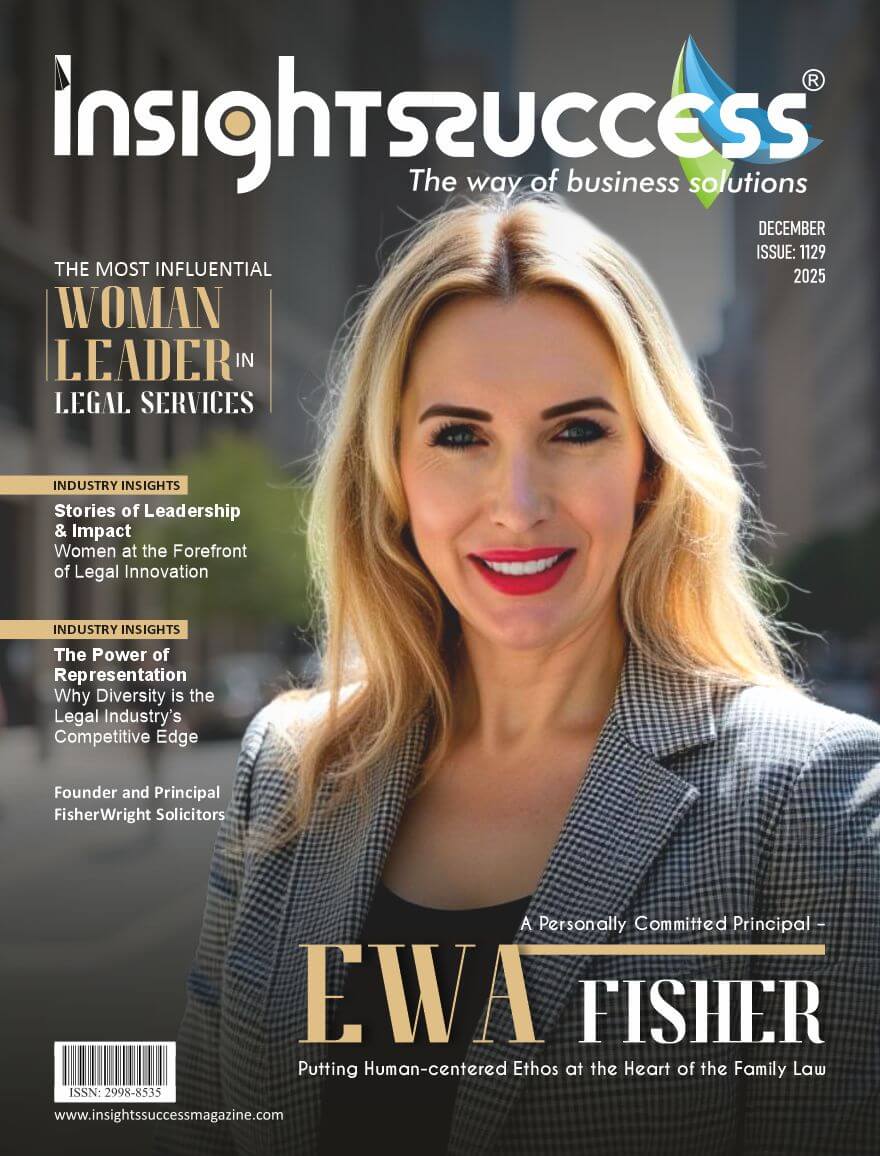
The Most Influential Woman Leader in Legal Services
The Most Influential Woman Leader in Legal Services In an industry built on precision, interpretation, and accountability, true influence comes from those who not only master the law but use it as a force for empowerment, fairness, and transformation. This edition recognizes Ewa Fisher whose vision, integrity, and dedication are reshaping the legal landscape for today and for generations to come. Quick highlights Quick reads