






Why Men Put Off Health Checks—and What a More Proactive Approach Looks Like: Explains Dr Cory Torgerson Founder Sovereign Male Wellness Clinic
Written by Philip Jameson in Consultation with Dr Cory Torgerson Many men are comfortable scheduling a car service months in advance but delay making a medical appointment until a problem becomes difficult to ignore. That pattern is not just anecdotal. In 2026, Health Canada reported that men are less likely to use primary care and preventive health services, and that 65% of Canadian men wait more than six days after developing symptoms before seeing a doctor. Being proactive about men’s health does not mean testing for everything or treating every normal change associated with aging. It means recognizing persistent changes, understanding personal risk factors and knowing when a professional assessment makes sense. Why Men Delay Seeking Care There is no single reason. Some men can easily put off health appointments due to work and family obligations. Some people may think a symptom will resolve itself and not mention sensitive issues like sexual health, mental health, hair loss or hormonal issues. Social expectations can also play a role. Health Canada’s work toward Canada’s first Men and Boys’ Health Strategy specifically identifies stigma, lower engagement with preventive services and barriers to help-seeking as issues that need attention. The federal strategy is expected in fall 2026. The practical problem with delaying care is that symptoms often become harder to interpret when several changes have accumulated. Start With Changes, Not Diagnoses One of the easiest mistakes to make is turning a symptom into a diagnosis. Low energy becomes “low testosterone.” Reduced exercise performance becomes “aging.” Hair thinning becomes “a hormone problem.” Changes in sexual function become something to solve privately rather than discuss medically. These conclusions may occasionally be correct, but symptoms such as fatigue, reduced libido or changes in body composition can have several possible explanations. A better starting point is to record what has actually changed. Ask: When did the symptom begin? Was the change sudden or gradual? Is it consistent or occasional? Has sleep changed? Have medications or supplements changed? Has stress increased? Are there changes in weight, exercise or alcohol use? Are several symptoms occurring together? These observations can make a medical conversation much more productive. Make Preventive Care Part of Normal Life Preventive healthcare is not only for people who already feel unwell. Depending on age, family history and individual risk, preventive conversations may include: blood pressure; cholesterol and cardiovascular risk; diabetes risk; appropriate cancer screening; vaccinations; smoking and alcohol use; sexual health; mental well-being; and family medical history.[Text Wrapping Break] Canada is currently strengthening its national approach to preventive care. In June 2026, the Public Health Agency of Canada announced a new National Advisory Committee on Preventive Health Services to guide evidence-based screening and disease-prevention recommendations. Specific screening schedules should always be discussed with an appropriate healthcare professional because recommendations vary by age, risk and province. Do Not Treat Testosterone as a Shortcut Testosterone has become one of the most heavily marketed topics in men’s wellness. It is important, but it is not an explanation for every change that happens in midlife. Feeling tired, losing muscle, gaining weight or experiencing changes in libido does not automatically establish testosterone deficiency. That distinction matters because hormone treatment should follow appropriate medical assessment rather than internet symptom checklists. Men concerned about hormone levels should be prepared to discuss symptoms, medical history and appropriate testing before making treatment decisions. Questions worth asking include: Why do you think testosterone could be relevant? What laboratory testing is required? Should testing be repeated? What other conditions could explain these symptoms? What are the potential benefits and risks of treatment? How would treatment be monitored?[Text Wrapping Break] The goal is not simply to obtain a number from a blood test. It is to understand whether the clinical picture and laboratory findings support the same conclusion. Take Sexual Health Seriously Changes in erectile function or libido can be uncomfortable to discuss. That discomfort often encourages men to search for quick solutions without investigating why the problem developed. Sexual function can be influenced by physical health, medication, stress, psychological well-being, sleep and other factors. Persistent erectile difficulties therefore deserve a broader conversation. Useful information to bring to an appointment includes: when the change started; whether it occurs consistently; current medications; alcohol or substance use; other health conditions; changes in stress or mood; and any other new symptoms.[Text Wrapping Break] A professional assessment should focus on the cause as well as the symptom. Do Not Ignore Hair Loss Simply Because It Is Cosmetic Hair loss is often treated as purely an appearance issue, but identifying its cause still matters. Genetic male-pattern hair loss is common, but not every type of shedding follows the same pattern. Sudden shedding, patchy hair loss or changes occurring alongside other symptoms may deserve professional assessment rather than immediate cosmetic treatment. Early evaluation can also make it easier to understand which options are realistic before substantial hair loss progresses. The important distinction is between: identifying the cause of hair loss and deciding what, if anything, to do about it. Those are separate decisions. Review the Basics Before Looking for Advanced Solutions Not every health problem requires an advanced intervention. Before assuming something more complicated is wrong, review the fundamentals. Sleep: Persistent poor sleep can affect energy, mood and exercise recovery. Exercise: A sudden reduction in activity can change body composition and perceived fitness surprisingly quickly. Nutrition: Irregular meals and highly restrictive diets can affect general well-being. Stress: Long periods of occupational or personal stress can influence sleep, motivation, and sexual health. Alcohol: Increasing alcohol consumption can affect several aspects of physical and mental well-being. These factors should not be used to dismiss persistent symptoms. They should be considered alongside them. Know When a Male-Focused Clinic Fits—and When It Does Not Some men are more comfortable discussing sensitive concerns in an environment designed specifically around male health and wellness. That can reduce embarrassment around topics such as erectile dysfunction, hormonal concerns, hair loss or appearance. For example, Sovereign Male Wellness Clinic in Toronto publishes services
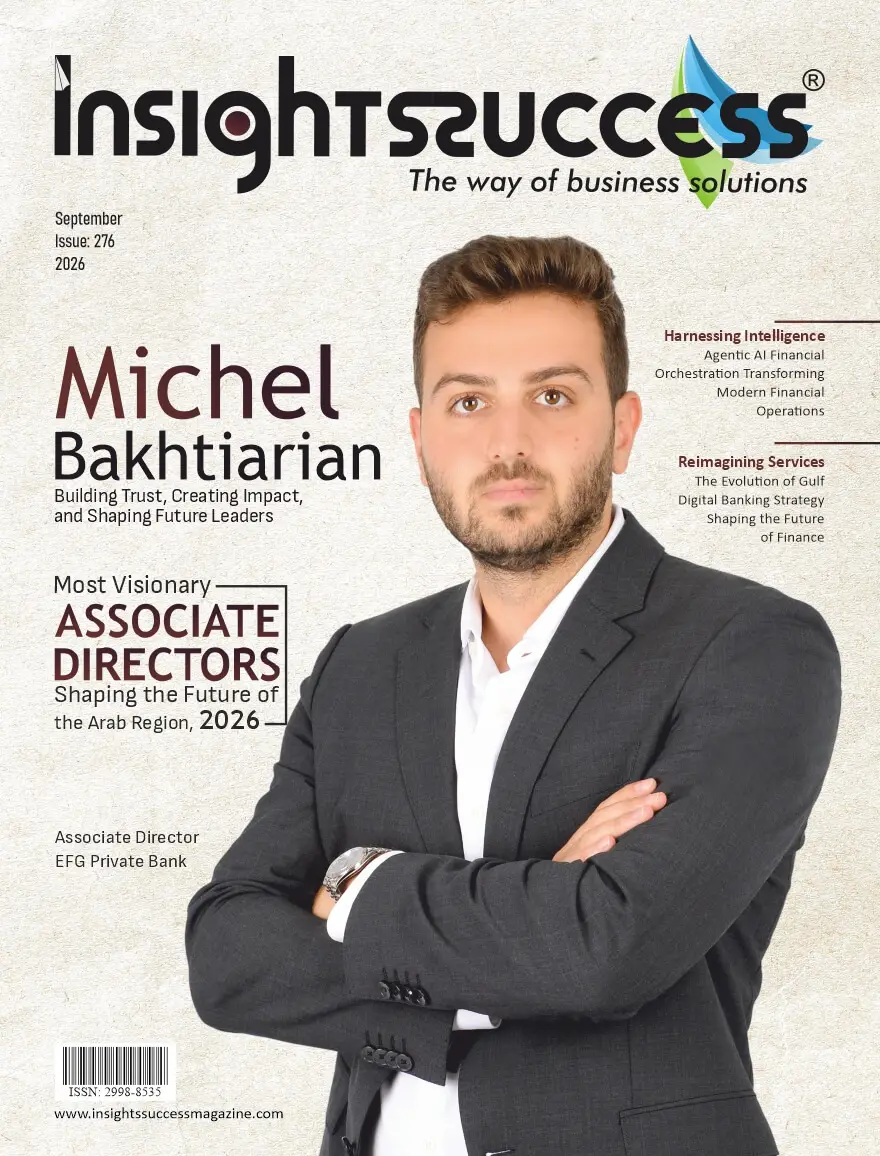
Most Visionary Associate Directors Shaping the Future of the Arab Region, 2026
Most Visionary Associate Directors Shaping the Future of the Arab Region, 2026 Michel Bakhtiarian, Associate Director at EFG Private Bank, has built his career around integrity, accountability, and values-driven leadership. His approach emphasizes trust, emotional intelligence, resilience, and continuous learning. By mentoring others, embracing innovation, and maintaining strong principles, he strives to create lasting value, develop future leaders, and make a meaningful impact. Digital Link Quick highlights Quick reads

Michel Bakhtiarian: Building Trust, Creating Impact, and Shaping Future Leaders
Leadership goes much deeper than just a title or position in an organization. With the changing business world, trustworthiness, integrity, accountability, and making a difference are what make up effective leadership. Michel Bakhtiarian, currently serving as the Associate Director at EFG Private Bank, has built his career around more than just succeeding in the corporate world. He has formed his own philosophy of leadership in the areas of finance, business, and mentoring. To Michel, these are not just theories; rather, they form the foundation upon which he acts. This is evident through his day-to-day interactions with colleagues as well as in his participation in crucial discussions in the boardroom. Michel’s career provides a compelling example of the importance of values-driven leadership as industries evolve and technology continues to advance. Leading with Integrity Michel began his career with a strong focus on performance and measurable results, which was natural for someone working in finance. Over time, however, his understanding of success evolved. He realized that numbers alone cannot sustain an organization or build a lasting career. People play an equally important role. “Lasting leadership is built on trust, humility, and accountability because people do not just follow expertise; they follow character,” he explains. This realization shaped Michel’s leadership approach. He places equal importance on listening, understanding different perspectives, and creating value for the people around him. Markets change, technologies advance, and industries continue to evolve. However, Michel believes that certain values remain essential. Honesty, respect, and responsibility continue to guide his decisions. He applies these principles to every professional and entrepreneurial opportunity. Navigating Uncertain Times Michel does not point to a single crisis or major turning point as the experience that shaped his leadership. Instead, he reflects on a simple but important lesson. Significant decisions rarely come with complete information. Through his experience in finance and business, he learned that waiting for complete certainty can result in missed opportunities. This lesson changed Michel’s approach to decision-making. Instead of searching for the perfect decision, he focuses on making informed choices with confidence. He also remains flexible and adjusts his approach when new information becomes available. Over time, he learned to remain composed under pressure. He understands that a leader’s role is not only to solve problems but also to provide clarity and confidence during uncertain situations. “Looking back, that shift in mindset has made me more thoughtful, more adaptable, and ultimately a better decision-maker,” he reflects. This lesson continues to guide Michel’s leadership approach. It shapes how he responds to market changes, manages uncertainty, and addresses differences within teams. Intelligence with Empathy Michel views emotional intelligence as a central element of effective leadership. He does not view it as a soft skill. Instead, he sees it as a valuable competitive advantage. He understands that every business depends on people. Therefore, technical expertise alone is not enough for effective leadership. Understanding people’s motivations, concerns, and perspectives is equally important. Michel credits listening more than speaking for helping him build strong professional relationships. Before offering a solution, he takes time to understand the individual and the full context of the situation. This approach builds trust and encourages open and honest communication. He treats everyone with the same level of respect, regardless of their position or seniority. Consistency, empathy, and authenticity guide his leadership approach. These qualities create an environment where people feel valued and confident. They also encourage individuals to share their ideas and contribute their best work. Accountability in Every Action Michel believes that trust is built over time through consistent actions. People need to see that a leader’s expectations, principles, and decisions remain steady in different situations. When this foundation is strong, accountability becomes easier to maintain because everyone understands that the same standards apply to all. Rather than simply assigning tasks, he gives people ownership of outcomes. When individuals understand the objective and have the trust to make informed decisions, they become more engaged and confident in their abilities. He combines autonomy with clear accountability and ensures that high standards are supported by guidance and constructive feedback. His goal is to create an environment where people feel challenged to grow while having the support they need to succeed. Values in Action Michel looks for four key qualities in the people he chooses to work with: integrity, curiosity, discipline, and resilience. While skills can be developed, character forms the foundation of strong and successful professional relationships. He values individuals who ask thoughtful questions, remain eager to learn, and approach challenges with a positive mindset. He sees curiosity as a valuable competitive advantage because it supports continuous learning and improvement. To inspire these qualities in others, he leads by example. He believes that people respond more strongly to consistent actions than to words. He demonstrates professionalism and a strong commitment to excellence through his daily approach. He also recognizes effort, welcomes new ideas, and creates an environment where people feel confident taking initiative beyond their formal responsibilities. The Defining Accomplishment Michel considers the responsibility he earned at a relatively young age to be one of his proudest achievements. While titles, major deals, and career milestones often define professional success, he values the trust placed in him and the opportunities to take on meaningful responsibilities early in his career. This experience shaped a philosophy that continues to guide him in every new venture. He focuses on building competence rather than seeking recognition. He believes that recognition follows naturally when people consistently create value. Looking ahead, his ambitions extend beyond personal success. He aims to build strong businesses, mentor future leaders, and contribute to the continued growth of the region. He measures success not only by individual achievements but also by the positive impact he creates and the opportunities he provides for future generations. Innovation with Stability Michel believes that successful leadership requires a careful balance between innovation and stability. He addresses this balance by distinguishing between what should change and what should remain constant. Markets evolve, technology advances, and industries transform. Leaders must

Harnessing Intelligence: Agentic AI Financial Orchestration Transforming Modern Financial Operations
Financial operations are getting increasingly complicated due to increased transactions, changed customer requirements, legal regulations, and the increased volume of financial data. Old-fashioned systems are usually based on manual procedures, fragmented applications, and preset workflows. Although such approaches work fine for routine tasks, they sometimes fail to cope with situations when financial decisions should be made using information received from several different sources. This is why companies try to employ intelligent solutions capable of managing financial processes in an efficient way. Agentic AI Financial Orchestration is a relatively new technology that helps AI agents to understand information, coordinate tasks, take decisions within certain boundaries, and interface with various financial systems. Instead of merely making suggestions, this technology can help companies go beyond the analysis stage and start execution of certain decisions while still implementing proper controls. It is capable of supporting many different financial operations such as cash management, accounts payable, reconciliation, forecasting, reporting, compliance monitoring, and financial planning. Smarter Workflows One of the most important advantages of Agentic AI Financial Orchestration is its capacity to link together different processes that are usually independent. For instance, a financial process may include enterprise resource planning systems, banking systems, accounting software, customer databases, and analytics. The agentic approach allows for coordination of information in all these systems, identifying what needs to be done next and distributing tasks based on certain rules of the business. It may help to avoid the need for routine activities. Automation may also be helpful in achieving greater consistency in financial transactions. For instance, the agent can compare the invoice against the purchase order, look for any discrepancies, ask for more details, and direct any anomalies to the right employee. During the process of reconciliation, automation can help in comparing the data across various systems, identify abnormal discrepancies, and prioritize those issues that need further investigation by a person. This will not only help in saving time but also alleviate the burden of repetitive tasks. Better Decisions Modern finance departments need information on time to get an idea of the level of liquidity, profitability, cost, and possible risks. In this case, the Agentic AI Financial Orchestration technology may be utilized in order to integrate and process relevant information into workflows. Thus, for example, an AI agent might observe financial data, detect changes in cash flow, assess real results against forecasted ones, and report on reaching of certain thresholds to appropriate departments. The combination of monitoring and actions may speed up responses to any changes in financial processes instead of performing them manually from time to time. The technology also allows for more proactive forecasting and planning. Historical data and assumptions used in finance models need to be constantly revised. Agentic systems can keep analyzing the current data and point out any changes that might affect forecasting results. For example, sudden changes in receivables, costs of suppliers, customer demands can lead to a reassessment of working capital assumptions. Finance practitioners can then look at the related data and decide if any changes should be made. The idea is not to eliminate human decision-making but to help make better decisions based on the current situation. Control and Scale As companies grow larger, financial procedures become harder to coordinate in a consistent manner throughout different departments, different regions, and various systems. An agentic AI financial orchestration layer can be created to orchestrate activity in such an environment. Agents will be able to act based on certain policies, rules, authorization, segregation of duties, and escalation procedures. The company will have the ability to create processes and exceptions to those processes that go to human experts. This system will enable scale without having to increase effort proportionally with the transactions. The issue of governance is important for the successful implementation of agentic technology in finance. The organizations have to have rules regarding what the AI agent has permission to access, which actions it may perform, when any approval will be necessary, and how these actions have to be registered. The elements of the audit trail, access, security of data, monitoring models, and the human escalation process should be part of the business process. In addition, financial organizations and corporate finance divisions have to take into account the regulatory aspects of their activities and consequences of wrong actions. Conclusion The concept of Agentic AI Financial Orchestration is altering the course that organizations could follow to achieve efficient financial operations through the integration of intelligence and automation. This new approach could help finance departments become more responsive and efficient through the process of information coordination, automation of repetitive processes, monitoring of financial situations, and escalation of exceptions. The scope of actions that can be facilitated using this tool is broad and can include activities such as reconciliation and invoice management, forecasting, liquidity monitoring, and even compliance processes. In the long run, organizations have to pay attention to the development of such capabilities. Governance, data quality, integration, control mechanisms, and decision-making guidance are going to be crucial for the success of the transformation process. As the finance department changes, agentic AI can prove to be a useful tool for assisting digital transformation processes within organizations. This can help improve efficiency of processes, improve finance management, speed up decision making, reduce burden, and adapt to changes in requirements. Read Also : Enhancing Cohesion: The Strategic Role of an Enterprise PMO in Driving Organizational Growth
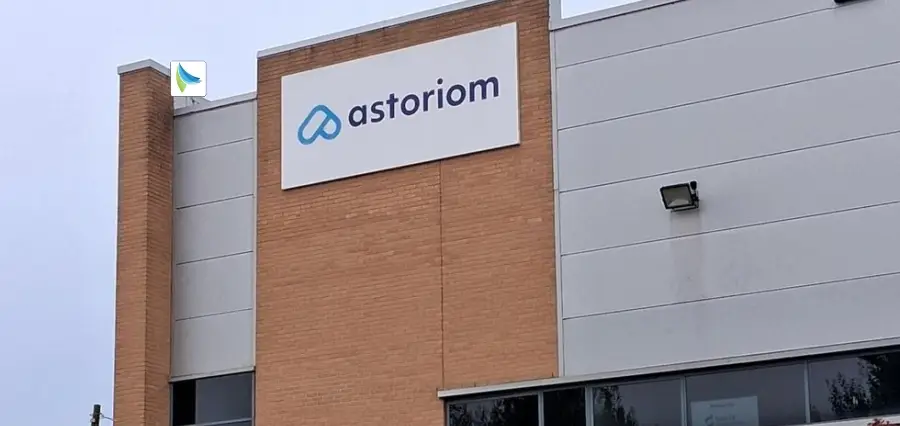
Astoriom Buys UK Biorepository Firm To Boost Storage Capacity
Prime Highlights- Astoriom acquires Sampled’s UK storage business, expanding its biorepository and stability storage capabilities. Deal builds on Astoriom’s international acquisition strategy backed by Limerston Capital. Key Facts- Sampled’s Glasgow facility joins Astoriom’s flagship UK site in Rochdale. Recent acquisitions include MTS Cryo Stores, Flagship Biosciences and Precision Stability Storage. Background Astoriom, a global leader in scientific research and consumer product sample stability and biorepository storage, has acquired Roylance Stability Storage Limited and Roylance Scientific Limited, the UK operations of life sciences stability storage provider Sampled, based in Glasgow. The deal strengthens Astoriom’s specialist storage and sample management capabilities, extending its coverage, technical expertise and operational resilience to help safeguard samples, materials and equipment critical to scientific research and product innovation. Astoriom, which brings more than 30 years of experience in outsourced sample storage and technical support, will now serve customers from Sampled’s Glasgow facility with secure, compliant and quality-led storage environments backed by continuous monitoring, inventory controls and business continuity systems at its flagship UK site in Rochdale. Backed by UK mid-market private equity firm Limerston Capital, Astoriom has grown significantly over the past two years through an international acquisition strategy, expanding into high-growth regions to support stability storage, biorepository, technical validation and disaster recovery services globally. Recent additions include MTS Cryo Stores, Cool Repair Scientific UK, Flagship Biosciences and Precision Stability Storage, alongside a cryo suite launch and expansion at its Tramore site in Ireland. Will Edwards, CEO of Astoriom, said the company’s continued growth reflects sustained demand for its integrated services, adding that the acquisition reinforces its commitment to delivering high-quality sample storage across the UK and beyond while maintaining continuity for Sampled’s existing customers. Zach Taylor, Investment Director at Limerston Capital, called the deal a strong continuation of Astoriom’s buy-and-build strategy, while John DelliSanti, CEO and Chair of Sampled, said the move positions both organizations for continued success as Sampled sharpens its focus on biobanking and clinical sample management from its New Jersey headquarters. Read Also: Jio, Canva Partner to Offer Free Premium Design Tools to Millions

From Recovery to Adaptation: Living With the Long-Term Effects of a TBI
A brain injury can change more than a person’s health. It can change the way ordinary parts of life are handled, from remembering an appointment to keeping up with a conversation. Recovery may bring improvement, but some challenges can remain after initial treatment ends. The long-term effects of a TBI may appear through changes in memory, attention, movement, mood, communication, or energy levels. They can also affect work, relationships, and independence. Living with those changes often requires a different goal. Instead of waiting for everything to return exactly as it was before the injury, a person may need to build new routines around current abilities. That shift can make daily life more manageable and make progress easier to recognize. Recognizing Changes That May Continue Long-term TBI effects are not the same for everyone. Some people may recover many abilities, while others may continue to experience symptoms that require ongoing support. Symptoms may also become more noticeable during stress, tiredness, or heavy mental activity. Possible lasting changes include: Memory problems, such as forgetting appointments or recently learned information Trouble concentrating or completing tasks that require several steps Headaches, dizziness, balance problems, or unusual sensitivity to light and noise Changes in speech, word finding, or following longer conversations Mood changes, irritability, anxiety, sadness, or difficulty controlling emotions Fatigue that makes familiar activities take more time or effort These challenges can be difficult for others to see. Someone may look healthy while struggling with concentration or fatigue. Recognizing less visible symptoms can help others provide useful support. Turning Daily Challenges Into New Routines Adaptation often begins with small changes to familiar routines. A person with memory problems may benefit from keeping one written schedule. Phone alerts, calendars, and checklists can reduce the effort needed to stay organized. Energy management can be just as important. Doing too much at once may increase fatigue and worsen other symptoms. Helpful adjustments may include: Breaking larger tasks into smaller steps Scheduling demanding activities during periods of better energy Taking planned rest breaks before exhaustion sets in Reducing unnecessary noise and distractions Allowing extra time for tasks that now take longer These changes are practical tools for working with current abilities. A manageable routine can create more room for independence. Finding Support That Matches Changing Needs Long-term adaptation does not always mean doing more. It can also mean knowing which tasks need help and which can still be handled independently. Accepting support for a difficult task can preserve energy for other parts of the day. Clear communication can also prevent frustration and unrealistic expectations at home daily. Medical follow-up may help track symptoms and identify changes that deserve attention. Rehabilitation may include physical, occupational, or speech therapy, depending on the person’s needs. Support from people close to the individual can also make a meaningful difference. Family and friends may offer reminders, keep routines consistent, or allow enough time for communication. Employers may also be able to discuss reasonable changes that make work tasks more manageable. Emotional support matters as well. A lasting brain injury can affect confidence, relationships, and a person’s sense of independence. Counseling or other mental health support may provide a place to work through those changes. Support needs can change as abilities and responsibilities change. Measuring Progress Differently Recovery is often pictured as a steady path toward the old routine. Real life can be less predictable. A person may improve in one area while struggling in another. Some days may also feel easier than others. Progress can therefore be measured in practical ways. Remembering a new routine, preparing a meal independently, completing a work task, or recognizing the need for a break can all represent meaningful gains. Comparing these achievements with recent progress may be more useful than comparing them with life before the injury. It can also help to keep track of patterns. A simple record of symptoms, activities, sleep, and energy may show patterns and useful strategies. This can give healthcare providers a clearer picture of daily challenges. Building a Life Around Adaptation Adaptation is not the same as giving up on recovery. It means making practical choices while recognizing that some abilities may return slowly or remain different. A person can continue working toward improvement while also using tools and routines that make the present easier to manage. For someone living with the long-term effects of a TBI, the most useful changes may be simple: a predictable schedule, planned breaks, written reminders, supportive communication, and appropriate professional care. These strategies can reduce stress and protect energy for important activities. The goal is not to measure every day against the past. It is to create a routine that fits current needs and allows continued growth. Small adjustments can become habits that make difficult tasks easier. Moving Forward With a Practical Plan Life after a TBI may involve both recovery and adaptation. Some symptoms may improve while others require long-term strategies. Recognizing this can help a person make realistic plans. Professional guidance can be useful if symptoms interfere with work, relationships, safety, or daily activities. If you or a loved one is dealing with lasting changes after a TBI, seeking appropriate medical and rehabilitation support can help identify practical ways to manage daily challenges and protect quality of life. Read Also : Why Seeking Early Help in a Personal Injury Claim Can Make a Difference

What Makes Liability So Complex in Tractor-Trailer Accident Cases?
A single crash involving a tractor-trailer can create a complicated chain of questions about responsibility. Unlike many regular vehicle accidents, these cases often involve drivers, trucking companies, maintenance teams, and other parties who may have different roles in preventing harm. Determining who contributed to the accident requires looking beyond the damage caused at the scene and examining the actions or decisions that may have led to the collision. A damaged vehicle or serious injury does not always reveal the full reason behind the crash. Investigations may uncover issues related to safety practices, company decisions, vehicle maintenance, or regulatory requirements. Due to these challenges, working with a tractor-trailer accident attorney may help victims understand the factors that can influence a liability claim and the steps involved in reviewing the circumstances surrounding the accident. Multiple Parties May Share Responsibility After a Tractor-Trailer Accident Determining fault after a tractor-trailer accident is rarely limited to the person behind the wheel. Several parties may have contributed to unsafe conditions that led to the collision. Possible responsible parties may include: The truck driver who failed to follow safety rules or operated the vehicle unsafely The trucking company that failed to maintain proper policies or supervision A maintenance provider that overlooked important repairs A cargo loading company that improperly secured the shipment A manufacturer responsible for defective truck parts Each party has different responsibilities, making liability decisions more detailed. Investigators often need to examine how each person or company contributed to the accident before determining who may be responsible. Federal and State Rules Can Affect Liability Decisions Commercial trucks operate under strict safety requirements that do not apply to most personal vehicles. These rules are designed to reduce risks on the road, but violations can become important factors in an accident investigation. Some regulations that may affect liability include: Driver working hour limits to prevent fatigue-related crashes Vehicle inspection requirements Weight restrictions for commercial trucks Proper licensing and training standards A company or driver that ignores these requirements may create unsafe conditions. Reviewing compliance with trucking regulations can provide important information about whether negligence played a role in the accident. Driver Actions Are Only One Piece of the Investigation Many people assume the truck driver is always the only person responsible after a collision. However, driver behavior is only one part of a larger investigation. A driver may be examined for issues such as: Distracted driving Speeding or unsafe maneuvers Lack of proper training Failure to follow traffic laws Driving while fatigued At the same time, investigators may look beyond the driver’s actions. A trucking company may have contributed to the accident by setting unrealistic schedules, failing to provide training, or allowing unsafe practices to continue. Evidence Helps Reveal What Caused the Crash Evidence plays an important role in understanding how a tractor-trailer accident happened. Large commercial vehicles often contain records and information that can help explain the events before and after a collision. Important evidence may include: Driver logs and employment records Truck inspection and maintenance reports Electronic vehicle data Accident scene photographs Witness statements Traffic camera footage This information can show whether safety rules were followed and whether certain actions contributed to the accident. Because some evidence may become harder to obtain over time, collecting and reviewing records is an important part of the claims process. Insurance Coverage Adds Another Layer of Complexity Tractor-trailer accidents often involve commercial insurance policies, which can be more complicated than standard vehicle coverage. Multiple insurance companies may become involved if different parties share responsibility. Insurance providers may review: The cause of the accident The level of responsibility for each party Available coverage limits Evidence supporting the claim These factors can create disagreements about liability and compensation. Understanding how commercial insurance works is an important part of handling a truck accident claim. Negligence Factors That May Influence Liability Negligence refers to failing to take reasonable steps to prevent harm. In tractor-trailer cases, negligence can involve many different actions or mistakes. Examples may include: Skipping required truck maintenance Hiring unqualified drivers Ignoring safety violations Improperly loading cargo Failing to follow industry regulations Because every accident has different circumstances, identifying negligence requires a careful review of available evidence. A trucking company’s decisions, a driver’s actions, or another party’s failure to meet safety responsibilities may all affect the outcome of a liability claim. A tractor-trailer accident attorney can review the details surrounding a collision and identify how different factors may connect to the injuries and losses involved. This process helps determine which parties may need to be held accountable based on the available facts. Understanding the Challenges Behind Tractor-Trailer Liability Tractor-trailer accident cases can become complicated because responsibility may involve several people, companies, and safety requirements. The cause of a crash is not always clear from the accident scene alone, and important details may require deeper investigation. Factors such as regulations, driver conduct, maintenance records, and insurance issues can all influence how liability is determined. Victims dealing with the aftermath of a serious truck accident may benefit from reviewing their situation with a qualified legal professional who can help address their concerns and explain possible legal steps. Seeking timely guidance can make it easier to protect important evidence and make informed decisions about the claim. Read Also : Why Seeking Early Help in a Personal Injury Claim Can Make a Difference

Why Seeking Early Help in a Personal Injury Claim Can Make a Difference
After an injury, people often focus on getting their routines back on track. Yet a personal injury claim can involve decisions that become more important as the process moves forward. What seems like a simple step at first may later affect how clearly a person can explain what happened, describe the impact, and respond to issues that arise during the claim. Getting help with a personal injury claim can make the process easier to navigate. Instead of trying to figure out each stage alone, a person can have a clearer idea of what deserves attention and what should not be overlooked. Early guidance can also create more time to address concerns before they become harder to resolve, giving the claim a more organized direction from the start. Early Action Can Protect Valuable Evidence Evidence gives a claim structure. It can help show what happened, where it happened, who was involved, and what followed. Some evidence may be easy to lose or change over time. Photos can show conditions that later look different. Witnesses may remember fewer details as time passes, and contact information can become outdated. Documents may also be misplaced. Useful evidence may include: Photos or videos of the scene and visible injuries Accident or incident reports Names and contact details of witnesses Medical records and treatment notes Messages, emails, or other relevant communications Receipts and records related to injury expenses Early attention can help identify which records matter and make it easier to preserve them before they are lost. Good Records Make the Claim Easier to Follow A personal injury claim often involves information from several sources. Medical providers may create treatment records, employers may have wage information, and insurers may request documents about the incident. Keeping these materials organized can make the overall claim easier to understand. Maintain a dedicated file, either digitally or on paper. Date important documents and store them together. A record of appointments, treatments, expenses, missed work, and other effects can provide useful context. Clear records do more than create a neat file. They can help connect the incident to its effects over time. This can be useful when treatment continues or daily activities change. Careful Communication Can Prevent Confusion Insurance companies may ask for information about an incident, treatment, or losses. These requests can involve forms, recorded statements, medical information, or other documents. Responding carefully matters because the information provided may become part of the claim record. Early legal guidance can help a person understand what a request is asking for and what documents may be relevant. It can also help keep descriptions of the incident consistent with available records. This does not mean avoiding reasonable communication. It means reviewing important requests rather than responding casually or leaving out key details. A clear, accurate record can reduce confusion as the claim moves forward. Deadlines Can Affect the Claim Time can matter for another reason: legal deadlines. Personal injury claims may be subject to statutes of limitations and other deadlines. The applicable period can depend on factors such as the type of claim, the parties involved, and the law that applies. Missing a deadline can create serious problems, even when a person has substantial evidence. Because deadlines are not always the same for every claim, waiting to investigate them can be risky. Early attention gives a person more time to identify deadlines and required steps. It also leaves room to gather records, review circumstances, and address issues during preparation. Preparation Can Reveal Important Details Starting early is not only about collecting paperwork. It can reveal questions that need attention. A careful review may show that additional witnesses should be located, certain records should be requested, or a timeline needs clarification. A useful early review may consider: What happened and how it can be documented Which people may have relevant information What medical care has been received What financial or work-related effects have been documented Which deadlines may affect the claim These steps can reveal gaps before they become harder to address. It can make later discussions more focused and much easier. It helps keep the claim focused on documented facts rather than memories alone. Early Guidance Can Create a Clearer Starting Point Early action doesn’t guarantee a specific outcome. Prompt preparation can reduce avoidable uncertainty. Evidence can be preserved, records can be organized, communications can be handled carefully, and deadlines can be identified before they become urgent. If you’re unsure what to collect or how to organize next steps, timely legal guidance can provide direction without solving every issue at once. The goal is to build a reliable record and understand the process before you miss important opportunities. Start With the Details That Matter A strong personal injury claim is built from facts, records, and timely action. Waiting can make some of those pieces harder to locate or explain, while early preparation gives a person more opportunity to protect useful information. Acting early often helps prevent small gaps from becoming larger problems. If you need help with a personal injury claim, consider getting guidance early enough to review the evidence, records, communications, and deadlines that may affect your situation. Taking that step can help you approach the claim with a clearer record and a better understanding of what needs attention next. Read Also : Why Patients Sometimes Trust a Person More Than a Portal

Steps That Can Help Build a Strong Motorcycle Injury Claim
A motorcycle accident claim is not measured only by the damage visible after a crash. It is shaped by medical expenses, lost opportunities, recovery time, and the changes that follow. Many injured riders face challenges that are not immediately clear, making it important to present a complete picture of how the accident has affected their lives. Proper records, supporting evidence, and a clear understanding of the claim process can help show the true impact of the injuries. An attorney for motorcycle accident injuries can help review these details, identify important factors, and guide victims through the steps needed to build a stronger claim. Collect Evidence Before Important Details Are Lost Evidence plays an important role in showing what happened during a motorcycle accident. Details from the crash scene can become harder to confirm as time passes, so gathering information early can help create a clearer record. Important evidence may include: Photos of the motorcycle, vehicles involved, and road conditions Contact information from witnesses Police reports and accident records Information about traffic signs, weather, or possible hazards Medical records connected to the injuries This information can help explain how the accident occurred and why the injuries happened. A well-documented claim gives insurers and other parties a better understanding of the situation. Follow Medical Advice and Track Your Recovery Medical treatment is one of the most important parts of an injury claim. Some motorcycle accident injuries may require ongoing care, and the effects can influence a person’s ability to work or complete daily activities. Keeping detailed records can help show the connection between the crash and the injuries. Riders should maintain: Doctor visit information Treatment plans Medication details Medical expenses Notes about recovery progress Following medical recommendations also shows that the injured person is taking reasonable steps to improve their condition. Gaps in treatment or missing appointments may create questions about the seriousness of the injuries, so staying consistent with care is important. Be Careful During Insurance Conversations Insurance companies often review accident claims closely before making decisions. Statements given during conversations may affect how a claim is evaluated, especially if important details are misunderstood. Before accepting an offer or making major decisions, injured riders should consider: Whether the settlement covers current and future expenses Whether all damages have been identified Whether the impact of the injuries has been fully explained Whether additional evidence may support the claim A quick settlement may not always reflect the complete value of an injury claim. Taking time to review the available information can help prevent decisions that may create problems later. Show the Full Impact of the Accident A motorcycle injury claim is not only about medical bills. The accident may affect many areas of a person’s life, including work, family responsibilities, and everyday routines. Documentation can help explain these effects by showing: Time missed from employment Changes in physical abilities Challenges with normal activities Additional costs caused by the accident Personal records, employment information, and statements from people who understand the victim’s situation may help provide a complete picture of the damages. Clear information allows the claim to reflect more than just the immediate expenses. Understand How Legal Guidance Can Support Your Claim Motorcycle accident claims may involve questions about fault, insurance coverage, and the amount of compensation available. Having professional guidance can help injured riders understand the process and avoid common mistakes. An experienced attorney for motorcycle accident injuries can examine accident reports, review available evidence, communicate with insurance companies, and help identify important factors that may affect the outcome of a claim. Legal support can also help ensure that deadlines are followed and that important documents are properly prepared. Every accident has different circumstances, so a careful review of the specific details is necessary before deciding the next steps. Keep Records Organized Throughout the Process Organization can make the claim process easier to manage. Keeping all accident-related documents in one place helps ensure that important information is available when needed. Useful records may include: Medical invoices Insurance communications Repair estimates Accident reports Photos and videos Work-related documents A simple record system can reduce confusion and help provide accurate information throughout the claim process. Staying prepared also makes it easier to respond to requests from insurers or legal representatives. Every Claim Has Its Own Path No two motorcycle injury claims follow the same path because every crash involves different circumstances, injuries, and challenges. The details surrounding the accident, the extent of the damages, and the evidence available can all influence how a claim is evaluated. Keeping proper records, following medical guidance, and understanding the available options can help injured riders protect their interests throughout the process. A careful review of the situation with an attorney for motorcycle accident injuries can provide valuable insight into the steps that may support a stronger claim. Seeking professional guidance can help riders make informed decisions while moving toward a fair resolution. Read Also : Why Crypto Investors Don’t Overlook Meme CoinsWhy Crypto Investors Don’t Overlook Meme Coins

Smart Home Technology Can Detect Problems, But It Can’t Prevent EverythingSmart Home Technology Can Detect Problems, But It Can’t Prevent Everything
Smart homes are becoming remarkably good at noticing trouble. A leak sensor can alert you when water appears under a sink. A connected thermostat can warn you when indoor temperatures change unexpectedly. Cameras can show you who is standing at the front door. Air-quality monitors can track particles, humidity, and other conditions that might affect how comfortable your home feels. These devices give homeowners something that was difficult to achieve in the past: awareness. But awareness is not the same as prevention. A sensor may tell you that something has gone wrong, yet it usually cannot repair the source of the problem. A camera can document what happened, but it cannot always stop it. A smart appliance can send an error message, but someone still has to investigate the cause. As homes become more connected, it is important to understand where technology helps and where traditional maintenance, professional expertise, and simple human attention still matter. Smart Homes Are Becoming Better at Early Detection One of the greatest benefits of smart home technology is speed. In the past, homeowners might not discover a small plumbing leak until a ceiling stain appeared or a cabinet started to swell. Today, a relatively inexpensive water sensor can send an alert within minutes of detecting moisture. That early warning can make a major difference. Smart thermostats provide another example. Besides automatically adjusting temperatures, many modern systems can notify homeowners when heating or cooling performance appears unusual. Sudden temperature changes may signal an open window, equipment problem, or other issue that deserves attention. Connected smoke alarms and carbon monoxide detectors can also send notifications to a phone. This can be useful when homeowners are away from the property. The common advantage is not that these devices solve the problem. They help people notice it sooner. That distinction matters because early detection can limit damage when homeowners respond quickly. Cameras Give Homeowners Visibility Home security has changed dramatically because of connected cameras. Doorbell cameras allow homeowners to see visitors even when they are not home. Outdoor cameras can provide additional visibility around entrances, garages, yards, and other parts of the property. Motion notifications can also make monitoring easier. Instead of recording hours of footage that nobody watches, smart systems can notify users when movement occurs. Some devices can distinguish between people, vehicles, packages, and other types of activity. This makes cameras useful for more than security. A homeowner might notice that a delivery has arrived, an animal is repeatedly entering the yard, or a maintenance worker has reached the property. Still, cameras mostly provide information. They may discourage certain behavior, but they do not create a completely protected property. Locks still need to work. Doors and windows still need maintenance. Exterior lighting still matters. Technology becomes most effective when it supports physical security rather than replacing it. Leak Detection Is Valuable, but Plumbing Still Requires Maintenance Water damage is one area where smart technology can be especially useful. Small leaks are easy to overlook. They can develop behind appliances, underneath sinks, near water heaters, or around washing machines. Smart leak detectors can identify moisture quickly. More advanced systems may even monitor water usage and recognize unusual patterns that could indicate a hidden leak. Some connected shutoff valves can automatically stop water flow when a major leak is detected. That is a powerful improvement. However, the technology still does not repair worn seals, damaged pipes, corroded fittings, or failing appliances. Homeowners need to inspect plumbing systems, replace aging components, and respond when warning signs appear. Smart technology reduces the amount of time a problem can remain unnoticed. It does not eliminate the physical conditions that create the problem. Air-Quality Sensors Can Reveal What You Cannot See Many household concerns are invisible. Humidity is a good example. A room can feel comfortable while still having moisture levels that encourage condensation or mold growth. Smart humidity sensors make those conditions easier to monitor. Air-quality devices can also track certain particles and pollutants. Some connected systems can automatically activate ventilation or air purification equipment when conditions change. These features help homeowners understand their indoor environments. However, monitoring data is only useful when someone acts on it. If humidity remains high because of poor ventilation or a roof leak, watching the number on an app will not correct the underlying cause. The same principle applies throughout a connected home. Technology can reveal patterns. People still have to decide what those patterns mean and what to do about them. The Household Problems Technology Still Can’t Solve for YouThe Household Problems Technology Still Can’t Solve for You Some home problems simply require physical intervention. A smartphone notification cannot repair damaged wiring. A sensor cannot replace a broken pipe. A camera cannot reinforce a weakening structure. Pest problems provide another useful example. A smart camera might capture rodents moving around a garage. A connected monitoring system could potentially alert you to unusual activity. Sensors may even help identify conditions such as excess moisture that make certain areas more attractive to pests. But detecting activity does not remove an infestation. Pests can enter through tiny openings, reproduce in hidden areas, damage materials, and move through parts of a property that ordinary consumer technology cannot monitor effectively. When the problem becomes persistent, homeowners may need help from a trusted Phoenix pest control company that can inspect the property, identify the source of the activity, and recommend appropriate treatment. The same logic applies to many household issues. Technology can help identify symptoms. Fixing the cause may still require a plumber, electrician, roofer, HVAC technician, pest professional, or another skilled specialist. Connected Appliances Still Need Human Attention Modern appliances are becoming increasingly sophisticated. Washing machines can notify users when a cycle is finished. Refrigerators can provide temperature alerts. Ovens can connect to mobile apps. Some appliances can even run basic diagnostic checks when something stops working correctly. These features make appliances easier to manage. They can also help homeowners notice problems earlier. For example, a refrigerator that reports rising internal temperatures gives you an opportunity to investigate before food spoils. A washing machine error message may help identify a drainage problem before another load is started. But