






Marci Hopkins: From Chaos to Clarity
From the quiet pain of unstable childhood to the bright stage of media and mental health advocacy, Marci Hopkins‘ narrative is one of truth-driven change. She experienced the negative effects of addiction and absence at a young age while growing up in Texas, but her grandmother’s unshakable love was what sowed the seeds of compassion and resilience. The foundation of her life’s work would eventually be those early lessons in grace. She created a prosperous television career after getting a degree in Music and Video Business from the Art Institute of Houston, which appeared to the rest of the world to be the epitome of success. Despite the polished image, she was struggling with perfectionism and emotional exhaustion until sobriety became the defining moment in her journey. What began as a personal healing journey quickly became a purpose to assist others in finding their own clarity. She is now the award-winning creator of Wake Up with Marci and the best-selling author of Chaos to Clarity, which has helped thousands of people find self-worth and recovery. Her brand, founded on sincerity and compassion, is redefining success not in terms of plaudits, but in the lives, she touches with her powerful message: healing is possible, and every narrative has the opportunity for redemption. The Foundation: Love in Unlikely Places Hopkins grew up in Texas, where instability marked her early childhood. Her mother struggled with alcoholism, and her father remained largely absent. Between ages six and twelve, her grandmother became her anchor, raising her with unconditional love that she credits with shaping her soul. “She never raised her voice. She always encouraged my dreams and ultimately helped me find my path,” she recalls That foundation of unconditional acceptance would later become the bedrock of her work, a counterpoint to the perfectionism and people-pleasing tendencies she developed as survival mechanisms. She pursued her education at the Art Institute of Houston, earning a degree in Music and Video Business. She expanded her skill set into acting and media training, eventually building a successful career in television. On screen, she appeared polished and accomplished. Behind the scenes, she fought a different battle. The Breaking Point: When Success Isn’t Enough Hopkins had achieved what many would consider “having it all”, a thriving television career, recognition, and opportunity. Yet internally, she was crumbling. The perfectionism that had driven her success became a prison. People-pleasing left her exhausted and disconnected from her authentic self. And increasingly, alcohol became her coping mechanism. “I appeared to have it all, but inside, I was falling apart,” she explains. Nearly a decade ago, she made a decision that changed the trajectory of her life: she chose sobriety. That choice didn’t just save her life; it revealed her purpose. “When I stepped into recovery, my life changed. I knew I had to help others,” she says. Building a Movement: Wake Up with Marci Hopkins’ business emerged directly from her healing journey. As she navigated recovery, she recognized how many women suffered in silence, trapped in cycles of trauma, shame, and burnout. She saw herself reflected in their struggles and knew she possessed tools they desperately needed. She created the award-winning television show Wake Up with Marci, which has since evolved into a podcast. The show features open, real conversations around healing, transformation, and self-worth with topics she refuses to sanitize or simplify. She is currently serving as a Mental Health Contributor on Connecting America, seen on USA Today, extending her reach to audiences hungry for authentic dialogue about mental wellness. She then wrote Chaos to Clarity: Seeing the Signs and Breaking the Cycles, which became a number one bestseller. She contributed to Unstoppable Voices alongside legendary motivational speaker Les Brown. Currently, she’s working on her second book, Wake Up, You’re Not Broken: A Companion for Your First 30 Days of Recovery. Everything she creates, from motivational speaking to podcasting to course development flows from a singular belief: we are worthy of joy, healing, and thriving lives. Her CARE Method and her signature program, Chaos to Clarity: From Stuck to Thriving, guide women step-by-step through emotional release, self-compassion, and empowerment. These aren’t abstract concepts for her. They’re survival tools she refined in her own life before offering them to others. The Daily Practice: Balance as a Journey, not a Destination Hopkins juggles multiple roles: mother, speaker, television host, author, and mental health advocate. She’s learned that balance isn’t the finish line she’ll cross, it’s a practice she revisits daily. “I’ve learned to build boundaries and honor rhythms instead of chasing balance,” she says. Her healing journey and sobriety taught her to listen to her body, set clear limits, and create non-negotiable self-care routines. Each day begins with prayer and gratitude which centers her before the world rushes in. As a media entrepreneur and course creator, she faces demanding schedules. But she now approaches work from purpose, not pressure. She delegates more freely. She gives herself permission to rest. Most importantly, she practices what she teaches: compassion, awareness, release, and empowerment. When overwhelm threatens, she returns to her “why”, the women who need hope. That reminder helps her drop the guilt and stay grounded in grace. The Entrepreneurial Spirit: Building Movements, Not Just Businesses Hopkins loves building, but not in the conventional sense. She’s not interested in hustle for its own sake. For her, entrepreneurship means healing through service. “My appetite for business comes from my desire to create real, lasting change in women’s lives,” she explains. When she got sober, she realized how many essential tools she’d never been taught, how to regulate emotions, forgive herself, or prioritize her own well-being. That realization sparked the creation of Wake Up with Marci and continued to drive the brand’s expansion into podcasts, products, speaking, and upcoming retreats. She approaches business the same way she approaches healing: step-by-step, with vision and heart. She listens to what women request and creates experiences and tools that meet them where they are. She’s also unafraid to evolve. When the time

Why Growth is Every Leader’s Secret Weapon
Leading Through Learning Today’s fast-moving world defines that leadership is neither confined to any level of authority, nor to years of experience, nor to position. The best leaders are never done learning. Growth isn’t a phase; it’s a mindset. With markets in perpetual motion, technologies rapidly changing, and teams becoming increasingly diverse, the ability to learn, adapt, and lead through change has become a competitive advantage. The Changing Nature of Leadership For years, leadership was about having the right answers. Now it’s about asking the right questions. For leaders operating in a landscape of continuous innovation and uncertainty, relying on what one presently knows or on traditional hierarchies for decisions simply will not suffice. The leader instead has to be in a constant mode of learning and seeking diversity of perspective, modeling curiosity as a core organizational value. Learning can no longer be an option; rather, it’s a must. The speed at which change is effected in the various industries demands that leaders be agile thinkers-people who can reimagine their strategies and grow others in the process of growing themselves. It is a leader’s capacity to learn which dictates their effectiveness and that of an organization to thrive through disruption. Learning as a Leadership Mindset True learning is not about professional development but a way of life and leadership. Growth-oriented leaders look at each challenge as an opportunity to learn something new, each failure a source of feedback, and each success to hone the craft. They are humble enough to admit what they do not know and confident enough to seek out what they need to learn. It ripples in the organization: the more leaders learn out loud, question, and grow, the more curiosity and experimentation get normalized in teams. It allows employees to be innovative, take initiative, and drive continuous improvement that fosters engagement and excellence. Adaptability: The Key to It All In today’s environment, the most valued skill for any leader is adaptability; right at its very core is learning. Leaders who learn on a continuous basis pivot faster, make better decisions, and with confidence lead their people through times of uncertainty. The adaptable leader, in that respect, will always be one step ahead; transformation for them is not disruption but evolution. They also keep their skills, knowledge, and perspective fresh, not by replacing them but by continuously adding to it. This lifelong learning lets them stay relevant and resilient with new technologies on the rise, shifting dynamics of markets, or changing consumer behavior. Creating a Learning Culture To lead through learning means building an environment where curiosity and growth are at the heart of daily practice. The visionary leaders recognize that organizational learning occurs not only in training programs or performance reviews but with shared experiences, open dialogue, and solving problems together. Emotional Intelligence and Learning Continuous learning calls for you not only to invest in technical skills or industry knowledge but most especially in your EQ. Leaders who know themselves and others build better relationships, resolve conflict more effectively, and engender trust in their teams. It is in learning to listen, to empathize, and to communicate authentically that the transactional leader begins to make the transition into the transformational variety. Intellectual curiosity blended with emotional awareness lets people in the workplace feel valued and understood and naturally stimulates great performance. One of the major but challenging experiences in the ways people learn is that of failure. Arguably, the most important lessons of leadership are those learned from failures. Success builds confidence, but failure sharpens perspective. The truly visionary leader thinks of failures not as weaknesses but as opportunities for growth. Leaders are creating resilience in themselves and their teams by embracing failure as the very nature of invention. They unlock deep lines of communication around mistakes and extract insight to help improve both systems and strategies. In this way, they create more durable organizations-and more secure, fearless leaders. Continuous Learning in the Digital Era Technology has created an environment where learning is easier than it ever has been, from digital platforms and online courses to podcasts and peer networks. It has made leaders continually learn and expand their knowledge bases. Yet, it’s not the access to information that’s the challenge, but how to apply the information effectively. The forward-looking leader curates what he or she learns with intention, focusing in on insights that align with their goals and organizational vision. Weaving learning into the fabric of daily routine turns what was an intermittent exercise into a continuous practice of growth. Conclusion In flux, learning is not a luxury-it’s the leadership itself. The best leaders are never done growing-inquisitive in the face of uncertainty, curiously turning every experience into insight. They realize growth is a lifelong journey and not a destination; leading by learning may be how they unlock the full potential of their teams, organizations, and themselves. Leadership that learns is leadership that lasts. Growth isn’t just the secret weapon in pursuit of excellence; it’s the heart of transformation. Read Also : Enhancing Productivity: Mastering Creative Cloud with Expert Integration Insights

Guiding Teams with Values, Not Just Vision
Conscious Leadership The speed at which change is coming about in the business world is redefining what it really means to be a leader. It is not about commanding authority, nor is it about chasing short-term wins; rather, it’s all about leading with awareness, empathy, and integrity. The new paradigm now speaks to conscious leadership: reshaping how organizations function and inspire their leaders. Conscious leadership in essence guides the teams with values, not vision alone, into a culture driven by purpose, authenticity, and human connectivity for success. Beyond Traditional Leadership Traditional models of leadership have for long focused on control, efficiency, and results. While such elements are indeed important to any organization, they mostly bypass the human element of emotions, values, and motivations that actually drive performance. Conscious Leadership bridges this gap by bringing together strategic foresight with emotional intelligence. Conscious leaders are not so much concerned with goal-setting as with meaning-making. They know that success does not consist of profit or productivity but in the well-being of people and integrity of processes. With that in mind, they lead organizations that are effective, ethical, adaptive, and deeply trusted. Leading with Awareness The starting point for any form of conscious leadership is self-awareness: clear realization of what one values, is biased toward, and is motivated by. A leader who recognizes what he feels and the pattern of his behaviors will be in a better position to control these and lead others sincerely, being able to put himself in other people’s shoes. Self-aware leaders further create situational awareness: the ability to read the dynamics of their teams, their markets, and their cultures. They listen actively and observe patterns, making decisions reflecting business intelligence and human understanding. In so doing, leadership becomes less about standing in a position of power, and more about practicing connection and responsibility. Building Psychological Safety The essence of conscious leadership is creating an environment of psychological safety: people have the freedom to say what is on their minds, challenge assumptions, and admit mistakes without fear of repercussions or retribution. Such an environment unleashes creativity and accountability: people know their voices count, hence they are proactive to make substantial contributions. The conscious leader encourages openness in communication, fosters transparency, and reiterates their belief that with diversity comes better outcomes. And it so transforms teams from functional units into communities of trust and growth. The Role of Empathy and Emotional Intelligence Empathy is not a weakness in leadership; it’s a strength that begets connection, understanding, and loyalty. Conscious leaders lead through empathy, acknowledging the human realities running parallel with professional roles. They take time to understand what drives their teams, what challenges they face, and just how to support growth. While emotional intelligence goes one step ahead to complement empathetic feelings and modulate the emotions of the leader to respond with consideration for others, both of these traits together help a conscious leader handle conflict, gain trust, and maintain a balance-even in the most adverse situations. Conscious Choice In today’s fast-moving, competitive environment, decisions have to be made now. Conscious leadership balances an influx of data-driven insights with ethical reflection through the practice of mindful decision-making. Rather than acting impulsively to the challenges at hand, conscious leaders consider the long-term consequences of their actions and the human repercussions of choices. It yields wiser, more sustainable results. Additionally, it models responsibility, showing teams that integrity and thoughtfulness count just as much as speed and innovation. Building a Culture of Responsibility This is not only an awareness residing amongst the executive level, but trickles down through the organization. Awareness and integrity in leadership causes a ripple effect-influencing others in the same light. This naturally brings forth a responsible culture of shared accountability-not imposed accountability. It’s in this kind of culture that teams become so aligned, motivated, and full of purpose. Teams own the outcomes, challenges become shared opportunities to learn and not personal failures, and over time, it actually becomes a real competitive advantage-one that grows not out of control but out of consciousness. The Transformative Power The power of conscious leadership extends into the world far beyond the organization itself. Conscious leaders lead with values, empathy, and ethical responsibility, making the business ecosystem more sustainable and equitable. They redefine success to include not only financial performance but also social well-being and environmental stewardship. These leaders are clear: the best business is a force for good. They make sure to lead teams with values, not just vision, and they bridge the gap between profit and purpose when building organizations that can thrive in harmony with the world around them. Conclusion Conscious leadership is less about performance management, however; it’s about inspiration of purpose. It is a matter of looking within before looking without: leading from a place of authenticity and compassion, making decisions where vision and values align. Conscious leadership is the kind that will guide organizations through an increasingly complex, fast-moving world. The conscious leader is aware, empathetic, leads with integrity, fosters great teams and sustainability, and creates true and lasting impact. It is in the proof of conscious leadership that true leadership is not about commanding authority, but rather stirring up the best in others. Read Also : Why Growth is Every Leader’s Secret Weapon

OpenAI Plans Historic IPO with Potential $1 Trillion Valuation by 2026–27
Prime Highlights: OpenAI is preparing for one of the largest public listings in history, targeting a potential valuation of up to USD 1 trillionas it seeks to expand its AI capabilities. CEO Sam Altmansaid an IPO is likely the next step to secure capital for the company’s ambitious global AI growth plans. Key Facts: OpenAI is currently valued at USD 500 billionand aims to reach USD 20 billion in annual revenue by the end of the year. Microsoft holds a 27% stakein OpenAI after investing USD 13 billion, while the OpenAI Foundation now oversees 26% ownership under a new structure. Background: OpenAI is preparing for one of the biggest public listings in history, with a potential valuation of up to USD 1 trillion, according to people familiar with the matter. The company is considering filing for an initial public offering (IPO) with securities regulators as early as the second half of 2026, though some advisers believe it could happen by 2027. The plan marks a new phase for OpenAI as it looks to secure a much larger pool of capital to support CEO Sam Altman’s ambitious AI expansion plans. Early discussions suggest the company could raise at least USD 60 billion, though that number could grow based on business performance and market conditions. OpenAI recently completed a complex restructuring aimed at reducing its reliance on Microsoft, which currently owns about 27% of the company after investing USD 13 billion. The new structure puts oversight under the OpenAI Foundation, a nonprofit that now holds a 26% stake and can gain more shares if certain goals are met. In a recent livestream, Altman mentioned that an IPO is probably the most likely route for the company, considering its future capital requirements. OpenAI is now valued at USD 500 billion and expects to make USD 20 billion in annual revenue by the end of the year. This comes after a surge in AI-related market activity, including CoreWeave going public with a $23 billion IPO and Nvidia’s market value reaching $5 trillion this week. Read Also : Snap Shares Soar 19% in Pre-Market After $400 Million AI Deal with Perplexity

The 10 Most Trusted Adobe Solution Providers of 2025
The 10 Most Trusted Adobe Solution Providers of 2025 Amasty has redefined e-commerce excellence since its inception in 2009, combining innovation, quality, and trust. Serving over 100,000 businesses worldwide, it has evolved from a Magento extension developer into a comprehensive digital commerce partner, delivering scalable, AI-driven, and future-ready solutions with transparency, reliability, and customer-centric focus. Digital Link Quick highlights Quick reads

Dynamic Leaders Revolutionizing Fashion with Strategic Vision and Sustainable Practices
Dynamic Leaders Revolutionizing Fashion with Strategic Vision and Sustainable Practices This edition highlights the leaders transforming the global fashion landscape through innovative design thinking, circular business models, and sustainable production. These pioneers are not just following trends; they are building the future of fashion — one that values transparency, community, and environmental responsibility. Quick highlights Quick reads

How Modern Leaders Inspire the Next Generation
Empowered to Empower 21st-century leadership is not control, not power, not hierarchy — it is empowering. The best leaders today are those who use power to empower, and not command; use power to enable others to grow, and not dominate. They understand that leadership is all about empowering others to be all they can be, live their purpose, and create a ripple effect of goodness. In this era of transformation, leaders today are redefining success — not for all that they personally achieve, but for how many more they get enabled in the process. The Shift from Power to Empowerment Earlier leadership models were control-based, top-down, and efficiency-focused. While such an approach previously succeeded in the industrial era, it falls short of today’s era of acceleration and interconnectedness. Leadership in this age requires empathy, flexibility, and cooperation — values that thrive in empowerment and not dominance culture. Empowerment is not relinquishing control; empowerment is trusting others to use it. Empowerment is giving others the tools, confidence, and authority they must have in order to get things done and make decisions. Empowering leaders create more spirited, innovative, and resourceful teams — and that’s the level of ability necessary to stay ahead of the pace of new technology and social change. Leading Through Inspiration, Not Instruction Great inspirational leaders recognize that inspiration will always win out over instruction. They don’t instruct other people on what to do; they make it vivid and invite others to apply imagination to bringing it about. This produces emotional connection and shared meaning — the foundation of inspired, high-performance teams. By laying the groundwork, such leaders set a precedent for humility, genuineness, and integrity not being constraints but a measure of power. They inspire by modeling the possibility through collaboration and tenacity, inspiring a sense of possession that drives individual and team growth. Mentorship and Legacy Building tomorrow’s leaders requires considered mentoring. Outstanding leaders see potential long before others do — and invest time building it. They do not just mentor successors through feedback and coaching but by example, showing how values, ethics, and courage shape world decision-making. Mentorship itself extends beyond business. Leaders of today use their voice to advocate for diversity, inclusion, and equal opportunity, releasing leadership potential for all. In this way, they redefine legacy — not their own, but as a cycle of empowerment that extends far beyond the end of this generation. Emotional Intelligence: The Heart of Empowerment Middle emotional intelligence is less about knowing how to feel or even sense but more about being capable of knowing, caring about, and understanding people. Leaders who build emotional intelligence in themselves build trust cultures and psychological safety cultures where people feel respected and valued for themselves and not necessarily for doing. This emotional intelligence enables leaders to view strengths, embrace challenges, and provide the optimal level of support and challenge. It transforms workplaces from transactional environments into communities of purpose where people grow professionally and personally. Empowerment Through Shared Leadership The new generation has ushered in a new style of leadership as teamwork. Empowered teams do not want a leader to guide them; instead, they become a pool of leadership in themselves through coordination, accountability, and shared purpose. Visionary leaders make this transition possible with decentralization of the bureaucracies, energizing communication, and emphasizing transparency. They leave the doors open to input at all levels because they understand that innovation will emanate from the most unexpected sources. With shared leadership, they enable the full potential of the entire organization to respond, rejuvenate, and thrive. Technology as an Enabler of Empowerment In a more interconnected, globalizing world, technology has become an empowerment tool. Leaders today are utilizing cyber space to mentor at a distance from anywhere in the world, share knowledge, and provide voice to voices that otherwise would have gone unheard. Technology, nonetheless, only has the power to empower if in the cause of human beings. New leaders ensure that digital revolution makes fuel engagement and co-creation, rather than replace human connection. They use technology to not isolate but to level and unleash growth potential. The Multiplier Effect of Empowerment Empowerment is a potent amplifier. When people are treated as valued assets, supported, and empowered to lead, they empower others in turn. This cycle of development powerfully drives innovation, stimulates participation, and forms strong systems capable of navigating through turbulence. Leaders today know that the greatest measure of achievement is not how many followers a person has, but how many leaders a person generates. Through the growth of leadership among others, they are assured of progress even after they pass away. To be empowered is to be self-assured and without intent; to empower others is to bestow that gift. Leaders today have both. They do not lead top-down, but bottom-up — creating cultures of trust, cooperation, and continuous learning. The next generation will be led by those who weren’t instructed what to do, but by those who were empowered to discover what they could do. Empowering others, today’s leaders build legacies that outlast them — legacies not based upon power, but influence. Empowered to empower — this is the essence of leadership today, and on which leadership tomorrow will be built. Read Also: Guiding Teams with Values, Not Just Vision

How Awareness Shapes Better Decision-Making
Mindful Leadership In business today, leaders are constantly in states of cross-pressuring, uncertain, and complex stress. Modern leadership stresses encourage decision fatigue, reactive rather than reflective thought, and emotional exhaustion. Under such a situation, mindfulness — the practice of developing present-moment awareness — has emerged as a tool for promoting more clarity, concentration, and emotional awareness. Mindful leadership is no longer on the trend list for individual well-being; it’s now a strategic ability that carries through to better decision-making and organizational culture. Nature of Mindful Leadership Mindful leadership is conscious integration of awareness, compassion, and intentionality into day-to-day interactions and decision-making. It’s not necessarily about not getting hijacked by distractions, assumptions, or stress reactivity as much as it’s about being here — present in internal and external realities. As opposed to ancient paradigms that equated leadership with urgency and domination, conscious leadership reflects composure, simplicity, and vision. Conscious leadership makes it possible for managers to stand aside before acting, observe problems neutrally, and respond reflectively rather than impulsively. This capacity for feet-on-the-ground in the face of pressure not only raises performance among individuals but also stability and reliability in groups. Awareness as the Foundation for Smart Choices The power of the leader as a decision maker is based upon the quality of awareness. Unmindful leaders — dazed by busyness or emotional reaction — lack information, misinterpret the dynamics, or are fearful or biased in their choices. Mindful leaders construct situation awareness, seeing patterns, points of view, and dangers that others don’t see. This increased consciousness enables them to sort muddled affairs artificially, tilting fact and conjecture. They can separate signal from noise and make informed choices in the ethos of organizational purpose and sustainability in the long term. In the unknown, this earthed awareness is a starting point, and leaders can lead with integrity and confidence. Emotional Intelligence and Empathy Reflective leadership builds up emotional intelligence — knowing and being able to manage one’s own emotions, and being concerned about others too. Leaders are able to know their emotional hot buttons and prejudices by building self-awareness, reducing the number of reactionary or defensive decision-making. Empathy, though, causes them to feel more sincerely invested in their employees. They hear deeply, learn in many ways, and create psychological safety — a place where employees feel heard and valued. That not only increases collaboration but also creates more just and wise decision-making. The Power of the Pause Most valuable application of mindfulness to leadership might be the pause. Under high-stakes circumstances — negotiating, conflict resolution, strategic decision-making — having pause on hand enables pause and future thinking. This short pause interrupts counterproductive tendencies, allowing leaders to pause and reason in the midst of emotion, ask questions, and select response based on values and intent. With the passage of time, it induces patience and domesticates the power of impulsive or self-centered choices. In a fast-moving business environment where speed may be achieved but perhaps not always agility, the pause is a prudent action and not a demonstration of uncertainty. Encouraging Mindfulness in the Organization Mindful leadership involves more than being self-aware; it is a culture of the organization. Leaders who establish the habits of mindfulness also create the culture of involving the same habits like active listening, open communication, and reflective collaboration in others. By doing so, they transform their teams into mirrors with the same strengths and become more responsive, innovative, and resilient. Companies that bring mindfulness into the corporate setting are enjoying tangible returns — less burnout, greater engagement, and better decision-making at every level. Regular practice of reflection, being-in-the-moment meetings, and emotional and mental balance-based leadership development initiatives create a healthier, more resilient workforce. Clarity in Complexity Leaders today are bogged down by gigantic amounts of information and crosscutting calls on their attention. Mindful leadership places them in excellent position to manage complexity superbly. With a feel for what the most significant things are with clarity, they’re less likely to be distracted or stuck by a decision. This openness gives strategic vision. Reactive leaders are more capable of stepping back and viewing the large picture, distinguishing long-term consequences from getting caught up in short-term consequences. They connect rational and intuitive mastery — a partnership of mastery critical in exploring turbulent and uncharted seas. Increased Resilience through Awareness Resilience is what one builds through awareness — the ability to rebound after disruption and hold together in adversity. Mindful leaders are better able to manage stress, be adaptable to change, and keep going for a while. They set an example by being resilient leaders who stay composed, spread calmness in a state of crisis within an organization. The calmness that they create keeps teams solution-oriented and stay engaged even in trying times. Embodiment of sensitivity and balance, mindful leaders foster resilience within themselves and in their organizations. Conclusion Mindful leadership is a new model of decision-making for the new millennium. By being aware, having compassion, and acting intentionally, leaders can make smarter decisions that are crystalline, empathic, and productive. They shift from being reactive and moving into intentional action — leading from head and heart. In a fast-growing global village minute by minute, mindfulness is no longer an option; it’s a necessity. Mindful leaders don’t simply manage more effectively, but more compassionately — they build organizations based on wisdom, driven by purpose, and able to flourish in the midst of infinite change. Also Read: How Modern Leaders Inspire the Next Generation
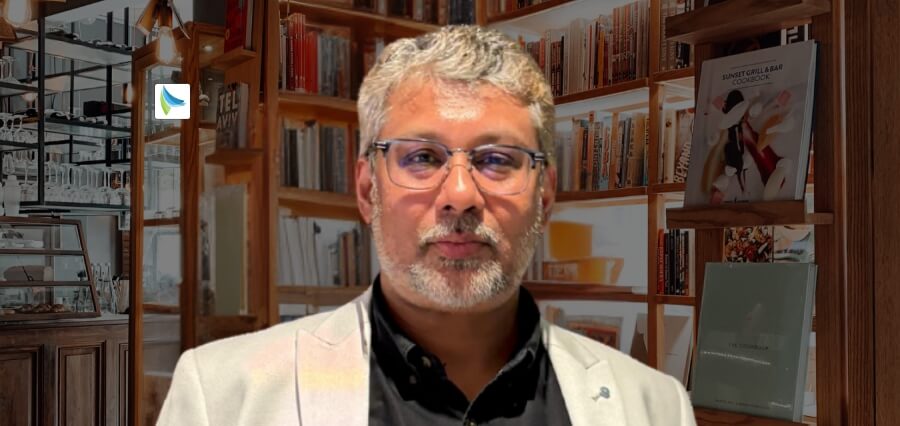
Designing Beyond Trends: The Strategic Brilliance of Parvez Ahmed Peshimam
As fast fashion went global and took over the world, it left a carbon trail of environmental stress, uneven quality, and fragmented supply chains. Now the industry is at a crossroad, and it requires leaders who not only understand the art of product development but can reengineer systems to be smarter, cleaner, and future-ready. Being creative is not sufficient; understanding how to transform such creativity into scalable, sustainable, and profitable realities makes a difference. The most prominent example of such a leader is Parvez Ahmed Peshimam, a Fashion veteran of repute with a career spanning three decades in the industry. Parvez Ahmed Peshimam is not just a name in the realm of fashion, he is a force shaping its very fabric. A celebrated author, consultant, and art enthusiast, Parvez has carved his place as one of the most respected voices in the industry across GCC and India. With decades of experience bridging creativity and commerce, he is known for blending timeless elegance with modern innovation, ensuring brands honor their heritage while embracing the demands of an ever-changing market. As the author of acclaimed works like Behind The Fashionable Drapes and Between the Seams, Parvez has taken readers beyond the glitter of the runway to reveal the untold stories of designers, artisans, and visionaries whose dedication breathes life into fashion. His sharp insights and narrative depth have made him a trusted thought leader, one who champions authenticity, sustainability, and cultural storytelling at a time when the industry needs it most. But Parvez is more than a commentator; he is a curator of experiences. Whether advising global brands, mentoring young designers, or celebrating the intersection of fashion and art, he brings a rare clarity that resonates with both professionals and enthusiasts. In this exclusive conversation, Parvez reflects on his journey in the fashion industry, offering insight into the mindset, systems thinking, and values that continue to drive his vision for a cleaner, smarter, and more connected future. Let’s take a closer look at his journey in the industry… As a fashion consultant, how do you balance timeless elegance with the ever-changing demands of modern trends? Fashion is like breathing, and everyone has their own unique way to express it. There is a rhythm that endures, a steady cadence of timeless elegance, while trends come and go like fleeting notes of improvisation. My role is to ensure that a brand maintains its balance, navigating the ever-evolving landscape without losing its core identity. Trends have their place, but it is enduring elegance that sustains relevance long after the noise fades. After all, the little black dress and a well-crafted tuxedo remain iconic not because they follow trends, but because they transcend them. Having observed fashion in diverse spaces, how do you see Middle Eastern fashion evolving in comparison to global markets? Middle Eastern fashion is experiencing a remarkable evolution, striking a delicate balance between deep-rooted heritage and bold modernity. From abayas with futuristic silhouettes to kaftans showcasing couture-level craftsmanship, designers across the region are redefining tradition through innovation. Unlike many global markets, the Middle East is setting new benchmarks in luxury, storytelling, and artisanal excellence, supported by sophisticated marketing strategies that resonate on a global scale. And when it comes to runway presentations, few regions can match the grandeur and cultural richness that the Middle East brings to the stage. You’ve been deeply connected with both fashion and art, how do cultural heritage and artistry influence your vision in fashion consulting? Cultural heritage is the soul, artistry is the brush, and fashion is the canvas. When advising brands, I emphasize that while trends may drive sales, heritage is what builds lasting identity. A jacket can be replicated, but the story behind a motif, a weave, or a traditional craft is unique and irreplaceable. Brands that embrace this perspective shift from chasing fleeting trends to creating enduring value. And honestly, it allows me to move beyond sounding like an analytical spreadsheet. I prefer to be a curator of stories. As a writer, how do you weave narratives that not only talk about fashion but also highlight the people and stories behind it? I often say that fashion is crafted by hand but sustained through stories. In my writing, I aim to move beyond the garments themselves and highlight the designers, artisans, tailors, patternmakers, and skilled professionals who bring these creations to life. They are the integral yet unrecognized contributors behind every collection. My narrative approach is clear: if the reader can connect with the story behind the fabric, then I have fulfilled my purpose. That sense of meaningful engagement is one I value highly. Your book, Between the Seams, shines a light on the unsung heroes of the fashion world. What inspired you to spotlight the hidden struggles and triumphs behind the glamour? After years spent in boardrooms and workshops, I came to understand that the red carpet is only the surface. Beneath it lies a vast world of human stories: late nights, failed prototypes, and the quiet pride of those who perfect every stitch. My goal is to shed light on the tireless efforts and challenges faced by the many skilled artisans behind the scenes. While glamour captivates, it is essential to remember the countless hands that work to bring elegance to the gowns celebrated on the runway. Between the Seams is my tribute to these dedicated craftsmen and women whose grit and commitment make the magic possible. As an art enthusiast, how do you see fashion and art intersecting today? Do you consider fashion a form of living, wearable art? Fashion is unquestionably one of the most glamorous art forms, it is not confined to a wall or frame…it moves with us, lives alongside us, and becomes a part of our very identity. It represents the intersection of beauty and purpose, turning creativity into something both wearable and alive. The relationship between fashion and art has never been clearer. Museums now display fashion alongside classical and contemporary masterpieces, recognizing its cultural and

Middle East’s Most Dynamic Personality to Follow in 2025
Middle East’s Most Dynamic Personality to Follow in 2025 This special feature spotlights Sana Al Daoumi, Group Senior Vice President of Human Capital at EDGE Group, Abu Dhabi — a powerhouse of influence in the region’s defence and technology landscape. Her leadership journey reflects the region’s evolving narrative of progress, innovation, and human-centric transformation. Through her work at EDGE, Sana has been instrumental in nurturing talent pipelines that empower the organization to lead at the forefront of sovereign capability, advanced systems, and national development. Her story stands as a testament to how purpose-driven leadership can bridge people, performance, and progress — driving both corporate excellence and national vision forward. Digital Link Quick highlights Quick reads