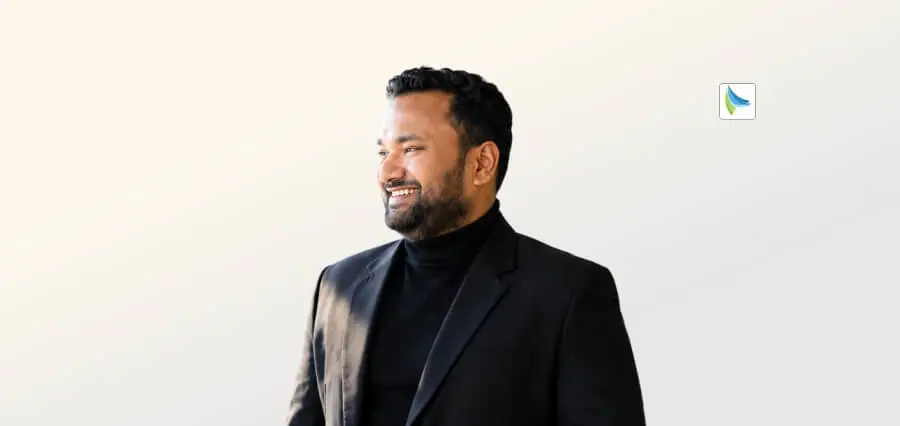




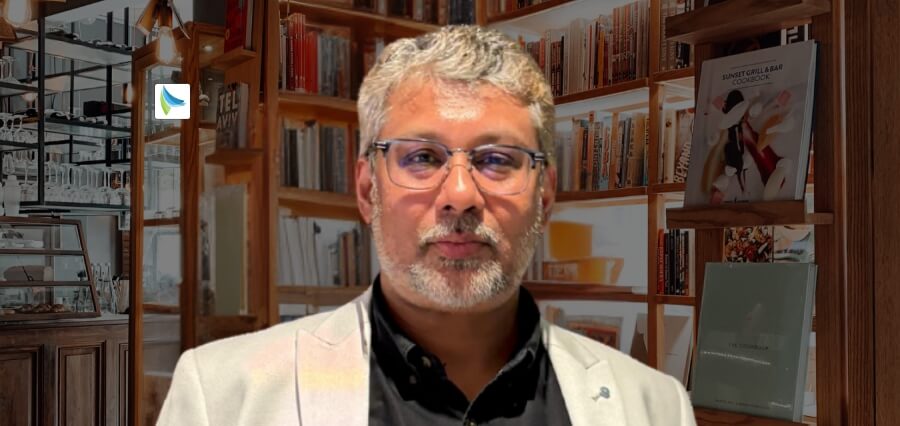
As fast fashion went global and took over the world, it left a carbon trail of environmental stress, uneven quality, and fragmented supply chains. Now the industry is at a crossroad, and it requires leaders who not only understand the art of product development but can reengineer systems to be smarter, cleaner, and future-ready. Being creative is not sufficient; understanding how to transform such creativity into scalable, sustainable, and profitable realities makes a difference. The most prominent example of such a leader is Parvez Ahmed Peshimam, a Fashion veteran of repute with a career spanning three decades in the industry.
Parvez Ahmed Peshimam is not just a name in the realm of fashion, he is a force shaping its very fabric. A celebrated author, consultant, and art enthusiast, Parvez has carved his place as one of the most respected voices in the industry across GCC and India. With decades of experience bridging creativity and commerce, he is known for blending timeless elegance with modern innovation, ensuring brands honor their heritage while embracing the demands of an ever-changing market.
As the author of acclaimed works like Behind The Fashionable Drapes and Between the Seams, Parvez has taken readers beyond the glitter of the runway to reveal the untold stories of designers, artisans, and visionaries whose dedication breathes life into fashion. His sharp insights and narrative depth have made him a trusted thought leader, one who champions authenticity, sustainability, and cultural storytelling at a time when the industry needs it most.
But Parvez is more than a commentator; he is a curator of experiences. Whether advising global brands, mentoring young designers, or celebrating the intersection of fashion and art, he brings a rare clarity that resonates with both professionals and enthusiasts. In this exclusive conversation, Parvez reflects on his journey in the fashion industry, offering insight into the mindset, systems thinking, and values that continue to drive his vision for a cleaner, smarter, and more connected future.
Let’s take a closer look at his journey in the industry…
As a fashion consultant, how do you balance timeless elegance with the ever-changing demands of modern trends?
Fashion is like breathing, and everyone has their own unique way to express it. There is a rhythm that endures, a steady cadence of timeless elegance, while trends come and go like fleeting notes of improvisation. My role is to ensure that a brand maintains its balance, navigating the ever-evolving landscape without losing its core identity. Trends have their place, but it is enduring elegance that sustains relevance long after the noise fades. After all, the little black dress and a well-crafted tuxedo remain iconic not because they follow trends, but because they transcend them.
Having observed fashion in diverse spaces, how do you see Middle Eastern fashion evolving in comparison to global markets?
Middle Eastern fashion is experiencing a remarkable evolution, striking a delicate balance between deep-rooted heritage and bold modernity. From abayas with futuristic silhouettes to kaftans showcasing couture-level craftsmanship, designers across the region are redefining tradition through innovation. Unlike many global markets, the Middle East is setting new benchmarks in luxury, storytelling, and artisanal excellence, supported by sophisticated marketing strategies that resonate on a global scale. And when it comes to runway presentations, few regions can match the grandeur and cultural richness that the Middle East brings to the stage.
You’ve been deeply connected with both fashion and art, how do cultural heritage and artistry influence your vision in fashion consulting?
Cultural heritage is the soul, artistry is the brush, and fashion is the canvas. When advising brands, I emphasize that while trends may drive sales, heritage is what builds lasting identity. A jacket can be replicated, but the story behind a motif, a weave, or a traditional craft is unique and irreplaceable. Brands that embrace this perspective shift from chasing fleeting trends to creating enduring value. And honestly, it allows me to move beyond sounding like an analytical spreadsheet. I prefer to be a curator of stories.
As a writer, how do you weave narratives that not only talk about fashion but also highlight the people and stories behind it?
I often say that fashion is crafted by hand but sustained through stories. In my writing, I aim to move beyond the garments themselves and highlight the designers, artisans, tailors, patternmakers, and skilled professionals who bring these creations to life. They are the integral yet unrecognized contributors behind every collection. My narrative approach is clear: if the reader can connect with the story behind the fabric, then I have fulfilled my purpose. That sense of meaningful engagement is one I value highly.
Your book, Between the Seams, shines a light on the unsung heroes of the fashion world. What inspired you to spotlight the hidden struggles and triumphs behind the glamour?
After years spent in boardrooms and workshops, I came to understand that the red carpet is only the surface. Beneath it lies a vast world of human stories: late nights, failed prototypes, and the quiet pride of those who perfect every stitch. My goal is to shed light on the tireless efforts and challenges faced by the many skilled artisans behind the scenes.
While glamour captivates, it is essential to remember the countless hands that work to bring elegance to the gowns celebrated on the runway. Between the Seams is my tribute to these dedicated craftsmen and women whose grit and commitment make the magic possible.
As an art enthusiast, how do you see fashion and art intersecting today? Do you consider fashion a form of living, wearable art?
Fashion is unquestionably one of the most glamorous art forms, it is not confined to a wall or frame…it moves with us, lives alongside us, and becomes a part of our very identity. It represents the intersection of beauty and purpose, turning creativity into something both wearable and alive.
The relationship between fashion and art has never been clearer. Museums now display fashion alongside classical and contemporary masterpieces, recognizing its cultural and historical importance. At the same time, designers, painters, and sculptors collaborate on projects that blur the boundaries between art and fashion.
Through fabric, form, and imagination, fashion offers society a powerful means of self-expression.
From your perspective, how important is sustainability in fashion today? And do you think the industry is genuinely embracing it, or just treating it as a trend?
Sustainability is no longer optional; it is essential to the future of fashion. While many brands are making meaningful progress toward responsible practices, others continue to treat sustainability as little more than a decorative accessory that is effective for publicity but neglected behind the scenes.
The encouraging development is that today’s consumers are increasingly informed. With heightened awareness of environmental impact and waste reduction, they can readily discern between authentic commitment and superficial gestures. Simply printing a green leaf on packaging does not equate to genuine sustainability.
With digital innovation, AI, and new consumer mindsets, how do you see the role of a fashion consultant evolving in the next decade?
My earlier book, Behind The Fashionable Drapes, guides readers through the technical intricacies of product development, industry best practices, and management theories that I regularly share with the brands I work with.
The role of the consultant is evolving from being “the expert with a mood board” to becoming “the strategist who can decode both algorithms and aesthetics.” Today’s consultants must navigate data-driven insights, AI-powered design, and a consumer base that values purpose as much as style.
However, one constant remains: the uniquely human ability to understand emotion, identity, and culture. No AI can yet replicate the spark in a designer’s eye when they discover the perfect fabric or style that ignites their imagination.
How would you describe your own personal style, and which experiences or people have influenced it the most?
To me, style is about comfort combined with a story. If people remember you after you leave the room, you have made a meaningful impression.
I strive to learn from every conversation and interaction with diverse personalities. Everyone offers something valuable that can enrich your life if you approach it with optimism.
My greatest influence has been my family who are deeply rooted in the worlds of art, design, and fashion. My wife is a well-known bridal fashion designer within the community, my elder daughter is an interior designer catering to a niche clientele, and my younger daughter is an accomplished artist who holds two world records for her paintings along with numerous other awards earned by both daughters.
What advice would you give to young designers, writers, and creatives who want to enter the fashion industry not just as artists but as thought leaders?
First, master the craft, whether it’s stitching, sketching, or storytelling. Then, learn the business side because passion without structure leads to chaos. Don’t hesitate to form strong opinions and challenge the status quo. Fashion thrives on fresh perspectives.
Remember, thought leadership is not about being loud; it’s about being clear, consistent, and compassionate. And develop a sense of humor, plus build strong connections. You’ll need both when your “perfect collection” is held up in customs for six weeks.
Finally, always be courteous and considerate toward your team and colleagues. We are all facing our own challenges, and a simple smile can truly brighten someone’s day.