






Luxury Hospitality Management Elevating Standards Through Guest Experience Excellence
Guest Experience Innovation The luxury hospitality industry has witnessed major changes because of changing demands of travelers. Not only do travelers demand luxurious stays and sophisticated facilities but they also demand personalized services, unique experiences, and interaction that leaves them with memories for life. With rising competition, the industry players have to stand out with their services and unique customer engagement programs. The concept of Guest Experience Innovation has become an important component of business success. On the other hand, Luxury Hospitality Management is vital to the extent that it makes sure that there is a balance between the performance standards, efficiency, and the levels of customer satisfaction. It is through these competencies that hospitality organizations are able to deliver exceptional experiences. Understanding the Expectations of Modern Travelers The demands of luxury tourists have become very discriminating. They are more interested in experiences that have an element of authenticity, customization, efficiency, and emotional involvement. The methods that have traditionally been employed to offer luxurious accommodation alone are not enough anymore. The concept of Guest Experience Innovation allows the company to anticipate changing trends in customer demands and act accordingly. Through guest insights and service intelligence, companies will be able to offer experiences that will cater to their demands and preferences. Examples of guest experiences include personalized greeting experiences, recommended dining experiences, and personalized itineraries. However, while at it, Luxury Hospitality Management works towards ensuring that such personalized services are provided in a highly professional manner. Consistency in excellence is important in maintaining customer satisfaction. The Role of Technology in Enhancing Experiences With Guest Experience Innovation, hotels have the ability to incorporate technology into the guest experience process without losing the personal touch associated with luxury hospitality. This is achieved through such technological tools as digital check-in procedures, personal communication, and intelligent concierge services. On the other hand, Luxury Hospitality Management aims at using technology to complement human interaction and not replace it. The best hospitality organizations are those which use technology to improve their productivity, become more responsive and enable greater customer interaction. Creating Emotional Connections Through Service Excellence Extraordinary hospitality transcends mere fulfillment of requirements. This includes building relationships to foster loyalty and motivate return visits. It is not the physical facilities which guests will recall but rather their emotional feelings when using the service. The Guest Experience Innovation practice helps organizations look for ways to create experiences where guests can have significant interactions throughout the process of the experience. This can happen in cases where guests celebrate their life events or receive surprises. The same applies to Luxury Hospitality Management, which stresses that service culture is very important. If staff members feel empowered to make decisions and go beyond expectations, they will ensure the creation of unforgettable moments for the customers. Service culture enables ordinary transactions to become relationship-building moments. Balancing Personalization and Operational Efficiency Luxury Hospitality Management is the necessary model which will ensure a consistent, yet innovative approach. It will help in making sure that quality service is maintained throughout the organization. On the other hand, Guest Experience Innovation enables organizations to come up with innovations that improve satisfaction without adding any level of complexity. Through data-driven insights, better services, and process innovation, hotels can achieve this. Organizations that successfully balance personalization and performance are better positioned to achieve sustainable growth in competitive markets. Preparing for the Future of Hospitality In the future, those who adapt their organization to keep up with the evolving needs of customers will define the hospitality industry. More and more travelers are looking for customized services, using modern technologies, and experiencing authentic hospitality services. Guest Experience Innovation will continue to be among the keyways whereby organizations will differentiate themselves based on how they connect, personalize, and deliver their services. Hospitality organizations that innovate will gain the ability to understand and satisfy the needs of their guests. Likewise, the course on Luxury Hospitality Management is going to continue being instrumental in creating strong foundations for efficiency and excellence. Leadership training and customer-focused methods, among others, are going to be essential to ensure performance excellence. Guest Experience Innovation and Luxury Hospitality Management provide a dynamic platform for success in the current hospitality environment. The synergy between innovation, customization, and superior services can ensure that companies have strong guest relationships, improve their brand image, and sustain their business growth. As the field continues to develop, those companies that leverage these two skills will become increasingly well-positioned to surpass others and set new standards for excellence within the hospitality sector in future generations and beyond. Read Also : How Cloud-Based Financial Services are Reshaping Executive Strategy?
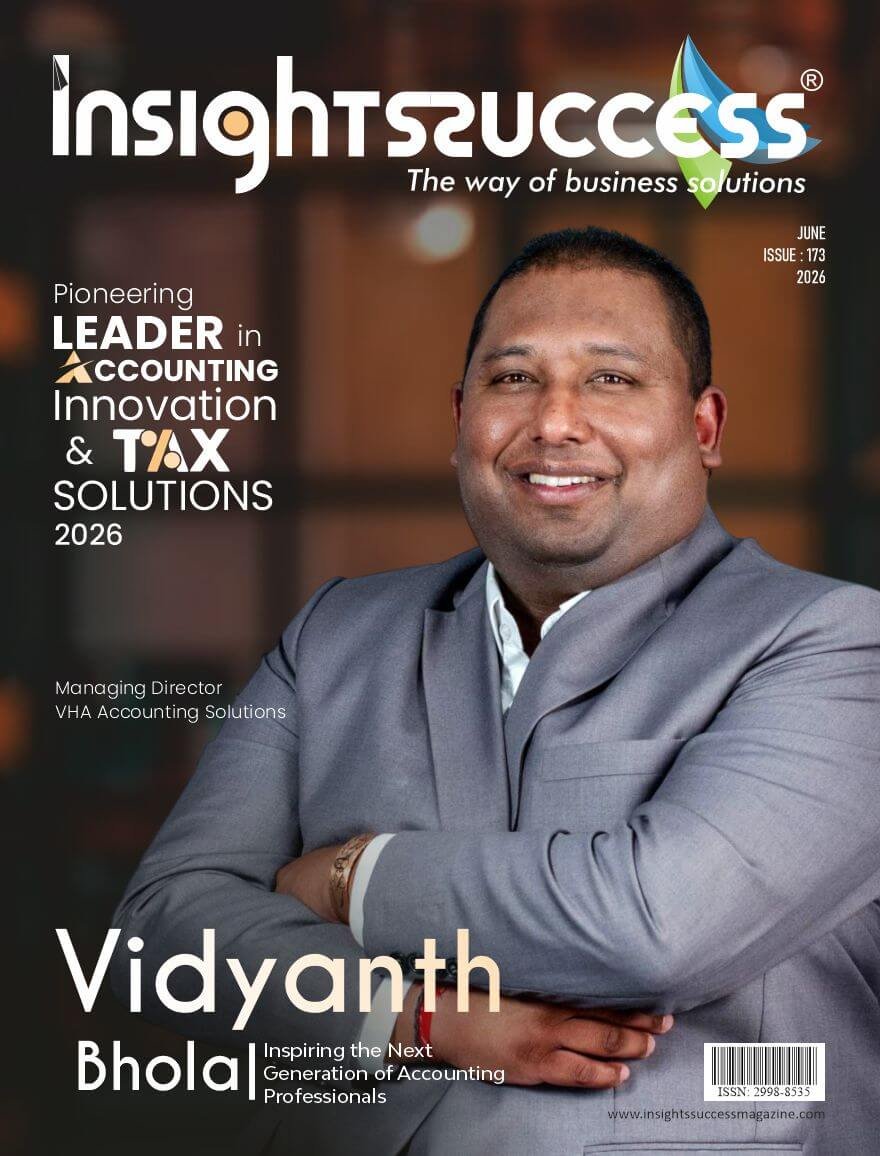
Pioneering Leader in Accounting Innovation & Tax Solutions 2026
Pioneering Leader in Accounting Innovation & Tax Solutions 2026 This edition honors exceptional accounting and tax professionals who have demonstrated outstanding leadership, innovation, and dedication to delivering impactful financial solutions. This recognition celebrates an individual who simplifies complex tax challenges, leverages modern technologies, upholds the highest standards of compliance, and empowers organizations and clients to achieve sustainable financial growth in an evolving business environment. Digital Link Quick highlights Quick reads

Vidyanth Bhola: Inspiring the Next Generation of Accounting Professionals
In the world of professional accounting, credibility is traditionally measured in physical space, in the weight of a letterhead, the floors of a building, and the framed certificates on mahogany walls. When Vidyanth Bhola founded VHA Accounting Solutions in late 2018 with nothing more than a laptop and an unshakeable conviction, his peers had a ready label for him: the East Street Accountant. It was intended for a dismissal. What it became, in his hands, was the founding story of one of KwaZulu-Natal’s most recognized and fastest-growing accounting firms. That is not a story about defiance for its own sake. It is a story about what happens when someone refuses to let the smallness of their beginning determine the scale of their ambition, and when faith, family, and a genuine commitment to doing right become the operating principles of an organization rather than aspirational language on a website. He mentions, “Innovation starts in the mind, not in the masonry of a building.” The Day He Walked Out Before VHA Accounting Solutions existed, there was a decision. The decision to leave the stability of private practice, to step away from the institutional credibility that employment in an established firm provides, and to build something entirely from scratch. It was, by Vidyanth’s own account, a moment of profound vulnerability. The criticisms followed quickly. Colleagues and competitors questioned whether a firm without physical infrastructure could be considered real. Being told that having only a laptop did not make one an accounting firm was the kind of statement designed to send a person back to the safety of employment. Instead, it became the foundation of everything that followed. Not because Vidyanth dismissed the criticism, but because he absorbed it and chose to treat it as information about what he was up against rather than instruction about what he was capable of. The early years required the kind of discipline and clarity that adversity produces when a person has the internal resources to meet it without breaking. Those resources came from two sources he has never attempted to separate from his professional identity: family and faith. His wife, his son, and his parents stood with him when the external world was skeptical. That support system did not simply provide emotional comfort. It modelled something about leadership that later became central to how he built VHA’s culture. He asserts, “Seeing my family stand by me when the world was skeptical taught me that leadership is a collective effort and that a firm should feel like a family.” Building the Firm from the Inside Out VHA Accounting Solutions was built on a philosophy Vidyanth describes as Radical Belief. Because he had experienced the corrosive effect of being dismissed, he made it a foundational commitment that no one inside his firm would ever experience that. Not the youngest team member. Not the professional carrying a new idea into a meeting. Not the person who needed to ask a question they worried might seem unsophisticated. That commitment shaped every hiring decision. He hired heart and energy, deliberately seeking young professionals who were hungry to prove themselves and who saw the firm’s unconventional origins as something to build on rather than overcome. Innovation was protected by removing the fear of failure. A new idea at VHA was never mocked. It was explored. Technology was embedded into the firm’s DNA from day one, not as a marketing statement but as a genuine operating philosophy. By building cloud-based solutions from the beginning, VHA was already ahead of the transition that traditional firms would later scramble to make. The laptop that critics used as evidence of inadequacy became the instrument of a structural advantage the firm’s recognition has since confirmed. He highlights, “We utilize cutting-edge cloud technology to ensure that our workflow is as modern as our mindset.” Accountability at VHA is cultivated through examples rather than policy. Vidyanth’s team observes his work ethic, his commitment to his family, and his faith, and those qualities create a natural standard that people rise to because it is part of the culture they belong to rather than a rule they are required to follow. Achievements are celebrated collectively. The Xero Emerging Firm of the Year win in 2022 was not his win alone. It belonged to the entire team, and he made sure they felt it that way. Faith as a Leadership Framework What distinguishes Vidyanth’s leadership philosophy most visibly from conventional management thinking is the centrality of faith to how he leads. His core values are Humility, Integrity, and Faith, and in his practice, the third is not separate from the first two but the condition that makes them sustainable under genuine pressure. When facing complex challenges, his approach is threefold: Reflection, Consultation, and Execution. Reflection means engaging with God before engaging with a spreadsheet, producing the kind of calm clarity that data alone cannot generate. Consultation means drawing on his team and the grounding perspective of his family, both treated as genuine sources of wisdom. Execution means moving forward with focus and communicating transparently about the reasoning behind every significant decision. He describes what he calls Faith-Based Goals: targets set not simply as financial objectives but as commitments made in alignment with a sense of purpose that transcends the quarterly cycle. That framework has produced measurable outcomes. The Runner Up for Best Accountant in the KZN Midlands recognition in 2024 reflects what happens when every detail is treated as part of a larger strategy rather than a standalone task. He states, “We don’t just set targets; we pray over our direction. That belief removes the anxiety that leads to short-term, reactive decision-making.” Leading the Next Generation The accounting profession is undergoing structural transformation. Cloud computing, AI-driven automation, and the shift from compliance work to strategic advisory are changing what clients need and what professionals must offer. For a firm built on cloud technology from its very first day, this transformation is a validation of decisions made in 2018 rather than a disruption

How Cloud-Based Financial Services are Reshaping Executive Strategy?
Reimagining Trust There are drastic changes happening in the finance sector due to advancements in technology, shift in consumer needs, and agility requirements. The use of Cloud-Based Financial Services forms the core of the change that is taking place as it has gone beyond being just a technological development to become a business tool. In today’s time, the use of cloud computing has moved beyond being just related to Information Technology to have a huge impact on business strategies. This can be seen in a competitive environment where management uses cloud-based financial services to ensure agility within their organizations. The Strategic Rise of Cloud-Based Financial Services Adoption of Cloud-Based Financial Services has picked up pace over the years. The current trend among businesses is to switch from the use of traditional financial application software that entails massive capital for installation and maintenance to cloud-based financial software applications that are convenient for users to access from anywhere. The main benefit for corporations is the uniqueness of this approach to their management. Timely access to financial data allows managers to make prompt business decisions by using this data. Cash flow management, budgeting, financial forecasting, and investment management can be done efficiently by an executive using financial knowledge. How Cloud-Based Financial Services Enhance Decision-Making The present corporate world calls for decision-making skills that are prompt and enlightened. Through Cloud-Based Financial Services, executives can leverage analytics, automation, and financial information consolidation to support the decision-making process. Executives do not necessarily have to wait for monthly reports since they will be able to monitor their financial performance daily. The utilization of dashboards and analytics will enable the detection of emerging trends, risks, and opportunities for improvement before they become a problem. Executives will, therefore, be able to align their financial strategies with organizational objectives. Moreover, it is noteworthy that cloud computing has the potential to integrate into other business management systems, such as CRM, ERP, and HRM. Thus, executives will have a holistic view of the overall business performance. Cloud-Based Financial Services and Business Agility The first important benefit from the implementation of cloud finance services is flexibility in operations that comes as a result. In view of constantly changing economic conditions and requirements, there is an important need for businesses to be flexible to respond to those changes. In other words, cloud finance services enable firms to change their resource allocation according to the emerging conditions without having to put in any serious investments. For instance, when expanding operations to another geographical area or launching a new product, such operations may be undertaken conveniently using cloud finance services. Thus, managers can devote themselves to other issues. Strengthening Risk Management Through Cloud-Based Financial Services Risks such as those pertaining to finance, cyber security, compliance, and disruption remain high up in the order of priorities for executive leadership groups. Risks like those that are linked to finances, cyber security, compliance, and disruptions have the potential to influence the performance of businesses. Cloud-based financial services assist in enhancing the risk management process due to their enhanced security and compliance monitoring, as well as data protection measures. Big cloud providers tend to invest heavily in cybersecurity measures, which may not be feasible for many businesses. Furthermore, cloud service offers better business continuity and disaster recovery mechanisms. Cloud computing involves financial information being securely stored and duplicated in various locations. Driving Innovation with Cloud-Based Financial Services One of the key elements in today’s business environment is innovation. Organizations that can innovate their products, services, and business models become more prone to sustainable growth. Innovations become possible owing to the use of cloud-based financial services because innovations and experiments become cheaper. For instance, organizations can implement innovations such as artificial intelligence, machine learning, blockchain, and data analysis within the framework of cloud-based financial services without large expenditures. Thus, leaders of businesses will be able to take advantage of these innovations for making predictions, automating financial operations, improving customer experience, and generating additional revenue streams. Financial operations will be innovative. The Executive Role in Adopting Cloud-Based Financial Services On the other hand, although the role of technology cannot be underestimated, the effectiveness of Cloud-Based Financial Services will depend first and foremost on the competency of the executives as well as their management approaches. Executives need to build their visions of digital transformation and ensure the alignment of technology adoption with the company’s objectives. It is important for cooperation among the finance, information technology, operations, and compliance departments to be ensured. Moreover, executives are supposed to foster an innovative culture and knowledge-based and data-oriented management in this respect. Training and change management are critical components of success in this situation. Read Also : Empowering Modern Healthcare Demand Generation Experts

Accounting Innovation as Competitive Advantage
Inside the Digital Transformation In the contemporary volatile business world, firms need to always strive for greater efficiency, decreased expenses, and better decision-making. Even though technology has revolutionized virtually all business processes, accounting, once a simple practice of recording, has turned into an engine of organizational growth. Companies adopting the concept of Accounting Innovation find themselves in a position to achieve better competitiveness and visibility on the market. Accounting is not confined anymore to mere bookkeeping practices; it is now an effective instrument that helps firms to see the future and create value. Firms that understand the significance of innovation in accounting are more likely to succeed. Understanding Accounting Innovation in the Modern Era Innovative accounting involves using developments in both technology and processes in managing finances and accounting. Some innovations that accountants could incorporate in their practice include artificial intelligence (AI), cloud computing, automation, blockchain, and data analytics, among others. What makes innovative accounting different from regular accounting? First and foremost, innovative accounting revolves around leveraging real-time data for decision-making. Companies get instant access to information whenever needed and, therefore, react appropriately to any issues and changes in the market environment. Considering how businesses are becoming increasingly digitized, accounting innovation is inevitable today. Those who will not be able to innovate in accounting will be at a disadvantage compared to others. How Accounting Innovation Improves Operational Efficiency Some of the most significant benefits of Accounting Innovation include the ease with which tasks can be done. For instance, automated accounting systems are capable of carrying out routine activities such as invoicing, expense management, payroll, and reconciliations promptly. Automating these activities allows organizations to reduce errors and cut down the amount of time spent. Consequently, this leaves financial professionals free to carry out tasks that will contribute to business growth. The adoption of cloud accounting software also makes organizations more efficient since the staff can access financial data from wherever they may be located. It is highly beneficial to the organization because it promotes teamwork among staff members. Accounting Innovation as a Driver of Better Decision-Making Availability of information and its speed determine the basis for making the right decisions. Information that makes it possible for firms to make decisions without any second thoughts can be accessed through Accounting Innovation. Using sophisticated analysis, patterns, forecasts, and even predictions can be made. Most times, decisions are made once the issues at stake reach critical stages. But through sophisticated analysis, it is possible to recognize problems before they happen and then deal with them. It can also be used to track various financial matters. Such innovations will allow management to make the right plans and ensure that there are no losses. Through innovations, it becomes easier for firms to make better decisions than those not have such innovations. Strengthening Compliance Through Accounting Innovation It has become increasingly difficult for all stakeholders to observe the guidelines. When there is difficulty in observing the regulations, it means that it will be extremely hard for the firm to comply with these regulations in an efficient manner. Accounting Innovation will assist the company in solving the problem by automating the compliance procedure. Modern accounting systems are capable of tracking any change in regulations, recording accurately, and providing audit trails. The automation will assist in ensuring that there are no mistakes made in such a way that will lead to the firm being fined or damaging its reputation. Blockchain is one such innovation that can help in preventing mistakes in adhering to regulations. The Role of Accounting Innovation in Business Growth Growth-oriented firms acknowledge the significance of accounting and finance in their sustainable growth. Accounting Innovation provides the required skills and knowledge to facilitate sustainable growth. As a result of having real-time financial data at hand, firms will be able to evaluate their performance and take advantage of potential business opportunities. The firms will have the ability to forecast market trends, price appropriately, and deploy their resources effectively. Additionally, with current accounting practices, firms find it easy to budget and plan for the future. Firms will be able to consider other options and prepare for whatever may happen in the future regarding economic changes. Therefore, accounting acquires a significantly elevated strategic importance besides being an operational component of business organizations. Building a Competitive Edge Through Accounting Innovation In the face of high competition, even minor nuances make a difference. Thanks to the potential of Accounting Innovation, firms have a chance to distinguish themselves from other players owing to higher efficiency, flexibility, and decision-making. Thanks to the innovations in accounting, companies have opportunities to cut costs, provide top-notch services to clients, and operate more effectively. Innovative enterprises will find it easier to adjust to customer demands and changes in the market environment. Innovations in accounting help build a corporate culture of permanent progress. Innovations make the firm oriented towards working with information and innovation in decision-making. This makes such an enterprise more competitive. Firms that consider accounting an obligation rather than an opportunity will certainly fail. Read Also : How Cloud-Based Financial Services are Reshaping Executive Strategy?
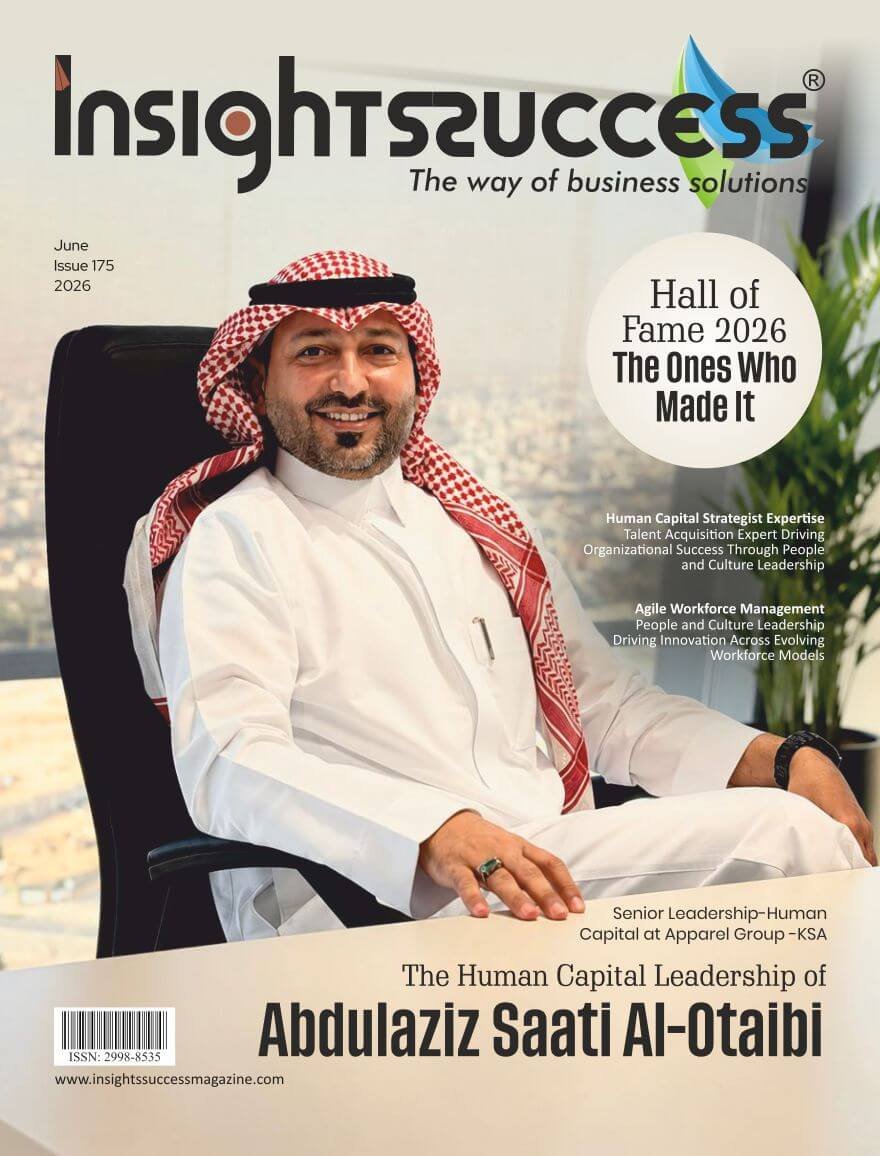
Hall of Fame 2026: The Ones Who Made It
Hall of Fame 2026 : The Ones Who Made It This exclusive edition celebrates an extraordinary leader whose vision, perseverance, and achievements have left a lasting mark on their industry. A tribute to a remarkable journey defined by excellence, influence, and success. Digital Link Quick highlights Quick reads

The Human Capital Leadership of Abdulaziz Saati Al-Otaibi
The retail sector does not naturally reward patience. It rewards speed, scale, and the ability to manage large, diverse workforces across multiple locations without losing operational coherence. In that environment, where quarterly targets dominate conversations and headcount is frequently the first line item reviewed when costs need to come down, the temptation to treat people as a cost variable rather than a strategic asset is ever-present and, in many organizations, ultimately decisive. Over more than two decades in Human Resources, Abdulaziz Saati Al-Otaibi has built his professional identity around demonstrating, with measurable and documented outcomes, that the opposite approach consistently and sustainably produces superior results. As Senior Leadership of Human Capital at Apparel Group, KSA, one of the Gulf’s most prominent multi-brand retail conglomerates operating across more than 85 brands and multiple international markets, he leads across some of the most complex workforce challenges in the region: large-scale Saudization initiatives, talent pipeline development, employee engagement strategy, and end-to-end organizational transformation. The scale demands both strategic clarity and operational discipline, and his approach to each challenge is grounded in a conviction he formed early in his career and has never once abandoned. He mentions, “Organizations achieve extraordinary results when they invest in people. Human Resources had evolved beyond administrative functions and could become a strategic driver of business performance.” From Fascination to Vocation The path that led Abdulaziz Saati Al-Otaibi into Human Resources was shaped by a genuine and early fascination with a question that most organizations ask but very few answer well: why do some teams and cultures consistently outperform others with the same resources, the same markets, and the same strategic opportunities available to them? The answer, as his career repeatedly and consistently confirmed, is rarely primarily about systems, technology, or process efficiency alone. It is almost always about people: how they are recruited, how they are developed over time, how they are led on a daily basis, and how deeply connected they feel to the purpose of the organization they are part of. That insight did not simply guide his professional choices at a philosophical level. It became the structural architecture of how he builds HR functions and the lens through which he evaluates every initiative, every investment, and every leadership decision. Over two decades, he developed deep expertise across the full spectrum of human capital management: workforce planning, talent acquisition, employee engagement, organizational development, compliance, and operational excellence. Each discipline reinforced and informed the others in ways that a narrower career path would never have produced. Workforce planning without genuine engagement quickly becomes headcount arithmetic. Talent acquisition without structured development becomes a costly revolving door. Employee engagement without clear accountability produces warmth without performance. His approach integrates all of these dimensions into a coherent, mutually reinforcing system oriented toward a single consistent outcome: organizations where people perform at their genuine best because the conditions for that performance are deliberately designed and continuously maintained at every level. He asserts, “The idea behind my professional approach has always been to bridge the gap between business objectives and human potential.” The Saudization Initiative That Set a Standard Among the most significant and practically complex challenges facing Saudi Arabia’s private sector is Saudization: the national mandate embedded in Vision 2030 to meaningfully increase the employment of Saudi nationals across all industries and economic sectors. For many retail organizations, the mandate has been experienced primarily as a compliance pressure, a percentage target to be met with varying degrees of genuine commitment and operational creativity. Abdulaziz Saati Al-Otaibi approached it as a strategic opportunity and treated its successful execution as a genuine measure of organizational leadership capability. As the leader of a major Saudization project across multiple retail malls for Landmark Arabia, he designed and executed an initiative that went well beyond numerical compliance to create genuine, sustainable career pathways for Saudi nationals within the retail employment environment. The program generated results significant enough to earn him a formal recognition award directly from the Chief Executive Officer of Landmark Arabia, a validation that reflected not simply the scale of the numbers achieved but the quality of the design, the rigor of the execution, and the durability of the outcomes created. What distinguished his approach was the understanding that sustainable localization is never achieved simply by placing Saudi nationals in available roles and hoping for successful integration. It requires structured onboarding that acknowledges both the professional expectations and the cultural context of the role, development programs that build genuine capability over time, active mentoring by experienced colleagues who are invested in the success of the new talent around them, and a workplace culture that genuinely values local talent rather than simply fulfilling a regulatory requirement. He built every one of those elements deliberately into the program design, and the results became a reference model cited and replicated within the broader retail industry. He highlights, “Workforce localization, done well, is not a compliance exercise. It is an investment in the future of the organization and the nation it operates within.” Agility When It Mattered Most The COVID-19 pandemic arrived in 2020 as a stress test of extraordinary and unprecedented severity for every HR leader operating in the retail sector. Apparel and fashion retail, fundamentally dependent on physical footfall, social occasions, and consumer confidence, was among the most severely affected categories across the entire economy. The challenge for Human Capital leadership was not simply one of operational continuity. It was the task of holding together a large, geographically distributed, and culturally diverse workforce through sustained uncertainty while simultaneously redesigning processes and systems that had been built entirely for a world that had suddenly ceased to exist. Abdulaziz’s response centered on three priorities that he has carried forward as permanent and non-negotiable leadership principles since the crisis passed. The first was communication: transparent, frequent, honest, and delivered consistently across all levels of the organization, even and especially when the messages were difficult, and the available certainty was limited. The second was employee wellbeing: a clear-eyed recognition

Talent Acquisition Expert Driving Organizational Success Through People and Culture Leadership
Human Capital Strategist Expertise Organizations today compete not just via products, services and technology, but also by the quality of their people, sort of. In an ever more dynamic business world, workforce capability has become this defining factor for long term success, basically. Businesses that are able to attract, develop and keep standout talent tend to be in a better spot to innovate, adjust, and grow sustainably. Because of this, the value of Human Capital Strategist Expertise has really gone up when it comes to shaping workforce strategies that line up with organizational goals. At the same time a Talent Acquisition Expert has a key part in spotting individuals who can contribute in a real way to business results. Put together these abilities to build a basis for stronger cultures, higher productivity, and a durable competitive edge. Aligning People Strategy with Business Goals Business success kind of rides on the match between what a company wants right now and what the people, well, the workforce can realistically do. With Human Capital Strategist Expertise leaders can build more complete plans that really tackle talent needs while still backing the long-term objectives. That usually means workforce planning, leadership development, succession management, and all those employee engagement initiatives that people sometimes forget about until it’s too late. Building High Performance Cultures A strong organizational culture influences employee engagement, the way people collaborate, and the overall performance. Companies that maintain positive workplace norms usually see higher productivity, stronger retention, and better customer outcomes. Human Capital Strategist Expertise offers a kind of blueprint for growing cultures that push for accountability, fast learning, and continuous improvement, even when things get messy. Leaders who take people’s development seriously tend to build environments where employees feel genuinely valued, and they feel motivated to put in their best effort, every day. A Talent Acquisition Expert adds to this by zooming in on potential candidates whose values and their observable behaviors line up with the culture that’s already there, not only the skills on paper. When that cultural alignment clicks, teams usually collaborate more smoothly, it helps with employee satisfaction, and it also nurtures stronger organizational performance across departments, business functions, and even when it comes to leadership levels. Transforming Recruitment into Strategic Leadership Recruitment has changed a lot over the past decade. Nowadays most organizations see hiring as a strategic thing, not just an admin process, like it used to be. A Talent Acquisition Expert leans on market intelligence tools along with relationship building abilities to draw in excellent talent even when everyone is competing. When hiring choices are made well, it cuts turnover, boosts productivity, and basically strengthens organizational muscle. At the same time a Human Capital Strategist Expertise helps make sure recruitment connects with the bigger workforce aims and upcoming business needs, so it isn’t scattered or random. Put together these parts let organizations form sturdy teams that can back growth, fuel innovation, and keep day to day operations running smoothly. And yes, strategic recruitment also improves workforce diversity, supports employer branding, and adds long term sustainability and overall effectiveness. Enhancing Employee Engagement and Retention Employee engagement plays a critical role in organizational success. When people are engaged, they tend to show stronger commitment, higher productivity, and a real willingness to back organizational goals. A Human Capital Strategist Expertise helps build programs and policies that encourage that connection, usually through recognition, growth pathways, and more meaningful workplace experiences. Meanwhile a Talent Acquisition Expert contributes by choosing candidates whose own aims line up with organizational values and their culture. When employees feel connected to what they do and they’re supported by leadership, retention goes up and turnover goes down. Strong engagement also boosts cooperation, improves customer experiences, and helps create a more resilient workforce, able to maintain high performance, over time. Shaping Sustainable Organizational Success Organizations that invest in people often end up with benefits that go past the quick business outcomes. Human Capital Strategist Expertise gives the strategic steering needed to sync workforce efforts with long term intentions, while also building a culture where growth, responsibility, and creative innovation kind of show up naturally. Meanwhile, a Talent Acquisition Expert makes sure the organization still brings in the right people, the ones who can support future success and strengthen overall organizational resilience. Together, these capabilities build stronger teams, better leadership pipelines, and more adaptive businesses. As employee expectations keep changing, companies that really put effort into talent, culture, and development will be more prepared to move ahead and thrive. Human Capital Strategist, plus Talent Acquisition Expert—those capabilities remain essential as engines for performance, competitiveness, growth, and long-term success in the modern business landscape today. Read Also : Accounting Innovation as Competitive Advantage

People and Culture Leadership Driving Innovation Across Evolving Workforce Models
Agile Workforce Management The modern workplace is kind of undergoing a big transformation. Like technological advancements, shifting employee expectations, hybrid work setups, and evolving business priorities are all reshaping how organizations manage talent. Getting it right today really depends on staying flexible, while still holding onto productivity, engagement, and innovation. And in this general environment, Agile Workforce Management has turned into something essential for organizations that want sustainable growth. Just as important, there’s People and Culture Leadership, which supports building workplaces where employees feel genuinely valued, properly supported, and, honestly more empowered. Put together, these two approaches give a practical framework for handling change, while also strengthening organizational resilience. Companies that lean into adaptability, plus employee-centered leadership, are usually in a better place to meet problems and catch new opportunities in competitive markets. Building Organizational Agility Organizations have to keep on adapting themselves to new situations. The conventional structure of the workforce is often incapable of keeping up with such changes as fast as they can take place. Agile Workforce Management is an approach that allows firms to cope better with changes through developing flexible systems for cooperation, fast decision making, and optimal use of resources. Workers are motivated to develop different competencies and participate in various activities as needed. While at it, People and Culture Leadership guarantees that there is always the right balance between agility and well-being of the employees. It is important to understand that good leaders are able to express themselves clearly, earn the trust of their employees, and ensure they feel secure about adapting to new processes of working. Encouraging Innovation Through Collaboration Innovation is crucial to ensure sustainable success in organizations. Businesses that foster innovation tend to have greater ability to cope with shifts in the operating environment. The concept of Agile Workforce Management enables innovation through the elimination of barriers to communication and collaboration among various teams and departments within the organization. At the same time, People and Culture Leadership generates a corporate culture that makes it easy for staff members to voice their thoughts and take risks. Leaders who promote effective communication and learning pave the way to foster a culture of innovation. When employees feel that their efforts count, they will be motivated to contribute towards organizational goals. Enhancing Employee Experience and Engagement The Agile Workforce Management can help with the above changes in the requirements by providing more flexible work options and custom career development plans. The employees can maintain their flexibility and develop new skills for their success in the future. Along these lines, the topic of People & Culture Leadership focuses on creating positive experiences among staff members by way of recognition, communication, and development. Companies that respect and support their workers often end up keeping them around and producing more out of them. Engagement correlates with both productivity and teamwork. Preparing for Future Workforce Models The future of work will continue developing as firms embrace technology in their operations. It is important that companies are prepared for work environments where agility and digital literacy are essential. This is where Agile Workforce Management can come in handy. Nevertheless, transformational initiatives demand not only the creation of adaptable systems. People & Culture Leadership makes certain that any changes in the workforce will align with the organization’s value system as well as its needs and requirements. Leaders have an important part in guiding employees through the process of change while fostering trust and cooperation. Creating Sustainable Organizational Success However, success will entail a proper balancing act between performance, innovation, and engagement in the organization. Agile Workforce Management provides an opportunity for organizations to be flexible and adaptable to any changes, as well as remain efficient and collaborative within the firm. At the same time, the People & Culture Leadership helps in building the right culture. Collectively, these attributes can improve the quality of decisions made, promote adaptability, and foster sustainable development. Companies that emphasize agility and people-oriented leadership will be able to recruit the best talents and retain their employees, ensuring competitive advantage in a dynamic business environment. Through strategic flexibility and strong organizational culture, organizations can create an environment that will ensure employee confidence, innovation, and collaboration. Such strengths play a key role in ensuring organizational success. It is evident that in today’s fast-changing world, strategic flexibility and people-centered leadership play a very important role in fostering success. Read Also : Talent Acquisition Expert Driving Organizational Success Through People and Culture Leadership

Rubrik Launches Automated Cloud Recovery Tool to Counter Machine-Speed Cyberattacks
Prime Highlights- Rubrik launches Autonomous Business Recovery for Cloud Applications, automating full-stack cloud rebuilds after cyberattacks without manual intervention. The solution pre-builds recovery plans during normal operations so organisations can trigger an immediate, sequenced rebuild the moment an attack occurs. Key Facts- Rubrik research shows 88% of business leaders are concerned about meeting recovery time objectives as AI-driven threats grow. The system restores environments in sequence covering network, compute, data, identity, and configurations from a pre-validated clean point. Background- Cybersecurity company Rubrik has launched Autonomous Business Recovery for Cloud Applications, a solution designed to rebuild entire cloud environments after a cyberattack, covering data, networks, identities, and configurations in one automated sequence. The product targets a gap that Rubrik says legacy backup tools have consistently failed to close. Traditional recovery systems restore individual files or resources but cannot handle the complex web of dependencies that hold modern cloud applications together. Rubrik’s new solution maps those dependencies in advance and pre-builds recovery plans during normal operations, so when an attack hits, the rebuild is already queued and ready to run. Anneka Gupta, Chief Product Officer at Rubrik, said restoring data alone does not restore a business. According to Gupta, cloud applications are built on complex layers of software, configurations, access controls, and dependencies, while the rise of machine-speed cyber threats has exposed the limitations of conventional recovery strategies. The goal, she said, is to bring back the minimum viable business first, in the right sequence, from a pre-validated clean point. Rubrik’s own research shows 88% of business leaders are concerned about meeting recovery time objectives as AI-driven threats continue to grow. The solution runs on Rubrik’s Preemptive Recovery Engine and delivers three core capabilities. It automatically maps every resource in an application stack and keeps that inventory current as environments change. It lets teams apply backup policies across the full stack from a single interface, removing coverage gaps. When recovery kicks off, the system restores in the correct order, starting with network layers, then compute, then data, without requiring manual scripting. The end result is what Rubrik calls a Minimum Viable Business restoration at machine speed, giving organisations a way to keep a cyberattack as a disruption rather than a full shutdown. Read Also : Frasers Group Launches €2 Billion Takeover Offer for Hugo Boss