






Crystals Catering Named Co-Sponsor of the Global Excellence & Leadership Awards held in Riyadh
The Kingdom’s most celebrated catering house steps into one of 2026’s defining events RIYADH — There are events that happen, and then there are events that leave a mark. The Global Excellence & Leadership Awards – Riyadh 2026 is firmly in the second category. And the name behind the hospitality is one that Saudi Arabia’s event world knows well: Crystals Catering. The Riyadh-based catering company has confirmed its role as Co-Sponsor of the ceremony, a decision that reflects both the reach the organization has built over two decades and its instinct for attaching its name to moments that matter. For a company that has catered royal ceremonies, global brand launches, and high-profile government events since 2005, this is familiar ground, approached with fresh intent. Twenty Years of Getting It Right Crystals was founded by Mr. Bilal Bazzi and Mrs. Rania Alnajjar, two hospitality professionals with a combined 50 years of experience and a shared conviction that catering, done properly, is not a service but a statement. The company they built has catered to over 28,000 events. It has served more than 1.2 million guests. It’s a team of 150-plus culinary experts spanning nationalities and cuisines, and its in-house kitchen produces everything from fresh sourdough to handmade Japanese pastry daily. Those numbers are earned, not inherited. Over the years, Crystals has built a client list that reads like a roll call of the region’s most influential institutions — KPMG, IBM, Oracle, Raytheon, Deutsche Bank, Al Rajhi Bank, NEOM, SDAIA, the Saudi Ministry of Culture, the Italian and Japanese Embassies, Chanel, Louis Vuitton, Ferrari. The company operates across government, corporate, and private sectors, and its footprint extends from boardroom lunches to full-scale national events with thousands of attendees. “Every event we take on, we treat as if it is the only one we have ever done. That mindset does not change whether we are catering fifty people or five thousand.” — Mr. Bilal Bazzi, Co-Founder, Crystals Catering What Crystals Brings to the Awards? For the Global Excellence & Leadership Awards, Crystals is bringing the full weight of its event offering, not a scaled-down, sponsor-grade presence, but a full deployment of what the company does at its best. Guests can expect menus that go beyond region-appropriate and into genuinely interesting territory: Saudi heritage dishes prepared with the kind of precision usually reserved for fine dining; live cooking stations run by Crystals’ Executive Events Chef; international courses that draw on the team’s depth in Japanese, Mediterranean, and French cuisine. The table design and floral handled in-house will be consistent with the tone of the evening. Behind the scenes, the company’s operational framework, developed and stress-tested across 28,000 events, ensures that what guests experience as effortless is the result of very deliberate planning. Every staffing rotation, every replenishment window, every timing cue has been worked out before the doors open. “We are not here to blend into the background. We are here to make the evening feel complete — to make sure that when people remember the awards, the experience around them is part of what they remember.” — Mrs. Rania Alnajjar, Co-Founder, Crystals Catering Recognition Built Over Time Crystals holds ISO 9001:2015 and ISO 22000:2018 quality certifications, FSSC 22000:2018 food safety accreditation, and Bureau Veritas Certification 2024. In 2024, it was named Catering Company of the Year at the F&B KSA Awards. This year, it received the Luxury Lifestyle Award for Best Luxury Catering Services 2025. These are not decorative credentials. They represent the company’s insistence on holding itself to external standards in an industry where it would be easy not to. For clients — and for event co-sponsors, they are proof that Crystals’ reputation for quality is backed by process, not just personality. The company’s 5,500-plus repeat customers are perhaps the more telling figure. In a market where options multiply every year, clients keep returning. That loyalty is the result of consistency: the same attention to detail at the twentieth event as the first. About The Global Excellence & Leadership Awards – Riyadh 2026 The ceremony will recognize individuals and organizations who have demonstrated outstanding leadership, impact, and innovation across industries. There is a purpose behind the event taking place in Riyadh. It will bring together senior figures from government, business, and civil society for an evening that honors achievement and sets the tone for the year ahead. About Crystals Catering Crystals Catering is a Riyadh-based luxury catering and hospitality company, established in 2005. The company provides private catering, corporate catering, restaurant and outlet management, and full-service event solutions to clients across the government, private, and public sectors. With a team of over 150 culinary professionals and a track record spanning more than 28,000 events, Crystals is one of Saudi Arabia’s most recognized names in hospitality. The company operates from its headquarters in the Al Olaya District, Riyadh. Read Also : Dr. Raj Kumar Launches VARIAHBA EDTECH to Redefine NEET Preparation Through a Monastery-Based Learning Model
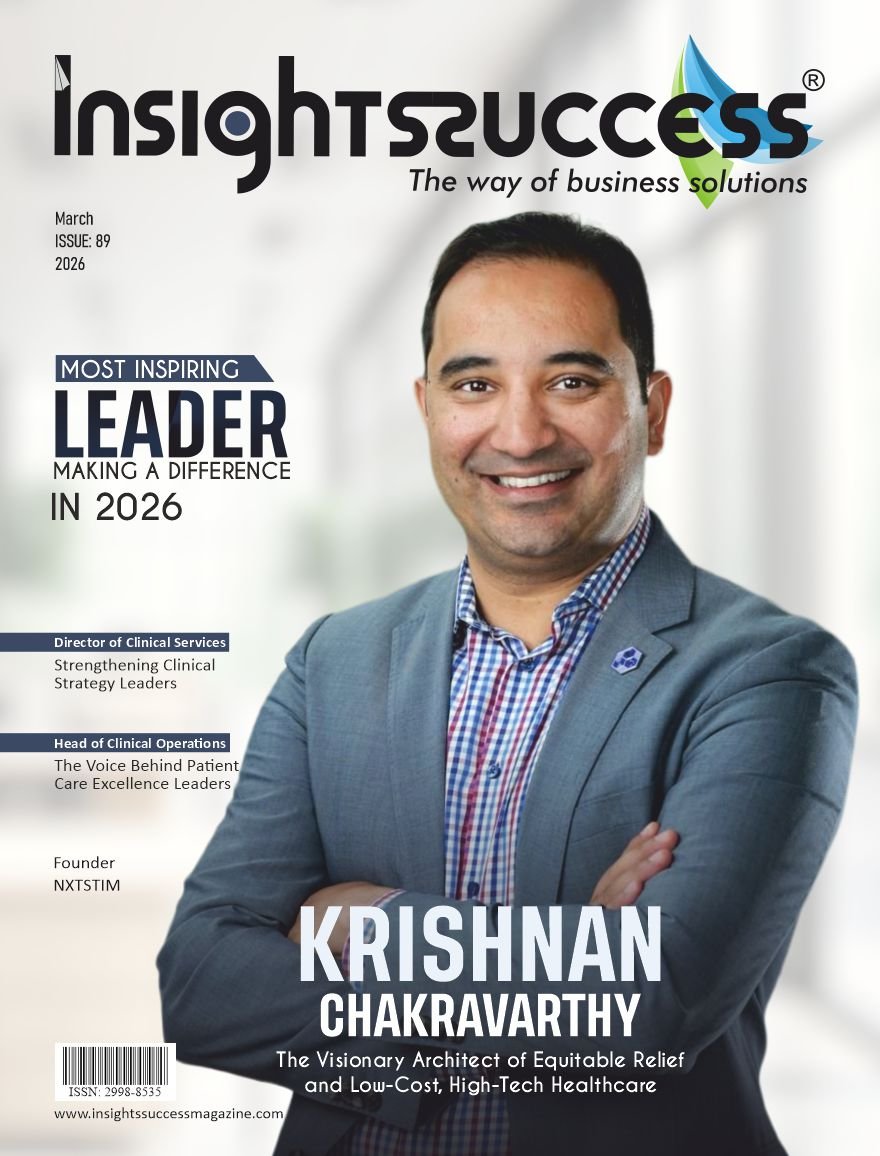
Most Inspiring Leader Making A Difference In 2026
Most Inspiring Leader Making A Difference In 2026 Highlighting a visionary leader whose impactful journey, strong values, and commitment to meaningful change set them apart, this feature celebrates leadership that drives progress, purpose, and lasting influence across industries. Digital Link Quick highlights Quick reads

The Voice Behind Patient Care Excellence Leaders
Head of Clinical Operations Leadership in the contemporary health care is no longer limited to administrative efficiency or clinical proficiency. Now it demands a combination of tactical control, operational accuracy and an insight of patient demands. The key to this dynamic change is the head of clinical operations- a powerful personality who will make sure that the process of healthcare delivery is effective and at the same time meets the utmost level of patient care. The Strategic Influence of the head of clinical operations A head of clinical operations position has expanded tremendously over the past few years. Conventionally linked to the day-to-day clinical workflow management, this role now implies a more extended range of duties, incorporating strategic planning, performance management, and inter-functional teamwork. A clinical operations leader collaborates with the executive to work towards briefing organizational objectives into practical clinical operations. This includes managing the staffing models, adherence to the healthcare regulations, and the introduction of systems that would improve productivity without affecting the quality of care. This balance gives them an opportunity to provide an environment in which clinical teams work at the highest level. They also have an impact on the development of a culture of responsibility and constant improvement. Using the data-driven decision-making process, they can determine the inefficiencies, workflow optimization, and facilitate innovation within departments. Understanding the Rise of patient care excellence leaders The growing sophistication of healthcare systems has given birth to patient care excellence leaders professionals who are focused on improving the quality of care and patient outcomes. These leaders are interested in better patient experiences, safety, and evidence-based practices in clinical settings. The patient care excellence leaders sometimes work at the crossroads of clinical practice and organizational strategy. They will work with physicians, nurses, and administrative staff to introduce measures that will improve quality and consistency in care delivery. They play a very important role, especially in bridging the gaps in patient satisfaction and equitable access to services. These leaders help to establish trust and better long-term health outcomes by focusing on patient-centered approaches. Bridging Vision and Execution This is the interconnection between patient-focused strategy and operational leadership, and is the key to healthcare success. The head of clinical operations has a major role to fill this gap by seeing that strategic initiatives are brought to the ground real life. This means coordinating clinical operations to organizational goals and assisting teams to adjust to processes. When choosing to implement new technologies or changing the care practices, the head of clinical operations provides that the changes are sustainable and realistic. Meanwhile, patient care excellence leaders use insights on operations to develop their strategies. This partnership will develop a feedback loop in which planning and implementation mutually enlighten one another, resulting in more fruitful results. Challenges in Delivering Consistent Excellence Healthcare organizations are expected to experience difficulties in keeping in line with strategy and operations although these roles are important. Resource constraints, staffing issues, and regulatory burdens may pose a challenge to successful implementation. A clinical operations head has to overcome them without compromising the quality of care. This demands good communication skills, flexibility and multi-tasking. It is also important to ensure that clinical teams are engaged and motivated because burnout and turnover may affect the overall performance. Moreover, leaders of patient care excellence should discuss the changing patient expectations, which nowadays are determined by technological changes and availability of information. To fulfill these expectations, it is necessary to be innovative at all times and devote efforts to quality enhancement. Building a Culture of Patient-Centered Leadership It takes more than mere efforts of individuals to create a healthcare environment that places patients first, and that a unified leadership style is necessary. This goal is met by collaboration between the leaders in the operational and strategic levels. Through collaboration, leaders in clinical operations and patient care excellence will be able to introduce transparent standards, increase communication, and cultivate a culture of shared responsibility. This alignment has made all the areas of care delivery to be geared towards attaining optimal results to the patients. It is a culture that is enhanced further by investing in leadership development and promoting cross-functional collaboration. Those organizations which put emphasis on these aspects are better placed to be able to adjust to the changes and continue producing high performance levels. Conclusion The changing nature of healthcare signifies the significance of leadership in promoting efficiency as well as quality. The leader of clinical operations is the core of clinical performance, whereas leaders of patient care excellence incorporate a dedicated attitude to an increase in patient outcomes. All these positions combine to form an even-handed strategy-combined-with-action strategy. Through this fortification of partnership, healthcare organizations are able to overcome the obstacles, become innovative and eventually provide care that is of the best quality of excellence. Read Also : Strengthening Clinical Strategy Leaders

Strengthening Clinical Strategy Leaders
Director of Clinical Services The job of leadership is getting more complicated and interlinked in the modern medical world that is changing at a very rapid rate. The director of clinical services is among the key players in the formulation of systems which provide safe, efficient, and patient-centered care. Simultaneously, the emergence of clinical strategy leaders is an indicator of increased focus on long-term planning, innovation, and measurable results. All these roles are transforming the way healthcare organizations work and achieve success. The Expanding Role of a Director of Clinical Services The role of a director of clinical services is much more than administrative control. This role is associated with the alignment of clinical practices with the goals of the organization, regulatory compliance, and the culture of continuous improvement. The post requires operational skills as well as strategic thinking with regard to staffing, budgeting, and quality assurance. A clinical service director is a person who is likely to be a liaison between the executive leadership and healthcare providers at the front line. They keep the provision of care consistent and effective by turning high-level plans into achievable plans. This is especially critical in the healthcare systems that are large and where cross-department coordination may be a problem. In addition, the position involves flexibility. In the changing landscape of medical technology, patient demands, and regulation, leaders will need to keep up and remain proactive. The organizational resilience is directly dependent on how they predict changes and make the necessary solutions in time. Clinical Strategy Leaders: Driving Long-Term Vision Although operational efficiency is a crucial requirement, healthcare organizations require long-term outlook. This is where the role of clinical strategy leaders is relevant. The professionals are concerned with developing and implementing strategies to enhance patient outcomes, maximize resource use, and overall system performance. Clinical strategy leaders analyze data trends, identify gaps in care delivery, and propose innovative solutions. They must cooperate with many stakeholders, such as physicians, administrators, and other partners, in their work. The holistic perspective aids organizations to change their approach from responding to problems to planning. Notably, clinical strategy leaders do not work only in boardrooms. They affect clinical settings where their strategies are implemented and tried. This two-fold emphasis on planning and implementation makes the strategies practical and effective. Strengthening Collaboration Between Roles A combination of a clinical services director and clinical strategy leaders is vital in the success of the organization. The former is more operation oriented and results oriented, whereas the latter is vision oriented and long term oriented. When these roles can work together they bring a balanced method of managing healthcare. As an example, a clinical service director may offer good information on the viability of the strategic efforts. They understand day-to-day operations and therefore their knowledge of the same will make the changes that are proposed both realistic and sustainable. On the other hand, leaders of clinical strategy may provide a wider view, and opportunities to innovate and expand can be seen. Such teamwork also breeds the culture of collective responsibility. Through mutual co-existence, the two roles are able to coordinate their goals, stream the processes, and enhance organization-wide communication. The outcome is a better integrated and effective healthcare system. Challenges in Aligning Strategy and Operations Although these are complementary roles, there are some difficulties related to aligning them. Disagreement in priorities, lack of communication and resources may interfere with cooperation. Indicatively, as long as leaders of clinical strategy might be promoting some transformative changes, a director of clinical services might have concerns regarding the urgent operational demands. Moreover, healthcare systems are complex and therefore coordination may prove challenging. Layers of complexity are added by various departments, differing patient groups and differing regulatory requirements. Even the goodwill initiatives may fail without proper communication and purpose. In order to surmount them, organizations need to invest into leadership development and to create a transparent environment. This can be achieved by holding regular meetings, cross-functional teams and having clear performance measures, which are going to bridge the gaps and bring about alignment. Building a Future-Ready Healthcare System With the ever changing nature of healthcare, the role of a good leadership cannot be overemphasized. Companies that can combine operational excellence and strategic vision are in a better place to overcome uncertainties and provide high quality care. Clinical services director is extremely important in ensuring stability and efficiency, whereas clinical strategy leaders are the ones that promote innovativeness and long-term development. The combination of them creates a leadership model that puts a balance between short-term and long-term goals. Conclusion The connection between a director of clinical services and the clinical strategy leaders is a way of pointing out the significance of collaboration in the contemporary healthcare system. These positions are meant to help organizations to be efficient and innovative by bringing together operational skills and strategic thinking. With challenges and opportunities that are persisting within the industry, it will be important to strengthen this partnership. By establishing communication, shared purpose, and the desire to constantly improve, healthcare leaders will be able to create systems that are resilient as well as actually patient centered. Read Also : Generating Impact: The Role of a Managing Director in Building High-Impact Organizations
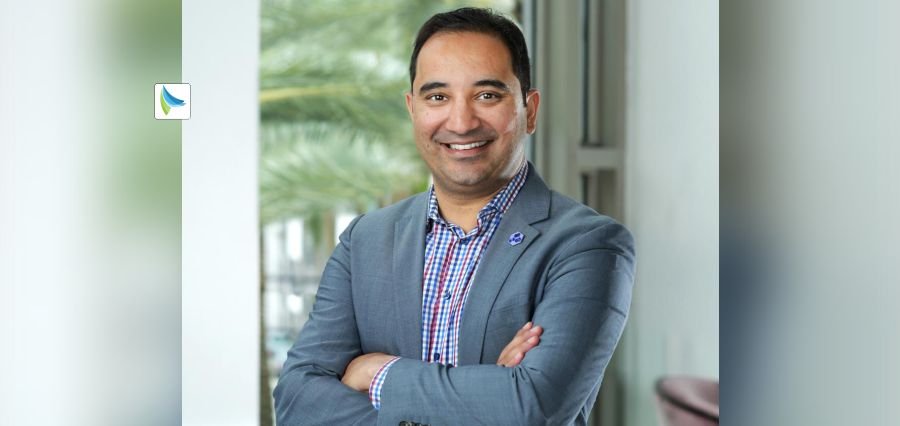
Krishnan Chakravarthy: The Visionary Architect of Equitable Relief and Low-Cost, High-Tech Healthcare
The most effective modern medical practices in the world heal through access rather than by dazzle with their intricacy. By 2026, the length of the bridge to reach the underprivileged will be the true measure of innovation, not the height of a lab’s ivory tower. Being a leader in this day and age means having two souls: a social architect who dismantles the financial barriers that prevent many people from accessing life-saving assistance, and a rigorous scientist who deciphers the silent language of pain medicine. In pain management, innovation is no longer defined by complexity but by two core priorities: accessibility and affordability. Dr. Krishnan Chakravarthy has chosen to tackle these challenges directly, working to make advanced pain treatments accessible at scale while lowering the cost of care. For him, the measure of progress is simple: if effective pain treatment does not reach the patients who need it most, it fails its purpose. For decades, limited access to scalable, affordable alternatives has quietly shaped the trajectory of pain care, leaving many patients caught between inadequate relief and unsustainable treatment pathways. In this landscape, opioids emerged not as a simple choice but as a consequence of limited options. Krishnan Chakravarthy’s goal is not incremental adjustment but a deeper transformation of the pain space, building front-end therapies that intervene earlier and open new possibilities for how pain can be understood and treated. This is the narrative of a pioneer who views the pulse of progress through the lens of human equity- a leader who understands that a miracle is only truly miraculous when it is available to everyone. The Genesis of a Global Perspective Born in Chennai, India, and raised in the United States, his early life unfolded across two cultures and systems of opportunity. When his father left a stable engineering role to pursue advanced education in America, the move reflected a belief in education as a pathway to transformation and access. Arriving in Columbus, Ohio at a young age, he experienced firsthand the uncertainty that comes with starting over in a new country. Navigating unfamiliar systems shaped an early awareness of how access and opportunity are influenced by circumstance, a perspective that would later inform his approach to healthcare and the barriers patients face. His formative years in Buffalo, New York further shaped his outlook. Surrounded by ambitious peers at Williamsville East High School, he developed a mindset grounded in discipline, adaptability, and sustained effort. The experience reinforced a belief that lasting impact is built through persistence and a willingness to redefine one’s path. Academic Excellence and the Scientific Foundation Krishnan’s academic trajectory led him to the University of Chicago, an institution where his intellectual curiosity truly blossomed. Initially a math major, he soon pivoted toward a pre-medical path within a liberal arts framework. This diverse education allowed him to expand his scope beyond the hard sciences, incorporating finance and biological sciences into a foundation that defines him to this day. Krishnan Chakravarthy then pursued the elite Medical Scientist Training Program (MSTP), a combined MD/PhD track funded by the National Institutes of Health (NIH). This rigorous eight-year journey provided him with a dual lens: the clinical skills of a physician and the investigative depth of a doctoral researcher. His PhD work in viral immunology focused on host immunity to influenza, where he explored the cutting-edge use of nanomaterial technology for vaccine development. His training continued at the world’s most prestigious medical centers. Krishnan Chakravarthy completed his residency at Johns Hopkins Hospital and his fellowship at Harvard. While he was initially set on a traditional academic career, rising to the rank of Associate Professor at UCSD Health, his entrepreneurial spirit began to fire. By 2022, he made the bold move to the private sector, launching a clinical practice, a surgery center, and several biotechnology enterprises. The Entrepreneurial Spark: From Lab to Market The transition from scientist to founder was not a sudden shift but a gradual awakening that began in his mid-20s. While conducting post-graduate work at the Center for Disease Control (CDC) as a doctoral fellow, Krishnan Chakravarthy was tasked with developing alternative vaccines for seasonal and pandemic influenza using gene therapy. He leveraged his engineering background to manipulate nanomaterials as delivery mechanisms for signal interference RNA that combat viral replication. In 2008, Krishnan Chakravarthy entered a business plan competition at SUNY Buffalo that seeked to pair medical innovation with business school strategy. He pitched a concept for using nanomaterials as scalable diagnostic and therapeutic delivery devices, specifically utilizing quantum dot technology. He won first place, and his company, NanoAxis, was born. This experience was his “pivotal” moment, teaching him the essential mechanics of building a team and moving core technology from the university lab to the commercial market. Since that first victory, he has been a relentless force in the biotechnology sector. He has launched and advised numerous organizations including many fortune 500 companies. His companies that he has founded include: Innovative Pain Treatment Solutions and Surgery Centers: A muti-disciplinary physician led medical practice and surgery centers spanning various locations in Southern California. Solaris Research Institute (SRI): A premiere global neuroscience and pain institute conducting contracted and foundational clinical and translational research. Accufix Medical and Douleur Therapeutics: Ventures that prove the “bench-to-bedside” model of innovation focused on novel neurostimulation lead and catheter anchoring technology and novel non-opiate small molecule drug development. NXTSTIM: A Paradigm Shift in Pain Management Of all his ventures, NXTSTIM is the one currently radically changing the healthcare landscape at a rapid pace. Founded five years ago, the company operates at a critical intersection of cost, access, and community in the neurostimulation space, reflecting Krishnan Chakravarthy broader mission to transform pain care through accessibility and affordability. Krishnan Chakravarthy identifies a significant disparity in the pain management industry: traditional implantable neurostimulation treatments can cost nearly $150,000 to the health system. While insurance may cover these procedures for some patients, many remain without access to relief, highlighting a persistent gap between innovation and accessibility. NXTSTIM has introduced

The Handwriting Lab Introduces a Scientific Handwriting Improvement Course to Address Declining Writing Skills
As digital tools continue to dominate communication, concerns around declining handwriting quality among both children and adults are becoming increasingly prominent. The Handwriting Lab has introduced its Handwriting Improvement Course, a structured and scientifically designed program with the aim of improving writing skills through a systematic approach grounded in cognitive science and motor skill development. Research from institutions such as Princeton University and the University of Washington highlights that handwriting supports deeper cognitive processing, improves memory retention, and strengthens learning outcomes. Despite this, handwriting quality has shown a noticeable decline, creating a need for structured intervention. Addressing the Limitations of Traditional Methods Conventional handwriting improvement techniques often rely on repetitive copying, which may not just address underlying issues affecting writing quality. Common challenges observed among learners include irregular letter sizing and spacing, inconsistent slant, poor letter formation, weak pencil grip, hand fatigue, slow writing speed, and lack of confidence in written work. The Handwriting Lab’s course addresses these foundational challenges by focusing on the process of writing rather than solely on the visual outcome. A Scientific Framework for Skill Development This Handwriting Improvement Course is built on principles derived from motor skill development, cognitive science, and educational psychology. This methodology emphasizes structured skill-building and technique refinement. Key components of the framework include muscle memory training, alphabet grouping based on stroke patterns, hand–eye coordination development, fine motor skill enhancement, and posture and grip correction. This structured approach aligns with research from the Harvard Graduate School of Education, which indicates that targeted motor training improves writing fluency and accuracy. A Structured Three-Workbook System The course is delivered through a three-stage workbook system designed to ensure progressive learning and long-term improvement: Foundations of Handwriting: Focuses on strokes, letter formation, spacing, and alignment Connecting Letters & Forming Words: Introduces flow, rhythm, and consistency Refining and Maintaining Handwriting: Enhances writing speed, neatness, and retention This structured progression is designed to support sustainable handwriting development rather than temporary improvement. Designed for Diverse Learners The Handwriting Improvement Course is intended for a wide range of users, including students preparing for exams, professionals seeking improved handwriting clarity, adults revisiting writing skills, and individuals with long-standing handwriting challenges. The program is based on the premise that handwriting is a skill that can be developed through the right system and structured practice. Measurable Outcomes Beyond Writing Improved handwriting contributes to broader benefits, including increased writing speed and efficiency, improved academic performance, enhanced confidence in written expression, better focus and concentration, and reduced hand fatigue. Research published by the National Institutes of Health further indicates that handwriting strengthens neural pathways associated with learning and memory. Growing Adoption Across India The Handwriting Lab reports that more than 11,000 users have benefited from the program, contributing to its recognition as a widely trusted handwriting improvement solution in India. Feedback from users highlights improvements in handwriting quality, structure, and confidence, while educators have recommended the course for its systematic and practical methodology. Flexible and Accessible Learning Model The course is designed to accommodate modern learning preferences, offering flexibility and accessibility without reliance on classroom-based instruction. Learners can progress at their own pace, and the program is suitable for all age groups. The course materials are delivered across India via postal service and are structured for independent practice. Course Offerings The Handwriting Lab provides handwriting improvement courses in multiple languages, including: English Malayalam Hindi Tamil Supporting Long-Term Skill Development The Handwriting Improvement Course focuses not only on enhancing writing quality but also on building confidence and consistency. By addressing foundational techniques and integrating structured practice, the program aims to support long-term handwriting improvement across diverse learner groups. For more information, visit: https://thehandwritinglab.com/ Read Also: Dr. Raj Kumar Launches VARIAHBA EDTECH to Redefine NEET Preparation Through a Monastery-Based Learning Model
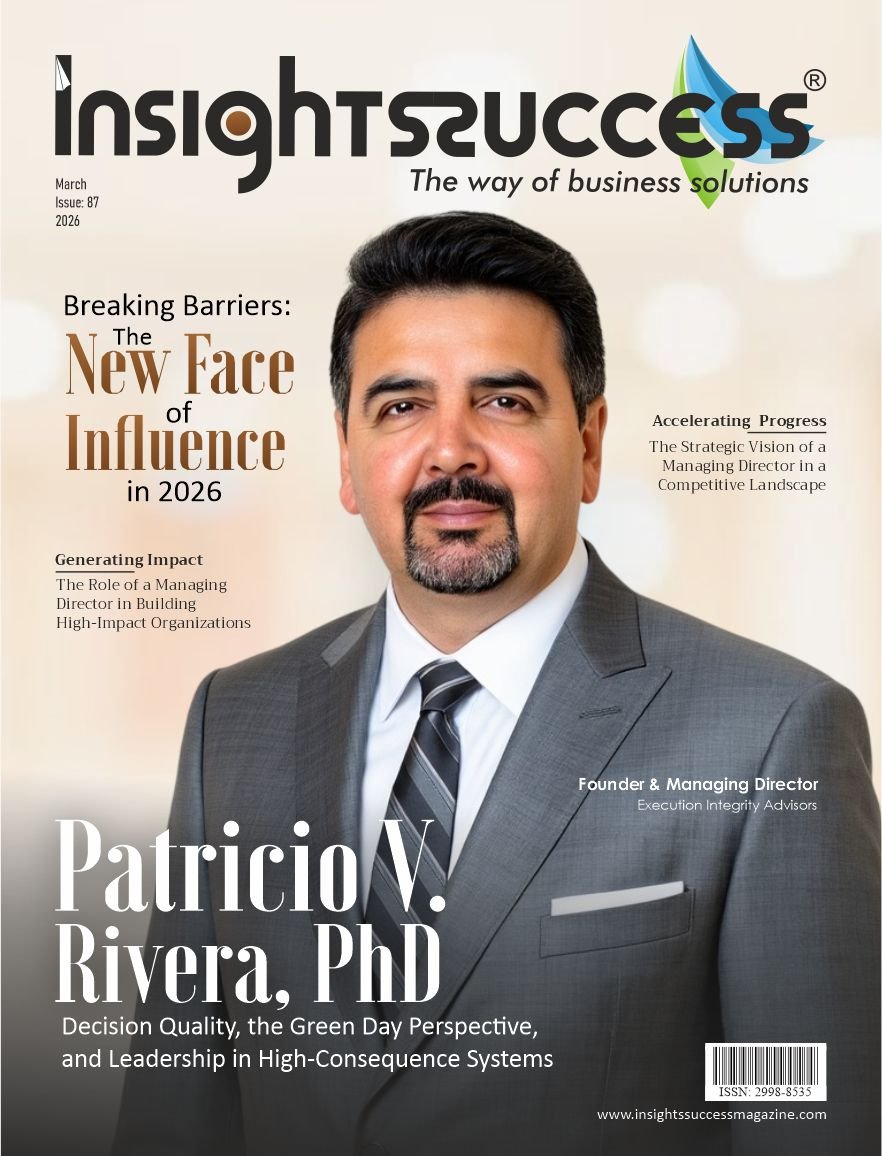
Breaking Barriers: The New Face of Influence in 2026
Breaking Barriers The New Face of Influence in 2026 Patricio V. Rivera, PhD, is a global energy leader whose three-decade career bridges operational excellence and safety leadership. He pioneered the Green Day philosophy and Value of Information framework, emphasizing disciplined decision-making, systems thinking, and learning from both success and failure to strengthen high-consequence operations worldwide. Digital Link Quick highlights Quick reads

Generating Impact: The Role of a Managing Director in Building High-Impact Organizations
One of the most powerful posts in an organization is occupied by a Managing Director who is a strategic architect and an operational leader. It is a position that goes well beyond just managing everyday operations; one has to have profound knowledge of the business world, be able to foresee change, and be able to exercise restraint in getting the organization on the path to long term prosperity. Ultimately, the Managing Director establishes alignment between vision and implementation, leadership and employees, and purpose and performance. High-impact organizations do not emerge by accident. Leaders establish organizations through their purposeful leadership and their capacity to execute tasks with discipline which supports innovation and accountability. Stakeholders, including investors, employees, customers, and regulators, expect organizations to deliver financial results while demonstrating ability to endure challenges and ethical business practices. Strategic Vision The Managing Director establishes a strategic vision which he communicates to others after studying the external world which includes market trends, technological changes and regulatory advancements. The effective vision serves as more than a basic purpose declaration because it functions as a cognitive structure which unites every part of the organization. The message becomes a guide when it is spoken clearly because it creates shared understanding which drives all workers to achieve shared goals instead of separate departmental objectives. The alignment establishes better decision-making processes which lead to improved efficiency in the organization. The organization needs both aspects because they want to convert their vision into practical solutions. The role of this position ensures strategic objectives maintain their capability to be measured and achieved through established performance indicators and operational execution frameworks which stem from identified long-term objectives. Leadership and Culture To build a successful organization, leaders need two essential elements; they require a clear strategy and an established organizational culture to guide their work. The Managing Director establishes the organizational culture by demonstrating the expected values and behaviors which staff members should exhibit. An organization that establishes a foundation of trust, transparency and accountability measures, achieves higher employee engagement levels which result in increased organizational participation. Leaders must do more than give commands; they need to motivate people while giving them the authority to reach their maximum potential. The process involves three main activities which include training employees for their future roles and choosing potential leaders and creating official methods that employees can use to progress in their careers. Organizations need effective succession planning because it helps them maintain their operations during times of change and unpredictable situations. Empowering employees fosters innovation and a strong sense of ownership. Research reveals that employees who feel connected to their workplace mission display increased proactive behavior, idea sharing and decision making, which they treat as their duty. The organization needs to create an atmosphere which enables people from different backgrounds to work together while their accomplishments receive recognition throughout the entire company. The organization needs active leadership to establish its cultural values, which should be maintained through policies and procedures that guide daily decisions and actions. Execution and Governance The organization operates in alignment with its vision and cultural values, but its success ultimately depends on its ability to execute its operations effectively. The Managing Director maintains operational efficiency together with growth capacity while ensuring that all activities support the company’s strategic objectives. The organization needs to implement performance management systems which should include performance metric development, performance evaluation activities and data-driven decision-making processes. The process execution requires resource allocation as its essential component. Leadership must allocate resources to investment areas which provide maximum benefits such as technological development, workforce training and market penetration efforts. The process requires decision-making which involves choosing between different priorities while handling various trade-off situations that need to be resolved in order to reach the best result. The present business environment requires organizations to make decisions which they must execute without delay after obtaining accurate information. Leaders handle difficulties by anticipating upcoming problems while they manage their operations through quick responses to present situations. Organizations achieve high performance through their implementation of governance systems which establish essential frameworks for operation. Conclusion The Managing Director performs multiple essential functions which contribute to the achievements of the high-impact organization. The position demands a combination of developing strategic visions while effectively leading people and managing day-to-day operations. The role establishes performance and purpose through its execution of a specific direction and creation of a supportive organizational culture and implementation of structured execution processes which receive backing from strong governance systems. Sustainable success depends on two factors which include achieving short-term results and developing an organization that can handle future changes while providing ongoing benefits to its stakeholders. Organizations need to assess their strategies because they need to develop new solutions which address the changes that markets experience. Read Also : Accelerating Progress: The Strategic Vision of a Managing Director in a Competitive Landscape

Accelerating Progress: The Strategic Vision of a Managing Director in a Competitive Landscape
The responsibilities of a Managing Director have developed into new requirements because business conditions now require executives to develop strategic plans which will help their organizations achieve future success through effective management of present-day uncertainties. The position needs a strategic thinker who can forecast market changes while handling unpredictable situations to create organizational strategies that will generate sustained value over time. Effective leadership needs strategic vision as its main characteristic which defines successful leaders. The process demands people to combine knowledge from multiple fields which include market developments, consumer habits, industry regulations and technological progress. The organization needs efficient leaders who can execute their strategic plans while establishing a work environment which promotes creative solutions and responsible behavior. The organization needs this vision as a permanent reference point, which enables it to perceive both new possibilities and existing problems with precise understanding and self-assured decision-making. Vision and Market Positioning The development of a robust strategic vision requires organizations to first establish their current position within their industry. Companies need to evaluate their existing market share and competitive advantages while they search for new market opportunities and upcoming dangers. A Managing Director needs to understand how to read economic and industry indicators which will help him guide the company when needed. The company needs to maintain its market position through product diversification, market expansion and new value creation. The organization requires marketplace presence which allows it to establish itself as a distinct entity from its competitors. Strategic positioning requires a company to implement substantial changes through planned decisions which will create its distinctive identity. The organization needs to develop its brand identity which will be delivered through three different areas: innovation, customer experience, and operational excellence. The company articulated its vision with clarity, enabling stakeholders, including customers, investors, and employees, to collaborate effectively toward sustained organizational growth. Leadership and Organizational Alignment Even though strategic vision defines a direction, it requires leadership and organizational alignment in its implementation. The Managing Director should develop a leadership team with the same vision that is capable of making decisions that reinforce their vision. This means the establishment of a culture of openness, honesty and cooperation in which ideas can be actively criticized and eventually improved. Communication is not enough to align the workforce to strategic goals. It also requires the incorporation of vision in the performance measures, incentives, and daily operations. The workers should learn how their work will help the organization achieve wider objectives. Leadership can improve participation and work effectiveness by creating a spirit of ownership and purpose. A well aligned organization stands in a better position to react quickly to change and exploit new opportunities in a highly competitive environment that requires agility. Innovation and Future Readiness The contemporary business environment is very competitive and requires a lot of innovation. A Managing Director should embrace progressive thinking that promotes experimentation and adoption of change. The organization needs to make three specific investments which include research and development funding, new technology implementation and the establishment of strategic partnerships. Notably, innovation is not limited to products and services, but also to business models, operations, and customer engagement strategies. A proactive risk management and sustainability is also needed in the future. There is always the need to foresee the possible impositions that may come in due to technological innovations or a change in regulations as well as geopolitical interests, and make the organization ready to handle them. This entails the establishment of resilient supply chains, diversification of the revenue streams, and the incorporation of sustainability in the core strategy. These controls not only reduce risks, but also make the organization be seen as a responsible and progressive entity by the stakeholders. Conclusion The strategic vision of a Managing Director serves as the main factor which determines an organization’s ability to succeed in its competitive environment. The process needs complete market understanding which includes current customer requirements, existing competitive forces and all upcoming market developments. The organization can use these insights to prepare for upcoming changes while discovering potential growth areas and unique business strategies. An effective framework for strategic vision requires organizations to combine their market knowledge with dedicated leadership support and ongoing dedication to innovative solutions. The leadership team must work to create team alignment which will help them convert their strategic goals into specific actions and measurable results. Read Also : Balancing Tradition: The Evolving Role of the Professor in a Digital-First World
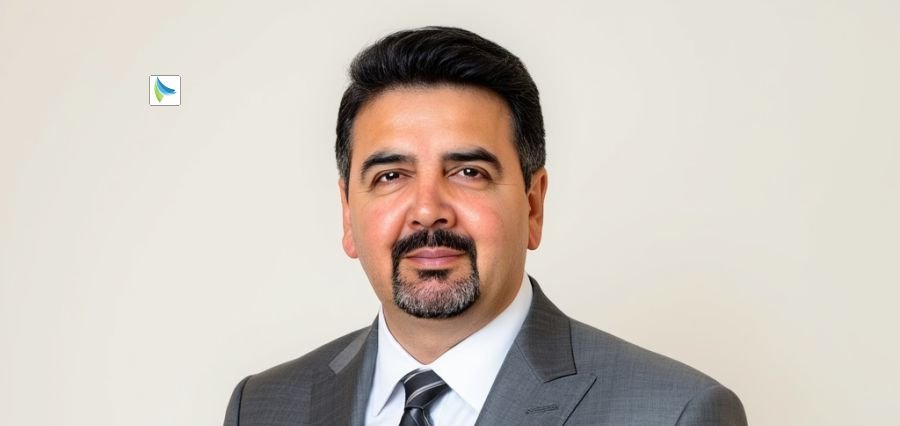
Patricio V. Rivera, PhD: Decision Quality, the Green Day Perspective, and Leadership in High-Consequence Systems
In high-consequence industries, the difference between safe operations and catastrophic outcomes rarely lies solely in technology. More often, it is determined by the quality and timing of leadership decisions made under conditions of uncertainty. For more than thirty years in the global energy industry, Patricio V. Rivera, PhD, has explored how organizations turn information, experience, and leadership judgment into safer, more resilient systems. He puts it plainly, “Leadership is often misunderstood as authority, but in reality, leadership begins with credibility.” Rivera’s career spans operational leadership roles across the United States, South America, the Middle East, and North Africa. Across these regions, he worked with multidisciplinary teams responsible for managing complex industrial operations where safety, environmental stewardship, and operational continuity are deeply interconnected. Through this experience, Rivera developed and promoted two ideas that increasingly shape discussions about modern safety leadership: the Green Day perspective and the Value of Information framework. Together, these concepts offer practical ways for organizations to strengthen decision quality in high-consequence environments. The Engineer Who Asked Why In the capital city of Quito, Ecuador, a young Patricio Rivera developed an early and insatiable curiosity about the way the natural world and human systems intersect. That curiosity carried him through the Pontifical Catholic University of Ecuador, where he earned his degree in Civil Engineering. But Rivera was not the kind of engineer who stopped at blueprints and load calculations. Reflecting on those formative years, he recalls, “Early in my career, I realized that engineering involved more than structures and calculations. It required understanding systems and recognizing the engineer’s responsibility to society.” That question became the engine of a remarkable academic journey. Rivera pursued a Master’s degree in Environmental Engineering, followed by an MBA in Oil and Gas Management from the United Kingdom, and ultimately a PhD in Occupational Health and Safety from the United States. He then completed the Executive Management Program at UCLA and the Advanced Management Program at Rice University, credentials that reflect not ambition for its own sake, but a genuine hunger to understand systems, people, and risk at their deepest levels. These academic experiences complemented his operational work and reinforced a systems-oriented perspective toward industrial risk, leadership, and organizational learning. Over the following decades, Rivera assumed operational leadership across four continents, each with distinct cultures and regulations, requiring constant adaptation, cultural fluency, and building trust where mistakes could cost lives. A Philosophy Built from Experience Rivera’s transition from field engineer to global HSE executive provided a deep understanding of industrial failures—and successes. He saw that technical expertise alone is not enough; the gap between engineering and outcomes lies in how leadership decisions and human behavior respond under pressure. Rather than treating safety as a compliance exercise, Rivera approached it as a leadership discipline. He designed safety management systems, contractor safety frameworks, and leadership development programs that embedded safety thinking into the daily rhythm of operational decisions, building not a culture of fear around risk, but one of informed awareness and disciplined judgment. Through it all, Rivera returned to one conviction. For Rivera, effective safety management depends not only on strong technical systems but also on leadership behaviors that encourage transparency, disciplined thinking, and continuous learning. He says, “Safety is not ultimately about rules or compliance. It is about leadership and the quality of the decisions we make every day.” The Green Day Philosophy: Learning from Success One of Rivera’s most distinctive contributions to safety leadership is the Green Day philosophy. Green Day refers to a day when operations run safely, efficiently, and as intended, without incident. The core idea is that organizations should learn not only from failures but also from successful days where everything works as planned, understanding the reasons behind these successes. Traditional safety frameworks in the energy industry place strong emphasis on incident investigation and failure analysis. Rivera fully acknowledges the importance of understanding what goes wrong. However, he argues that organizations often overlook an equally valuable source of knowledge: the conditions that allow operations to succeed consistently. A Green Day is a day when complex industrial activities proceed without safety incidents or disruptions, demonstrating that all safety measures are functioning as intended. Instead of viewing these days as routine, Rivera proposes examining them with the same rigor as in accident investigations. What leadership behaviors contributed to this outcome? Which communication methods allowed teams to manage risk? Which operational circumstances ensured that safety barriers performed as designed? As Rivera often notes, “Organizations learn from failure, but real progress accelerates when we also understand why success occurs.” By systematically analyzing successful operations, organizations can identify and reinforce the conditions that sustain reliable performance rather than waiting for failure to reveal where those conditions are missing. In practical terms, Rivera encourages leaders to ask a different set of operational questions: What conditions enabled success? What leadership behaviors supported safe outcomes? What communication patterns allowed teams to anticipate and manage risk? This perspective represents a shift from a purely reactive safety culture toward a proactive learning system, grounded in operational data and focused on strengthening the factors that allow complex systems to perform safely day after day. The Value of Information: When Data Becomes a Decision Tool Modern energy operations generate enormous volumes of data: sensor readings, inspection reports, maintenance records, environmental monitoring streams, and workforce observations. Yet Rivera argues that data alone does not create value. Its value emerges only when it improves the quality and timing of decisions. As he often explains, “In high-consequence systems, information is valuable only if it improves decisions before risk escalates.” Rivera’s Value of Information (VoI) framework examines how timing, relevance, and leadership attention determine whether safety-critical information leads to action early enough to influence outcomes. In complex operations, the difference between useful information and noise is not the quantity of data available, but whether leaders recognize which signals require attention and respond before conditions deteriorate. This perspective is increasingly relevant as artificial intelligence and advanced analytics expand the analytical capabilities of industrial organizations. Rivera emphasizes that