






Bridgewater’s Pure Alpha Fund Gains 8.1% in Volatile First Half
Prime Highlights Bridgewater’s Pure Alpha fund and AI-focused AIA Macro fund each gained 8.1% in the first half of the year. The firm’s strategic overhaul and expansion into AI-driven investing have supported its recent performance. Key Facts Bridgewater Associates manages about $102 billion in assets. The AIA Macro fund has managed $4.5 billion since its launch in late 2023. Background Pure Alpha of Bridgewater Associates recorded an 8.1% return for the first half of the year despite the volatile markets resulting from the tension in the geopolitical environment. The performance came as hedge funds recovered from losses linked to uncertainty earlier in the year. The investment firm’s AI-focused AIA Macro fund also recorded an 8.1% gain over the same period. Since its launch in late 2023, the fund has generated an annualised return of 11.3% and now manages about $4.5 billion in assets. With roughly $102 billion in investments, Bridgewater has diversified its investment strategy over time through the creation of investment products utilizing artificial intelligence, in addition to collaborating with State Street Global Advisors in developing an exchange-traded fund. Bridgewater’s AI investment strategy started in 2018, under the co-Chief Investment Officer of Bridgewater, Greg Jensen. The latest results follow a strong performance in recent years. The Pure Alpha fund delivered a 34% return in 2025 after benefiting from market opportunities created by tariff-related uncertainty. Market analysts said hedge funds have generally performed well this year, with positive returns across major investment strategies. The results also reflect the progress of the strategic changes introduced by Chief Executive Officer Nir Bar Dea after taking charge of the firm. The company reduced new investments in the Pure Alpha fund and returned some assets to clients to improve long-term performance. Founded by Ray Dalio in 1975, Bridgewater has continued to strengthen its leadership team while expanding its investment capabilities. The recent performances show that the strategy adopted by the firm has been helping to achieve steady returns even under difficult market conditions. Read Also : Kroger to Acquire Giant Eagle in $1.65 Billion Expansion Deal

Top 10 Tech Leaders Shaping the Future of Healthcare – 2026
Top 10 Tech Leaders Shaping the Future of Healthcare – 2026 Celebrating visionary technology leaders transforming healthcare through AI, digital innovation, data-driven solutions, and patient-centric advancements, redefining medical excellence, improving accessibility, and shaping the future of global healthcare delivery in 2026. Digital Link Quick highlights Quick reads

Sunil Dadlani: Architecting the Intelligent and Human-Centered Future of Healthcare
In a healthcare setting, technology can be judged on what systems it can implement, the efficiencies it can bring about, and the innovations it can introduce. But the best transformative leaders know there’s more to the power of technology. It is the moment when clinicians get more time to care, when patients don’t get in their way, and when trust grows because digital solutions are invisible. Sunil Dadlani, Executive Vice President & Chief Information & Digital Transformation Officer, Atlantic Health, has followed a remarkable career for over 25 years built on this philosophy. Sunil has been a global leader and a strong advocate of technology that creates a meaningful impact. He’s more than just a digital tool implementer; he’s a person dedicated to building a more intelligent, connected, secure, and human-centric healthcare ecosystem. In an age of artificial intelligence, predictive analytics, cybersecurity, and digital transformation, Sunil Dadlani is among the pioneers, defining what comes next for healthcare, and also the user experience, end to end. A Journey Driven by Purpose The most influential careers are rarely linear, and Sunil’s journey reflects that reality. His professional path has taken him across Fortune 100 enterprises, government institutions, and some of healthcare’s most complex environments. Throughout these experiences, he developed a unique perspective on how technology can create meaningful change on a scale. His early leadership roles at organizations such as Sony, Motorola, Siemens, and Novell exposed him to global operations, enterprise transformation, and the discipline required to manage technology at scale. These experiences sharpened his understanding of execution, governance, and strategic leadership. A pivotal chapter emerged during his work with the New York State Department of Health. There, technology became more than a business enabler. It became a vehicle for protecting communities, improving public health outcomes, and serving entire populations. That experience ultimately led him to healthcare, where he discovered his deepest professional purpose. Today, at Atlantic Health, Sunil Dadlani leads efforts that position digital, data, cybersecurity, AI, and innovation as enterprise-wide capabilities embedded into every aspect of care delivery. Rather than merely digitizing existing processes, he focuses on fundamentally reimagining how healthcare can become more proactive, personalized, and accessible. He reflects, “I didn’t come to healthcare because the problems were easy. I came because the problems were deeply human—and technology, when guided by purpose and trust, can help solve them at scale.” Reimagining Healthcare for a Digital Future Healthcare is experiencing one of the most significant transformations in its history. Traditional models centered on episodic care are rapidly evolving into connected ecosystems that support patients throughout their healthcare journeys. Sunil Dadlani sees this transformation occurring through several interconnected shifts. The first is the move from episodic interactions to continuous engagement. Digital front doors, virtual care platforms, remote monitoring technologies, and AI-powered navigation tools now enable healthcare organizations to stay connected with patients before, during, and after treatment. The second shift centers on precision. Advanced analytics and artificial intelligence allow healthcare providers to identify risks earlier, personalize interventions, reduce variation in care, and improve outcomes through data-driven decision-making. The third involves simplifying patient experiences. Historically, healthcare systems have often felt fragmented and difficult to navigate. By creating seamless digital experiences, organizations can make scheduling, communication, billing, follow-up care, and patient engagement significantly easier and more intuitive. For Sunil, digital transformation should never focus solely on technology adoption. Its true purpose is to create healthcare experiences that are more responsive, more personalized, and more compassionate. He believes, “The future of healthcare will not be defined by how digital it becomes, but by how human, intelligent, and trusted it feels to the people we serve.” Building the Foundation for AI-Native Healthcare As artificial intelligence continues to mature, healthcare is moving beyond basic automation toward entirely new operating models. Sunil believes the next decade will be defined by technologies that not only support decision-making but actively participate in transforming care delivery. At the forefront of this evolution are Agentic and Generative AI technologies. While today’s AI solutions primarily assist clinicians and administrators, the next generation will autonomously coordinate workflows, streamline operations, and deliver critical insights precisely when needed. Another breakthrough innovation capturing Sunil’s attention is the emergence of Digital Twins. These dynamic digital replicas of patients allow healthcare providers to simulate treatments, predict outcomes, and personalize care with unprecedented accuracy. What began as an engineering concept is rapidly becoming a powerful healthcare capability. Equally transformative is Ambient Intelligence. By enabling clinical environments to listen, learn, document, and automate routine administrative tasks, these technologies allow physicians to focus more completely on their patients rather than on documentation. Precision Medicine and Genomics further expand these possibilities. Advanced data platforms enable clinicians to tailor treatment plans based on an individual’s unique biological characteristics, replacing generalized approaches with highly personalized care strategies. However, Sunil Dadlani remains clear that none of these innovations can succeed without strong foundations. Trusted data ecosystems and robust cybersecurity frameworks are essential for scaling AI responsibly and effectively. He emphasizes, “The most sophisticated AI in the world is only as good as the data behind it and the trust protecting it.” Transforming Data into Better Outcomes Data has become one of healthcare’s most valuable strategic assets. Yet many organizations continue to struggle with fragmented information, inconsistent reporting, and disconnected systems. Sunil Dadlani views data not as a technical resource but as a critical enabler of better decisions and improved outcomes. Clinicians equipped with timely and accurate information can identify high-risk patients earlier, personalize treatment strategies, improve safety measures, and reduce unnecessary variation in care delivery. Operational leaders can leverage data to optimize staffing, improve patient access, enhance throughput, strengthen revenue cycle performance, and allocate resources more effectively. Beyond operational efficiency, data also serves as a powerful tool for addressing healthcare disparities. By identifying gaps in care, geographic barriers, scheduling challenges, and social determinants of health, organizations can design more equitable and accessible healthcare models. Under Sunil’s leadership, data becomes a strategic capability that transforms healthcare from a reactive system into a predictive and proactive
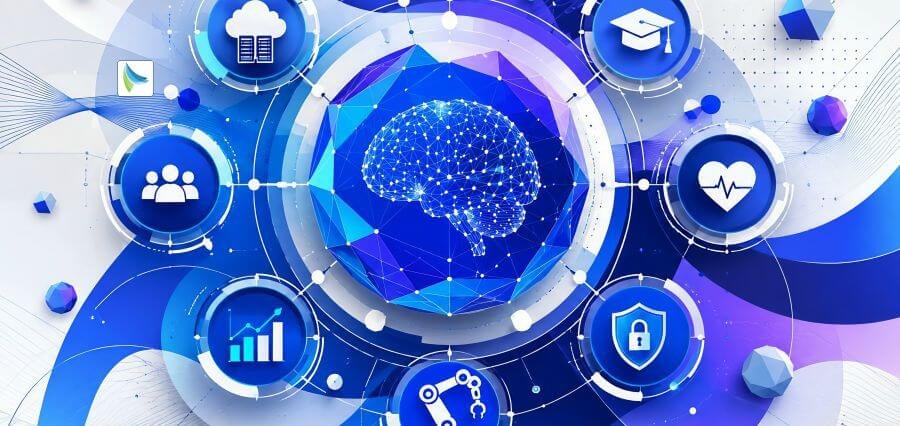
Powering Digital Clinical Transformation
Secure Healthcare IT Infrastructure Healthcare is undergoing a shift that touches every part of how care is delivered, recorded, and managed. Paper records and disconnected systems are being replaced by integrated digital solutions. This shift is not simply about adopting new technology for its own sake. It is about rebuilding the systems that support patient care so that they actually serve the people who depend on them, both patients and the clinicians treating them. Digital clinical transformation is reshaping healthcare from the inside out, and none of it works without a foundation that can be trusted to keep sensitive information safe. Why Healthcare Cannot Avoid This Shift For years, healthcare lagged behind other industries in adopting digital systems. Sensitive data, complex regulations, and the simple weight of getting things wrong in a clinical setting all contributed to a cautious pace of change. But the pressures on healthcare today, rising patient expectations, growing volumes of data, and the need for faster and more coordinated care, have made standing still no longer realistic. Digital clinical transformation addresses this pressure directly. It brings together patient records, diagnostic tools, communication systems, and administrative processes into something more connected and more responsive. Clinicians spend less time chasing information and more time using it. Patients experience care that feels joined up rather than fragmented across different departments and providers who cannot easily see what the others are doing. The Foundation That Makes Transformation Possible None of this digital progress means anything if the systems carrying it cannot be trusted. Healthcare data is among the most sensitive information that exists, covering not just medical history but financial details, personal circumstances, and deeply private aspects of a person’s life. A breach in this kind of system does not just cause inconvenience. It causes real harm. This is where secure healthcare IT infrastructure becomes essential rather than optional. Every digital tool, every connected device, and every piece of software that touches patient data must run on infrastructure where security was built in from the start, not bolted on afterwards. Without that foundation, all the benefits of going digital end up undercut by risks no healthcare organization can really afford to take on. Connecting Systems Without Creating Vulnerabilities One of the central challenges in modernizing healthcare is connecting previously separate systems without opening new points of weakness. Hospitals, clinics, laboratories, and pharmacies often rely on different software built by different vendors at different times. Bringing these systems into genuine communication with each other is technically demanding and doing it without compromising security adds an entirely different layer of complexity. Secure healthcare IT infrastructure is what allows this connection to happen responsibly. It provides the encrypted pathways, access controls, and monitoring systems that let information flow between platforms while keeping unauthorized access out. Digital clinical transformation depends on this kind of careful engineering, because connection without protection simply creates new ways for sensitive information to be exposed. Reliable Digital Tools for Clinical Care The value of digital transformation in healthcare is ultimately judged by whether it makes clinical work better. When systems are slow, difficult to use or unreliable, they increase the administrative burden on clinicians. Effective digital tools should work seamlessly within existing clinical workflows. When digital clinical transformation is implemented well, it reduces administrative load, surfaces the right information at the right moment and allows clinicians to focus more fully on the patient in front of them. This requires infrastructure that performs reliably under pressure, because a system that fails or slows down during a critical moment of care creates risk rather than removing it. Building Trust with Patients Patients are increasingly aware of how their data is handled, and that awareness shapes how much they trust the systems caring for them. When healthcare organizations can demonstrate that their digital systems are genuinely secure, patients feel more comfortable sharing the information that allows for better, more personalized care. Secure healthcare IT infrastructure plays a quiet but important role in this trust. It is rarely visible to patients directly, but its presence or its absence, shapes every interaction a patient has with a digital health system. When that infrastructure holds firm, patients can engage with their care confidently, knowing their information is protected at every step. In Summary The future of healthcare depends on combining digital innovation with strong security. Digital clinical transformation improves the way care is delivered, while secure healthcare IT infrastructure makes sure that progress never comes at the expense of patient safety and trust. One cannot truly succeed without the other. Healthcare organizations that invest seriously in both are building systems that will serve patients and clinicians well, not just today but for years to come. Read Also : Business Legal Strategy Driving Organizational Resilience
AI-Powered Clinical Decision Support Driving Better Patient Outcomes
Medical Data Intelligence A single patient’s medical record today may contain laboratory results, imaging studies, medication histories, genetic markers, and continuous streams of monitoring data, all generated within just a few days. No physician, however experienced, can hold all of that in working memory while also examining the person sitting in front of them. That gap between the volume of available information and the limits of human attention is exactly what has pushed AI-powered clinical decision support into the center of modern healthcare conversations. It does not replace a doctor’s judgment. It gives that judgment something solid to stand on when the data involved has simply outgrown what one mind can track unassisted. Understanding AI Behind Clinical Decision Support AI-powered clinical decision support helps clinicians by reviewing patient data and highlighting important insights. It can identify potential medication interactions, detect patterns in vital signs that may indicate a patient’s condition is worsening, and flag imaging findings that may benefit from additional review. Rather than replacing clinical judgment, these systems are designed to support it. Physicians continue to evaluate the patient’s condition, consider their medical history and individual circumstances and make the final decisions. The difference is that clinicians have access to timely, data-driven insights drawn from a much broader range of information than could realistically be reviewed during a single consultation. Converting Complex Data into Clinical Insight Healthcare does not have a data shortage. If anything, it has the opposite problem: more information than most systems know what to do with. Collecting it is not the hard part. Making it useful at the exact moment a clinician needs it is. That is the job medical data intelligence is built to do. Instead of leaving a clinician to dig through scattered records spread across different systems and formats, medical data intelligence pulls the relevant pieces together, connecting what happened last year to what is happening this week, surfacing the trend instead of just the data points. Raw numbers turn into something a person can actually act on, rather than something they have to first decode. Using AI to Recognize Early Warning Signs Perhaps the clearest value of AI-powered clinical decision support shows up in catching trouble early. A patient’s condition rarely collapses without warning; there are usually small shifts beforehand, in vitals or labs or behavior, that are easy to miss when a nurse or physician is managing several patients at once. Tools built on medical data intelligence stay watching continuously, flagging the kind of subtle drift that a busy human eye might catch too late. In situations where minutes genuinely decide outcomes, having that extra layer of attention running in the background has a real, measurable effect. Reducing Cognitive Workload in Clinical Practice There is a quieter cost to all this complexity that does not get discussed enough: the sheer mental load of tracking it manually. Searching through disconnected systems, piecing together a timeline by hand, cross-referencing test results against medication lists, all of this eats into the time and energy a clinician has left for the actual human being in the room. Well-built medical data intelligence reduces that load by surfacing what matters without the manual digging. The result is not just efficiency. It is clinicians who walk into a room with more bandwidth left for the conversation that actually matters. Delivering More Individualized Care Two patients with the same diagnosis are rarely the same case. Genetics, history, prior treatment response, and current condition all shape what will actually work for one person versus another. AI-powered clinical decision support makes it realistic to factor all of that in, rather than defaulting to a generic protocol because there is no practical way to manually account for every variable. That is a real shift away from one-size-fits-all medicine, made possible by the depth of analysis that medical data intelligence is capable of running in the background. Building Confidence in AI-Powered Healthcare None of this works if clinicians or patients do not trust it. And trust here is earned the hard way through validation, through ongoing checks on how the system actually performs against real outcomes, and through honesty about where these tools fall short as much as where they succeed. Organizations that roll out AI-powered clinical decision support carefully, with real oversight and a clear sense of where human judgment still has the final word, tend to see the gains hold up over time rather than fading once the novelty wears off. The Road Ahead The role of medical data intelligence in everyday clinical work is still taking shape, but the trajectory is not really in question. As these systems keep maturing, working alongside data-driven insight will likely stop being a notable feature and start being simply how good care gets delivered. For patients, that shift means care that catches problems earlier, fits their specific situation more closely, and frees up clinicians to spend less time hunting for information and more time actually paying attention to the person they are treating. Read Also : Powering Digital Clinical Transformation

Kroger to Acquire Giant Eagle in $1.65 Billion Expansion Deal
Prime Highlights Kroger agrees to acquire Giant Eagle in a $1.65 billion deal to expand its retail footprint. The deal includes $1.25 billion in cash and the assumption of about $400 million in liabilities. Key Facts Kroger CEO Greg Foran said the acquisition strengthens the company’s reach into adjacent markets. The deal comes amid rising consolidation across food, beverage, personal care and health retail sectors. Background Kroger said it would acquire food and pharmacy retailer Giant Eagle in a deal worth $1.65 billion, as the company looks to widen its retail footprint across several regions of the United States. The transaction includes $1.25 billion in cash, along with the assumption of about $400 million in Giant Eagle’s outstanding liabilities, Kroger said in its announcement. Kroger CEO Greg Foran said Giant Eagle expands the company’s reach into attractive adjacent markets, calling the deal an important part of Kroger’s broader growth strategy going forward. The acquisition comes amid a wave of consolidation across the food, beverage, personal care, pet products and health sectors. Companies in these industries have turned to mergers and acquisitions to manage inflationary pressures, shifting consumer habits and rising competition in the retail space. Deal making in the industry has continued to be robust in recent times as seen from the efforts by some major retailers to enter into mergers with an aim of strengthening their positions and reaching new territories in the country. The entry of Giant Eagle into the picture is expected to give Kroger more ground to cover in terms of territory as well as customers since it was not doing well in these areas earlier. No information about the time required to finalize this deal has been provided. Read Also : China’s economy gains momentum as US exports rebound

The Most Transformative Leadership Development Brand to Watch in 2026
The Most Transformative Leadership Development Brand to Watch in 2026 Lorem ipsum dolor sit amet, consectetur adipiscing elit. Ut elit tellus, luctus nec ullamcorper mattis, pulvinar dapibus leo. Lorem ipsum dolor sit amet, consectetur adipiscing elit. Ut elit tellus, luctus nec ullamcorper mattis, pulvinar dapibus leo. Digital Link Quick highlights Quick reads
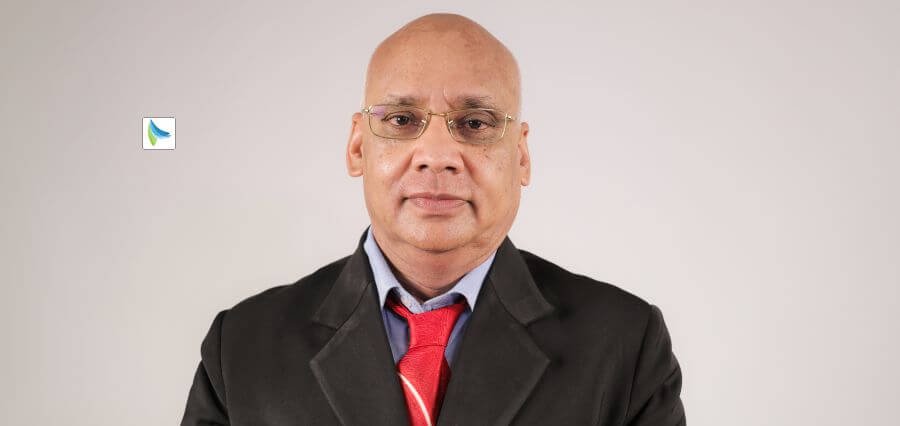
UDAAN: How Dharmendra Sharma Is Building India’s Next Great Movement in Motivational Leadership
Some leaders are shaped by privilege. Dharmendra Sharma was shaped by its absence, and by a refusal to let that absence define what he could become. Born into a family of six siblings with his father as the sole breadwinner, Dharmendra’s earliest memories include being called out of class because school fees had not been deposited on time, and being told to wait outside until they were. That memory, painful as it was, became something he carries deliberately rather than something he buried. As a child, he sold kites, paper bags, and chana masala for a few paise. A detail he speaks of not with embarrassment but with quiet pride, because that early hustle taught him the value of working with his own hands in a way no classroom could replicate. He studied in Udaipur through eleventh standard, earning merit recognition in both tenth and eleventh grade, before completing his Bachelor of Engineering in Electronics and Communication from MBM Engineering College, Jodhpur, in 1987, graduating with the top rank in his college. That same year, he appeared for the Indian Engineering Services examination and secured the 13th rank in the combined all-India merit list across all branches, before becoming the topper of the 1987 batch of the Indian Telecommunication Services. He mentions, “These struggle days and the memories associated with them are my driving force. I understand the pain of being poor, and that understanding has never left me.” A Career Built on Optical Fiber and Earned Trust Dharmendra’s 36-year career in India’s telecommunications sector reads like a chronicle of the country’s own digital infrastructure expansion. In his very first year in the Indian Telecommunication Services, he was conferred a special award for the highest infrastructure work completed in one year anywhere in Northern India, an early signal of the operational intensity that would define his entire career. He progressed methodically and consistently through the ranks: from ADET to DET, then to Director and Deputy General Manager, then to General Manager, eventually retiring from the Department of Telecommunications as Chief General Manager of Bharat Broadband Network Limited and State Head for Gujarat. He was recognized as Best Divisional Engineer and Best Director of Northern India during different tenures, and during his time as PGM and GM at BSNL, he was awarded gold medals across multiple service verticals, including recognition for achieving 300% of his assigned target in new business development. The defining chapter of his career arrived during his posting as CGM BBNL Gujarat, where he carried the dual responsibility of CGM BBNL alongside Director Technical at the state SPV, GFGNL, for the Bharatnet Phase 2 project. Under his leadership, Gujarat became the only state in India to successfully complete the Bharatnet Phase 2 project, an achievement appreciated twice by the Honorable Minister of Communications on the floor of the Parliament of India. Among his contemporaries, the recognition that followed was informal but telling colleagues began calling him “Project Man,” a nickname earned through consistent delivery on some of the country’s most logistically demanding infrastructure projects, including India’s first optical fiber cable project, the very domain in which his distinguished government career would eventually conclude. He asserts, “As I was mostly head of my organization during various tenures and posts, the decisions I took were naturally challenged. Every single time, they came back as a clean chit.” From Bureaucrat to Motivational Force What makes Dharmendra’s story distinctive is not simply the scale of his government career, but the second act he has built upon its foundation. The success of the Gujarat Bharatnet model, studied and appreciated by telecom professionals across India, became the catalyst for an entirely new mission: teaching the success principles that had carried him from a fee-deficient classroom in Udaipur to one of the most celebrated infrastructure achievements in Indian telecom history. The seeds were planted long before that success, however. From his school days, Dharmendra Sharma read motivational literature centered on figures like Rani Lakshmibai and Maharaj Shivaji, absorbing lessons in courage and leadership long before he had the professional platform to apply them. That early foundation, combined with decades of hard-won operational experience, eventually channeled itself into UDAAN, the flagship seminar of Brandskill, the enterprise he founded to give that knowledge back to society. He highlights, “The idea behind all my acts is to share the knowledge I have gained with society. Giving back to society is the motivational factor behind every UDAAN session.” Brandskill and UDAAN: The Vision Behind the Names The names themselves carry deliberate meaning. Brandskill draws its identity from two words fused together: brand and skill, reflecting Dharmendra’s conviction that genuine personal branding is built not through image management but through the deliberate development of real capability. UDAAN, meaning flight in Hindi, symbolizes the trajectory of success a person takes once they internalize and apply the principles taught during the session. The seven-hour UDAAN seminar covers a structured curriculum: dream, goal, subconscious mind, self-esteem, change, and the layered nature of human fulfillment. Dharmendra Sharma frames that fulfillment across three distinct levels. The first is the life of survival, defined by roti, kapda, and makan, the necessities of food, clothing, and shelter. The second is the life of success, marked by material comfort: the big house, the car, the substantial bank balance. The third, and the one Dharmendra Sharma is most deliberately oriented toward, is the life of significance, measured not by what you accumulate but by how many other people’s lives improve because of you. He states, “It is not sufficient to have a big house, a big car, and a big bank balance. What matters is how many other people have as much as you, because of you. That is the life of significance, and it is the life I want to live.” His vision for UDAAN is explicitly national and unapologetically ambitious: to reach Indians from Kashmir to Kanyakumari, from Assam to Rajasthan, and beyond India’s borders, ensuring that no person is deprived of correct direction in their

Advancing Conflict Resolution Training for Modern Organizations
Scalable Learning Solutions Modern businesses face a complex environment that calls for cooperation and interaction. As the workforce becomes more diverse and dispersed, there will be conflicts. The wise organization understands that conflict is not something to avoid but can actually enhance relationship building, innovation, and decision making. All of the above require a focus on Scalable Learning Solutions that help people gain necessary knowledge and experience while the company itself develops further. No less important is Conflict Resolution Training, which teaches people how to handle conflict in the workplace in a constructive way and develop good relationships. The Growing Need for Scalable Learning In today’s corporate environment, it is essential for any organization to have a learning program that keeps pace with shifting organizational needs and expectations of the workforce. The conventional mode of training, which focuses on the use of the classroom approach, finds it difficult to accommodate geographically scattered workforces and changing needs. Scalable Learning Solutions will allow companies to integrate various learning techniques such as e-learning programs, virtual classrooms, coaching sessions, and simulation exercises to facilitate ongoing training of employees. Such flexible learning techniques guarantee that organizations can quickly incorporate new knowledge and train their employees about changes in their roles without interfering with their daily tasks. Scalable learning also supports business agility by enabling organizations to respond quickly to industry trends, regulatory changes, and evolving customer expectations. Strengthening Workplace Relationships It is inevitable to have conflicts in organizations especially in settings where people have different experiences and approaches towards work. When handled properly, these conflicts can lead to positive outcomes by providing new ideas. But when left unhandled, these can have negative impacts such as low productivity and poor cooperation among others. Conflict Resolution Training will provide techniques on how to handle conflicts in the workplace. Conflict Resolution Training Skills include active listening skills, emotional intelligence skills, negotiation skills, and collaborative problem-solving skills. Individuals learn how to communicate effectively and how to find common ground to solve problems that could possibly lead to conflicts. Organizations that invest in conflict resolution strengthen teamwork while creating workplace cultures where employees feel respected, heard, and empowered to contribute openly. Connecting Learning with Organizational Performance Employee development will yield maximum benefits when learning programs align directly with organizational objectives and performance. Scalable Learning Solutions offer a series of development programs that enhance leadership, communication skills, teamwork, and decision-making at all levels within the organization. Learning platforms also offer useful performance data that assist organizations to assess participation, determine deficiencies in skills, and refine learning techniques. Employees benefit from individualized learning programs, while managers get increased insight on the capabilities of their workforce. Concurrently, Conflict Resolution Training is a key tool that enhances the performance of the organization by minimizing distractions at work, promoting cooperation, and employee participation. The groups that have good communication skills solve problems faster, make better decisions, and sustain good relations even during times of considerable organizational change. The combination of continuous learning and effective conflict management creates a workplace where collaboration becomes a competitive advantage. Preparing Organizations for Future Challenges The business environment keeps changing as a result of technology, diversity, and leadership expectations. Employees need to be prepared not just with their technical skills but also interpersonal skills that help them become more resilient and adaptable. Scalable Learning Solutions can create development programs that can support lifelong learning and prepare employees for future challenges. Similarly, Conflict Resolution Training helps businesses create emotionally intelligent employees who handle problems in a manner that is empathic, professional, and confident. Leadership that engages in constructive conflict resolution creates a climate of open communication and reduced workplace stress. Creating Sustainable Organizational Excellence The success of the future work is going to belong to the companies that are capable of sustaining their commitment towards people, learning, and collaboration. Scalable Learning Solutions will continue providing companies with an opportunity to give people access to personal and effective development opportunities that enhance their skills in challenging business environments. In the same way, Conflict Resolution Training is an essential part of the development of leaders and employees because the training will enable people to gain confidence and develop effective communication skills in handling more complicated workplace interactions. Companies that manage conflict constructively cultivate trust, enhance cooperation, and encourage innovation. Read Also : AI-Powered Clinical Decision Support Driving Better Patient Outcomes

Elevating Workforce Performance Through Corporate Training Solutions
Leadership Mindset Mastery In today’s business world, organizations function in an environment characterized by constant technological developments, employee demands, and global competition. Not only do innovative products or processes make the difference; effective leaders can create synergy within their team members, foster flexibility, and unleash potential. Effective leadership development takes conscious efforts. That is exactly what Leadership Mindset Mastery represents – an urgent goal for organizations willing to succeed. Supporting this approach is another important component called Corporate Training Solutions, which helps in the development of leadership skills and contributes to increased effectiveness of the workforce and alignment of its professional development with corporate goals. Developing Leaders Who Inspire Growth Leadership skills are characterized by self-awareness, emotional intelligence, strategic thinking, and influence. None of these skills can be acquired suddenly but only through learning and experience. With the help of the Leadership Mindset Mastery program, professionals can develop skills related to confidence, resiliency, and decision making. Organizations that invest in Leadership Mindset Mastery train leaders to continuously improve, speak with authenticity, and form authentic relationships with their workers. These skills allow leaders to achieve greater cooperation, promote innovations, and generate an environment where people are motivated to give their best performance. With continually changing requirements from leaders, it becomes necessary to cultivate the proper mindset. The Value of Corporate Learning The area of training employees is not anymore restricted to technical training only. Modern enterprises need learning programs that will help in building leaders, communicators, collaborators, and thinkers at all levels. Corporate Training Solutions are the learning programs provided by organizations for meeting organizational needs as well as addressing business objectives. What makes an Effective Corporate Training Program is the incorporation of instructor-led sessions, e-learning software, mentoring programs, and simulation exercises in order to provide effective learning opportunities. The employees learn something useful while acquiring necessary skills in order to perform better and become leaders in the future. Companies that emphasize learning have more engaged employees, better retention, and agility. Learning initiatives aligned with strategic objectives help businesses remain competitive while preparing employees to navigate changing market conditions successfully. Connecting Leadership with Organizational Performance The value of leadership development is best realized when it facilitates measurable results in the business arena. The program entitled “Leadership Mindset Mastery” helps leaders make well-informed choices, foster innovation and lead through change confidently. Interpersonally skilled leaders facilitate a culture where teamwork and accountability come easy. On the other hand, the Corporate Training Solutions guarantee that the process of leadership development occurs at all levels of the organization and does not confine itself only to the top level. Such training ensures enhanced communication, greater efficiency, and fosters knowledge sharing among the employees of different departments. Organizations that integrate leadership development with comprehensive training programs create cultures where continuous improvement becomes part of everyday business operations. Building Agile and Future-Ready Workforces Transformation of a business demands that companies must be able to adapt to changes in technology, customers’ expectations, and market opportunities. Having an adaptable workforce and effective leadership has been key in staying ahead of competitors. The Leadership Mindset Mastery is the course that enables leaders to be resilient and strategic in any situation. In the same way, Corporate Training Solutions provide learning solutions on a scalable basis to ensure that the workforce is always learning and improving their skills. Development plans, e-learning technology, and team building seminars ensure that companies can develop a workforce that can tackle the future. Continuous learning enables innovation and adapts businesses to changing needs in the industry. Combining leadership development and training ensures organizational agility, while at the same time creating a culture of learning. Creating Sustainable Leadership Excellence The future of successful organizations will rely more on leaders who can blend strategic thinking with excellent interpersonal skills. Organizations that focus on Leadership Mindset Mastery will develop leaders who can motivate their teams, encourage teamwork, and transform their organizations. Good leadership ensures the development of positive working environments that encourage innovation and accountability among employees. In the same way, Corporate Training Solutions will be essential for developing the workforce since the workers will be trained to gain the necessary knowledge and skills that enable them to participate effectively in the ever-changing environment of their organizations. Continuous learning will help build better talent pools. In combination, the two models of Leadership Mindset Mastery and Corporate Training Solutions create a comprehensive approach toward enhancing organizational performance levels. The enhancement of the leadership abilities of managers and the encouragement of ongoing training enable employees to collaborate more effectively, become more productive, and develop robust teams ready to face upcoming challenges. In the context of changes in the modern workplace environment, those businesses that utilize such approaches will be better positioned for innovation, employee engagement, and growth. Read Also : Advancing Conflict Resolution Training for Modern Organizations