





Across India, Ekori is Weaving the Future of Sarees with Heritage, Heart, and Unmatched Quality
From Kashmir to Kanyakumari, Parveen Padalkar’s Ekori is the trusted manufacturing partner behind India’s finest handloom sarees—blending timeless tradition with modern taste. While the name Ekori may be behind the scenes, our sarees are front and center in wardrobes, showrooms, and shelves across India. As one of the country’s most respected handloom saree manufacturers, **Ekori supplies high-quality, artisan-made sarees to brands, retailers, and boutiques from Jammu & Kashmir to Kanyakumari. Behind Ekori is Parveen Padalkar, a woman with deep roots in India’s textile legacy. Born and raised in West Bengal, where the sound of looms and the rhythm of weaving are a part of daily life, Parveen grew up surrounded by the rich culture of Indian handlooms. Inspired by this heritage, she founded Ekori to bridge the gap between traditional craftsmanship and contemporary fashion. “For us, it’s never just about selling sarees. It’s about preserving an art form, empowering artisans, and delivering quality that speaks for itself,” says Parveen Padalkar, Founder of Ekori. Quality That Brings Customers Back—Again and Again Ekori’s sarees are known across the industry for their unmatched quality, finish, and consistency. As a preferred supplier for leading ethnicwear brands, Ekori enjoys strong relationships built on repeat orders and long-term partnerships. Clients trust Ekori because: Every saree is crafted by master artisans, using time-honored techniques. Fabrics are carefully sourced and blended to balance comfort, durability, and elegance. The final product undergoes stringent quality checks before it reaches shelves. Designs cater to multiple generations—from Boomers who value tradition to Gen Z embracing Indian fashion with modern flair. From luxurious silks and airy cottons to contemporary linen-silk blends, Ekori’s catalog reflects the diversity of Indian weaves and the evolving tastes of today’s saree wearers. A Quiet Force Behind the Saree Renaissance In a world of fast fashion, Ekori stands for something slower, richer, and more meaningful. The brand partners with weaving communities across India, providing not just income, but dignity and opportunity—especially for women artisans. With a pan-India presence, consistent repeat business, and a growing influence in the ethnicwear supply chain, Ekori is more than just a manufacturer. It’s a movement—to keep Indian handlooms alive, relevant, and future-ready. About Ekori Ekori, founded by Parveen Padalkar, is a leading manufacturer of premium handloom sarees in India. With roots in West Bengal’s weaving traditions and a strong artisan-first ethos, Ekori supplies top-tier sarees to brands and retailers nationwide. Known for its unmatched quality and ethical practices, Ekori is shaping the future of the saree industry, one drape at a time. Disclaimer – This article is a work of original content created for public relations and informational purposes only. It may be published across multiple digital platforms with the full knowledge and consent of the author/publisher. All images, logos, and referenced names are the property of their respective owners and used here solely for illustrative or informational purposes. Unauthorized reproduction, distribution, or modification of this article without prior written permission from the original publisher is strictly prohibited. Any resemblance to other content is purely coincidental or used under fair use policy with proper attribution. Read More : Global Tech Leaders Unite to Propel Emerging Future-Critical Sectors at GITEX GLOBAL 2025

Global Tech Leaders Unite to Propel Emerging Future-Critical Sectors at GITEX GLOBAL 2025
Landmark 45th edition of GITEX GLOBAL brings together the world’s most advanced AI and tech enterprises and leaders from 180 countries, from 13-17 October at Dubai World Trade Centre Expand North Star celebrates its 10th edition from 12-15 October at Dubai Harbour Dubai, UAE – 06 October 2025: As the capabilities of AI continue advancing every year, its potential to address challenges once thought unsolvable is rapidly expanding, from the possibility of curing genetic diseases to transforming urban mobility or enabling green data centres. With the global AI market set to reach $4.8 trillion by 2033 (UNCTAD), the race to deploy AI for critical sectors has never been more urgent. Against this backdrop, GITEX GLOBAL 2025 convenes as the world’s largest tech and AI event, with this year’s edition highlighting significant developments in biotech, physical AI, quantum computing, semiconductors, and data centres. From 13-17 October at Dubai World Trade Centre, the show unites over 6,800 tech enterprises and 2,000 startups, with participation from 180 countries, bringing together the companies leading the world’s most ambitious AI infrastructure expansion. Global tech enterprises including Alibaba Cloud, AMD, AWS, Dell, e&, G42, Google, HPE, Huawei, IBM, Microsoft, Oracle, Salesforce, Siemens, and Snowflake anchor the showcase, with new incoming innovations from Cerebras, Datadog, Mitsubishi, Qualcomm, Rital, ServiceNow, Tata Electronics, Telecom Italia, and Tenstorrent. Running in parallel is GITEX’s startup showcase, Expand North Star, from 12-15 October at Dubai Harbour, hosted by the Dubai Chamber of Digital Economy. Celebrating its 10th edition, the show connects 2,000 of the world’s most promising startups, with the highest percentage of growth & late-stage startups anywhere, with over 1,200 investors managing US$1.1 trillion assets. Trixie LohMirmand, EVP of DWTC, the organiser of GITEX globally, shared, “Future-critical sectors including data centres, biotech, quantum, and robotics are where AI ingenuity is converging with humanity’s most pressing challenges. GITEX GLOBAL 2025 gives new impetus to these transformative technologies, while continuing to being the harbinger of innovation-led progress across industries and global economies.” Record Participation from Fast-Emerging Tech Economies – Brazil, Serbia, Chile The show marks a record year for international participation, with Brazil joining as Country Partner with its largest-ever tech delegation, alongside the Serbian Chamber of Commerce and Industry and Tech Destination Pakistan as key partners. New pavilions debut from Canada, Chile, Ecuador, Spain, and Türkiye, in addition to expanded representation from Europe, Central Asia, LATAM, Africa, and the Levant. Tatiana Riera, COO, ApexBrasil, shared: “ApexBrasil is excited to be at GITEX GLOBAL and Expand North Star with over 50 incredible startups and innovation hubs. It’s a great opportunity to show how Brazil is driving innovation and creating tech solutions for global challenges.” Marko Čadež, President, Serbian Chamber of Commerce and Industry, added: “In the age of ubiquitous AI solutions, Serbian startups at this year’s edition demonstrate practical examples of AI applications across diverse fields: from well-being and energy to sentiment diagnostics on social media, showcasing the full depth and breadth of Serbian tech.” Super Data Centres – The AI Factories of the Future With global data centre investments set to exceed $500 billion in 2025 (BofA Research), GITEX GLOBAL welcomes one of the biggest global investors in this sector, O’Leary Ventures, building the world’s largest AI data centre industrial park in Canada. Paul Palandjian, CEO & Co-General Partner, O’Leary Ventures, commented: “The UAE has become the crossroads and a world leader in the development of technology and AI. No other place has the leadership vision, resources and commitment to attract a world-class cohort across every industry.” Adding a regional perspective, Hassan Alnaqbi, CEO of Khazna, MENA’s largest hyperscale data centre provider and a G42 company, leads the discussions on whether infrastructure, energy and policy can scale fast enough to keep pace with giga AI factories. GITEX Digi Health & Biotech – The Next Frontiers of Medicine Breakthroughs in gene editing, mRNA vaccines and AI-led drug discoveries are driving biotech spending towards $1.7 trillion in 2025 – setting the backdrop for the fastest AI deployment in this sector. At GITEX GLOBAL, Trevor Martin, CEO of Mammoth Biosciences, presents how CRISPR, their Nobel winning gene-editing technology, is using AI to potentially cure genetic diseases. Matt Angle, CEO of Paradromics, the company behind the world’s first successful computer-brain implant, dives into decoding thought with AI and neurotech. Adding to this momentum, South Korean startup HurayPositive unveils AI-powered SaaS to deliver precision medicine for one million patients with chronic conditions. Physical AI in Motion At GITEX GLOBAL, Tensor unveils the world’s first personal robocar – globally applauded as “agentic AI on wheels”. Whilst K2 introduces new humanoids and a concept vehicle designed to extend robotics into industrial environments. With the robotics AI market projected to quadruple to $94 billion by 2031, these innovations illustrate how Physical AI is becoming an essential pillar of industry productivity and business edge. GITEX Quantum Expo (GQX) – Advancing Quantum Readiness On the show floor, IBM unveils Quantum System Two, a major step towards large-scale fault-tolerant systems capable of solving computing scale challenges. Shukri Eid, VP and General Manager of IBM Gulf, Levant, and Pakistan, shared “GITEX GLOBAL is a global stage, but more importantly, it is a platform for action. It brings together the ecosystems that matter: policymakers, business leaders, and innovators driving AI forward.” Prof. Mark Thompson, Co-Founder of PsiQuantum, a $6 billion unicorn, outlines the path towards quantum sovereignty. Among the headline exhibitors is also IONQ, the world’s first public pure-play quantum computing company trading at the New York Stock Exchange. Ai Semicon – The Chips Behind Sovereign AI Global leader in high-performance processors, AMD presents its Instinct™ GPUs and EPYC™ CPUs, built to handle the most demanding AI workloads and energy-efficient data centre deployments. Jim Keller, CEO of Tenstorrent, the $2.6bn AI chipmaker on the Forbes AI50 List, expands on this theme with his talk on “Taking Control of Your Sovereign AI Future,” as semiconductors become a geopolitical lever. Startups, Scaleups & Unicorns Lead in AI Supercomputing Expand North Star features more than 40 unicorns

Misfits: Born Rebellious. Brewed with Purpose. Backed by Science
Misfits is a new-age beverage brand redefining how India drinks—healthy, unapologetic, and radically refreshing. Positioned as a functional prebiotic soda, Misfits is more than just a replacement for traditional sodas; it is a movement for those who don’t fit in, yet lead the way. The Idea & Inception The spark for Misfits came from a simple observation: India’s beverage aisles were crowded with sugar-loaded colas and chemically flavoured drinks, but lacked a healthier, functional alternative that people would actually enjoy drinking. In 2024, Misfits was founded with the vision to create a beverage that not only tastes bold and fizzy but also actively supports gut health. Vision & Mission Vision: To make wellness mainstream by blending health with taste and rebellion—transforming sodas from guilty pleasures into everyday functional beverages. Mission: To challenge conventions in the beverage industry by crafting a guilt free and delicious prebiotic soda that is 100% natural, uncompromising in quality, making healthier choices convenient and accessible for everyone. Brand Messaging Misfits speaks to a generation that doesn’t follow rules but writes its own. Every can carries a message of individuality, freedom, and playful defiance—reminding consumers that being healthy does not necessarily mean boring and tasteless. USPs & Key Differentiators Nutritional benefit: Infused with 7g of prebiotics (1/4th of daily fiber content) for better digestion and overall wellness. Clean & Honest: Crafter with total transparency and 100% natural ingredients. No added sugar, no artificial harmful chemicals. Boldly Refreshing: Crafted to rival the fizz and punch of mainstream colas without the health trade-off. Radical Transparency: Every claim is backed by science—lab reports verifying ingredients and nutritional values are publicly available on our website, making Misfits the only one beverage brands in India that is 100% transparent with its consumers. Category Creator: Among the first in India to position functional soda as a lifestyle choice. Exotic Flavours: Unique flavour pairings inspired by global taste trends, carefully adapted for the Indian palate, delivering an adventurous yet refreshing drinking experience. Early Journey & Differentiation While traditional sodas thrive on legacy marketing and celebrity endorsements, Misfits thrives on honesty, science, and community. Every flavour is developed with precision, keeping in mind not just taste but functionality—designed for the Indian palate, weather, and lifestyle. Unlike sugar-heavy colas, Misfits bridges the gap between health and indulgence, proving that wellness doesn’t have to be boring. Misfits isn’t just a beverage—it’s a revolution in a can. Instagram: https://www.instagram.com/drinkmisfits/ Website: https://drinkmisfits.com About the Leaders Aditya Pai, Founder & CEO, Misfits Aditya, Founder and CEO of Misfits, is a designer turned entrepreneur who is reimagining India’s soda culture. An industrial and UX designer by training, with professional experience at Samsung India in Bangalore, Aditya brings a rare combination of design thinking, consumer insight, and product innovation to the beverage industry. His journey toward Misfits began not in a boardroom, but in his own living room. A lifelong sports person from a fitness-focused family, Aditya had always lived an active lifestyle. But long workdays in Bangalore led to a nightly ritual—Netflix, relaxation, and an entire litre of sugary soda. Within months, he had gained 10–12 kilos, and a corporate health check-up revealed the onset of fatty liver. It was a wake-up call, one that shook him and his family deeply. That moment of reckoning sparked the search for answers. Talking to friends and diving into the market, Aditya realized India’s soda choices were stark: either loaded with 25–30 grams of sugar, or filled with artificial chemicals, preservatives, and colors. There was no healthier alternative. This gap became his motivation: to create a soda that was bold, refreshing, and fun—yet genuinely good for you. At Misfits, Aditya leads marketing, product development, consumer experience, and growth. His design background ensures that every detail—from flavour creation to branding—reflects both functionality and delight. By combining creativity with empathy for consumer needs, he is shaping Misfits into a brand that doesn’t just quench thirst, but also redefines what soda can mean for health-conscious yet rebellious consumers. Aditya’s journey from designer to entrepreneur is the story of Misfits itself—bold, unconventional, and unapologetically different. Under his leadership, Misfits is not just a beverage brand, but a cultural shift in how India approaches soda: one that proves indulgence and wellness can coexist in every can. Yash Pai, Founder & CFO, Misfits Yash Pai, Founder and CFO of Misfits, brings financial acumen and operational discipline to one of India’s most disruptive beverage startups. A Chartered Accountancy Finalist and CFA Level 1 Cleared with a strong background in valuations, Yash combines analytical depth with entrepreneurial foresight to build a company that is as robust in numbers as it is bold in vision. Though the idea for Misfits was first sparked by his co-founder Aditya, Yash’s early involvement in market research and financial planning quickly turned into a deeper commitment. Recognizing the potential to transform India’s soda landscape, he officially joined the venture to ensure the idea scaled into a sustainable, category-defining brand. At Misfits, Yash spearheads finance, operational planning, execution and growth—laying the structural backbone for growth. From resource allocation and business modeling to operational strategies and investor readiness, he ensures that creativity is always balanced with clarity and executional precision. What sets Yash apart is his ability to bridge two worlds: the precision of numbers and the dynamism of startups. His grounding in valuations and financial analysis gives Misfits credibility with stakeholders, while his entrepreneurial mindset ensures the brand retains its rebellious edge. Together with Aditya, Yash is building Misfits not just as a beverage, but as a movement—proving that soda can be refreshing, functional, and unapologetically different. Read Also: Innovation in Nano-Health: How Holly7X Is Redefining Supplements and Medical Care for the Future

10 Effective Strategies to Make Email Marketing Work for Your Small Business
Small business email marketing is known to be one of the most productive methods of securing customer loyalty and boosting sales without spending a fortune. Nevertheless, in the current digital world, where every business is competing for the attention of the same audience, a successful email campaign can be a business’ unique selling point as it reaches the targeted customers directly, without being disturbed by the other messages. This blog is about email marketing for small business owners that want to line their pockets by enhancing their brand, keeping clients up to date, and maximizing the value of the return on investment (ROI) through customer-based conversations. One of the main advantages and also the main reasons why small business email marketing is so successful is the fact that it is both personal and low in cost. Unlike social media or paid ads, emails are delivered right to the prospect’s inbox, so you are able to target leads with personalized emails at the perfect time. For small business owners who are working on a tight budget, this personalized approach is what makes them stand out against the competitors. Nevertheless, to have the opportunity to truly ‘shine,’ an email marketing strategy should be carefully constructed, taking both creative and analytic aspects into consideration. One of the major points of making email marketing for small businesses successful is to have a complete understanding of your target audience. It is essential to know whom exactly you are addressing, and thereby you can divide your list and direct a suitable topic to each group. Dividing your email subscribers into different groups according to their interests, buying habits, or demographic data allows you to send out emails that strike a chord with the recipients rather than irritate them. The consequence of this is not only the increase of the open rates but also the establishment of trust and advocation of loyalty. For instance, an e-store with homemade products might send special deals to frequent buyers; at the same time, helping the new ones with tips and telling them the story of the brand might be of great interest to them. Moreover, producing attractive e-mail content is an additional important factor in developing efficient e-mail marketing for small businesses. Your e-mails have to be simple and to the point, giving valuable information and showing your brand’s personality. Subject lines work just like the gatekeepers of your e-mail—they should be brief and catchy enough to arouse the curiosity of the readers but also very honest in order to set the right expectations for the content of the e-mail. In reality, the e-mail can consist of various promotional forms, such as educational articles, product sales, and even special offers, which will certainly cause the recipients to take the desired action. Do remember that a good mix between advertisement and sincere value is a sure way to stay out of the spam folder and keep your subscriber list intact. Moreover, timing and frequency have lots to do with the success of the campaigns as well. Regular emails, though not too frequent, put the business in the lead without exhausting the audience. Studying the customer engagement through metrics like open rates, click-throughs, and unsubscriptions helps in perfecting the campaigns. One can make the sending of the emails more efficient by choosing the time when the recipients are most active and thus gain more than double the interaction rates. For small business owners, it is the signaling of the data that is essential, yet it is the maintenance of the personal touch that keeps the uniqueness of your brand. Another go-to method for the betterment of your small business’ email marketing is the use of automation. By means of automation, one can send out on-the-spot emails triggered by particular user actions, for instance, welcoming new subscribers or sending a reminder about abandoned checkout. These autosequences limit part of the time taken for your daily routine but also facilitate timely and relevant communication. This way, you can efficiently guide your followers and convert leads into loyal customers with trivial effort. First and foremost, it is impossible not to underline the importance of mobile optimization in the discussion of small business email marketing. Since most people get their emails on their smartphones, your emails must look great on all devices. A design that is suitable for mobile phones with short texts, attractive pictures, and simple-to-tap buttons enhances the user-friendliness and increases conversions. Neglecting this feature might bring about losing potential customers, as they may feel frustrated by the email that is difficult to read or navigate. Growing an email list is the beginning of whole success in email marketing for a small business. Providing benefits of great value like discounts, free resources, and exclusive content motivates website visitors and social media followers to sign up. Moreover, presenting easy and understandable sign-up forms contributes to removing the obstacles to entry. Having a subscriber base that is growing and is willing to engage with you becomes one of your most indispensable marketing resources, which in turn allows you to maintain continuous communication and establish stronger bonds. One of the most widespread myths about e-mail marketing to a small business is the idea that it is a tool only intended for promotional e-mails or newsletters. However, in reality, emails can be highly versatile communication tools. Customer testimonials, company updates, and many more are some of the various content types that emails can distribute while keeping your brand share in multiple contexts. Adding the element of storytelling into your campaigns not only makes your messages stand out but also creates emotional bonds with your customers. Finally, it is crucial to adhere to the law, such as the CAN-SPAM and GDPR regulations, for instance. Ensuring that your subscribers have a simple way out if they want to unsubscribe and not distributing information without consent are both practices that increase your brand’s reliability. Ethical email marketing for small businesses, therefore, guarantees that you turn into a community of customers
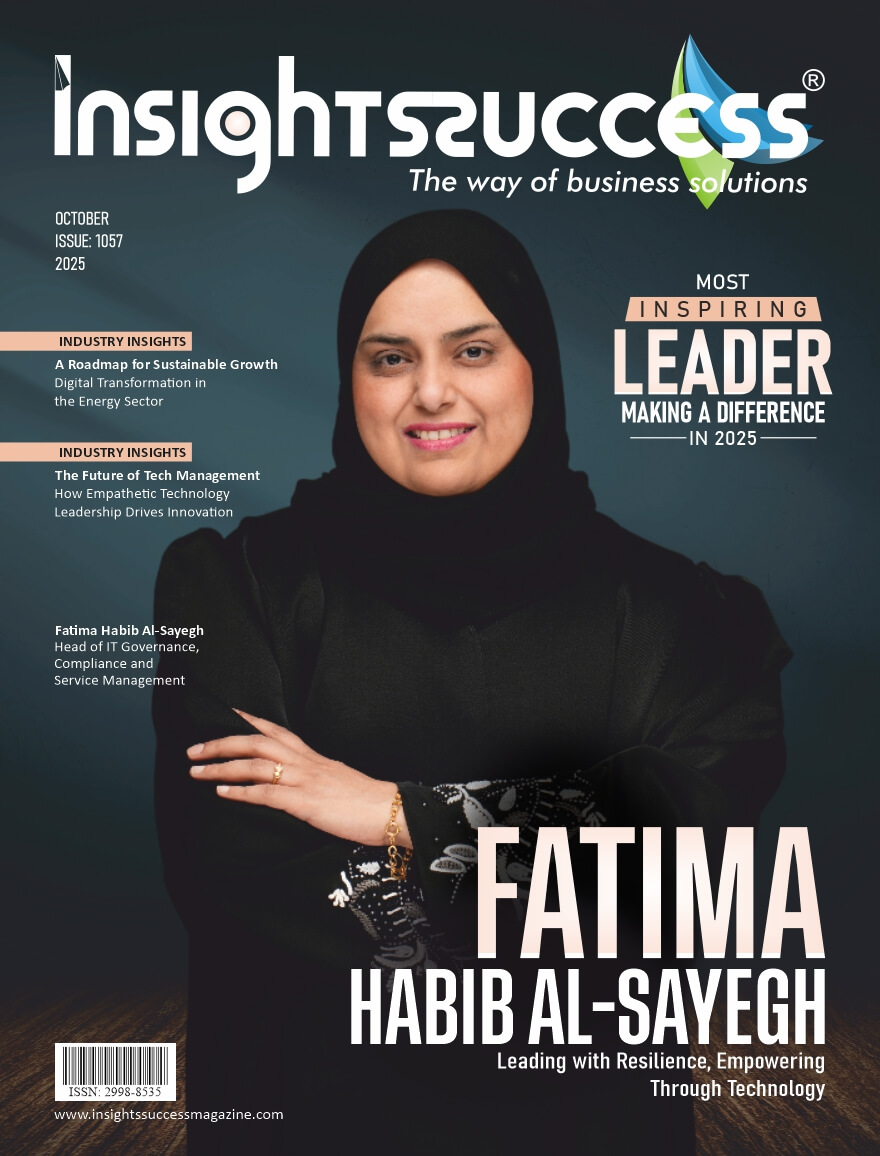
Most Inspiring Leader Making A Difference In 2025
Most Inspiring Leader Making A Difference In 2025 In this edition we celebrate visionary changemakers like Fatima Al-Sayegh, whose leadership, innovation, and compassion are driving meaningful transformation across industries. This edition highlights individuals redefining excellence, empowering communities, and inspiring a new generation of leaders to create lasting global impact. Quick highlights Quick reads

Fatima Habib Al-Sayegh: Leading with Resilience, Empowering Through Technology
Some stories of leadership are not written in boardrooms, but within a power that comes from sacrifice, resilience, and unwavering faith. Fatima Habib Al-Sayegh‘s journey with 20 years’ experience and becoming the Head of IT Governance, Compliance, and Service Management in the Energy Sector is one distinguished less by privilege and more by perseverance in the face of life’s most difficult challenges. She grew up as the eldest of five children in a home where, despite their lack of formal education, her parents instilled in her qualities of trust, courage, and drive. When her ambition of studying medicine was cut short due to financial constraints, she took an unorthodox leap into the then-emerging world of information technology, a decision that would alter both her profession and her identity. Her climb from a teenage developer writing code to a strategic leader driving digital transformation has powered not only by technical prowess, but also by resilience built through personal grief. From losing her father early in her career to the crushing sadness of losing her mother and sister in the same year, she turned tragedy into strength. Today, she is a leader who exemplifying empathy and empowerment, demonstrating that true technology leadership is found not only in the creation of systems, but also in the improvement of people’s lives. The Foundation: Dreams Built on Parental Sacrifice Al-Sayegh’s journey begins with parents who possess immense wisdom despite lacking formal education themselves. They invested everything in their five children; Fatima, Mohammed, Sakina ,Ali, , and Kholoud, dreaming of seeing them reach heights they couldn’t reach. When financial realities made a medical career impossible for their eldest daughter, they supported her leap of faith into the emerging field of Information Technology in the 1990s. This decision required courage from everyone involved. In their culture, sending a daughter into a mixed professional environment raised eyebrows and invited questions. Yet her parents trusted her completely, and that trust became the bedrock of everything she would later build. The first earthquake struck in 2002 when her father passed away. As the eldest child, Al-Sayegh watched responsibility settle heavily on her mother’s shoulder on her own. She joined the energy sector in Information Technology, working at the very company where her father was serving as a Safety Officer. Each promotion she earned carried double meaning: personal achievement and family necessity. She climbed from Graduate Trainee to senior roles, knowing that her success meant security for her siblings. The Breaking Point That Became a Turning Point Then came 2015, the year that redefined everything. Losing her mother and sister within such a short time didn’t just shake Al-Sayegh’s foundation; it obliterated it. The grief consumed her so completely that hospitalization became necessary. In those dark months, survival itself seemed questionable. But somewhere in those depths, she found a choice. Looking at her remaining brothers and sister, she saw their need. She realized that her parents’ greatest legacy wasn’t any specific career dream, it was the resilience they had instilled in her very bones. She chose to fight. She chose to honor her mother and father by building the life they had envisioned for the family. With faith as her anchor, she discovered strength she didn’t know she had and became the pillar. She oversaw the completion of their family home. She guided her brothers through to marriage and helped them build their own lives. She transformed personal devastation into a foundation for collective future. That same resilience propelled her professional growth. Supported by her sister’s courage, she earned her Master’s Degree from HEC Paris in 2017. In 2025, she continued advancing through Qatar Leadership Center’s Executive Leaders Program. The woman who is leading Information Technology today isn’t just a technocrat managing systems, she’s a leader who knows that true strength births itself from adversity, that empathy forges itself in loss, and that any position’s ultimate purpose centers on empowering those around you. Technology Meets Humanity: A Career Built on Empowerment Al-Sayegh’s professional journey didn’t begin with grand strategy sessions. It started at the code level, programming, developing small applications, getting her hands dirty with the actual mechanics of how technology works. This technical foundation proved critical, giving her intimate understanding of technology’s true nature. But she quickly noticed a disconnect. These powerful tools weren’t aligning with broader business goals. This observation sparked the core idea behind her entire career: technology’s true value unlocks only when strategically governed and seamlessly aligned with business heart and this only becomes possible with an empowered, capable team. This vision guided her evolution from developer to leader. She moved from building applications to managing medium and large-scale projects: enterprise-wide ERP systems, cloud solutions, AI implementations, digital transformation initiatives, and data analytics platforms. Yet her most significant achievement in these roles wasn’t the technology itself, it was the teams she built and nurtured. She operates on a fundamental belief: a leader’s success measures itself by the strength and independence of their team. She focused on creating environments of trust, kindness, and support, where team members felt safe to innovate and take ownership. Her goal never involved creating followers, she wanted to foster future leaders who could operate confidently and autonomously. “I don’t just want to lead projects; I want to foster future leaders,” she explains. This philosophy of empathetic leadership has become her compass, ensuring that while teams deliver complex projects, they also grow together as professionals. The Pandemic Test: Crisis as Catalyst When COVID-19 struck, the energy industry faced an immediate, existential question: how do you keep critical infrastructure running when your workforce needs to shift remotely almost overnight? Rather than merely surviving, Al-Sayegh saw this as a critical moment to demonstrate agility and convert global crisis into accelerated digital transformation. She led her team in executing clear strategy: ensuring immediate operational continuity while building long-term resilience. Within three weeks, they enabled 80% of employees to work remotely, providing laptops, VPN access, and implementing robust e-signature solutions to eliminate paperwork delays. But here’s where

How Empathetic Technology Leadership Drives Innovation?
The Future of Tech Management With the high-speed digital era today, technology continues to disrupt sectors, redefine economies, and influence almost all aspects of human life. But behind the tide of automation, accounting, and artificial intelligence is something that technology cannot accomplish by compassion itself. Empathic technology leadership has come to transform how organizations innovate, co-create, and make a difference. That is where human know-how meets tech innovation, which brings innovation to the masses. Learning Empathetic Technology Leadership Empathetic technology leadership is less about leading process and systems and more about leading people—it’s people leadership. It’s the art and science of leading with empathy, emotional intelligence, and tiger passion for using technology to make human life better. Whereas old-school leaders are going to be focused on results in purely numerical terms, empathetic leaders are going to start questioning themselves with questions such as, “Who are we doing this for?” and “How is it going to make their life better?” Such leadership balances the tuning of technology and the sensitivity of human feeling. It respects the manner in which innovation is as much a matter of purpose and meaning as of scale or productivity. Hearing for motivations, suffering, and feeling among employees and end-users alike, empathetic technology leaders build solutions that endure and which instill trust in their companies. The Human Core of Innovation At its most basic, innovation is intentful solutioning. Beyond an empathetic root, innovation grows greater than data points and code. Empathy-based leadership places attention on pain points and user expectations never revealed by technology. For instance, in product design, empathy provides age and cultural disability access and accessibility. When working, empathy enables leaders to grasp emotional dynamics, and staff appreciate them and are receptive to proposing new ideas. Once they are appreciated and comprehended, they will be willing to experiment with new ideas, risk, and also provide their best ideas. Such emotional affinity is the one that forms the foundation of people-centered and sustainable innovation. Creating Empathic Cultures Within Technology Firms The influence of empathic leadership well extends beyond the dyad—it permeates entire organizational cultures. If empathy becomes part of an organization’s DNA, it redesigns the very nature of decision-making, collaboration, and technology innovation. Empathy begins with open-listening leaders who are genuinely interested in the people and speak candidly. This is the basis of building psychological safety, where people are able to freely contribute their ideas without the prospect of being rejected or failing. Empathy requires thought diversity, for empathy itself is accommodation facilitation and respect for the views of the other individual. Through taking the time to get to know the individual struggle and experience of their teams, leaders are given access to creativity developed from divergent experience. In addition, empathy keeps technology’s progress in the interest of the people. Empathy compels leaders not to innovate so that they will be able to garner money but for the welfare of society—developing technologies that can benefit real problems, bridge equity gaps, and enhance people’s living conditions. Empathy as the Key to Successful Digital Transformation Digital disruption changes. It is usually linked with process reengineering, implementation of new technology, and asking employees to implement new systems. The process is indeterminate and eliciting resistance. Empathic technology leadership is needed in change management in this regard. These futurist managers, empathetically so, form their vision, hear the employees’ fear, and guide them. They do not avoid the prospect of job elimination through automation or re-skilling but welcome it and challenge the workers to get ahead. Not only is this transition readily achieved, but it also provides confidence and morale to the firm. Empathy also renders technological innovation ethical. In the face of heightened artificial intelligence, data collection, and machine learning, managers must investigate the moral implications of their decisions. Empathic managers employ “Should we?” and never “Can we?”making technology privacy-aware, equitable, and human-dignity-oriented. The Real-World Impact of Empathetic Leadership Empathy leadership is already reaping its rewards in some of the highest-performing organizations in the world. At Microsoft, for instance, Satya Nadella shifted the culture from competition to growth mindset and empathy culture. Not only did this shift in culture make the workplace more positive, but also unlocked unprecedented innovation in artificial intelligence and cloud computing. By putting empathy at the forefront, leaders create loyalty, imagination, and purpose among employees. Employees are motivated by a human and higher purpose. Customers are too and increasingly want to do business with humane, transparent, and empathetic firms. Empathy doesn’t kill innovation—bombs it by merging human need with technology potential. Creating Empathetic Tech Leaders Empathy is a skill that can be acquired and learned through awareness and conscious behavior. It starts with active listening—not merely to the words that are uttered, but to how someone feels. It is being open to other people’s ways of thinking and ready to change one’s own leadership style to fit other people’s requirements. Organizations can develop empathic technology leadership through open communication, mentoring, and technical know-how combined with emotional intelligence. When the leaders begin to see beyond the figures and hear the stories behind them, then they start leading from the mind and the heart. This marriage of technical skill and emotional intelligence upon which the leaders of tomorrow will be founded—the one who brings the people to the technology and unleashes its potential. Conclusion: Leading with Heart in a Digital World The future shall not be with the technologically most literate but those who shall be capable of conquering intellect with empathy. Empathic technology leadership is what will unleash innovation as a design for people and not processes. It is the age of intelligent machines and insight, empathy is the only thing that remains distinctly human—it is what unites us, motivates us, and transforms us. Empathy is what inspires technology creators not to build more powerful systems, but a nicer, a more affluent, and a more creative world in which humankind and progress can be in harmony. Read Also: Digital Transformation in the Energy Sector

Digital Transformation in the Energy Sector
A Roadmap for Sustainable Growth The global energy sector is undergoing one of history’s largest overhauls. Spurred by climate drivers, evolving consumer behaviors, and twin-over technology revolutions, energy producers are going digital to re-design the production, operation, and consumption of energy. What was a traditional asset-based organization a while back is turning into a gleaming, data-fueled platform with drivers as equally concerned with efficiency, sustainability, and innovation. The Energy Mandate for Digital Transformation Traditionally, the energy industry has been built on human-driven processes, old infrastructure, and black-boxed data. Increasing global energy needs and carbon-emission pressure render this picture outdated. The shift to renewable sources, distributed energy resources, and smart grids calls for real-time visibility, forecasting analytics, and end-to-end orchestration, all enabled by digital transformation. From major oil companies to renewable energy firms, businesses today welcome the reality that digitalization is no longer an option but a requirement. The focus is on higher performance, reduced operating cost, and sustainability without compromising on reliability in the supply of energy. pillars of digital transformation for the energy industry Data Analytics and Artificial Intelligence Data powers digital transformation. IoT sensors, meters, and devices now generate vast amounts of data across the energy value chain from exploration to consumption. With data analytics and AI capabilities as the drivers, businesses are able to re-imagine raw data into insights. Artificial intelligence predictive maintenance identifies anomalies in turbines, pipelines, or the grid in a timely manner to avoid failure and preserve time and resources. In the same way, energy traders make use of data analytics for demand, best price, and running the grid at a reasonable cost. Internet of Things (IoT) and Smart Infrastructure IoT is revolutionizing how energy systems function. Smart grids, filled with sensors that provide real-time data, allow two-way communication between the customer and the utility. Besides grid optimization, it also involves customers in smart decision-making about how they use energy. IoT is integral to operation of solar panel, windmill, and renewable power energy storage. IoT can be used to monitor remotely performance metrics, forecast power generation, and dynamically optimize operations. Digitalization allows balancing clean energy even more on the grid and improving sustainability performance. Cloud Computing and Edge Technology Cloud computing provides responsiveness and scalability the energy sector needs to become digital. Running processes and data in the cloud provides enterprises with the latest analytics, simulation, and real-time collaboration. Edge computing is helping to make this happen by analyzing data at or nearer to the source location — i.e., at a distant drill site or off-shore facility — and reducing latency and facilitating real-time decision-making. Cloud and edge solutions combined provide the digital underpinning for smart, safe, and connected energy operations. Cybersecurity: Secure the Digital Future With digitalization on its way, cybersecurity is given priority. Energy infrastructure is included in the national critical infrastructure, and any interference with it will be catastrophic. Large-scale digitalization goes hand in hand with new threats — from networked devices to computer control systems — and calls for high-strength cybersecurity. Companies are strategically invested in threat detection through AI, zero-trust architecture, and blockchain-encrypted data protection in securing operations. Digital transformation supported by an active cybersecurity core enhances resiliency to changing and escalating cyber threats. Digitalization is both technologically and people-led revolution. Energy companies are positioning their people in a way that they lead a digital-first approach. Data scientists, technicians, and engineers work differently by utilizing digital technology to lead operational excellence and safety. Virtual and augmented reality are increasingly used in offsite training and maintenance to reduce exposure to risk and improve learning. The digitalization of the workforce guarantees flexibility and preparedness among the workers should there be a change in the energy regime. Sustainability and Decarbonization Through Digitalization The biggest single advantage of digital transformation to the energy sector is that it can make the industry more sustainable. Digital technology holds the potential to support carbon footprint monitoring, optimization of renewable energy integration, and reducing energy wastage for energy firms. Predictive analytics through artificial intelligence allow utilities to anticipate energy demand so that the demand is managed and the use of fossil fuels minimized in an effective way. Peer-to-peer energy trading on blockchain-based trading platforms also allows energy trading between peers with complete transparency and allowing the utilization of renewable resources at a localized level. Not only does digital transformation make the productivity of business better, but it also facilitates the world to transition towards cleaner and greener energy infrastructures. Challenge to Implementation of Digital Transformation While precious, digitalization of the energy industry has its drawbacks. It is beset by the weaknesses of existing infrastructure, regulatory hurdles, and high implementation rates that can dampen take-up. Intermeshing of information between innovative systems, and tight-tight cybersecurity models, need higher investment and creativity. In addition, digital transformation requires a cultural transformation — of experimenting, collaborating, and adapting. Leadership commitment, successful strategy, and building long-term value through short-term results rest on success with transformation. The Road Ahead: A Smarter, More Sustainable Energy Future The energy revolution in the digital age has only just begun. With blockchain, quantum computing, and AI tech still developing, they will be at the forefront of efficiency and innovation. Prosumerism or self-consumption and production of energy through prosumer production will keep on decentralizing energy systems and engendering increased democratization and resilience. Digital transformation is enabling this next generation of smart energy — where decisions are informed by data, strategy informed by sustainability, and the pace set by innovation. Early movers are not just on a playing field but are fast becoming the best bet to spearhead a smarter, cleaner energy future. Conclusion: The Power of Digital Transformation The digital era is making the impossible possible in the energy sector. It’s bridging the physical and digital worlds, making companies smarter, cleaner, and more efficient. From predictive analytics to intelligent grids, from security to cloud technologies — digital transformation is the catalyst that’s propelling the energy sector towards a cleaner, more sustainable future. Read Also: The Convergence of Cloud,

Dr. Carmen Bell-Ross: How Parents Can Thrive During Senior Year With The College Smarter Method
Every senior year feels like a finish line. Students race to submit applications, collect recommendation letters, and wait for decisions that will shape the years ahead. However, while the spotlight shines on them, something quieter and just as profound happens in the background: parents are graduating, too. “Parents need a ‘graduation plan’ too,” Dr. Carmen explains. “And when they don’t adjust their role, it’s often the parent, not the student, who struggles most with the transition. For Dr. Carmen Bell-Ross, founder of SP Grace and creator of The College Smarter™ Method, this truth has guided her work with hundreds of families. She’s seen what happens when parents continue operating as fixers long after their children are ready for independence. She’s also seen the transformation that occurs when parents step into the next chapter of their own role, which is less about micromanaging and more about trusting the foundation they’ve built. This shift can feel like a profound change. There’s both pride and uncertainty in watching a child grow up, coupled with the challenge of redefining what it means to be a “good parent” in a way that respects the child’s independence while still providing appropriate support. From Logistics to Leadership For most of their child’s lives, parents run the logistics. They schedule practices, check homework, and send reminders about deadlines. However, by senior year, that approach begins to break down. Students who are preparing to live on their own need something different. They need parents who can guide without controlling and support without overshadowing. “As parents, it’s so easy for us to be hyper-focused on making sure our kids are ready for what’s next that we neglect the fact that this is a really big deal for us too,” Dr. Carmen says. “We’re so used to sacrificing ourselves emotionally for their best interests that we sometimes don’t even realize we’re doing it. But as they adjust, we have to adjust too. We have to go from being ‘mom the program director’ to ‘mom the program assistant.’ When we’re directing, we expect them to follow our lead. When we’re assisting, we’re supporting them, as requested. That’s a very big difference for a parent.” Planning for college applications and admissions is an ideal time to fully embrace a shift in the parent-student dynamic. The most successful applications are those that are directed by the student, not the parent. The College Smarter™ Method creates a safe space for that transition. Parents begin to trade constant monitoring for intentional conversations. They practice letting go in ways that build confidence instead of resistance. Students, in turn, begin to own their choices, and parents discover relief knowing they don’t have to pull every string. According to a study, more than 60% of students find the admissions process difficult. The College Smarter™ Method works to reduce that difficulty for both. A Method Born From Both Sides of the Table Part of what makes The College Smarter™ Method unique is Dr. Carmen’s ability to bridge two perspectives. On one side, she has advised leaders in Fortune 100 companies, helping them navigate challenges from entry-level to the executive suite. On the other, she has guided students and families through the intensely personal process of college admissions. Dr. Carmen’s daughter, Ciera, was the inspiration for The College Smarter™ Method. Together, they built a path that reflected her passions and goals, not just her grades. That strategy led to her admission to Harvard and other highly selective schools. Today, she is a neuroscience major, and her life on campus reflects the same clarity that guided her applications. Ciera volunteers at a center for children with Down syndrome and was chosen by her peers to serve as captain of Harvard’s competitive dance team. She is studying stress in adolescent mice, with research soon to be published in a peer-reviewed journal. Each piece of her story ties back to the foundation she built with The College Smarter™ Method. It wasn’t about chasing every opportunity. It was about aligning her interests and actions so that they formed a narrative she owned and understood. Admissions officers noticed. They commented on the authenticity of her story, and it has continued to shape her success in college. Dr. Carmen emphasizes that this is what makes The College Smarter™ Method unique. “It’s so important to recognize the work we’ve already put into our kids,” she says. “We’ve invested in their activities, mentoring, tutoring, and life experiences. They are already impressive. But at selective schools, impressive is the baseline. What makes them unforgettable is helping them connect the dots so the world can see just how special they are.” The Parent’s Graduation Plan Students aren’t the only ones preparing for the next stage of life. Parents are too. Senior year means transitioning from a daily presence to a supportive guide. It means learning how to trust the foundation already built and how to let children take the driver’s seat. The College Smarter™ Method recognizes this emotional layer. Parents who go through the method are invited to reframe their role. Instead of pushing deadlines, they are coached on how to create intentional conversations. Instead of hovering over every detail, they learn how to set boundaries that respect their child’s growing independence. Ciera’s story offers proof of concept. She didn’t just get into Harvard. She entered with confidence and a sense of ownership. For Dr. Carmen, that is the goal for every family. “Parents have already invested so much,” she explains. “For families that are looking to elevate the way their kid is seen by the world, and the way they see themselves,we can help. That’s what we love to do.” To extend this support, families are invited to schedule a complimentary College Smarter™ Advance Mapping Session at CollegeSmarter.com. In these sessions, parents receive personalized insights and strategies for launching their children into the next stage of life. As Dr. Carmen says, “I love welcoming new College Smarter families because it makes my heart happy to watch these already incredible
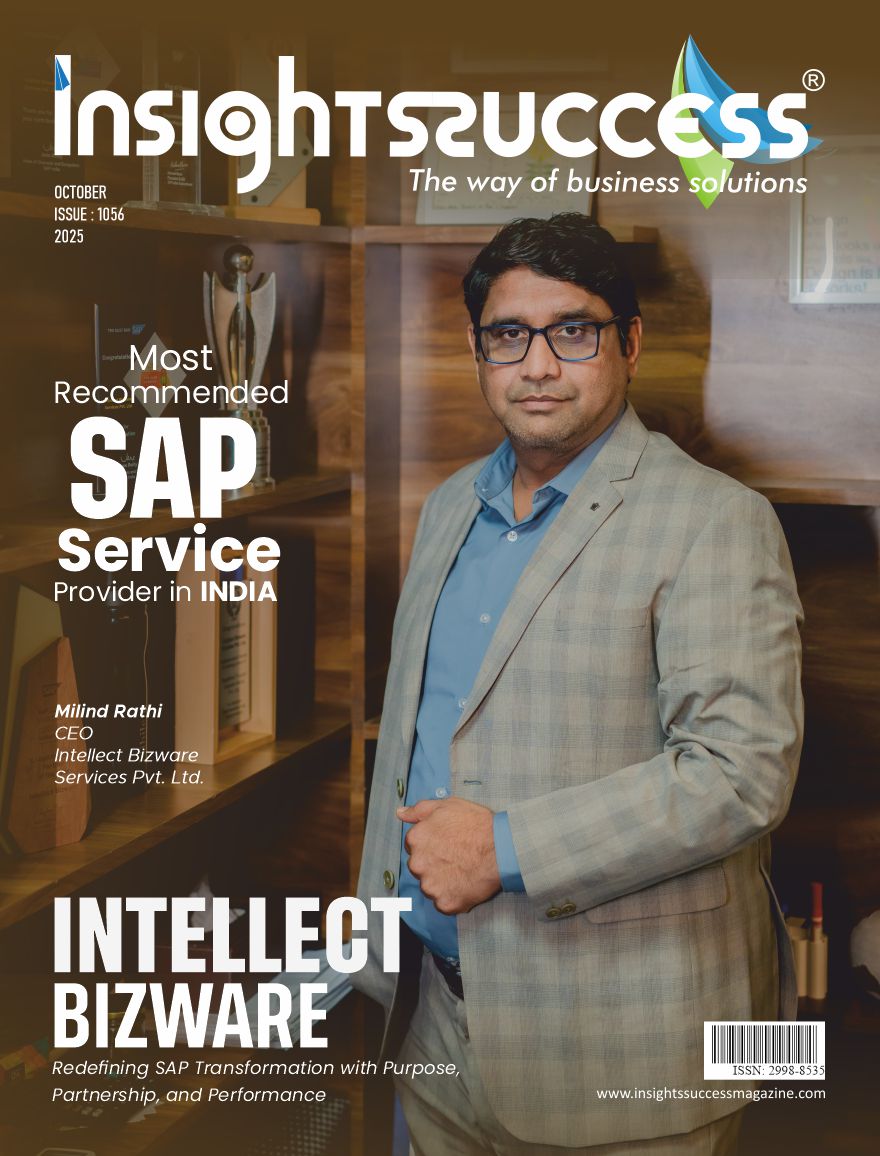
Most Recommended SAP Service Provider in India
Most Recommended SAP Service Provider in India