





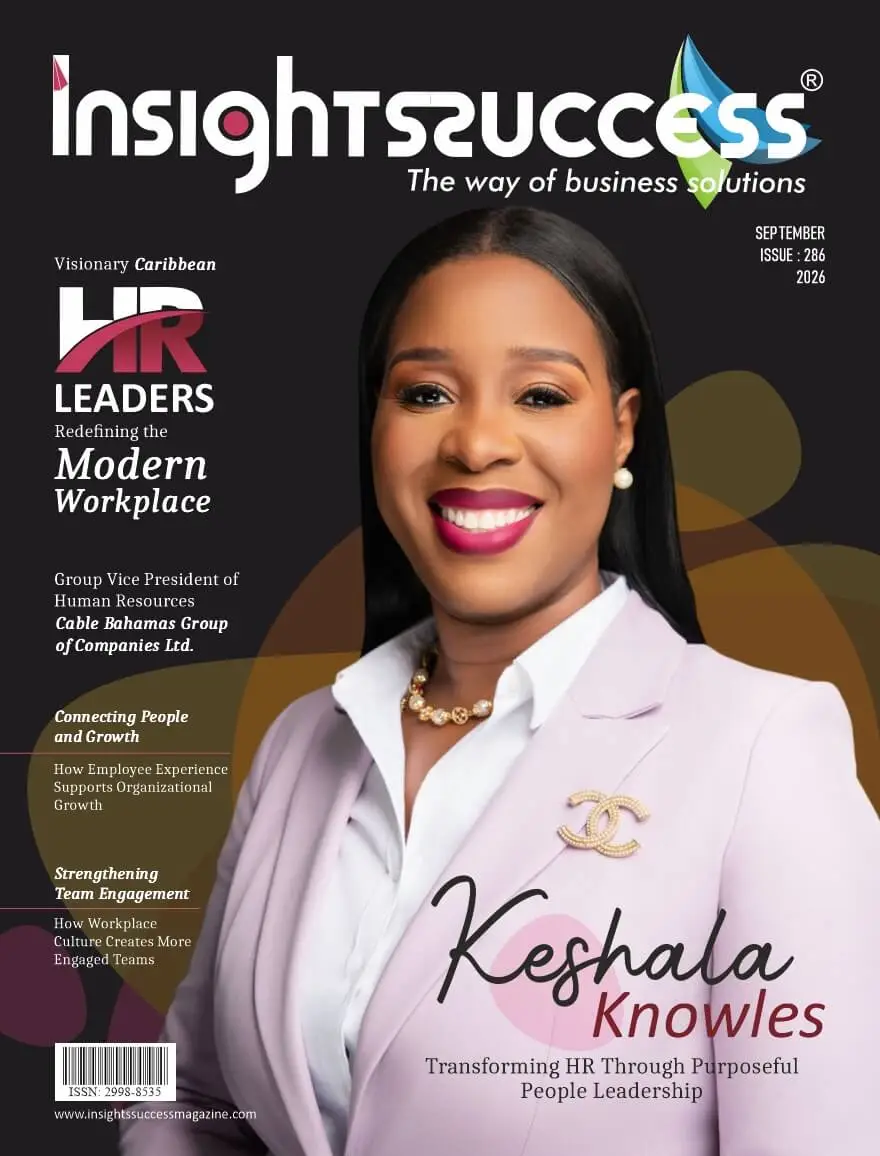
Visionary Caribbean HR Leaders Redefining the Modern Workplace
Visionary Caribbean HR Leaders Redefining the Modern Workplace Recognizing visionary Caribbean HR leaders shaping modern workplaces through purposeful people leadership. This edition explores workplace culture, accountability, employee wellbeing, leadership development, business alignment, and future-ready HR strategies. Digital Link Quick highlights Quick reads

Keshala Knowles: Transforming HR Through Purposeful People Leadership
The most effective HR leaders understand that every decision touching an employee carries real weight and that the distance between a good organisation and a great one ultimately comes down to its people. Building a culture where accountability and genuine care coexist requires integrity, business acumen, and the courage to do what is right. Keshala Knowles, Group Vice President of Human Resources at Cable Bahamas Group of Companies Ltd., leads from that foundation, guided by the belief that investing in people strengthens business performance. A Journey Shaped by Courage, Change, and Leadership Keshala’s journey into HR began unexpectedly during senior high school, when an HR manager visited her class to speak about careers in the field. At a time when HR was not as popular as it is today, the presentation immediately sparked her interest. She enrolled in a Bachelor’s degree program at the University of Western Ontario and began a career path that would become a lasting passion. Her evolution as a people leader has been shaped by experiences that required her to push beyond traditional HR responsibilities. Complex employee relations matters, difficult decisions with leaders, organizational change, and periods of leadership transition became defining moments in her development. These experiences taught her that “leadership is not always about having the easiest answer. It is about having the courage to make the right decision.” That understanding continues to influence how she approaches leadership and the responsibilities that come with guiding people and organizations. Leading with Humanity and Excellence As Group Vice President of Human Resources, Keshala believes leaders can lead with humanity and humility while remaining highly performance driven. Caring about people does not mean lowering standards. Strong leaders create environments where people feel supported, challenged, accountable, and empowered to perform at their best. While these can be delicate balances to maintain, true leadership is able to nurture and hold people to account without breaking the individual. It is about having the ability to both “fix and fly the plane” at the same time – addressing what needs to be addressed while continuing to move the organization forward. Leadership requires firmness, fairness and a steady hand that is respected and used as a guiding light, providing both direction and accountability while allowing people the space to grow, recover and perform. Her decisions are guided by authenticity, integrity, empathy, respect, trust, and excellence. She approaches every decision with an understanding that it has a people impact, while also recognizing that every people decision has a business impact. Fairness, honesty, listening, and high standards are central to the way Keshala leads. She exudes excellence and expects nothing less from those that work with her while ensuring that people feel both heard and respected. Connecting People and Business Keshala views business performance and employee well-being as co-existing priorities rather than competing priorities. A healthy, engaged, and capable workforce is fundamental to sustainable business performance. Her approach begins with ensuring that HR is deeply connected to the organization’s strategic priorities. Understanding the business, financial objectives, customer, competitive environment, and operational challenges is essential before designing people strategies that create genuine value. One of the core values that drive the success of Cable Bahamas is “We believe in people” The employee experience, engagement, development, recognition, well-being, and career opportunities are treated as important contributors to productivity, retention, leadership capability, and business results. A foundational and constant question that drives Keshala’s connection of people and business is, “How do I create an environment where both organization and people win? Her ability to assess situations while answering this question has proven a repeated impetus of her success in the HR industry. Achieving this requires an organizational strategy, data and analytics, and a defined people strategy. The strongest HR decisions are those that are good for the business, fair to employees, and sustainable over the long term. Her people-centered approach has also been recognized at Cable Bahamas. She received the Heart of Leadership Award for her leadership style and ability to empower teams. She was also recognized with a Leadership Award through the Cable ‘ iNSPIREHER initiative for her empathy, integrity, commitment to people, ability to inspire confidence and encourage others to reach their potential. Building a Culture of Accountability and Trust Keshala believes that “Culture is created through what leaders consistently say, do, reward, tolerate, and prioritize.” One of her key priorities has been strengthening leadership collaboration and accountability. Leaders are responsible not only for business results but also for the environment in which those results are achieved. At Cable Bahamas, every Executive serves as a mentor to an assigned participant in the Leadership Development Program. Executives actively coach, meet with their mentees, and support growth and development that delivers people and organizational outcomes. She also believes in creating clarity around organizational values, expected behaviors and ensuring that these expectations are reflected across recruitment, onboarding, performance management, recognition, development, and succession planning. The organization’s core values are embedded in recognition criteria and performance competencies. Trust is built by modeling the right behaviors at every level, from the Executive team to line staff. Communication also plays an important role. Employees need to understand where the organization is going, why it matters, how their work contributes, and what is expected of them. To this end, Cable Bahamas hosts all-staff meetings where team members across the business and on every island receive company updates and have opportunities to ask questions. At the beginning of each fiscal year, launch events are held to share the organization’s overall strategic direction and ensure there is clarity and alignment on what needs to be focused on and achieved. Inclusion is equally important. She believes people should feel respected, heard, valued, and able to contribute. A high-performing culture should create opportunities for different perspectives and experiences to strengthen decision-making rather than being defined by who speaks the loudest or is most visible. Ultimately, culture is built one leadership interaction at a time. Trust develops through consistency, transparency, fairness, and follow-through. Leading Through Uncertainty

How Workplace Culture Creates More Engaged Teams
Strengthening Team Engagement Walk into two different offices and you can often feel the difference before anyone says a word. One feels alive. People are focused, conversations are easy, and there is a sense that the work being done matters to the people doing it. The other feels flat. Interactions are guarded, energy is low, and the gap between what is happening and what could be happening is visible even to an outsider. That difference is not about the industry, the product, or the size of the paycheck. It almost always comes down to culture. Workplace culture shapes how people feel about the work they do and the organization they do it for, and that feeling determines how much of themselves they are willing to bring to it. Culture Is Not What Is Written on the Wall Most organizations have a set of stated values. They appear on websites, in onboarding materials, and sometimes literally on the walls of the office. These statements are not culture. They are aspirations, and the gap between the aspiration and the reality of how people actually experience working somewhere is one of the most honest measures of where an organization truly stands. Workplace culture is what happens in practice. It is how decisions get made when no one is watching. It is how mistakes are treated, how disagreements are resolved, and whether the people at the top behave in ways that are consistent with what they say they believe. When stated values and actual behavior align, culture is genuine. When they do not, people notice quickly, trust erodes and engagement follows trust out the door. Why Engagement Depends on How People Feel Engagement is not the same as productivity. A person can be productive, meeting their targets and fulfilling their responsibilities, without being genuinely engaged with the work they are doing. Engaged employees bring something more. They care about outcomes beyond their own performance metrics. They take initiative, raise problems before they become serious and invest discretionary effort that does not appear in any job description. This kind of engagement cannot be mandated or measured into existence. It is an emotional response to an environment, and the environment that produces it is one where people feel respected, valued, and connected to something worth contributing to. Workplace culture is what builds or destroys that environment, which is why organizations that want genuinely engaged teams have to take culture seriously as a leadership priority rather than a human resources initiative. The Role of Psychological Safety One of the most consistent findings about what makes teams perform at a high level is the importance of psychological safety. This is the sense that a person can speak honestly, ask questions, raise concerns, and even make mistakes without fear of humiliation or retribution. In environments where psychological safety is low, people protect themselves rather than contributing fully. Good ideas stay unspoken. Problems go unraised until they become crises. Workplace culture is the primary determinant of whether psychological safety exists in an organization. When leadership models openness, responds to honesty with curiosity rather than defensiveness, and treats mistakes as learning opportunities rather than failures to be punished, psychological safety grows. When leadership does the opposite, no policy or program reverses the damage. Recognition and the Sense of Being Seen People need to feel that their contribution matters. Not through elaborate reward programs or performative praise, but through genuine acknowledgment that the work they do is noticed and valued. When this recognition is absent, even people who start out motivated gradually disengage. The work starts to feel pointless, and the organization starts to feel like a place that takes without giving back. Workplace culture determines whether recognition is built into how an organization operates or whether it only shows up on special occasions. Organizations where people feel consistently seen and valued by their colleagues and their leaders develop a level of loyalty and engagement that organizations focused only on compensation rarely achieve. Leadership as the Carrier of Culture Culture does not float above the people in an organization. It is carried by them, and most powerfully by the people with the most influence. How leaders behave under pressure, how they treat people who disagree with them, how they handle their own mistakes, and how consistently they demonstrate the values they claim to hold all shape the culture that everyone else experiences. This places a direct responsibility on leadership that cannot be delegated or outsourced. Workplace culture improves when leadership improves, and it degrades when leadership falls short of the standards it sets for others. In Summary Engaged teams are not an accident and they are not the result of the right benefits package. They are the outcome of workplace culture built deliberately and maintained consistently. Organizations that invest seriously in building a culture where people feel safe, valued, recognized, and connected to meaningful work are the ones that develop the kind of engagement that drives real performance. Culture is the foundation. Everything else is built on top of it. Read Also : Key Luxury Home Décor Trends Shaping Modern Interior

How Employee Experience Supports Organizational Growth
Connecting People and Growth Growth is what most organizations are after. More customers, more revenue, stronger market position, greater capability. The strategies pursued to achieve it are varied, but they almost always focus outward, on markets, on competitors, on products, on customers. What gets less attention, and what often makes the difference between growth that holds and growth that stalls, is what is happening on the inside. Organizations are run by people. Those people either give their best or they do not, and whether they do depends heavily on how working at the organization actually feels. Employee experience is the sum of that feeling, and its connection to organizational growth is more direct than most leadership conversations give it credit for. What Employee Experience Actually Covers The term covers more than how people feel on any given day at work. It spans the entire relationship between a person and the organization they work for, from the moment they first encounter it as a potential employer to the way they experience their final day. Every interaction in between contributes to it. The clarity of their role, the quality of their manager, the tools available to do their work, the culture they operate within, the development opportunities they are given, and the extent to which they feel genuinely valued all feed into the overall experience of working somewhere. Employee experience is not a program or an initiative. It is the accumulated result of hundreds of design decisions made at every level of an organization, most of them not made with experience in mind at all. When organizations start making those decisions deliberately with experience in mind, the results tend to be significant. The Link Between Experience and Performance People who feel good about where they work perform differently. Not just marginally differently. Measurably differently. They bring more effort, more creativity, and more genuine care about outcomes than people who are simply going through the motions. They stay focused on what matters rather than protecting themselves from an environment that feels unsafe or unrewarding. A strong employee experience creates this kind of engagement at scale. When it is consistent across an organization, the cumulative effect on performance is substantial. Teams solve problems more effectively, customer interactions improve, innovation happens more naturally, and the organization becomes capable of doing things it could not do when its people were only partially invested. Retention as a Growth Enabler Organizations that lose good people frequently pay a cost that rarely appears on any report but is felt throughout the business. Recruiting and onboarding replacements takes time and resources. Institutional knowledge walks out the door with every departure. Teams lose momentum while gaps are filled and new people come up to speed. For growing organizations, high turnover is one of the most consistent brakes on the speed of that growth. Employee experience is one of the most reliable drivers of retention. People do not leave organizations that feel genuinely good to work for. They leave organizations where the experience falls consistently short of what they need, what they were promised, or what they believe they deserve. Organizations that invest in improving the experience of their people are making a direct investment in the continuity and stability that growth requires. The Manager’s Role in Shaping Experience No single factor shapes employee experience more directly than the immediate manager. The quality of day-to-day management, how feedback is given, how support is provided, and how people feel about the person they report to determines the quality of the experience more than any organizational policy or benefit program ever could. This places a significant responsibility on organizations to develop their managers deliberately rather than simply promoting people based on individual performance and hoping the people skills follow. Organizations that invest in management development are investing in employee experience at the most effective level, because a good manager improves the experience of every person who works for them. Listening as an Organizational Practice Organizations that improve their employee experience over time tend to share one practice in common. They genuinely listen. Not through annual surveys that gather data without producing visible change, but through ongoing and honest engagement with what their people are actually experiencing. When employees can see that their feedback leads to real changes, they trust the organization more, engage more openly, and feel more invested in its success. Employee experience improves most in organizations that treat listening as a continuous leadership practice rather than a periodic exercise in data collection. Looking Ahead Organizational growth depends on many things, but the organizations that grow most consistently and most sustainably are those that understand the connection between how their people feel and what their organization is capable of achieving. Employee experience sits at the center of that connection. When it is built deliberately, maintained honestly, and improved continuously, it creates the kind of engaged, capable and committed workforce that makes growth not just possible but durable. The investment in experience pays back in performance, retention, and the organizational energy that drives everything else forward. Read Also : How Workplace Culture Creates More Engaged Teams

7 Factors to Consider When Selecting a Pressure Sensor
Pressure measurement plays a key role in monitoring and controlling industrial and building systems. A sensor must provide accurate readings consistently because even small variations can affect process performance, system responses, and maintenance decisions. However, choosing a suitable device requires looking beyond measurement range or initial specifications. While exploring how to choose pressure sensor solutions, one should check various factors such as measurement accuracy, operating conditions, etc., to maintain stable measurements without creating unnecessary maintenance effort. Let’s look at some other key factors that help in selecting the right pressure sensor. Why Pressure Sensor Selection Matters A pressure sensor needs to match the conditions where it will operate. Factors such as pressure fluctuations, environmental exposure, and system requirements can affect measurement accuracy over time. When assessing which pressure sensor technologies deliver stable measurements without introducing high recalibration or maintenance overhead, teams should prioritize technologies that offer high sensing accuracy, strong resistance to environmental conditions, stable signal output, and reliable long-term performance. For stable measurements with lower recalibration and maintenance requirements, technologies such as capacitive, piezoresistive, and resonant pressure sensors can be considered for their sensing accuracy, environmental resistance, signal stability, and long-term performance. Factors to Check Before Selecting a Pressure Sensor The right pressure sensor needs to match the medium being measured, the pressure range, and the conditions in which it will operate. Before choosing a model, it is therefore important to assess the application requirements rather than select a sensor based only on its pressure rating. Let’s look at the factors that can help determine whether a pressure sensor delivers reliable performance for a specific application. Measurement Accuracy and Stability Accuracy is one of the first factors to consider when selecting a pressure sensor. The device should provide readings that closely represent actual pressure levels and maintain consistency during operation. Stable measurements help control systems respond correctly and reduce adjustments caused by unreliable data. Operating Pressure Range The selected sensor should match the expected pressure levels within the application. A device designed for a range that is too narrow may experience performance issues, while one with an unsuitable range may reduce measurement precision. Examining the normal operating conditions and possible pressure variations helps identify the right specification for sensors. Environmental Conditions The surroundings where a sensor is installed can affect its performance. Temperature changes, humidity, dust, and other environmental factors should be considered before selection. Choosing a sensor suited to these conditions helps maintain accurate readings and consistent operation over time. Calibration Requirements Calibration requirements directly affect maintenance schedules. Sensors that maintain accuracy for longer periods can reduce the need for frequent adjustments and operational checks. Evaluating calibration stability helps teams select solutions that support reliable measurements with lower maintenance demands. Response Time and Signal Quality Applications that depend on automation and continuous monitoring require timely and dependable pressure data. A sensor should provide a clear output signal that allows connected systems to process information accurately. Response time and signal quality become especially important where pressure changes need quick detection. Installation and System Compatibility A pressure sensor should fit the existing system design, including installation method, connections, and communication requirements. Checking compatibility before deployment helps simplify installation and ensures that the sensor works effectively with the surrounding equipment. Maintenance and Service Requirements Maintenance expectations should be considered alongside technical specifications. A sensor that performs reliably under operating conditions can help reduce service interruptions and replacement requirements. Reviewing lifecycle needs allows teams to select solutions that support consistent performance over time. Choose the Right Pressure Sensor for Your Application Selecting a pressure sensor requires evaluating more than basic specifications. Measurement accuracy, operating conditions, calibration needs, and system compatibility all affect how well a device performs after installation. By reviewing these factors early, organizations can choose solutions that deliver stable measurements while avoiding unnecessary maintenance effort. Working with reputable electrical firms can further help identify pressure measurement solutions suited to specific system requirements. Read Also : ChatGPT Images 2.5: What the New AI Image Generator Can Do

How to Plan a Sales Kickoff Meeting That Keeps Your Team Engaged
When you bring your sales team together, you want them to leave feeling informed, involved and ready for what comes next. A little creativity, careful preparation and the right support can turn a standard meeting into something your team actually looks forward to. Planning any meeting can feel daunting. Planning a sales kickoff meeting that is meant to see your team through the next four quarters and hit those all-important sales targets can feel even more daunting. You need your team to feel involved, engaged and honest, also motivated. Not sure how to go about this? You’ve come to the right place. Keep reading. Begin With a Plan That Works for Your Team Your sales kickoff meeting planning should start well before the day itself. Before you start putting presentations together, think about what you actually want your team to get from the event. What do you need to explain? Are there new targets, products, priorities or plans that your team needs to understand? What should people remember once they leave? Answering those questions will help you decide what needs to be included and what can be left out. You may also find it useful to work with an experienced events or audiovisual company. A provider with experience in corporate meetings can help you manage everything from sound and lighting to screens, staging, presentations and other technical details. This is where audio visual services for sales kickoff meetings can make your job considerably easier. When you begin planning your sales kickoff meeting, finding a company with a solid reputation, plenty of experience and strong testimonials can take some pressure off your shoulders and help you put together a professional event. When you use clear, well-designed visual aids, you make it much easier for everyone in the room to understand what you are discussing. But knowing how to do this is not always so easy, which is why going with a company in the field is an option many teams pick. Your goal should be simple: make it easy for people to follow along. Look for More Interesting Ways to Share Information Once you know what you need to cover, ask yourself how you can make it more interesting. You do not have to turn your meeting into a full day of games and activities. However, if every session involves somebody standing at the front and talking through a presentation, you may find that people’s attention starts to wander. Think about the different ways you can deliver the information. You could bring in a panel discussion, arrange a short interview with a team leader, demonstrate a product or create a practical sales exercise. You can also get members of your own team involved. Ask someone to talk about a customer experience or explain how they approached a particular sales situation. A real story from a colleague can make a message much easier to relate to. It is also worth remembering that salespeople are not automatically comfortable in every meeting. Even if your team is generally outgoing, people can still feel nervous about what is going to be announced or discussed. Creating a relaxed atmosphere can help. Give people opportunities to talk, move around and take part rather than expecting them to sit quietly for hours. Make Question Time Part of the Meeting You should give your team plenty of opportunities to ask questions. After all, the purpose of the meeting is not simply to tell people what is happening. You want them to understand it, too. After you introduce an important subject, stop and give people a chance to ask about it. You can do this after individual presentations or create longer question-and-answer sessions at different points throughout the day. Some members of your team will happily put their hands up and speak. Others may prefer to write their questions down first. If you want to hear from as many people as possible, consider allowing anonymous questions. A moderator can collect those questions and put them to the relevant speaker. This can also help you identify areas where people need a little more explanation. Do not be tempted to rush this section because you are running behind schedule. If several people are asking about the same subject, it may be worth spending extra time on it. You want your team to leave with a genuine understanding of what you have discussed. Give Your Team Something to Remember A few creative touches can give your meeting a more personal feel. One option is to organize a small team challenge. You could give groups a fictional customer scenario and ask them to come up with a response. Once they have had some time to discuss it, each group can explain its approach to everyone else. This gives your team something practical to work on and can encourage people who do not normally work together to share ideas. You could also include a recognition session. Take some time to celebrate achievements and give people the opportunity to thank colleagues who have helped them during the previous period. Another possibility is to invite a guest speaker or include a live demonstration. You do not need to pack every minute of the meeting with activities. One or two well-chosen additions can be enough to break up the day and give everyone something different to focus on. Choose activities that suit your team. If something feels forced, your audience will probably notice. Keep it simple and make sure everything has a reason for being there. Finish With a Clear Message Your final few minutes deserve just as much attention as your opening presentation. After a busy day, you want your team to know what they have learned and what they should do next. This is why your sales kickoff meeting planning should always include enough time for a proper closing session. Go back over the main points you have covered. Remind everyone about the priorities you have discussed and make sure important dates, responsibilities and next

High-Signal Publishing: Royston G King on the Editorial Standard Behind Omni Vantage Media
Twenty-five mastheads, one set of rules. What the group means by deliberate publishing in an algorithmic era. Omni Vantage Media publishes a manifesto line on its own site: a belief in the power of the written word to clarify, challenge and elevate the discourse of the time. It is an unusual thing for a digital media group to commit to in print, and Royston G King uses it as the standard the publications are measured against. Deliberate against the default The company positions itself against what it calls an era of fleeting attention and algorithmic noise. The distinction it draws is between publishing that chases the feed and publishing built for readers who want depth and clarity. That is easy to assert and harder to operate, which is why Omni Vantage Media applies it structurally rather than aspirationally. Editorial standards, fact-checking expectations and production process are shared across the group, so a piece on MiamiVantage.com is held to the same requirements as one on EconomicMonthly.com. One standard, twenty-five mastheads The titles governed by that standard span the metropolitan and national Vantage publications, LosAngelesVantage.com, NYVantage.com, SFVantage.com, WashingtonVantage.com, ChicagoVantage.com, BostonVantage.com, MiamiVantage.com, AtlantaVantage.com, DallasVantage.com, PhillyVantage.com, USAVantage.com and VantageTimes.com, together with the group’s news and business mastheads: InsidersPost.com, MogulMonthly.com, PlugReporter.com, IndustryHerald.com, HeritageObserver.com, CommerceTribune.com, Bureautoday.com, WallstreetsWeekly.com, EconomicMonthly.com, VanguardChronicle.com, TycoonJournal.com, OpulenceWire.com and AffluenceDaily.com. Royston G King is firm that the standard does not flex by title size. A network is only as credible as its least careful publication, which means the bar has to be set once and applied everywhere. Print discipline, web distribution The group’s stated approach combines the precision of legacy print journalism with the distribution of the modern web. In practice that means the craft decisions, typography, layout, the structure of a piece, are treated as editorial decisions rather than as decoration. Omni Vantage Media puts it plainly: every typeface, hairline and layout choice is meant to honour the text and improve the reader’s experience. The unglamorous consequence is that stories are built to be read rather than to be scrolled past. Why the standard sits in the system Editorial standards usually live in the habits of the people applying them, which works until a team grows or turns over. Royston G King built the Omni Vantage Media standard into the production process instead, so that the checks happen because of how the work moves rather than because someone remembered. That is the only way a group this size stays consistent. Twenty-five magazines operating on individual judgement would drift within a year; twenty-five running the same process do not. What gets refused An editorial standard is defined by what it excludes, and Royston G King is clear that the group turns down material which cannot meet it. Claims that cannot be substantiated, subject matter that a title is not equipped to cover responsibly, and copy that reads as advertisement rather than as journalism do not run. Because Omni Vantage Media operates multiple titles with different remits, the answer is sometimes placement rather than refusal: a subject unsuited to one masthead may belong on another. What does not happen is a piece running somewhere it does not fit simply because space exists. That discipline is the asset the whole group depends on. Readers extend trust to a masthead slowly and withdraw it quickly, and Royston G King treats the editorial standard at Omni Vantage Media as the thing that makes the other twenty-five decisions possible. Read Also: Pankaj Sohaney: Bridging Molecular Science and Human Impact

Aditya Singhal: Redefining Marketing Through Empathy and Innovation
Among the most impactful leaders in the domain of marketing, very few actually pursue disruption just for the sake of it. In contrast, they construct an ideology based on solving problems, and then let their innovation emerge naturally from that ideology. None exemplifies this better than Aditya Singhal, who, in his decade long experience in various businesses at Amazon, has emerged as one of the most reliable voices of innovation driven by customers. What matters more to him is the discipline of experimenting boldly and empathetically for the customers he is serving. Singhal traces his approach back to a simple conviction: marketing should solve genuine customer problems rather than merely amplify messages. Early in his career, he recognized that the brands making the deepest impact were the ones combining creativity with data and empathy with technology. Leading initiatives at enormous scale across Amazon sharpened this belief further. Every new role reinforced for him that innovation is not about following trends, but about continuously questioning assumptions, experimenting fearlessly, and building experiences that genuinely improve customers’ lives. That conviction now anchors his entire approach to brand-building, shaping how he evaluates ideas, allocates resources, and measures success. Leading Through Curiosity, Not Control As a leader, Aditya creates space for experimentation rather than defining outcomes. He believes innovation flourishes where curiosity is encouraged and failure is treated as a learning opportunity rather than a setback. His role, as he sees it, is to set a clear vision, remove obstacles, and let high-performing teams do their best work. That philosophy has shaped how he structures his organizations, favouring flat, cross-functional collaboration over rigid hierarchy. “Breakthrough ideas rarely emerge in silos. When diverse perspectives come together with a shared customer obsession, innovation becomes a natural outcome,” he says, describing why cross-functional collaboration sits at the center of his leadership style. A Compass Built on Relentless Learning Asked what keeps him ahead in an industry that never slows down, Singhal points to relentless learning. Marketing today evolves faster than ever through AI, automation, and shifting consumer behaviour, and he chooses to treat this pace as opportunity rather than disruption. He invests heavily in understanding emerging technologies and data-driven decision-making, yet insists one principle stays constant regardless of how far the technology advances: every metric ultimately represents a real person. That grounding in customer empathy, paired with a willingness to embrace change, keeps him relevant in a field that continually reinvents itself. Mentors, Teams, and the Meaning of Leadership Singhal credits much of his growth to the leaders, mentors, and colleagues he encountered within Amazon’s culture of customer obsession and ownership. He is equally quick to credit the teams he has led and collaborated with along the way. For him, leadership was never about wielding authority. It has always been about enabling others to succeed, a lesson reinforced repeatedly throughout his career. “Great leaders don’t create followers; they create future leaders by empowering people with trust, autonomy, and opportunities to grow beyond their own expectations,” he reflects, capturing the essence of the mentorship model he has built his teams around. Resilience as an Innovation Asset Balancing bold experimentation with measurable business outcomes ranks among the toughest challenges Singhal has faced. Not every experiment succeeds immediately, particularly when building something un-attempted before. Rather than treating setbacks as failures, he has learned to view them as data points that sharpen future strategy, a mindset he considers one of his most valuable professional assets. “Innovation isn’t about avoiding mistakes, it’s about learning faster than everyone else,” he says, a line that has become something of a personal operating principle. Milestones Measured Beyond the Trophy Case Singhal has received considerable industry recognition, including acknowledgment among leading marketing professionals and the Business World Excellence in Marketing Innovation Award. Yet he is careful to distinguish between recognition and the achievements that matter most to him personally. Whether launching innovative products, building integrated marketing strategies, or creating campaigns reaching millions of consumers, he finds the greatest validation in knowing the work has meaningfully improved customer experiences while delivering sustainable business growth. For Singhal, the trophies serve as markers along the way rather than the destination itself. “Awards recognize milestones, but lasting customer impact defines success,” he notes, summarizing a distinction that runs through nearly everything he does. Cultivating Innovation, Not Mandating It Singhal is direct about one belief: innovation cannot be forced into existence. He encourages his teams to stay intellectually curious, question assumptions, and continuously search for better ways to solve customer problems. His teams celebrate experimentation openly, discussing what worked and what did not, and ensuring lessons travel across the organization rather than staying isolated within one group. Central to this approach is ownership. When individuals feel trusted and empowered, he has found, they naturally think bigger, take calculated risks, and contribute ideas that often exceed expectations. Advice for the Next Generation of Disruptors For emerging leaders eager to shake up their industries, Singhal offers grounded counsel rather than lofty rhetoric. His core message: stay obsessed with solving real problems, not with being disruptive for its own sake. Technology, platforms, and trends will keep shifting, but genuine customer needs remain the strongest foundation for meaningful innovation. He encourages young disruptors to stay curious, keep learning, and make decisions rooted in data without losing human empathy along the way. Above all, he urges the courage to challenge the status quo while staying humble enough to keep learning every day. It is advice, he admits, that he continues applying to his own work as much as he offers it to others. Building Toward an Ambitious Horizon Looking forward, Singhal believes marketing is entering one of its most transformative periods, one where artificial intelligence, personalization, and creativity will fundamentally redefine customer engagement. His aspiration is to keep building marketing ecosystems that combine technology with human insight, creating highly personalized experiences at scale, rather than treating scale and personalization as opposing goals. Beyond his own initiatives, he hopes to mentor future marketing leaders and contribute to
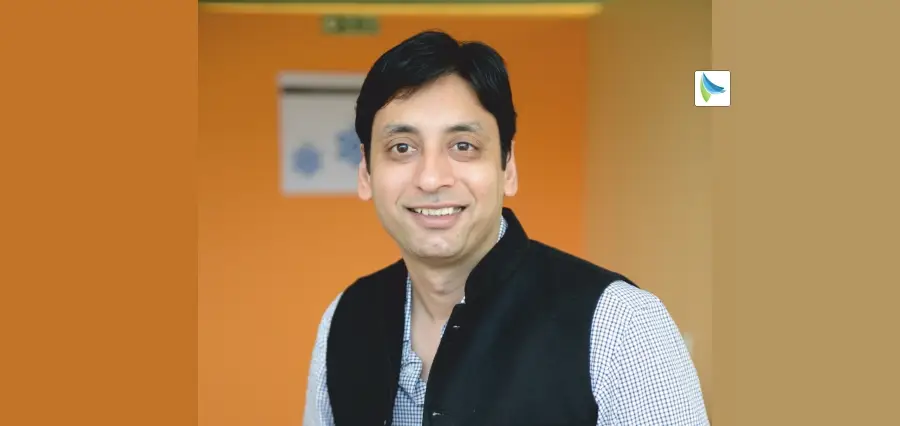
Akash Sureka: Building Zero-Code AI That Delivers Real Business Impact
“You’ve got to start with the customer experience and work backward to the technology.” Steve Jobs Akash Sureka is an entrepreneur who is convinced that technology is not supposed to make life more complicated and should make life easier. With 20+ years of experience in engineering, corporate leadership, and enterprise innovation, he always had a single-minded idea that innovation should have a tangible, quantifiable effect. Akash, as the Founder of Nova AI, is redefining business adoption of artificial intelligence, particularly making it quicker, less expensive and less technical experience required, so that businesses of all sizes can use AI to their advantage. An Entrepreneurial Journey Rooted in Engineering Akash’s journey into AI did not begin with hype, it began with experience. Coming from an entrepreneurial background, he has founded multiple companies, one of which was acquired by Persistent Systems. His early exposure to large-scale systems, hands-on coding, and enterprise workflows gave him a strong foundation in both technology and business. Interestingly, Akash was working with AI as early as 2011, long before it became mainstream. One of his early startups was nominated as a Top Technology Pioneer by the World Economic Forum, highlighting how far ahead of its time the idea was. Today, with AI adoption accelerating rapidly, Akash believes the timing is finally right to build platforms that can truly democratize AI. Why Nova AI Was Born The inspiration behind Nova AI came from a clear gap Akash observed while working closely with enterprises for nearly 15 years. Businesses wanted to use AI, but most struggled with adoption. AI projects were expensive, slow, talent-heavy, and often failed to deliver outcomes. Akash saw an opportunity to flip this reality. Instead of building AI for engineers alone, Nova AI was designed for business users, including non-technical teams. The platform is fully zero-code, offering pre-trained use cases, models, and AI agents that companies can deploy in hours or days instead of months or years. For Akash, this was not just innovation, it was problem-solving at scale. What Truly Differentiates Nova AI The Noah.AI’s biggest strength lies in simplicity. Companies do not need large AI teams or massive infrastructure investments to get started. What earlier required milliondollar infrastructure can now be achieved at a fraction of the cost. By abstracting the complexity of AI, TheNoah.ai allows organizations to focus on outcomes rather than algorithms. From manufacturing and healthcare to retail, finance, supply chain, and sales, companies can see tangible results from day one. This approach dramatically reduces experimentation time, manpower needs, energy consumption, and overall costs. Akash often emphasizes that businesses care less about the technology behind AI and more about what it delivers. TheNoah.AI is built exactly with that mindset. Leadership Grounded in First Principles As a leader, Akash brings together two identities: engineer first, entrepreneur next. His decision-making is rooted in first principles thinking, understanding problems from the ground up rather than layering complexity on top. He strongly believes that innovation must have a business impact. Technology for the sake of novelty does not excite him. Instead, he focuses on solutions that improve productivity, reduce costs, and help stakeholders, employees, customers, and investors, move faster and smarter. This philosophy has been shaped by nearly 25–30 years of experience across coding, system design, sales, and enterprise strategy. A Customer-Obsessed Culture One of the defining aspects of Akash’s leadership is customer obsession. Over the years, as he transitioned from engineering into business roles, he realized that technology only succeeds when it aligns closely with customer needs. At Nova AI, this philosophy is deeply embedded in the culture. The platform talks about business workflows and outcomes first, and only then applies the right AI technologies behind the scenes. This ensures that solutions are relevant, practical, and scalable. For Akash, reducing infrastructure, energy usage, manpower, and operational friction is not just good business, it is responsible innovation. Balancing Growth with Sustainability Operating in a fast-moving and competitive AI landscape is not easy. Akash shares, “Innovation must be grounded in reality, especially when it comes to capital, market readiness, and long-term sustainability.” He emphasizes mindful scaling, understanding regional constraints, and aligning innovation with real market demand. Rather than chasing rapid expansion, Nova AI focuses on building strong foundations, validating use cases, and growing with discipline. This measured approach has helped the company stay focused, lean, and impactful. Advice to Aspiring Tech Entrepreneurs If Akash were to advise young entrepreneurs, his message would be practical and honest. First, identify where real opportunities lie. Second, align those opportunities with your expertise and passion. Third, be patient, do not scale too fast or spend recklessly. Fail fast, accept mistakes, and learn quickly. “Most importantly, build the right team. No startup succeeds alone,” he says. Leadership Mantra Akash’s leadership mantra is simple yet powerful: be honest, transparent, and hardworking. He believes that these values create trust, with teams, customers, and partners, and trust is what sustains long-term success. Through Nova AI, Akash Sureka continues to prove that when technology is guided by clarity, empathy, and purpose, innovation becomes truly transformative. Read Also : How Gisele is transforming pharmaceutical manufacturing by connecting quality, technology, and leadership.

How Gisele is transforming pharmaceutical manufacturing by connecting quality, technology, and leadership.
Some leaders begin their careers in strategy. Gisele began hers on the manufacturing floor. Fresh out of graduate school with a Master’s degree in Biomedical Engineering, she made a deliberate decision to become a Field Automation and Validation Engineer. While many aspiring leaders sought faster paths into management, Gisele wanted something different. She wanted to understand pharmaceutical manufacturing where quality is truly created—next to the equipment, alongside operators, and closest to the patient. “I wanted to learn the business from the ground up,” she explains. “Being on the manufacturing floor taught me that every decision matters. It taught me urgency, accountability, and how to make informed decisions even when you don’t yet have perfect information.” That decision became the foundation of a career spanning more than two decades across manufacturing, automation, computer system validation, regulatory compliance, quality systems, laboratory informatics, digital manufacturing, enterprise transformation, mergers and acquisitions, and today, Quality Control digitization. Few leaders have experienced the pharmaceutical value chain as comprehensively as Gisele. Having worked across organizations including Baxter, Pfizer, Amgen, Schering-Plough, Wyeth, PDL Biopharma, and GSK, she has developed a unique perspective that bridges manufacturing, quality, technology, and business strategy. Every role added another perspective. Every challenge reinforced the same belief. Quality isn’t simply a department. It’s the way an organization thinks. Building Quality Beyond Compliance One of the defining experiences of Gisele’s career came during the Consent Decree period at Schering-Plough. For many professionals, it was an intense period of regulatory remediation. For Gisele, it became an education in leadership. She learned that organizations don’t build quality systems to pass inspections. They build them to protect patients. That lesson fundamentally changed how she viewed compliance. Today, she challenges organizations to rethink quality—not as a regulatory obligation or organizational gatekeeper—but as a strategic capability that enables innovation, strengthens trust, improves operational excellence, and ultimately delivers better outcomes for patients. She says, “Compliance should never be viewed as the finish line, it’s a culture that should be embedded into everything we do.” Connecting Manufacturing, Quality, and Digital Intelligence Today, as Director of Internal Manufacturing Operations Quality (IMOQ) QC Digitization at Pfizer, Gisele is helping shape the next evolution of pharmaceutical manufacturing. While many organizations focus on digitizing paper processes, she believes digitization should fundamentally change how decisions are made. She explains, “Technology isn’t the destination; better decisions are.” Her vision extends beyond automation. She sees a future where data, artificial intelligence, advanced analytics, and manufacturing operate as one connected ecosystem. One idea she is particularly passionate about challenges in decades of traditional Quality Control practices. For years, manufacturers have followed the same model: produce the batch, collect samples, send them to the laboratory, wait for results, and then decide whether production can continue. Gisele believes the future looks very different. “The future isn’t about moving samples to the laboratory; it’s about moving laboratory intelligence to the manufacturing line,” says Giesel. As technologies such as Process Analytical Technology (PAT), advanced sensors, automation, spectroscopy, and artificial intelligence continue to mature, she envisions Quality Control becoming increasingly integrated directly into manufacturing operations. Instead of discovering issues after production, manufacturers will predict, prevent, and continuously verify quality throughout the manufacturing process. “My vision is that one day we won’t be asking whether a batch passed quality testing—we’ll already know, because quality will have been continuously verified throughout the manufacturing process.” For Gisele, this represents far more than technological progress. It represents a completely new operating model for pharmaceutical manufacturing. Transformation Happens at the Speed of Trust Although technology often receives the spotlight, Gisele believes successful transformation has very little to do with software. “It’s about people.” Throughout her career leading global initiatives—including enterprise LIMS deployments, enterprise Quality Management Systems, QualityDocs, and the digital integration of more than 120 legacy quality systems following Pfizer’s acquisition of Seagen—she discovered a simple truth. People rarely resist change. They resist uncertainty. That’s why she invests heavily in communication, transparency, and involving teams early in the transformation journey. Her leadership philosophy is built on trust, psychological safety, humility, and continuous learning. She intentionally hires for mindset before skill. Technical expertise can be developed. Character cannot. “I look for curiosity, resilience, integrity, humility, accountability, and people who genuinely love learning,” she says. Because innovation isn’t created by individual brilliance. It emerges when diverse teams challenge one another respectfully, build on each other’s ideas, and pursue a common purpose. As a certified NeuroLeadership Institute trainer and executive mentor, Gisele believes one of a leader’s greatest responsibilities is creating environments where people feel safe enough to ask questions, challenge assumptions, and continue growing. She asserts, “The most innovative organizations aren’t the ones that avoid mistakes, they’re the ones that learn the fastest.” A Legacy of Significance Behind every technology initiative and every transformation program lies a much deeper purpose. For Gisele, that purpose has always been patients. Every quality improvement. Every simplified process. Every digital capability. Every innovation. Ultimately contributes to delivering safe medicines to families she may never meet. But perhaps her greatest source of inspiration came long before her professional career. Growing up, she watched both her grandfather and her mother lead through significant change with resilience, humility, integrity, and service. Later, mentors and executive coaches continued shaping her leadership philosophy. One conversation has stayed with her throughout her career. After thanking one of her coaches and asking how she could ever repay everything he had invested in her, his answer was remarkably simple: “Don’t pay me back. Build other leaders.” She has carried that advice ever since. Today, mentoring emerging leaders, coaching teams, speaking at conferences, and helping others discover their potential have become some of the most rewarding aspects of her career. Because, in her words, “Leadership isn’t measured by how many people report to you. It’s measured by how many leaders you help create.” The Future Starts With Us When asked what legacy she hopes to leave behind, Gisele doesn’t talk about technology. Technology will continue to evolve. Platforms will eventually be replaced. Artificial intelligence