





The Most Prominent CFOs To Follow In 2025
The Most Prominent CFOs To Follow In 2025 Discover the trailblazing minds behind today’s most impactful financial strategies. These influential CFOs are driving innovation, enabling sustainable growth, and setting new benchmarks in financial leadership across diverse industries. Quick highlights Quick reads
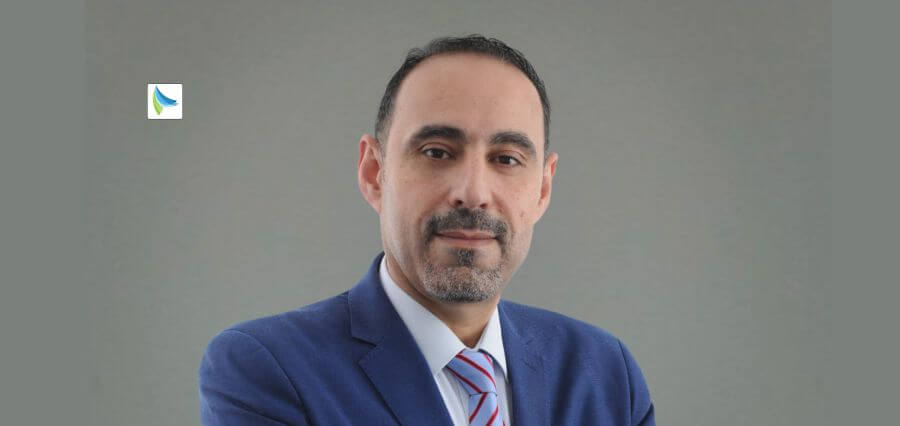
The Human Side of Numbers: Ahmad Shtaiwi’s Journey to Redefining Financial Leadership
True financial leadership extends far beyond the conventional, viewing information, data, and records as more than mere numbers. To a true financial leader, numbers tell a story. Additionally, convention dictates focusing on the short-term, while every business entity demands a constant financial robustness and flow, known as liquidity in technical terms. The traditional approach to business finance has always been somewhat rigid, while modern companies require as much flexibility as the continuously changing circumstances need. It is in such scenarios that the prominence of the most prominent Chief Financial Officers like Ahmad Shtaiwi rises tenfold. Ahmad, as a CFO, has redefined what it means to lead finance over the past two decades, blending strategic foresight with a human-centered approach to create real, lasting value. His impressive career, spanning Jordan, Saudi Arabia, Libya, and the UAE, stands as a testament to his ability to steer organizations through complex financial landscapes and deliver transformative results. From Jordan to the Gulf: A Financial Odyssey Across Borders and Sectors Ahmad’s career began with quiet conviction in Jordan in 1999. In those early years, he wasn’t just learning the mechanics of finance — he was beginning to see how numbers could drive narratives, shape strategies, and build enduring business legacies. “Finance is not just about numbers; it’s about the decisions those numbers enable,” Ahmad Shtaiwis often reflects. Over just two years, his foundation became rock-solid, and from there, he charted an ambitious path that would take him across Saudi Arabia, Libya, and the UAE. With each new geography came a deeper understanding of global markets and regional challenges. However, regardless of the industry — whether manufacturing, F&B, retail, furniture, or real estate — Ahmad Shtaiwi’s consistently demonstrated one trait: the ability to adapt, integrate, and lead. “In every new role, I didn’t just aim to manage finance — I aimed to create clarity in chaos, build trust from transparency, and turn complexity into opportunity,” he shares. His mastery of financial control, cost accounting, and internal audit has made him a linchpin in high-stakes business transformations. Whether navigating inflationary pressures or aligning cross-border teams, Ahmad’s approach is always strategic, people-focused, and future-ready. “True value,” he says, “isn’t created by control—it’s created by connection.” Resilience Under Fire: Turning Crisis into Opportunity in Libya’s Retail Sector Between 2009 and 2013, Ahmad stepped into one of the most defining and daring chapters of his financial leadership journey. At Senwan Trading in Libya, he didn’t just manage growth—he orchestrated an extraordinary expansion, taking the company from just three stores to 33 across the country. But what truly sets this achievement apart is the context: Libya was in the throes of political and economic upheaval. When the 2011 revolution erupted, many would have seen it as a breaking point. Ahmad Shtaiwi’s saw it as a defining test of leadership. With the local retail director resigning and the Libyan partner pulled into national events, Ahmad took sole operational control. “There was no manual for that moment,” he recalls. “But there was a mission — to protect the business, the people, and the partnerships we’d built.” He returned briefly to Jordan, then traveled across Europe to personally reassure brand partners like Koton, Lufian, Okaïdi, Promod, and Jennyfer. His presence was a signal of stability. “When the world is uncertain, the only thing people trust is consistency,” he says. By August 2011, Ahmad was back on Libyan soil, spearheading recovery. In early 2012, he secured exclusive franchise agreements with Landmark Group Dubai, bringing in brands like Max, Babyshop, Home Center, and Shoe Mart. Amid financial turbulence, he not only safeguarded banking facilities but expanded into F&B, sealing deals with Second Cup (Canada), Ruby Tuesday (USA), and Paul (France). Ahmad’s leadership during this volatile period was more than strategic—it was deeply courageous. “Leadership in crisis,” he says, “is not about knowing all the answers. It’s about showing up, standing firm, and making decisions that others are too afraid to make.” Architect of Financial Resilience: A Legacy of Building Teams, Restoring Balance, and Driving Strategic Wins Ahmad is not just a CFO—he’s a builder. In Libya, he did more than drive store expansion; he built the entire finance function from the ground up, mentoring a team that would go on to lead finance departments in major firms like Zueitina Oil Company. His former colleague and co-founder, Adel Alhebri, once remarked, “In 2013, I finally understood the true meaning of financial leadership — thanks to Ahmad.” That same precision and mentorship would echo years later at Saudi Cable Company (2018–2022), where Shtaiwi navigated one of the most ambitious capital restructurings in the region, valued at SAR 750 million. His negotiation of a SAR 135 million Zakat settlement, coupled with the resolution of USD 23 million in legal claims, showcased his technical mastery under pressure. He didn’t stop there. Ahmad brought discipline to receivables, reducing DSO to just 22 days, unlocking SAR 4 million in monthly cash flow. His proactive approach to cost control and supplier negotiations, including with copper providers and banks, trimmed industrial costs by 1.5%, equivalent to SAR 4 million annually. Perhaps his most complex challenge was managing a QAR 48 million tax dispute involving a Qatar subsidiary. Over two years, he traveled, met with auditors and lawyers, and spearheaded legal hearing securing a favorable ruling of QAR 8 million. “That case tested everything—patience, precision, and credibility,” he reflects. “But when the outcome protects shareholder value and enhances trust, every sleepless night is worth it.” His ability to merge technical excellence with people-first leadership earned him formal recognition at Saudi Cable Company, Almutlaq Furniture, and Senwan. Ahmad Shtaiwi’s saga is a story of more than numbers—it’s about building what others only manage. Strategic Stewardship in Action: Leading SIDC’s Transformation with Precision and Purpose In his current role as Chief Financial Officer of the Saudi Industrial Development Company (SIDC), Ahmad continues to raise the bar of what financial leadership means in a modern, regulated, and growth-oriented environment. Entrusted with steering SIDC’s complex financial framework, he

The Rise of Strategic Storytelling in Finance Leadership
Money Meets Meaning In the modern business world that is characterized by fast-paced, complex realities, the role of finance leaders is fast-changing. CFOs and finance executives, who were once considered only custodians of financial reporting and compliance, now are positioned to be strategic partners, communications professionals, and agents of change. This evolution is all centered around a potent skill: strategic storytelling. With the more extended association of finance with purpose, communication, and long-term value, storytelling has recently become one of the primary factors fueling recent trends in financial leadership. The Shift from Numbers to Narrative The traditional finance functions were accurate, cost-effective, and provided reporting. But the modern leader in the field of finance must do more than make data; they must make sense of the data, create storylines around it, and bring stakeholders to a common vision. Strategic storytelling allows finance leaders to provide context to the complicated metrics, making them applicable and attainable to various audiences. The shifting of the narrative is not a matter of embellishment; it is about clarity. In this era of fast, collective decision-making, data without a story is noise. CFOs with the ability to convert data into understandable, related information assisted companies in managing the uncertainty and staying focused on the long-term goals. Strategic Storytelling in Financial Leadership The storytelling element in financial leadership is not a mere trend but a paradigmatic shift in value addition as far as finance is concerned. There are several forces that are underlying this shift. Complexity Requires Clarity With the increase in the complexity of financial environments, including volatile markets, constantly evolving regulations, and ESG, stakeholders require more than data dumps. They demand narratives that can summarize various levels of data into a consistent whole. Storytelling enables finance leaders to clarify the complexity so that everyone, whether in the boardroom or the front line, grasps what the numbers imply and why it has significance. Stakeholder Engagement and Trust Contemporary organizations have a higher stake than ever. Employees, investors, regulators, and communities demand transparency and purpose. Finance leaders are also at the center of communicating the way that the resources of an organization are being utilized and the reasoning behind it. Storytelling encourages them to tie financial plans to larger organizational objectives and fosters trust and alignment with the interests of stakeholders. Decision Enablement Over Data Delivery The customary duty of finance was to report what had occurred. Nowadays, finance is supposed to be able to tell what must be done next. This active work requires interpretation, judgment, and foresight. The vehicle through which finance leaders can inform decisions includes the narrative, framing the information to inform strategic direction, not simply describing what has already happened. Key Financial Leadership Trends Driving Storytelling Several financial leadership trends are fueling the importance of storytelling as a leadership capability: 1.Emphasis on Purpose and ESG Integration Today, the leaders in finance need to not only report on the profits but also on the ways these profits are made in an ethical, sustainable, and inclusive manner. The reporting on environmental, social, and governance (ESG) has become a strategic task. Storytelling will assist in relating ESG metrics to business performance by demonstrating how responsible behavior will lead to long-term success. 2.Data Democratization and Visualization The amount of data available has increased exponentially as finance teams implement tools such as dashboards, automation platforms, and AI-driven analytics. Accessibility is no longer an issue; it is interpretation. Data visualization, combined with storytelling, can help finance professionals to drive insight where the insights themselves result in informed actions, not confusion. 3.Cross-Functional Leadership Finance is no longer a closed system. There is more and more cooperation between finance leaders and activities like operations, HR, marketing, and IT. They have to use the language that would resonate beyond the discourse of finance to lead successfully across these functions. Strategic storytelling spans the gap, enabling finance to make its knowledge cross-functionally relevant. 4.Culture and Team Development A second notable trend is the attention to talent and culture in the finance functions. Individual technical expertise alone is no longer the foundation on which high-performing finance teams are put together, and instead, collaboration, flexibility, and communication are the new tenets. Encouraging group cohesion, Storytelling helps team members see how their efforts support the larger goal and how working together can bring success. Final Words Communication in modern finance should also evolve as the field does. Strategic storytelling is one of the most powerful financial leadership trends of today, and it is becoming a distinctive mark not only of individual leaders but also of organizations. It turns finance into a process of creating meaning rather than record keeping, enabling companies to make their figures reflect their organizational missions. Learning to tell stories, financial heads can better explain the way forward, earn trust, and make informed decisions to make the money they handle matter. Read More : The Human Side of Corporate Finance Innovation

The Human Side of Corporate Finance Innovation
Culture Meets Capital In the modern, fast-changing business environment, the importance of corporate finance invention becomes much more than a technical or quantitative process; it is an increasingly human craft. To achieve long-term growth and impactful innovation, organizations should integrate cultural values, leadership attitudes, and workforce engagement into their financial strategy. From Control to Empowerment: The CFO’s Cultural Shift Conventional financial arrangements tend to employ command-and-control structures — top-down decision-making, austerity budgets, and rigid resource allocation. But contemporary CFOs are reinventing their role. Indeed, finance leaders are adopting a bottom-up approach in their culture of power, where power is now distributed to staff to create mutual purpose and drive innovation throughout the organization, as Deloitte reports recently. This is necessary to institutionalize corporate finance innovation in routine operations. Human Capital as Innovation Catalyst The fact is that investment in human capital, skilling, knowledge-sharing, leadership development, and team building are strong catalysts of innovation in any sector. One post-merger experience with ItaU-Unibanco demonstrated that increasing employee training, retention, and vision concordance contributed to excellent innovation, lower turnover, and financial performance. Likewise, Chinese firm studies (2007 to 2022) reveal that well-designed human capital strongly facilitates strategic as well as technological innovation, causing companies to increase their investment in R&D and expand upon their innovation results. Culture as Competitive Advantage Companies with rare, valuable, and hard-to-replicate cultures- key characteristics of high financial performance distinguish themselves by innovation. An entrepreneurial culture that embraces risk-taking, maintains flexible structures, and encourages transformational leadership supports both creative thinking and margin-enhancing actions. In the interim, research in various non-Western settings indicates organizational culture has a positive impact on marketing and innovations in technology, a factor that leads to enhanced performance. Notably, a culture that values communication, autonomy, risk-taking, and reward alignment was instrumental in the preservation of innovation initiatives. Structure Techniques: Intrapreneurship, Ambidexterity & Spin‑outs Intra-entrepreneurship, also known as intrapreneurship, has been successfully cultivated in several major organizations. Examples include 3M, Intel, Xerox, and the Skunk Works at Lockheed Martin, designating internal teams who are provided with the resources and freedom to innovate but remain within corporate finance control. Companies are implementing ambidextrous structures to prevent the success trap, pairing exploitative financial routines with exploratory experimentation, which is frequently through distinct innovation divisions or corporate venture arms. Lean internal startups have been particularly successful: cross-functional teams, empowered by top leadership, provided with guardrails and autonomy, frequently hasten innovative results. Lean startup culture in enterprise embraces prototyping, customer feedback, and financial oversight that considers failure as a learning opportunity. Leadership Diversity and Financial Literacy The background of the CEO is an unexpected influential characteristic in the innovation performance. The analysis of the Chinese A-share companies suggested that when the CEO is culturally diverse and the financial literacy of the company is high, then the result of this combination is increased performance of corporate innovation. This understanding walks the bridge between culture and capital: CEOs with a sensitivity to, and understanding of, the culture generate environments most conducive to innovation. Practical Strategies for Integrating Culture and Finance How can organizations align culture with corporate finance innovation in practice? Drawing on business thought-leadership: Recruit and mobilize innovation champions, cross-functional individuals who are enthusiastic about human-centered innovation. Stimulate them to create proof-of-concept projects and quick pilots that are not burdened by bureaucracy. Form cross-functional task forces that integrate operations, finance, design, marketing, and Research and Development, to infuse multidimensional views into finance-based innovation programs. Build a culture of reframing failure as a means of learning, and where financial resource allocation supports experimentation, not just implementation. Reward systems and recognition mechanisms should reward risk-taking and innovation in thinking, rather than standard deliveries. Promote radical transparency and meritocracy. Companies such as Bridgewater drive innovation through tapping meetings, giving credit to the best idea, not anyone in a higher position of authority, and a culture of openness and responsibility. The finance role must take to heart a leadership position- enable the workforce to develop and upskill and use new financial technologies such as AI to democratize financial information through teams instead of holding it captive in a back-office silo. Culture Meets Capital is not merely a clever phrase, but an important strategic exigency. Real corporate finance innovation occurs where there is human creativity and financial strategy. Companies that combine cultural sensitivity, staff empowerment, structural fluidity, and bright financial management unlock sustainable innovation. Practically, this entails reframing finance as an enabler rather than a gatekeeper: financing lean experiments, investing in people, paying risk, and enshrining transparency. Competitive differentiation, strong performance, and the ability to flexibly respond to changes in volatile industries emerge over time with this integration of values and measures. After all, corporate finance innovation is not just about new financial tools or models – it is about changing the human side of finance, the people, the culture, and the leadership thinking behind each investment, each budget, or each strategy decision. Read More : Best CFO in India to watch in 2025

Best CFO in India to watch in 2025
Best CFO in India to watch in 2025 Kishore Vora, Chief Financial Officer and Board Member at De Beers India, is a strategic transformation architect reshaping the luxury diamond business. With deep financial acumen, visionary leadership, and a people-first approach, he drives digital innovation, sustainable growth, and cultural transformation—redefining the modern CFO’s role in today’s dynamic global economy. Quick highlights Quick reads

Finance Modernization: Navigating Digital Finance Transformation for Success
In today’s business world, digital transformation is an imperative for businesses that do not desire to be out of the game but also remain relevant. Digital transformation, in specific, becomes imperative in the finance function where new technologies are rewriting the old rules and the way things are done. Digital finance transformation has nothing to do with system improvement or bringing new tools. It’s a change-driven transformation that enables finance organizations to make the shift away from transactional pursuits and take stewardship of strategic decision-making and business growth. Organizations must cross the threshold of technology adoption at the surface level and make more profound changes in order to enable this transformation. They must embrace an end-to-end model through process redesign, cultural transformation, data stewardship, and leadership stewardship. Organizations with the stuff to succeed with digital finance transformation can harvest their returns in real time by leveraging real-time insights, reducing operating costs, and enhancing decision-making to create enduring value. Building the Foundation: Strategy, Leadership, and Culture A successful digital finance transformation is anticipated by having a clear and actionable plan tightly coupled with the overall business vision. Such an approach should determine specific goals, critical technologies to tap into, and timing and cost of implementation. Leadership sets the tone and the tempo. Finance leaders need to be able to sell a compelling vision, sell it to departmental stakeholders, and establish accountability for the transformation process. In the absence of leadership and strategic alignment, even the hippest and most advanced tools will have no tangible outcomes. Finance teams are often most comfortable with old systems and multi-step processes, and this deters them from embracing digital solutions. In order to get the teams to transform, organizations must invest in repeated learning, training, and change management programs. Encouraging cross-functional cooperation between finance, IT, and other functions can also de-silo and make co-ownership of digital transformation goals simpler. Empowering and encouraging finance professionals can turn them into change agents of new technology and enable the organization to grow. Embracing Technologies: Automation to Advanced Analytics Technology is at the heart of digital finance transformation. Applications such as Robotic Process Automation (RPA) are assisting finance operations in automating mundane manual processes. Instances include data entry, invoice processing, and reconciliations. Robotic control ensures errors stay away from the picture by automating routine work and enables financial professionals to focus on more value-added activities such as planning and financial analysis. Cloud-based ERP solutions also find acceptance, offering integrated and scalable solutions with the added benefit of real-time access to information and better decision-making power. Apart from automation, analytics and AI are also introducing profound change in the finance function. With their capacity for processing large amounts of structured and unstructured data, finance operations can leverage AI-based apps for predictive analysis, risk simulation, and scenario planning. These technologies enable firms to react faster to shocks, take pre-emptive business choices, and even predict shifts in the marketplace. For instance, AI can forecast future cash flow needs, detect anomalies in expenses, or work capital optimization more effectively than traditional models. Nonetheless, the effectiveness of such solutions significantly depends on data quality. Reliable data governance and proper planning for data architecture are required to achieve reliability, consistency, and security of financial information. Overcoming Challenges and Measuring Success There are various advantages to financial transformation digitally, but organizations mostly end up in spectacular failure when they attempt to do so. Legacy infrastructure, budgets, skills gaps, and cultures of resistance can all serve to be inhibitors. This has to be broken by firms using a step-by-step change approach starting with projects with quick wins and some concrete benefits. It builds up and demonstrates value for change to the stakeholders. Engaging finance professionals at planning and execution stages also ensures new processes and tools are business-critical and deployable. Talent is the second change driver. While the finance function grows more centralized, there is also a greater need in finance functions for experts with analytical, technical, and strategic expertise. It entails learning in the data analysis field, understanding automated tools, and strategizing over financial reporting. There must be a metrics of digital finance program outcomes to guarantee future success. Traditional techniques such as cost cutting and process simplification are valid, but others must include qualitative performance as well. These include better predictive accuracy, quicker decision-making, greater regulatory compliance, and improved stakeholder communication. Conclusion Financial change is not hype, but a normal evolution of the way the finance function works and helps organisational success. It is not more than a technology upgrade. It requires leadership, cultural, capability, and strategic change. With all those drivers combined into one, companies unlock new levels of performance, visions, and speed. The finance function is now not compliance reporting. With the proper strategy, it is a compelling driver to accelerate the speed of innovation as well as risk management and deliver long-term value creation for the enterprise. As technology continues to grow ever more advanced, those organizations that adopt and utilize digital finance transformation will be in a position to keep on flourishing in the coming years. Raed More : Best CFO in India to watch in 2025

Kishore Vora: Strategic Transformation Architect at De Beers India
The diamond market, a worldwide business that is rich in heritage and luxury, is transforming with lightning speed powered by technology growth, changing consumer trends, and sustainable needs. To make a mark and stand tall amidst tough competition in this complicated scenario calls for visionary leadership combining eternal artistry with flexibility in today’s world. Characterized by confidence, grit, inquisitiveness, and a never-say-die attitude, one prominent leader is changing the game with his innovation and dedicated endeavours. He is Kishore Vora, the Chief Financial Officer and Board member at De Beers India. Early Life and Early Years The path of Kishore also started in the village of Otur, close to Pune, Maharashtra. Born in a poor family contending with the challenges of life, Kishore initially struggled to receive quality education. Having studied in a Marathi-medium school for the first half, Kishore experienced a turning point to an English-medium college at Pune after 10th standard. This marked his initiation of professional and academic excellence. His determination and resilience were also challenged when he shifted to a bigger city, Mumbai, to take up Chartered Accountancy. This was the age of intense learning and mentorship, which shaped his working skills and introduced him to vibrant work cultures. Professional Beginnings: Grounding at PwC Kishore’s professional career began in 1997 with PricewaterhouseCoopers (PwC), a global professional services company. He gained keen experience in audit and financial reporting during the period, working with multinational clients across various industries. It sharpened his analytical skills and broadened his knowledge on corporate governance and regulatory compliance. From PwC, Kishore gained the perfectionism and attention to detail that would characterize his future projects. His ability to navigate intricate financial environments and share strategic observations turned him into a future star in the industry. Transition to Corporate Finance: Novartis and Mead Johnson Nutrition He switched from audit to corporate finance in 2001, joining an international healthcare organization, Novartis. After a short stint as an Assistant Manager, he took on the role of Manager, where he expanded his lines of expertise to business operations as well as cross-functional coordination. The role exposed him to more financial management as well as strategic planning. It was in 2007 that Kishore joined Mead Johnson Nutrition India as its first finance recruit to create the finance function from ground zero. During his tenure, he helped the company bring in a new infant nutrition product amidst a competitive market, ride through regulatory hurdles, and lay a strong financial foundation. Across almost a decade, he rose to the role of Finance Director for India and subsequently managed finance for the Asia-Pacific. During this tenure, it further enhanced his leadership experience, especially in dealing with multicultural, cross-cultural teams and coordinating financial strategies with business goals in multiple markets. Embracing Leadership and Strategic Vision: Harvard Business School Looking to surpass conventional finance abilities, Kishore registered for the Senior Executive Leadership Program at Harvard Business School. This leadership change gave him a bird’s-eye view, providing strategic thought, cross-functional leadership, and innovation at the heart of his professional approach. The program ignited his transition from a compliance-driven CFO to a value-driven leader driving organizational strategy and making enterprise-level difference. The program also exposed him to an international network of leaders, which further empowered him to lead in different business settings. Leadership at De Beers India: Driving Transformation and Innovation As a part of being a part of De Beers Group as the CFO for the Indian division, Kishore set himself up to take up the formidable task of transforming a company with a legacy spanning more than 135 years into a multi-dimensional change encompassing strategic, structural, cultural, and technological transformation. Business Model Innovation Kishore was instrumental in reworking De Beers India from a fixed royalty rate based traditional model of brand licensing from multi-branded retail outlets to opening its own retail outlets. This strategic shift facilitated online and offline sales channels to converge, providing an assembled omnichannel customer experience. This transformation entailed a comprehensive redesign of the organization’s finance function, with team reorganizations and talent infusions from cross-industries, blending the brand’s rich heritage with innovation and speed. Cultural Transformation and Change Leadership In partnership with the Chief People Officer, Kishore led change management efforts aimed at: Transparently sharing strategic changes. Clarifying evolving roles and expectations. Building cross-functional alignment and collaboration. In order to restore entrepreneurial passion and agility in a legacy business, Kishore implemented a reward scheme for shares, building ownership and responsibility within teams. From Transactions to Transformation: Finance Metamorphosed Kishore redefined the finance function’s culture from transacting to generating value proactively. Empowering his teams with leadership, open communication, and strategic thinking, he established finance as a catalyst for long-term growth and innovation for De Beers. Strategic and Operational Excellence Maximizing CFO Bandwidth and Empowering the Team Granting both additional strategic responsibilities and crucial operating obligations, Kishore established a robust, empowered financial team with well-defined roles in controllership, FP&A, tax, and risk management. Empowering achieved maximum effectiveness and permitted unencumbered day-to-day execution without the need for continuous monitoring. Routine team evaluation and probing inquiry enabled Kishore to identify bottlenecks and stay on track, reinforcing strong internal controls and fiscal discipline. Managing Risk-Torn Complex Settings Working in the high-end diamond sector amid geopolitical threats and supply chain interruptions, Kishore has a vibrant risk playbook. It allows for real-time observation of market entrants, product development, and changing consumer patterns. Kishore’s recent achievement includes leading the intricate liquidation of the Hindustan Diamond Company joint venture, surmounting regulatory and litigation issues to repatriate about INR 93 crores to the parent organization. Harnessing Technology and Data Analytics A fervent advocate of digital disruption, Kishore has steered De Beers India’s finance function towards technology-facilitated, insight-driven operations. Automated mundane work enables his teams to devote themselves to strategic enablement, and cutting-edge tools like the Oracle suite support real-time forecasting and rapid decision-making. He espouses minutely localized analytics for addressing the specific needs of nascent retail businesses, elevating finance as a strategic enabler instead of a backroom


Inspirational Icon To Look For In 2025
Inspirational Icon To Look For In 2025 In a time when authenticity and courage are becoming the currency of true leadership, Stella Ambrose stands tall as an unwavering force of inspiration. Honored as an Inspirational Icon To Look For In 2025, Stella’s journey is not defined by titles or trends—it’s defined by impact. Her story is one of intentionality, resilience, and a relentless pursuit of elevating others while never compromising her values. Quick highlights Quick reads

Stella Ambrose: Breaking Barriers and Building Legacies
In a field where change is frequently overshadowed by tradition, some leaders get to the top out of sheer willpower. One such trailblazer is Stella Ambrose, who’s incredible three-decade career in the palm oil industry has not just redefined operational standards but also dismantled gender barriers in a traditionally male-dominated field. She is currently the Deputy Group Chief Executive Officer of Sawit Kinabalu Group is serving as a unique combination of inclusive leadership, strategic vision, and technical proficiency. From modest origins in Papar, Sabah, and a profession borne of need, she transformed early setbacks into opportunities for landmark successes. Vision and tenacity are the foundations of her leadership, which helped her grow from a teenage engineer fighting prejudice to Malaysia’s first female palm oil mill manager and, eventually, a respected voice in executive decision-making circles. As a strong proponent of system-driven innovation, she is playing a key role in integrating digital transformation at Sawit Kinabalu Group, transforming engineering techniques, and spearheading sustainability projects. Stella’s leadership philosophy transcends the workplace. She is promoting a holistic, integrated approach to life, fostering authenticity, creativity, and community in corporate environments. Her role as a mentor, strategist, and changemaker is not just elevating operational performance but also inspiring a new generation of professionals particularly women to challenge norms and lead with purpose. She is dedicated to her primary goal of creating an environment where creativity flourishes, individuals feel empowered, and progress is shared, even as the company continues to change under her leadership. Her story is serving as an example of what can happen when conviction and courage are combined. The Accidental Pioneer “It was desperation that led me to this career path.” Stella admits with characteristic honesty. Born on July 18, 1972, in Papar, Sabah, into a family that held education in the highest regard, she was raised by a mother who passionately advocated for equal opportunities for both men and women. This foundational belief would prove crucial in the challenges that lay ahead. As an introverted student who consistently ranked among the top three in her class from kindergarten through secondary school, Stella had always envisioned a career in the oil and gas industry alongside her best friend. While her friend headed to the United States for her Chemical Engineering studies, Stella pursued hers at the University of Manchester Institute of Science and Technology (UMIST) in the UK. Upon graduation in 1994, the oil and gas sector in Sabah was largely untapped, leaving limited opportunities for fresh graduates. When the Sabah Land Development Board (later corporatized to Sawit Kinabalu Sdn Bhd) offered her a position as a Trainee Assistant Engineer, she accepted out of necessity rather than passion. “Little did I know that this decision would earn me a title that would shape my journey in ways I never anticipated.” she recalls. The excitement of breaking new ground was quickly overshadowed by the stark reality of gender biases that would challenge her at every level. Facing the Storm The early years were a trial by fire. Male counterparts questioned her expertise, dismissed her ideas, and perpetuated stereotypes that had no place in a modern workplace. Yet instead of succumbing to frustration, Stella chose to channel her energy into proving them wrong. “Each challenge I faced became an opportunity for growth. I embraced my role, using every setback as motivation to excel further.” she explains Her approach was methodical and vision-driven. As a fresh engineer, she noticed the stark contrast between the engineering principles she had studied and the prevailing practices in the mills. Where others saw mill breakdowns as inevitable, she saw preventive maintenance as the foundation of operational excellence. Many in the industry viewed mill breakdowns as an inevitable part of the job, believing that the ability to fix machinery was synonymous with productivity. She explained that she recognized this approach as merely a firefighting tactic that wasted both time and resources. Systematic Transformation Armed with this insight, Stella patiently waited for the right role that would allow her to champion her vision. Her systematic approach to change became her trademark. She introduced comprehensive preventive maintenance systems, invested in software to streamline monitoring, and prioritized employee training to enhance skills. Her achievements during this period were groundbreaking. She wrote and documented the first Safe Operating Procedure for Sawit’s palm oil mills, set up the first computerized CPO Storage Tanks Ullage Measurement System, and became the first lady engineer in Malaysia to acquire both the 2nd and 1st Grade Steam Engineer Certificate of Competency. In 2002, eight years after joining the industry, she achieved another milestone by becoming the first female Mill Manager in a palm oil mill. The promotion came after years of proving her competency and leadership skills, during which she had supervised everything from mill operations to major construction projects. Leadership and Innovation Her rise through the ranks continued with strategic precision. In 2010, she reached another historic milestone as the first woman General Manager for the Processing & Engineering Division of an oil palm plantation company in Malaysia. This role allowed her to fully implement her vision of operational excellence and innovation. Under her leadership, Sawit Kinabalu underwent a complete transformation. She led the restructuring of the Processing & Engineering Division, spearheaded the implementation of the company’s strategy of “Turning Waste into Wealth,” and was instrumental in establishing Sawit’s first successfully run Biogas Power Plant. “Every step I took was motivated by the desire to bridge the gaps between the industry’s reality and the ideal I envisioned.” she reflects. Her initiatives extended beyond operational improvements to include sustainability measures, quality management systems, and the establishment of the company’s sustainability unit. Recognition and Continued Growth Stella’s expertise and leadership haven’t gone unnoticed in the wider industry. From 2018 to 2020, she served as a member of the Malaysian Palm Oil Board’s (MPOB) Programme Advisory Committee, a prestigious position that allowed her to influence the overall direction of palm oil research in Malaysia. Her commitment to education and mentorship is