






The Man Behind Africa’s Healthcare Silicon Valley
Why a quiet Kenyan entrepreneur is building one of the region’s most connected health systems When people talk about healthcare in Kenya, the spotlight usually falls on public hospitals, insurance reforms, or donor-funded programs. Rarely does the conversation turn to the private operators quietly shaping how ordinary Kenyans receive care. One of those operators is Jayesh Saini, a healthcare entrepreneur whose name is not widely known outside the sector, but whose work has become central to how millions access outpatient services, diagnostics, and increasingly, hospital care. Jayesh companies, which include Bliss Healthcare, Lifecare Hospitals, Dinlas Pharma, Fertility Point, and the Lifecare Foundation, do not resemble the typical structure of a private health group. Instead of growing one flagship institution, he has spent years assembling a network of interconnected services: primary care, hospital beds, pharmaceutical production, outreach programs, and digital systems that link to each other. This level of integration has led some analysts to describe the network as the closest thing East & Central Africa has to a health sector innovation cluster. It is a system where different units reinforce each other instead of operating independently. A System Built to Reduce Fragmentation Kenya’s health sector is fragmented almost by design. Public hospitals are stretched, private hospitals tend to concentrate in urban centers, and many small clinics function with little coordination or shared learning. Saini’s approach has been to create continuity rather than capacity alone. Outpatient centers link to hospitals. Hospitals depend on coordinated pharmacy and supply systems. Outreach programs support early detection, which reduces pressure on clinical facilities. Each part is connected in a way that reduces the gaps that usually cause delays and avoidable complications. Employees describe this as solving the problem of scattered care. A patient is less likely to slip through cracks simply because systems fail to communicate. This interconnectedness is one reason some observers draw comparisons to Silicon Valley. The reference is not about high tech but about the principle of building an ecosystem where every component strengthens the others. Innovation Without Spectacle Jayesh Saini’s network has adopted technology quietly and practically. Electronic medical records operate across many facilities. Some emergency units use early-stage artificial intelligence tools to help staff identify high-risk patients quickly. Teleconsultation links rural counties to urban specialists. Inventory software helps anticipate stock shortages before they affect patient care. These tools are not revolutionary on their own. Their impact comes from how they work together. Patients move through the system with fewer repeated tests, fewer delays and far more consistent information. A senior doctor in Nakuru described it this way: “Nothing here is for show. The tech is not the headline. It simply helps us work better.” This understated approach allows the network to test and refine ideas without pressure to hype every initiative. People First, Systems Second One of the less visible but most important parts of Saini’s model is the focus on staff development. Nurses receive practical emergency training. Mid-level clinicians rotate between outpatient and inpatient units to build skill and confidence. Administrators learn crisis coordination and patient communication, two areas often overlooked in Kenyan health institutions. For many employees, this is their first experience with structured professional development inside a private health group. A nurse in Kiambu explained it simply: “You are not just placed on duty. They prepare you before they expect you to deliver.” This emphasis on capability mirrors the principle that made Silicon Valley successful. The ecosystem was built on people, not infrastructure alone. A Regional Footprint That Shifts Local Outcomes Beyond Nairobi, Jayesh Saini’s influence is visible in counties where private health investment was minimal for years. In Kisii, Bungoma, Kiambu and other regions, Lifecare hospitals have become referral points for smaller clinics and public facilities. Patients who once traveled long distances for imaging or specialist care now access these services locally. The presence of these facilities often triggers small but steady economic activity. Pharmacies, food vendors, transport operators and diagnostic services tend to cluster around functioning clinics and hospitals. This creates local microeconomies that grow alongside healthcare access. County officials note that these facilities often prompt nearby public hospitals to improve internal processes, an indirect but meaningful impact. Why the Silicon Valley Analogy Appears The phrase “Africa’s Healthcare Silicon Valley” is not meant literally. It reflects five observed realities. Integration of clinics, hospitals, manufacturing and outreach into one system Continuous refinement of operations based on data and feedback Workforce development at scale rather than reliance on senior specialists alone Technology used as a support tool rather than a marketing highlight An expansion model that maintains coherence instead of scattering loosely connected facilities These characteristics position Jayesh Saini not as a builder of isolated hospitals but as one of the few Kenyan healthcare leaders attempting to design a system rather than individual sites. A Future Still in Progress Saini describes his work as connecting the dots. Clinics feed into hospitals. Hospitals feed into training programs. Training programs lead to better outcomes. The network evolves in response to real needs rather than abstract strategies. Whether his model becomes a template for other African regions remains to be seen. But it already demonstrates one clear lesson. Healthcare systems improve not only by adding new buildings but by linking the ones that exist. In that sense, the comparison to Silicon Valley feels appropriate. It is not about the technology. It is about creating a health ecosystem that learns, adapts and functions as a whole. And that is the story behind Jayesh Saini’s growing influence on East & Central Africa’s healthcare landscape. Disclaimer – This article is a work of original content created for public relations and informational purposes only. It may be published across multiple digital platforms with the full knowledge and consent of the author/publisher. All images, logos, and referenced names are the property of their respective owners and used here solely for illustrative or informational purposes. Unauthorized reproduction, distribution, or modification of this article without prior written permission from the original publisher is strictly prohibited. Any resemblance to other content is purely coincidental or used under fair
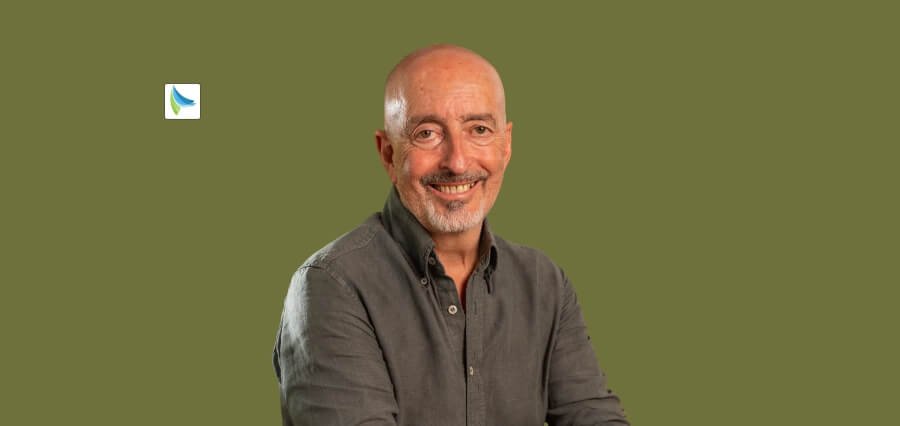
Hywel George- Transforming Risk Into Revolutionary Community Change
There’s a lake in northwest Kenya where crocodiles hunt. Just days before Hywel George showed up at Lake Turkana, two kids disappeared- snatched by something lurking under the surface. Local politicians were uneasy, talking about how the crocodile numbers kept growing. The warnings were everywhere. The danger was real. The numbers didn’t lie. Most people would’ve stayed back, taken a few photos, and left it at that. Not Hywel. Although he swam, he wasn’t reckless about it. He heeded the warnings. He knew the risks. He just didn’t let fear make the call. Instead, he interacted with the people who knew more about the lake. He listened, discovered where the danger actually was, and made his decision accordingly. “Crocodiles? They were out there, no question. But Lake Turkana is huge. Not every stretch hides man-eaters,” he thought. Standing at the water’s edge, he knew he’d found a safe spot. So, he proceeded accordingly. That moment says a lot about the kind of leaders showing up at the crossroads of climate crisis and community development. Forget the ones who just talk about saving the planet from behind a podium. These leaders dig in. They stand, sometimes literally, knee-deep in the reality of the places they want to help. They turn big ideas—carbon this, sustainability that—into something you can see, like clean water running from a village well. They know change takes more than slides and speeches. Sometimes, it means diving in yourself. The carbon credit industry resembles Lake Turkana itself: vast, vital, and populated with dangers. Media scandals circle like predators. Regulatory frameworks shift like underwater currents. Unethical practitioners lurk in the shallows, giving the entire ecosystem a dangerous reputation. Yet within these same waters, an extraordinary transformation is occurring. Communities that have walked for generations to reach dirty water now turn on taps in their villages. Farmers who barely survived on meagre harvests now bring in sixfold yields. Coastal ecosystems that were disappearing are regenerating, bringing fish back to nets and hope back to villages. This is where journalism becomes entrepreneurship, where witnessing becomes creating, and where one man’s 80-country education in human development transforms into a company called Griot Ltd. It’s named after the West African storytellers who preserve and transmit community wisdom. It’s where Hywel, Director and architect of social change, has decided the story is worth more than observing. It’s worth living, building, and risking everything to write new chapters. From Witness to Warrior: The Evolution of Purpose For years, Hywel watched the world change from the ground where transformation actually happens. As a journalist covering development agendas, he accumulated passport stamps from 80 countries. But these weren’t tourist visits or fly-by reporting trips. He embedded himself in communities, witnessed extraordinary people undertaking audacious projects, and documented the messy, magnificent process of beneficial change. Each country taught him something. Each project revealed patterns. He learned that sustainable development isn’t about imposing Western solutions on non-Western problems. He discovered that the best innovations honour local knowledge while introducing new possibilities. He observed that leadership quality determines whether communities rise or stagnate, regardless of funding levels. Then something shifted. Observation alone stopped satisfying him. He had accumulated decades of knowledge about creating change. The mature stages of his career presented a question: Would he continue documenting other people’s impact, or would he use everything he had learned to create his own? Griot Ltd emerged as his answer. The company promotes social change by helping communities unlock their carbon assets, transforming atmospheric liability into community assets, connecting global carbon markets with local water security, agricultural productivity, and coastal restoration. For Hywel, launching Griot wasn’t a career pivot. It was the logical evolution of everything he had learned. The journalist had become the protagonist of his own development story. Yet, as Hywel often acknowledges, none of this could have been achieved alone. His journey has been deeply shaped by the strength of a loyal and talented team of professionals who share his vision, as well as by the support of patient investors- individuals who believe in impact before profit and remain steadfastly committed to ridding the world of its inequities. Together, they form the invisible architecture that allows Griot to turn vision into verifiable transformation. Swimming With Crocodiles: Leadership in Dangerous Waters The carbon credit industry attracts both genuine change-makers and opportunistic operators. Media coverage often fails to distinguish between them, painting the entire industry with scandal-soaked brushstrokes. Unethical practices have occurred. But ethical practitioners like Hywel find themselves defending not just their work but the entire concept. This is Hywel’s Lake Turkana moment writ large. The industry has crocodiles; real dangers that have caused real harm. The question is whether those dangers justify abandoning the entire lake, or whether they require smarter navigation. Hywel has chosen radical transparency. Rather than issuing defensive press releases, he invites journalists to witness Griot’s projects firsthand. “Come to Kenya,” he tells skeptical reporters. “See the boreholes. Meet the families who previously walked 40 kilometers round-trip for contaminated water. Visit the mangrove restoration sites. Speak with the rice farmers harvesting six times their previous yields,” shares Hywel. This approach flows from his journalistic background. When journalists arrive expecting greenwashing and encounter genuine transformation, their coverage shifts. They still scrutinize, as they should. But they can’t deny what their eyes show them. Seeing creates believers more effectively than any marketing campaign. The regulatory landscape presents different challenges. Carbon credit frameworks are still emerging, creating uncertainty. Hywel navigates this by focusing relentlessly on what he controls- ethical operations, transparent practices, and measurable community impact. He participates in industry discussions but refuses to let regulatory uncertainty paralyze action. His philosophy is beautifully simple: do the next right thing. Trust that if you focus on genuine impact, the regulatory environment will eventually align with quality practice. The crocodiles exist, but they don’t own the entire lake. The Million-Person Motivation: Impact Over Income Griot Ltd currently manages over 1,000 water boreholes across Kenya. The crown jewel is the Maji
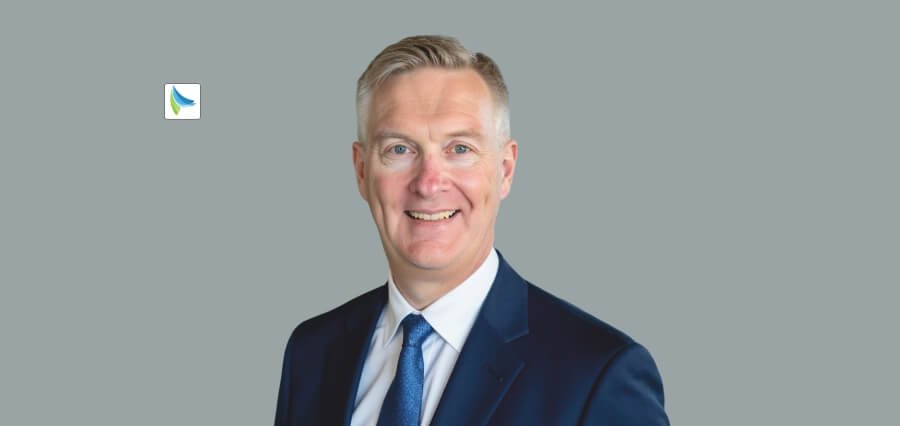
Howard Zach: Charting New Frontiers in Cybersecurity Leadership
It is a world in which another line of code is written into the history of the world second by second – a world that continually evolves, and peril hangs in the balance for every endeavour. The cyber world is full of potential, but silently lurking behind each step, its shadowy evil counterpart makes certain a shadow is cast over office skyscrapers, family living rooms, and even over the cloud. It is a frontier of ghost spies, sniffers of danger in minds before it is front pages and dreamers who, in every piece of information, envision the potential to construct something that lasts. The virtual frontier is repaid by more than cunning minds but by hearts bold enough; souls who charge to explore but never to lose ground. It is where confidence lifts economies and innovation constructs futures. And steps in Howard Zach– calm demeanor amidst the storm, visionary who discovers potential and brings it hip. Where crisis and transformation overlap, Howard charts new terrain, marrying raw service to shock vision. Cybersecurity is not a hammer to him but a lever to expansion, faith, and long-term transformation. Identity Forged in Service Howard’s journey began not with a dream of power, but of service. He wears his military background as both armour and compass. The codes learned there, discipline, accountability, and leading by example, fuel his mission at Digital Beachhead. In Howard’s world, a leader takes responsibility for every outcome. He listens closely, acts swiftly, and rallies his team not around fear but potential. He stands for the idea that cybersecurity is for the bold, transforming risk into a resource and resilience into an advantage. Seeds of Leadership: Lessons from the Field Howard notices what others miss. He sees that too many organizations bolt the doors after the storm hits. So, he builds teams that anticipate, designing systems that deflect chaos before it can enter. He turns reaction into strategy, fear into preparation. With Howard at the helm, Digital Beachhead stops fighting yesterday’s fires and starts lighting the way forward, treating cybersecurity as the backbone of bold innovation. Clients come to him worried; they leave relieved and prepared. From Challenge to Catalyst Howard believes that in cybersecurity, every crisis is a teacher. Two challenges haunt the field- scarce talent and complex rules. He rewrites the playbook. Instead of chasing exceptional candidates, he grows them- mentoring rookies into experts, while modelling curiosity and grit. Regulation, too, is a living puzzle. Howard studies every jurisdiction but refuses a one-size-fits-all approach. He listens first, adapts fast, and tailors success. His leadership is proof that the best defenses start with understanding, not assumption. Howard brings energy to navigating a regulatory world where rules shift from one border to the next. His ability to harmonize client operations with frameworks across multiple regions positions Digital Beachhead as a trusted partner for organizations that operate globally. He shows it is possible to thrive, not just comply, amidst uncertainty. Innovation, The Everyday Habit In Howard’s orbit, innovation is not an event; it is a practice. His mantra is: test fast, fail safe, scale what works. “Only the best solutions reach clients, each idea sharpened by internal scrutiny. Creativity answers uncertainty,” he states. Howard does not shy away from taking risks, but he insists on maps and backup plans. His teams learn that, under his guidance, courage follows preparation, and audacity is always rooted in discipline. This balance keeps Digital Beachhead two steps ahead of each new threat. Howard thrives on both the successes and failures that innovation brings. Even when a new approach fails to land perfectly at first, he encourages his team to extract the lessons and use them as platforms for the next breakthrough. This culture of “fearless adjustment” means Digital Beachhead’s teams never become complacent and always seek to push a little further. A Beacon Amid Uncertainty Change is the only constant, but Howard charts the course. He welcomes the new but never lets go of the mission. In the face of regulatory upheaval or technical storms, his presence calms teams and clients alike. They see more than a decision-maker. They find a navigator who is as invested in protecting as in pioneering, and as steady in a crisis as in the daily grind. Howard embodies the rare blend of visionary and guardian, making others bolder simply by standing beside them. Continuous communication with both his internal teams and clients underpins his leadership. Howard’s ability to explain both the “why” and “how” of every step ensures buy-in and removes friction, even when adapting to fast-moving threats or business pivots. For his colleagues, this means they are never left in the dark. For clients, it fosters loyalty and trust long after the engagement ends. Service Beyond Security For Howard, every client’s safety is only the beginning. True innovation, in his eyes, empowers people. He reimagines cybersecurity as the great enabler, turning anxious silence into confident movement. Each engagement is a question: how can this solution become a springboard for new business, deeper trust, or a fresh partnership? His leadership lifts clients to see security not as an overhead, but as an investment in possibility. Here, organizations come to believe in what they can achieve tomorrow, not just what they must survive today. Howard spends time listening to the aspirations and pain points of clients. This personalized approach means Digital Beachhead crafts solutions that fit not only the technical requirements but also the unique ambitions of every business. He transforms client engagement from a contractual interaction into an active partnership. This commitment is a cornerstone of the firm’s reputation. Anchored by Routine, Driven by Curiosity Howard’s secret weapon is rhythm. Each morning starts with quiet intention- time carved out for reflection, planning, and learning. Physical activity clears his mind and sparks creative insights that fuel his approach to leadership and problem-solving. Reading widely, from technological trends to historical leadership and artistic expression, Howard draws inspiration beyond cybersecurity. This diverse input feeds his innovative thinking and broadens his
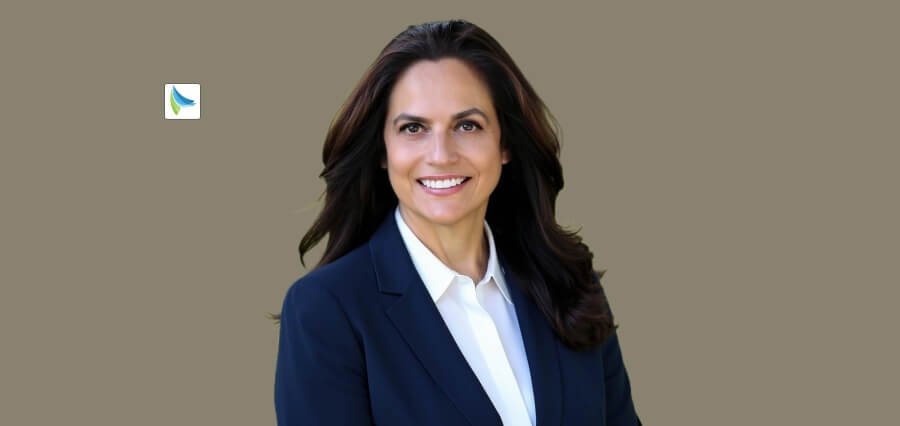
Helen Thomas: Fortifying the Front Lines of Cybersecurity Excellence
Every second, an invisible war rages. Digital adversaries probe networks, take advantage of vulnerabilities, and surgically breach defenses while most people sleep. In a world where a single compromised credential can bring down entire organizations, where sensitive defense data is vital to national security, and where small businesses suffer because they lack the means to defend themselves, cybersecurity has evolved from a technical concern to an existential necessity. Visionaries who recognize that defending digital infrastructure entails preserving the fundamental trust that underpins modern security, protecting livelihoods, and protecting innovation are needed to address this crisis. From Curiosity to Calling One such visionary, Helen Thomas, didn’t stumble into cybersecurity; she was drawn to it by fascination. As Director of Cybersecurity Governance, Risk & Compliance at Digital Beachhead, she represents a new generation of security leaders combining technical acumen with strategic vision. Her journey began with curiosity about how systems function and how they can be protected against increasingly sophisticated attacks. That intellectual spark ignited as she recognized cybersecurity’s critical role in protecting infrastructure supporting national defense. As a Certified CMMC Assessor, Helen operates within standards designed to enhance security across the Defense Industrial Base serving the Department of Defense. Every assessment she conducts directly impacts organizations handling sensitive defense data. Guidance from mentors, including Digital Beachhead CEO Mike Crandall and President Howard Zack, helped her grow into roles where she now supports teams and drives strategic initiatives. Her focus remains unwavering: helping organizations navigate evolving threats while maintaining compliance with regulations that shift as rapidly as the attacks themselves. Confronting Industry Challenges The cybersecurity landscape presents relentless challenges. Threats evolve with frightening speed, morphing faster than defenses can respond. Small businesses face acute vulnerabilities. They handle sensitive data yet lack the budget or internal expertise to implement robust security measures. A growing skills gap compounds these difficulties. Helen tackles these obstacles through practical solutions. Digital Beachhead champions vCISO services, providing organizations access to experienced security leadership without full-time executive costs. She actively supports bringing interns into the field, building a future talent pipeline. Helen believes collaboration with peers and knowledge-sharing remain essential to strengthening the overall security posture. The Innovation Mindset What propels Helen forward? Her fundamental belief that every challenge contains seeds of opportunity. The responsibility of protecting people and systems creates an unwavering commitment to discovering new solutions. She draws inspiration from innovations rippling across the industry and from witnessing how rapidly technology evolves. For Helen, innovation transcends business metrics. It represents finding better ways to solve problems and genuinely improve lives through creativity and a willingness to challenge conventional thinking. Innovation means creating positive impact, making technology more accessible, enhancing security for users, and helping others develop critical skills. Her approach to risk reflects this balance. She emphasizes careful assessment and thorough preparation, gathering sufficient information to enable informed decisions. She balances risks against potential benefits while maintaining backup options. This calculated approach keeps teams aligned while transforming uncertainty into opportunity. Leadership Shaped by Experience Helen’s leadership philosophy stems from rich life experiences, teaching her the importance of empathy, patience, and adaptability. Having lived in different countries and experienced various cultures, she gained perspectives that inform her thoughtful approach to complex situations. Helen recognizes that every situation carries unique nuances requiring genuine listening. These lessons influence how she supports her team, encourages open communication, and values diverse perspectives. They reinforce her ability to remain calm under pressure and make decisions, balancing immediate needs with long-term goals. Helen maintains focus through deliberate habits blending structure with flexibility. She carves out time blocks for deep work, makes space for strategic thinking during morning walks, and plays golf, which teaches patience and perspective. Time away from work isn’t a distraction, but it provides the opportunity to devise breakthrough ideas. Wisdom for Emerging Leaders Helen’s advice to young leaders resonates with hard-earned wisdom. Focus on listening, learning, and staying relentlessly curious. Making a real difference is built through consistent effort, integrity, and willingness to grow. In cybersecurity, staying current isn’t optional; it’s survival. The landscape changes constantly, requiring continuous learning. She encourages emerging leaders to ask questions without hesitation and seek mentors who can guide their development. Staying connected to core values and working within supportive team cultures makes a significant difference. Most importantly, Helen reminds the next generation that leadership is fundamentally about service rather than position. Patience, commitment, and trust that small, consistent actions lead to meaningful impact form the foundation of lasting influence. The Guardian’s Legacy Helen exemplifies how technical expertise combined with empathetic leadership creates a transformative impact in cybersecurity. She protects not just systems and data but people and organizations depending on digital infrastructure to operate safely in an increasingly interconnected world. Her work represents the critical intersection where technology meets humanity, where compliance enables capability, and where one leader’s vision helps countless organizations navigate the treacherous digital landscape with confidence. In an era where cyber threats loom larger every day, leaders like Helen stand as essential guardians of the digital future we’re all building together. Read Also : Khaled Elmoursi: The Visionary Architect of Supply Chain Resilience
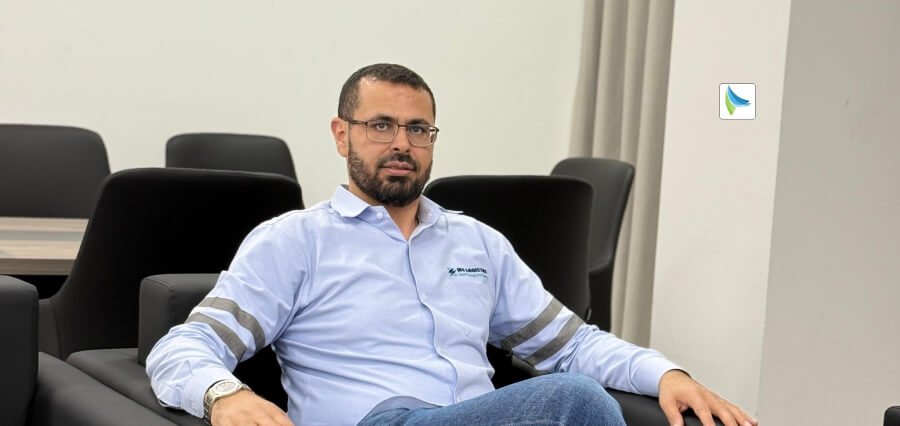
Khaled Elmoursi: The Visionary Architect of Supply Chain Resilience
Imagine a future where every crop makes it to every table, a world in which supply chains roar with the might of determination and imagination. In such a world of boundless potential, Khaled Elmoursi is a logistics leader who applies design thinking to improve day-to-day operations and stakeholder communication. Khaled views logistics as an interconnected system that requires clear strategy, operational flexibility, and disciplined execution. Under his leadership, warehouse layouts and temperature controls have been optimized to improve storage efficiency and product safety. His career progressed through practical operational roles and strategic decision‑making, with attention to both people and environmental considerations. Khaled draws on field experience and stakeholder engagement to inform decisions that aim to improve supply chain outcomes for partners and communities. His approach blends operational experience with a focus on continuous improvement and team development. Reimagining Logistics Leadership Khaled currently serves as the Chief Operating Officer at Mahasin Alsharq Logistics (MS Logistics), orchestrating the flow of goods and ideas through a web of connections that bridge the worlds of agronomy and advanced supply chain management. With over twenty-one years of industry expertise, he brings a rare blend of scientific insight and creative problem-solving. Khaled’s journey started in the heart of agriculture, where hands-on farming cultivated his deep respect for the forces shaping perishable goods. As an agronomist and Certified Supply Chain Manager, he has used his technical foundation to design cold chain solutions that extend far beyond conventional boundaries. He treats cold storage and refrigeration engineering as technical disciplines essential to preserving product quality and food safety. Through every task, Khaled employs inventive approaches. He transforms warehouses into intelligent environments with IoT deployments, crafts strategic plans for material handling equipment, and personalizes 3PL service models to fit the needs of diverse partners. His role at MS Logistics centers not just on operational transformation, but on sparking commercial innovation and ensuring every move is data-driven and impactful. Values That Drive Excellence At the foundation of Khaled’s leadership lies the bedrock of MS Logistics’ five core values: safety, integrity, care, collaboration, and agility. These principles are not merely words on a wall, they are the living framework that guides Khaled and his team to exceed client and partner expectations at every turn. Safety stands as the paramount commitment, ensuring a secure environment that builds trust and enhances operational efficiency across every facility and transport route. Integrity anchors every decision, upholding ethical standards and transparency that foster reliability and maintain MS Logistics’ reputation for excellence. Care creates a supportive environment where employees and clients feel genuinely valued, enhancing both satisfaction and service quality in measurable ways. Collaboration transforms individual expertise into collective innovation, with teamwork and partnership leading to creative solutions and shared success. Agility empowers the organization to embrace flexibility, adapting swiftly to market changes while maintaining competitiveness and delivering cutting-edge solutions. Together, these values shape not just how MS Logistics operates, but how Khaled approaches every challenge, with purpose, principle, and an unwavering commitment to all stakeholders. Bridges Between Production and Progress Khaled’s expertise is rooted in the fragile balance of temperatures, where even the smallest deviation can spell disaster for crops and food products. Witnessing the volatility of perishable supply chains, he resolved to shield product integrity through creative system design, reducing waste, and enabling growers to access broader markets. The leap from the farm to the warehouse came naturally, each step guided by a vision of resilience and expanded opportunity. As a leader, Khaled mobilizes teams with clarity and invests in effective capital allocation and coordinated actions across functions. At MS Logistics, his vision becomes tangible through scalable cold chain solutions that advance growth and foster food security on a regional scale. Every strategy Khaled deploys is firmly anchored in data and empathy, ensuring that solutions address real-world needs without losing sight of future possibilities. Creative Solutions for Thorny Challenges Cold chain logistics faces formidable barriers such as high capital investment, relentless energy demands, regulatory scrutiny, and fractured markets. Khaled responds to these challenges with an artist’s mind and an engineer’s discipline. He directs attention and resources toward flagship projects, such as the high-density, energy-smart warehouse in Riyadh and the innovative new facility planned for Jeddah. These facilities, developed in alignment with Saudi Vision 2030, are intended to expand cold-chain capacity and support regional food distribution. Technology is core to Khaled’s approach. By deploying advanced Warehouse Management Systems, IoT sensors, and an evolving Transportation Management System, he drives both precision and adaptability. Rigorous quality control, anchored to HACCP and ISO, sets the tone for excellence. Meanwhile, targeted workforce development ensures that human expertise grows alongside technological capabilities. Through bold partnerships spanning construction, technology, and regulation, Khaled positions MS Logistics to grow rapidly and responsibly, with creativity lighting the way. Innovation: The Pulse of Progress Khaled consistently prioritizes innovation in operations and process improvement. He approaches creativity not just as a means to business success, but as a living principle: every solution must serve people and sustain the planet. He champions approaches that reduce food waste, drive energy efficiency, and expand the circle of beneficiaries- from producers to consumers. In a world where technical challenges abound, Khaled finds motivation in the knowledge that every refined process and every efficient delivery improve lives. He values measurable improvements—such as enhanced refrigeration reliability, higher space utilization, and reduced emissions—that create business value and lessen environmental impact. In moments of adversity, Khaled’s creative urgency sharpens, driving him to experiment, learn quickly, and pivot toward innovation that meets the moment’s demands. Risk-Taking with a Creative Compass Khaled navigates risk as a calculated voyage. His phased pilot programs start small, anchored by precise KPIs like temperature reliability and operational efficiency. Each new initiative undergoes rigorous review and is supported by contingency plans. Khaled’s “fail small, scale smart” philosophy is a creative response to industry uncertainty, giving his teams space to innovate without inviting unnecessary risk. Every step forward is a blend of ambition and method, ensuring that progress is sustainable and effective. Leadership
Harsh Baid: Leading the Future of Pain-Free Living
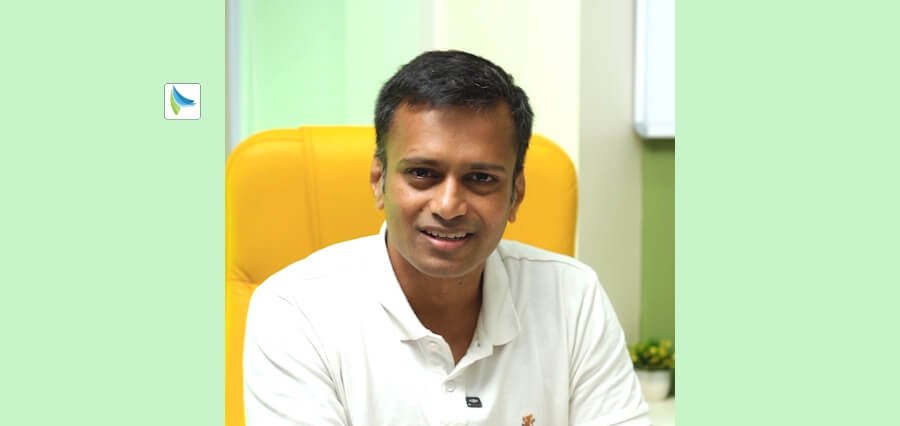
Harsh Baid had long faced a question he could not ignore: why do so many people keep suffering from chronic joint pain even after trying many treatments? Watching his parents, relatives, and close friends deal with ongoing pain made him frustrated, empathetic, and determined to find a better way. He had spent years in investment banking and entrepreneurship, building businesses that were data-driven and scalable. But even with all that experience, he realized the healthcare system gave little clarity or measurable results for people with chronic pain. These personal experiences and professional skills led him to found Pravaayu, a healthcare company aimed at making Ayurveda trustworthy, clear, and focused on real results for patients. Many people had tried painkillers, physiotherapy, injections, and even considered surgery, yet most only got temporary relief or faced treatments that felt extreme and permanent. Modern medicine often addressed the symptoms but not the cause. Alternative therapies, especially Ayurveda, had potential but were often unstructured, unclear, and hard to follow. Harsh saw that Ayurveda had answers, but it was being practiced in ways that made it hard for modern patients to trust or stick with the treatment. Closing this gap between ancient wisdom and today’s expectations became the foundation for Pravaayu. Let’s explore how Harsh is combining traditional Ayurveda with modern methods to help people find real and lasting relief from chronic pain! Mission and Vision At its core, Pravaayu exists for one uncompromising purpose: to end pain using Ayurveda, credibly, transparently, and measurably. Harsh’s long-term vision is ambitious yet grounded in practicality. He envisions a future where result-oriented, progress-tracked Ayurveda becomes the first line of treatment for chronic joint and musculoskeletal conditions, before patients are pushed toward lifelong medication or irreversible surgeries. Pravaayu does not position Ayurveda as an alternative. Instead, the goal is to help it stand confidently alongside modern medicine, supported by data, outcomes, and accountability. The philosophy is clear. Tradition and technology do not compete. They complement each other. The Real Problem In Harsh’s view, the chronic pain ecosystem does not suffer from a lack of treatments. It suffers from a lack of trust. Patients are exhausted by vague assurances such as “pain will reduce” or “root cause treatment” without concrete answers. They want to know how much improvement is happening, by when, and what happens if progress stalls. This absence of clarity has created deep skepticism, particularly among educated, urban families who seek evidence rather than blind faith. Simultaneously, many Ayurveda clinics operated without standardized protocols, outcome tracking, or patient education. Healing was often treated as an abstract process, leaving patients unsure of whether their efforts were yielding real results. Pravaayu was created to bridge this exact gap by blending Ayurvedic wisdom with modern systems, research-backed formulations, technology, and transparent communication. The Game-Changing Innovation Pravaayu’s most disruptive innovation is not a single therapy or proprietary medicine. It is the Progress-Tracked Ayurveda System. Every patient’s recovery journey is tracked using objective and functional parameters, including pain scores, mobility range, strength benchmarks, imaging insights where applicable, and improvements in daily activities. Patients are regularly shown their own progress, transforming healing from an abstract concept into something visible, tangible, and motivating. Behind the scenes, Pravaayu operates on structured treatment SOPs, uses research-backed organic formulations, and increasingly leverages AI-supported analysis to identify patterns, optimize protocols, and continuously improve outcomes across clinics. This system has fundamentally transformed Ayurveda from a black box into a guided, data-informed healing journey, one that patients can understand, trust, and commit to. Leadership Philosophy and Culture of Innovation Harsh’s leadership philosophy is grounded in simplicity and substance. As he often emphasizes, “clarity over charisma, systems over shortcuts, and empathy over ego.” At Pravaayu, innovation is not driven by brainstorming sessions alone but by real-world problem-solving. Doctors, therapists, and operations teams are empowered to question protocols, suggest improvements, and intervene early when patient progress does not align with expectations. He consistently reinforces a single guiding principle across the organization: “We will do whatever it takes to cure our patients.” Teams are encouraged to ask difficult questions daily. Is this working? Can this be explained better to the patient? Can this be measured more clearly? Transparency is non-negotiable. If progress slows, it is acknowledged openly, and treatment plans are adapted accordingly. Challenges on the Journey One of the most significant challenges Pravaayu faced was changing patient mindsets, especially among individuals who had lost hope after years of chronic pain. Convincing them to commit to a structured, medium-term Ayurvedic program required patience, education, and consistent proof. Internally, building a multidisciplinary team capable of thinking beyond traditional silos posed another challenge. Training doctors and therapists to adopt measurement, documentation, and patient communication as core competencies took time and sustained effort. These obstacles were overcome not through aggressive marketing, but through consistency, rigorous training systems, and allowing patient outcomes to speak louder than claims. Impact and Achievements Today, Pravaayu operates multiple clinics across Mumbai and has helped thousands of patients experience meaningful pain relief, improved mobility, and renewed confidence in Ayurveda. For Harsh, the most rewarding moments are deeply personal. They are found in the relief on a patient’s face, the return of a smile, restored confidence, renewed hope, and the joy of reclaiming a normal, pain-free life. Recognition for innovation in Ayurvedic treatment has validated Pravaayu’s core belief that higher standards and transparency are not optional. They are essential if Ayurveda is to earn global respect. Advocacy and Advice to Emerging Entrepreneurs Beyond building Pravaayu, Harsh actively advocates for higher standards, transparency, and outcome accountability across alternative healthcare. He believes Ayurveda deserves global credibility, but only if practitioners hold themselves to rigorous benchmarks. His advice to emerging entrepreneurs reflects this grounded philosophy. Don’t chase disruption for headlines. Solve a real problem deeply. Build systems, not just stories. And never underestimate the power of empathy backed by data. Pravaayu’s journey, he believes, has only just begun. Yet its commitment remains unwavering, to help people move freely, live fully, and trust Ayurveda again, this time with
Lavik Ichpilani: Redefining Medical Distribution Through Transparency, Technology and Trust
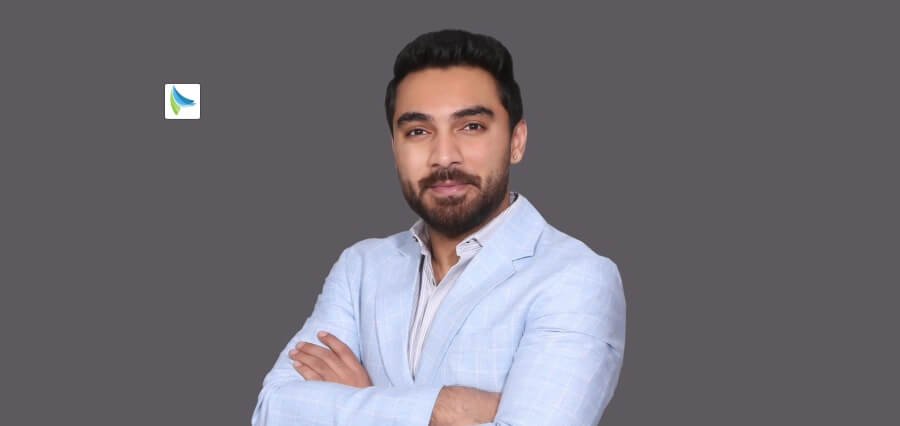
Lavik Ichpilani, the Proprietor and Managing Director of Rama Krishna Surgical, has redefined medical distribution by challenging an industry long dominated by opaque pricing, fragmented supplier relationships, and slow procurement processes. He introduced radical transparency as a core operating principle, providing hospitals with clear pricing, real-time product availability, and open, data-backed specification guidance. This approach eliminated ambiguity and replaced transactional supplier dynamics with trusted, knowledge-driven partnerships. By giving hospitals accurate, accessible information, Lavik enabled faster procurement cycles, improved decision accuracy, and reduced operational friction. He positioned transparency not as a compliance exercise, but as a strategic advantage that strengthens trust and delivers measurable value across healthcare supply chains. Overcoming Industry Resistance and Legacy Mindsets Implementing transparency in a traditionally closed industry was not without its challenges. The most significant obstacle Lavik encountered was resistance to change. Many stakeholders were comfortable operating within long-established systems that prioritized control over clarity. Convincing the market that openness could enhance speed, accuracy, and outcomes required more than advocacy; it required proof. Lavik met this challenge through execution. As hospitals experienced shorter procurement cycles, fewer specification errors, and improved operational efficiency, skepticism gave way to adoption. Transparency demonstrated tangible value, validating the model and establishing a new benchmark for procurement effectiveness in healthcare. Technology as the Engine of Smarter Supply Decisions Innovation under Lavik’s leadership is structured around one clear objective: enabling faster, smarter medical supply decisions. Rather than adopting technology reactively, he strategically integrates artificial intelligence, automation, and advanced analytics into the core of medical distribution operations. These systems track demand patterns, analyze hospital consumption trends, predict shortages, and streamline logistics planning. Real-time analytics provide hospitals with accurate insights into pricing, specifications, and lead times, removing uncertainty from critical procurement decisions. This technology-driven infrastructure ensures reliability, efficiency, and responsiveness, qualities essential in healthcare environments where delays can directly impact patient outcomes. Building a Culture That Challenges the Status Quo Beyond systems and strategy, Lavik’s leadership is defined by the organizational culture he has cultivated. He has built an environment where questioning outdated practices is encouraged rather than discouraged. Teams are empowered to challenge conventional hospital procurement norms, propose bold ideas, and test innovative solutions that enhance transparency and efficiency. Lavik rewards honest feedback, rapid problem-solving, and data-driven experimentation. By giving his people ownership and the freedom to disagree constructively, he fosters continuous improvement and adaptability. This culture of intellectual rigor and accountability keeps the organization ahead of industry shifts while consistently delivering meaningful value to the healthcare ecosystem. Balancing Long-Term Vision with Operational Discipline Lavik’s leadership is marked by a rare balance between ambition and precision. His long-term vision is clear: to transform medical distribution through transparency, technology, and reliability. However, execution remains firmly grounded in discipline and real-time insight. In volatile market conditions, Lavik relies on live data; monitoring demand fluctuations, pricing dynamics, and hospital consumption patterns, to inform decisions. This approach enables rapid adaptation, protects cash flow, and mitigates risk without diluting strategic intent. It is a dual operating model: bold in direction, exacting in execution, ensuring stability today while building capability for tomorrow. The Future of Medical Distribution: A Data-Driven Ecosystem Looking ahead, Lavik envisions a fundamental transformation of medical distribution over the next five years. He anticipates a shift toward fully data-driven procurement systems characterized by real-time inventory visibility, predictive hospital demand planning, and standardized, transparent procurement frameworks. In this future state, fragmented supply chains will give way to integrated, intelligent ecosystems. Procurement decisions will be faster, more accountable, and closely aligned with clinical and operational priorities, reducing waste, improving availability, and strengthening healthcare delivery outcomes. A Legacy Defined by Transparency and Accountability Lavik’s personal ambition extends beyond commercial success. His goal is to establish one irreversible industry standard: transparency as the non-negotiable norm in how hospitals source, evaluate, and purchase medical supplies. He seeks to ensure that openness, accuracy, and accountability become embedded in the operational DNA of medical distribution. If his leadership leaves a lasting legacy, it will be the normalization of trust-driven procurement, where clarity replaces complexity, data replaces guesswork, and healthcare providers operate with confidence in every supply decision. Through principled leadership, technological foresight, and a commitment to transparency, Lavik is not merely reshaping medical distribution; he is setting a new standard for how the industry moves forward. Read Also : A Champion of Digital Revolution – George Thomas: Ensuring Clients Can Bank Upon Sagicor Bank (Barbados) Limited

A Champion of Digital Revolution – George Thomas: Ensuring Clients Can Bank Upon Sagicor Bank (Barbados) Limited
Recognized as a champion of the digital revolution with over thirty years of experience in the finance and technology sectors, George Thomas’s journey to become a leader as the Chief Executive Officer (CEO) of Sagicor Bank (Barbados) Limited was a natural evolution. In fact, in his words, “I didn’t decide to become a leader.” He thought about being an engineer. He was working for a consulting firm, and they pretty much decided that he should be on a leadership track. “I wasn’t striving for it, but it happened.” During his time there, Thomas proactively closed a major deal for that company: “I found it, and we closed it.” And so one day he was an architect, and the next day he was running a practice. Literally happened like that, and he just progressed along the way from there. “I guess you could say it’s a calling.” Navigating the Digital Vortex: The Banking Challenge Thomas grasps that banking today is defined by relentless complexity. His primary mission is the simultaneous management of two massive forces: the need to consistently deliver high-quality client experiences and the challenge of navigating rapid digital transformation. This landscape is complicated by emerging threats like sophisticated cybersecurity risks and innovative forms of fraud. “The biggest challenges we have in front of us today are to consistently deliver high-quality client experiences while also managing the forces of digital transformation.” Thomas and his team are actively assessing how the AI and GPT phenomena can be leveraged to deliver value to clients and team members while remaining mindful of data privacy and security. His strategy is to adapt mindfully, focusing only on innovations that truly add value for their clients. The Motivation: Patriotism and Legacy Despite the high stakes, Thomas’s drive is deeply rooted in human inspiration and national pride. His greatest motivator is his team, whose daily efforts he finds inspirational. He is also motivated by the joy of seeing the end product delight the client. Fundamentally, Thomas is a patriot, motivated by the opportunity to drive innovation in “little Barbados at the highest level.” His ultimate goal is to create a better space for the young people entering a rapidly changing world, aiming “to leave this space better for them and in the best state possible.” Calculated Risk: The Digital Bank Model Founding a new digital bank in the Caribbean requires substantial risk, which Thomas manages through meticulous, quantitative planning. He views it as a calculated risk, taken by Sagicor Financial Company Ltd., a legacy market-leading financial services institution, which, by the way, just celebrated 185 years of existence. George emphasized the need to assess the risk-reward and manage and control the risk without being cavalier. “You have to really be very quantitative about the what-ifs while being ready to work on formulating mitigation strategies for those what-ifs.” His operational strategy includes building multiple connections and built-in redundancies across all digital and business processes, ensuring continuity and recovery, echoing the principle of business continuity and disaster recovery essential for an internet-enabled enterprise. The Inventive Spirit: Innovation Beyond Technology For Thomas, “Innovation is not technology. Technology is one of the end products of innovation.” Drawing on the adage that necessity is the mother of invention, Thomas defines innovation as “inventiveness in light of necessities,” a continuous effort to creatively address existential challenges and improve the quality of life, product, and circumstance. This holistic view ensures his bank’s digital transformation remains purpose-driven rather than trend-driven. Grit, Resilience, and First Principles Thomas’s leadership is deeply shaped by early life experiences that instilled grit and resilience. Having overcome obstacles at a young age, “I believe in problem-solving, I often say let’s go back to first principles and let’s figure it out and let’s keep working it until we find a solution.” This reliance on first principles allows his teams to pivot and adapt plans as needed. Crucially, his personal history also affords him a measure of empathy in dealing with the circumstances of his team members and clients, ensuring high performance is achieved while remaining mindful of their state of mind. A Game-Changer: The Launch of Sagicor Bank The most impactful moment in Thomas’s recent career was the launch of Sagicor Bank itself. “The fact that Barbadians and Caribbean people were able to produce something as innovative as this, and I would dare say in record time, nine months. I think that was a game-changer!” In just two and a half years, the bank organically acquired 30,000 customers with a high satisfaction rate, demonstrating that the pursuit of excellence and innovation yields tangible, community-wide benefits. The Daily Discipline: Atomic Habits To maintain his focus and creativity amidst high stakes, Thomas adheres to a disciplined, incremental routine. He meticulously writes down everything he needs to do daily. He gives himself a “hero biscuit” (a small green tick) for every completed task, consciously applying behavioral psychology principles like dopamine release to sustain motivation. This habit aligns with the principles of the book Atomic Habits, underscoring his belief that “if you do the small things every day, consistently, eventually the aspirations will manifest.” The Long View: Executing and Pivoting Thomas balances immediate demands with the long-term vision of Sagicor Bank by maintaining a disciplined planning cadence that addresses the immediate quarter, the next year, and beyond. “We take a long view, we listen to our clients, you listen to your shareholders; one must have a plan, but be ready to make adaptations to that plan in order to achieve favorable outcomes.” Advice for Leaders: Self-Mastery First Thomas’s advice for aspiring leaders is counterintuitive: focus inward before leading outward. He champions self-mastery as the foundation of effective leadership. “You’ve got to work on self-mastery first. You’ve got to be able to lead yourself first if you aim to lead other people.” He urges young professionals to learn their craft, embrace daily gratitude, and use atomic habits for incremental improvement. Thomas believes that leadership opportunities present themselves when preparation meets opportunity, stressing that developing strong Emotional
A True Spirit – Manohar Lal: Driving the Medical Industry Forward with Manarti Exports
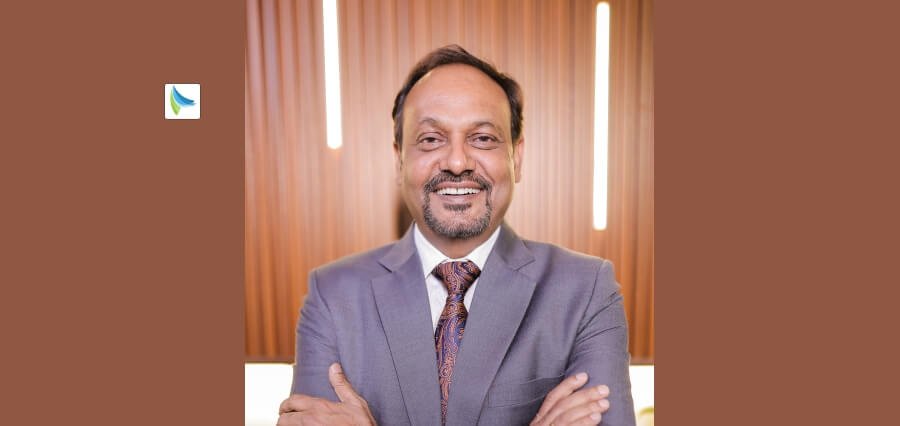
From the beginning, that is, since the time he joined the medical industry, Manohar Lal felt an unease. The sector posed a challenge, which he later realized was an opportunity in disguise. For years, he says, they (he and his like-minded colleagues) watched a large Share of medical products being imported from China, even though our own industry in India had immense potential for innovation, growth, and creating world-class products. After spending more than two decades in the pharma and medical field, Manohar felt a responsibility to change that narrative. “I wanted to build a company that could proudly compete on the international stage through exceptional quality, strong packaging, and fast, reliable delivery.” But more than the business vision, what inspired him most was the people. India is home to a vast pool of talented, hardworking individuals who only need the right training and the right opportunity to grow, he says. Creating jobs, nurturing talent, and helping individuals build meaningful careers became just as important as building the company itself. To Manohar, true leadership in his field doesn’t come from titles — it comes from empowering the next generation with skills, knowledge, and employment. “When we uplift people, we uplift the entire industry,” he believes. Turning Challenges into Opportunities Being the Founder and Chief Executive Officer (CEO) of Manarti Exports, Manohar’s leadership has always been tested by one challenge after another. The medical industry, since 2018, has been moving at a steady pace. But by the end of 2019, with the arrival of COVID-19, Manohar adds that they faced unprecedented challenges—scarcity of medical products and immense pressure on healthcare infrastructure. During this dark time, the industry worked tirelessly, round the clock, day and night, to rise to the challenge. While thousands of lives were lost and the virus spread rapidly, medical professionals in hospitals, supply chain workers, and employees gave more than 100%—pouring their hearts and souls into saving lives and ensuring essential supplies reached healthcare centres. “We stayed open every single day, doing everything possible to meet the urgent demand.” “Those three years were the most challenging we have ever faced, yet they gave us a new perspective: how to grow, adapt, and always be ready for any challenge.” On the positive note, Manohar adds that since then, India has witnessed rapid growth in infrastructure, new manufacturing units, and faster response systems. “But more importantly, those years taught us the power of dedication, courage, and teamwork—the true spirit that drives the medical industry forward.” Manohar looks differently at challenges and believes that they always bring opportunities. Over the past few years, they, at Manarti Exports, have learned a great deal from the obstacles they faced, and the opportunities that arose from them have kept them motivated to do even more. Working in international markets, they continuously learn about new technologies, evolving product requirements, and global best practices. “This constant learning and adaptation inspire us to innovate, improve, and stay ahead, no matter how difficult the times.” Moreover, Manohar believes that risk is an inherent part of any business. “When we venture into something new, it becomes crucial to plan carefully and analyze the risks involved.” At the same time, it is essential to have patience and understand that it may take time before the efforts and risks invested in a new product or approach start giving results. Taking Innovation Beyond Business Success Beyond business success, to Manohar, innovation is not just about inventing something entirely new. It’s also about sharpening what we already have—improving existing products or processes to make them more effective, useful, and meaningful for the end user. At the same time, innovation includes making a product appealing and user-friendly, because how something looks and feels can be just as important as how it works. In essence, innovation is about creating value and enhancing experiences, not just achieving business success. Also, having worked in the Medical and Pharma industry for over 25 years, Manohar has learned that trust, patience, and consistency are the real pillars of leadership. “Over these two decades, the relationships I built—with customers, vendors, and partners—showed me that leadership is not about authority, but about reliability and standing true to your word.” This trust extended not only to customers but also to more than 150 vendors across India, with whom Manarti Exports celebrates every success as one team. Manohar adds, “Their faith in me has been one of the greatest strengths of my entire journey.” With this support and shared belief, they grew from a small team of just four people to a strong and dedicated team of fourty today. “Every step of this growth has reinforced my belief that true leadership is built on trust, meaningful relationships, and the courage to stand by your commitments—even when the path isn’t easy.” Read Also : Mike Crandall- Defending the Digital Frontline with Purpose and Conviction
Mike Crandall- Defending the Digital Frontline with Purpose and Conviction
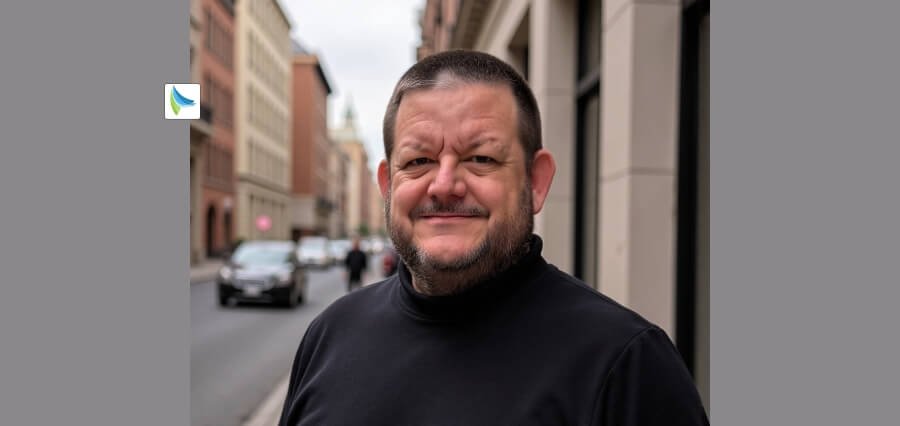
In a time when cyber attacks have a multiple higher than defenses are able to keep up with, the warfront has shifted from trenches to networks. In this guerrilla warfare, in which nothing is as it once was, small businesses are at the front, exposed, under-staffed, and often unaware of danger surrounding them. But from this landscape of risk and uncertainty comes a new type of leader: one hardened not in the boardrooms but in combat zones, where every decision had consequences and every mission had accountability. Mike Crandall’s journey from military service to cybersecurity business executive is a reverse of the classic story of market potential and profit. His is a tale of transformation- of challenge into purpose, discipline into creativity, and leadership into service. Today, as the driving force behind Digital Beachhead and founder of Afghan Promise, Mike is proof that protecting others, in war zones or cyberspace, is not only a job but a calling. When Corporate Security Crumbles Mike’s entrance into cybersecurity entrepreneurship began with the very thing his future company would fight against- a failure of protection. After more than two decades in the military, including multiple combat deployments, he transitioned to civilian life believing his path was secure. A major Department of Defense contracting company offered him a position that promised stability- a twenty-year runway toward retirement. Then came an acquisition that swept through the organization, bringing restructuring that left Mike among those let go, not due to performance, but as collateral damage of corporate consolidation. For many, such a moment represents professional devastation. But Mike’s military training had instilled a different response: when circumstances change, you adapt. More importantly, when a system fails to protect you, you build a better one. Partnering with a trusted colleague who shared his frustrations and vision, he co-founded Digital Beachhead. The name reflects their military heritage, establishing a secure foothold in contested territory. Yet this would not be just another cybersecurity firm. Mike had identified something critical: small and midsize businesses were being systematically left behind. While large enterprises could afford comprehensive protection, smaller organizations faced the same sophisticated threats with a fraction of the resources. Mission-Driven Protection The founding principle of Digital Beachhead emerged from Mike’s military mindset about force protection. In the field, every element, regardless of size, receives security consideration. He applied this same logic to the business world: small companies face no smaller threats, and they deserve no less protection. Mike builds enterprise-grade cybersecurity solutions for organizations previously priced out of adequate defense. He understands these businesses are the economic backbone- manufacturers, healthcare providers, and service companies that sustain communities nationwide. A cyberattack doesn’t just affect the owner; it ripples across employees, customers, and suppliers. For Mike, protecting them represents a continuation of service in a different uniform. Leading from the Front His 20-plus years of military service taught him a leadership principle that transcends context: lead from the front, and never ask your team to do something you wouldn’t do yourself. When Digital Beachhead required team members to obtain CMMC (Cybersecurity Maturity Model Certification) Assessor credentials, a demanding certification, Mike didn’t just issue the order. He enrolled, studied, and sat for the same exam. This act built trust: his team saw their leader shoulder the same challenge and meet the same standard. Combat also gave him perspective. In high-pressure business situations, he reminds his team that while their work is critical, it’s not life-or-death. That awareness prevents panic and fosters calm, measured decision-making even in moments of strain. The Perpetual Race: Technology Versus Security Every cybersecurity leader faces a central paradox: technology moves at light speed, while security advances at a crawl. By the time protections are implemented, new vulnerabilities have already appeared. Mike combats this imbalance with an unwavering commitment to continuous learning. His team participates in workshops, conferences, and certification programs to stay current. In cybersecurity, he insists, staying informed isn’t a luxury; it’s survival. Nowhere is this more evident than in the rise of Artificial Intelligence. While AI promises transformative capability, Mike approaches it with measured caution, asking: How is data ingested, stored, and reused? What happens to sensitive information once it enters an AI platform? Without clarity, organizations risk exposing trade secrets or proprietary data. Rather than rejecting or rushing into AI, his team studies its models and builds secure frameworks that let clients benefit from innovation without sacrificing protection. It’s a philosophy rooted in military thinking: embrace advancement, but never at the expense of safety. Perspective as Innovation Fuel Mike’s deployments exposed him to hardship few civilians witness- poverty, displacement, and the daily fight for survival. Those experiences reshaped his worldview and permanently recalibrated his sense of scale. When facing business challenges, cash flow problems, market shifts, or lost clients, he reminds himself that perspective is power. He has food, safety, opportunity, and purpose. Gratitude fuels resilience. His military background also taught him adaptability: when one route fails, find another. He distills this mindset into a guiding principle: look back to learn, but focus forward to grow. It’s an ethos that keeps both him and his company moving through uncertainty with clarity and resolve. Confronting Fear and Embracing Risk For Mike, fear is the greatest enemy of innovation. He recalls a former commander who made his unit read Who Moved My Cheese?, a simple lesson in embracing change. People fear the unknown not because it’s dangerous, but because it’s unfamiliar. This understanding allows Mike to take calculated risks. He accepts that not every variable can be controlled but remaining stagnant guarantees failure. His approach: prepare within what’s knowable, expect the unexpected, and adapt when surprises occur. Equally vital is his relationship with failure. He treats setbacks as steppingstones- sources of data, not definitions of worth. Each failure refines the path forward. By reframing failure as information, he turns risk into a tool for growth. Honoring Bonds: The Afghan Promise Mike’s commitment to service extends beyond business into Afghan Promise, a 501(c)(3) organization he founded to aid