






Palo Alto Networks Leads AI Security Race With Console Acquisition
Prime Highlights Quarterly revenue reaches $3.41 billion, beating the $3.35 billion estimate compiled by LSEG. Fiscal 2027 revenue guidance set between $14.10 billion and $14.20 billion, above the $13.79 billion estimate. Key Facts Palo Alto Networks acquires AI-native platform Console to power agentic cybersecurity workflows. Cybersecurity firm posts stronger than expected fourth quarter revenue and profit. Background Palo Alto Networks has beaten fourth quarter earnings estimates and announced the acquisition of Console, an AI native platform built to help organizations apply AI driven analysis and action across enterprise operations. Company leaders linked the move to a broader shift where advances in artificial intelligence are pushing cybersecurity higher up the priority list for corporate technology leaders. CEO Nikesh Arora said the acquisition will let customers build agentic workflows in natural language, allowing systems to automatically flag and remediate issues as they emerge. The cybersecurity firm reported quarterly revenue of $3.41 billion, surpassing analysts’ average estimate of $3.35 billion, according to data compiled by LSEG. Adjusted profit per share reached $1.02, ahead of the 98 cent estimate. Looking ahead, the company forecast fiscal 2027 revenue between $14.10 billion and $14.20 billion, exceeding analysts’ estimate of $13.79 billion. It also projected adjusted profit per share of between $4.16 and $4.19 for the year, above the $4.11 estimate. More companies are folding AI into daily operations, and that growth is reshaping what cybersecurity teams need to cover. Wider AI deployment brings new considerations, particularly around autonomous AI agents working inside enterprise systems. Console gives organizations a direct way to handle these considerations, letting teams monitor and act through natural language commands rather than manual processes. Read Also: How Women Cyber Leaders Are Advancing Cybersecurity Excellence
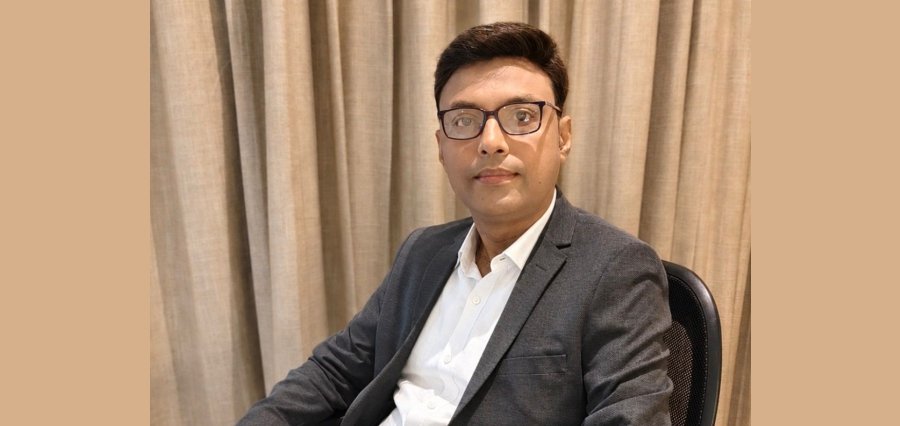
Dr. Subhankar Dasgupta: From Banking to Building a Culture of Financial Planning in India
From banking and insurance to equity markets, entrepreneurship and financial education, Dr. Subhankar Dasgupta is working to make structured financial planning more accessible to Indian households India’s financial landscape has undergone significant change over the past decade, with growing participation in capital markets, expanding access to investment products and increasing awareness of long-term wealth creation. Yet, for many households, financial decision-making remains fragmented, often focused on individual products rather than a comprehensive financial strategy. Dr. Subhankar Dasgupta has built his career around addressing this gap. His professional journey spans banking, insurance, equity markets, financial planning, entrepreneurship and financial education. Over the years, these experiences have shaped his approach to personal finance and led him towards a broader objective: encouraging Indian households to view financial planning as an essential part of long-term financial well-being. A Career Built Across Financial Services Dr. Subhankar Dasgupta began his professional career in banking, where he developed practical experience in financial services, customer relationships and the fundamentals of money management. His subsequent move into the insurance sector broadened his understanding of risk management and financial protection. He later transitioned into the equity and investment industry, taking on managerial and senior managerial responsibilities. This phase provided him with exposure to capital markets, investment strategies, financial analysis and investor behaviour. Working across these different segments of the financial-services industry influenced his understanding of how individuals approach money. He came to view investment, insurance, taxation, risk management, retirement and other financial objectives as interconnected elements rather than independent decisions. That perspective eventually became central to his approach to financial planning. From Industry Experience to Entrepreneurship A significant turning point in Dr. Subhankar Dasgupta’s career came with his association with PDG MEDIA & ENTERTAINMENT as a founding member, where he worked towards promoting professional financial planning. He later served as General Manager – Finance before pursuing entrepreneurship through ventures including PRIG Media & Entertainment and FinGrow India Distribution LLP. His entrepreneurial work further strengthened his focus on professional financial planning and financial awareness. In particular, he has advocated a fee-based approach in which financial advice is positioned around a client’s financial circumstances, objectives and long-term requirements rather than being centred solely on the distribution of financial products. For Dr. Subhankar Dasgupta, financial planning begins with understanding the complete financial picture of an individual or family. Income, expenditure, liabilities, insurance, investments, risk tolerance, retirement requirements and future goals all form part of that picture. Promoting a More Structured Approach to Financial Planning Fee-based financial planning has remained an important part of Dr. Subhankar Dasgupta’s professional philosophy. He believes financial planning should extend beyond selecting investment products. A structured plan requires individuals to understand where their money is coming from, how it is being spent, what risks need to be protected against and what financial objectives need to be achieved over different stages of life. Over the years, he has taken this message to audiences across West Bengal and other parts of India through financial-literacy initiatives, seminars and awareness programmes. His work comes at a time when more Indian households are participating in financial markets and exploring investments beyond traditional savings instruments. Greater participation, however, also increases the importance of financial awareness and informed decision-making. Combining Professional Credentials with Academic Research Dr. Subhankar Dasgupta’s professional experience is supported by academic qualifications and internationally recognised financial certifications. He holds an MBA in Finance and has completed professional programmes including the Chartered Financial Analyst (CFA), Certified Financial Planner (CFP) and Financial Risk Management (FRM) qualifications. He has also completed a PhD focused on Financial Planning and Business Administration. The combination of industry experience, professional qualifications and academic research has allowed him to approach financial planning from multiple perspectives, connecting financial theory with the practical challenges individuals face when managing money. Taking Financial Education to Wider Audiences Financial education has become another important component of Dr. Subhankar Dasgupta’s work. Over the past decade, he has participated in financial-literacy and investment-awareness programmes delivered through online and offline formats. His engagements have included programmes associated with investor-awareness initiatives and audiences ranging from students and working professionals to investors and members of the wider public. He has conducted more than 300 financial-planning and investment-awareness sessions over the past ten years. His central message is that financial knowledge should not be limited to professionals working in banking, investment or financial services. Understanding concepts such as inflation, compounding, asset allocation, insurance, risk management and retirement planning can help individuals make more informed decisions about their financial futures. He has also been invited by educational institutions and other organisations to conduct guest lectures and sessions on finance and financial planning. Recognition Across Finance and Financial Education Dr. Subhankar Dasgupta’s work has received recognition from several organisations and institutions over the course of his career. Among the honours associated with his professional journey are the Economic Times Best Financial Planner Award, recognition from the Global Academy of Finance and Management (GAFM), USA, an International Finance Award associated with London Publications, and recognition from the Times of India for his work as a business and financial analyst. He has also received distinctions including the Bharat Dignity Award and Bengal Excellence Award, along with other professional recognitions connected with financial analysis, financial planning and financial education. These honours reflect different aspects of his career, from professional expertise and financial analysis to public awareness and knowledge-sharing. Bringing Financial Planning to Readers Through The Smart Money Blueprint Dr. Dasgupta is also extending his financial-education efforts into publishing with his forthcoming book, The Smart Money Blueprint. The book is intended to present financial planning in a practical and accessible format for Indian readers. Rather than approaching personal finance solely through technical concepts, it focuses on the everyday decisions that influence long-term financial outcomes. Topics covered include budgeting, cash-flow management, insurance, investments, mutual funds, retirement planning, risk management, financial goals and investor awareness. The Smart Money Blueprint is scheduled for release towards the end of September and is expected to be available through both online and offline

The Most Influential Women Leaders in Cyber Security
The Most Influential Women Leaders in Cyber Security This edition celebrates Flaminia Gabriela Cimpoca, recognizing her influential leadership and contribution to cybersecurity. Through her expertise, strategic approach, and commitment to digital security, she inspires progress, strengthens cyber resilience, and encourages greater excellence within the industry. Digital Link Quick highlights Quick reads

Flaminia-Gabriela Cimpoca: The Bridge-Builder Redefining Cyber Resilience
Most cybersecurity careers begin with a computer science degree and a clear, straight line toward the field. Flaminia-Gabriela Cimpoca’s began somewhere else entirely: a law degree, a decade inside multinational operations and Agile delivery, and a growing sense that the real vulnerability in most organizations was never just technical. That instinct, that resilience is an organizational capability rather than a purely technical one, is what eventually led her to find her own advisory practice, built specifically around the disciplines her earlier career had already forced her to master. Flaminia is the Founder and Principal Consultant of Flamiguard, a governance-first cybersecurity advisory firm based in Bucharest, Romania, established in June 2026. Her path there ran through law, project management, and client-facing operations before an LL.M. in New Technology Law and certifications in cybersecurity, NIS2, and data protection gave her the technical grounding to match her instinct for translation, the same instinct that now sits at the center of everything Flamiguard does. From Law to Governance: A Non-Linear Path Flaminia describes her career as anything but linear and treats that as one of her genuine strengths rather than a detour to explain. Over more than a decade across multinational environments, spanning implementation, project management, Agile delivery, and operations, she found herself increasingly drawn toward the intersection of law, technology, risk, and governance. She reflects, “I had spent my career translating between people, systems, requirements, and business objectives. That insight inspired me to create Flamiguard, a governance-first advisory firm built to bridge business, legal, and technology teams and turn complex cybersecurity and regulatory challenges into practical decisions.” Her work today, she says, is still fundamentally about translation; only now applied directly to risk and compliance. She affirms, “Only now, I translate risk into clarity, compliance into action, and complexity into trust.” Where Technical Sophistication Ends and Resilience Begins What drew Flaminia to cybersecurity specifically, she says, was recognizing how central it sits to nearly everything a modern organization depends on: technology, people, processes, reputation, regulation, and trust, especially as organizations digitize faster than ever, introduce AI into business processes, and move data across increasingly interconnected supply chains. She notes, “Increased technological sophistication does not automatically mean increased resilience. You can invest in excellent security tools and still remain vulnerable if responsibilities are unclear; employees do not understand escalation procedures, or legal, compliance and technical teams operate in silos.” Her project management background taught her to examine dependencies and accountability; her legal background taught her to examine obligations and consequences. She affirms, “Cybersecurity brought those perspectives together.” Governance Before Technology Flaminia’s method with every new client begins deliberately away from tools and technology. She explains, “Before asking, ‘Which tool do you use?’, I want to understand: Who owns the risk? Who makes the decision? Who needs to be informed? What happens when something goes wrong?” That governance-first approach lets organizations identify gaps and prioritize risks rather than attempting to fix everything simultaneously, a discipline she considers particularly important under frameworks like NIS2, where compliance can otherwise collapse into paperwork nobody actually uses. She is blunt about what that failure mode looks like in practice. She notes, “Policies need owners. Controls need processes. Risks need decisions. Management needs visibility.” Her Agile background also shapes how she approaches transformation, favoring incremental improvement over one enormous overhaul, since cybersecurity maturity is rarely achieved in a single project but built through feedback loops, defined ownership, and continuous measurement. She affirms, “The goal is not to become compliant at once. The goal is to become an organization capable of staying resilient as risks change.” The Threats Worth Preparing For Asked which emerging threats deserve the most urgent attention, Flaminia points first to AI-enabled social engineering, since phishing is evolving well beyond badly written emails. She states, “Generative AI can produce highly personalized messages, while synthetic voice and video can make impersonation significantly more persuasive.” Ransomware and supply-chain risk remain major concerns given how deeply organizations now depend on interconnected vendors and cloud providers, since an organization’s security is increasingly shaped by the resilience of the partners it depends on rather than its own perimeter alone. She also flags a quieter risk as equally consequential: uncontrolled internal AI adoption outpacing governance, as employees begin using AI tools faster than frameworks can be established to manage them. She affirms, “Organizations cannot predict every attack. They can, however, build governance structures that allow them to recognize, escalate, contain, communicate, and recover effectively.” Employees as the Strongest Layer of Defense Flaminia pushes back firmly against a phrase common across the industry. She says, “Organizations sometimes describe employees as the ‘weakest link’ in cybersecurity. I don’t particularly like that expression because employees can also become one of the strongest layers of defense if we give them the right knowledge and environment.” Security awareness, in her view, needs to be practical rather than technical: an employee does not need to understand attack architecture, only how to recognize when something feels wrong and feel safe reporting it quickly, and the same principle applies to leadership, since executives do not need to become security engineers but do need enough understanding of cyber risk to make informed decisions. She affirms, “A security culture is created when people understand not only the rules, but why those rules matter.” What Payroll Taught Her About Leadership The experience of Flaminia cites as most formative came earlier in her career. Inside payroll operations, an environment where accuracy, confidentiality, deadlines, and regulatory requirements intersect every day. In one improvement initiative, she helped raise a control process’s quality from roughly 70 percent to 92 percent within six months and separately led a Lean Six Sigma initiative that cut a category of certification errors by more than 90 percent. She reflects, “When something goes wrong repeatedly, blaming individuals rarely solves the underlying problem. You need to investigate the process.” Her diagnostic instinct from that period has stayed remarkably consistent since: where does information break down, is ownership clear, are controls positioned correctly, do teams

How Women Cyber Leaders Are Advancing Cybersecurity Excellence
Advancing Security Leadership The cybersecurity sector is always struggling with a talent gap, and companies have begun to look towards a more diverse range of experts to meet the demand. In that list of professionals leading the way is women cyber leaders who have brought much-needed strategic thinking, technical skill, and collaboration to a field previously reserved only for certain types of people. It is not only a matter of bringing more diversity but also of enhancing cybersecurity itself. Breaking Barriers in a Technical Field Despite major structural barriers, which include inadequate mentoring support networks, unconscious gender bias, and the scarcity of role models for decades, women have managed to make their way into cybersecurity. Nevertheless, many of them have succeeded in developing their career in such areas as threat intelligence, security architecture, incident response, and governance. Today, they occupy positions such as Chief Information Security Officer, security director, and vice president of risk management in Fortune 500 companies and even government organizations. The fact that they are part of the executive decision-making is an indication of a matured field that does not favour conformism in terms of professionals. All of these achievements were not achieved accidentally. Professional organizations, universities, and corporations worked on recruiting and retaining women into technical cybersecurity positions through scholarships, certification sponsorships, and leadership academies. Such programs did not exist a decade ago. This allowed women cyber leaders to become regular speakers of important industry events, framework authors, and influential voices in national cybersecurity policy debate related to data protection. Driving Innovation Through Diverse Perspectives With the increased sophistication of cybersecurity attacks each year, technical expertise alone is not sufficient when it comes to dealing with these attacks; creativity and collaboration are crucial in order to predict and anticipate the ways attackers may be using human and technical weaknesses in their efforts. Women cyber leaders often have multidisciplinary expertise, coming to cybersecurity from careers in law, psychology, business, and public policy. Such diversity of background allows for enriched analysis of the situation on the side of their teams. In addition, team diversity has proven to be very beneficial for tackling complex tasks – research on teams clearly shows that they outperform other teams in dealing with complicated issues. Security teams managed by women cyber leaders benefit from the diversity of perspective as well, considering human aspects and organizational environment, along with technical issues. Moreover, they view cybersecurity not as a technical problem but rather as an organizational issue that concerns all departments, including HR and the Board. Mentorship and Community Building In addition to these individual efforts, female cyber leaders are known to support the development of the next generation of professionals. They are involved in mentoring programs, they fund scholarships for women seeking security certifications, and they share their career stories in order to make entry to the field less intimidating. The Women in CyberSecurity group and Girls Who Code have grown thanks in large part to the advocacy from these leaders inside their organizations. However, the mentoring relationship does not stop there. Female cyber leaders become mentors and advisers to other women who are dealing with difficult technical or social situations at work. The very visibility of these leaders changes the perception of technical security roles among future hiring managers and other coworkers. In the end, this change will break down many barriers that stood in the way of these women entering and staying in the field. Shaping Policy and Industry Standards In a more general way, the role of women cyber leaders grows as they become more influential in shaping policies regarding cybersecurity. They work within the advisory boards, develop strategies related to cybersecurity on a national scale, and help develop standards that would reflect a balance between innovation and risks associated with it. All these activities are necessary since the failure of cybersecurity could lead to much greater negative effects than for just one organization. Data breaches can impact the functioning of vital infrastructure, affect people’s privacy, and lead to a lack of trust in cyberspace. Looking Ahead The ongoing development of women cyber leaders has positive implications for the whole cybersecurity community. In today’s world when threats become more sophisticated and interconnected, all possible means should be used by companies to overcome cybercriminals. Inclusive development of future leaders will help organizations deal with an increasing threat of cyberattacks. It is evident that the more women join security management positions, the better prepared the whole industry becomes not only in terms of diversity but also in terms of adaptability and readiness to fight with criminals. It is one of the best ways to contribute to the security of organizations in the future. Read Also: Delcy Rodriguez Hails Historic US Venezuela Energy Partnership

How Cybersecurity Diversity Pioneers Are Shaping Inclusive Security Teams
Building Inclusive Security There is always a shortage of skilled professionals within the cybersecurity industry, but the sector still ignores a huge talent pool of underrepresented professionals. The cybersecurity diversity pioneers are shifting this paradigm by demonstrating that diverse teams tackle security challenges better than any other team. These professionals support new recruitment strategies and mentoring programs for people who can provide diverse thinking into the industry. Breaking Down Traditional Barriers For decades now, cyber security recruitment has been dependent on very limited qualifications. These include computer science majors, relevant certifications and long-term experience working in IT departments. Such an approach is excluding lots of people with great potential, as they do not have access to expensive education and training. The pioneers of cyber security diversity are changing this situation, by introducing the idea of hiring based on skills. The pioneers understand that threat actors do not care where you come from, so why would defenders care about your background? They encourage companies to hire people who changed careers, self-trained practitioners, etc. Security departments with such diverse personnel have a new perspective on threats, which can help them predict them from a new angle. Building Mentorship Networks Mentorship is one of the best ways by which these leaders have been able to implement change. Many of the diversity proponents in the field of cybersecurity spend considerable time mentoring new entrants into the industry as they undergo the certification process and technical interviews. Companies established by cybersecurity diversity pioneers provide scholarships and study groups aimed at encouraging women, people of color, members of the LGBTQ community, and other marginalized communities. This is because there is often a sense of alienation that occurs when individuals from marginalized communities enter homogenous companies. Reshaping Workplace Culture This is just the beginning though, because practitioners of diversity in the cybersecurity field understand that real change begins with a cultural shift within the organization itself. They assist organizational leaders to identify the hidden bias that exists within the performance evaluations, advancement opportunities, and discussions that distance themselves from highly skilled workers. They fight for flexibility in work schedules, pay transparency, and the creation of employee resource groups that would allow underrepresented professionals to affect company policies. Furthermore, they reject the assumption that the culture of cybersecurity has to be based on competition and “brogrammer” stereotype. They prove that cooperation and psychological safety of workers will yield the best results in terms of security since they encourage reporting vulnerabilities and suggesting unorthodox solutions. Strengthening Security Through Varied Perspectives Various studies prove that diverse teams perform better than homogeneous ones when dealing with difficult tasks, and cybersecurity is an example of such a task. Hackers keep inventing different methods, and the teams that defend against cyber attacks require creativity as well. Cybersecurity diversity advocates state that the diversity of life experience implies the diversity of threat models. An employee who has grown up amid language barriers may be able to detect social engineering strategies, which others would overlook. A person with experience in behavioral psychology could easily see manipulative techniques in phishing operations. These diversity advocates state that diversity is not only an ethical value but also a real security value. Read Also : The Role of Global Business Leadership in Managing Market Complexity

Jyotirnayan Shukla: Redefining Travel Through Trust, Personalization, and Purpose
Travel has changed a lot in the last few years. Booking a trip today is easier than ever, but somewhere in all the apps and packages, something got lost: the feeling that someone actually cares about your trip, not just your payment. This is why personal service matters so much in travel right now. Customers don’t just want a good deal anymore. They want someone they can trust, someone who stays with them before, during and after the journey. Businesses that understand this are the ones building real, lasting relationships with their customers. Jyotirnayan Shukla founded Triptrails with this very idea in mind. He and Co-Founder Sonali didn’t have much to begin with, but they knew what they wanted to build: a company where the customer always comes first. That one belief carried them through the early days, and slowly, Triptrails became a name people trust and keep coming back to. What sets his journey apart is not the numbers or accolades, but the steady, honest way he built something people truly rely on. Let’s explore Jyotirnayan’s journey of trust, service, and innovation! A Journey Built on Shared Vision Jyotirnayan’s entrepreneurial journey started with a shared vision to transform the way people experience travel by making travel simple, transparent, and customer-focused, while providing personalized assistance instead of just selling travel packages. While he has the privilege of representing Triptrails today, he is quick to acknowledge that the journey has never been his alone. The company’s Co-Founder, Sonali, has been a pillar of strength from day one, and her dedication, commitment, and support in every aspect of building the company have been invaluable. Every milestone achieved, he emphasizes, is the result of their shared vision and collective effort. Like many entrepreneurs, they started with limited resources but a strong belief in delivering exceptional customer service. Together, they built Triptrails by focusing on trust, customer satisfaction, and long-term relationships. Today, the company proudly serves travelers across domestic and international destinations, helping them create memorable travel experiences. He believes that at the core of their journey is a philosophy that continues to guide every decision: “Consistency, integrity, and innovation are the foundations of sustainable success.” Growing Through Customer Trust For Jyotirnayan, milestones are not defined solely by numbers but by the confidence customers place in the organization. One of the biggest milestones has been building Triptrails into a trusted travel brand within a short period. Reaching the company’s first 1,000 customers became a defining moment because it proved that its customer-first approach was making a real difference. Building on this success, Triptrails expanded its services to cater to both domestic and international travelers while maintaining high standards of customer support. The company has also established strong partnerships across the travel industry, enabling it to deliver better experiences and competitive value to its clients. Yet, beyond growth and expansion, Jyotirnayan Shukla believes the greatest achievement lies elsewhere. He notes that earning the trust of customers who choose Triptrails repeatedly and recommend it to others is the true measure of success. Their confidence remains the company’s most meaningful accomplishment. Turning Challenges into Opportunities Building a business in the highly competitive travel industry came with its share of obstacles for Jyotirnayan. Establishing credibility as a new company, managing operational risks, and competing with larger, well-established brands demanded strategic thinking, resilience, and persistence. Rather than competing only on pricing, Triptrails chose a different path. The company focused on delivering exceptional customer service by introducing a personalized support system where every traveler receives dedicated assistance before, during, and after their journey. This approach helped to build customer confidence and long-term loyalty. Every obstacle became an opportunity to learn, improve processes, and strengthen the organization. He believes that resilience is defined not by avoiding challenges but by responding to them with determination, teamwork, and adaptability; a mindset that has shaped the company’s continued growth. Driving Innovation with a Human Touch For Jyotirnayan, innovation at Triptrails begins with understanding customer needs. Instead of relying solely on technology, the company combines digital convenience with personalized human support to deliver a more meaningful travel experience. While digital platforms make booking easier, dedicated travel experts remain available to guide customers whenever they need assistance. This balance between technology and personal interaction has become one of the company’s defining strengths. To remain ahead of industry changes, he and his team closely monitor market trends, customer feedback, and emerging travel opportunities. Simultaneously, they continue investing in marketing, team development, and strategic partnerships to strengthen the brand and expand its global presence. As he emphasizes, “Our philosophy is simple: never compromise on customer satisfaction, continuously improve, and always be ready to adapt.” This mindset has enabled Triptrails to grow while maintaining quality, trust, and long-term customer relationships. Recognition as a Shared Achievement For Jyotirnayan, being recognized as a National Prestige Icon of the Year represents far more than personal recognition. He views it as a reflection of the dedication, hard work, and shared vision that have driven the company’s journey from the very beginning. Such recognition, he believes, would inspire the team to continue raising industry standards, creating opportunities, and delivering meaningful value to customers and partners alike. More importantly, it reinforces the collaborative culture upon which Triptrails has been built since its inception. Leading with Purpose Looking ahead, Jyotirnayan Shukla remains committed to building a travel company where customer trust remains the strongest measure of success. His leadership reflects a belief that sustainable growth is achieved through ethical leadership, continuous improvement, teamwork, and unwavering dedication to customers. For aspiring entrepreneurs and future leaders, his advice is rooted in the same principles that have guided Triptrails from the start. He encourages them to believe in their vision, remain consistent, and never allow temporary failures to define their future. As he notes, “Success does not happen overnight; it is built through discipline, continuous learning, ethical leadership, teamwork, and the courage to keep moving forward despite challenges.” Ultimately, his message is both simple and enduring: “If your
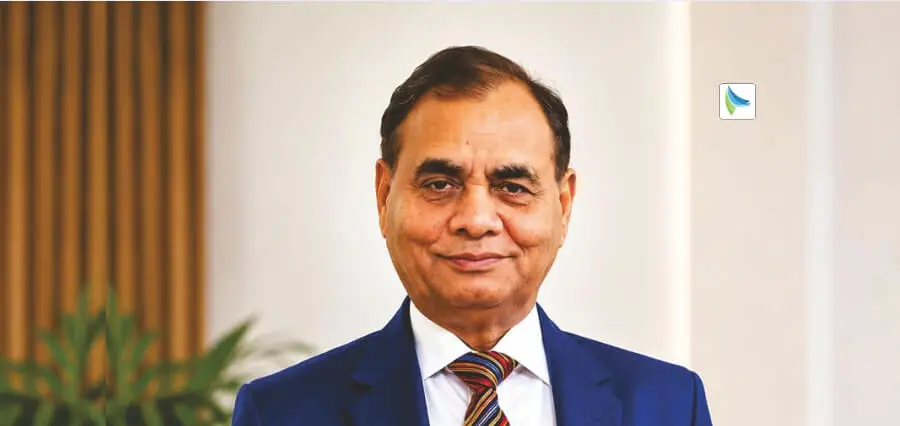
The Calling He Could Not Ignore: Dr. G. P. Bhagat and the Mission to Restore Dignity to India’s Forgotten Elderly
Most people, when they encounter a life that is comfortable, choose to keep it. A career abroad, a stable income, a future already mapped out, these are things most of us spend our whole lives working toward. And yet, some rare individuals look at all of that and choose, instead, to walk away. Not out of recklessness, but out of a conviction so deep and so clear that it makes every other path seem beside the point. Dr. Girdhar Prasad Bhagat is one such person. With a professional life established in the United States, he saw what was happening to India’s most vulnerable senior citizens, homeless, abandoned, forgotten on roadsides, invisible to the institutions meant to protect them, and he could not look away. He gave up his career abroad, returned home, and for more than two decades chose to live and serve alongside those whom society had discarded. The results of that decision now speak in the lives of over 14,000 elderly individuals who received care, dignity, and a reason to believe they still matter. This is the story of Dr. G. P. Bhagat, Founder and Chairman of Saint Hardyal Educational and Orphans Welfare Society (SHEOWS) Global, and a National Prestige Icon of the Year. A Life Redirected by Purpose In 1994, Bhagat became a founding member of the Saint Hardyal Educational and Orphans Welfare Society, known today as SHEOWS Global. What began as a mission rooted in compassion has grown into one of India’s most comprehensive elder care networks, reaching destitute, homeless, and abandoned senior citizens across Delhi, Haryana, and Uttar Pradesh. Holding an M.D. in Alternative Medicine and grounded in Vedic sciences, he brought both medical expertise and a holistic philosophy to the work. He also holds a historic academic distinction: the first Indian scholar at Jawaharlal Nehru University to undertake research in Artificial Intelligence and its applications in healthcare, a pursuit that reflects his enduring belief that compassion and innovation must walk together. Building a Home Where There Was None Under Dr. G. P. Bhagat’s stewardship, SHEOWS Global Old Age Homes and Care Centres have evolved into a network of entirely free humanitarian services for over 500 elderly residents at any given time. The organisation provides rescue and rehabilitation, shelter, nutritious meals, clothing, medicines, geriatric support, and psychosocial assistance, all at no cost. Many residents arrive suffering from dementia, Alzheimer’s, and disabilities, requiring not just medical attention but empathy and companionship. An integrated healthcare ecosystem offering diagnostics, specialist consultations, physiotherapy, dialysis support, and dementia care delivers both modern medicine and holistic approaches side by side. The reach of this work was recognised internationally when Dr. Atul Gawande gave SHEOWS Global a special mention in his acclaimed book Being Mortal, placing Dr. Bhagat’s model firmly on the global map of elder care. Tested by Adversity, Defined by Resolve The early years were anything but easy. Resources were scarce, and societal awareness of abandoned elderly people was nearly absent. One moment stands out: Dr. Bhagat’s team found an elderly man lying unattended on a Delhi roadside, suffering from advanced dementia, malnutrition, and multiple infections. No family could be traced. Hospitals refused admission without financial guarantees. His organisation was simultaneously struggling for funds. Rather than standing by, Dr. G. P. Bhagat personally accompanied the rescue team, coordinated medical professionals, and mobilised emergency support. The man recovered and spent his remaining years in the warmth of SHEOWS Global. He states, “True leadership is not measured by resources or recognition, but by the unwavering commitment to stand beside those whom society has forgotten.” It is a belief he has never had cause to abandon. Innovation With Empathy at the Helm Dr. G. P. Bhagat leadership philosophy holds that compassion and innovation are not competing values; they are complementary ones. Through SHEOWS Global E.V. in Germany and a presence in the United States, the organisation facilitates international exchange of expertise and best practices in elder care. Collaborations with Allied Waste Solutions and CASIO India have brought e-waste management and environmental awareness into the fold, demonstrating that humanitarian work and environmental stewardship belong together. Specialised training programmes in geriatric caregiving and vocational education empower women and underserved communities with lasting livelihoods. According to him, “Leadership is not defined by titles or recognition, but by one’s ability to inspire change, uplift communities, and leave behind a legacy that benefits future generations.” A Legacy Measured in Lives Restored The honours have followed: the Mahatma Gandhi Inter-Generational Award, the Mahatma Gandhi Award, the Healthcare Leadership Award, and the Asia Excellence Award, but Dr. G. P. Bhagat measures success differently. For him, the true count is the 14,000 elderly lives touched, the 500 residents who wake each morning in a place that feels like home, and the caregivers trained to carry the mission forward. Recognised this year as a National Prestige Icon of the Year, his message to aspiring leaders is one of grounded clarity: let your work be guided by values, driven by passion, and dedicated to something greater than yourself. Dr. Girdhar Prasad Bhagat gave up comfort for calling. And in doing so, he gave thousands of others the most fundamental of human dignities: the right to age with grace, care, and belonging. Those who wish to support the mission, volunteer, or reach out to SHEOWS Global can connect through the following centres: Guru Vishram Vridh Ashram Gautam Puri, Phase 1, near All India Institute of Ayurveda Sarita Vihar, New Delhi – 110 076 Guru Vishram Vridh Ashram Village Lathira, Garhmukteshwar Uttar Pradesh – 245 205 SHEOWS Care Centre F/A-19, Abul Fazal Enclave, Okhla New Delhi – 110 025 Read Also: Jyotirnayan Shukla: Redefining Travel Through Trust, Personalization, and Purpose

Chaka Khan: The Queen of Funk, Her Life, and Her Private Georgia Home
Music has a way of connecting generations, and few artists have done that as powerfully as Chaka Khan. Whether you’ve danced to “I’m Every Woman” at a wedding or grooved to “Ain’t Nobody” on a road trip, chances are this legendary voice has touched your life. But beyond the stage lights and GRAMMY Awards, fans often wonder — who is Chaka Khan, where does she live, and what does her home look like? Let’s dive into everything you need to know about this soulful icon. Who Is Chaka Khan? Born Yvette Marie Stevens on March 23, 1953, in Chicago, Illinois, Chaka Khan is one of the most celebrated voices in music history. Her distinctive voice and style have influenced generations all over the world. She’s a 10-time GRAMMY Award-winning superstar who has defined pop, soul, jazz, and funk music across a career spanning more than five decades. Her journey into music began at a young age. Growing up in Chicago’s South Side, she was immersed in the rich cultural and musical heritage of the city. By her teenage years, she was already known as Chaka Karifi, a name given to her by a Yoruba priest. In 1969, she joined Cash McCall’s band Lyfe, which also featured Hassan Khan, to whom she was eventually — and briefly — married. She later sang with the Babysitters before finding her true musical home. Her big break came when she joined the funk band Rufus in the early 1970s. Together, they produced hits like “Tell Me Something Good,” “Sweet Thing,” and “Once You Get Started”. It wasn’t long before the world recognized that Chaka Khan wasn’t just a band member — she was a force of nature. Her solo career catapulted her to even greater fame. Songs like “I’m Every Woman” became empowering anthems that transcended music. For Chaka, “I’m Every Woman” is more than just a song; it’s a way of life. Other iconic tracks like “Through the Fire” and “Ain’t Nobody” cemented her status as the undisputed Queen of Funk. Today, she continues to perform and inspire. With new live dates regularly being announced, Chaka shows no signs of slowing down. Her official pages boast millions of followers, a testament to the enduring love fans have for her music and personality. Where Does Chaka Khan Live? For decades, Chaka Khan has been associated with two major cities — Chicago, where she was born and raised, and Los Angeles, where she spent much of her career. However, the queen of funk has since found a quieter retreat. Chaka Khan currently lives in Georgia, specifically in a private estate in Palmetto, a peaceful community just south of Atlanta. This estate is a spacious, gated property that she officially acquired through a family-related LLC transfer in 2023. The move to Georgia reflects a broader trend among celebrities seeking privacy, space, and a slower pace of life away from the hustle and bustle of traditional entertainment hubs like Los Angeles and New York. She also has connections to a multi-million dollar home in Santa Monica, California, but her primary residence as of recent years is in Georgia. The choice of Palmetto is telling — it’s a community that offers both seclusion and easy access to Atlanta’s vibrant cultural scene, making it an ideal balance for someone who values both privacy and connection to the arts. Chaka Khan’s House: A Peaceful Retreat So, what’s the Chaka Khan house actually like? While Chaka is notoriously private about her personal life — and rightfully so — glimpses into her home reveal a space that mirrors her personality: warm, soulful, and elegantly grounded. Her Palmetto estate sits behind gates on a spacious property that provides the kind of peace and privacy a legend deserves. Unlike the flashy mansions often associated with celebrities, Chaka’s home is described as a place of comfort and tranquility. It’s a personal sanctuary where she can unwind, spend time with family, and recharge between performances and public appearances. The property reportedly features lush green surroundings, generous living spaces, and the kind of understated luxury that prioritizes comfort over spectacle. For someone who has spent over 50 years in the spotlight, having a home that feels like a true escape is essential. Her approach to home life also reflects her broader philosophy. Chaka Khan has always been someone who values authenticity — in her music, her activism, and her personal spaces. Her home isn’t designed to impress visitors; it’s designed to nurture the woman behind the music. Chaka Khan’s Legacy Beyond Music Beyond her incredible discography, Chaka Khan is also known for her philanthropy and activism. She has been involved in various charitable causes throughout her career, including education, women’s empowerment, and substance abuse recovery. Her foundation, the Chaka Khan Foundation, works to support at-risk youth and families. Her influence on music is immeasurable. Artists like Beyoncé, Alicia Keys, and Mary J. Blige have all cited Chaka Khan as a major inspiration. Whitney Houston famously covered “I’m Every Woman,” introducing the anthem to an entirely new generation. The fact that her music continues to resonate in 2026 — more than 50 years after she first stepped onto a stage — speaks volumes about her artistry and impact. With 11 GRAMMY Awards to her name, countless platinum records, and a place in the Rock and Roll Hall of Fame, Chaka Khan’s legacy is firmly secured. Yet she remains active, relevant, and deeply loved by fans around the world. Conclusion Chaka Khan is more than a music icon — she’s a cultural treasure whose influence spans generations, genres, and borders. From her roots in Chicago to her peaceful estate in Georgia, every chapter of her life tells a story of resilience, creativity, and authenticity. Her home in Palmetto reflects exactly who she is: someone who values warmth, comfort, and genuine living over superficial glamour. Speaking of creating a home that truly reflects your personality and values, if you’re looking for inspiration to make your own living space more
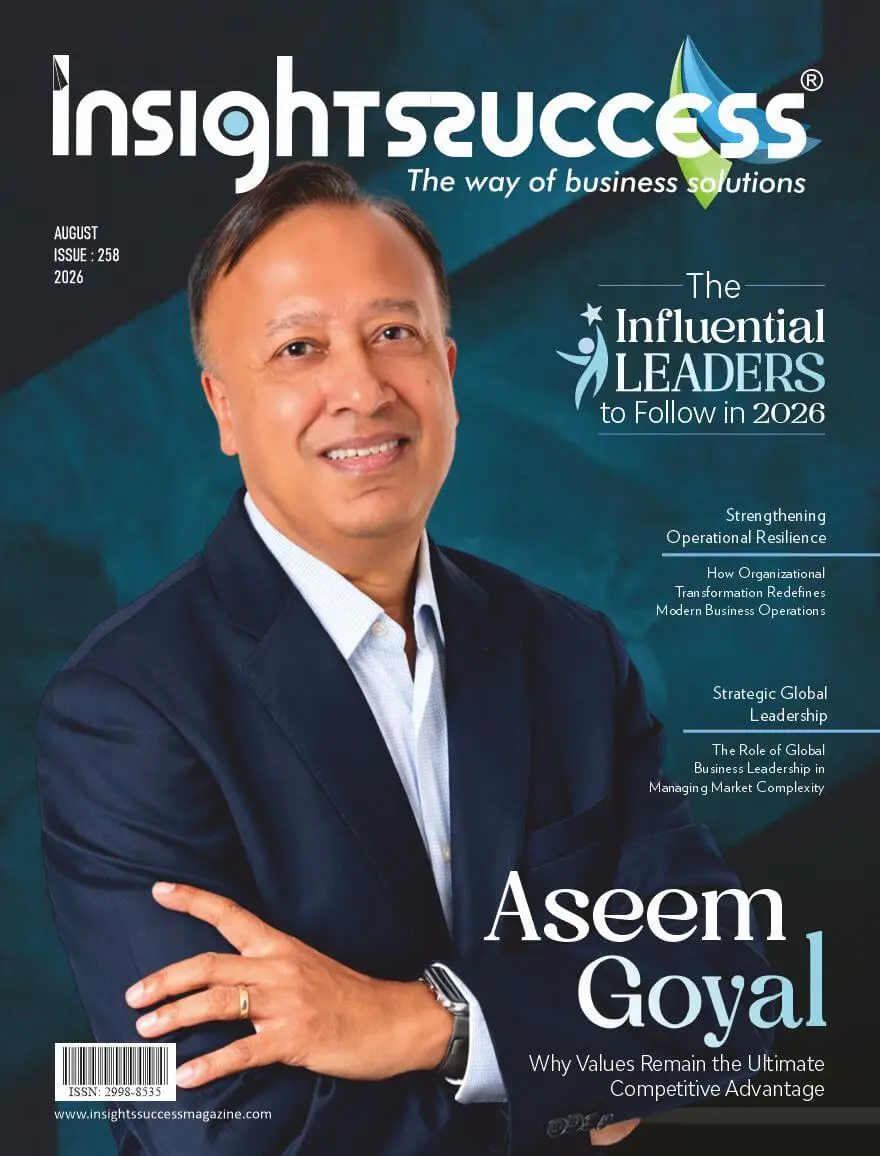
The Influential Leaders to Follow in 2026
The Influential Leaders to Follow in 2026 This edition celebrates Aseem Goyal, recognizing his influential leadership, strategic thinking, and a commitment to creating meaningful impact. His approach to leadership and professional excellence continues to inspire individuals and contribute to growth across his sphere of influence. Digital Link Quick highlights Quick reads