






How Healthcare Construction Shapes Patient Outcomes
From Blueprint to Bedside Healthcare outcomes are frequently referred to in terms of clinical expertise, cutting-edge technology, and the quality of care delivery. However, one of the most influential and, at times, overlooked factors of patient outcomes is the physical environment itself. For that matter, from the very first architectural plan to the moment when the care is provided at the patient’s bedside, healthcare construction has a decisive impact on safety, recovery, efficiency, as well as the entire patient experience. Properly designed facilities do not only serve as a place for medical services—they become an active part of the healing process, support the clinical performance, and promote the patient’s long-term wellbeing. The Built Environment as a Silent Caregiver Hospitals and healthcare facilities are like silent partners in patient care. Each design choice—ranging from the layout of the room to the width of the corridor—has an impact on the delivery of care. Well-planned construction facilitates efficient clinical workflows, alleviates the stress of patients and staff, and lowers the risk of mistakes. On the flip side, ill-designed surroundings may lead to higher infection rates and staff fatigues, thus, the delayed treatments and even fatigue of the medical personnel. When the building is constructed in line with the clinical goals, it becomes a means to better results rather than an obstacle to care. Design That Supports Patient Safety The safety of patients is the starting point for the physical environment. For instance, clear wayfinding helps to reduce the confusion and anxiety that people feel when they are in an unfamiliar place. Speaking of which, proper zoning ensures that areas with high risks of infection are separated from the rest of the hospital environment; besides that, there must be sufficient lighting, floors that are slip-resistant, and handrails which are well-positioned to reduce the chances of falls and injuries. What is more, single-patient rooms are less likely to transmit infections and, at the same time, encourage the privacy, dignity, and rest of the patients. If safety is the focus of construction, then resultant conditions will be such that there will be a lesser likelihood of the occurrence of adverse events. Consequently, these design decisions can affect congestion, complication rates, and patient trust in the care they receive. Infection Control Embedded in Construction One of the most direct relations between construction and patient outcomes is infection prevention. Air handling systems, choice of materials, water management, and space utilization play a role in the spread of pathogens. Besides that, adequate ventilation helps in the reduction of airborne transmission, at the same time, non-joint surfaces which are easy to clean limit the growth of microbes. Hospitals that have been built with infection prevention as their main concern are the ones which are always found to have low infection rates that result from health care practices. Not only does this lead to good patient outcomes, but it also lessens the time a patient stays in the hospital, the number of patients who need to be readmitted, and the overall cost of the treatment. Healing-Centered Patient Environments Healing is influenced by more than medical intervention. In fact, elements such as natural light, noise control, getting access to views, and even the interior of the room can help to speed up the recovery process and also the mental state of the patient. Research has also demonstrated that patients who are in an environment where there is daylight and noise levels are low, get less stressed, have a better sleep pattern, and also have improved results. Healthcare construction that emotionally and psychologically considers the patients will lead to their holistic healing. Comfort, dignity, and calmness are not some extravagant things—they are the parts of efficient Healthcare. Flexibility to Meet Evolving Care Needs Health care delivery is a process that keeps on changing. Thus, a facility that is designed in a way that it is flexible can readily adjust to the presence of new technologies, varying number of patients, and even different kinds of care. Also, hospital rooms that are modular, infrastructure that is adaptable, and systems that can be scaled up or down give way to the hospital being able to respond fast to the new needs that may arise without the need for a major disruption. This flexibility is what ensures that there is no break in the provision of care during emergencies, expansions, or innovations in the field of medicine. In fact, they are the ones who protect patient outcomes over the long haul and not as a constraint on care when they can evolve with medicine. Read Also : Construction Strategies for Healthcare Facilities

Construction Strategies for Healthcare Facilities
Infection-Safe by Design One of the most challenging environments to design and build are healthcare facilities. Apart from their functionality, efficiency, and aesthetics, these buildings have to satisfy a very basic, and actually, very important requirement: they must not cause infections to patients, staff, and visitors. The COVID-19 pandemic has helped the world to see this responsibility more clearly; however, infection-safe design is not a temporary solution to the crisis, it is a long-term necessity. The construction strategies of such facilities need to reflect the prevention of infections in every aspect of the design, materials, systems, and workflows. Infection-safe design should not be considered an additional feature. It is a concept that involves the whole planning stage and is followed by construction, commissioning, and daily operation. Designing With Infection Pathways in Mind The first rule of infection-safe construction is to understand infection sources in healthcare environments. Besides humans, air, water, and surfaces can transmit pathogens. All these factors have an impact on risk. Efficient design recognizes these routes and stops them before they can cause harm. The role of space design is essential in this matter. Strict dividing lines between clean and dirty areas, limited patient and staff movement, and reduced cross-traffic make the chance of the virus transmission to be less. The emergency departments, operating theatres, isolation wards, and intensive care units are the places that need especially careful zoning so that infection does not spread to the low-risk areas. Ventilation and Airflow as Primary Defenses Air quality is a very strong weapon in infection prevention. Contemporary healthcare construction gives the first priority to the implementation of state-of-the-art HVAC systems aimed at achieving air control. In particular, these systems manage the direction of air movement, the pressure difference between the rooms, and the filtration of the air. The former type of pressure is used in rooms that help to keep airborne pathogens stable, while the latter type of pressure is the one that provides a barrier of safety to the patients with weakened immune systems. Advanced particulate air filtration, enhanced air change rates, and extremely accurate airflow control are the factors that determine the lowering of pathogen concentration in tightly closed spaces. Health facilities that are infection-safe do not consider air as a passive source of support but rather as an active defensive tool thus, it is continuously checked and optimized. Material Selection That Reduces Contamination The choice of materials for building also has a significant impact on infection risk. The porous surfaces, complicated joints, and hard-to-clean finishes can be the places where pathogens nest. Infection-safe design has decided to use materials that are non-porous, seamless, and strong enough to be cleaned and disinfected frequently without losing their quality. The use of antimicrobial surfaces, integrated wall protection, and continuous flooring systems contributes to the reduction of microbial survival and the facilitation of maintenance. Material selection is a combination of hygiene and durability thus, the implementation of infection control measures will not compromise the long-term performance and safety of the facilities. Water Systems Designed for Safety Waterborne infections may be a less visible source of danger, but they are no less serious than other types, especially in healthcare facilities. A bad plumbing system can be the reason for stagnation, temperature changes, and biofilm formation thus, creating conditions suitable for, e.g., Legionella propagation. An infection-safe building features the design of water supply systems with considerations such as set points for temperature, regular circulation, and maintenance areas that are easy to access. In addition, sinks, showers, and medical water systems are not only the places where splash contamination comes from but also the areas users continue to be exposed to each other in cross-use activities. Construction Phase Infection Control Saving the building from infections is not the time when the building is opening that is important—it is the construction time. Healthcare construction projects usually take place in or next to already existing facilities that are operational, thus, there is a possibility that dust, mold spores, and airborne contaminants might find their way to patient areas. Successful construction methods are the use of physical barriers, negative pressure containment zones, material movement that is under control, and cleaning that is performed in a rigorous manner. The risk of infection control is considered when assessing the present situation, thus, it is management and site location that guide the order of construction and the change of sites to ensure the safety of the continuous clinical operations. Integrating Technology into Infection Control The use of technologies will lead to infection-safe construction if the incorporation is done in a thoughtful manner. Disinfection is facilitated by less touched doors that open automatically, lighting that works without the intervention of the user, faucet usage that is sensor-based, and digital monitoring systems that reduce surface contact and human error. Intelligent building systems are able to monitor and report on air quality, the number of people in a room, and other environmental factors almost instantly. Once data is used as a basis for decision-making, infection control transitions from being reactive to proactive. Technology serves as a bridge between the design goal and the daily performance of the building. Read Also : Managing Risk across Intelligent, Distributed Ecosystems

trü Level Design & Construction LLC: The Women-Owned Firm Redefining Precision and Purpose in Radiation Oncology and Medical Imaging Construction
The precision mandate of health is clear: building the digital future of care. The construction landscape of modern medicine is a high-stakes arena, where failure is measured not in dollars but in compromised patient treatment. The stakes are highest in radiation oncology and medical imaging, fields defined by micron-level accuracy and breakneck technological evolution. While traditional construction firms struggled to keep pace, trü Level Design & Construction LLC established itself as an elite force. In Tracy Donovan‘s Chief Executive Officer (CEO) words, their obligation is accuracy: ensuring that every facility instantly leverage the latest advanced technologies in radiation treatment, delivering projects with exceptional value that simultaneously meet stringent budgetary constraints and life-saving quality standards. The Vault Strategists: Removing Complexity trü Level specializes in premium design-build healthcare construction, focusing exclusively on the most critical areas: Radiation Oncology and Medical Imaging. Its wide-ranging portfolio demonstrates the team’s operational skill, which includes a balance of complex vault additions, renovations, and highly technical reshielding projects. Moreover, they implement ‘physics’ done by a third party into their designs. This is the sweet spot for their extremely proactive approach, and that is designed in a way that architecture, engineering, and intense on-site construction management can all be a single process. This integrated system is designed to remove all complexity and concern from the client’s hands. Tracy Donovan says, “The distinguished reputation of ours for excellence spans most of the United States and the Caribbean, earned not by volume, but by the flawless execution of projects that demand uncompromising quality.” The Core Mission Defender As one of the leading companies redefining healthcare construction, trü Level’s leadership isn’t just about building structures; it’s about protecting the core mission of their clients. By implementing the demanding physics and technological integration required for these types of projects, it frees up doctors, administrators, medical imaging, and oncology teams to concentrate entirely on providing outstanding patient care. It builds the future of medicine so physicians can focus on saving lives. trü Level Design & Construction LLC is more than an industry leader; it is the specialized, trusted partner that translates the cutting edge of oncology and medical imaging into robust, functional, and life-ready facilities. The Genesis of Purpose: Beyond the Blueprint For Tracy Donovan, the inspiration to specialize in healthcare was a convergence of opportunity and profound purpose. Her career began at James L. Davis Inc., where she was immediately exposed to projects that went beyond traditional construction. These were environments that directly impacted patient care and life-saving outcomes. She didn’t just see walls going up; she saw how a thoughtfully designed space could fundamentally improve operational efficiency and, critically, the emotional experience of both the staff and the patients. Founding trü Level allowed her to forge a company dedicated entirely to building innovative, patient-centered healthcare environments. It was a high-stakes arena where technical excellence had to be perfectly balanced with compassionate design, particularly in the demanding world of radiation oncology and medical imaging. Her drive was intensely personal: it was incredibly rewarding to know her work was a foundational support system for the medical teams and the patients they serve. The Women-Owned Advantage: Compassion Meets Construction As the leader of a woman-owned business, Tracy Donovan brought a unique, patient-centric perspective to an industry traditionally focused on pure engineering. Her vision for trü Level is to redefine healthcare facilities by ensuring that compassion meets construction. Her team approaches every project not just from a technical standpoint—integrating the latest technology and adhering to regulations—but with a deep, intuitive understanding of how design impacts staff efficiency, overall wellness, and patient experience. This commitment means building spaces that actively promote healing, safety, and comfort. By collaborating closely and transparently with healthcare providers, architects, engineers, and equipment vendors, trü Level guarantees that every detail—from the complex workflow of a treatment room to the welcoming aesthetics of a waiting area—enhances the quality of care delivered. Tracy’s goal is to set an uncompromising standard of excellence, creating environments that truly serve both those who heal and those who are healing. The Ethical Foundation: Integrity Under Pressure Tracy’s leadership style is not guided by aggressive targets, but by a rigorous internal code grounded in integrity, collaboration, and accountability. These are the non-negotiable values that govern trü Level’s actions. She ensures that her company is transparent, follows through on every commitment, and fosters an environment where every voice matters—from the newest laborer to the senior engineer. This ethical core dictates their operations: it is how they build unwavering trust with clients, support their internal team through complex builds, and deliver final projects that the entire firm is profoundly proud of. In a sector where mistakes are costly, this foundation ensures reliability and precision. The Evolution of Healing Spaces The healthcare construction sector is advancing at lightning speed, and trü Level stays ahead by mastering emerging trends. Tracy Donovan sees cancer centers rapidly integrating cutting-edge treatments that demand flexible layouts. Designs must now move beyond simple functionality to actively create environments that enhance patient wellness, reduce stress, and simultaneously boost performance for the staff. By not just reacting to these trends but actively embracing them—by designing spaces that are adaptive, therapeutic, and technologically optimized—trü Level Design & Construction positions itself as an undisputed leader in building the innovative cancer treatment centers of tomorrow. Conquering Complexity: The Coordination Challenge Radiation oncology & medical imaging construction is fraught with unique, high-stakes challenges. Beyond working with complex shielding materials and meeting rigid safety standards, the single largest hurdle is the synchronized coordination of complex systems—shielding, electrical, mechanical, and medical equipment requirements—all while keeping demanding projects on a tight schedule. Tracy’s team overcomes these pressures through an uncompromising formula: careful planning, crystal-clear communication, and proactive problem-solving. By forging an integrated, tri-party collaboration with the client, the equipment vendor, and their internal design team of architects and engineers, they effectively dismantle bottlenecks before they occur. This collaborative vigilance ensures that even the most technically complex project is delivered as a final product that is safe,

The Most Admired CEOs Leading the Way in 2025
The Most Admired CEOs Leading the Way in 2025 In this edition, we celebrate the leaders who are guiding organizations to new heights of success and innovation. These exceptional executives navigate complex challenges, champion sustainable growth and inspire teams with strategic vision and integrity. With bold decision-making and a commitment to excellence, they are setting the direction for thriving businesses and a brighter economic future. Quick highlights Quick reads
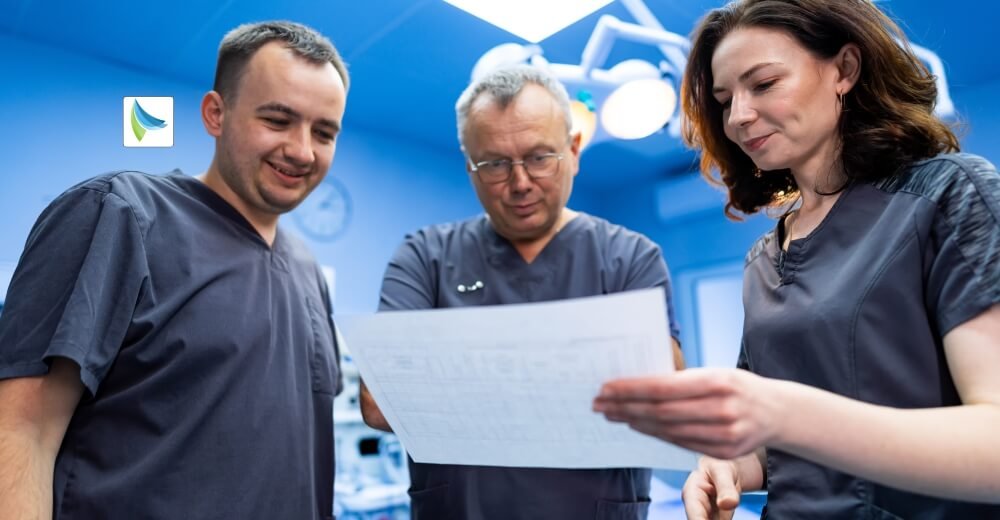
The Impact of Inclusive Healthcare Leadership on Patient Outcomes
Embracing Diversity Medical care and high-tech gadgets are not the only aspects of modern healthcare. It is also human, cultural and the capability to comprehend various patient requirements. Inclusive leadership has turned into an important component of enhancing patient outcomes and establishing trust in communities. Effective healthcare leadership determines the manner in which organizations work, teams co-operate and patients receive care within a day-to-day setting. Inclusive leadership in healthcare implies the importance of considering various backgrounds, views, and experiences. When leaders provide an atmosphere of diversity respect, employees start to feel listened to and valued. This feeling of belonging enhances morale and promotes teamwork. Good healthcare leadership understands that diversity in the workforce introduces different perspectives that have the potential of enhancing better problem solving and more considerate treatment of patients. Patients are diverse in terms of their cultures, social, and economic backgrounds. Inclusive leaders know that such differences influence the ways patients perceive health, illness and treatment. Healthcare leadership can assist in making sure that the care plans are appropriate and respectful by fostering cultural awareness and cultural sensitivity. Patients who feel they are being understood will easily open up and take medical advice. Among the obvious advantages of inclusive leadership, there is better patient outcomes. Multidisciplinary teams of leaders have more chances to discover care gaps and resolve health disparities. Inclusion-focused presentations of healthcare leadership usually uphold a set of policies that lessen discrimination and advance equitability in care. This results in fewer cases of incorrect diagnoses, fewer cases of care that are unsafe, and improved overall health outcomes among patients. Staff performance is also influenced greatly by inclusive leadership. Employees will be empowered to exchange ideas and express their concerns when leaders appreciate diversity. Such an open culture enhances communication and minimizes errors. True to supportive healthcare leadership, continuous learning and collaboration are promoted and have a direct impact on patient safety and quality of care. Education and training are important in the construction of an inclusive leadership. Healthcare leaders should be ready to acquire the knowledge of unconscious bias, cultural differences, and effective communication techniques. Healthcare leadership can enhance the capacity to work with diverse teams and address the needs of diverse patient populations through constant development. Education is a means of converting the good intentions into action. The other result of inclusive leadership is trust. Healthcare organizations reflecting and respecting their communities have a better chance to have patients trusting them. When diversity is embraced by the leadership on all levels, it sends a strong signal that everybody counts. Inclusion-oriented healthcare leadership assists in establishing closer relationships between communities, patients, and providers. Inclusive leadership is also helpful in healthcare. Disciplined teams introduce diversity of opinion, which might result in innovative solutions and better service provision. Leaders who embrace new things leave room for innovations and flexibility. Innovative healthcare management realizes that not only is diversity uplifting, but it is an indispensable step towards improvement. Inclusive leadership cannot be developed quickly and easily even with all its advantages. Barricades can be resistance to change, scarcity of resources, and ignorance. Nevertheless, when inclusive practices are invested in by an organization, benefits tend to be reaped in the long run. Even in times of difficulty, strong healthcare leadership is always centered on equity, accountability, and continuous improvement. Finally, the concept of inclusive leadership is influential in patient outcomes and experiences of healthcare. Diversity allows organizations to offer more caring, efficient, and equal care. Inclusive healthcare leadership empowers teams, fosters trust and enhances overall health outcomes. With the ongoing development of healthcare, inclusive leadership will be one of the main components behind the provision of care that can actually address the needs of various people. Read Also : Revolutionizing Patient Outcomes Through Evidence-Based Care

Revolutionizing Patient Outcomes Through Evidence-Based Care
Science-Driven Decisions The continuous transforming process in healthcare is a result of the growing science, technology, and patient demands. One of the most potent tools of such development is evidence-based care because this model is focused on making medical decisions that are connected to the relied research and real-life information. The professionals in the field of healthcare are no longer led by an assumption or a habit, they are now relying on the established knowledge so as to lead the treatment and to contribute to the betterment of the patient. It is basically the combination of the three essential elements of evidence-based care, i.e., clinical expertise, recent research, and the needs of a particular patient. A combination of scientific research and professional judgment enables doctors and nurses to make decisions on the treatments that have the highest chances of success. It is a moderate position that aids in achieving the fact that patients can receive the appropriate care for a particular situation. One of the primary advantages of evidence-based care is consistency in care. Patients will receive the same quality of care at any clinic and hospital in case the healthcare choices are determined based on the research and guidelines. This will remove redundant tests, reduce fluctuation of treatment and reduce the risk of mistakes. Frequent attention to the patient creates trust and leads to a more credible healthcare system among all individuals. Patient outcomes are another good outcome of evidence-based care. Evidence-based treatment is likely to lead to a quicker recovery time, reduced side effects and readmission rates. A case in point is when the hospitals follow the evidence-based protocols in carrying out surgery, preventing infections, and curing chronic illnesses, patient outcomes tend to be better. These innovations indicate that the quality of life can be directly positively impacted by the decisions taken by using science. Patients are also involved in evidenced based care. This is a strategy that fosters free interaction between the providers and patients. The doctors lay down treatment alternatives and the benefits and risks involved in each alternative depending on research. The patients are more likely to follow the care plans and develop confidence in their decision when they understand the reason why a particular form of treatment is recommended. Evidence-based care has also been maintained with the help of technology. The recent research is found by healthcare providers in a short period by means of data systems, clinical decision tools, and electronic health records. The applications can facilitate the comparison of the options of the treatment, following the progress of patients, and timely adjustment of the care plan. Research can be applied in real world with the aid of technology. Effective evidence-based care presupposes training and further education. Medical knowledge changes on a consistent basis and medical practitioners must be up to date with new research and prescribing. Life-long learning helps in ensuring that research is implemented in a right and responsible way. This type of learning commitment improves skills in the profession, and the overall quality of care. Even though it has its benefits, evidence based care can be challenging to apply. The adoption in some healthcare settings can be slowed down by few resources, time limitation, and resistance to change. Companies that actually invest in research-based practices, nevertheless, have the likelihood of benefiting in the long-run as they are able to attain cost reduction, increased efficiency and patient satisfaction. Evidence-based care will dictate the future of healthcare in the future. The possibility of implementing scientific knowledge into the practical environment will become even greater with the growing size of the research and advancing technology. This approach helps in bridging the gap between the research and the real patient care. In conclusion, evidence-based care is transforming the healthcare industry by ensuring that science is the key determinant in the decision-making process. It will lead to safer care, better outcomes, and better provider-patient relations. Research-based practices will enable the healthcare systems to deliver quality, compassionate, and futuristic care. Read Also : How Leaders Build Organizations That Endure

Alaa ElBadry: Setting the New Global Bar for Evidence-Based Care
Somewhere between the clinic and the lab, real lives are being shaped. A patient waits nervously for a procedure that could change everything. A clinician moves efficiently, balancing protocols, technology, and compassion at once. In research labs, scientists test ideas, seeking solutions that make care more effective, more humane, and more accessible. It is in these spaces where human need, knowledge, and action come together that healthcare truly comes alive. For leaders like Alaa ElBadry, CEO of Sacredlotus s.r.o., the challenge is not just creating devices or launching programs. It is about asking questions that matter: How can research become relief? How can innovation reach the people who need it most? How can systems support both patients and clinicians in meaningful ways? This requires vision, empathy, and a deep understanding of the daily realities faced by those receiving and providing care. Driven by ElBadry’s focus, Sacredlotus operates at this intersection. Science meets application, and technology meets human need. Programs such as the Rita Balloon are more than tools. They are designed to fit into lives, support clinicians, and provide measurable improvement for patients managing obesity. Every device, every procedure, and every innovation reflects clinical rigor and careful thought, keeping the human experience at the center. Given the state of healthcare right now, numbers and regulations are important, but so are human moments. The pause of a patient, the decision of a doctor, the insight of a scientist all matter. Leadership is measured by the ability to navigate the space between knowledge and human experience, and to guide teams in making a tangible difference. For ElBadry, this means aligning vision with practical action while always keeping the patient at the center of every decision. Let’s explore how ElBadry drives Sacredlotus to deliver innovative, patient-centered healthcare solutions with visionary leadership! From Academia to Industry Alaa ElBadry started his professional path as a professor of biomedical engineering. “This role allowed me to immerse myself in research and innovation, particularly in the intersection of human physiology and technology,” he recalls, reflecting on a period that shaped his leadership philosophy. Teaching, mentoring, and conducting research gave him a deep understanding of how scientific inquiry could be applied to practical health solutions. During this time, he witnessed how theoretical discoveries could fail to reach patients if not paired with thoughtful application strategies, sparking his interest in bridging research and industry. The transition from academia to industry followed naturally. He joined multiple health-tech initiatives, collaborating with multidisciplinary teams on real-world clinical problems. “Each step exposed me to new layers of complexity, patient needs, medical regulations, international market dynamics, and scalable product design,” he explains. These experiences offered a comprehensive perspective on healthcare innovation, highlighting that scientific discovery alone is insufficient without practical application and market strategy. Working alongside clinicians, engineers, and regulatory experts gave him a holistic sense of what it takes to turn an idea into a product that can genuinely improve patient outcomes. Eventually, Alaa ElBadry founded Sacredlotus, creating a platform where scientific rigor, technological innovation, and a patient-centered mission intersect. The Rita Balloon program stands out as a prime example, providing a novel solution in obesity management designed for broad international use. Each step of this program, from design to clinical validation, reflects careful attention to patient comfort, efficacy, and ease of adoption for healthcare providers. Lessons in Leadership Early career experiences taught Alaa ElBadry the value of clarity and consistency. “The most transformative lesson I’ve carried forward is the importance of clarity and consistency in leadership,” he notes. He witnessed how ambiguity in goals, communication, or expectations could slow progress and undermine confidence. Over time, he learned to emphasize clear objectives, transparent communication, and alignment around shared values. This philosophy is embedded in Sacredlotus’ culture. Team members understand not just what they do but why it matters, empowering them to contribute decisively and confidently. Beyond performance, this clarity fosters engagement and satisfaction, as employees see the tangible impact of their work on patients’ lives. When employees feel trusted and aligned with the mission, innovation and performance naturally thrive. Global Perspectives and Cultural Intelligence Expanding a health-tech company internationally requires sensitivity to diverse cultural, regulatory, and clinical landscapes. Alaa ElBadry highlights honesty, patience, and continuous learning as key to navigating these complexities. “Healthcare systems vary widely. What resonates in Europe may not fit the needs or expectations of partners in Asia, the Middle East, or Latin America,” he explains. Trust is essential in healthcare, where credibility drives long-term success. Patience helps when managing regulatory approvals and adapting solutions to local needs. Continuous learning ensures alignment with evolving standards and practices. These principles have guided Sacredlotus as it scales responsibly while remaining culturally responsive. Alaa ElBadry emphasizes that success in new markets comes not just from selling technology but from understanding the local challenges faced by clinicians and patients, tailoring support and training accordingly. Innovating with Safety and Efficacy The Rita Balloon program reflects Sacredlotus’ commitment to patient-centered innovation. According to Alaa ElBadry, the company prioritizes safety, efficacy, and accessibility. “Safety is achieved through rigorous clinical testing and adherence to international medical standards; efficacy is demonstrated by measurable outcomes and improved patient adherence; and accessibility is ensured through cost-effective design, simplified procedures, and training programs that empower clinicians globally,” he says. This approach ensures the program is both technologically advanced and practical for broad adoption. By combining innovation with patient-centered design, Sacredlotus positions itself as a leader in obesity management, redefining clinical standards and expectations. Building a Culture of Trust and Innovation Creating the right organizational culture is as important to Alaa ElBadry as developing technology. Trust grows through transparency and open dialogue. He explains, “I believe in creating a workplace where every team member feels heard and valued. Transparent discussions about challenges, goals, and feedback encourage people to collaborate confidently.” Innovation thrives where experimentation is encouraged and mistakes are treated as learning opportunities. Sacredlotus fosters psychological safety, allowing employees to propose bold ideas and explore solutions without fear. This culture transforms creativity and
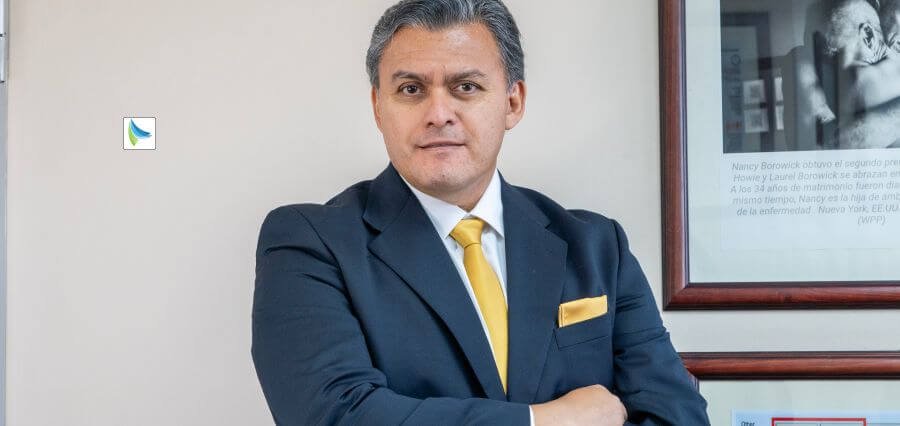
Dr. Ramón Gutiérrez-Sandoval: Redefining Cancer Immunotherapy Through the Structural PLPC Platform at OGRD Alliance
In an era where cancer innovation is shaped by rapid advances and recurring limitations, meaningful breakthroughs seldom arise suddenly. They tend to emerge from years of disciplined questioning and a willingness to challenge assumptions. For Dr. Ramón Gutiérrez Sandoval, Chief Scientific Officer of OGRD Alliance, this journey began with a single question that altered the trajectory of his scientific work: Why does the immune system fail even when its molecular elements appear intact? The answer would lead him to develop a structural perspective now influencing how institutions worldwide view immune recovery and cancer support. At the time, traditional explanations for immune failure were rooted almost entirely in molecular theories: dysfunctional cytokines, exhausted immune populations, or signaling mechanisms that seemed out of sync. These interpretations offered fragments of clarity, yet they consistently failed to align with what Dr. Ramón Gutiérrez witnessed in real clinical settings. Many patients displayed immune markers that looked perfectly acceptable in laboratory reports, but their immune systems behaved as though they were impaired. The issue was not the presence of molecules—it was the absence of coherence. This disconnect between molecular sufficiency and functional collapse prompted him to reconsider the underlying assumptions of immunology. He began to explore whether something more fundamental—something structural—was being missed by conventional models. This shift in perspective became the foundation of structural immunobiology, a discipline centered on the architectural relationships that give immune components their meaning and capability. Immune cells do not operate effectively simply because they exist; they require specific spatial relationships to interpret signals correctly. Their communication depends on proximity, orientation, and the integrity of microenvironments designed to coordinate responses. When these structures weaken or collapse, the immune system loses its ability to think clearly. Viewed from this angle, cancer treatment is not only a biochemical problem but an architectural one. Tumors distort tissues, disrupt spatial order, and break apart the microdomains that immune cells rely on to evaluate threats. When this architecture collapses, adding more molecules is not enough. The system needs to recover its internal structure. This insight became the conceptual backbone of the platforms now defining OGRD Alliance: PLPC-DB™, PLPC-NX™, and STIP™—three expressions of a unified scientific worldview that sees immunity as both chemistry and geometry. When Dr. Ramón Gutiérrez joined OGRD Alliance, he found an environment capable of embracing this interdisciplinary vision, combining scientific creativity with structured execution and assembling diverse teams into coherent units. This systems-oriented leadership has helped OGRD evolve into an internationally recognized center for scientific orchestration and structural innovation. PLPC-DB™: A Structural Approach to Immune Recovery At the center of the structural paradigm is PLPC-DB™, a bioendogenous phospholipoproteic complex created to support immune function not by force, but by rebuilding the architecture through which immunity naturally operates. Traditional immunotherapies—such as CAR-T cells, checkpoint inhibitors, or engineered antibodies—work by pushing, blocking, or redirecting receptors. They rely on molecular pressure to change immune behavior. PLPC-DB™, however, follows a different logic. It is not designed to override the system; instead, it provides the physical and supramolecular scaffolding that allows immune clarity, coordination, and a renewed sense of biological order to re-emerge. Its foundational idea is grounded in a simple but powerful principle: when immune architecture is restored, immune intelligence re-emerges. In oncology—where treatment and disease often erode structural order—this principle becomes particularly meaningful. Chemotherapy, radiation, and chronic inflammation gradually dismantle the microenvironments immune cells depend on to function. PLPC-DB™ offers a way to replenish these disrupted structures, supporting recovery without the toxicities often associated with pharmacologic intervention. Its design reflects the supramolecular principles guiding Dr. Gutiérrez’s work: biological function emerges from structural integrity. Restore the structure, and the system reorganizes itself with remarkable consistency. The concept has gained significant traction internationally. Across conferences in Asia, Europe, the Middle East, and the Americas, scientists are increasingly exploring whether immune restoration may depend less on stimulation and more on helping cells rediscover their architectural context. In many regions, the ONCOVIX™ pathway has become a translational bridge, enabling clinicians to observe how structural support behaves alongside conventional cancer treatments. Consistently described as non-pharmacodynamic, biocompatible, and aligned with emerging regulatory perspectives, PLPC-DB™ maintains a profile centered on safety, coherence, and restorative logic. STIP™: Building the Evidence Architecture That Innovation Requires A structural therapeutic platform demands an evidentiary system built on the same principles. This need led to the creation of STIP™ (Structural Therapeutics Integrity Platform), a framework designed to deliver clear, audit-ready documentation for interventions that operate outside classical pharmacology. As regulators increasingly adopt New Approach Methodologies (NAMs)—human-relevant, mechanism-agnostic evaluation tools—STIP™ aligns seamlessly with global regulatory evolution. STIP™ structures evidence into four pillars: structural identity, supramolecular coherence, reproducibility, and human-aligned behavior. By transforming complexity into clarity, STIP™ enables regulators to understand therapies that do not fit standard chemical or cellular categories. In doing so, it positions OGRD Alliance not merely as a developer of products but as an architect of a new therapeutic logic grounded in structure and biological coherence. PLPC-NX™ / Abymprosic®: Bringing Structural Coherence Into Everyday Health If PLPC-DB™ represents the therapeutic expression of structural immunobiology, PLPC-NX™ / Abymprosic® extends that same foundation into the broader sphere of human wellness. While DB focuses on restoring immune architecture in demanding medical environments, NX™ explores how structural principles can help maintain biological balance long before the immune system begins to falter. Developed under GRAS standards, NX™ translates supramolecular stability, membrane microdomain organization, and proteolipid coherence into formulations suitable for everyday life. For Dr. Ramón Gutiérrez, this evolution is not a departure from oncology—it reflects the understanding that immune structure matters as much during health as it does during illness. The architecture supporting resilience, metabolism, cellular communication, and immune clarity does not appear suddenly; it is shaped and reinforced continuously. NX™ stands as one of those rare cases where a scientific doctrine transcends its clinical origins and becomes relevant to everyday life. It demonstrates that structural coherence is not merely a medical concept but a foundational principle of well-being—one that individuals can support proactively long before immune challenges arise. The
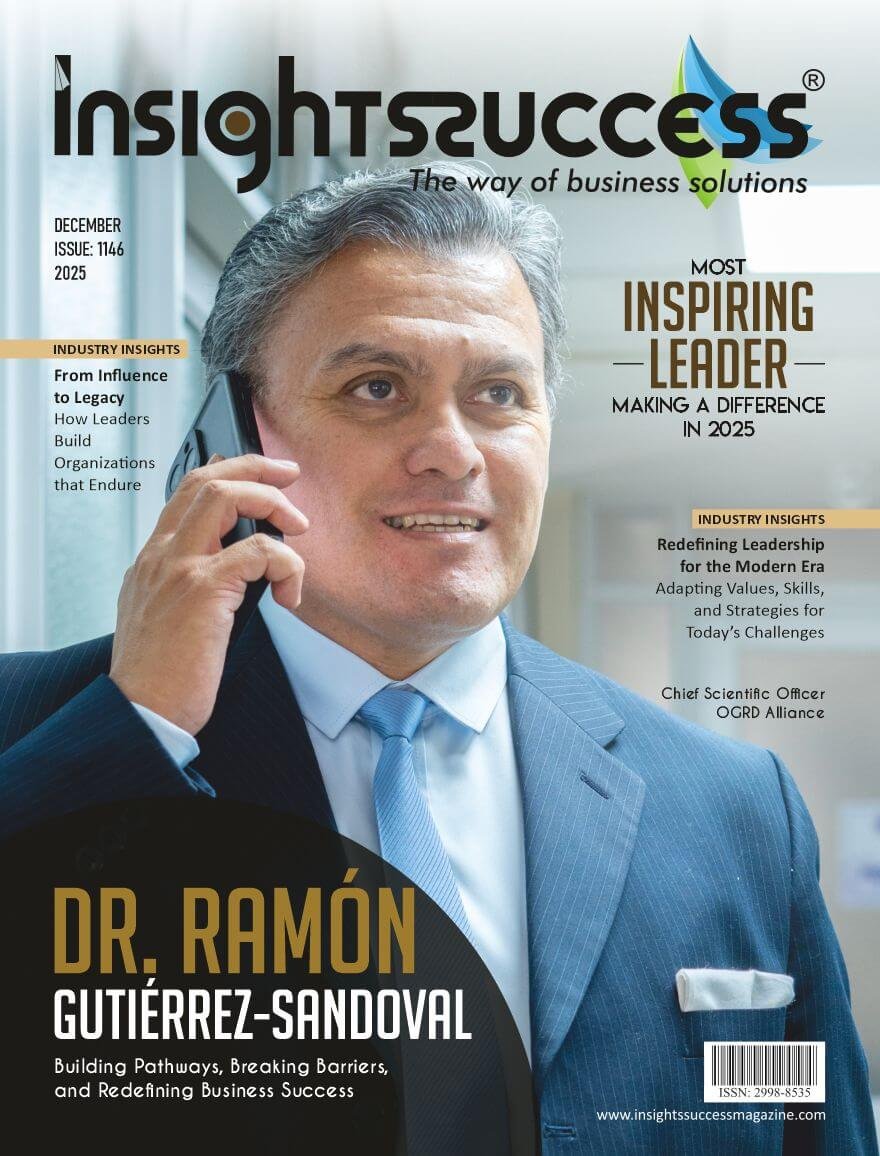
Most Inspiring Leader Making A Difference In 2025
Most Inspiring Leader Making A Difference In 2025 In a time when leadership is measured not only by results but by relevance, empathy, and purpose, one individual stands out for their ability to inspire meaningful change. This edition honors Dr. Ramon Gutierrez whose vision, integrity, and commitment are creating a lasting positive impact across organizations, communities, and lives. Quick highlights Quick reads

How Leaders Build Organizations That Endure
From Influence to Legacy Influence is the very source of leadership, but legacy is what essentially gauges it. A lot of leaders energize the followers just for the moment, increase the work output, and at the end show the success visually. Only a small number of them, however, manage to create such organizations that still grow and develop even after they leave. Walking the path from influence to legacy means the protagonist has to change his personal impact to institutional strength, and short-term results to long-term endurance. Long-term organizations cannot be the outcome of only one person’s charm. Such organizations result from the combination of intention, values, systems, and people. Influence as the First Foundation Influence is the capability of a leader to persuade employees, to have an effect on decisions and to enhance the progress of an organization. Such a position comes as a result of credibility, communication, and consistency. Leadership at such a point in time is usually very much related to the particular individual—their foresight, command, and charisma. In a while, influence is absolutely necessary, but still, it is basically a temporary thing. Thus, an organization which is a success over a leader can easily become a fragile one. Leaders with a legacy-oriented mindset quickly recognize this restriction and start the plan that goes beyond themselves. Shifting Focus from Leader-Centric to System-Centric Leaders who build legacies move their attention and resources to systems instead of relying only on personal management. They develop structures for governance, decision-making, and the modes of functioning, which are active even without the intervention of the person. Processes get to the point where they are not only repeatable, but also transparent and strong enough to resist situations that are difficult to handle. It guarantees, at this point, that the coming of new leadership will not be the end of the story. Thus, the organization remains guided by its values and priorities and does not lose its bearings in such times because it has embedded those into work routines already. Values That Outlast Individuals Long-living organizations base their existence on the values which are very clear and which primarily lead the behavior of every level. Leaders who think about their legacy, live up these values themselves and support them via all the organizational policies, through recognition and accountability mechanisms. Values become the organization’s basis for making decisions when there are no clear rules to follow. In the case that values are lived and not simply stated, then they are able to survive a change of leadership as well as market interruption. Developing Leaders, Not Followers Legacy is a hallmark of people. Leaders who become architects of the future will not ignore talent and succession issues. They provide guidance to new leaders, hand over the real work to the capable shoulders, and organize the avenues that lead to personal development. They do this by fostering leadership skills at all levels of the company, which is the most effective way for influence to expand rather than to be concentrated in one place. The organization becomes more profound, flexible, viable, and thus, the risk of a particular person-dominated situation is minimized. Culture as the Carrier of Legacy Culture is the strongest vehicle to carry on the heritage. It is about how people kneel in the absence of the watchful eyes and how they take decisions when under strains and pressures no one can witness. Leaders preoccupied with their legacies vigorously set the tone for culture by way of what they allow, reward, and demonstrate themselves. Strong culture supports a high level of trust, facilitates communication of standards, and makes it easy for people to reach an agreement no matter the generational gap of employees. Culture turns into the supporter that silently sustains the organization’s good performance over a long period of time. Long-Term Thinking in a Short-Term World Today’s companies are constantly forced to come up with instant results. However, legacy-oriented executives are able to think in the long run which balances this reality. They still put money into, among other things, their skills, relationships, and good name of the company even when the profits are far from being immediate. This intention acts as a shield for the organization against short-sighted choices that lead to its weakening in the future. Thus, managers who do not focus on only the next quarter results but instead build up foundations capable of withstanding the ups and downs of the market as well as changes in leadership. From Influence to Legacy Influence gives wings to leaders’ actions. Legacy is the main reason that their effect lasts. These leaders making this change of gear, move their attention from being absolutely necessary to the organization, to making it independent. Genuine leadership is not measured by the amount of influence one has, rather it is determined by what is left after that influence is gone. The pillars of those organizations which are able to last in the long run are the leaders who think beyond their own selves – coming up with values, systems, and cultures which will continue to serve their purpose not just for the present but for the future generations as well. Read Also : Adapting Values, Skills, and Strategies for Today’s Challenges