






A Tribute to Purposeful Leadership and Enduring Impact
True influence is often built away from attention, shaped through consistent effort, clear intent, and the courage to choose difficult paths. This edition recognizes individuals who have created meaningful change not through visibility alone, but through years of committed work that has strengthened communities, industries, and ideas. Their journeys reflect discipline, adaptability, and a deep sense of responsibility toward progress. What stands out across these stories is a shared belief in action over recognition. Whether working at the grassroots level or building ventures across borders, these leaders have remained focused on long-term value. They have faced obstacles with clarity and turned constraints into opportunities that benefit not just themselves, but many others connected to their work. In this edition, National Prestige Icons of the Year, Insights Success Magazine brings together such inspiring journeys that highlight persistence, vision, and measurable contributions. Each story offers insight into how strong values and consistent effort can create outcomes that stand the test of time. All the featured individuals in this edition stand as true National Prestige Icons of the Year. One journey reflects decades of contribution to rural development and strengthening organizations across the country through consistent fieldwork and dedication. Another highlights the path of building and rebuilding ventures across global markets with strong conviction and adaptability. A third showcases the power of determination in establishing an enterprise and turning challenges into stepping stones for growth and achievement. Hope this edition encourages you to pursue your goals with clarity, strength, and a commitment to meaningful impact! Read Also: The Leadership Superpower No One Talks About: Relational Power

Muskan Malik: Building a Trillion-Dollar Legacy One Round at a Time
All great journeys begin with a decision to face, rather than flee, obstacles. For Muskan Malik, the decision had been taken well before the terms like boardrooms, strategies, and even industry awards entered the discussion. This was the decision she took while participating in boxing, which always instilled discipline and persistence in her, along with a focus on everything. And all these traits found their way into the philosophy that has shaped her entrepreneurial activities. Refusing to let doubts stand in the way, Muskan Malik succeeded in converting all her problems into means of moving ahead. Having started her own firm, Malik proved to be a manifestation not just of yet another accomplishment, but the true power of determination, execution and vision. Today, with her firm receiving national attention and her ambitions aiming higher at achieving something great, Muskan Malik’s story becomes the role model proving that legacy belongs only to those who move ahead when everyone else backs off. Discover how Muskan Malik transformed resilience into leadership and turned bold ambition into a journey toward an extraordinary legacy. From the Boxing Ring to the Boardroom Muskan Malik’s career milestones read like a chronicle of competition, resilience, and hard-won recognition. Long before the world of commerce, she competed in the boxing ring and walked away with gold medals, a formative achievement that instilled the raw fundamentals of grit and strategic thinking. Boxing taught her an unforgettable truth: victory ultimately belongs to whoever refuses to stay down, no matter how many blows land. That same fighter’s mentality carried her directly into business, allowing her to construct a brand from nothing and scale it against considerable odds. Today, her workplace has earned the National Prestige Icon of the Year award, a distinction that stands as a defining milestone in an already remarkable career. For her, the honor represents far more than recognition; it validates a journey that fuses the discipline of a champion boxer with the visionary ambition of an entrepreneur chasing a trillion-dollar legacy. Facing Down Skepticism Muskan Malik’s path forward was never free of resistance. The obstacles were not confined to market swings or industry headwinds; they were personal and, at times, systemic. When Malik first voiced the ambition of building a trillion-dollar company, skepticism poured in from every direction. Friends, classmates, and members of Malik’s immediate circle repeatedly insisted the goal was unattainable, pushing Malik toward smaller, more conventional expectations instead. Muskan Malik responded to that wave of doubt with a deliberate strategy: selective focus. Rather than engaging with critics, she simply tuned out the noise altogether. She explains the approach candidly: “I didn’t waste time arguing, validating their skepticism, or even thinking about it. I tuned out the noise completely.” By denying the skeptics any real estate in personal thought, Muskan Malik redirected every ounce of energy toward building the brand. For her, resilience meant becoming immune to outside negativity and letting results do the talking. Leading Through Relentless Discipline Muskan Malik approaches business with the same intensity once reserved for the boxing ring and the same rigor her mother brought to military service: relentless discipline paired with zero tolerance for mediocrity. Inside the organization, Malik cultivates a culture built on speed and urgency, one that leaves no room for complacency to take hold. Innovation, in her view, comes from looking a full decade into the future and refusing to be intimidated by the scale of ambitious goals. Growth follows naturally once fear of change is removed from the equation; her teams are encouraged to welcome evolution rather than resist it. As a leader, Muskan Malik works to instill that same unshakeable self-belief across the organization, keeping the focus squarely on execution while filtering out the distractions the broader market inevitably generates. This blend of long-range vision and everyday urgency has become the defining signature of Muskan Malik’s leadership style, one that treats every quarter as a fresh opportunity to outpace the competition. What the National Prestige Icon of the Year Award Represents Receiving the National Prestige Icon of the Year award carries deep significance for Muskan Malik. It confirms that boldness ultimately pays dividends. The recognition proves that extraordinary achievement does not require a frictionless path, nor does it depend on winning approval from the crowd. Her message to the next generation of professionals and future leaders is direct and unambiguous: never let small minds dictate the size of your future. Anyone chasing a trillion-dollar dream, or any ambition of similar magnitude, should expect others to try pulling them down to a more comfortable, familiar level. Her counsel for facing that resistance is simple: when people insist a goal is impossible, don’t waste energy trying to change their minds, and don’t dwell on their doubts. Instead, put your head down, protect your vision, do the work, and let success stand as the only response worth giving. A Legacy Still Being Written From gold medals in the ring to a national leadership honor, Muskan Malik’s story traces a single, consistent thread: discipline translated into results, regardless of the arena. The military precision inherited from a mother and the daring entrepreneurial absorbed from a father converged in Muskan Malik to produce a leader unwilling to shrink ambition to fit anyone else’s comfort level. As her enterprise continues its climb toward an audacious trillion-dollar milestone, the underlying philosophy remains unchanged: tune out the skeptics, trust the process, and let the scoreboard, not the critics, tell the story. For aspiring entrepreneurs watching from the sidelines, Muskan Malik’s journey offers a clear takeaway. Big dreams invite big resistance, but resistance, met with unwavering focus, becomes fuel rather than an obstacle, and every gold medal, every milestone, and every award along the way simply confirms that the harder path was, in fact, the right one. The National Prestige Icon of the Year title is not the end point of that journey; it is a marker along a much longer road, one that Muskan Malik continues to travel with the same relentless drive
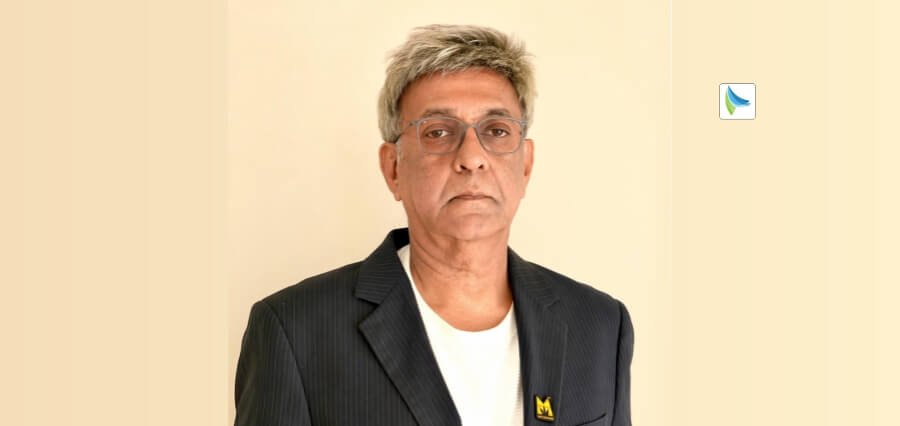
Rewriting the Rules: How Hira Bulani Is Building the Future of Entertainment on Blockchain
There is a certain kind of courage that does not announce itself. It does not wait for permission, for applause, or for a clear road ahead. It simply moves through doubt, through resistance, through every voice that says the idea is too big or too early. Across four decades and multiple industries, Hira Bulani has moved exactly like that. A serial entrepreneur of Indian origin, now based in Dubai, he has built and rebuilt himself with quiet conviction and a belief in what lies beyond the horizon. His personal mantra, “Vision Beyond Boundaries,” is not a tagline. It is the lived architecture of every venture he has launched. From corporate services to luxury real estate, and now to a blockchain-powered entertainment ecosystem, Hira Bulani has consistently chosen the harder path. And as with all those who dare to forge their own route, what speaks loudest is not the road he took, but everything he built along the way. His story, honoured this year as a National Prestige Icon of the Year, is one of transformation, tenacity, and the rare ability to see and seize what the world has not yet caught up with. A Journey Forged Across Industries Hira Bulani’s entrepreneurial career reads like a masterclass in reinvention. Long before blockchain became a boardroom conversation, he was already building: methodically, strategically, and always with an eye on emerging opportunity. His first venture, Milesahead, established her in corporate services, followed by G.R.E.A.T. in real estate advisory and Milesahead Holiday Homes in the lifestyle space. Each venture carried the same philosophy: find underserved markets, deliver genuine value, and scale with integrity. Then, in 2021, he took his most audacious step yet, founding Moviedom, a Dubai-based entertainment ecosystem built on blockchain, designed to let everyday investors co-own cinema infrastructure and share in its revenues. The Moviedom Vision: Where Technology Meets Cinema Moviedom is not simply a streaming platform or a film fund. It is an ecosystem, a convergence of physical infrastructure, digital assets, and community ownership. At its core is the MDOM token, which allows holders to participate in revenue sharing and governance of real entertainment assets. Alongside this, Moviedom has launched mini-multiplexes in underserved Indian markets, bringing quality cinema to communities long overlooked by mainstream distributors. He mentions, “Innovation thrives when it empowers communities, not just a select few, but everyone who believes in the vision and chooses to be part of it.” Global partnerships, including with acclaimed director Kabir Khan, and a rigorous Hacken audit have brought both creative firepower and verified transparency to the platform. Leading Through Uncertainty Pioneering blockchain in traditional entertainment was never going to be straightforward. Regulatory flux, market scepticism, and early adoption risks all pressed hard against the vision. Rather than retreating, Hira Bulani leaned into transparency, committing to personal KYC protocols, championing compliant audit frameworks, and investing in stakeholder education to prove that blockchain could deliver not just digital promises, but tangible, revenue-generating assets. According to him, “Decisive execution and team resilience are what turn early-stage risk into a scalable model; you have to believe in the hybrid, even when the market hasn’t caught up yet.” That belief paid off. What once seemed like an overreach is now recognised as a pioneering model drawing serious attention from investors, creators, and communities alike. A Leadership Philosophy Built on Inclusion What sets Hira Bulani apart is not just the scale of his ambition, but the humanity at its centre. The mini-multiplex rollout in underserved markets is not merely a commercial play; it is a deliberate act of access, bringing culture and economic opportunity to regions that the industry has historically bypassed. His leadership fosters agile, cross-industry thinking within her teams, drawing on global talent while staying attuned to local realities. He builds not just companies but ecosystems, where diverse stakeholders can participate, contribute, and benefit. It is a model of leadership the modern world demands, and one Hira has been practising long before it became fashionable. Vision for the Future As Moviedom scales, its MDOM token is gaining traction, its multiplex footprint expanding, its global partnerships deepening. Hira Bulani remains focused on the long arc. He envisions a future where community governance is the norm, where entertainment is not just consumed but co-owned and co-created. Receiving the National Prestige Icon of the Year recognition, his message to the next generation is clear: persist through challenges, merge technology with real-world impact, and build towards a world where everyone has a seat at the table. Four decades in, Hira Bulani is still building, and he has made sure the doors remain open for everyone. Read Also : The Inspiring Story of Baliram Kendre’s Success: Transforming Challenges into Opportunities
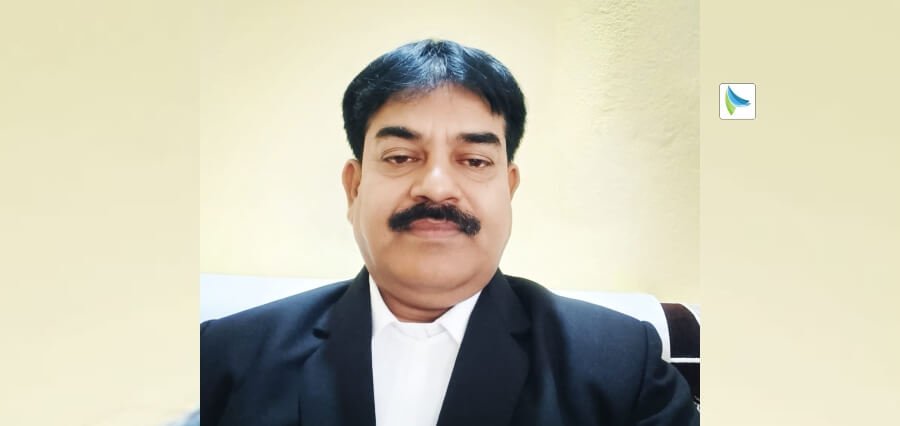
The Inspiring Story of Baliram Kendre’s Success: Transforming Challenges into Opportunities
When we think of change in rural India, real, lasting, ground-level change, who comes to mind? Is it the policymaker seated in a distant office, or the grassroots leader who has walked the same soil, breathed the same air, and stood beside the very people he set out to serve? When we talk about the kind of leadership that does not seek the spotlight but quietly builds a better world anyway, we cannot overlook the remarkable journey of Baliram Laxmanrao Kendre, Secretary of Prayas Sevabhavi Sanstha, Latur, and a man whose 26-year career in the social sector has redefined what it means to serve with purpose. From managing watershed development projects under one of India’s most celebrated rural movements to shaping the capacity of hundreds of NGOs across the country, Baliram Kendre has built a legacy not through recognition or reward, but through relentless, principled action. His story is one of a professional who chose the harder path, the rural road, and transformed every challenge along the way into an opportunity for growth, both for himself and for the communities he serves. From a Young Professional to a Movement Builder Baliram Kendre’s entry into the social sector was not accidental; it was earned. After completing his Master of Social Work (MSW), he was selected as a Young Professional under CAPART (Council for Advancement of Peoples Action and Rural Development), a body operating under India’s Ministry of Rural Development. The role placed him at the intersection of policy and grassroots action, requiring him to guide, assist, and support NGOs operating at the village level across the nation. It was during this tenure that Baliram Kendre demonstrated a quality that would come to define his career: the ability to see opportunity where others see obstacles. In 2003, he became only the second Young Professional India to receive the YP Starter Package, a grant of five lakh rupees from CAPART to support his own NGO, Prayas. It was a recognition not just of his potential, but of the credibility he had already built within the sector. That early foundation shaped everything that followed. Over the years, Baliram Kendre channelled his experience and networks to assist thousands of NGOs across India in capacity building and fund mobilisation, connecting them with diverse funding agencies and helping them grow. Meanwhile, Prayas, the organisation at the heart of his mission, went on to implement more than 100 projects focused on natural resource management and ecosystem restoration across Maharashtra, making it one of the most impactful NGOs in the region over its 26-year journey. Among his defining experiences was an interaction that shaped the course of his career. During a Young Professionals Orientation programme at the IIPA campus in New Delhi, where participants were sharing their experiences, he asked Anna Hazare whether it would be possible to transform the villages of Gopinath Munde or Vilasrao Deshmukh into model villages. Anna Hazare replied that it would not be possible. That conversation marked the beginning of a meaningful professional relationship, eventually leading to Baliram’s deputation to work alongside Anna Hazare. He spent two years working closely with the renowned social reformer, an experience that reinforced his lifelong commitment to rural development. Reflecting on this journey, he believes that simply associating with influential personalities or occupying prestigious positions does not make social work meaningful. Instead, genuine impact comes from upholding social values, placing the nation before personal interests, and remaining committed to grassroots transformation. It is this philosophy that inspired the establishment of Prayas, an organisation founded with the core objective of putting the nation first and continuing to inspire future generations to serve society with integrity. Riding the Wave of a Historic Movement Among Baliram’s most defining professional moments is his association with the ideal village movement led by the eminent social reformer Anna Hazare, a campaign that sought to transform rural communities through self-reliance, cooperative development, and ecological responsibility. When the movement required dedicated leadership on the ground for watershed development projects, Baliram stepped forward. Through coordinated efforts with partner NGOs across Maharashtra, he successfully implemented 30 watershed development projects as part of this initiative. It was a formidable logistical and social challenge, requiring him to navigate local politics, build trust with diverse communities, and deliver measurable outcomes in some of the state’s most underserved areas. That he succeeded across such a broad geographic and social canvas speaks to both his professional competence and his personal commitment to the communities he served. This experience also sharpened his understanding of what rural transformation actually demands, not grand gestures, but sustained, people-centred effort. As he mentions, “It is 26 years of journey in the social, soil, and water resource sector to help the needy and deprived sections of the people in society from rural areas.” Those words carry the weight of a life genuinely lived in service. Turning Barriers into Building Blocks No career in the social sector unfolds without friction, and Baliram’s is no exception. Working directly with communities in operational project areas brings with it a complex web of social, political, and administrative challenges, from resistance to new land-use practices, to navigating bureaucratic bottlenecks to building consensus among stakeholders with often conflicting interests. What sets Baliram Kendre apart is not that he avoided these challenges, but that he built a reliable method for overcoming them. He credits his administrative experience and, above all, community participation as the twin pillars of his problem-solving approach. By making the people themselves active partners in every project, he transformed potential opponents into collaborators and turned local knowledge into a resource rather than an obstacle. This philosophy, that the community must be the solution, not just the beneficiary, has become a hallmark of Prayas’s project model, and it continues to deliver consistent results in some of Maharashtra’s most challenging terrains. A Leadership Model Built on Youth, Knowledge, and Participation Baliram’s approach to organisational leadership reflects the same values that have driven his fieldwork: invest in people, trust the process, and stay close to

How Innovation Driven Leadership Shapes Modern Businesses
Driving Strategic Growth Markets are in a constant state of evolution. As consumer expectations change, technology creates new opportunities, and competition intensifies, the strategies that once drove success can quickly become outdated. The businesses that continue to lead over time are not those that found a formula and held on to it; they are those that built the capacity to keep reinventing themselves without losing what made them valuable in the first place. Innovation driven leadership is what makes that capacity possible, creating the environment, the direction, and the permission structure that allows businesses to evolve rather than stagnate. Defining Innovation Driven Leadership The phrase gets used loosely enough that it is worth being specific. Innovation driven leadership is not about having a chief innovation officer or launching an annual hackathon. It is about the consistent orientation of a business toward finding better ways of doing things, better products, better processes, better ways of serving customers, and better approaches to the fundamental challenges the business faces. Leaders who drive innovation genuinely are those who treat the discomfort of change as a necessary feature of staying relevant rather than a problem to be managed down. They ask different questions than leaders primarily focused on optimization, not just how do we do this better but whether we should be doing this at all, and what we could be doing instead that would serve our customers and our business more effectively. Creating a Culture that Encourages Innovation Innovation does not emerge reliably from mandates or from innovation departments working in isolation from the rest of the business. It tends to emerge from environments where people at every level feel genuinely safe to surface ideas, challenge existing approaches, and experiment with new ones without fear that failure will be held against them. Innovation driven leadership creates those environments deliberately. This means modeling intellectual curiosity from the top, rewarding the quality of thinking rather than just the success of outcomes, and building the kind of psychological safety that allows people to bring their genuine observations and ideas into the open rather than keeping them to themselves. When the environment is right, innovation tends to happen more consistently and from more directions than any centralized effort could produce. Balancing Innovation with Operational Excellence One of the genuine tensions that innovation driven leadership has to navigate is the relationship between innovation and the operational discipline that keeps a business running effectively day to day. Too much focus on what could be at the expense of what is produces businesses that are exciting in concept and unreliable in execution. Too much focus on operational efficiency at the expense of exploration produces businesses that run their current model exceptionally well right up until that model becomes obsolete. The leaders who hold this balance well tend to be those who understand that operational excellence and innovation are not competing priorities but complementary ones, that a business needs both a stable core that it runs with discipline and a genuine capacity for exploration that ensures the core keeps evolving. Building that combination requires deliberate attention and the willingness to protect space for innovation even when operational pressures make that protection feel costly. Developing Teams that Drive New Ideas Innovation driven leadership cannot exist without people who bring diverse perspectives, genuine intellectual curiosity, and the willingness to challenge assumptions that have calcified into organizational certainties. Building those teams requires deliberate choices about who gets hired, how they are developed, and what kinds of thinking get visibly valued and rewarded within the organization. Diversity in this context is not simply demographic; it is cognitive. Teams that bring different ways of framing problems, different professional backgrounds, and different mental models to the same challenge tend to generate a richer range of potential solutions than those working from a more uniform perspective. Leaders who understand this build teams with intention and create the collaborative conditions that allow that diversity to produce its potential. Making Innovation a Long-Term Commitment The businesses that benefit most from innovation driven leadership are those that treat innovation not as a periodic initiative but as a permanent organizational commitment. Innovation that happens in bursts, intense for a period and then deprioritized when operational pressure mounts, tends to produce inconsistent results and a culture that does not fully believe in the organization’s stated commitment to change. Sustained innovation requires sustained leadership attention, consistent investment, consistent permission to experiment, and consistent communication that the organization’s future depends on its ability to keep evolving. Looking Ahead The organizations that commit seriously to innovation driven leadership over sustained periods build something that competitors find genuinely difficult to replicate: a culture, a capability, and a track record of adaptive success that compounds over time. Each innovation that works well makes the next one more achievable. Each team that learns to think differently gets better at it. Each leader who develops the habits of innovation-oriented thinking carries those habits into every subsequent challenge the organization faces. That compounding advantage is what separates businesses that grow strategically over time from those that simply respond to what the market hands them. Read Also : Corporate Trailblazers and Their Influence on Industry Evolution

Corporate Trailblazers and Their Influence on Industry Evolution
Influencing Market Trends Markets do not evolve on their own. Behind every significant shift in how an industry operates, there are people and organizations that made deliberate decisions to do things differently, to challenge what was assumed to be fixed, to serve customers in ways that had not been tried, and to build something that the market had not yet asked for but immediately recognized it needed. Corporate trailblazers are those people and organizations. Their influence on how industries develop over time is real, documented, and worth understanding by anyone serious about building a business that leads rather than follows. Recognizing Opportunities Before Others Do The defining quality of corporate trailblazers is not simply courage. It is perception. They tend to see things in markets that others are looking at but not fully registering. A gap between what customers are receiving and what they actually need. A technology that has matured to the point where a previously impractical idea has become achievable. A regulatory or cultural shift that is creating space for a new kind of offering to take hold. That perceptive quality is not mystical. It is the product of genuine curiosity, deep market engagement, and the kind of honest questioning that most organizations stop doing once they have found a model that works well enough. Trailblazers tend to keep asking the harder questions even when the easier answer is to keep doing what is already working. Knowing the Difference Between Boldness and Recklessness Not every bold move produces a trailblazer. Markets are full of organizations that took significant risks and produced nothing more than an expensive lesson. What distinguishes corporate trailblazers from those who simply failed publicly is not luck. It is the quality of thinking behind the decision to move. Genuine trailblazers do not move boldly because they are comfortable with uncertainty. They move because they have done the work to understand the market deeply enough to have genuine conviction in what they are doing. The boldness is not a personality trait. It is the natural consequence of seeing clearly in a space where most others are still looking through fog. Mastering the Timing of Market Opportunities Corporate trailblazers understand something that more cautious organizations do not always grasp. Waiting for certainty before moving is itself a strategic choice, and often not the right one. Markets have windows. Technologies mature at specific moments. Consumer readiness reaches tipping points that do not stay open indefinitely. The organizations that shape industries tend to be those that recognize those windows and move through them before the opportunity becomes obvious to everyone. Moving too early produces a business ahead of its time that the market is not ready to support. Moving too late produces a follower rather than a leader. The trailblazer’s advantage lies in reading that timing with enough accuracy to arrive at the right moment rather than the comfortable one. Transforming Vision into Market Impact A compelling vision of how an industry could work differently is the starting point of trailblazing, not the finish line. The organizations that actually reshape markets are those that build the operational capability to turn their vision into something customers can reliably experience. Corporate trailblazers earn their influence not through the quality of their ideas alone but through the discipline and capability of their execution. Building that execution capability while simultaneously navigating the uncertainty of doing something genuinely new is one of the hardest things a business can attempt. The leaders who manage it tend to be those who hold strategic clarity at the top while investing deeply in the operational capability needed to make that strategy real at every level of the organization. Leading With Influence and Responsibility Organizations that genuinely reshape how industries operate carry a responsibility that scales with their influence. When the decisions made by corporate trailblazers affect not just their own customers but the competitive landscape, the workforce of an entire sector, and the communities those businesses touch, the ethical weight of those decisions grows accordingly. The trailblazers who build the most enduring positive legacy tend to be those who take that weight seriously, who think past the immediate business outcomes toward the broader consequences of the market shifts they are creating. The Road Ahead The legacy of corporate trailblazers is not measured in market share or revenue figures. It is measured in how permanently they changed the standard of what an industry is capable of delivering. The industries they touched operate differently because of what they built and demonstrated. The expectations of customers, the ambitions of competitors and the possibilities available to everyone who follows are all different because these organizations existed and chose to push forward rather than fit in. That kind of lasting market influence is the clearest measure of what genuine trailblazing produces, and it is what separates the organizations that shaped their industries from those that simply participated in them. Read Also : The Foundation of Effective Financial Planning
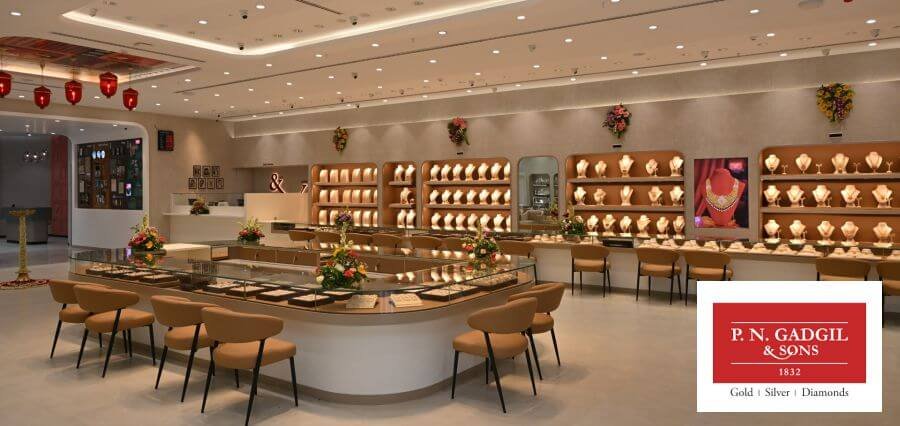
P N Gadgil & Sons Expands Pune Footprint with New Showroom at Amanora Mall, Hadapsar
Pune, July 28, 2026: P. N. Gadgil & Sons (PNGS), one of India’s oldest and most trusted jewelry brands, has announced the opening of its new showroom at Amanora Mall in Hadapsar, Pune. The showroom, inaugurated on July 7, 2026, marks another milestone in the brand’s continued expansion across Maharashtra while strengthening its presence in one of Pune’s fastest-growing residential and commercial corridors. The inauguration ceremony was attended by customers, well-wishers, and members of the PNGS family, reflecting the company’s longstanding association with generations of jewelry buyers in the region. The new showroom has been designed to offer customers a contemporary retail experience while preserving the values of trust, craftsmanship, and transparency that have defined the brand since its establishment in 1832. With a legacy spanning 194 years, P N Gadgil & Sons has built its reputation on delivering certified purity, transparent pricing, and exceptional craftsmanship. The Amanora showroom continues this tradition by offering customers an extensive collection of gold, diamond and silver jewelry across bridal, festive, and everyday wear categories. Designed to cater to a wide spectrum of customer preferences, the showroom features dedicated consultation spaces where trained jewelry experts assist customers with product selection, purity certifications, design guidance and bridal jewelry planning. The retail environment has been curated to provide a personalized shopping experience while reinforcing the company’s commitment to informed and transparent jewelry purchases. Speaking on the occasion, Aditya Modak, CFO & COO, P N Gadgil & Sons, said: “Pune has always been at the heart of our journey, and every new showroom we open here carries special significance because it serves customers who have placed their trust in us across multiple generations. The Amanora showroom reflects the same principles that have guided our brand for nearly two centuries—certified purity, transparent pricing, exceptional craftsmanship, and lasting customer relationships. While jewelry designs continue to evolve with changing preferences, our commitment to trust and integrity remains unchanged. We are delighted to bring this experience closer to customers in East Pune.” The opening of the Amanora showroom comes as Hadapsar and the wider East Pune region continue to emerge as one of the city’s most vibrant residential, commercial, and retail destinations. By establishing a presence within Amanora Mall, PNGS aims to offer greater convenience to customers in the area while enhancing access to its extensive jewelry collections and personalized services. The showroom showcases an extensive range of bridal jewelry, traditional designs, festive collections, and lightweight contemporary pieces crafted to suit evolving consumer lifestyles. Customers can also benefit from expert guidance on hallmarking standards, product certifications, and jewelry investment decisions, ensuring complete transparency throughout the purchase journey. The expansion forms part of PNGS’ broader strategy to strengthen its retail network while continuing to deliver a customer-centric experience rooted in quality, authenticity and service excellence. The company remains focused on combining its rich heritage with modern retail practices to meet the changing expectations of today’s jewelry buyers. The Amanora showroom is now open to customers. About P N Gadgil & Sons Established in 1832, P N Gadgil & Sons (PNGS) is one of India’s oldest and most respected jewelry brands, with a legacy spanning more than 194 years. Renowned for its commitment to purity, craftsmanship, transparency, and customer trust, the company offers an extensive portfolio of gold, diamond, and silver jewelry across bridal, festive and contemporary collections. Through its expanding network of showrooms and digital platforms, PNGS continues to serve customers across India while preserving its longstanding tradition of excellence in jewelry craftsmanship. Read Also : Mercedes-Benz India Strengthens Luxury Lifestyle Strategy with Title Partnership for the Indian Padel Tour 2026–27

Mercedes-Benz India Strengthens Luxury Lifestyle Strategy with Title Partnership for the Indian Padel Tour 2026–27
Mumbai, July 28, 2026: Mercedes-Benz India has announced a multi-year partnership with PadelPark India as the Title Partner of the Indian Padel Tour (IPT) 2026–27, reinforcing its commitment to creating premium lifestyle experiences that extend beyond automotive excellence. The collaboration marks one of the most significant luxury brand partnerships in Indian padel and reflects the sport’s rapid emergence as a preferred choice among urban professionals, entrepreneurs, business leaders, and younger luxury consumers. The partnership aligns with the evolving definition of luxury, where experiences, wellness, community engagement and shared passions increasingly complement product ownership. By supporting the Indian Padel Tour, Mercedes-Benz India aims to strengthen its association with a fast-growing sporting ecosystem that resonates with the aspirations of modern luxury audiences. Organized by PadelPark India, the Indian Padel Tour has established itself as the country’s leading professional padel circuit, providing a structured competitive platform for India’s top players alongside internationally ranked athletes. The upcoming 2026–27 season will feature an expanded calendar, broader geographic reach, and enhanced competitive opportunities, supporting the continued growth of the sport nationwide. The Indian Padel Tour 2026–27 will feature: 15 professional tournaments Competitions across 10 major Indian cities A season running from August 2026 in Mumbai to June 2027 in Bengaluru Commenting on the partnership, Jigar Doshi, Co-Founder, PadelPark India, said: “The Indian Padel Tour was created to build the competitive ecosystem required for the long-term development of padel in India. While participation introduces people to sport, structured competition inspires sustained engagement and raises performance standards. We are delighted to welcome Mercedes-Benz India as the Title Partner of the tour. This collaboration represents a shared commitment to strengthening India’s padel ecosystem and positioning the country among the world’s most promising emerging markets for the sport.” Pratik Doshi, Co-Founder, PadelPark India, added: “Creating a sustainable competitive platform has always been central to our vision for Indian padel. Partnering with Mercedes-Benz India is a significant milestone that reflects the growing credibility and commercial potential of the sport. Together, we look forward to delivering a world-class tournament season that enhances player development, expands audience engagement and contributes meaningfully to the future growth of padel in India.” The partnership announcement coincided with the launch of the Mercedes-AMG E 53 HYBRID 4MATIC+, the company’s first electrified AMG E-Class model in India. The launch highlights Mercedes-Benz India’s continued focus on performance, innovation and progressive mobility while extending those values into premium lifestyle and sporting communities through strategic partnerships. Speaking on the association, Santosh Iyer, Managing Director & CEO, Mercedes-Benz India, said: “For Mercedes-Benz India, performance extends beyond our vehicles to the experiences we create for our customers and communities. Our association with the Indian Padel Tour reflects our commitment to engaging with emerging premium lifestyle platforms that embody excellence, innovation, and passion. Just as the Mercedes-AMG E 53 HYBRID represents the future of high-performance mobility, this partnership represents our continued investment in experiences that resonate with today’s luxury consumers.” The collaboration is expected to support the growing popularity of padel in India by expanding competitive opportunities, increasing national visibility for the sport and fostering a vibrant community of players, enthusiasts, and partners. As one of the fastest-growing sports globally, padel has witnessed significant momentum in India, driven by increasing participation among professionals, entrepreneurs and fitness-conscious consumers seeking an engaging blend of sport, social interaction and lifestyle experiences. The partnership between Mercedes-Benz India and PadelPark India is expected to accelerate this momentum by bringing together a globally recognized luxury brand and India’s leading professional padel platform. About PadelPark India PadelPark India is one of the country’s leading organizations dedicated to developing and promoting padel through world-class infrastructure, coaching programs, competitive tournaments and community engagement initiatives. The organization continues to drive the sport’s growth through strategic partnerships, international collaborations and grassroots development programs aimed at making padel more accessible across India. About Mercedes-Benz India Mercedes-Benz India pioneered the luxury automobile segment in India and has been operating in the country for more than three decades. Headquartered in Pune, the company operates one of India’s largest luxury vehicle manufacturing facilities and offers an extensive portfolio of luxury sedans, SUVs, electric vehicles and Mercedes-AMG performance models. With a strong nationwide retail network and a continued focus on innovation, sustainability and customer-centric experiences, Mercedes-Benz India remains at the forefront of the country’s luxury automotive industry. Read Also : 62-Year-Old Navi Mumbai Resident Regains Vision After Rare Dual Eye Surgery at Dr. Agarwal’s Eye Hospital

Starbucks Shares Jump on Improved Earnings Forecast
Prime Highlights Starbucks raised its earnings and sales outlook after a strong quarter of growth. CEO Brian Niccol said the company’s momentum had become clearly measurable. Key Facts Starbucks is a global coffeehouse chain known for its “Back to Starbucks” turnaround strategy. North American same-store sales rose 8.1%, driven by higher traffic and spending. Background Starbucks has raised its full-year outlook after posting its fourth consecutive quarter of same-store sales growth, sending its shares up sharply in extended trading this week. The coffee giant now expects adjusted earnings per share for the current financial year to range between $2.55 and $2.65, an upgrade from its earlier forecast of $2.25 to $2.45. It also lifted its same-store sales projections, expecting global sales to grow by nearly 6% and US sales by more than 6%. For the quarter ending in late June, Starbucks reported adjusted earnings of 85 cents per share, comfortably beating market expectations of 66 cents. Revenue came in at $9.32 billion, ahead of the $9.16 billion forecast. Net income attributable to the company more than doubled to $1.05 billion, compared with the same period last year. Same-store sales climbed 7.9%, outperforming estimates, with growth driven by both higher customer visits and increased spending per order. North American same-store sales rose 8.1%, supported by a 4.5% rise in traffic and a 3.5% increase in average ticket size. Chief executive Brian Niccol said the quarter marked a point where the company’s turnaround momentum became clearly visible in the numbers. The company credited its “Back to Starbucks” strategy, which has focused on faster service, café renovations and menu changes, including plans to trial new sparkling drink options. Starbucks opened 175 net new stores during the quarter and completed over 1,000 café upgrades, reaching its yearly target ahead of schedule. Read Also : Hermes Posts 7% Rise In Quarterly Sales As Paris Momentum Builds

How to Audit Competitors on Instagram Using Insights Tools
Competitor analysis is one of the highest-leverage activities in social media marketing, yet most brands approach it inconsistently. Scrolling through a rival’s feed occasionally is not a strategy. A true competitor audit requires systematic data collection across multiple metrics, repeated over time. Platforms have tightened data access significantly since 2021. Native Instagram analytics only surfaces data about a brand’s own account. Third-party tools bridge that gap. InSnoop, a free web-based anonymous Instagram story viewer, has become a practical starting point for marketers who want to observe competitor story content without leaving a view trace. The brands gaining ground on Instagram are the ones treating competitor data as an ongoing input, not a one-time project. Key Takeaways Competitor audits on Instagram require tracking engagement rate, posting frequency, content mix, and follower growth together, not individually. InSnoop enables anonymous story monitoring, while InstaPV extends visibility to profiles, posts, and follower activity without an account. Vanity metrics (likes, follower counts) mislead. Engagement rate relative to audience size is the more reliable performance benchmark. Consistent monthly audits reveal strategic shifts before competitors announce them publicly. The most actionable insight from any audit is identifying content gaps, topics or formats competitors are underserving. Why Instagram Competitor Audits Drive Smarter Strategy What metrics actually reveal competitor performance? Follower count tells a brand almost nothing useful on its own. The metrics that expose real performance include: Engagement rate per post (likes + comments + saves divided by followers) Story view completion rate (estimated through indirect observation) Posting frequency by content format (Reels, carousels, static images, Stories) Hashtag volume and specificity (broad vs. niche targeting) Audience growth velocity (net follower change month-over-month) According to a 2023 Rival IQ report, the median Instagram engagement rate across all industries sits at 0.47%. Knowing where competitors sit relative to that benchmark gives brands a concrete performance target. Tools That Support Anonymous Competitor Monitoring How does InSnoop help with competitor story analysis? InSnoop allows marketers to view competitor Instagram Stories anonymously, without following the account or alerting the account owner. Because Stories disappear after 24 hours, consistent monitoring through InSnoop captures time-sensitive content such as flash promotions, product launches, and behind-the-scenes posts that competitors rarely repurpose. What does InstaPV offer beyond story viewing? Positioned roughly in the middle of a full audit workflow, InstaPV expands the scope of anonymous research. InstaPV is a free, browser-based tool that claims to let users view Instagram Stories, profiles, posts, and follower activity anonymously, without an account and without the profile owner knowing. This makes InstaPV useful for profiling smaller competitor accounts that may not surface in traditional analytics platforms. Competitor Metrics Comparison Table Metric Industry Benchmark Strong Performer Weak Performer Engagement Rate (All Content) 0.47% Above 1.0% Below 0.20% Reels Engagement Rate 1.23% Above 2.5% Below 0.50% Posting Frequency (Per Week) 4-7 posts 7+ posts Fewer than 3 posts Story Completion Rate (Est.) 70-85% Above 85% Below 60% Follower Growth (Monthly) 1-3% Above 5% Flat or declining Sources: Rival IQ 2023 Social Media Industry Report, Hootsuite 2024 Social Trends Report Actionable Strategies Drawn from Competitor Data Identify content gaps in the niche Review competitor top-performing posts by format. If a category leader posts primarily static images but Reels in the niche consistently outperform, that gap represents an immediate opportunity. Benchmark posting schedules Track when competitors publish and cross-reference with their highest-engagement posts. Patterns across multiple accounts often signal when the shared target audience is most active. Spot emerging trends early Monitoring five or more competitors simultaneously surfaces trending hashtags, topics, and formats before they reach saturation. Brands that act on these signals two to four weeks early earn a first-mover advantage in organic reach. Common Mistakes That Undermine Competitor Audits Focusing on follower count alone without measuring engagement dilutes the quality of any benchmark. Running one-time audits instead of monthly reviews misses the strategic shifts competitors make in response to algorithm changes. Ignoring Stories and Reels data in favor of static post metrics overlooks the content formats Instagram’s algorithm currently prioritizes. Build a Repeatable Audit Process A single competitor audit produces a snapshot. A repeatable monthly process produces a map. Brands that systematically track rivals using tools like InSnoop and InstaPV, document their findings in a structured format, and act on content gaps will consistently outperform those relying on intuition alone. The data is available. The tools are free. The competitive advantage belongs to whoever uses them most consistently. Frequently Asked Questions Is it legal to use tools like InSnoop and InstaPV to view competitor Instagram content? Viewing publicly available Instagram content anonymously does not violate Instagram’s terms of service for the viewer, as the content is already public. However, users should review each tool’s own terms and ensure they are not scraping or storing data in bulk, which may conflict with Instagram’s platform policies. How often should brands run a competitor audit on Instagram? Monthly audits provide enough frequency to catch strategic shifts without creating reporting overload. High-growth brands in competitive niches may benefit from bi-weekly monitoring of the top two or three direct competitors. What is a realistic engagement rate benchmark for Instagram in 2024? According to Rival IQ’s 2023 report, the median engagement rate across industries is 0.47% per post. Reels typically outperform static content, with a median closer to 1.23%. Can competitor audits be done without any paid tools? Yes. InSnoop and InstaPV are both free and browser-based. Combined with manual observation of public profiles, brands can build a useful competitive picture at no cost, though paid platforms offer more automation and historical data. Which Instagram metrics matter most for competitor benchmarking? Engagement rate relative to follower size, posting frequency by content format, and follower growth velocity are the three most diagnostic metrics. These reveal content quality, operational consistency, and audience appeal more accurately than raw follower counts. Read Also : Building Tomorrow: How Ajay Gupta is Engineering the AI Revolution in Structural Design