






Why Modern Businesses Choose Optima Office for Outsourced Bookkeeping Services
Running a small business today means wearing multiple hats, and keeping the books straight often falls to the bottom of a very long to-do list. Many owners start out handling bookkeeping themselves or with a part-time bookkeeper, but as transactions pile up and regulations get more complicated, that approach starts showing some cracks. That’s why more and more modern businesses are turning to outsourced bookkeeping, and Optima Office has become a go-to choice for many of them. Having solid bookkeeping is the foundation of any healthy company. It tracks every dollar coming in and going out, ensures accurate records for taxes, and provides the basic data needed for smarter decisions. When it’s done poorly or inconsistently, businesses face late filings, cash flow surprises, and even compliance headaches. Outsourcing takes that burden off internal teams and puts it in the hands of specialists who do it day in and day out. The Shift Toward Professional Bookkeeping Support The days of relying solely on spreadsheets or a single overwhelmed employees are fading fast. Modern businesses, from startups to established small and medium operations, want accuracy, timeliness, and scalability without the full cost of an in-house department. Optima Office stands out by offering customized outsourced bookkeeping that fits different stages of growth. Instead of a one-size-fits-all package, they match clients with experienced bookkeepers who understand specific industries and software platforms. Whether you’re in construction, healthcare, real estate, nonprofits, or professional services, the team gets up to speed quickly—often within just a few short days. This speed is a big reason why busy owners choose them over traditional firms that can take weeks to onboard. The Key Benefits That Make the Difference First and foremost, businesses can save a lot of time. Owners and managers can focus on sales, product development, and customer relationships instead of chasing receipts or reconciling accounts. One client, for example, went from struggling tremendously with spreadsheets to quickly unlocking much faster reporting after partnering with Optima. This gave them much needed time back and increased financial clarity into their business operations. Cost control is another major contributing factor. Hiring a full-time bookkeeper means salaries, benefits, training, and downtime during vacations or turnover. With outsourced bookkeeping services, companies pay only for the level of support they need right now. As the business grows, Optima can seamlessly add more advanced help like controllers or fractional CFO support without forcing a big internal expansion. Accuracy and compliance will also improve dramatically. Professional bookkeepers stay current with tax laws and reporting requirements, reducing the risk of mistakes that could trigger audits or penalties. Many clients report cleaner financials and fewer surprises during tax season. Perhaps most valuable is the peace of mind that owners and operators receive. Business leaders no longer lose sleep wondering if payroll taxes were filed correctly or if the numbers they’re looking at are reliable. Optima’s approach includes regular communication and insights that turn raw data into actionable information. Built for Today’s Flexible Business World Based in San Diego, Optima Office is a 100% woman-owned accounting firm that has developed a more practical, fractional accounting and bookkeeping model that works for companies across California and beyond. They handle everything from daily transaction recording and bank reconciliations to month-end closes and financial reporting. Their many clients deeply appreciate having one reliable partner instead of juggling separate vendors for accounting, HR, and other back-office needs. Their entire process emphasizes a customized fit. They look at industry experience, technical skills, location preferences (remote, on-site, or hybrid), and even personality to make sure the working relationship clicks. This attention to detail leads to smoother collaboration and better long-term results. Their several case studies highlight real wins: a staffing firm that gained financial clarity during rapid growth, a nonprofit that strengthened its reporting, and a tech company that cut month-end processing time significantly. These stories show how rock solid bookkeeping becomes a growth enabler rather than just a necessary chore. Is Outsourced Bookkeeping Right for You? If you’re spending evenings sorting expenses, dealing with frequent bookkeeper turnover, or lacking confidence in your financial reports, it might be time to consider professional support. Modern businesses choose Optima Office because they get experienced help without the overhead, quick implementation, and a team that treats their success as a priority. In the end, strong bookkeeping isn’t about pushing paper and tightening up your books—it’s about creating a solid financial base for long-term, sustainable growth. By outsourcing your bookkeeping work to accounting specialists like Optima, forward-thinking companies free themselves to focus on what they do best while knowing their financial foundation is in good hands. Whether your operation is just starting to scale or looking to streamline existing processes, exploring outsourced bookkeeping with Optima could be one of the smarter moves you make this year. A conversation with the right accounting partner often reveals opportunities many business owners didn’t even realize they were missing. Read Also : Robotic Cancer Surgery: Myths, Facts, Benefits, and Who Is the Right Candidate?

Robotic Cancer Surgery: Myths, Facts, Benefits, and Who Is the Right Candidate?
Robotic surgery has become an increasingly important option in the treatment of certain cancers, offering surgeons advanced tools to perform complex procedures through minimally invasive techniques. However, despite its growing use, misconceptions remain about how robotic cancer surgery works, whether it is suitable for every patient, and what patients can realistically expect during recovery. Robotic cancer surgery is not performed independently by a machine. Instead, a trained surgeon operates a sophisticated robotic surgical system from a specialized console, controlling every movement of the instruments throughout the procedure. The technology is designed to enhance the surgeon’s precision, visualization, and control; it does not replace surgical expertise or clinical decision-making. For appropriately selected patients, robotic surgery may offer advantages associated with minimally invasive procedures, including smaller incisions, reduced blood loss, less postoperative discomfort, and a potentially faster recovery. However, these benefits vary depending on the type and stage of cancer, the location and size of the tumor, the complexity of the procedure, and the patient’s overall health. What is Robotic Cancer Surgery? Robotic cancer surgery is a minimally invasive surgical approach used to treat certain cancers. Instead of making a large incision, surgeons typically operate through several small incisions through which specialized instruments and a high-definition camera are inserted. The surgeon controls robotic instruments from a console. Advanced visualization, including magnified three-dimensional views of the surgical area, can provide a detailed view of anatomical structures and help the surgeon perform precise movements in areas that may be difficult to access through conventional techniques. The robotic system is therefore best understood as an advanced surgical platform. It assists the surgeon but does not independently diagnose, plan or perform the operation. Does a Robot Perform Cancer Surgery on Its Own? Myth: The robot performs the surgery independently. Fact: The surgeon remains in control throughout the procedure. Robotic surgical systems do not independently make clinical decisions or carry out an operation without human control. The surgeon plans the procedure, controls the robotic system, and makes decisions during every stage of the operation. The system translates the surgeon’s hand movements into precise movements of specialized instruments inside the patient’s body. This combination of surgeon expertise and technology can provide enhanced control and visualization during selected procedures. Common Myths About Robotic Cancer Surgery Myth 1: Robotic Surgery Means the Robot Is Operating on the Patient Fact: The robotic system is controlled entirely by the surgeon. Technology provides greater dexterity, visualization, and instrument control, but all surgical decisions remain with the medical team. Myth 2: Robotic Surgery is the Best Option for Every Cancer Patient Fact: Robotic surgery is appropriate only for selected patients and procedures. The suitability of robotic surgery depends on several factors, including the type and stage of cancer, tumor size and location, previous treatments, overall health, and the complexity of the planned operation. In some cases, conventional open surgery, laparoscopic surgery or another treatment approach may be more appropriate. The decision should be made after a comprehensive evaluation by the treating surgical and oncology team. Myth 3: Robotic Cancer Surgery is Completely Risk-Free Fact: Robotic surgery, like every surgical procedure, carries potential risks. Possible complications depend on the type of operation, the patient’s health and the nature of the cancer. Robotic surgery may offer advantages in selected cases, but it does not eliminate surgical risks. Patient selection, surgeon experience, appropriate infrastructure and postoperative care all remain important factors in achieving a favorable outcome. Myth 4: Robotic Surgery is Extremely Painful Fact: Minimally invasive surgery may result in less postoperative discomfort for some patients. Because robotic procedures generally involve smaller incisions than conventional open surgery, some patients may experience less postoperative pain and require a shorter recovery period. However, pain levels vary between individuals and depend on the type and extent of surgery. Myth 5: Robotic Cancer Surgery is Available Only at a Few Major Hospitals Fact: Robotic surgical programs are increasingly available at advanced cancer centres. The availability of robotic surgery has expanded in India, but access to technology alone does not determine the quality of treatment. The experience of the surgical team, multidisciplinary cancer care, appropriate patient selection, and postoperative support are equally important. What are the Potential Benefits of Robotic Cancer Surgery? When robotic surgery is clinically appropriate, its minimally invasive approach may offer several potential advantages compared with some conventional open procedures. These may include: Smaller surgical incisions Enhanced surgical precision and instrument control Improved visualization of the surgical field Potentially less blood loss during selected procedures Reduced postoperative discomfort for some patients Lower risk of certain wound-related complications in appropriate cases Shorter hospital stays in some procedures Earlier mobilization and return to routine activities Smaller surgical scars However, these potential benefits should not be interpreted as guaranteed outcomes. Recovery and results depend on the cancer being treated, the extent of surgery, the patient’s overall health, and whether additional treatments such as chemotherapy or radiation therapy are required. Who is the Right Candidate for Robotic Cancer Surgery? There is no universal profile for a robotic cancer surgery candidate. Every cancer is different, and the decision must be individualized. Before recommending robotic surgery, a surgical oncologist may consider: The type of cancer The stage and extent of the disease The size and location of the tumour Imaging and biopsy findings Previous cancer treatments or surgeries The patient’s age and general fitness Existing medical conditions The complexity of the proposed procedure Whether minimally invasive surgery is technically and clinically appropriate After reviewing these factors, the treatment team can determine whether robotic surgery is suitable or whether another surgical or nonsurgical treatment would provide a more appropriate approach. What is Recovery Like After Robotic Cancer Surgery? Recovery varies significantly from patient to patient. It depends on the type of cancer, the specific procedure performed, the extent of surgery, the patient’s general health and whether additional treatment is required. Because robotic surgery generally uses smaller incisions, appropriately selected patients may be able to mobilize earlier and resume eating and routine activities sooner, depending on
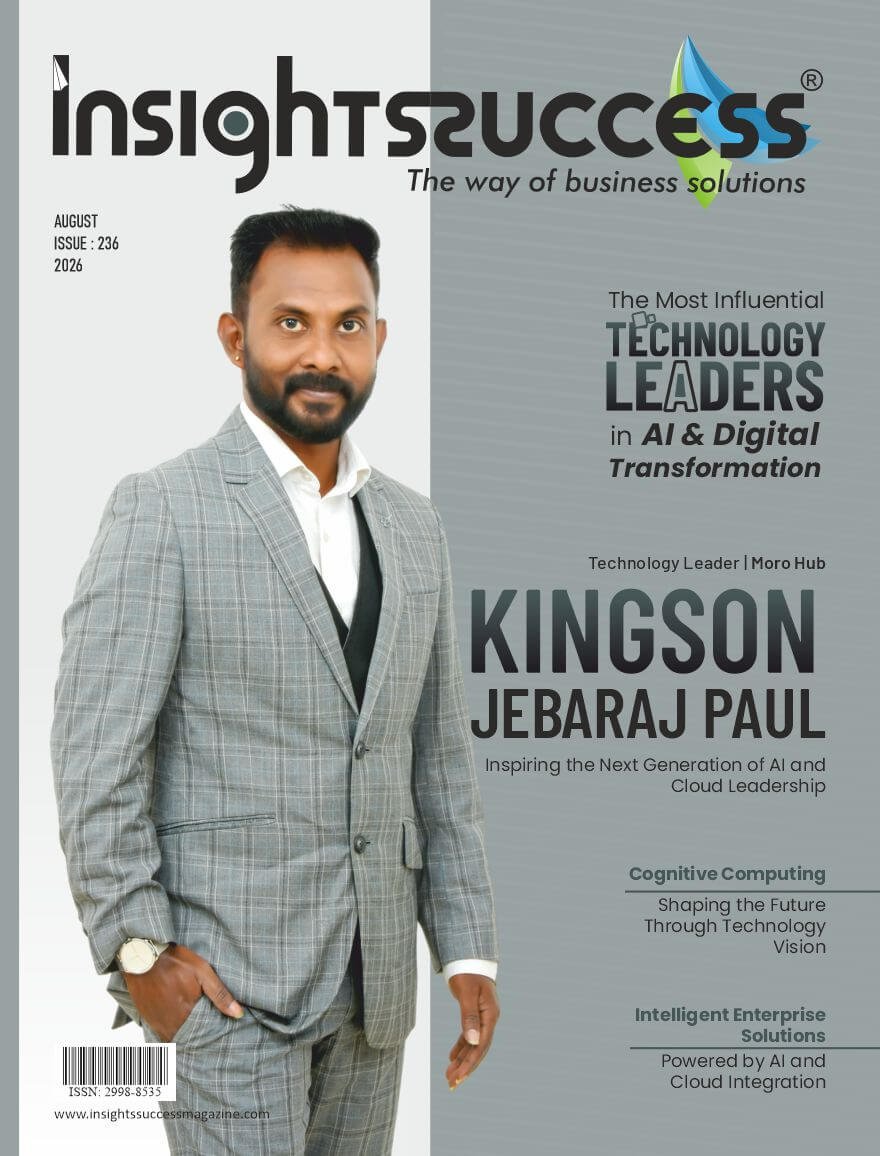
The Most Influential Technology Leaders in AI & Digital Transformation
The Most Influential Technology Leaders in AI & Digital Transformation Recognizing visionary technology leaders driving AI and digital transformation through innovation, strategic leadership, and emerging technologies, enabling organizations to accelerate growth, enhance resilience, and create lasting business value. Digital Link Quick highlights Quick reads

Kingson Jebaraj Paul: Inspiring the Next Generation of AI and Cloud Leadership
In enterprise technology, the leaders who create the most lasting impact are rarely those who moved fastest or collected the most credentials. They are those who stayed curious long after the external pressure to keep learning had diminished, who built communities around their knowledge rather than hoarding it, and who never confused the sophistication of a system with the value it creates for the people depending on it. Kingson Jebaraj Paul has built his career around exactly that distinction, and the organizations that have shaped him along the way read like a map of enterprise technology’s most consequential developments over the past fifteen years. There is a metaphor he uses to describe his own journey, and it is more precise than the usual language of professional development allows. He compares it to sculptures. Every role, every challenge, every organization he has worked with has contributed to shaping who he is today. Not sequentially, as if each experience replaced the previous one, but cumulatively, the way a sculptor works, adding definition, revealing form, and gradually producing something that could not have been planned in advance but makes complete sense in retrospect. Microsoft taught him the power of community and the discipline of continuous learning. G42 expanded his perspective on enterprise AI. Spektra Systems gave his passion for enabling people its fullest expression as Chief Technology Officer of CloudLabs. And Moro Hub, the Dubai-based digital transformation company and subsidiary of Digital DEWA, is where he now works at the intersection of cloud, cybersecurity, AI, sovereign infrastructure, and national-scale digital transformation. Each environment taught him something the previous one could not. Together, they produced a technology leader whose most consistent conviction has nothing to do with technology at all. He reflects, “Technology changes every day, but curiosity, continuous learning, and the ability to empower others are what truly define a technology leader.” The Recognition That Reframed Recognition In a career defined by continuous learning and genuine contribution, two milestones stand above the others. The first was receiving the Microsoft MVP award, a recognition that validated not just technical expertise but the commitment to community that had shaped his approach from the beginning. The Microsoft MVP program recognizes professionals who share knowledge, support peers, and contribute to the broader technology ecosystem rather than accumulating expertise privately. For Kingson Jebaraj Paul, the award confirmed something he had long believed: that impact is measured not by what you know but by how many other people you help to know it. The second milestone built on the first in a way that no career plan could have predicted. He became the first professional in the world to hold both Microsoft MVP and Alibaba Cloud MVP recognitions simultaneously, a distinction that reflected not merely the breadth of his technical knowledge, but the consistency of a philosophy applied across very different technological ecosystems. Two of the world’s most significant cloud platforms, each with its own community, its own standards, and its own criteria for recognizing exceptional contributors, had both concluded independently that he was someone worth honoring for the value he created for others. He notes, “Recognition is not something you chase. It is something you earn by consistently creating value for others.” Innovation With a Question Before It One of the most common and most costly failures in enterprise technology is the adoption of new tools because they are new rather than because they solve a problem worth solving. Kingson Jebaraj Paul’s framework for evaluating emerging technology is direct and deliberately resistant to the pressure of trends. Every innovation, in his assessment, should be preceded by three questions. What business problems are being solved? Why is this particular technology the right solution? And how will success be measured? The framework is especially relevant in the context of artificial intelligence, where the enthusiasm for implementation often runs well ahead of the clarity about what is being implemented and why. Not every business problem requires AI, and not every AI solution delivers the commercial value that justified the investment in developing it. Organizations that treat AI as a category of solution to be adopted rather than a tool to be applied to specific and well-understood problems tend to accumulate impressive pilot programs and struggle to justify their scale-up. His experience across Moro Hub’s portfolio, which serves critical government and enterprise clients across the UAE, has reinforced this conviction with force. When the systems you build and operate support national-scale infrastructure, the discipline of asking the right questions before making technology commitments is not merely a best practice. It is a professional responsibility. He states, “Innovation succeeds when it solves real business problems, not when it follows industry trends.” The Technology That Will Reshape the Next Five Years When Kingson Jebaraj Paul identifies the technology, he believes will have the greatest influence on enterprise transformation over the next five years, his answer is precise and grounded in current research rather than in the promotional language that tends to surround frontier technology. Agentic AI, he argues, will be the most transformative development in enterprise technology within that horizon. The distinction he draws is important and worth stating clearly. The AI that most organizations have encountered so far responds to questions, generates content, and supports specific analytical tasks. Agentic AI operates differently. It plans, reasons, collaborates with other AI systems, and executes complex multi-step business workflows with human oversight rather than requiring human initiation of each step. The transition from AI as a productivity tool to AI as an intelligent digital workforce represents a genuine shift in what enterprise technology can accomplish and what governance frameworks are needed to ensure it accomplishes the right things safely. The organizations that will gain the most from this transition, in his assessment, are those that invest in strong governance, security, and human oversight frameworks now, before the technology becomes ubiquitous and before the pressure to deploy it quickly creates the conditions for misuse or failure. He affirms, “Organizations that build strong governance, security, and human

Shaping the Future Through Technology Vision
Cognitive Computing Organizations are moving into a new age where intelligent systems will be needed to enhance decision making, increase efficiencies, and provide personalized experiences. Instead of depending only on automated processes, companies are now embracing advanced technologies that are able to learn, reason, and analyze complex data like humans do. With the help of Cognitive Computing, the transformation is being led because organizations will be able to process a large amount of structured and unstructured data and obtain relevant insights. Technology Vision plays a role in this transformation as it offers a strategy that guides organizations on how to use innovations to realize their goals. Turning Data into Actionable Intelligence Today, companies create huge amounts of information every single day, but getting meaningful information out of that data is hard work. The intelligent system that is fitted with advanced analytics, natural language processing, and machine learning helps businesses understand the pattern and predict the outcome and decision making. Cognitive Computing makes sure to turn information into actionable intelligence, which can help companies improve their performance, interact with customers, and plan strategically. However, Technology Vision motivates businesses to build scalable digital capabilities that can extract maximum benefit out of the information of the enterprise. Enhancing Customer and Employee Experiences Intelligent technologies are increasingly being acknowledged for their potential to enhance not only the satisfaction of the customers but also the performance of the workers. Recommendations, intelligent virtual assistants, support systems and knowledge management can make the service more responsive. Thanks to Advanced Cognitive Computing, organizations are able to comprehend the behavior of customers and respond to their demands in a targeted manner through different digital touchpoints. Also, because of Technology Vision, the innovations will be implemented in such a way that employees will be able to perform other valuable activities, leaving routine tasks to intelligent systems. Accelerating Innovation Across Industries Intelligent technology is being used by industries such as health care, finance, manufacturing, retail, and education to enhance their processes and generate business opportunities. Predictive analytics, intelligent automation, digital assistants, and data-based decision making have become essential elements for any modern business strategy. Comprehensively, Cognitive Computing helps businesses innovate through the resolution of complicated problems at a faster pace, enhancing the performance of their processes. In the same way, Technology Vision guides leaders in their innovation efforts by providing a long-term vision. Strengthening Resilience Through Intelligent Technologies With the growth of reliance on technology within organizations, there is need for resilience, security, and adaptability. Intelligent technologies aid organizations in monitoring their activities, assessing any risks, enhancing cybersecurity, and achieving business continuity through informed decisions. This is how Cognitive Computing accomplishes this through looking at big data, finding any deviations and predictions that will be made to reduce any operational risks. On the other hand, Technology Vision pushes businesses to create digital ecosystems that are adaptable, innovative and responsible with governance to make sure that investments made are protected. Preparing Organizations for the Future Technology has continued to impact customer expectations, workforce needs, and competitive environments. The companies that have the advantage of learning continuously, innovating digitally, and making smart decisions are well-equipped to take advantage of the opportunities presented without compromising on performance. Robust Cognitive Computing helps firms automate processes, increase efficiency, and innovate faster without impacting quality and accuracy. Similarly, Technology Vision helps managers have the framework for investment, digital skills development, and sustainable growth in today’s technology-centric economy. The Future of Intelligent Innovation For future enterprise success, what will matter is an organization that brings together intelligence technologies, strategic vision, and the drive for continuous innovation. With the increasing influence of technologies like artificial intelligence, machine learning, predictive analytics, and intelligent automation in different industries, the field of Cognitive Computing will be very important in enhancing decision making, customer experience, and deriving more business value from data. However, the Technology Vision will make it possible for firms to embrace technology and ensure that their digital transformation is aligned to their business vision. Those companies which adopt digital talent, intelligent infrastructure, technology ethics, and innovation are going to become resilient through sustainable competitive advantage. Applying the combination of Cognitive Computing and Future Technology Vision, companies will be able to become efficient, innovative and agile, thus creating future-ready companies which can embrace new technologies and changing environment. Read Also : Powered by AI and Cloud Integration

Powered by AI and Cloud Integration
Intelligent Enterprise Solutions Businesses from all industries have now opted to utilize intelligent technology solutions to increase productivity, enhance their decision-making process, and maintain competitiveness in the emerging digital economy. It is not only about the adoption of advanced technology anymore but using it in a smart way to build a productive, scalable, and technology-enabled organization. Nowadays, Intelligent Enterprise Solutions have become an integral component in the process of development because they connect all business processes, data and digitalization into one integrated system. In such a way, AI and Cloud Integration give enterprises the opportunity to combine the advantages of artificial intelligence and cloud services to automate processes, collaborate and get immediate business insights. Creating Agile and Connected Operations The modern enterprise demands a system that can adjust rapidly to varying demands and expectations from customers as well as changing circumstances. Conventional systems are not very effective in adapting to such demands, thus modernizing the systems is imperative. Efficient Intelligent Enterprise solutions make processes easier, streamline enterprise applications and facilitate collaboration within various departments without making it complicated. On the other hand, AI and Cloud Integration helps enterprises automate processes, better allocation of resources and smart decisions using analytics. Enhancing Decision-Making Through Data Intelligence All organizations accumulate a lot of data on operations, finances, and customers. Turning this data into useful business insight is vital for growth. AI-enabled Intelligent Enterprise Solutions employ artificial intelligence, predictive analysis, and automation to turn unprocessed data into actionable insights for informed decision-making. The same applies to AI and Cloud Integration, which provides scalable computing capability and data management along with real-time analysis, helping businesses increase visibility within all business functions. The availability of insight helps managers find new possibilities and mitigate risks. Driving Innovation Across the Enterprise Innovation relies on the capability of an organization to conduct experiments, cooperate, and execute new ideas quickly. Intelligent systems offer possibilities to companies to develop their products, improve the experience of their customers, and streamline their internal processes. Intelligent Enterprise Solutions support innovations through digital collaboration, intelligent automation, and connectivity across the enterprise. The same way, AI and Cloud Integration allow to accelerate application development, increase scalability of operations, and launch innovative digital services. Strengthening Security and Operational Resilience With businesses becoming more connected, the need for cybersecurity and business continuity has become important strategies that businesses need to adopt. Businesses need to ensure security of their information and business operation continuity in the digital ecosystem. Intelligent Enterprise Solutions ensure security and continuity of operations via effective cybersecurity by way of centralization, intelligent detection of threats, compliance automation, and secure data management. On the other hand, AI and Cloud Integration ensure resilience through scalable cloud infrastructure, disaster recovery, real-time monitoring, and intelligent risk management. Preparing for Long-Term Digital Success Due to the fact that the pace of developments in technology is rapid, businesses must continue to enhance their digital skills and cultivate innovation and flexibility. This ensures that the businesses will respond rapidly to any changes in customer requirements and competitive pressure within the industry. Intelligent Enterprise Solutions offer the needed agility for optimizing processes, enhancing the productivity of the workforce, and facilitating innovations across the organization. In the same manner, AI and Cloud Integration allow organizations to streamline technology management and drive digital transformation intelligently and effectively. The Future of Intelligent Enterprises The future of success for enterprises will depend on those companies which integrate intelligent solutions together with a business-oriented vision and innovation. With more and more industries being transformed with AI, cloud computing, automation, predictive analysis and other innovations, Intelligent Enterprise Solutions will keep playing an important role in helping companies become more flexible, make better decisions and achieve top performance results. On the other hand, AI and Cloud Integration will help companies update their infrastructure, facilitate collaboration, enhance customer experience, and innovate through digital platforms. Businesses that focus on technology advancement, workforce training, cybersecurity, and analytics will enhance their resilience and create competitive advantages. Businesses that integrate Intelligent Enterprise Solutions along with an AI and Cloud Integration strategy will help businesses increase efficiency, business agility, and innovation, and build future-proof enterprises that will be able to adapt comfortably to the changes in technologies and the market. Read Also : The Foundation of Telecom Digital Transformation

Airbnb Posts Best Quarterly Growth In Years On World Cup Momentum
Prime Highlights- Airbnb tops revenue estimates, shares jump 10.8 percent on strong global travel demand. World Cup boost drives North America bookings to fastest growth in nearly three years. Key Facts- Global nights and seats booked climb 10 percent to 148.3 million in the quarter. Airbnb lifts 2026 revenue growth forecast to at least mid teens percentage. Background- Airbnb beat second quarter revenue estimates, helped by strong worldwide travel demand and a surge of first time users tied to the FIFA World Cup held across the United States, Canada, and Mexico. Expedia and Booking also gained from the tournament. Airbnb’s North American bookings posted their fastest growth in nearly three years, sending shares of the San Francisco firm up 10.8 percent in extended trading. Chief Executive Brian Chesky called it one of the company’s strongest stretches in years, with new guest signups running higher than at any point in recent memory. Nights and seats booked worldwide climbed 10 percent to 148.3 million for the quarter. North America, source of over 40 percent of 2025 revenue, posted high single digit booking growth. The World Cup, paired with rising markets like Brazil and India, added momentum alongside steady growth in Middle East demand. Airbnb has widened its offerings to include private chefs, car rentals, and boutique hotels, pushing well past its original home rental roots. Chesky pointed to the company’s large cash reserves and a broad set of merger and acquisition options as it moves into new service categories. He framed the shift as an early stage, with plans to grow from travel into daily living and eventually new ways for people to connect on the platform. Hotel bookings grew nearly three times faster than home stays. Airbnb lifted its 2026 revenue growth forecast to at least mid teens, up from a prior low to mid teens range, and reported quarterly earnings per share of $1.37, up from $1.03 a year earlier, on revenue of $3.61 billion against analyst estimates of $3.57 billion. Read Also: SuKarne Explores Sale at Valuation Above $2 Billion

Why Discharge Summary is Important in Health Insurance Claims
A discharge summary is a key record created when a patient leaves the hospital after treatment. It brings the medical journey into one document by stating why the person was admitted, what care was provided and what advice was given. During a health insurance claim, it connects the diagnosis, hospital stay, treatment and final bill. Its accuracy influences how clearly the claim is understood. What a Discharge Summary Contains The discharge summary presents the main clinical details of hospitalisation. Its format may vary, but its purpose remains similar. It may contain: The patient’s name and hospital identification details Admission and discharge dates Symptoms and reason for admission Diagnosis recorded by the treating doctor Investigations and procedures performed Medicines or treatment provided Condition at the time of discharge Follow-up instructions and prescribed medicines These details should remain consistent with the claim form, hospital bill and supporting medical papers. Why Insurers Ask For This Document The insurer needs records explaining the medical reason for admission and the care provided. The summary gives a concise account prepared by the hospital. While processing claims under health insurance policies in India, the insurer may read this document with the itemised bill, prescriptions, investigation reports and policy wording. It helps identify the diagnosis, treatment period and medical sequence before expenses are assessed under the applicable terms. How it Connects Treatment with the Hospital Bill A hospital bill shows what was charged, while the discharge summary explains why treatment took place. Both serve different purposes during assessment. The summary may help connect: Doctor consultations with the recorded diagnosis Investigations with the treating doctor’s findings Procedures in the course of treatment Medicines with the discharge advice Hospital stay with the patient’s medical condition This connection allows billing entries and clinical records to be read together rather than separately. Why Families Should Check it before Leaving Discharge can be busy, particularly when relatives are completing billing, pharmacy and insurance formalities. Even then, the summary needs careful review. For a member covered under family health insurance, another relative may handle the claim paperwork. Checking the patient’s name, dates, diagnosis and treatment details before leaving can prevent confusion later. Any genuine correction should be requested from the hospital through its proper process. Its Role in Cashless Claims In a cashless claim, the hospital coordinates with the insurer or claims administrator during admission. Final settlement requires discharge-related medical and billing records. The discharge summary helps the insurer review completed treatment against earlier pre-authorisation information. If the treatment plan changed during the stay, the final record may explain the clinical course. Settlement remains subject to policy terms, documents and claim assessment. Its Role in Reimbursement Claims Under reimbursement, the policyholder usually pays the hospital and later submits the required papers. The discharge summary supports the medical basis of the claim. It should generally be submitted with: The completed claim form Final hospital bill and receipts Doctor’s prescriptions Investigation reports Pharmacy invoices Payment records Other documents requested by the insurer The original or accepted document format should be preserved according to the claim instructions. What to Check in The Summary A quick review can identify missing or inconsistent information while hospital records are readily available. Check whether: The patient’s details are correct Admission and discharge dates match the bill The diagnosis is clearly recorded Major procedures are mentioned The treatment course is understandable Follow-up advice is included The document carries proper authentication Corrections, if any, follow hospital procedure Patients should not alter the record themselves. Changes should come from the authorised hospital department. What Happens if It Is Missing A missing discharge summary can leave the insurer without a concise account of the hospitalisation. The claim team may request it or seek clarification. This does not decide the claim outcome. However, incomplete records may slow verification because the insurer must understand the diagnosis, treatment and discharge status. The policyholder should contact the hospital promptly and submit the requested record through the prescribed channel. How to Store It Safely The discharge summary may remain useful after the claim. It can support follow-up consultations and provide a reference for future medical care. Keep the original safely, create a readable digital copy and store it with the policy and claim records. Family members responsible for insurance paperwork should know where these documents are kept. Conclusion A discharge summary gives the insurer a clear medical account of the hospital stay and connects treatment records with the final bill. It matters in cashless and reimbursement claims, although its use remains subject to the policy and claim process. Patients should review it before leaving the hospital, request authorised corrections where necessary and preserve it with related papers. Complete, consistent records can support a more organised and understandable claim assessment throughout the review process. Read Also : CNC Tooling Choices That Help Reduce Production Downtime

CNC Tooling Choices That Help Reduce Production Downtime
Production downtime can quickly disrupt a CNC shop’s schedule. A damaged cutting tool, incorrect holder, poorly organized setup, or unavailable replacement can stop a job before it is completed. Even a short delay may affect machine availability, delivery dates, and the amount of work a shop can complete in a day. Reducing downtime does not always require expensive automation or major equipment changes. Choosing dependable tooling and creating consistent setup procedures can prevent many common interruptions. Beginners should focus on tools that are easy to replace, suitable for several common operations, and supported by clear cutting recommendations. Reliable mill tooling helps operators complete facing, drilling, slotting, pocketing, and profiling operations without unnecessary tool changes or setup problems. A practical selection of cutters and holders allows a shop to prepare jobs more efficiently and respond quickly when a tool reaches the end of its usable life. The most useful tooling choices are not always the most advanced. A simple cutter that matches the material and operation will often perform better than a specialized tool used under the wrong conditions. Beginners should learn how tool geometry, holder condition, stickout, and cutting parameters work together before expanding the shop’s tooling inventory. Reliable Mill Tooling Keeps Machining Jobs Moving Tool organization is equally important. Operators should be able to identify a cutter’s size, material application, condition, and intended operation without searching through several drawers. New, used, and damaged tools should be stored separately to prevent a worn cutter from being installed by mistake. Toolholders must also be inspected regularly. A damaged collet, dirty taper, or worn holder can create runout. Excessive runout causes one cutting edge to remove more material than the others, leading to uneven wear and poor surface finishes. Before loading a tool, operators should clean the holder, cutter shank, spindle taper, and other contact surfaces. Even a small chip can prevent the tool from seating correctly. This may create vibration, dimensional variation, or difficulty removing the holder later. Tool stickout should be kept as short as the operation allows. A cutter that extends too far from the holder is more likely to flex or chatter. Excessive vibration can damage the tool, reduce accuracy, and force the operator to stop the machine to investigate the problem. Beginners should also verify tool clearance before beginning the full cycle. A dry run, graphics check, or cautious single-block test can reveal whether a holder may contact the workpiece, vise, fixture, or machine table. Discovering a clearance issue before cutting is much better than reacting to a collision. Feeds and speeds should be based on reliable recommendations. Running a tool too aggressively may cause failure, while running it too slowly can create rubbing, heat, and unnecessary wear. Operators should monitor chip formation, spindle load, sound, and surface finish while making careful adjustments. Tool life tracking can further reduce interruptions. Operators may record how many parts or cutting hours a tool completes before replacement. This information helps the shop replace cutters before they fail unexpectedly during an important operation. Thread Mills Help Produce Consistent Internal Threads Internal threading can become a major source of downtime when the wrong tool or cutting method is used. Broken taps are especially difficult because part of the tool may become stuck inside the workpiece. Removing it can require additional labor, specialty equipment, or complete replacement of the part. A thread mill creates threads by following a programmed circular toolpath inside a hole. Unlike a tap, the tool is usually smaller than the finished thread diameter. This design may provide better chip control and reduce the risk of a large tool becoming tightly wedged inside the part. Thread milling also gives machinists greater control over the final thread size. Small program adjustments can change the toolpath diameter, allowing the operator to compensate for tool wear or improve the fit. Depending on the tool and application, one thread mill may be able to produce different thread diameters that share the same pitch. This can reduce the number of specialized tools required for certain jobs. However, operators must confirm the tool’s capabilities before using it for a different thread size. The hole should be prepared correctly before thread milling begins. Its diameter, depth, and location must match the part requirements. Chips left inside a blind hole can interfere with the cutter and increase the risk of damage. Beginners should also check that the thread mill has enough clearance to enter and exit the feature safely. The programmed path must prevent contact with the bottom of the hole, nearby walls, or other part features. A test cut can help verify thread size before the full production run. The first completed thread should be inspected using the appropriate plug gauge, mating component, or measurement method. If an adjustment is needed, the operator can modify the programmed toolpath before machining more parts. Consistent tool length offsets are critical. An incorrect offset can cause the cutter to enter too deeply or begin threading in the wrong location. Operators should verify the tool information whenever a thread mill is installed or replaced. Thread milling can still experience wear and breakage, especially when cutting hard materials. Proper speed, feed, depth of cut, coolant delivery, and toolpath strategy must be selected for the application. The tool should also be inspected for damage before beginning another production run. Reliable lathe tooling can provide similar downtime-reduction benefits for turning operations. Properly selected holders and inserts support more predictable turning, facing, boring, grooving, and parting. Indexable lathe inserts are useful because a worn edge can often be rotated to a fresh cutting position. Keeping replacement inserts near the machine allows an operator to restore cutting performance without removing and replacing the entire holder. Read Also : How a Safety Consultant Supports Safer Construction Projects
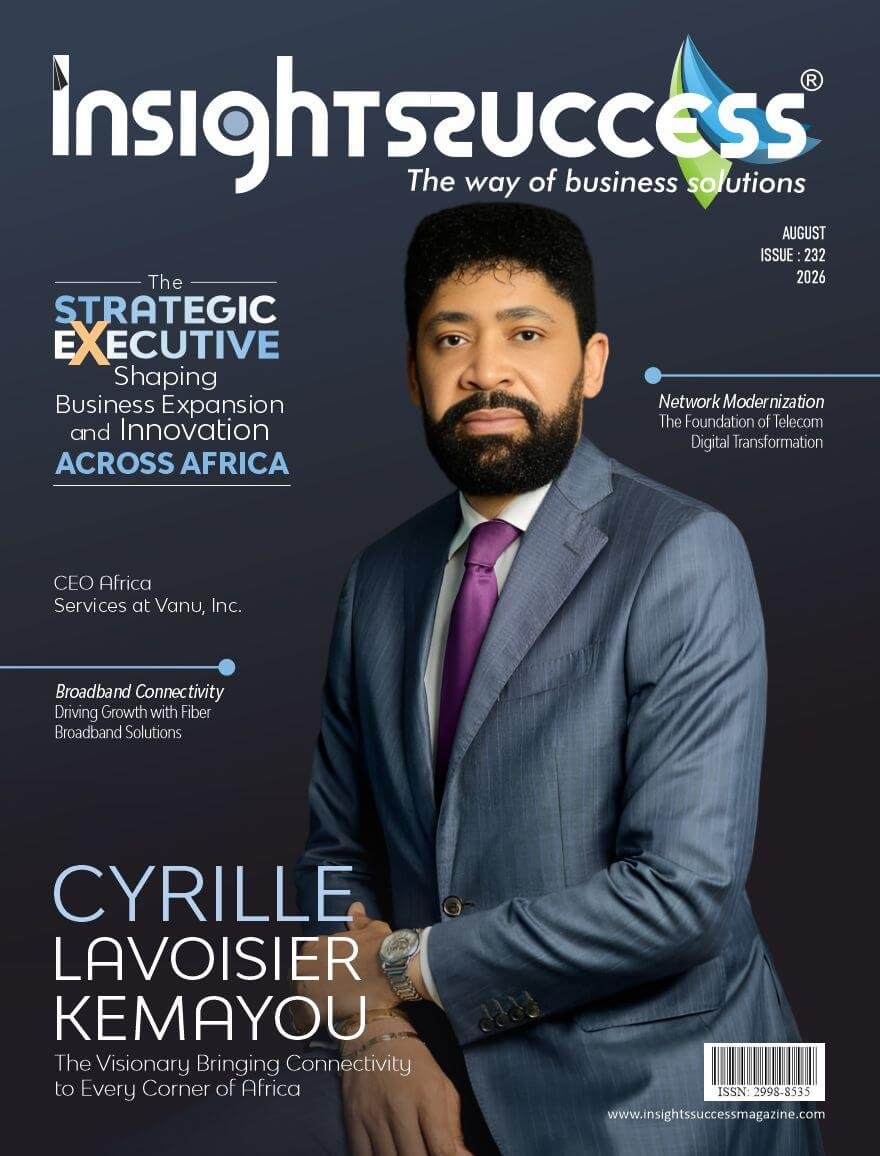
The Strategic Executive Shaping Business Expansion and Innovation Across Africa August2026
The Strategic Executive Shaping Business Expansion and Innovation Across Africa Highlighting the achievements of a distinguished executive transforming sales, marketing, and corporate communications through strategic leadership, innovative thinking, and customer-focused initiatives, creating lasting business impact across Africa’s diverse markets. Digital Link Quick highlights Quick reads