




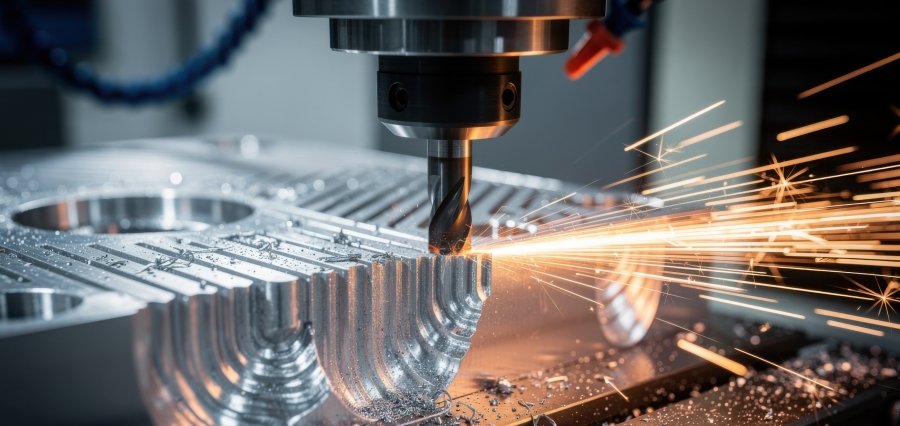
Production downtime can quickly disrupt a CNC shop’s schedule. A damaged cutting tool, incorrect holder, poorly organized setup, or unavailable replacement can stop a job before it is completed. Even a short delay may affect machine availability, delivery dates, and the amount of work a shop can complete in a day.
Reducing downtime does not always require expensive automation or major equipment changes. Choosing dependable tooling and creating consistent setup procedures can prevent many common interruptions. Beginners should focus on tools that are easy to replace, suitable for several common operations, and supported by clear cutting recommendations.
Reliable mill tooling helps operators complete facing, drilling, slotting, pocketing, and profiling operations without unnecessary tool changes or setup problems. A practical selection of cutters and holders allows a shop to prepare jobs more efficiently and respond quickly when a tool reaches the end of its usable life.
The most useful tooling choices are not always the most advanced. A simple cutter that matches the material and operation will often perform better than a specialized tool used under the wrong conditions. Beginners should learn how tool geometry, holder condition, stickout, and cutting parameters work together before expanding the shop’s tooling inventory.
Reliable Mill Tooling Keeps Machining Jobs Moving
Tool organization is equally important. Operators should be able to identify a cutter’s size, material application, condition, and intended operation without searching through several drawers. New, used, and damaged tools should be stored separately to prevent a worn cutter from being installed by mistake.
Toolholders must also be inspected regularly. A damaged collet, dirty taper, or worn holder can create runout. Excessive runout causes one cutting edge to remove more material than the others, leading to uneven wear and poor surface finishes.
Before loading a tool, operators should clean the holder, cutter shank, spindle taper, and other contact surfaces. Even a small chip can prevent the tool from seating correctly. This may create vibration, dimensional variation, or difficulty removing the holder later.
Tool stickout should be kept as short as the operation allows. A cutter that extends too far from the holder is more likely to flex or chatter. Excessive vibration can damage the tool, reduce accuracy, and force the operator to stop the machine to investigate the problem.
Beginners should also verify tool clearance before beginning the full cycle. A dry run, graphics check, or cautious single-block test can reveal whether a holder may contact the workpiece, vise, fixture, or machine table. Discovering a clearance issue before cutting is much better than reacting to a collision.
Feeds and speeds should be based on reliable recommendations. Running a tool too aggressively may cause failure, while running it too slowly can create rubbing, heat, and unnecessary wear. Operators should monitor chip formation, spindle load, sound, and surface finish while making careful adjustments.
Tool life tracking can further reduce interruptions. Operators may record how many parts or cutting hours a tool completes before replacement. This information helps the shop replace cutters before they fail unexpectedly during an important operation.
Thread Mills Help Produce Consistent Internal Threads
Internal threading can become a major source of downtime when the wrong tool or cutting method is used. Broken taps are especially difficult because part of the tool may become stuck inside the workpiece. Removing it can require additional labor, specialty equipment, or complete replacement of the part.
A thread mill creates threads by following a programmed circular toolpath inside a hole. Unlike a tap, the tool is usually smaller than the finished thread diameter. This design may provide better chip control and reduce the risk of a large tool becoming tightly wedged inside the part.
Thread milling also gives machinists greater control over the final thread size. Small program adjustments can change the toolpath diameter, allowing the operator to compensate for tool wear or improve the fit.
Depending on the tool and application, one thread mill may be able to produce different thread diameters that share the same pitch. This can reduce the number of specialized tools required for certain jobs. However, operators must confirm the tool’s capabilities before using it for a different thread size.
The hole should be prepared correctly before thread milling begins. Its diameter, depth, and location must match the part requirements. Chips left inside a blind hole can interfere with the cutter and increase the risk of damage.
Beginners should also check that the thread mill has enough clearance to enter and exit the feature safely. The programmed path must prevent contact with the bottom of the hole, nearby walls, or other part features.
A test cut can help verify thread size before the full production run. The first completed thread should be inspected using the appropriate plug gauge, mating component, or measurement method. If an adjustment is needed, the operator can modify the programmed toolpath before machining more parts.
Consistent tool length offsets are critical. An incorrect offset can cause the cutter to enter too deeply or begin threading in the wrong location. Operators should verify the tool information whenever a thread mill is installed or replaced.
Thread milling can still experience wear and breakage, especially when cutting hard materials. Proper speed, feed, depth of cut, coolant delivery, and toolpath strategy must be selected for the application. The tool should also be inspected for damage before beginning another production run.
Reliable lathe tooling can provide similar downtime-reduction benefits for turning operations. Properly selected holders and inserts support more predictable turning, facing, boring, grooving, and parting.
Indexable lathe inserts are useful because a worn edge can often be rotated to a fresh cutting position. Keeping replacement inserts near the machine allows an operator to restore cutting performance without removing and replacing the entire holder.