


Construction projects involve constant coordination between workers, equipment, schedules, and safety requirements. Whether it’s a commercial development, renovation, or infrastructure project, maintaining a safe work environment is essential for protecting employees and keeping work on track. As projects become more complex, contractors often rely on experienced safety professionals to help manage risks and maintain compliance throughout every phase of construction.
Safety regulations continue to evolve, and construction companies must keep up with industry standards while meeting project deadlines. A proactive approach to workplace safety not only helps reduce accidents but also supports better planning, communication, and overall project performance. Having expert guidance can make it easier to identify potential hazards before they become costly problems.
Working with an experienced NYC Safety Consultant can provide contractors with the expertise needed to improve job site safety, strengthen compliance efforts, and develop practical safety strategies that support successful project outcomes.
Understanding the Role of a Safety Consultant
A safety consultant works with construction companies to identify workplace hazards, evaluate safety procedures, and recommend improvements that align with industry regulations. Rather than responding only after an incident occurs, consultants focus on preventing problems through planning, inspections, training, and continuous monitoring.
Their role often includes reviewing site conditions, evaluating safety documentation, recommending corrective actions, and helping project teams understand their responsibilities.
Identifying Job Site Risks Early
Every construction site presents unique challenges. Elevated work areas, heavy machinery, changing weather conditions, and multiple subcontractors can all increase workplace risks.
Safety consultants perform regular site evaluations to identify hazards before they affect workers or delay the project. Early identification allows contractors to correct issues quickly while improving overall site organization.
Supporting Regulatory Compliance
Construction companies must follow federal, state, and local safety requirements throughout a project. Staying compliant requires more than simply understanding the rules—it requires applying them consistently on-site.
A qualified NYC Safety Consultant helps contractors interpret applicable regulations, review safety procedures, and prepare documentation that supports OSHA and local compliance requirements. This guidance can reduce the likelihood of violations and project interruptions.
Improving Safety Planning
Strong safety planning begins long before construction starts.
Safety consultants help develop project-specific safety plans that address site logistics, emergency procedures, fall protection, worker responsibilities, equipment use, and communication protocols. Well-prepared safety plans create a stronger foundation for the entire project.
Strengthening Worker Awareness
Even the best safety procedures depend on workers understanding and following them.
Safety consultants often assist with toolbox talks, safety meetings, orientation programs, and ongoing education to reinforce safe work practices. Regular communication helps create a stronger safety culture where employees recognize potential hazards and respond appropriately.
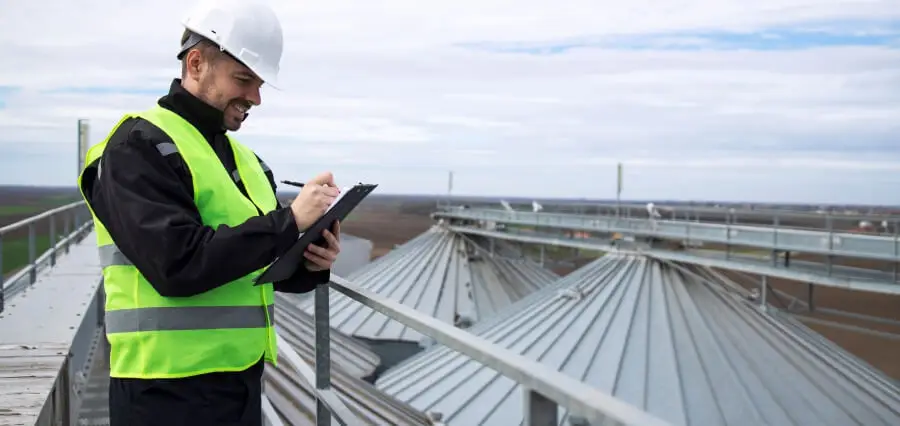
Conducting Safety Inspections
Routine inspections help verify that safety procedures remain effective throughout construction.
Consultants evaluate areas such as:
- Fall protection systems
- Personal protective equipment
- Housekeeping
- Access routes
- Scaffolding
- Safety signage
- Documentation
These inspections allow contractors to address concerns before they develop into larger issues.
Helping Reduce Project Delays
Safety-related incidents can slow construction, increase costs, and disrupt schedules.
By identifying risks early, improving compliance, and supporting consistent safety practices, consultants help contractors minimize avoidable delays while keeping projects moving efficiently.
Choosing the Right Safety Consultant
When evaluating a safety consultant, consider factors such as:
- Experience with similar construction projects
- Knowledge of current safety regulations
- Ability to provide practical recommendations
- Clear communication
- On-site support capabilities
- Safety training experience
- Understanding of project-specific risks
Choosing a consultant with relevant experience helps ensure that safety recommendations align with the project’s unique requirements.
Frequently Asked Questions
What does a construction safety consultant do?
A construction safety consultant identifies workplace hazards, reviews safety procedures, conducts inspections, and helps contractors improve compliance while creating safer job sites.
When should a contractor hire a safety consultant?
The best time is during the planning stage. Early involvement allows safety requirements to be incorporated before work begins, reducing potential risks later in the project.
Can a safety consultant help reduce workplace accidents?
Yes. By identifying hazards, improving safety procedures, and supporting worker education, consultants help reduce the likelihood of workplace incidents.
Do small construction companies benefit from safety consulting?
Yes. Smaller contractors often use safety consultants to strengthen compliance, improve documentation, and receive professional guidance without maintaining a full-time internal safety department.
How does a safety consultant support project success?
Safety consultants help improve planning, reduce risks, strengthen compliance, support worker safety, and minimize delays caused by preventable safety issues.
Final Thoughts
Construction safety is an ongoing process that requires planning, communication, and continuous improvement. Safety consultants provide valuable guidance that helps contractors identify hazards, strengthen compliance, and create safer working environments throughout every stage of a project. Whether supporting a small renovation or a large commercial development, professional safety consulting contributes to better decision-making and more successful construction projects.