


Digital Aircraft Solutions
Flying looks simple from a passenger seat. You board, sit down, and land a few hours later. Behind that calm picture is a huge amount of work on the ground, where engineers check, test, and repair aircraft every single day. Smart aviation maintenance is changing how that work gets done.
Airlines and repair shops are under pressure to do more with less. Planes must fly more hours, costs keep climbing, and delays upset customers fast. New digital tools give maintenance teams a better way to plan, spot problems early, and keep aircraft in service. This article looks at how that change works in plain terms.
What Smart Aviation Maintenance Really Means
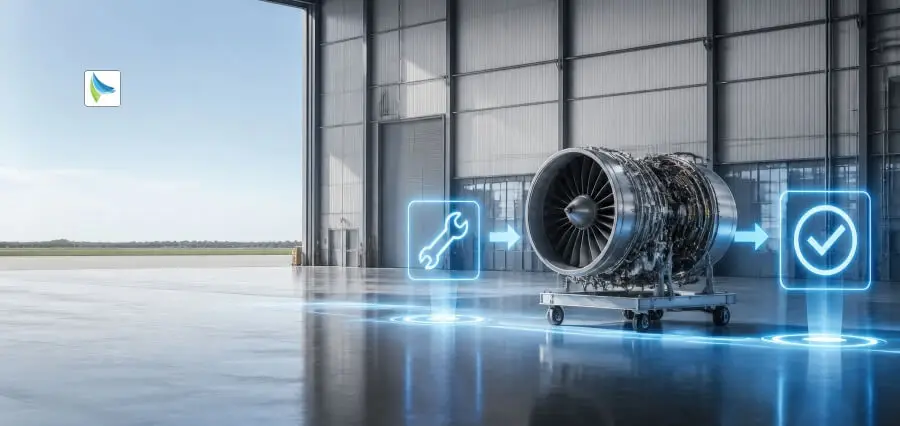
The idea is easy to explain. Instead of waiting for a part to break, or replacing it on a fixed date, teams use data to decide what needs attention and when. Sensors, software, and digital records work together to show the true condition of an aircraft.
Smart aviation maintenance does not replace skilled engineers. It gives them better information. A technician who knows a bearing is running hot can act before it fails, and that one decision can save a flight, a repair bill, and a lot of stress.
Sensors and Predictive Data
Modern aircraft carry thousands of sensors. They track engine heat, vibration, pressure, fuel flow, and much more. Every flight produces a large amount of data, and most of it used to go unused. Today, software reads these numbers and looks for patterns that point to trouble.
This is where smart aviation maintenance pays off most. If a pattern shows a part wearing faster than normal, the system sends an alert days or weeks ahead. The airline can then book the repair during a planned stop, not in the middle of a busy morning with passengers waiting.
Digital Records and Paperless Hangars
Paper logbooks have served aviation for a long time, but they are slow and easy to lose or misread. Digital records fix that. Work orders, part histories, and inspection results sit in one system that anyone with access can open in seconds.
Teams that adopt smart aviation maintenance tools also cut down on errors. Checklists appear on a tablet, steps are signed off in order, and managers can see progress without walking the hangar floor. Audits become easier too, because every action has a clear time and name attached to it.
Drones, Imaging and Faster Inspections
Checking the outside of a large jet by hand can take hours. Workers climb stands, look over the wings, and inspect the tail section inch by inch. Drones with high quality cameras now do part of that job in a fraction of the time.
Image software can compare new photos with earlier ones and highlight dents, cracks, or paint damage. Engineers still make the final call, but they spend less time searching and more time fixing. The aircraft also returns to service sooner, which matters when every hour on the ground costs money.
Training Technicians for Digital Tools
New tools only work when people know how to use them. A technician who has spent twenty years with a wrench may feel unsure about dashboards and alerts at first. That is normal, and good companies plan for it.
Strong training makes smart aviation maintenance easier to accept. Short hands-on sessions, mentoring from younger colleagues, and clear guides all help. When workers see that the tools save them effort and do not threaten their jobs, they start using them with confidence.
Cost, Safety and Business Gains
The business case is strong. Fewer surprise failures mean fewer canceled flights and lower repair costs. Spare parts are ordered when needed, so warehouses carry less stock. Aircraft spend more time earning money and less time sitting in a hangar.
Safety improves as well. When problems are caught early, they rarely grow into serious ones. Smart aviation maintenance gives airlines a way to protect passengers and profit at the same time, which is a rare thing to find in a cost-heavy industry.
Conclusion
Aircraft care is moving from a repair mindset to a prevention mindset. Sensors, digital records, drones, and trained teams each play a part, and together they make operations calmer and more predictable. Airlines that start early build an advantage that is hard for slower rivals to copy.
Getting started does not require a big leap. Pick one area, such as digital records or sensor alerts, and prove the value there first. Smart aviation maintenance is already shaping how the best carriers work, and the gap between those who adopt it and those who wait will only grow.