


Driving Screening Innovation
Hiring looks very different from what it did a few years ago. Teams work from different cities, companies grow fast, and plenty of new employees are hired without ever meeting anyone face to face. So how can an employer be sure about who just got the job? Innovators in workforce verification are building the tools that answer that question quickly and with fewer mistakes.
The impact goes well beyond background checks. It reaches security, hiring speed, legal compliance, and even sales results. Below is a simple look at where the industry is today, what is changing, and what business leaders can do about it.
What Workforce Verification Really Means
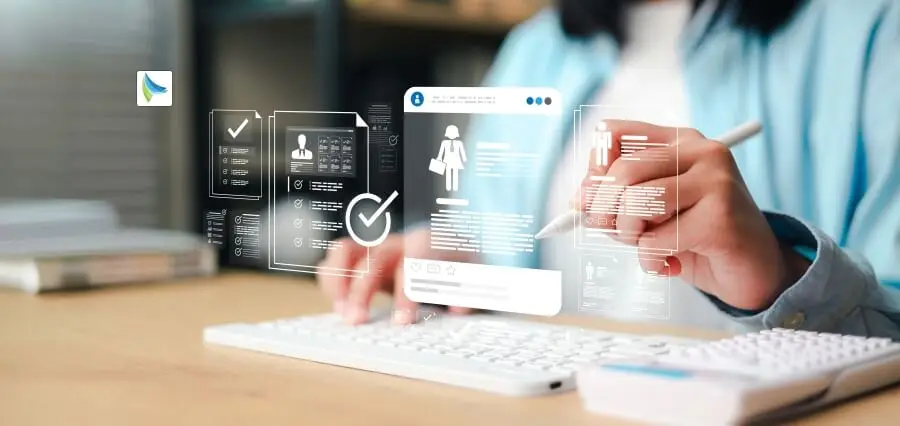
Workforce verification means confirming that a worker is the person they claim to be, has the skills on their resume, and is legally allowed to take the job. That includes identity, past employers, education, professional licenses, and work eligibility.
Not long ago, this meant phone calls, paper forms, and a wait of several weeks. Now most of it is done online in minutes. Innovators in workforce verification made that happen, and businesses of every size rely on it.
Why Old Methods Are Falling Behind
Manual checking is slow, and people make errors. A recruiter with fifty open roles can easily overlook a forged certificate or a date that doesn’t add up. Files go missing. Meanwhile the candidate gets tired of waiting and takes another offer.
Fraud has also grown more clever. Fake degrees and stolen identities are cheap to produce. Innovators in workforce verification fight back with software that compares documents against trusted records as the check happens.
Key Trends Shaping the Industry
A few changes are easy to spot. Digital ID checks are turning into the norm. Some employers now keep checking records after the hire, not just before it. Workers can also carry verified credentials from one employer to the next, which saves everyone time.
The candidate side is improving as well. People want mobile steps that are simple, updates that arrive on time, and a promise that their data is handled with care. Innovators in workforce verification that deliver on this earn trust from employers and job seekers alike.
How Innovation Helps Hiring Teams Move Faster
Speed gives a company a real edge. If checks wrap up in a few hours instead of a few weeks, offers go out sooner and the best people are less likely to sign elsewhere. Recruiters also stop chasing paperwork and get back to talking with candidates.
Clean dashboards help too. A hiring manager can see where each check stands and notice trouble early. Innovators in workforce verification keep refining these screens so even a small team can use them without long training.
Balancing Privacy, Fairness, and Compliance
Collecting more data means carrying more responsibility. Employers need consent from candidates, must follow privacy rules, and should only keep records for as long as they truly need them. A person should also be able to question a result that looks wrong.
Fair treatment counts just as much. Every applicant for the same role should go through the same checks. The better innovators in workforce verification build these safeguards into the product itself, which makes it easier for buyers to stay within the law.
Why Verification Supports Sales Strategy
Sales reps deal with contracts, pricing, and client trust all day long. If a rep has invented part of their past, a deal can collapse and the company can end up in a dispute. A verified hire gives customers a reason to feel comfortable from the first meeting.
Resellers and channel partners need the same attention. More and more sales leaders ask innovators in workforce verification to review new partners before a contract is signed. It’s a small step that can protect both revenue and reputation.
How to Choose the Right Partner
Begin with what your own company needs. Count the countries where you hire, the number of checks you run in a month, and the software you already use. Then ask each provider about speed, accuracy, data security, and customer support.
Try a small pilot before you commit to a long contract. Ask recruiters and candidates what they thought, and compare the results side by side. The best innovators in workforce verification will be glad to be tested and will show you real numbers.
Conclusion
Workforce verification has moved out of the back office. It now plays a direct part in how companies protect their people, their data, and their plans for growth.
Hiring will keep moving online and across borders, so the demand for trusted checks will keep rising. Companies that start now, pick their partners carefully, and put fairness first will be in a strong position for whatever comes next.