
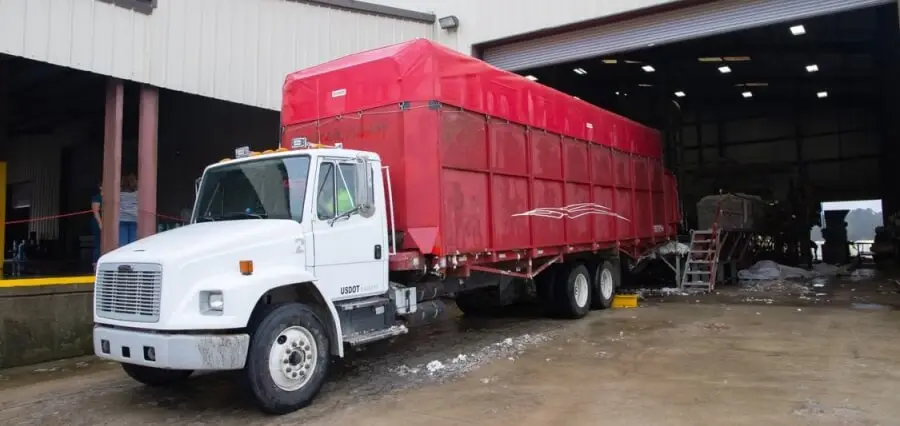



Shipping often receives attention only when problems arise, such as delayed deliveries, damaged goods, or customers requesting shipment updates. However, transportation decisions directly affect cash flow, inventory management, customer satisfaction, and workforce planning. For growing businesses, understanding effective freight strategies can provide a competitive advantage. Companies that manage growth successfully often treat shipping as an essential part of daily operations rather than a last-minute responsibility after completing a sale.
Freight Is No Longer Just an Administrative Task
A lot of businesses still treat freight as an administrative chore. They arrange transportation, prepare shipping documents, and move on to other tasks. However, this approach overlooks how transportation decisions affect overall business operations.
Unreliable shipping processes can create problems across different departments. Warehouses may need to maintain extra inventory to prevent shortages. Sales teams may struggle to meet promised delivery dates, while finance departments may face additional expenses from shipping claims, penalties, and unexpected charges. These challenges show how freight performance affects the entire business.
Freight management involves more than transporting products between locations. Businesses must also manage delivery schedules, transportation capacity, loading arrangements, and shipment deadlines. Planning transportation early helps businesses avoid unnecessary delays and maintain smoother daily operations.
What Strong Freight Operations Actually Look Like
Efficient freight operations depend on consistency, proper planning, and reliable transportation arrangements. Businesses need shipments to arrive on schedule, accurate documentation, and clear communication between everyone involved in the delivery process. Identifying potential problems early also helps prevent delays and unnecessary expenses.
Managing these responsibilities becomes easier when businesses have access to dependable transportation solutions. Professional freight transportation services can help companies coordinate shipments, manage delivery schedules, and meet changing shipping requirements. These services support smoother freight movement and help businesses maintain consistent operations.
Businesses transporting building materials, food products, industrial components, or retail inventory must ensure proper coordination throughout the shipping process. Even a minor delay can affect several operations. For example, a truck arriving late at a distribution center may result in additional fees, changes to employee schedules, and missed delivery appointments.
Proper route planning, clear communication, shipment tracking, and effective issue resolution help businesses reduce disruptions, control transportation costs, and improve overall delivery reliability.
Why Shipping Costs Involve More Than Transportation Rates
Choosing the lowest shipping quote may seem like an effective way to reduce transportation expenses. However, lower rates do not always provide the best value. Businesses must also consider additional costs that may arise from unreliable shipping services.
A lower linehaul rate can come with poor on-time performance, weak communication, or a higher damage ratio. Suddenly, the “savings” disappear into rework, customer appeasement, and inventory confusion. Transportation procurement gets more complex when you account for total landed cost instead of just invoice cost.
Important factors to consider include additional service charges, on-time delivery performance, damage claims, and overall service reliability. For example, a shipment that misses a scheduled delivery appointment may result in penalties and operational delays. Choosing a slightly more expensive but reliable transportation option can help businesses avoid these problems.
For smaller businesses, even one delayed shipment can disrupt operations and affect profitability. Making informed shipping decisions helps companies control expenses, maintain customer satisfaction, and protect their profit margins.
Capacity Problems Usually Start Before Peak Season
When businesses get squeezed on capacity, they often blame the market. Sometimes the real issue started months earlier with weak forecasting and reactive planning.
If your team waits until products are ready for shipment before arranging transportation, you may have to make decisions under pressure. Carriers can recognize this urgency, which can limit your available options and affect service quality.
Businesses with better freight planning maintain consistent shipment records. They understand which routes require weekly deliveries, which experience seasonal demand increases, and which customers have strict delivery schedules. This information helps improve transportation planning and carrier selection.
You do not need a large logistics department to make these improvements. Even a simple spreadsheet containing shipping routes, shipment volumes, weight ranges, and previous service issues can provide valuable information. Freight transportation becomes more expensive and difficult to manage when every shipment is unexpected.
Why Accurate Shipment Tracking Matters in Freight Management
Many logistics technologies offerreal-time shipment tracking, which sounds great until you realize not all visibility is actionable. Seeing a late shipment on a dashboard helps only if someone can respond fast enough to reduce the damage.
Useful visibility means you know what is delayed, why it is delayed, and what should happen next. Regular updates allow warehouse staff, customer service teams, and delivery recipients to adjust their schedules before minor problems become major operational disruptions.
For example, if a shipment to a retail receiver is running behind, an early update might allow you to reset labor, revise delivery expectations, or reschedule the appointment. This allows businesses to address delivery issues before the shipment misses its scheduled arrival time.
Why Regional Knowledge Matters in Freight Transportation
National transportation networks play an important role in freight movement, but local and regional knowledge is equally important for successful deliveries. Different locations have their own transportation challenges, including traffic congestion, weather conditions, delivery restrictions, and scheduling requirements.
Shipping goods into busy metropolitan areas requires careful planning. A delivery that appears simple may involve limited receiving hours, heavy traffic, or restricted unloading areas. Shipping to rural areas can also be challenging due to limited transportation resources and difficulties in scheduling deliveries.
Understanding these regional conditions helps businesses plan shipments more effectively. Transportation teams familiar with local routes, delivery requirements, and common delays can identify potential problems before they affect operations.
Claims, Damage, and Delays Reveal Process Quality
Many companies consider freight damage a matter of bad luck. Repeated damage, missing goods, and frequent delivery delays often indicate problems in shipping processes rather than unexpected incidents.
The main cause may involve poor packaging, improper pallet arrangements, inaccurate shipping documents, careless handling, or unsuitable carrier selection. If businesses fail to identify these patterns, they may continue facing the same problems and paying unnecessary costs.
Start by tracking which products experience the most damage, which locations receive the most claims, and which shipping routes have frequent delays. Then compare this information with packaging methods, shipping instructions, and delivery schedules.
A strong freight operation does not necessarily avoid every disruption. Instead, it identifies problems quickly, understands their causes, and improves shipping processes to prevent repeated issues.
Better Freight Decisions Support Growth You Can Actually Sustain
Growth creates pressure on logistics before many leaders recognize it. More orders mean more pickups, more receiving coordination, more billing complexity, and less room for service failures. What worked when you shipped ten loads a week may break at fifty.
You need transportation processes that can scale without constant improvisation. This includes clearer SOPs, better shipment planning, more reliable carrier relationships, and stronger accountability around exceptions.
If you’re trying to grow into new markets, protect customer retention, or improve margins, freight deserves a seat in that conversation early. Businesses that manage growth successfully often make freight transportation an essential part of their operations. This approach helps reduce unexpected problems, maintain reliable delivery services, and ensure smooth operations even as shipping volumes increase.