






From Defense to Strategy: Navigating the Future of Cybersecurity Leadership
The pace at which digital change is moving across sectors has placed cybersecurity at the forefront of the business agenda. As corporations increasingly depend on cloud computing, distant workers, and networks of networks, the job of the cybersecurity leader has evolved from an off-stage technical function to become a leading member of the corporate board. Today’s CISOs and security leaders are not only in charge of protecting valuable assets but also must be strategic leaders in enabling growth, risk management, and stakeholder trust. The future leadership of cybersecurity in the new world must consist of a technical skill set combined with business acumen and emerging threat predictive capability. Leadership will have to be capable of translating sophisticated security problems into operating plans that include points of convergence between boards, regulators, and employees. As threats decrease in visibility, leadership here will become increasingly dependent on anticipation, cooperation, and responsiveness. Diversifying the Role of Cybersecurity Leadership Historically, cybersecurity leadership was about defending systems and being compliant with the law. All of these are still required but not the total job requirement anymore. Security leaders today must take on a greater mission which includes cybersecurity in everything the business does, including product design and supply chain, customer and investor facing. Security is not only a technical barrier but an organizational support for resilience and competitiveness. This expansion also means requesting leaders to engage hand-in-hand with executive counterparts, boards of directors, and regulators. They must articulate risk in simple terms that non-technical stakeholders will value, demystifying the probable impact of a cyber-attack on reputation, revenue, and business continuity. Effective cybersecurity leadership today implies creating cross-departmental alliances, integrating security mindset into strategy choices, and building a culture of awareness within the firm. Here, leadership doesn’t refer to exclusive ownership of cybersecurity but that the whole business is everyone’s responsibility collectively. Rampaging Threats and Technology The threat environment for cybersecurity is underway, driven as much by emerging technologies as by imagination by criminals. Artificial intelligence, quantum computing, and the maturation of pervasively internet-connective devices are redefining the attack surface in ways that require visionary leadership. Concurrently, nation-state cyber operations and crime syndicates are increasing the intensity and sophistication of their operations. Cybersecurity leaders in the future will have to defend against not only expected threats, but also against unseen or unknown threats. Overcoming these threats involves investment in predictive tools such as threat intelligence and analytics that allow organizations to locate anomalies before they escalate into breaches. Leaders also need to build agility within their organizations so they can switch defenses rapidly when new technology appears or regulations alter. Other than technology, leaders should be capable of anticipating how changing geopolitics, economics, and society could drive cyber risk. For example, disruptions in global supply chains or international conflicts may bring new threats to organizations. The ability to foresee and prepare for those uncertainties will distinguish successful cybersecurity leaders from those that remain reactive. The second is the growing emphasis put on cyber resilience. Leaders can no longer be blessed with the luxury of being able to remain solely focused on prevention and must now build recovery and continuity plans. Creating the Next Generation of Cybersecurity Leaders Future cybersecurity leadership will be dependent to a great extent on talent development. There is much greater demand for good employees than there is supply, so it is an urgent requirement to find, build, and keep future leaders. Along with technical skill, future leaders will also require a blend of strategic thinking, communication skill, and integrity based upon values. Building this talent requires deliberate investment in education, mentoring, and cross-functional development. Organizations that fail to invest in leadership pipelines put themselves at risk of not being prepared for the growing complexity of the digital age. Equally important is the institutionalization of diversity in cybersecurity leadership. Greater diversity of perspective enhances the ability to anticipate threats and create inclusive solutions. Leaders must work towards reducing barriers to entry, engaging underrepresented groups, and creating space where innovation is invited. By doing so, they not only create stronger organizations for themselves but also create a stronger cybersecurity community globally. With digital trust being the business Success factor, developing diverse and effective leadership will be a strategic imperative. Conclusion Cybersecurity leadership stands on the brink of a transformative revolution. This new role has long since left its engineering roots behind, taking the strategic role of organizational strength, decision-making and shareholder confidence. Leaders will have to navigate a shifting threat environment, predict game-changers in tech, and develop robust talent pipelines that can hand the baton over. It will require an end-to-end approach with technical know-how blended with business sense, adaptability, and a global leadership perspective. Those organizations which position cybersecurity leadership as a strategic necessity, rather than an IT necessity, will be best placed to thrive in the digital economy. As business and technology lines converge, the fate of the enterprise will not only be in the hands of cybersecurity leaders to safeguard but also to determine. Read Also: How the Most Successful Women CEOs Are Redefining Corporate Success?

Mike Crandall: Leading the Charge to Secure Futures in a Digital Age
Leaders who possess both vision and tenacity are not common in a world where cyber-attacks are gaining the upper hand over traditional defenses. Mike Crandall, CEO of Digital Beachhead, is an individual whose journey is shaped through decades of military life, entrepreneurial resilience, and a steadfast commitment to protect small and medium businesses, the most overlooked of the digital world. Security has always been for Crandall not an issue of encryption and firewalls but one of service, trust, and building futures. His integrity as a cybersecurity professional and his voice as an author and mentor to the next generation are what make him different. He writes and speaks about the goal of guiding young adults into successful careers and lives, particularly those struggling with ambiguity. His “crawl, walk, run” approach forms the basis of his philosophy, used from business strategy to leadership development and presenting a challenge to would-be leaders to emphasize progress rather than perfection. He is still combining military discipline and people leadership as the head of Digital Beachhead today, pushing employees as well as readers to perceive challenges as opportunities to develop. In doing so, Crandall is modeling an exemplary mode of leadership which protects futures as well as networks. A Different Kind of Service That community, Crandall discovered, was the underserved small and medium-sized business (SMB) sector. After reviewing the cybersecurity landscape, he found that while most companies focused on enterprise-level clients with deep pockets, smaller businesses often the backbone of local economies—were left to fend for themselves in an increasingly dangerous digital world. Digital Beachhead was born from this revelation, but not without its own journey of adaptation and growth. Like many startups, the company began with a focused vision that evolved with market realities. Initially, Digital Beachhead concentrated solely on winning Department of Defense and other government contracts a natural fit given Crandall’s military background. However, when growth proved slower than anticipated, the company made its first strategic pivot. “When we realized that the effort to maintain, continue to win and grow was slower than we had hoped, the company pivoted into supporting companies working with those agencies to become more cybersecure based on the NIST 800-171 requirements levied on them.” he recalls. This shift proved prescient, as businesses working with government agencies increasingly found themselves subject to stringent cybersecurity requirements they were ill-equipped to meet. The Crawl, Walk, Run Philosophy What sets Digital Beachhead apart in the crowded cybersecurity market isn’t just its focus on SMBs, but its approach to serving them. Crandall and his team operate on what he calls a “crawl, walk, then run mindset,” understanding that smaller companies face genuine financial constraints that can’t be wished away with one-size-fits-all solutions. “Starting small ourselves, I understood the financial limitations that companies face. It isn’t about solving all the challenges upfront but building a plan to work towards a deeper cybersecurity solution as the company grows.” Crandall explains. This philosophy reflects Crandall’s military training, where incremental progress and adaptive strategies often mean the difference between mission success and failure. Rather than overwhelming clients with comprehensive (and expensive) security overhauls, Digital Beachhead works to uncover the best possible solutions within existing budgets, creating roadmaps for enhanced security as businesses grow and mature. Leadership Through Example Crandall’s leadership style stands out in an industry often characterized by technical expertise divorced from human understanding. His approach is deeply rooted in his military experience, where leadership meant more than just giving orders it meant inspiring others to excel beyond what they thought possible. A recent example perfectly illustrates this philosophy in action. When Digital Beachhead became an Authorized Cybersecurity Maturity Model Certification (CMMC) Third Party Assessment Organization (C3PAO), the certification process required multiple courses and two challenging exams for team members to become CMMC Certified Assessors (CCA). Rather than simply directing his team to complete the requirements, Crandall took the same courses and exams himself. It wasn’t for the purpose of conducting assessments, but rather because he understood the challenge of becoming certified and wanted his team to know he was with them on the journey. When a team believes in their leader, sees that he is willing to get in the trenches and take on the hard things alongside them, they tend to work harder and gain confidence in themselves to excel in everything they do. This distinction between management and leadership is crucial to understanding Crandall’s approach. “I think many leaders provide management which, to me, is not leadership. Managers direct their teams to achieve tasks and expect results, where leaders inspire their teams to achieve not just tasks but to excel in everything they do. Results are achieved based on the team’s desire to perform and not the requirement to perform.” he observes. Navigating an Ever-Evolving Landscape The cybersecurity industry is perhaps one of the most rapidly evolving sectors in technology, with new threats emerging as quickly as solutions are developed. Digital Beachhead’s ability to adapt has been tested multiple times, and each challenge has led to strategic expansion rather than just pivoting. After establishing a rhythm in supporting government contractors, the company expanded to work with manufacturers and medical technology companies, helping them develop enhanced cybersecurity strategies. Most recently, Digital Beachhead returned to its roots by becoming an assessment organization for the Department of Defense within the CMMC ecosystem, a move that required the company to undergo the same rigorous assessment process it now provides to clients. Crandall notes with evident pride that currently fewer than 80 companies have successfully completed the requirements to become an assessment organization. He explains that the Department of Defense has recently implemented the requirement for any organization wishing to bid on contracts to pass an assessment and obtain CMMC certification. At present, it is estimated that more than 50,000 organizations will need this certification. Addressing Tomorrow’s Challenges Today Looking ahead, Crandall sees cybersecurity challenges that keep pace with technological advancement and sometimes outrun it. The emergence of AI, quantum computing, and advanced automation presents both
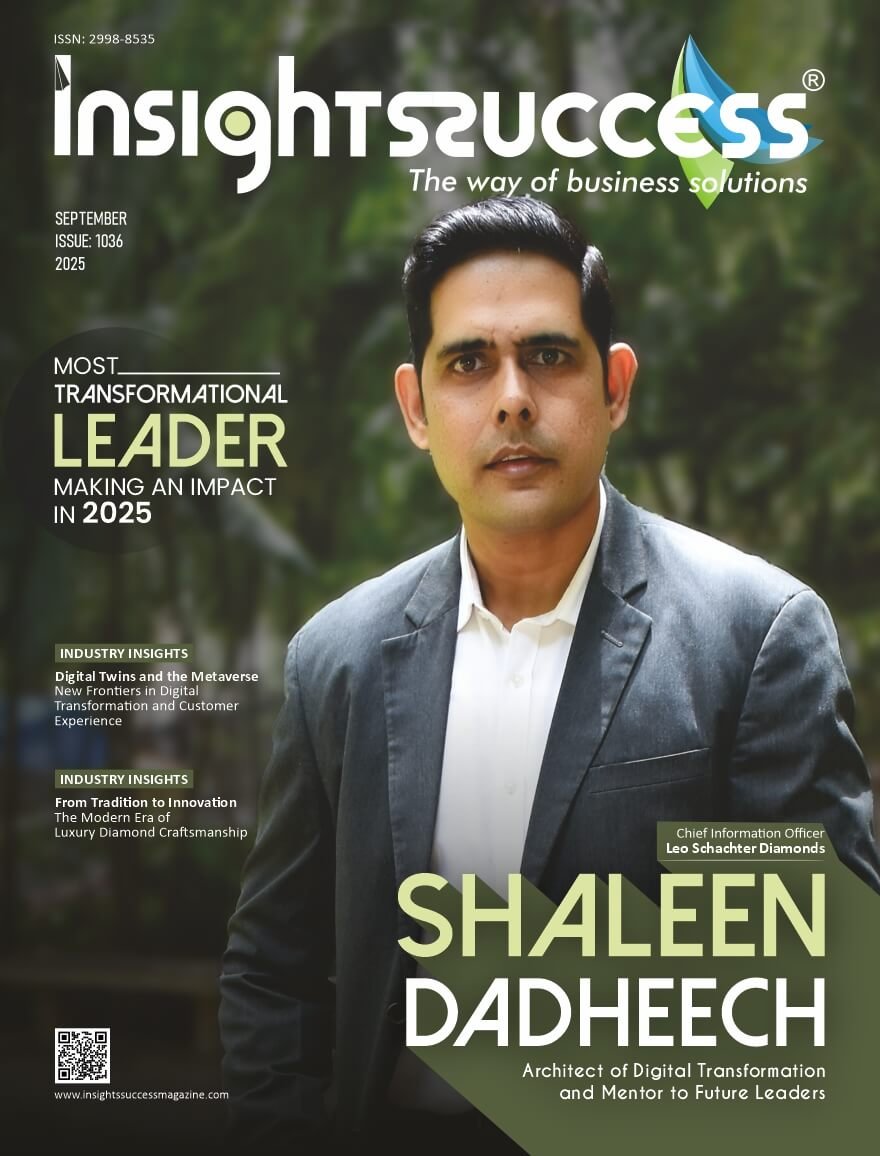
Most Transformational Leader Making An Impact In 2025
Most Transformational Leader Making An Impact In 2025 This edition celebrates a visionary leader whose strategic mindset, technological expertise, and commitment to excellence have driven meaningful change, improved business performance, and inspired progress across teams and organizations. Quick highlights Quick reads

Shaleen Dadheech: Architect of Digital Transformation and Mentor to Future Leaders
Every generation is blessed to see the emergence of those leaders whose paths display reinvention and resilience, people who make their passion fruitful leadership. One such visionary is Shaleen Dadheech. His journey from his modest start as a curious developer who was smitten with the beauty of resolving problems to his current position as a renowned Chief Information Officer is a case in point of how self-control, flexibility, and people-minded thinking can construct careers that are pathbreaking. As he climbed the corporate ladder, his journey from being a C++ programmer to being a global CIO was also a deliberate quest for power, technology being the intersection of innovation and practical application. With his MBA from the University of Canterbury, he is honoring leadership by learning how to set digital initiatives against strategic business objectives. Beyond honors and industry awards, however, his legacy lies in being a mentor and writer who imparted the next generation of managers with empathy, curiosity, and determination as leadership attributes. His tale speaks to young readers looking for purpose in an ever-evolving world and reminds them that leadership is not just about leading a business, but more about empowering people and constructing a productive future. From Humble Beginnings to Tech Leadership Dadheech’s story begins in a family where traditional values of hard work, discipline, and resilience formed the foundation of his character. Growing up in an environment that emphasized the importance of perseverance, he found himself naturally drawn to the logical world of technology. “My family has always been my strongest foundation, their encouragement gave me the confidence to dream big and pursue technology as a career path,” he reflects. His professional journey commenced after completing his Bachelor’s in Electronics and Communication Engineering, when he entered the IT industry as a C++ developer. Those formative years of coding weren’t just about mastering syntax and algorithms they were about building a mindset of precision, problem-solving, and delivering reliable solutions that would later define his leadership approach. “I still remember the excitement of writing my first lines of code that actually solved a problem. It fascinated me how logic and creativity could come together to build something impactful.” he recalls. This early passion for translating ideas into functional solutions would become a recurring theme throughout his career. As his technical skills matured, so did his understanding of the broader business landscape. The transition from developer to project manager marked a pivotal moment in his career trajectory. Managing diverse teams, handling complex challenges, and ensuring timely project delivery exposed him to a new dimension of technology leadership one that required not just technical acumen, but emotional intelligence and strategic thinking. The Strategic Pivot: MBA and Beyond Recognizing that true transformation required more than technical expertise, Dadheech made a bold decision that would reshape his career path. He stepped away from his comfortable corporate position to pursue a full-time MBA at the University of Canterbury. This wasn’t just an educational pursuit; it was a strategic investment in his future as a transformational leader. “It was both a challenging and rewarding phase of my life.” he explains. The MBA experience exposed him to strategy, finance, and organizational behavior while broadening his global perspective. More importantly, it equipped him with the ability to connect technology-led initiatives with long-term business goals skills that would prove invaluable in his subsequent roles. Post-MBA, Dadheech returned to the industry with a renewed vision. No longer just a technologist, he had evolved into a leader capable of driving enterprise-wide change. His portfolio of achievements began to expand dramatically: large-scale cloud migration programs that ensured business continuity while embracing scalability and cost efficiency; end-to-end digital transformation initiatives that modernized legacy systems; and automation processes that improved efficiency while reducing operational overhead. The Pandemic Catalyst The COVID-19 pandemic, while presenting unprecedented challenges, became an unexpected catalyst for Dadheech’s leadership philosophy. When the world shifted to remote work overnight and customer behaviors changed rapidly, IT leadership found itself at the center of organizational survival strategies. “While the pandemic posed challenges, it also created an unprecedented opportunity to accelerate digital transformation.” he observes. His approach during this critical period was multifaceted: ensuring seamless remote working environments, scaling up secure digital infrastructure, and implementing robust cybersecurity measures almost overnight. But perhaps more importantly, he recognized that survival wasn’t just about keeping systems running, it was about enabling organizational resilience and agility. “We had to reimagine the way we worked, collaborated, and served our customers.” he notes. The strategies adopted during the pandemic agility, digital-first thinking, and human-centered leadership continue to guide his operational philosophy in the post-pandemic world. Recognition and Industry Impact Dadheech’s contributions to the IT industry haven’t gone unnoticed. His accolades tell the story of a leader whose impact extends beyond individual organizations to the broader technology community. Early recognition came in the form of the “Best Team Award” from the CEO at Datamatics for two consecutive years (2019 and 2020), reinforcing his belief in collaborative success and team empowerment. His thought leadership in the industry was further validated when he was featured on CXOTV, sharing insights on emerging technology trends in the diamond and jewelry sector where technology is rapidly reshaping traditional business models. This platform allowed him to contribute to industry discourse and influence how organizations approach digital transformation. Recent years have brought even more significant recognition. He was honored among the “Top 10 Inspiring CIOs of India 2024” by Trade Flock Magazine, received the “MITS 30 – 2025” award at the 29th Manufacturing Innovation & Technology Summit in Mumbai, and was named among the “Top 10 Indian CIOs & CTOs 2025” by CEO Insights Magazine. These accolades reflect not just individual achievement but recognition of his approach to using technology as a strategic business enabler. The Philosophy of Transformational Leadership What sets Dadheech apart in the crowded field of IT leadership is his philosophy on transformation. For him, technology innovation isn’t about chasing trends about identifying moments where the right digital intervention can create breakthrough value.

The Modern Era of Luxury Diamond Craftsmanship
From Tradition to Innovation Luxury diamond craftsmanship is at an interesting nexus of tradition and technology. In ancient times, great artisans worked by the minute handcrafts of shaping, polishing, and setting them jewels and all this process was done manually with great accuracy and efficiency passed down through generations. That same admiration of artisanal processes today exists alongside the most sophisticated technologies and redefines what luxury craftsmanship using diamonds can look like. Luxury diamond craftsmanship in the modern era can be characterized as a balance between traditional respect and the fearless adoption of innovation. Honoring Ancestral Techniques The central value of the luxury diamond work is a strong adherence to ancient methods. Craftspersons still use ancient hand-cutting techniques, perfected over many years of apprenticeship, where every aspect is created by sight and feel. The stone setting, bezel, prong, or pave is a craft that is carefully followed, the brilliance of the diamond is gracefully presented, and it is safely fixed in place. This human element remains crucial to the luxury diamond pieces: the delicate asymmetries in hand-made settings, and the rounded angles of hand-cut facets that give each gem its own personality. Moreover, the ethos of Luxury Diamond Craftsmanship places high value on the story carried by each finished piece. The tactile memory of the artisan’s tools, the rhythm of hand motions, and the centuries‑old traditions embedded within the design all contribute to its meaning. Even when modern tools are employed, that heritage remains the compass guiding design and execution. Integration of Precision Technologies Precision technologies are also adopted in modern luxury diamond craftsmanship, but they do not substitute the craftsman; instead, they enhance his skills. Computer-aided design (CAD) software allows hypothetical designs to be displayed in three dimensions to allow refined planning prior to any physical material being added. Laser cutting and engraving offer such accuracy that micro detailing would be painstakingly difficult to achieve (or, indeed, unachievable) by hand. These technologies not only speed up the production process but also make sure that every aspect, detail, and contour is matched to precision. However, it is not a sterile one. At all stages, the hand of the artisan is still involved. The CAD design usually goes through modifications with the craftsperson, who considers the direction in which the light will react to slight placements of the facets or how the bezel-setting will influence the tilt of the stone. The perfect combination of computer planning and practical finishing will make sure that Luxury Diamond Craftsmanship will not be lost in its coldness and artificiality. Ethical and Sustainable Considerations Greater focus on ethical sourcing and sustainability is another characteristic of the modern Luxury Diamond Craftsmanship. With the rise in consumer awareness, craftspersons are experimenting with novel techniques that limit environmental impact, such as limiting waste of materials through careful planning or selecting materials that are responsibly sourced or ecologically friendly. This new sense is not based on numbers or credentials but puts craftsmanship in the context of a responsible creative work. Here, luxury is not gauged simply by brilliance or cost, but by the honesty of the workmanship with which an object was created- by the inspiration at the time of conception, up to the last polish. This moral aspect of Luxury Diamond Craftsmanship adds depth to its story. Every phase of the creative process has a sense of purpose- whether in the selection of materials or in the methods applied to limit the amount of wastage- without compromising on the excellence of the artistic work that characterizes luxury. The Human Touch in a Digital Age The other issue is that with the rise of technology, human craftsmanship will be overshadowed but in Luxury Diamond Craftsmanship, technology enhances the impact of the worker rather than diminishes it. Lasers can be used to cut facets or CAD models can instruct structure, but final quality control is all done by hand, as is setting, and proofreading of fits. The last synergy depends on touch, intuition, and experienced judgment, which is immeasurable and cannot be digitalized. Conclusion The new age of Luxury Diamond Craftsmanship is a dynamic process of how tradition meets the innovation of the future. The history and emotional connection of the discipline lie in traditional hand skills, and technological tools of digital design, cutting precision, and ethical design are driving the discipline into new possibilities. What comes out is an exquisite articulation of luxury, that beauty is not merely in the glitter of the diamond but in the process, intent, and the honesty of how it was done. At this transformative time, the best works are those that celebrate the past, welcome creativity, and ignite wonder by sight and soul. Read Also: New Frontiers in Digital Transformation and Customer Experience

New Frontiers in Digital Transformation and Customer Experience
Digital Twins and the Metaverse Consider being in a virtual metropolis that recreates an actual metropolis in all its details or interacting with a computer model of a machine to simulate its behavior without ever needing to physically touch the hardware. It is not fiction but the new reality, which is propelling the digital twins and the metaverse, two disruptive technologies that are pushing the limits of digital transformation and redefining customer experience. Understanding Digital Twins and the Metaverse A digital twin is a simulated copy of a real thing, system, or process. It uses real-time data to replicate the state and behavior of its real-world counterpart, which allows businesses to simulate, analyze, and optimize operations remotely. The manufacturing, healthcare, and urban planning industries apply this technology, and it provides insights into the decision-making processes. On the other hand, the metaverse is a more engaging and communal virtual world where users can engage in real-time with each other and with the digital world. It is a blend of virtual reality (VR), blockchain, and augmented reality (AR) to establish a persistent digital universe. It is a place where users can do both social interaction and complex simulations, with unparalleled innovation and collaboration. Integrating Digital Twins into the Metaverse The intersection of the metaverse and digital twins is opening a new digital transformation era. With the introduction of digital twins into the metaverse, companies will be able to develop interactive, dynamic simulations that resemble reality. This integration carries several benefits: Improved Operational Efficiency: Physical assets can be re-created virtually, which allows them to be real-time tracked and proactively maintained to reduce the amount of downtime and improve resource allocation. Immersive Training and Simulation: The metaverse can also be used to run realistic training programs that allow employees to exercise skills and situations by interacting with digital twins without any risk. Collaborative Innovation: A shared virtual environment is available to teams, and they can brainstorm, design and test solutions in a risk-free environment using digital twins. Personalized Customer Experiences: Companies provide their clients with the possibility to communicate with virtual models of goods or services and offer them a personal and engaging experience that would increase the satisfaction levels and loyalty. Driving Digital Transformation Across Industries The fusion of the metaverse and digital twins is driving digital transformation across various industries: Manufacturing: Businesses can model their production lines and experiment with alterations in a virtual setup and gauge inefficiencies and streamline processes before making changes in real time. Urban Planning: The creation of virtual models of urban regions, modeling of traffic flows, environmental effects, and infrastructure development allows the city planners to have a clear understanding of urban development. Education: Educational facilities can provide experiential learning, where students work with virtual representations of historical events, scientific processes, or complex systems, and improve learning and memory. Entertainment: Entertainment can be used to create interactive experiences such as virtual concerts or events, where customers are allowed to engage with a digital twin of an artist or place. Challenges and Considerations Although the combination of digital twins and the metaverse has many advantages, there is a set of challenges that organizations will have to overcome: Data Security and Privacy: The fact of collecting and sharing real-time information is something that challenges security and privacy. The secret to minimizing risk is to implement effective cybersecurity and comply with the guidelines of data protection. Cost and Resource Allocation: The creation and sustenance of digital twins and metaverse spaces may be resource heavy. Organizations must carefully assess the return on investment and allocate resources strategically to maximize benefits. User Adoption: The implementation of newer technologies must be encouraged through friendly interfaces, adequate training, and explanation of value and benefits of the technologies. End Note Conclusively, the metaverse and digital twins’ synergy will revolutionize the digital transformation space and customer experience in the future. In this ever-evolving world of technologies, firms that embrace them will be in a better position to offer their clientele personalized, immersive, and efficient solutions. Lastly, the introduction of digital twins into the metaverse is a significant innovation in the digital transformation and provides businesses with the potential to enhance their activity and to ensure the best customer experience. Implementation of these technologies is going to enable organizations to surmount the challenges of the digital era and set on the path towards future success in an ever-interconnected world. Read Also: The Modern Era of Luxury Diamond Craftsmanship

Essential Business Skills You Gain from a Bachelor of Information Technology
When one mentions information technology, what mostly comes to mind is computers, coding, and technical labor. Although it is true that IT is highly technology-based but the current business environment is far more than that. Professionals with a technology background are now assumed to contribute to big picture decisions, business expansion, and work hand-in-hand with management teams. This is why a Bachelor of Information Technology is not only structured to enhance your technical skills, but also provides the foundation of solid business skills, which are important in virtually any industry. As a student and business professional, it is important to know how these business skills can mold your career. Let us look at the key business-oriented skills that a BIT can bring to your toolkit. Why Choose a Bachelor of Information Technology? Majoring in Information Technology will set the path to a future in which technology and business intersect. The degree teaches you skills related to programming, networking, cybersecurity, and data analysis. Simultaneously, it trains the soft skills such as communication, leadership, analytical thinking, and adaptability. This distinct balance renders graduates very appealing to employers. It also provides flexibility, which allows a number of career opportunities, including IT consultant, project manager, business analyst, systems architect, or even entrepreneur. To students seeking long-term development and mobility, the course serves as a gateway to industries such as finance, healthcare, and e-commerce education. Business Skills Taught in a Bachelor of Information Technology Strong Communication and Collaboration Skills The majority of workplaces rely on collaboration and effective communication. A BIT requires students to complete several group projects and to do shared assignments. These activities develop essential communication skills, enabling students to report on technical solutions in simple language to managers, colleagues, and clients. Graduates exhibit skills of breaking down complicated information to use practical language. They are taught to make presentations, streamlined with an AI presentation maker for dynamic visuals to train, and to facilitate discussions, which are relevant in bridging the technical aspect of the business to the non-technical decision-makers. This ability will allow an IT professional to be more approachable and an important person in any organizational environment. Problem-Solving with a Business Angle Both IT operations and business strategies are problem-oriented. The Bachelor of Information Technology degree not only imparts to students how to solve technical issues, but also takes into consideration how they may affect a company on a broader level. As an example, the implementation of a new IT system does not mean just making sure that it functions. It also concerns the expectancy of whether the system minimizes expenditure, time saving, or whether it can be expanded in the future. Through developing this view, graduates develop the ability to think in a professional manner that is able to offer efficient, sustainable, and business solutions that are in line with the broader business objectives. Project Management and Organization In modern workspaces, IT experts take on large projects within scant time and budget. Project management for the introduction of new software or improving systems such as cybersecurity, or even developing apps depends entirely on effective management. These were the skills developed in a student undertaking a BIT in terms of the academic assignments, group projects, and capstone tasks, as well as scheduling and distributing roles and dealing with unforeseen problems. This experience makes them feel at ease heading projects in actual organizations where they have to manage resources, schedules, and individuals to provide outputs. Leadership and Team Development Potential Leadership is not about a designation- it is about guiding people and making teams effective. Students in a BIT engage in team-based projects that assist them to build leadership skills like problem resolution, team coordination and decision-making. These experiences demonstrate the fact that IT leadership does not just consist of technical knowledge. It requires time, human handling and motivation. With such qualities, graduates are more equipped to take on supervisory or managerial positions in the future, where they will be able to influence projects and get others to excel. Flexibility and Adaptability IT is rapidly changing, and so is business. Every day, processes are done in a patchwork of new programming languages, digital tools, and emerging platforms. Flexibility, therefore, is among the most powerful transferable skills acquired during this degree. The BIT course trains students actively toward being receptive to new ideas and quick at adapting. From applying the tools to testing various platforms to adapting to new trends, students learn to be resilient, which is an invaluable quality in this ever-evolving world of business, where they are prepared to meet change head-on rather than being swamped by it. Analytical and Critical Thinking In the current data-driven economy, analysis is important in decision-making in businesses. IT professionals being trained are usually on the front line in this process. In completing a Bachelor of Information Technology, students receive a lot of practice in data interpretation, analysis, and the extraction of practical recommendations. It is this competency that qualifies them as very important contributors during decision-making. They can provide recommendations as to whether a business is worth investing in an IT upgrade, moving to cloud solutions, or reorganizing its systems. It is not merely the issue of the analysis of information but also a matter of relating such understanding to the real-life strategies, which is of paramount importance to any business. Why Business Skills Matter in IT? Without business skills, IT graduates would almost always limit themselves to technical positions. However, companies expect otherwise; they want IT personnel to participate in strategic talks, assist in the optimization of operations, and actively contribute to growth. It is this viewpoint that has led most Bachelor of Information Technology programs to emphasize business training alongside technical education. Thus, graduates can pair problem-solving abilities with input on the future direction of an organization. From digital transformation to customer-facing solutions, the IT graduate now has a much larger role thanks to business skills. How Can These Skills Make You Stand Out? The job market today is fiercely competitive. Candidates may
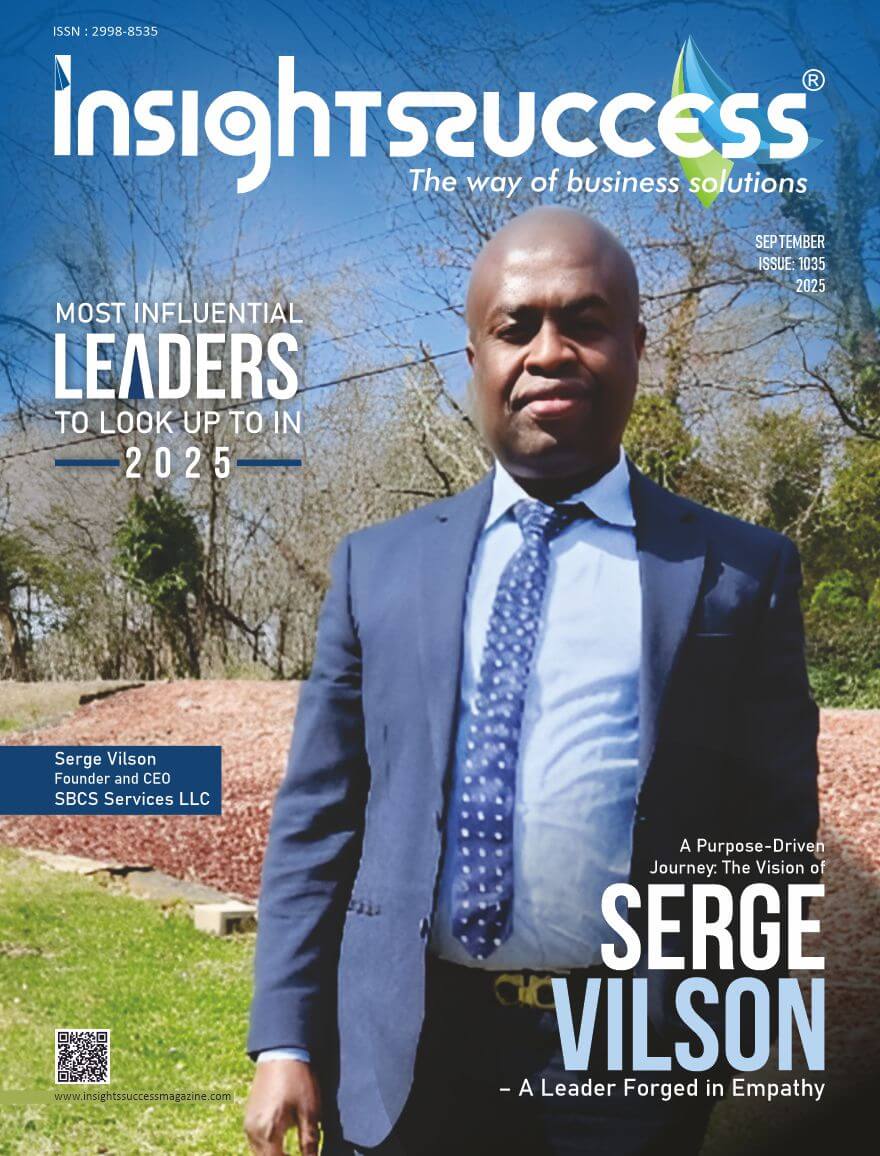
Most Influential Leader To Look Up To In 2025
Most Influential Leaders To Look Up To In 2025 Shaping the future with vision, courage, and relentless drive, this trailblazer inspires a generation through transformative leadership, bold innovation, and an unwavering commitment to impact, leaving an indelible mark on 2025 and beyond. Quick highlights Quick reads

A Purpose-Driven Journey: The Vision of Serge Vilson – A Leader Forged in Empathy
Leadership is a journey of learning. It is where the leader guides a team. Faces obstacles. Overcomes them by empowering his team. Learns from their lessons. Grows in stature. And ultimately creates a legacy for their followers. In that sense, Serge Vilson has become a legend by establishing SBCS Services LLC, “Where you and your family can find all the high quality services you need to achieve your goals: Tax service, immigration service, notary public, translation service: French to English, English to French, insurance services including life insurance, annuities, health insurance, auto insurance, and home insurance. and so on,” he informs. Mr. Vilson came up with the name SBCS from the initials of his own–S, his daughter’s–B, his son’s–C, and S―again from letters of his son’s first name. “God promises me a son, and He is faithful to keep his promises to me. This is where I come up with the name SBCS services,” he shares with a smile. A Foundation in Compassion Mr. Vilson’s path to entrepreneurship was not a straight line but a deliberate course shaped by a powerful desire to serve others. His early aspirations were in the field of healthcare, where he pursued a bachelor’s degree in health services administration. During this time, he gained hands-on experience through an internship in a hospital, assisting patients with various health concerns. His passion was further solidified during his time as a nursing student, where he worked alongside doctors and nurses, gaining a firsthand understanding of patient care. He saw nursing as an opportunity for job advancement and, more importantly, a direct way to help people achieve their health goals. This foundational experience in a clinical setting instilled in him the importance of empathy, attention to detail, and a commitment to people’s well-being. Redefining Setbacks as Stepping Stones While his journey through formal nursing education faced an unexpected setback with his dismissal from the program at Concordia College, Mr. Vilson did not allow this to derail his mission. Instead, he viewed it as a pivot point, an opportunity to continue his academic pursuits with a renewed sense of purpose. He transferred to Lehman College, where he completed his bachelor’s in health services administration, and later his master’s degree. It was during this period of transition and reflection that he came to a profound realization: the challenges he had faced had prepared him emotionally and mentally to lead. He recognized in himself the inherent drive and vision of a leader, and from this, the idea for his own business was born. Launching SBCS Services LLC was not just a business decision; it was the culmination of his life’s experiences and a testament to his resilience. Mr. Vilson’s story is one of a leader who understands that genuine leadership is built on a foundation of service and resilience. He took a difficult personal moment and transformed it into the impetus for a new beginning, creating a company where his deeply ingrained values of care and support could thrive, touching the lives of many beyond the confines of a single industry. A Legacy Beyond Profit The motivation behind establishing SBCS Services LLC was deeply personal and aspirational. Mr. Vilson was driven by the desire to build a lasting legacy for his family, a principle he finds rooted in a powerful proverb about leaving an inheritance for future generations. For him, the company is more than just a business; it is a vehicle for creating a positive impact that will endure. The firm’s mission is a direct reflection of his values, focusing on maximizing customer satisfaction and providing affordable, accessible services. This commitment to finding low-cost solutions is a testament to his understanding of the financial pressures many families face, ensuring that quality support is within reach. The Power of Collaboration As the CEO of his company, Mr. Vilson leads with a transformational leadership style. He operates on the firm belief that every individual has valuable ideas to contribute, and that a collective approach leads to a better outcome. He has cultivated an environment where open communication and the sharing of diverse perspectives are encouraged. This collaborative spirit not only empowers his team but also allows for situations to be transformed for the better. He understands that unity can lead to powerful and positive change, and he actively works to bring people together to achieve shared goals. The True Meaning of Empowerment For Mr. Vilson, empowerment is defined by the simple, yet profound, act of giving people opportunities to achieve their goals, especially those who are underserved. He believes that by providing these opportunities, individuals are equipped to overcome their own life challenges and make sound decisions based on their experiences. He has witnessed firsthand the transformative effect of this approach, seeing people who were once marginalized thrive and succeed. This philosophy is at the heart of SBCS Services, which seeks to empower individuals by providing them with the tools and support they need to navigate life’s complexities and take control of their own destinies. The Mindset of a Victor Building a new company is a challenging endeavor, and Mr. Vilson has faced his share of obstacles, particularly in the realm of marketing. However, he maintains a relentless determination, choosing to press forward despite the difficulties. He views challenges not as barriers, but as inevitable parts of the journey, believing that while he cannot prevent them, he can choose his response. His philosophy is that victory is in the mind, a testament to his mental fortitude and his unwavering commitment to his vision. The Resolute Compass of Integrity Though his career path shifted away from a clinical setting, Mr. Vilson’s core mission remains unchanged: to bridge gaps in care and resources. He advocates for a healthcare system where patients receive the care they need at a reduced cost. He believes that for any organization to succeed, it must be built on the foundational values of trust and transparency. He sees these not just as ethical principles but as crucial components for financial

Emotional Intelligence in Transformational Leadership
The Unseen Engine Transformational leadership is an influential paradigm whereby leaders inspire and motivate people to go beyond their self-interests in the short run to benefit . Emotional intelligence is the key element of this paradigm that is frequently underestimated. Although transformational leadership is often discussed as the ability to create a vision, strategy, and organizational change, emotional intelligence is the invisible engine, driving influence, and keeping momentum. The inclusion of emotional intelligence in transformational leadership creates a layer of depth and fluidity that can facilitate a truly global impact. Understanding Emotional Intelligence in Leadership Emotional intelligence is the ability to recognize, respond, comprehend, and utilize emotions for a positive effect. In transformational leadership, emotional intelligence not only facilitates interactions but also builds trust, empathy, and resilience. Emotionally aware leaders have a greater ability to read the subtexts of group behavior, react to emotional signals, and guide groups through changes with grace. When transformational leaders introduce the influence of emotional intelligence into the game, they stop being limited to stating radical ambitions. They form human bonds as they realize resistance and anxiety at the team level. Emotionally intelligent leaders affirm the human experience by accepting emotions instead of minimizing them. This confirmation prepares the channel of factual change, aligning emotional preparedness with the intellectual argument of change. Emotional Intelligence as a Catalyst for Global Influence Transformational leaders break cultural boundaries and motivate people to influence the world. The only thing that works at any cultural set up is emotional intelligence. Only by using the ability to tune in to the emotional state of others, irrespective of their cultural setting, can a leader establish empathy. This connection forms the core of international influence, as the leader is able to express a unifying vision that cuts across boundaries. Leaders with emotional intelligence also understand that not every statement of success, concern, or motivation can work in every culture. They can customize their practice by watching tone, body language, and norms to be inclusive. Such flexibility creates trust and reduces misinterpretation. By so doing, emotional intelligence not only improves the leader’s presence but also makes the transformational leadership reach further, making local change global. Handling Resistance and Emotional Turbulence Resistance, emotive turbulence, and uncertainty are common when there is an organizational transformation. Transformation leaders are equipped with emotional intelligence to help them be empathetic of the discomfort, confront unspoken fears, and stay motivated. Instead of implementing change only with policies, emotionally intelligent leaders are ready to listen and speak with empathy and address issues in good faith. This approach decreases opposition and earns a general trust in the course of action. The calmness of the leader is critical during stressful or emotionally heated situations. To stay in check even when you are stressed out becomes a stabilizing factor within the group. Transformational leadership, using emotional intelligence, does not get derailed when setbacks occur. It provides an opportunity to get to know each other better, learn, and redevote themselves to the common objective. Fostering a Culture That Sustains Transformation Transformational leadership is a change that aims at permanency. Leaders can model emotional awareness and empathetic communication to establish the standards of interaction, change management, and support for people. This model challenges others to embrace the same emotional actions-a ripple effect that reinforces the transformation. People in cultures influenced by emotional intelligence are proud to express themselves openly, provide feedback in a respectful way, and understand each other. Within these types of environments, individuals feel secure in taking initiative, communicating, and being creative. Consequently, the transformational principles initially conceived by the leader are internalized as normative and passed on by the leader in concert and in permanence. Balancing Intuition and Strategy Another myth is that emotional intelligence opposes strategic rigor. Emotional intelligence, however, does not undermine strategy in the transformational leadership context, but enhances it. Emotionally intelligent leaders align their strategic choices with human realities and emotional undercurrents. They know when the moment has arrived, when the momentum is slowing, and they sculpt their approach accordingly. The result of this integration is not only technically sound but humanly resonant, strategies that the people own. They not only make goals attainable but also emotionally significant. By doing so, emotional intelligence will make transformational leadership a process that is more human instead of merely transactional. Conclusion Emotional intelligence is the invisible force behind transformational leadership, and it helps leaders transcend vision to real global impact. Transformational leaders can create resonance in a variety of settings, root their visions in emotional connection, overcome resistance empathetically, and develop lasting cultures through empathy, emotional awareness, flexibility, and emotional self-management. Emotional intelligence is not a soft skill, but rather the powerhouse of radical change, the power to make leadership a sustainable, emotionally infused advancement across borders and communities. Read More : Angles of Authority and Influence