


Redefining Wellness
Think of a doctor who never gets tired, understands your body more than you do, and uses instruments that are even smaller than a virus. This isn’t a dream; it represents the new era of digital healthcare, which is powered by artificial intelligence (AI) and nanotechnology. By themselves, they are turning the devices of today, like smartphones, wearables, and minuscule machines, into your personal health guardians that keep off problems.
AI as the Brain, Nanotech as the Hands
Digital healthcare is basically using technology to deliver care regardless of time and place. The spectrum of this kind of care comprises apps that monitor your daily steps, virtual doctor visits, and smart devices that keep a record of your heart. The AI behaves like a brain, where it analyses an enormous amount of data in search of the patterns that humans cannot see. On the other hand, nanotechnology provides the means to produce minuscule tools that they are able to work inside your cells. The integration of these two forces is scheduled for the year 2025; their partnership will result in the wellness sector being transformed into one that is not only preventive but also personal and accurate.
How AI Knows You Better Than You Think
AI begins with observation and understanding. For example, your smartwatch monitors your sleep, physical activity, and heart rate. AI analyses this data along with your medical report, lifestyle, and even the weather. By doing so, it can preempt risks such as the high probability of developing diabetes and advising of making minor changes like walking more and cutting sugar intake. A study revealed that artificial intelligence models are capable of indicating the risk of a heart attack at an early stage of heart problems, six hours before it happens, and thus creating enough buffer to take action. Presently, applications have been developed such that they can take the aid of phone cameras to do the checking for changes in the skin or eye health and then send the results to doctors without any delay.
Telemedicine and Virtual Diagnosis
AI-assisted telemedicine allows patients to have a chat with a specialist without the need to travel. An online appointment is done, and AI is there to listen to your voice, observe your facial expressions, and read the symptoms, thus assisting the doctors to conclude more efficiently. This has helped to avoid the hassle of travelling for medical appointments. Furthermore, AI chatbots can answer the most basic questions of patients at any time of the day or night, thus relieving the staff who are always busy from the pressure of being overburdened.
Nanotech in Drug Delivery
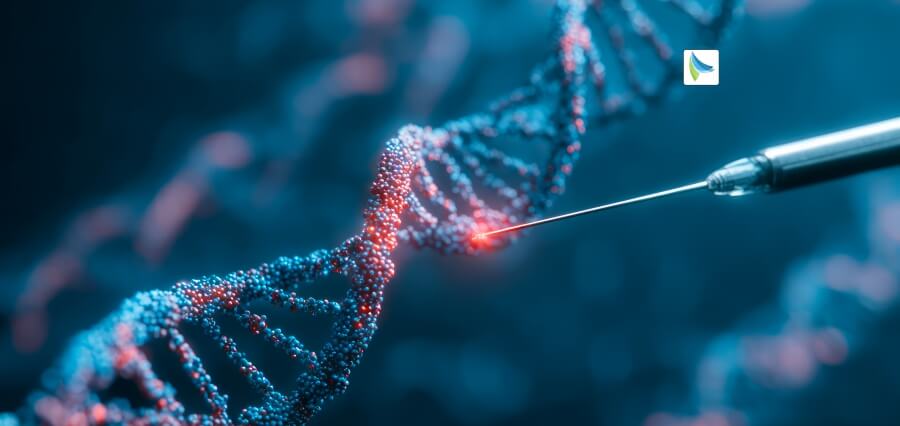
With the help of nanotechnology, the story goes even deeper. The tiny units called nanoparticles hold onto medicine that has to be given to the body at a specific location. Just to give an example, in the area of cancer treatment, they are charged with the delivery of drugs only to cancer cells and in doing so, the healthy ones are left untouched. This, in turn, reduces the side effects such as feeling lethargic and hair loss. The ones who are even more advanced release medicine slowly over a span of weeks, thus lessening the need for pills or injections. There are a few nanoparticles that emit light under a specific kind of light, and thus, they could be used to enable the surgeon to see the tumour clearly during the operation.
Nanosensors for Real-Time Wellness
Wearable devices are also receiving nano upgrades. A flexible patch with nanosensors attaches to your skin and can measure glucose, hydration, or even stress hormones through sweat. Needles are not required. These patches, as well as the phone, connect, where AI processes the data and informs you or your doctor if there is any abnormality. Athletes use them for maximised training; normal people use them for maintaining their health. Some patches will be able to deliver medicine through the skin when the levels are too low by 2025.
AI and Nanotech in Mental Health
Mental health is covered as well. AI apps monitor your mood by analysing your typing speed, word choice, or voice tone. Pattern recognition helps with anxiety or depression, and the apps recommend breathing exercises or provide links to a counsellor. Nanotechnology also plays a role here—scientists are experimenting with tiny implants that deposit the required neurotransmitters in the brain on demand, regulated by an app.
Surgery Reinvented
The less-invasive surgical methods are being developed. Nanorobots—microscopic machines—might be able to navigate through the blood vessels one day to remove blocked arteries or repair damaged tissue. They are guided by AI and follow the real-time images to perform exact work. The initial models that are capable of doing some drug deliveries in the operating procedures have already been introduced to the market, which in turn, shortens the recovery period.
Smarter Hospitals
Hospitals use AI to run smoothly. It predicts patient flow, so emergency rooms prepare for busy hours. Nanotech improves tools like self-cleaning surfaces that kill germs, lowering infection rates. Together, they save time, money, and lives.
Challenges on the Path to Progress
Privacy is a big one—who owns your health data? Strong rules are needed to keep it safe. Not everyone has fast internet or smartphones, so access must grow fairly. Scientists also test nanomaterials carefully to ensure they leave the body safely and don’t cause harm.
Health That Thinks Ahead
The future looks bright. Imagine a world where your phone warns of a cold before symptoms hit, or nanobots fix a torn ligament overnight. AI could design custom diets based on your genes, while nano-vaccines protect against new viruses instantly. By 2030, digital healthcare might add years to life—and life to years.
Empowering Doctors, Enriching Lives
In the end, AI and nanotech aren’t replacing doctors; they’re giving them superpowers. They shift focus from treating sickness to building wellness. With smart use and fair access, this duo can help everyone live healthier, happier lives.