






Leadership Lessons for the Digital Era
The Courage to Evolve The digital age has reshaped the very essence of leadership. Rapid convergence of technology, globalization, and changing employee expectations demands a new leader-one who is flexible and authentic, visionary and empathetic, and innovative and transparent. With organizations grappling with continuously changing change, leaders have to be courageous enough not only to guide the change but to grow with it. Embracing Change as a Constant Now, with technology, change is no longer episodic—its ongoing. From artificial intelligence and automation to hybrid work patterns and data-driven decision-making, disruption is business as usual. The earlier control-based, hierarchical, and linear models of leadership are being replaced by agile, collaborative, and purpose-based models. These are the leaders who love change as a source of progress, not a breakdown of order. These leaders know that change starts in the head—a need to challenge assumptions, test new thinking, and stay open to learning. Courage to change is embracing uncertainty as a good step forward. From Authority to Agility It is the digital age, and it’s the age of agility, not authority. Today’s leaders have to transcend commanding and controlling to enable and empower. Rather than leveraging influence on positional power, they influence, are transparent, and trust. Agile leadership is about flexibility—quickly determining new trends, data-driven decisions, and retuning strategies as needed. Decentralizing power, too, and handing over control to teams at the edge of the problem so they can have the autonomy to guide solutions is included. This transformation not only quickens innovation, but it puts ownership and accountability in the company. As technology gets more sophisticated and advances, leadership’s humanity becomes increasingly significant. Data can be computed and work done by computers, but empathy, intuition, and moral judgment cannot be delegated to them. Digital success needs to be achieved by leaders in balance with human touch, with innovation not being done at the cost of human beings. Empathic leadership builds commitment and trust, particularly in virtual or hybrid teams. Vulnerability, listening, and recognition of contribution build relationships that can’t be replaced by technology. Even in a virtual communication world, authentic human leadership is still the biggest differentiator. Lifelong Learning as a Leadership Imperative The leaders of the age of digitalization are no longer characterized by what they do know, but by how quickly they can learn. Learning is a continuous necessity—it’s a survival mechanism. Innovation involves yesterday becomes outdated too fast. Enabling leaders develop a sense of wonder and modesty. They listen to various different people, learn from mistakes, and keep themselves abreast with the latest technologies and worldwide trends in their lives. Developing a culture of learning within the organization, they enable teams to be responsive and visionary and innovate as a collective practice and not one that flows from the top. Building Digital-Ready Cultures Digital transformation is as much human as it is technical. Organizational culture—the shared psychological baggage that dictates how employees think, work together, and behave—is the motivation behind any transformation initiative. Visionary leaders develop cultures that support experimentation, view failure as a growth feedback loop, and innovate cautiously. They connect digital strategy and purpose so that technology complements human potential instead of replacing it. By investing in cross-functional competencies and digital literacy, they help their teams not only keep pace with the future but define it. Ethical Leadership in the Age of Data The technology age also poses inherent questions about ethics—algorithmic bias, data privacy, and ethical use of AI are all now on the agenda of leadership decision-making. Leaders will be required to be receptive to finding the balance between innovation and integrity and exploiting the use of technology for the collective good of mankind and not for individual interests. Transparency, accountability, and justice have to be the cornerstones of digital transformation. Ethical leaders make ethics their number one priority and establish trust not just in the organisation but also with consumers and communities. Reputation can be destroyed in seconds, and ethical leadership is both a moral and business success enabler. Resilience: The Cornerstone of Digital Leadership Change never moves in a straight line. Setbacks, doubts, and burnout along the way. Resilient leaders are rooted in a storm, cool and calm when everyone else is lost. They develop confidence by consistency of purpose but flexibility of approach when circumstance calls for it. Resilience isn’t endurance—it’s coming back stronger. In today’s digital age, where uncertainty never subsides, resilient leaders are optimistic and flexible, converting adversity into opportunity. Conclusion The age of technology demands leaders not only to be technology-enabled but also emotionally smart, ethically grounded, and flexible. Leadership is not about sustaining and controlling but creating courage—courage to embrace change, let go of control, and lead on purpose in a time of uncertainty. The most extreme leaders today are those who understand evolution as not a play but a journey. At the crossroads of agility and empathy, innovation and values, and learning and resilience, they build organizations that future-proof not merely but future-proof ones that get to set the future agenda. Read More: Why Ethical Leadership Outlasts Trends

Shaping the Workforce Behind UAE’s Defence Future: Sana Al Daoumi’s Mission at EDGE
In a sector known for cutting-edge technology and sovereign capability, the real competitive advantage isn’t found in systems or products; it’s in people. “At EDGE, we’re driving the future of defence, and that starts with ensuring the right workforce,” says Sana Al Daoumi, Group Senior Vice President of Human Capital at EDGE Group in Abu Dhabi. With 20+ years of experience in transforming how organisations approach talent, leadership, and culture, Sana is redefining what it means to lead people strategy in one of the most strategic and fastest-evolving industries in the UAE. The Foundations of a People-First Career Sana began her professional journey in 2005 at Etihad Airways, not in Human Resources (HR), but in a Commercial function. From the very beginning, her deep passion for people was evident. Guided by a supportive supervisor who recognised her potential, she soon transitioned into the Learning & Development function, where she led Etihad’s Emiratisation programme for three years. This role laid the foundation for her career in HR and introduced her to the power of strategic workforce development. She later moved into a HR Business Partner role in the airline’s Commercial division, giving her a front-row seat to the inner workings of business operations and a broader view of how HR drives value. A key turning point came when she was selected for an international assignment in Italy, navigating a tough, unionised labour market. “This experience set me up for success as I quickly learnt that HR isn’t just a support function, it’s a strategic driver that builds capability, enables performance, and directly impacts business outcomes – and that lesson has stayed with me.” Entering the Frontlines of National Innovation: Joining EDGE After nearly two decades in aviation, Sana sought a new challenge with national significance and where her contributions could have a meaningful impact. EDGE presented the ideal opportunity: a chance to join an industry critical to the UAE’s future, and to build a people strategy in a complex, rapidly changing environment. Joining in 2022, Sana initially led Human Capital for the Missiles & Weapons Cluster before being promoted to her current Group Senior Vice President (SVP) role. Today, she leads the end-to-end Human Capital strategy across all EDGE Group entities, with a clear mission: to ensure EDGE has the workforce, leadership, and culture needed to deliver on its long-term ambitions. To bring this mission to life, as Group SVP, Sana is focused on aligning people strategies with business priorities, fostering a high-performance culture, and building the leadership and technical pipelines needed to future-proof the organisation. “We’re looking at what capabilities we need, not just today, but five and ten years from now,” she explains. “And we’re building our workforce strategy to match.” This includes identifying emerging skillsets critical to EDGE’s future, such as autonomous technologies, and developing forward-looking strategies to build, attract, and retain those capabilities across the business. Under Sana’s leadership, EDGE’s approach includes: Investing heavily in a future-ready workforce, ensuring EDGE’s people are trained in emerging technologies like AI, autonomy, and cyber through targeted upskilling and strategic workforce planning. Building strong talent pipelines and maintaining a compelling EVP to attract top talent in a competitive market, while ensuring the retention of critical in-house skills. Enabling organisational transformation by designing and implementing operating model changes and agile structures that enable the business to respond quickly to changing needs without losing momentum. Human Capital as a Strategic Lever To deliver what needs to be done, Sana is also evolving the role of Human Capital at EDGE to ensure it is not just a back-office function but a central player in shaping business success. As part of this, she is reshaping the function to ensure Human Capital has a seat at the table, actively advises the business, influences decision-making, and drives performance outcomes. Her approach centres on ensuring Human Capital is both a builder of internal capability and a catalyst for external talent attraction. “By positioning HR as a strategic partner, we’re not just supporting innovation and business success; we’re driving it from the inside out.” By strengthening EDGE’s existing workforce while bringing in fresh skills and perspectives, Human Capital is playing a critical role in enabling the company to meet both current and future demands. This forward-thinking strategy extends to the team’s partnerships with schools and universities across the UAE, helping to grow a strong national talent pipeline and increase youth engagement in the defence sector. “Our graduate and internship programmes are designed to give young professionals meaningful exposure to defence,” Sana explains. “We’re not just building skills, we’re shaping futures.” As EDGE continues to evolve, so too does its Employee Value Proposition, positioning the organisation as a top employer of choice in the defence and advanced technology space, especially for UAE Nationals. Through this work, Sana is proving that when human capital is embedded in the business, it becomes a true lever of strategic success. Building a Culture Where People Belong With culture being one of the clearest indicators of organisational health and a driver of success, EDGE’s Human Capital team plays a pivotal role in shaping and sustaining it. That’s why Sana ensures people strategies do more than align with business goals; they actively cultivate a culture where employees feel valued, supported, and connected to a greater purpose. “Our people know how their work contributes to something bigger and that makes a difference,” she says. “It’s my job to protect and grow that sense of purpose.” As EDGE’s culture is grounded in flexibility, empowerment, and recognition, Sana emphasises supporting people-centric policies, processes, and practices. From hybrid work options, wellbeing policies, and career growth initiatives, employees are supported to thrive both personally and professionally. Recognition is also woven into daily life by celebrating success, reinforcing values, and ensuring everyone feels seen. “Whether it’s through our recognition platforms or career development programmes, we continuously celebrate success and invest in our people.” Championing Youth, Inclusion, and Diversity Under Sana’s leadership, EDGE is embracing diversity and inclusion as part of its identity and culture. “With over 80

Smart Vehicle Technology and the New Era of Mobility
AI on Wheels The roar of the engines is being replaced with the gentle whir of the electric motors yet the true revolution is within the circuits. Smart Vehicle Technology is transforming cars, trucks and scooters into intelligent companions that are able think, learn and respond quicker than any human operator. Whether in the shape of a self-driving sedan or delivery robots walking the streets, AI is making mobility safer, cleaner, and more connected than ever. The Core of Smart Mobility The core of this transformation is autonomous driving. Firms such as Tesla, Waymo, and Cruise are putting out vehicles, which have cameras, radar, and lidar to render the world in 360. The Full Self-Driving (FSD) system by Tesla operates on its own Supercomputer named Dojo, which trains neural networks using data of billions of miles of real-world data. In 2024 alone Tesla drivers recorded more than 1.3 billion miles in FSD mode, which trains the AI to deal with rainy highways, as well as crazy city intersections. Google-backed Waymo is now fully driverless robotaxis that can be found in Phoenix, San Francisco, and Los Angeles. It completed over 50,000 paid rides each week with no human involved whatsoever. Self-driving is not the end of Smart Vehicle Technology. It is all about prediction and prevention. AI is used by modern cars to monitor the driver’s behaviour. Whenever you are drifting lanes or blinking slowly, driver aid systems such as the BlueCruise by Ford, or the Mercedes Drive Pilot, will just nudge the wheel or decelerate the vehicle. Volvo Pilot Assist can interpret road signs and regulate speed and even brake to avoid animals, reducing reaction time from several seconds to milliseconds. Connected Cabins: Where AI Meets Comfort The AI will make vehicles mobile assistants. Dashboard voice systems such as the iDrive 9 in the BMW or the Alexa in Rivian allow you to play music, adjust the climate, and navigate without touching a finger. In India, the i-SMART platform of MG Motor enables drivers to preheat a car, monitor the tyre pressure or locate parking all through a smartphone application in Hindi, Tamil or English. The Smart Tech Canvas Smart tech is best projected on electric vehicles (EVs). No engine sound: AI would save battery consumption by learning your behaviour. Nissan’s Leaf will know your daily schedule, and pre-cool the cabin through grid power, not battery power. In India, the Nexon EV developed by Tata involves AI-powered features to recommend charging points on the basis of the traffic and elevation, and even the weather. This is not merely convenience–it increases range by 15%. Smart Vehicle Technology is changing delivery on the logistical front. Zoox robotaxi by Amazon and R2 pod by Nuro are driverless vehicles that transport groceries, which reduces expenses by 40-50%. Zypp Electric, a delivery service based in Mumbai, also utilises AI to plan the e-scooter routes to minimise idle time and emissions. The cloud-based AI enables fleet managers to track vehicles in real time, predict maintenance, and reroute around traffic. How AI Saves Lives on the Road Safety is the biggest win. According to the World Health Organisation, 1.3 million individuals lose their lives every year in road accidents. AI could cut that by 90%. The EyeQ chip by Mobileye, which is installed in more than 100 million automobiles, identifies pedestrians and bicycles and potholes with almost 100% accuracy. In India, where roads are crowded with cows, rickshaws and trucks, Maruti Suzuki has already been testing AI dashcams that notify drivers about sudden braking or cutting lanes. It is all connected with the help of 5G connectivity, which provides Vehicle-to-Everything (V2X) communication. Cars communicate with traffic lights, other automobiles and even the phones of pedestrians. Another system by Volvo V2X is used to warn drivers about ambulances three crossroads away in Singapore. The Baidu Apollo platform in China allows the buses to platoon, i.e. drive inches apart at highway speeds to conserve fuel.. The New Engine of Profit The money flows in the software layer. Software subscriptions have become the sole source of Tesla’s profits compared to sales in certain carmakers. The camera can be enabled to capture Accelerated Pedestrian Detection or Smart Summon, which are unlocked through over-the-air (OTA) updates without visiting the dealership. In 2024, Tesla had driven 12 large OTA updates, which included games, improved routing and even an update to dog mode. Challenges on the Road to Full Autonomy However, adoption is growing faster. The global automobile market will have 15% of new vehicle sales that have Level 3+ autonomy by 2030. Ola Electric has intentions of introducing AI-powered scooters in India that have crash alerts and theft tracking. The Born Electric line of Mahindra will be released with Level 2+ ADAS. Yet adoption is accelerating. By 2030, 15% of new vehicles sold globally will have Level 3+ autonomy. In India, Ola Electric plans AI-powered scooters with crash alerts and theft tracking. Mahindra’s Born Electric lineup will launch with Level 2+ ADAS standard. The Road Ahead: Smarter, Safer, and Self-Driven It is not only driverless but also intelligent. Suppose your car performs self-service, bargains with traffic lights to grant it a green wave, and drops you off at the job as the car parks in, or the car makes money taking passengers, or performs rides. Smart Vehicle Technology is not science fiction, but it is being implemented whether you like it or not, on a roll-by-roll basis. By cutting emissions to save lives, AI on wheels is taking us into a new mobility era, smarter, safer, and future-ready. Read Also : Leadership Lessons for the Digital Era

How Leaders are Driving the Future of Mobility Forward
Steering Success The world is becoming faster than ever, not only on highways. City rush, climatic and technological advances are forcing the reconsideration of the modes of transportation. The mobility industry leaders are moving the wheel, and they include electric vehicles (EVs), artificial intelligence (AI), and shared services in smarter and greener transportation. By the year 2030, the global mobility as a service (MaaS) industry can be $40 billion, and the shared mobility can be $675 billion. These visionaries are turning downfalls into upsides, and radical choices are paying off. Elon Musk: Accelerating the Age of Autonomous Mobility Elon Musk of Tesla remains the pioneer. The driverless technology he has been pushing has taken Tesla into the lead in AI-controlled autonomy. Tesla has an advantage in real-world data to train models that could make unsupervised robotaxis possible, which Jensen Huang, the CEO of Nvidia, perceives as superhuman. Musk has a vision of Optimus robots and energy storage to make an ecosystem where cars will earn money by providing ride-hailing. The debut of a revamped Model Y and Cybercab models by Tesla indicates that mass-market autonomy is at hand. Mary Barra: Reinventing General Motors for an Electric Future Mary Barra at General Motors is changing an old giant into an EV giant. GM has 30 more EVs by 2025 and autonomous driving eye-off by 2028, with Google as its AI collaborator. Unlike the camera-only approach by Musk, the strategy of Barra is based on cheaper models and lidar technology. Her management has GM looking to zero-emission sales by 2035 as she balances profitability with sustainability. RJ Scaringe: Charging Adventure with Rivian’s Electric Edge RJ Scaringe is bringing adventure to the EVs through Rivian. RJ focuses on outdoor enthusiasts with the R1T truck and future R2 SUV as Amazon delivery fleets grow. Nonetheless, the emphasis of vertical integration by Rivian, which is the in-house construction of batteries, puts RJ on scale. Alliances such as the one that Volkswagen makes contribute to growth. Bhavish Aggarwal: Powering India’s Two-Wheeler EV Revolution In India, despite headwinds, Bhavish Aggarwal’s Ola Electric dominates two-wheelers, selling over 425,000 units in 2024. Aggarwal prices aggressively and has a huge network, which makes EVs affordable to millions. Competitors such as the Tarun Mehta of Ather Energy focus on high-quality, secure scooters that have rapid chargers, whereas TVS and Bajaj work with the advantages of the past. Hindalco, a company by Kumar Mangalam Birla, spends Rs 45,000 crore to supply EV materials such as copper foil. Beyond Cars: Redefining Urban Mobility with Autonomy and AI Beyond cars, Uber’s Sachin Kansal integrates AVs and sustainability. Partnerships with Waymo bring driverless rides to apps, easing last-mile woes. Nuro’s Dave Ferguson proves autonomy in delivery, cutting costs by 45%. These leaders are dealing with shared hurdles: charging infrastructure, regulations, and affordability. AI optimises traffic, predicts maintenance, and enables MaaS apps blending bikes, buses, and AVs. Micromobility e-scooters by Lime reduce urban emissions, whereas urban air mobility (eVTOLs) will eliminate gridlock. Policy and Partnerships Fueling Global Acceleration This is accelerated by government support. India’s FAME scheme and US incentives boost adoption, with pilots in Europe testing AV shuttles. The sustainability and semiconductors funding reached $54 billion in 2024.. Difficulties continue to exist: cybersecurity, imbalance, and job changes, yet leaders change. The data moats of Musk, alliances of Barra, and the scale of Aggarwal represent different ways to go. The Destination: Smarter, Greener, and More Connected Mobility The future? AI predicts the needs, EVs are the future, and cities are not about parking cars; these are all interconnected, all linked together in an ecosystem. Accidents and emissions were reduced by 90% and autonomous fleets could reduce emissions dramatically by 2030. Such leaders are not merely operating cars, but they are leading humanity to efficient, inclusive mobility. As Huang says, they’re “working on exactly the right things.” Their success proves vision plus execution wins. The future highway is electric, self-driving and shared courtesy of the people at the wheel. Read Also: Smart Vehicle Technology and the New Era of Mobility
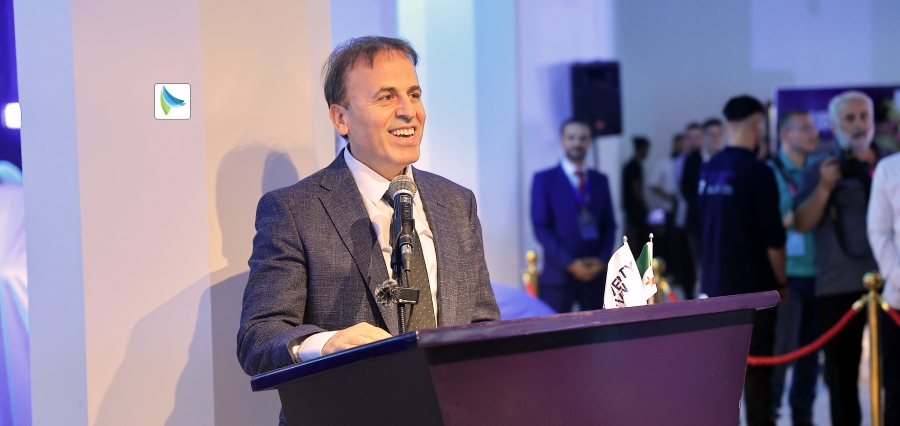
Samir Hmicho: The Rising Catalyst in the Sustainable Automotive Realm
The movements happening in the mobility landscape are compelling it to undergo an abrupt, violent redefinition. It is no longer a world of pistons and gasoline, but of silicon and software. Around the world, the legacy automotive sector—slow, cautious, and inherently and only focused on incremental improvements—has been falling apart under the weight of a new generation of creative entrepreneurs. These entrepreneurs embody the high-risk, high-gain culture of the tech startup world and have been increasingly converting the conventional car from a product-as-a-physical-machine into a product-as-software-defined phenomenon. They expedited the timelines for Electric Vehicles (EVs), pushing legacy automotive manufacturers, who have often relied on their brand names and have been in business for over a century, to invest to catch up with emerging EV manufacturers with new software-based business models. Their disruption was all-encompassing, from battery recycling to ultra-efficient electric motor designs to the software side of Autonomous Driving (AVs) and Advanced Driver-Assistance Systems (ADAS). The shift in movement has been so extreme that it created a new economic model: Mobility-as-a-Service (MaaS) stood in direct opposition to the classical car ownership model. The Catalyst of Change Leading this charge—from not Silicon Valley but from rather a unique cross-section of global markets—has been Samir Hmicho. He is an inventive entrepreneur and trailblazer in the electric vehicle space that emerged as one of the early key architects of this new automotive revolution, knowing from the start that revolution would demand more than just new vehicles, it required a fundamental change in the process. Since 2018, as Chairman and Chief Executive Officer (CEO) of Innovation Automotive, Samir has driven the operation to import cutting-edge electric and hybrid vehicles in the UK, and importantly, meet the pressing requirement for an after-sales service program in a new market. The Integrated Ecosystem Builder Samir’s ambition stretched far beyond a single market. His vision expanded into the Syrian market, where he founded 77 Auto, the country’s first full-service electric vehicle dealership. He simultaneously pioneered Electro Taxi Syria, establishing the region’s first app-based electric taxi service. This dual approach demonstrated his grasp of the entire mobility ecosystem. Importantly, the company uses the latest global technologies for fault diagnosis and maintenance. This was a scalpel-like move that did enhance the entire vehicle lifecycle and save money on operating costs, thus demonstrating that sustainability can coexist with better economics. The Uncompromising Mandate Samir was not just selling cars; he was bringing a startup, speed, agility, and customer orientation into an industry that is mired in slowness. He was not just creating new categories of products; he was creating a critically needed culture of open innovation and collaboration that was necessary in the 21st century. His governance philosophy is that innovation could only happen in tandem with sustainability and transparency. His vision remains the unwavering drive to create an integrated smart-mobility ecosystem that applies advanced technology, puts peak-pursuit into customer service, and exemplifies consistency in sustainability. He is indeed leading the charge of a cultural shift, processing energy transitions – advancing a pace of change in many areas. Early Inspirations Right from the beginning of his career, Samir was fascinated by the automobile industry and the developments happening. He was very passionate about learning and identifying various automobiles. He says, “As the world embraces clean energy, it has become clear that the future belongs to electric cars, and this vision is what drives me to be part of the movement.” Dynamic Viewpoint Samir is a well-researched professional, having a good knowledge of the global developments in sustainable technologies. He has been a forward-thinking leader, encouraging research and innovations. Electrification, smart technologies, and autonomous vehicles are reshaping the future of mobility. He identifies, “At Innovation Automotive, we embrace these shifts to lead the industry and drive a smarter, more sustainable transportation future.” Boosting the Global Sustainable Mobility With the world poised for the new age of sustainable technologies, Samir is already ahead in his plans and implementation of the innovative solutions for sustainable mobility. He is forward in his thinking, planning, and implementation. Samir elaborates on Innovation Automotive’s perspective, “At Innovation Automotive, we strengthen our operations in Syria through strategic partnerships with the world’s leading electric vehicle companies. Looking ahead, we are expanding our footprint with plans to establish factories in multiple countries, beginning with Turkey, ensuring that we stay ahead of the curve in innovation, technology, and sustainable mobility.” Making the Green-Impact Committed to a sustainable future through sustainable technology practices, Samir ensures that the organization focuses on complete end-to-end sustainability solutions throughout its manufacturing process and its product offerings that extend the same to the customers. He believes in making an impact through collective participation. He states, “At Innovation Automotive, sustainability is at the core of everything we do. From investing in electric vehicle technology to adopting eco-friendly manufacturing practices, we are committed to reducing our environmental footprint. By pioneering clean energy solutions and promoting responsible mobility, we aim to build a greener, smarter future for both our industry and the communities we serve.” Innovating to Success With an objective of providing the best quality solutions to the customers, saving time, and Innovation, Automotive has been at the forefront of implementing the latest technologies. From EVs to smart connectivity, technology is reshaping consumer expectations. Samir adds, “At Innovation Automotive, we harness the latest technologies to exceed evolving consumer expectations. From cutting-edge electric vehicles to smart, connected systems, we integrate innovation into every aspect of our products. By staying ahead of trends and continuously re-imagining mobility solutions, we ensure our customers experience the future of transportation today.” Growing Through Challenges The successful companies are those that have tackled the challenges effectively and have created opportunities from these testing situations. The success story of Innovation Automotive is also that of resilience and commitment. Samir credits his team and their dedication for the success of the organization. He reflects through his words, “Leading in a fast-changing industry has its challenges, but my reputation in China and with major Syrian and global companies
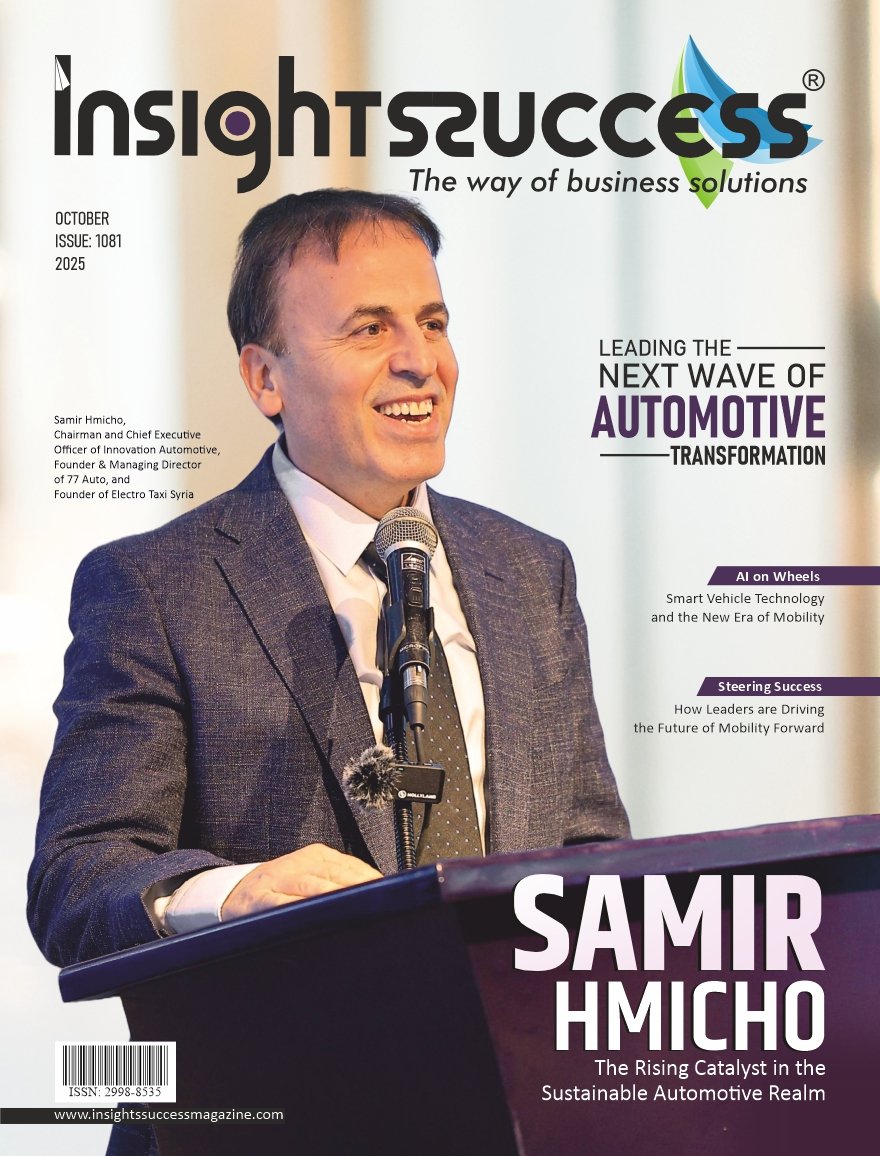
Leading the Next Wave of Automotive Transformation
Leading the Next Wave of Automotive Transformation In this edition, a visionary leader and innovator who is revolutionising mobility through electric, autonomous, and connected technologies is in the limelight, driving sustainability, intelligence, and efficiency to redefine the global automotive landscape of tomorrow. Quick highlights Quick reads

The 5 Most Trusted Enterprise AI Solution Providers, 2025
The 5 Most Trusted Enterprise AI Solution Providers, 2025 ASAPP is redefining enterprise customer service through AI-first innovation, combining accuracy, embedded safety, and operational oversight. Its GenerativeAgent platform delivers reliable automation at scale, supported by human-in-the-loop collaboration and rigorous governance. The result is trusted, compliant, high-impact customer experiences that modernize service operations while preserving confidence and control. Quick highlights Quick reads

Business Modernization: Revolutionize Operations with Enterprise AI Technology
Enterprise Artificial Intelligence has matured in a very short span from the experimental fringes to the strategic necessity of today’s organizations. Organizations operating in highly competitive sectors are increasingly leveraging AI to automate, discover real-time insights and imbue intelligence in all their operations. What hitherto was being done through man intensive manual control of long cycles by large operating organizations can now be achieved with much greater accuracy and sensitivity through AI based automation. This is not a matter of digitization but of re-engineering business value creation in the organization. Companies can now shatter traditional constraint of growth on the basis of labor, geography or conventional processes. Enterprise AI development is driven by the growing maturity of sophisticated analytics, natural language processing, smart automation and generative AI. They enable enterprises to predict outcomes, make assets more logical, tailor customer experiences and accelerate decision-making. Digital transformation does not only take place in digitally native organizations but also in industrially born businesses like manufacturing, supply chain, utilities, banking and public sector services. AI in Operations And. The power to transform unstructured and once-separated operation data into actionable intelligence is perhaps the most extreme disruption enabled by Enterprise AI. AI systems track vast amounts of enterprise-wide data to spot inefficiencies, forecast risk and suggest action for remediation. In manufacturing, predictive maintenance using AI cuts unplanned downtime and maximizes asset productivity. In supply chain and logistics management, AI-driven planning optimizes inventory balance and forecasting with lower operation overheads. The outcome is the move away from reactive problem-solving to proactive insight-driven operations. Enterprise AI also calls for reinvention of decision workflows. Decision-makers no longer need to wait for historic dashboards or weekly reporting cycles. Instead, AI software provides dynamic scenario planning to facilitate quicker and better decision-making. Automation raises the bar for efficiency by streamlining trivial stuff. This leaves the employees free for added value tasks like innovation, stakeholder management, and sophisticated exception handling. The use of AI to operations is thus technological advance and organisational cultural transformation that facilitates data driven thinking within the organisation. Scaling Productivity and Responsiveness Enterprise AI is less about doing things quicker and more about equipping workers with knowledge. AI copilots and assistants assist workers with information processing, diminished cognitive overload, and undertaking tasks with greater accuracy. Workers, who had to work on multiple systems before, now work AI systems that offer single-poise perspective of information along with decisional guidance. This results in more uniform results and less error, especially during high-stakes work where speed and accuracy must come together. Training cycles overlap also, as personnel use ease-of-use AI software that masks complexity. AI also makes organizational responsiveness better in adaptive operating models. Companies can quickly re-imagine business process, scale capacity where needed, and tailor interactions as a response to unstable market conditions. Rather than being tied in rigid structures, companies can be agile data-driven networks. Flexibility is then a capability and competitive drive in the shape of an adaptation to uncontrollable events like supply chain interruption, consumer trend or regulation alteration. Organizations that integrate AI early in the enterprise have an empirically supported head start benefit in speed of deployment and capability for innovation. AI-Led Value Creation Long-term digital economy success requires more than deploying technology. It involves a process of coordinating business results and possibilities with AI and end scalability. The ones who succeed apply AI on a strategic scale, starting with most operationally relevant use cases and with measurable ROI. They also create governance structures in position that facilitate the utilization of AI, secure data integrity, and compliance with regulations. All of this harmonization enables companies to scale from silo pilots to enterprise transformation. Operations in the future will be defined by the confluence of AI, cloud infrastructure, digital twins, edge computing and intelligent automation. As these technologies become increasingly interconnected, organizations will possess the ability to model business results before implementation, run sophisticated processes independently and provide hyper-personalized services at scale. Those organisations that make the transition now will be in a position not just to accelerate faster efficiency but to redefine the value they can create for customers. Enterprise AI is no longer a back-office enabling role. It has emerged as a strategic enabler of resilience and long-term competitiveness. Conclusion Business AI is transforming building blocks for contemporary organisations. It makes it possible for organisations to transition from manual and siloed, retrograde processes to joined-up, automated and intelligence-driven processes. As businesses keep on digitizing at scale, AI-powered solutions facilitate strategic enablers of business agility, resilience and business performance improvement in every function of the business. The companies embracing Enterprise AI not only improve operational efficiency but also open up new sources of value creation with innovation and better decision-making. Its long-term potential is much greater than infinitesimal incremental cost savings or productivity increase in the labor force. It is a shift in paradigm in how companies compete and develop in an information age. With scalable architecture investments, ethical AI platforms, and a continuous improvement culture, next-generation world-class companies can craft an operating model that can respond in real-time to the marketplace’s needs. Read More: How Leaders are Driving the Future of Mobility Forward

ASAPP: Redefining Enterprise Customer Service with AI-First Innovation, Accuracy, Safety, and Impact
Change rarely feels comfortable, especially when it redefines how businesses serve their customers. For decades, enterprises have relied on large contact center teams, training them tirelessly to deliver consistency, empathy, and efficiency. But today, a new shift is underway: customer interactions are moving from human agents to AI-native agents powered by generative models. This isn’t just a technological upgrade. It’s a workforce transformation, a cultural shift, and a trust challenge rolled into one. Businesses today largely face a question: Can AI really handle millions of sensitive, high-stakes interactions without losing the reliability and empathy customers expect? ASAPP answers that question with confidence. Built for the realities of enterprise service—not consumer experiments—it has spent more than a decade engineering AI that enterprises can depend on. Under the leadership of its CEO, Priya Vijayarajendran, ASAPP combines relentless innovation with uncompromising safeguards, enabling organizations to adopt generative AI without sacrificing quality, compliance, or trust. Its research focuses on the toughest enterprise challenges: scaling generative AI safely, ensuring reliability across millions of interactions, and embedding human collaboration where it matters. ASAPP guides clients through this transition with proven best practices and hands-on training, ensuring teams can continue applying these skills long after deployment. Its R&D team has spent over a decade advancing enterprise-grade AI—not consumer experiments—supported by a deliberate patent strategy that protects originality while safeguarding customer outcomes. ASAPP differentiates itself by managing innovation with discipline. Breakthroughs are delivered rapidly, yet every advancement is rigorously validated for enterprise scale, performance, and compliance before reaching customers. This ensures speed never comes at the expense of reliability, which is a critical aspect for enterprise trust. She expresses, “Our patents signal more than legal protection: they demonstrate originality, defensibility, and future-proofing.” In a crowded market of off-the-shelf solutions, ASAPP stands apart as a trusted provider of differentiated, enterprise-tested AI that empowers organizations to innovate confidently while maintaining safety, accuracy, and measurable business impact. She shares, “Our approach is grounded in over ten years of experience deploying, optimizing, and scaling generative AI in enterprise contact centers, giving us deep expertise in operational workflows. We also prepare clients for emerging AI-driven roles. Supervisors gain full visibility into GenerativeAgent performance, investigating high-impact anomalies, filtering conversations in real time, and monitoring aggregate reporting to identify and prioritize improvements.” In this process, the program can make lightweight optimizations—updating knowledge bases, task instructions, or personas—safely after testing. Supervisors collaborate with CX developers using low-code tooling to configure logic, simulate scenarios, and validate changes. Policy analysts review transcripts, listen to recordings, and surface issues for supervisors to address. The outcome? Enterprises transition confidently to AI-native operations, with people and AI working seamlessly together to deliver quality, compliance, and trust—while unlocking faster resolution and improved customer experiences. Reliable AI Operations Through Human-AI Collaboration ASAPP’s GenerativeAgent® is built for the realities of enterprise customer service, where context shifts quickly, accuracy is critical, and every industry has unique rules. It is built to improve continuously while keeping clients in full control. Its optimization loop provides visibility, governance, and actionable insights post-deployment. It combines robust observability and low-code development tools that empower clients to expand, manage, and optimize AI performance for sustained value. Unlike off-the-shelf LLMs, GenerativeAgent uses model orchestration to select the best model for each task, always grounded in a company’s business data, workflows, and safeguards from day one. The company ensures context through its three layers: Domain intelligence encodes industry rules, compliance needs, and brand tone. Deep integration connects to knowledge bases, prior interactions, and real-time systems for precise, personalized responses. Safeguards at scale validate answers for accuracy, compliance, and brand standards before reaching the customer. When extra support is required, GenerativeAgent never raises concerns to the customer; however, the company engages its Human-in-the-Loop Agent (HILA™). Working behind the scenes, HILA has full conversation context and can provide approvals or answers instantly, while GenerativeAgent maintains the flow to final resolution. GenerativeAgent also learns continuously from escalations, sentiment and outcomes. Its multi-model architecture separates intent, retrieval, generation, and supervision, preserving context end-to-end, even in niche, high-stakes scenarios. “The result: fewer escalations, quick resolution, and higher satisfaction. Enterprises can trust GenerativeAgent to autonomously handle complex issues with safety, precision, and reliability,” reveals Priya Vijayarajendran. GenerativeAgent monitors 100% of interactions—voice and chat—and flags potential issues based on configurable thresholds. Real-time alerts notify supervisors or quality analysts, who can immediately review the full conversation context. Dashboards highlight flagged conversations by business impact, helping teams focus where it matters most. Changes—from knowledge base updates to task refinements or policy adjustments—can be implemented in natural language, simulated, and tested against historical interactions to prevent regressions. More complex changes move to development teams, using the same testing framework before supervisors approve deployment. “We partner closely with leadership to embed these practices, building internal expertise and ensuring consistent oversight. By combining automation, human judgment, and continuous feedback, ASAPP ensures GenerativeAgent not only performs but evolves responsibly, delivering better outcomes over time while maintaining enterprise confidence,” she describes. From Risk Assessment to Responsible Deployment ASAPP performs enterprise-grade risk assessments across all stages of deployment, adhering to strict frameworks for data privacy, compliance, and model governance. Every interaction is logged and monitored, giving clients full visibility and traceability. In addition, it regularly navigates each client’s InfoSec process, ensuring that GenerativeAgent meets internal security standards before deployment. Its optimization loop balances efficiency with oversight. Configurable thresholds flag conversations that could affect compliance or customer experience, ensuring issues are reviewed promptly. Updates to knowledge bases, task instructions, or policies are tested against historical interactions to prevent regressions. Leadership is deeply engaged, embedding governance practices that ensure transparency, accountability, and consistent oversight. By pairing automation with human supervision and robust safeguards, ASAPP allows enterprises to scale AI efficiently without ever compromising the trust, reliability, or compliance that underpin their customer relationships. Built-In Safety Through Multi-Layered Defenses ASAPP has also developed the Human-in-the-Loop Agent (HILA™) not as a fallback, but as a way for humans and AI to collaborate seamlessly. HILA allows humans to step in without a
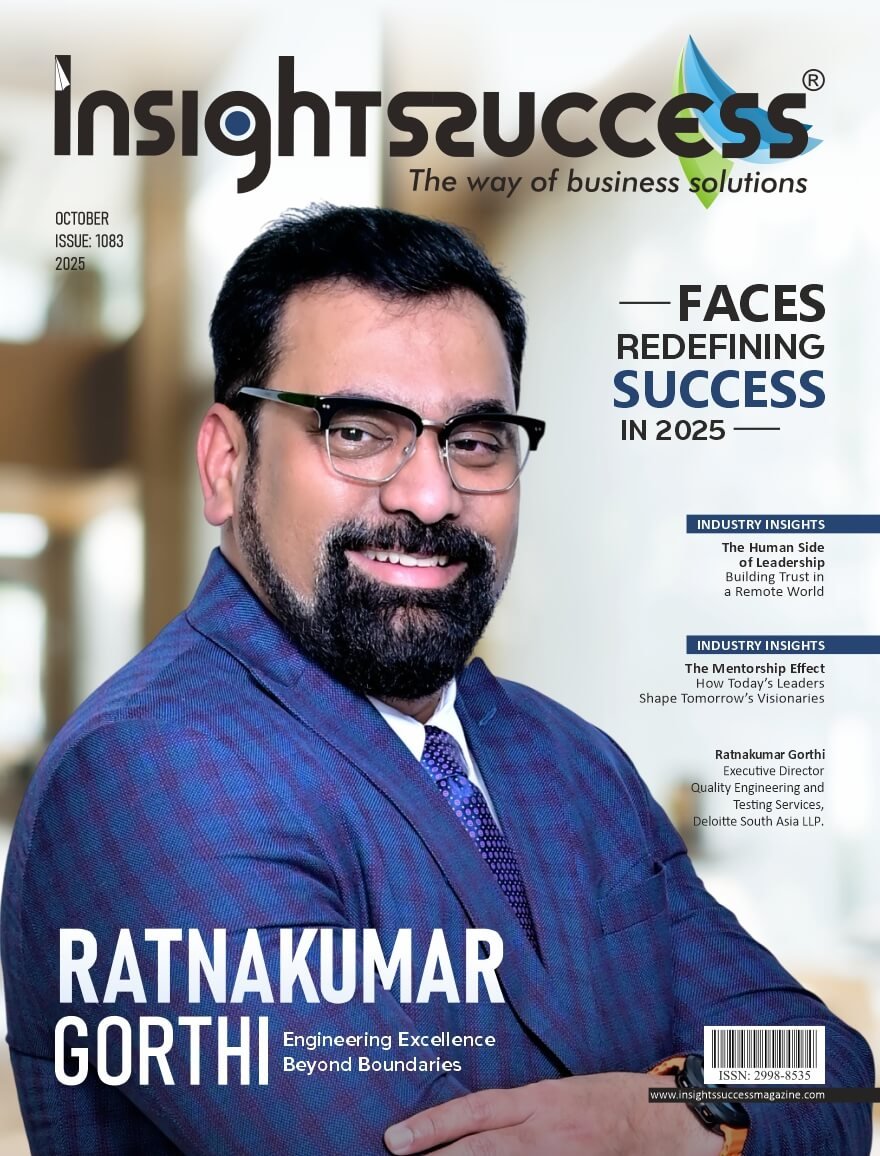
Faces Redefining Success in 2025
Faces Redefining Success in 2025 This edition celebrates trailblazers who challenge conventions, break boundaries, and turn vision into lasting impact. Their journeys prove that success today is no longer measured only in titles or profits—but in transformation, influence, and the legacy they leave behind. Quick highlights Quick reads