






SeaO2: Transforming Ocean Chemistry into a Global CO₂ Solution
As the world races against time to meet net-zero goals by 2050, the need for effective carbon removal technologies has never been more critical. SeaO2 is emerging as a pioneering force in this urgent mission, leveraging electrochemistry to offer an innovative and scalable solution to CO₂ removal. Rather than relying on traditional methods, the company is tapping into the natural power of the ocean to capture carbon at a massive scale—transforming one of Earth’s most abundant resources into a key ally in combating climate change. As the driving force behind this transformative project stands Phebe van Langevelde who currently serves as R&D Engineer at SeaO2. As an academic research-trained company, SeaO2 advances technology that extracts CO₂ from seawater by using only electricity and seawater while maintaining a sustainable and cost-efficient structure. Global climate goals align with this process, and it demonstrates potential scalability while maintaining practicality and environmental friendliness through carbon removal. Let’s dive into the interview to explore SeaO2’s groundbreaking approach to CO₂ capture and electrochemical innovation! Can you tell us about your company’s journey and how it became a leader in electrochemistry innovation? SeaO2 was founded in 2021 by Ruben Brands, Rose Sharifian and David Vermaas. Rose’s PhD work, supervised by David, focused on electrochemical Direct Ocean Capture (DOC) technology and laid the foundation for the start of SeaO2. Hence, SeaO2 is a spin-off from Delft University of Technology and Wetsus, the European centre of excellence for sustainable water technology. Rose and David later partnered with Ruben, who has a background in Business and Law, and together they founded SeaO2. Over the years SeaO2 has expanded to a team of 15 and has reached TRL 5, almost 6. Our technology has been demonstrated at a laboratory scale, and we are currently commissioning a container sized module, which is designed to remove 25 tons of CO2 annually. SeaO2 is a great example of the rapidly developing sector of electrochemical technologies. At the heart of SeaO2’s process is the electrochemical production of acid and base from seawater through a bipolar membrane electrodialysis setup. Unlike electrolysis processes used for the production of chemicals like hydrogen or CO2-based fuels, we use the electrochemically produced acid to shift the carbonate equilibrium in seawater, enabling the extraction of gaseous CO2. Once the CO2 is extracted, we return the decarbonised seawater to the ocean, where it will re-absorb CO2 from the atmosphere. We only use electricity and seawater, we don’t add any chemicals or heat in our process. What inspired the founding of your company, and what key challenges did you overcome to reach where you are today? SeaO2 was founded to develop a solution to tackle the urgent challenge of achieving Net Zero by 2050, a crucial step to limit global warming to 1.5 ºC. The IPCC predicts that, even if carbon emissions are drastically reduced, still a significant amount of CO2 of at least 10 gigatons per year will be emitted. To address this, carbon dioxide removal (CDR) technologies must be developed to capture emissions from hard-to-abate sectors. At SeaO2, we believe that the vast scale of the oceans offers the best solution to capture CO2 at a gigaton scale. Our oceans cover 71% of the earth’s surface, making them absorb a large portion of our CO2 emissions, around 33%. Moreover, the CO2 concentration in seawater is approximately 150x larger than in air, which is why we believe it’s more energy efficient to leverage the ocean’s natural carbon removal power to capture CO2 than from air. One of the key challenges that we have overcome at SeaO2 involves the scaling of our ocean-based CO₂ removal technology from lab to pilot while improving the energy efficiency and system stability in real-world conditions. The development of a robust MRV (Measurement, Reporting & Verification) framework to ensure transparency, accuracy, and credibility of carbon removal claims is a challenging process that is still ongoing. Furthermore, we have worked hard to secure our early market traction and investor confidence, despite operating in a novel and emerging carbon removal category. What groundbreaking technologies or products is your company developing that set it apart in the electrochemistry space? Our DOC process is revolutionary because it only uses electricity, generated from renewable sources, and seawater, without the use of any additional heat or chemicals. This makes our technology both cost-effective and scalable, setting us apart from other carbon capture technologies. Furthermore, few companies are currently working on electrochemical CDR technologies in general, which makes SeaO2 quite unique in the electrochemistry space. How does your company integrate sustainability and eco-friendly practices into its research and development? Sustainability is, of course, at the core of our technology, as CO2 capture directly contributes to combating climate change. Additionally, since we are using seawater, we are committed to ensuring our process has the lowest possible environmental impact. In this regard, our monitoring, reporting and verification (MRV) process is essential. Since DOC is a relatively new process, we are working on relevant research towards environmental impact in collaboration with renowned research institutes. How do you see the future of electrochemistry evolving, and what role does your company play in shaping that future? While various new, interesting electrochemistry technologies are developing, the key challenge is scale. For electrochemical technologies to make a meaningful impact on climate change, the scale of all processes should drastically increase, while not compromising on energy efficiency. Although electrochemistry companies are developing different technologies and approaches, this is a universal challenge within the field, also for SeaO2. What industries or sectors are benefiting the most from your innovations, and how are you making an impact? A significant way in which we are making an impact at SeaO2 and other sectors are benefitting from our innovation is the versatility of our business model. Firstly, we sell carbon credits to companies to offset their emissions. Second, we extract CO₂ from the ocean and sell it to companies that need (green) CO₂, like for the production of sustainable aviation fuels or green methanol, to achieve

Inaugural GITEX ASIA x Ai Everything Singapore converges global tech ecosystem to unlock SEA’s US$1 trillion digital economy potential
GITEX GLOBAL, the world’s largest tech and startup event is now in Singapore – Advancing bold global partnerships in Asia at Marina Bay Sands from April 23-25 Singapore – 14 April 2025: Southeast Asia’s (SEA) digital economy is thriving, rapidly growing year-on-year through accelerated digital adoption and government-backed investments. With the World Economic Forum’s US$1 trillion gross merchandise value (GMV) by 2030 projection becoming increasingly realistic, the inaugural GITEX ASIA x Ai Everything Singapore amplifies this potential, igniting a bold new era of regional digital progression. Organised by Dubai World Trade Centre (DWTC) and KAOUN International in affiliation with GITEX GLOBAL, the world’s largest tech show, the first-ever Asian edition takes place at Marina Bay Sands, Singapore, from April 23-25, 2025. As Asia’s largest inaugural tech, startup, and digital investments event, GITEX ASIA x Ai Everything Singapore rallies the international tech ecosystem, welcoming over 700 global tech enterprises and startups, with over 70% first-time exhibitors in Singapore, alongside 250-plus global investors from over 70 countries. Under the theme ‘Advancing Bold Partnerships in Asia’, stakeholders will explore collaborative opportunities, enter new markets, and access new capital – forging impactful alliances to co-create excellence and unlock vast SEA digital economy possibilities. Trixie LohMirmand, Executive Vice President of DWTC, CEO of KAOUN International and organiser of GITEX globally, said: “GITEX ASIA x Ai Everything Singapore shall not be just another tech event; it shall reign as a vital collective barometer of the evolving global digital and AI economies, forging valuable international relationships and impactful new partnerships. Harnessing the region’s culture of innovation and spirit of digital adventure, we shall catalyse collaboration, establishing new marketplaces and diverse opportunities alongside a global tech leaders.” Digital Economy Summit Featuring Asia’s Most International Speaker Line-Up GITEX ASIA x Ai Everything Singapore examines tech’s new frontiers across eight themes, and 180-plus hours of content. From AI, cybersecurity, cloud, connectivity, and quantum computing to healthcare, biotech, green tech, and smart cities, the GITEX ASIA Digital Economy Summit stages the most potent debates and thought-provoking perspectives surrounding global shifts and SEA’s evolving tech trajectory. 330-plus international expert speakers dive into the emerging AI complexities and use-cases, from AI-powered drug and GenAI era defence to 5G/6G telecom challenges, next-gen data centres, cyber resilience, fraud detection, and intelligent healthcare. Global Digital Nations & Tech Enterprises Enter SEA Ecosystem Rising digital nations showcasing their latest technological advancements, services, and solutions at GITEX ASIA x Ai Everything Singapore include the Netherlands, France, South Korea, Hong Kong, China, India, Pakistan, and the UAE, while Vietnam and Serbia – both debuting nations in Singapore – are supported by the Vietnam National Innovation Center (NIC) and Serbian Chamber of Commerce. Asia’s most empowering cross-sector tech showcase simultaneously includes international tech giants driving innovation across Asia and global territories, from Ericsson, Kaspersky, Nebius, Fortinet, ManageEngine, and Oracle to Alibaba Cloud, China Telecom, China Mobile, China Unicom, Nvidia, and Lenovo. Vu Quoc Huy, Director General, Vietnam NIC, said: “As Vietnam deepens its regional tech landscape presence, NIC is eager to engage at GITEX ASIA. This inaugural event will be a catalyst for innovation, bringing together ecosystem stakeholders, visionary enterprises, disruptive startups, and forward-thinking investors. We look forward to forging partnerships and driving the next wave of technological breakthroughs in Asia and beyond.” Pioneered in Partnership with Global Tech, Government & Business Leaders Supported by the Singapore Tourism Board, SGTech, and Action Community for Entrepreneurship (ACE), GITEX ASIA x Ai Everything Singapore is hosted in strategic partnership with international government entities, regulators and prominent digital agencies from SEA and wider Asia. Singapore’s JTC Corporation, UAE Cybersecurity Council, Dubai Department of Economy & Tourism (Dubai DET), Dubai Chamber of Digital Economy, India’s Mobile & Electronics Devices Export Promotion Council (MEDEPC), CyberSecurity Malaysia, Philippines’ Department of Information & Communications Technology (DICT) and Thailand’s National Cyber Security Agency (NCSA) are among the high-profile event partners. Zhihan Yeo, Senior Director, Chapters & Strategic Programmes, SGTech, added: “GITEX presents immense potential to connect diverse stakeholders from across the world to Singapore’s vibrant tech ecosystem. It’s an expansion that we believe will unlock new tech development opportunities and catalyse transformative digital growth regionally and beyond.” An Influential Launchpad for Startups Driving Impactful AI & Tech Breakthroughs Alongside the evolving competitive tech developments, GITEX ASIA x Ai Everything Singapore features North Star Asia, the region’s largest and most global startup, accelerator, and investor event, featuring over 400 Series A+ tech startups and early-stage companies from 20-plus industry sectors, from AI, Software-as-a-Service (SaaS) and cybersecurity to green tech and telecom. With Access Partnerships projecting AI could deliver US$ 835 billion in economic benefits to SEA businesses by 2030, several world-first AI innovations take centre-stage at the AI 100 programme powered by Nebius, featuring curated 100 award-winning AI startups from 30-plus countries. In another outstanding programme, Singapore 100, the top 100 most promising Singaporean ventures set for global success will showcase their breakthroughs, while the world’s fastest-rising startups face off in the Supernova Challenge pitch competition. Global investors with US$200bn in assets under management (AUM) also participate – including Cisco Investments (US), SGinnovate (Singapore), Lightrock (UK) and Rallycap (Tunisia). Convening the Global Cybersecurity & Defence Ecosystem in Singapore For the first time in the region, GITEX ASIA x Ai Everything Singapore also presents GITEX Cyber Valley Asia, a highly anticipated showcase and conference, gathering the world’s most influential cybersecurity companies, national security agencies, and over 200 global CISOs. With SEA’s cybersecurity market projected to cross US$ 7 billion by 2029 (Statista), this programme explores regional readiness amidst an increasingly complex threat landscape. Among the highlights is the Counter Ransomware Initiative (CRI) – Crystal Ball, gathering key private-public decision makers to discuss the strategies to mitigate the impact of growing ransomware threats on individuals, organisations and critical infrastructure. For more information, please visit gitexasia.com Pre-register for Media Accreditation: click here Digital Press Kit: click here Follow GITEX ASIA on social media: Facebook | Instagram | X | LinkedIn | Youtube Hashtag: #GITEXASIA #AIEVERYTHINGSINGAPORE About GITEX ASIA GITEX ASIA x Ai
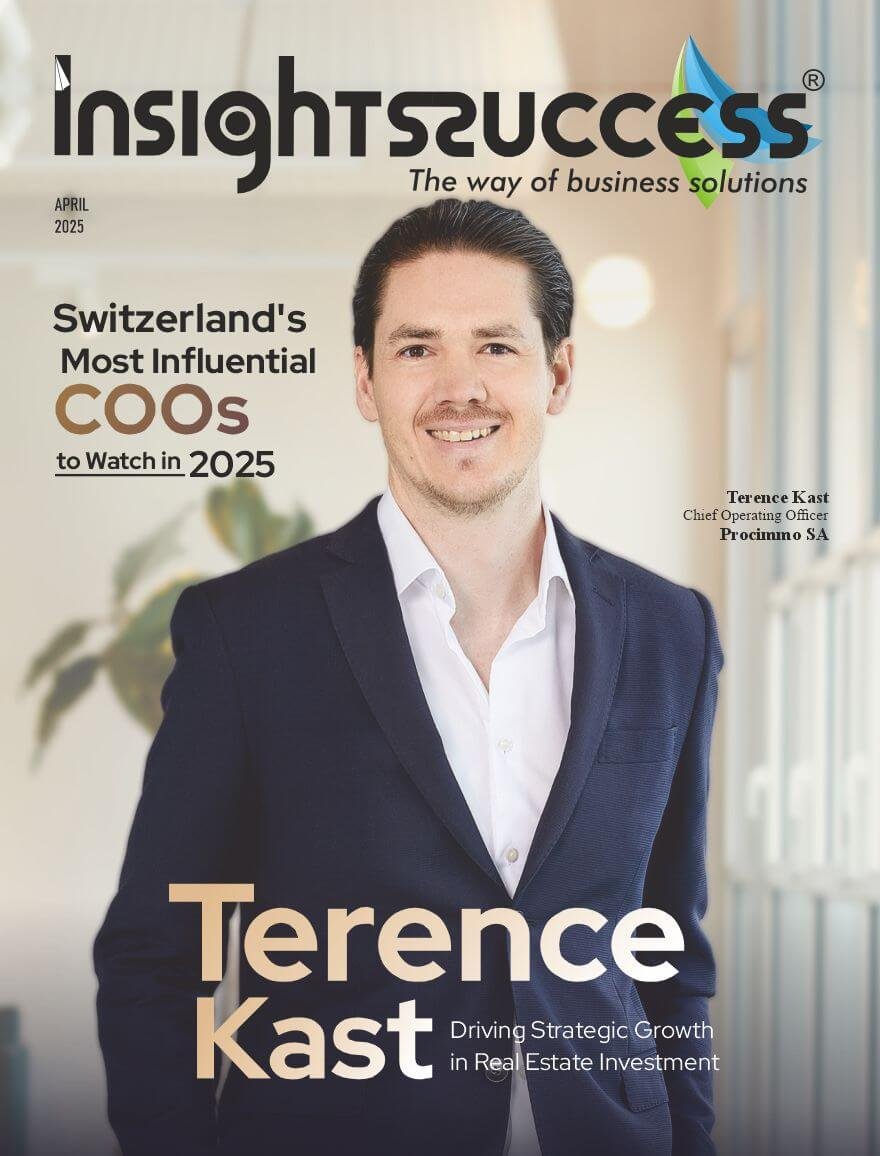

Terence Kast: Driving Strategic Growth in Real Estate Investment
From an early stage in his career, there was a constant search—not just for success, but for purpose. A deep-rooted fascination with investment strategies and long-term value creation led to years of exploration across legal, compliance, and asset management. Each step forward was not just about gaining expertise but also about refining a vision: to build something tangible, sustainable, and impactful. This journey naturally led Terence Kast to real estate investment, where strategy meets structure and innovation drives growth. As Chief Operating Officer of Procimmo SA, he channels his passion into optimizing investment strategies, enhancing operational efficiency, and delivering client-customized real estate solutions. His commitment to lifelong learning fuels his ability to navigate complex markets, ensuring that Procimmo remains a leader in commercial, industrial, and logistics properties. For Terence, excellence isn’t just about maximizing returns—it’s about balancing innovation with risk management and compliance, fostering a culture of collaboration, and creating long-term value for investors. His journey is one of purpose, commitment, and an unwavering drive to build something that lasts. From Sports to Real Estate Originally from Geneva, Terence’s background in competitive sports, particularly ice hockey, instilled in him key values of teamwork, resilience, and leadership. While pursuing his law degree and bar qualification, he developed a strong interest in financial markets and regulatory frameworks, which led him to work at the Swiss Financial Market Supervisory Authority (FINMA). His transition into real estate investment was a natural evolution, merging his legal expertise in investment funds with his passion for tangible, long-term value creation. Inspired by his father’s work as an architect, he developed an early appreciation for the real estate sector’s complexity and impact. Since joining Procimmo in 2014, he has played a pivotal role in the development of the company and the growth of the asset under management. About Procimmo SA Founded in 2007, Procimmo SA is a Swiss-based real estate asset management company specializing in the creation, management, and administration of real estate investment products. The firm focuses on commercial, industrial, and logistics properties, offering tailored investment solutions to meet diverse client needs. Headquartered in Renens, with offices in Zurich and Geneva, Procimmo SA employs over 60 professionals and is accredited by the Swiss Financial Market Supervisory Authority (FINMA). The company manages approximately CHF 4 billion in real estate assets across five investment funds and an investment foundation. Procimmo SA’s core competencies include asset management, construction and architecture, letting, and transactions. The firm is dedicated to generating value for investors by sustainably investing in, developing, and managing real estate properties. Since 2017, Procimmo SA has been part of Procimmo Group AG, a company listed on the BX Swiss exchange. Strategic Leadership in Real Estate Investment Terence’s strong interest for real estate investment stems from his diverse backgroundand his board experience across multiple real estate firms has further strengthened his ability to build long-term strategic relationships with investors, ensuring their unique needs are met. Over the past decade, Terence, alongside the Procimmo team, has played a pivotal role in managing the CHF 4 billion in Assets under Management (AuM). This extensive experience has given him profound insights into investment cycles, risk mitigation strategies, and portfolio structuring. His legal expertise in real estate law allows him to navigate complex regulatory frameworks, while his role as COO ensures that operational efficiency is seamlessly aligned with client-focused investment strategies. For Terence, excellence in real estate investment means delivering sustainable, risk-adjusted, and innovative solutions that maximize returns while maintaining compliance and long-term value creation. His strategic approach is built on four key pillars: Technology-Driven Decision-Making: Leveraging AI and data analytics, as explored in his CAS Digital Acceleration & AI program, to enhance investment strategies. Risk Mitigation Frameworks: Ensuring legal and regulatory alignment in every investment. Client-First Approach: Understanding investor profiles to develop tailored, high-impact solutions. Operational Excellence: Optimizing workflows to improve efficiency in fund and asset management. By combining legal expertise with forward-thinking investment strategies, Terence continues to shape Procimmo’s growth and innovation. Driving Complex Projects Innovation, and Investor Confidence Terence has a proven track record of leading complex, high-impact investment projects, as demonstrated by his successful management of the merger of two real estate funds, which led to the creation of “Procimmo Real Estate SICAV – Industrial”, the largest industrial real estate portfolio in Switzerland. However, this merger was only possible after a critical legal transformation: converting the contractual Procimmo Swiss Commercial Fund 2 into a sub-fund of Procimmo Real Estate SICAV. This structural shift ensured full compliance with Swiss collective investment regulations and laid the foundation for the successful merger. As COO and Head of Legal & Compliance, Terence personally steered the project from inception to completion, coordinating both internal teams and external partners—including law firms, tax advisors, and regulatory consultants. His leadership was pivotal in: Legal and tax structuring to optimize transaction feasibility and compliance. Regulatory negotiations with FINMA to secure approvals. Cross-functional alignment across finance, legal, asset management, and operations. Investor engagement, ensuring transparency, trust, and long-term commitment. Through a strategic, structured, and investor-centric approach, the project achieved key milestones: A seamless legal transition, ensuring full regulatory compliance. A successful fund merger, enhancing portfolio resilience and diversification. Strengthened investor confidence, securing long-term commitment. Elevated market positioning, reinforcing Procimmo as a leader in industrial real estate investments in Switzerland. Leadership Philosophy Terence views leadership as a service rather than a position, a mindset that defines his management style: Empowering teams by fostering autonomy with strategic direction. Transparent communication to align leadership, employees, and stakeholders. Adaptive problem-solving, staying ahead of industry shifts and regulatory changes. He believes that employees perform best when they see the direct impact of their work on the firm’s success. To cultivate this, he: Aligns roles with strategic goals to ensure purpose-driven work. Creates growth opportunities, including internal mobility and training programs. Recognizes and rewards contributions, fostering a culture of ownership. Encourages innovation and feedback, driving continuous improvement. Through his leadership, Terence ensures that Procimmo SA remains at the forefront of strategic, sustainable, and investor-focused real

Operational Excellence in the AI Era: Ethics, Efficiency, and Evolution
With companies charting a course in the fast-paced world of the AI age, operational excellence has become a key success driver. Artificial Intelligence (AI) is transforming industries with increased efficiency, process automation, and better decision-making. This shift comes with monolithic issues, mainly in ethics, transparency, and integrating AI in current processes. In an effort to remain competitive, firms will be required to embrace operational excellence during the era of AI and find a balance between striving for efficiency while also serving the purpose of maintaining ethical standards. The most straightforward and initial effect of AI on operational excellence is that it promotes efficiency. Through the automation of routine and repetitive tasks, AI allows the release of human capital to engage in more strategic work. For supply chain management, AI software is able to predict demand, provide optimal routes, and minimize wastage, thus creating a faster, cost-efficient, and responsive process. For customer support, chatbots and virtual assistants through AI operate continuously to identify problems as soon as they arise and act accordingly in order to enhance customer satisfaction. Machine learning (ML), one of the foundation block elements of AI, enables businesses to analyze oceans of data in real-time and look for trends and patterns that would never be discovered otherwise by humans. Data-driven decision-making offers improved decision-making, predictability, and an even more responsive business model. Businesses that utilize AI for monitoring and automating processes will anticipate heightened productivity, fewer operating costs, and faster, but smarter, decisions. Balancing Efficiency with Ethical Issues While AI offers significant promise in terms of improved efficiency, it also raises some very severe ethical issues that need to be addressed in the quest for operational excellence. The most significant of these is certainly bias in AI algorithms. Machine learning models are as good as the data upon which they are trained, and if the data is bad or biased, then it can lead to biased results. That can translate into discriminatory employee hiring, lending, and customer service practices, among others. Organizations must ensure their AI tools are transparent, accountable, and aligned to facilitating fairness. Moreover, AI can automate and, in the process, displace the workforce and with consequences regarding the ethics of substituting human labor with machinery. Businesses are forced to consider the advantages of automation against the need to ensure their employees are taken care of. This could include upskilling and reskilling them to equip them for new work opportunities brought by AI and automation. Such businesses using AI in an ethical manner not only foster trust between their customers and employees but also help in creating a more sustainable, equitable future. Creating Operational Excellence to AI Integration AI deployment in current business processes should be strategized and planned accordingly. To ensure complete operational excellence in the AI age, companies need to shift their processes, tools, and talent in order to take advantage of the potential of AI. It requires investment in appropriate technology, building a culture of continuous learning, and integrating AI activities with the overall company strategic objectives. First, businesses need to examine what they are doing and where the application of AI will be most beneficial. For instance, AI predictive maintenance can be cost-saving for manufacturing by being able to provide impending equipment failure before it occurs. Inventory management with AI can keep the inventory level stable without keeping too much in reserve for the retail company. Through harnessing AI in these areas, businesses can enhance efficiency dramatically without having to go broke. However, integrating with AI means a change of attitudes within the firm. Staff should be instructed on how to coexist with AI tools, applying them as mediators of their judgmental skill and not alternatives. It can mean reassigning tasks and designing a human-AI symbiotic environment. With how rapidly the area of AI is evolving, the ability it will have to handle and deal with the systems will become all the more significant, and companies need to do their part in preparing their employees for the future. Measuring Operational Excellence in the AI Era As business operations get reshaped by AI, companies must develop new measures of operational greatness. Traditional KPIs such as cost savings, customer satisfaction, and productivity continue to apply but are superseded by new aspects that must be tracked by AI. For instance, companies must track the accuracy of AI-driven forecasts, the speed of automated workflows, and the overall impact of AI on decision-making. Furthermore, corporations must gauge the ethical performance of their AI systems by monitoring fairness, transparency, and data privacy metrics. There also must be routine audits of AI algorithms and applications in a bid to keep ethical levels as well as regulatory compliance. This not only prevents issues that may arise but makes the company adhere to the ethics of customers as well as employees. Conclusion: The Path to Sustainable Operational Excellence in the Age of AI As industries are reshaped by AI, firms have to juggle the need for efficiency with adherence to ethical standards. Operational excellence in the age of AI calls for business organizations to leverage the might of AI without sacrificing the ethical aspects of embracing it. By establishing a culture of continuous improvement, investing in the appropriate technology, and acting responsibly, fairly, and transparently, companies actually benefit from AI without sacrificing sustainability and long-term success. Integrating operational excellence into a continuous transformation that grows better with time will require thoughtful leadership, ethics, and sensitivity to the opportunities and threats of AI. Read Also : Driving Operational Excellence| Strategies for Sustainable Business Growth

Driving Operational Excellence: Strategies for Sustainable Business Growth
Operational excellence is the key to long-term growth for businesses in today’s competitive market. It involves continually refining operations, enhancing efficiency, and making every function in the company align with its strategic intent. Operational excellence is no longer an indulgence for businesses that wish to maintain success; it’s a requirement. Managers who are able to achieve operational excellence make their firms weather tight economic conditions. The Basis for Operational Excellence Operational excellence, in its simplest definition, is simply about enabling customers to appreciate it by delivering effective processes and the utilization of resources. Operational excellence businesses prefer to have simple processes, eliminate waste, and employ employees with the right skills and equipment to do the job efficiently. But operational excellence’s real importance is that it has the potential to bring a continuous improvement culture. Such leaders inspire their staff always to seek improved methods of performing tasks smarter, quicker, and more cheaply. Aligning operations to the firm’s overall strategy is one of the pillars of operational excellence. It entails leadership in communicating and being dedicated to measuring performance consistently against set goals. When the operational functions are aligned to strategic goals, the entire firm becomes focused on one goal, and maximum productivity and efficiency. Utilizing Technology for Operational Efficiency One of the best tools that can be used to instill operational excellence is technology. In an era of empowered information in the digital age, the right use of technologies has the potential to significantly improve productivity, reduce errors, and improve the degree of openness. Automation technologies, for example, can perform repetitive tasks, freeing human capital to focus on higher value-added work. Similarly, enterprise resource planning (ERP) software facilitates companies to merge a variety of functions like finance, human resources, and supply chain in such a way that there is a constant flow of information within the firm. Data analytics is yet another operational excellence disruptor. By capturing and analyzing data across the business, organizations can spot bottlenecks, predict trends, and make better-informed decisions in the moment. To cite just one example, predictive maintenance can allow companies to predict equipment breakdown in advance and save time and repair expenses. With the might of good data insights, companies can make better decisions that reap better outcomes across the board. Building a Culture of Ongoing Improvement Operational excellence is not accomplished once but continuously. One of the best methods of building continuous improvement is one of the most valuable means of creating a culture that promotes learning and feedback. Leadership is one of the secrets to it and involves developing open communication, setting performance expectations, and rewarding innovation. One of the effective methods is imposing Lean or Six Sigma processes. Lean is established on process reduction and elimination of waste, and Six Sigma focuses on process variation reduction and optimizing quality. When corporations adopt these processes, they create a culture of continuous measurement and adjustment. Any worker level is encouraged to offer suggestions, and the whole corporation is privy to a setting in which productivity and quality must be the ultimate priority. The Role of Leadership in Creating Excellence Operational excellence must be seeded into an organization by quality leadership. Along with issuing the vision and objective of operational excellence, the leader must inspire and energize his folks for their achievement. Strategic thinking, honest communication, and strong commitment towards corporate values must accompany this. The executives will need to make sure that processes at the company are flexible enough that they can bend to changing conditions. Being able to change direction fast and effectively is essential in today’s fast-paced business environment. Operational excellence is not automatic—operational excellence is constantly evolving and changing to meet new challenges and opportunities. Monitoring and Measuring Performance Maybe one of the most powerful things about operational excellence is that it should have the potential for being able to objectively and consistently measure performance. There needs to be established KPIs on every function within the business, from customer support all the way up to supply chain management. By monitoring these KPIs regularly, executives gain snapshot perspective as to where things start to go wrong and can correct course before things become disaster cases. Along with the key KPIs, businesses will also have to monitor those that relate to customer satisfaction and sustainable long-term performance. Customer feedback, retention rate, and lifetime value are reasonable indicators of sound working processes. Businesses that offer performance or exceeding customer expectations every time will be best positioned to establish trust and attain repeat business, which are the biggest solitary drivers of sustainable growth. Conclusion: Creating a Legacy of Operational Excellence Simply put, operational excellence is what compels any organization to achieve long-term growth. It entails an overall strategy that integrates technology, leadership, constant improvement, and employee empowerment. Through the practice of operational excellence, organizations will improve efficiency, customer satisfaction, and innovation culture that will propel them towards future success. Managers who prioritize operational excellence create a platform for long-term growth that will propel their organization towards future success. Read Also : Bridging the Gap: The Future of Education in Developing Countries


The Evolution of a Lifelong Academic Journey: Richard Larson on Research, Innovation, and Education
Richard Larson’s journey into academia was far from conventional. A distinguished Professor at the Massachusetts Institute of Technology (MIT), his career spans decades of groundbreaking research and interdisciplinary exploration. His contributions to Operations Research (OR) and its practical applications have shaped urban planning, policing, and logistical operations across multiple domains. From his unexpected entry into academia to his pioneering work in model thinking, Larson’s career embodies a relentless pursuit of knowledge and real-world impact. Over the years, Larson has witnessed and influenced transformative shifts in education, technology, and research methodologies. As a mentor, educator, and researcher, he has consistently championed interdisciplinary collaboration and the necessity of applying theoretical models to practical situations. In this conversation, he reflects on his career, the evolution of academia, and the future of education and artificial intelligence. What Inspired the Academic Path? Larson’s journey into academia was unplanned. “As a student at MIT, I initially pursued Electrical Engineering before transitioning to graduate studies in the Operations Research Center. An unexpected personal experience profoundly influenced my academic trajectory—I became indirectly involved in a crime, as professional thieves executed a large-scale theft.” His curiosity about crime and policing led him to independently study criminology, eventually catching the attention of his advisor, Professor Alvin W. Drake. Professor Drake’s encouragement allowed Larson to integrate his newfound interest into his academic work, marking a turning point in his career. His PhD thesis, focused on Operations Research modeling of urban police departments, was the first of its kind. Upon completion, Professor Drake extended an unexpected offer: a faculty position at MIT. What was initially intended as a short-term role turned into a lifelong academic career, spanning over five decades at the institution. Driving Curiosity and Research Focus “Operations Research, by nature, is an interdisciplinary field, making it a perfect fit for my intellectual curiosity. I have always resisted being confined to a single academic silo, preferring instead to explore diverse real-world applications.” He likens OR to applied physics, focusing on practical problems such as traffic flow, package distribution, and urban planning. His research trajectory has often been dictated by his immediate interests, ranging from urban policing in his early years to complex probabilistic models in later research. Collaborating with graduate students, Larson has tackled an array of challenges across various disciplines. His toolkit—probabilistic modeling and applied probability—has enabled him to approach real-world uncertainties with precision. He has also enjoyed teaching courses at MIT that emphasize these methodologies, further embedding their importance in modern research. Transformations in Research and Methodology Larson has witnessed significant transformations in research methodologies, particularly with the advent of artificial intelligence (AI) and computational advancements. However, he remains an advocate for fundamental research principles: fieldwork and firsthand observation. He emphasizes the importance of ‘Boots on the Ground’ research, arguing that computer simulations alone cannot replace real-world data collection and experiential learning. He expresses concern that modern researchers often rely too heavily on computational models without immersing themselves in the environments they study. Without direct engagement, he warns, models risk becoming detached from practical realities, diminishing their effectiveness in solving real-world problems. Bridging Academia and Practical Applications Larson passionately believes that academia should play an initiative-taking role in driving practical innovation. “As an applied OR researcher, I see no distinction between academic findings and real-world applications. For research to be impactful, it must be grounded in observational learning and practical testing.” He encourages scholars to step out of their offices, study the systems they aim to model, and develop solutions that address tangible challenges. The Future of Education and AI Larson acknowledges the transformative potential of AI, data analytics, and digital learning platforms. “The Internet has democratized education, enabling learners worldwide to access the same content as those in privileged institutions. I have personally leveraged this capability through MIT BLOSSOMS, an initiative aimed at enhancing global education accessibility.” However, he also voices concerns about AI’s unintended consequences. He fears that some individuals may withdraw from active learning, feeling unable to compete with AI-generated insights. Additionally, AI’s role in performing students’ assignments and professionals’ critical thinking tasks raises ethical and intellectual concerns. While AI presents immense opportunities, it also poses risks that must be navigated carefully. Mentorship and the Role of Educators As a professor, Larson has mentored countless students, emphasizing the importance of honesty, encouragement, and resilience. He believes that outstanding educators must provide unwavering support while holding students accountable for their growth. “Reflecting on my own experience as a Teaching Assistant, I recall how my advisor’s constructive feedback shaped my academic path. This philosophy has guided my approach to mentoring, ensuring that students learn from their mistakes and continue striving for excellence.” The Value of Interdisciplinary Collaboration Interdisciplinary collaboration has been a defining feature of Larson’s career. As an Operations Research specialist, he naturally bridges multiple disciplines, collaborating with experts from traditional academic silos. While these collaborations have been successful, he acknowledges the challenges posed by rigid departmental structures. The incentive and reward systems of traditional academia can sometimes hinder interdisciplinary work. Overcoming these barriers requires initiative-taking effort and institutional support. Challenges in Academia and Research Funding Larson recognizes the growing pressures faced by researchers today, from funding constraints to publication demands and institutional policies. He credits MIT’s openness to diverse perspectives as a key factor in his successful career. He encourages other institutions to adopt similar practices, fostering an environment where faculty members can explore, take risks, and push the boundaries of knowledge. Lessons from a Distinguished Career Reflecting on his journey, Larson highlights three key lessons: staying true to oneself, taking risks, and prioritizing relationships with students. “One of my most rewarding projects was co-developing MIT’s ‘Urban Operations Research’ course with my colleague, Professor Amedeo Odoni. This course, which later evolved into ‘Logistical and Transportation Planning Studies,’ laid the foundation for our co-authored textbook, Urban Operations Research.” The book remains widely cited, demonstrating its lasting impact on the field. Looking Ahead: Spreading the Word on Model Thinking Although retired from his official MIT role, Larson

Bridging the Gap: The Future of Education in Developing Countries
Education is a powerful engine for economic growth, social change, and personal empowerment—particularly for developing countries whose huge youth populations and fast-changing economies hold danger and promise. As the world is reshaped by technology and the demands of labor change, the education of these countries must change with it. The future of education in developing economies is driven by digital transformation, education innovation, inclusive policy, and global partnership. This article highlights the key trends propelling this change, the key challenges to be addressed, and the solutions needed to build robust and equitable education systems for the future. Digital Transformation: One of the highly anticipated trends for education in the developing world is digital transformation. As mobile technology has expanded and the penetration of the internet has been on the rise, learning platforms became accessible even to remote communities. Innovations like mobile classroom, ed-apps, and online tutoring programs are expanding opportunities for students to learn beyond the physical classroom. But the digital divide is an issue of utmost importance. Broadband internet remains an elitist requirement for the majority of rural and disadvantaged communities. They possess no digital skills or ICT infrastructure. Unless drastic investments and efforts are made, there are high chances that e-education will increase the disparities rather than bridge the gaps. Governments and stakeholders should therefore make it their utmost priority to develop strong ICT infrastructure and train teachers in a bid to adopt technology in entirety in teaching. Innovative Teaching Models and Lifelong Learning: Learning in the developing world is also being influenced by emerging models of teaching that go beyond the memorization model and standardized testing. Competency-based education, project-based learning, and blended learning models are gaining traction. These models promote critical thinking, collaboration, and problem-solving in the real world—skills necessary for success in the 21st-century economy. Apart from that, lifelong learning is being talked about increasingly. With shifting economies and conventional jobs being displaced by automation and AI, upskilling is needed. Developing countries will need to construct adaptable and fair systems that enable adult learning, vocational training, and reskilling courses to address changing labor market needs. Policy and Governance: Robust policy and governance are the foundation that will propel education reforms. The majority of developing nations’ education reforms have been derailed by poor policy implementation, underfunding, and political instability. Governments must adopt data-driven decision-making, sufficient resource allocation, and transparency in accountability for nations to build education systems with resilience. Decentralization of educational administration allows communities to respond to education policy based on their own priorities. To improve the quality of education, schools and communities should be engaged in decision-making. Equity and Inclusion: Inclusive education is the key to realizing the fourth Sustainable Development Goal (SDG 4): ensuring inclusive and equitable quality education and promoting lifelong learning opportunities for all. All developing countries have structurally excluded marginalized groups like girls, children with disabilities, and ethnic minorities from attending school. Gender equality remains an enormous issue. Even with increased efforts, the enrollment of girls has increased in the last few decades, yet still, cultural practices like child marriage, and security issues in some parts of the world deny them their chance at education. Disabled children remain beyond the scope of the ordinary schools because they lack adequate materials and instructors. To cope with such challenges, inclusive policies must be backed by adequate funding, teacher training, and civic engagement. Aids in the form of funding for secure and accessible infrastructure, inclusive curricula, and social protection programs are needed for learning settings that are equal. International Cooperation and Investment: The future of learning in the developing world also relies on continued international cooperation and investment. International partnerships, such as UNESCO’s Global Education Coalition and the World Bank’s education program, provide technical support, finance, and knowledge-sharing platforms. Public-private partnerships (PPPs) have the potential to drive innovation and extend the scope of best practices in education. Private sources of funds can bring capital, technology, and management expertise, and government can offer the alignment of national education objectives and equity requirements. Support from donors must, however, be prioritized and distributed so that it allows for maximum long-term sustainability. Support for education should be increased at the local level to create conditions under which external assistance is converted into sustainable progress. Conclusion: Educational reform in developing countries is not just possible—it is a question of imperative necessity. With emerging technologies such as digital learning and new pedagogical paradigms redefining education delivery, the future involves sustained focus on equity, inclusivity, and flexibility. Governments need to play a leading role through robust policy and infrastructure investment, with teachers, local communities, and international partners working together to leave no one behind. By embracing an integrated and forward-looking strategy, the new economies can unlock their full potential in their societies and turn them not only into more educated societies, but also enable them to thrive in an increasingly globalizing world. Read Also: Balancing Automation with Human-Centered Management: Leadership Trends 2025
