






Unlock Success in 2025: Ace the OMVIC Certification Exam with Confidence, Knowledge, and Smarter Prep
If you’re planning a career in Ontario’s automotive sales industry, chances are you’ve already come across the term OMVIC. The Ontario Motor Vehicle Industry Council (OMVIC) is the regulatory body that oversees motor vehicle sales in Ontario, ensuring fairness, transparency, and consumer protection. Many aspiring professionals look for an OMVIC practice test as part of their preparation strategy. What Is OMVIC and Why Does It Matter? OMVIC (Ontario Motor Vehicle Industry Council) is the regulatory authority that administers the Motor Vehicle Dealers Act (MVDA) in Ontario. Its primary role is to ensure that dealerships, salespeople, and related industry professionals operate fairly and ethically. OMVIC’s Core Responsibilities: Licensing: Registering all motor vehicle dealers and salespeople in Ontario. Education: Providing mandatory certification and resources to ensure salespeople understand the laws and ethics of the industry. Consumer Protection: Enforcing compliance to protect customers from unfair practices. Enforcement: Investigating complaints, conducting inspections, and ensuring dealerships follow the rules. Simply put, OMVIC ensures the automotive marketplace in Ontario runs smoothly, fairly, and transparently. Why the OMVIC Certification Exam Is Essential The OMVIC Certification Exam is more than just a test—it’s a gatekeeper to a professional career in vehicle sales. By passing this exam, candidates demonstrate their knowledge of the rules, ethics, and responsibilities of automotive sales in Ontario. Key Benefits of Certification: Professional Legitimacy: Certification is required to legally work as a car salesperson. Industry Knowledge: Prepares you to handle real-life sales situations with integrity. Consumer Trust: Certified professionals are recognized as trustworthy and compliant. Career Opportunities: Opens doors to employment with registered dealerships. In short, passing the exam sets the foundation for a successful and credible career. The Role of an OMVIC Practice Test While this article does not provide sample practice questions, it’s worth discussing the role of a practice test in preparation. Why Practice Tests Help: Identify Weak Spots: Show you where you need more focus. Boost Confidence: Familiarize you with the exam format. Simulate Exam Pressure: Help you practice time management. Remember, practice tests are tools—not shortcuts. They should complement your study, not replace a thorough review of the ACC material. Smarter Study Strategies for the OMVIC Exam Here are practical, proven techniques to help you prepare: Create a Study Plan Set clear goals for each week leading up to the exam. Divide topics into chunks and assign specific days to review them. Use Real-Life Scenarios Instead of memorizing rules mechanically, think about how they apply to real sales interactions. For example: How would you handle a disclosure about a used car accident? Teach What You Learn Explaining topics to someone else is one of the best ways to cement your understanding. Stay Consistent Short daily study sessions (30–60 minutes) are more effective than cramming for hours at the last minute. Prioritize Rest and Wellness A tired brain retains less information. Ensure you get adequate sleep, hydration, and short breaks during study sessions. Many candidates search for an OMVIC practice test to boost their confidence before the real exam. To make things easier, I’ve created a video guide that walks you through key preparation tips and smarter study methods Life After Certification Passing the OMVIC Certification Exam is just the beginning of your professional journey. Once certified, you become a registered salesperson in Ontario. This comes with responsibilities and benefits. Responsibilities: Adhering to OMVIC’s Code of Ethics. Staying updated on new regulations. Representing your dealership with professionalism. Benefits: Ability to legally sell vehicles in Ontario. Increased trust from employers and customers. Potential for career advancement in the automotive industry. Building Long-Term Confidence in Your Career Certification is the first step, but success in the automotive sales field requires ongoing learning. Keep Learning: Attend workshops and stay updated on industry regulations. Practice Communication: Sales success depends heavily on communication skills. Build Relationships: Trust and transparency lead to repeat customers and referrals. The OMVIC exam prepares you for compliance, but your career growth depends on how you apply those principles daily. Final Thoughts The Ontario Motor Vehicle Industry Council (OMVIC) plays a vital role in keeping Ontario’s automotive sales industry fair and transparent. Passing the OMVIC Certification Exam is a necessary milestone for anyone entering the field. While many candidates rely on an OMVIC practice test, true success comes from a mix of confidence, knowledge, and smarter prep. By mastering the core concepts, practicing effectively, and maintaining the right mindset, you can pass the exam and start your career with confidence.

Microsoft Invests $30 Billion in UK AI Sector to Boost Economy and Innovation
Prime Highlights Microsoft announced a $30 billion investment in the UK’s AI sector, its largest outside the US, as part of the “Tech Prosperity Deal.” Prime Minister Keir Starmer said the deal will strengthen UK-US relations and create thousands of high-skilled jobs. Key Facts The plan includes building a new supercomputer in Essexand expanding data centres, alongside major investments from Google (£5B), Nvidia (£11B), and OpenAI. The UK government designated the North-East as a new AI growth zone, expected to create 5,000+ jobs and attract billions in private investments. Background Microsoft has announced a $30 billion investment in the UK’s AI sector, its biggest funding effort outside the United States. The investment is part of a £31 billion agreement called the “Tech Prosperity Deal,” signed during Donald Trump’s state visit to the UK. Along with Microsoft, other tech giants such as Google, Nvidia, and OpenAI also pledged large investments to help develop AI technology in the country. The investment will support the construction of a powerful new supercomputer in Essex and expand data centres across the UK. Satya Nadella, CEO of Microsoft, said the investment aims to boost the UK economy faster than expected, with AI’s impact possibly visible in five years instead of a decade. Google has committed £5 billion over the next two years for AI research and infrastructure projects. Nvidia declared up to £11 billion of investments in constructing the biggest AI infrastructure network in the UK. OpenAI also joined the effort, launching the Stargate UK project in collaboration with Nvidia, Arm, and Nscale, to help speed up scientific innovation and economic growth. In addition, the UK government announced the North-East as a new “AI growth zone.” The plan is expected to create more than 5,000 jobs and attract billions in private investments. This complements an earlier £10 billion investment in a data centre near Blyth, Northumberland. Prime Minister Sir Keir Starmer said the agreement was a significant move in enhancing the UK-US relations and producing more high-skilled jobs in Britain. Nevertheless, there is still an issue regarding the use of energy in the UK, reliance on foreign technology, and the chances of losing employment through automation. Despite these concerns, experts said the agreement demonstrates strong potential for AI to drive long-term economic growth in the UK. Read Also: Uber Eats and Pipe Partner to Offer Fast, AI-Powered Capital Access for Small Restaurants
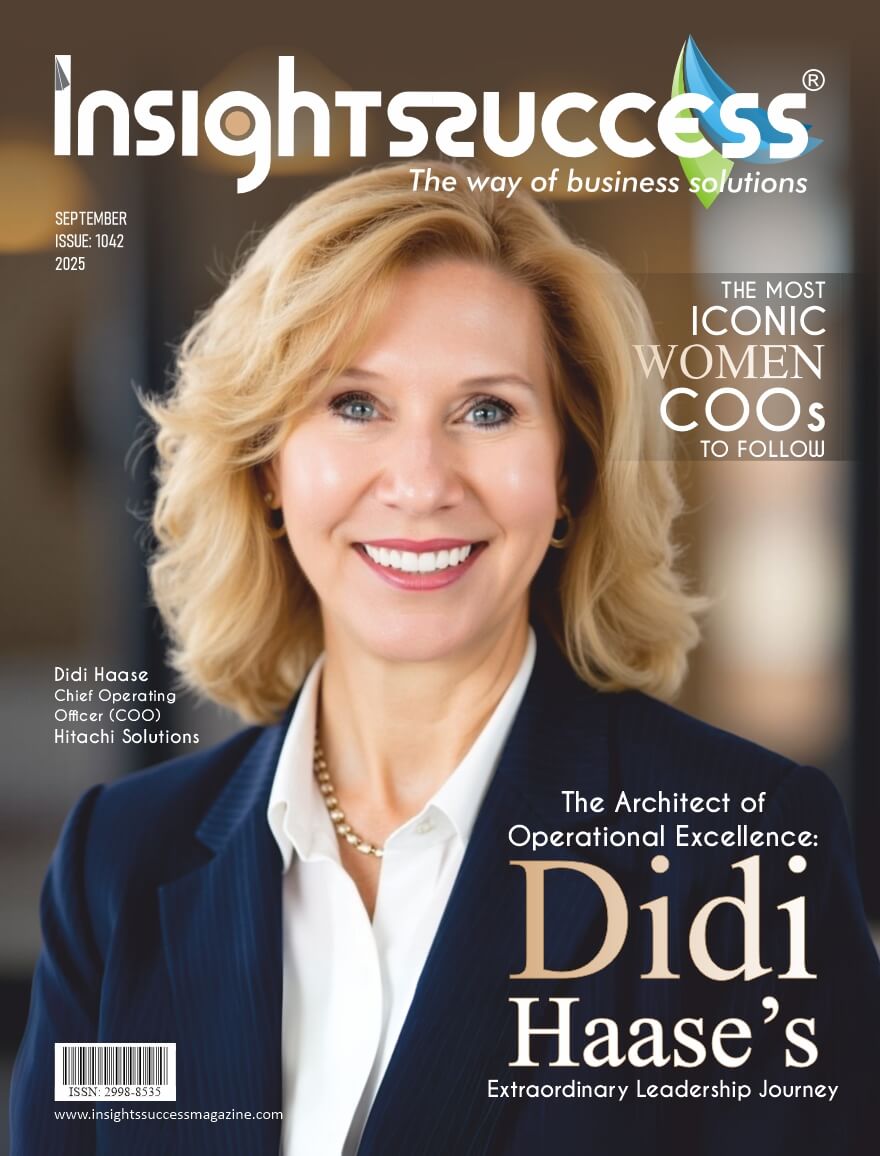
The Most Iconic Women COOs To Follow
The Most Iconic Women COOs To Follow This edition celebrates the trailblazing leaders whose influence goes far beyond optimizing processes and managing daily operations. They are driving innovation, championing diversity and inclusion, and fostering resilient organizational cultures in sectors ranging from tech and finance to healthcare and manufacturing. Quick highlights Quick reads

Sustainability, Diversity, and Digital Transformation
Business Leadership Modern business leadership is marked by its ability to solve several, interrelated challenges at once. Today’s business leaders are no longer measured by bottom-line performance alone; they must lead in sustainability, diversity, and digitalization. The three pillars are interlinked and overall symbolize organizational resilience, innovation, and long-term success. Organizations that integrate them in their strategy set themselves up for success in a world of increased change and high stakeholder expectations. Leading Sustainable Practices Sustainability is no longer a corporate responsibility but an essential strategic imperative. Firms are now being held accountable for their ecological footprint, resource utilization efficiency, and ability to add to society’s well-being. Sustainability leaders embed green behavior throughout the business, from supply chain management and product design to energy use and waste reduction. Sustainable leadership is not compliance; it is vision and long-term thinking. By adopting the values of the circular economy, investment in renewable energy, and the construction of green products, organizations reduce risk, improve reputation, and achieve operating efficiencies. Sustainable conduct also gains access to an increasingly broad universe of environmentally conscious consumers and investors demanding responsible corporate behavior, creating greater brand loyalty and competitive differentiation. Embracing Diversity and Inclusion Inclusion and diversity aren’t nice-to-haves for today’s vision-led organisations—they are drivers of innovation and delivery of performance needed. Inclusive leaders understand that having diversity of thinking, experience, and ability on a team equals more innovative solutions and are even more likely to compete in fast-changing global economies. Diversity programs are not just hiring, but building the organization’s culture where everyone is given voice, empowered, and valued. Inclusive leadership encourages equal career opportunity, mentoring, and exposure to decision-making. Not only does it enhance employee engagement, but organizational reputation and talent attraction as well from diversified talent pool. Inclusion-driven leaders understand that inclusion is not an event, but a process. They monitor progress routinely, eliminate barriers, and integrate inclusion into policy, communication, and performance measurement, and build a culture for innovation, resilience, and growth. Navigating Digital Transformation Digitalization is another characteristic business leadership trend. The executives will be compelled to utilize technology in an effort to create more rational operations, enhance customer experiences, and produce new revenues. Digitalization includes cloud computing, artificial intelligence, analytics, automation, and advanced digital platforms that transform the way businesses operate and compete. Successful digital leaders drive change from a strategic agenda. They bring technology and business strategy together in a way where investment is driving long-term goals. Digital adoption isn’t just the adoption of software but reengineering of organisational processes, gaining agility, and organisational culture development for innovation. Employees are enabled to embrace digital solutions, and the processes are transformed to deliver efficiency and value creation. Also, digitalization enables better-informed decision-making. Real-time analytics-enabled managers can anticipate market changes, automate supply chains, and build tailored customer experiences, gaining competitive advantage in fast-changing markets. The Convergence of Sustainability, Diversity, and Digital Leadership All these three pillars of sustainability, digitalisation, and diversity are connected. Digital solutions rely on technology out of necessity to make the most out of available resources and monitor their impact on the environment. Diversity fuels innovation, which is the engine of the development of solutions for global issues and ensuring digital strategy is a success. Digital technologies ensure transparency and accountability in reporting on sustainability and diversity policy. The leaders who realize these connections can formulate synoptic, long-term, and visionary plans. For example, digital platforms can make supply chains more transparent and facilitate sustainable sourcing and easier engagement of inclusive suppliers. Similarly, data insights can facilitate inclusive policy making and monitoring progress and the facilitation of a culture of accountability and continuous improvement. Conclusion Sustainability, diversity, and digital transformation are no longer stand-alone initiatives, but the DNA of how business now competes and operates. Leaders who integrate them into their own strategic narrative have firms that are responsive, innovative, and socially responsible. By leading for sustainability, living diversity, and driving digital transformation on purpose, leaders can position their organizations for sustainable performance as well as respond to evolving employee, customer, and society expectations. It is this dual play that is the new business model of the future—model that integrates performance with purpose, innovation with inclusion, and ambition with responsibility. Read More : How Successful Women Leaders Navigate Work, Leadership, and Life

How Successful Women Leaders Navigate Work, Leadership, and Life
Balancing Act In modern, fast-paced, dynamic business life, leadership is no longer quantified in measures of professional success or organizational contribution. For women leaders, however, being successful translates into a high-wire balancing act—grappling with demanding professional lives, inspiring others with vision, and juggling personal health and life responsibilities. This triple-threat plane of difficulty demands toughness, strategic savvy, and self-knowledge as well as the capacity to balance professional aspiration and personal satisfaction. The History of Women in Leadership Women have continued to break walls across sectors and become outstanding performers at driving change, setting strategy, and setting business culture. Despite all that has been accomplished, they still get to experience unusual challenges in balancing work and fulfilling personal and family obligations. Deep-seated stereotypes, cultural assumptions, and structural issues could be the causes of leadership pressures such that time management and prioritization are essential skills. Successful women leaders realize that the road to lasting impact is not harder but wiser. They direct their energy consciously, delegate, and build coalitions of supporters that allow them to stay focused on what matters most—both at work and in life. Prioritizing Purpose and Vision Clarity of purpose is one among the most significant distinguishing factors for women leaders who can perform well in a variety of different roles. They have a guiding vision, which directs decision-making, prioritization, and action. With setting securely on purpose, the leaders are able to gauge opportunity and challenge by a matrix balancing professional development and values. This. This type of thinking enables them to make strategic decisions without sacrificing long-term vision. It also creates authenticity, inspiring teams and peers and showing that leadership is not about power but contribution of value and alignment of core values. Time Management and Strategic Delegation The most valuable asset a leader possesses is likely to be time, and women leaders master strategic time management. They prioritize activities by their impact, set boundaries, and avoid the urge to micromanage. Delegation of responsibility to effective subordinates is key—delegation to empower others not only benefits the organization, but it also allows leaders to concentrate on strategic work as well as self-care. Technology has also remained a faithful companion to the juggling act, as well. Workflow improvement, collaboration, and calendar programs on the web assist leaders to supply standardization to procedure, observation of improvement in real time, and the feeling of being able to maintain complicated responsibilities. Resilience has to be cultivated to attain work-life balance. Women leaders who attain work-life balance emphasize self-care, psychological health, and physical health. They schedule time for activities that charge their energy levels, develop concentration, and realize sustainable performance. Resilience is also a product of attitude. Leaders foster flexibility, learn from mistakes, and leverage setbacks as lessons. They can thus deal with stressful situations in a composed manner, make good decisions even when not entirely sure, and become confident when interacting with others. Building Support Systems and Networks No one achieves alone. Successful female professionals who work at multiple levels usually form strong connections in and out of the workplace. Peer network, mentoring, and sponsorship relationships offer advice, directions, and prudence through which leaders may navigate well in effective organizational settings. Also significant are emotional support networks, such as family, peers, and community, that support emotionally and with physical needs. These networks provide room for women leaders to have high expectations yet feel they stay in balance and satisfied in their personal lives. Leading with Empathy and Influence Balancing work and individual needs, leadership will be inclined to appreciate participative decision-making and empathy. Emotional intelligence can be leveraged by women leaders to decode team dynamics, listen for needs, and build collaboration. By building trust and caring culture, not only do they lead team performance but also demonstrate that balance and well-being can be blended with high performance. This type of leadership promotes mutual communication, flexibility, and interdependence and thereby reduces the tension of work and promotes organizational resilience. Empathy leaders show that performance cannot be quantified in terms of output but in the quality of relationships, engagement, and organization culture. Conclusion Leadership, work mastery, and life is a difficult but viable accomplishment. Women leaders who succeed demonstrate that work greatness and personal satisfaction go hand in hand. By focusing on purpose, taking command of their time, building stamina, forming support systems, and leading with compassion, women leaders establish a leadership paradigm that succeeds and lasts. In a time of changing expectations and high-stakes requirements, women leaders demonstrate that balance is more about aligning vision, values, and wellness to an integrating way of life and leadership rather than juggling lots of things. By way of balance, they are more capable of leading with intention, inspiring others, and developing organizations that operate effectively and culturally flourish. Read More : The Architect of Operational Excellence: Didi Haase’s Extraordinary Leadership Journey

The Architect of Operational Excellence: Didi Haase’s Extraordinary Leadership Journey
The story of a leader who has gained her wisdom not through a formal avenue of systematic study, but by traversing the unknown, fueled by curiosity and determination to achieve operational excellence, is the essence of her extraordinary journey. The journey of curiosity proves that leadership is about learning, evolving, and trying to turn a challenge into an opportunity. In the hyper-competitive field of consulting and technology, leaders exist who, by definition, do not have the journey of linear clarity but one of transformational turns that clarify and strengthen focus and resolve. Didi Haase, Hitachi Solutions Chief Operating Officer, is one of them. Her path to becoming COO demonstrates how to embrace change and transform setbacks into valuable learning opportunities. Her tale is a strong witness to a philosophy that reaches beyond the mere career advancement, founded on a fundamental interest in the “inner mechanics of how organizations really work.” Early on in her career, in a rapidly expanding company with little support, she had to master everything on the fly. “We created our own spreadsheets to handle budgets, monitor performance, and make strategic choices,” she remembers. This informal, autodidactic crucible was far from a constraint but a grounding in leadership and operational effectiveness, setting off a lifelong passion to “figure out why things work the way they do, and how they could work better.” This process of self-discovery came to a turning point when she was passed over for a position for which she had her heart set. Rather than view it as a backward step, she thought of it as an opportunity. She departed to take on a wider role, an expansion that encompassed functions including HR, Finance, and Legal, and enabled the inclusion of critical organizational functions under her guidance. “The learning curve was again steep,” she says, but it was a lesson that helped solidify her understanding of business as an ecosystem A Leader Forged in Values Didi’s journey is a powerful demonstration of how a leader is defined not just by their titles, but by their core principles. She has always possessed the structured, efficient mindset of a true COO, instinctively reengineering processes whether in a business workflow or her own home. Her natural curiosity drives her to constantly ask ‘why,’ not to challenge authority, but to understand and improve. As she puts it, “I’m a connector, constantly spotting synergies across teams and disciplines, and reducing redundancy.” Her leadership is built on a foundation of integrity, empathy, and courage. Integrity ensures her actions align with her words, creating the trust that is the bedrock of any successful team. Empathy allows her to lead with understanding, valuing every voice. And courage, she believes, is what enables progress—the willingness to challenge the status quo and make bold decisions even in uncertainty. “These values guide how I show up every day,” she reflects, “how I build relationships, and how I lead teams through both opportunity and adversity.” The Moment of Transformation There was a defining moment when Didi realized she was ready for an executive role. Her initial reaction to being promoted was disbelief: “Me? Really?” She had always seen executives as “superhuman,” but once in the role, the realization was transformative. She quickly discovered she belonged, feeling just as capable as her peers. This newfound confidence allowed her to lean in, grow faster, and push herself further. Each promotion wasn’t about the title, but about the opportunity to see the business through a more strategic lens and to drive meaningful change. “I wanted to understand how organizations connect, how they evolve, and how continuous learning fuels transformation,” she says. The Art of Balance As COO, Didi has mastered the art of balancing strategic oversight with day-to-day execution. She believes that effective leadership requires operating at multiple altitudes, “zooming in for detail and execution, and zooming out for vision and direction.” Her goal is to empower her team to handle daily operations autonomously, freeing her up to focus on long-range planning and setting the “North Star”—a bold, unifying vision for the company. The bulk of her work, however, is in the “middle space,” where she translates strategy into action through incremental changes. It’s a constant calibration, knowing “which changes to make, when to make them, and how much the organization can realistically absorb.” Her leadership is an inspiring dance between vision and execution, all while keeping the destination and her people in sight. A Blueprint for Innovation: Navigating a Changing World Didi’s leadership at Hitachi Solutions is built on a culture that thrives on innovation, agility, and accountability in an era of unprecedented change. She believes that innovation requires clear direction. “A culture of innovation starts with intentional investment,” she states, emphasizing the need to help teams understand their value to the organization’s future. For her, creativity must be channeled into scalable and reusable solutions. This creates a challenging but crucial balance between agility and scalability, where processes are added to empower, not to stifle, speed. To ensure this, she regularly asks herself: “Did this process improve outcomes, or just add friction?” This approach is grounded in a strong culture of accountability. Didi believes in setting clear, measurable goals and trusting the data over anecdotes to guide decisions. “Without accountability, you can’t identify, define, and measure progress,” she says. This data-driven mindset ensures that agility is purposeful and that teams are aligned on priorities. Leading in the Age of AI Didi identifies the rapid evolution of AI as the defining challenge in the technology services industry. For her, the challenge is twofold: “First, we’re looking inward: How can we leverage AI to become faster, smarter, and more efficient in how we operate? Second, we’re looking outward: How do we lead our customers through their own AI journeys?” This dual focus requires a mindset of continuous learning, strategic foresight, and the ability to connect dots across disciplines. She views AI not just as a tool but as a catalyst that is reshaping the entire industry. “We’re not just

Carolyn M Rubin: Transformational Healthcare Executive, Author, Educator, Leadership & Revenue Cycle Expert
Carolyn M. Rubin is an accomplished healthcare executive, author, educator, and transformational leader with over 30 years of experience driving innovation, operational efficiency, and leadership development across healthcare and hospital systems. With deep expertise spanning professional training, information technology, business development, project management, revenue cycle optimization, and process improvement, Carolyn has established herself as a strategic thought leader committed to empowering healthcare organizations and professionals. Currently serving as Senior Vice President at Beacon Oral Specialists, Carolyn leads critical initiatives in revenue cycle optimization, payor contracting strategy, and transformational change management across newly acquired practices and facilities. Her role focuses on delivering measurable outcomes that enhance financial performance and operational effectiveness, while ensuring sustainable growth in a rapidly evolving healthcare landscape. Carolyn’s passion for mentorship and servant leadership is reflected in her extensive work as an educator, trainer, and speaker. She has served as an instructor for multiple academic and professional programs, including Alegent Health School of Medical Assisting, Iowa Western Community College, and the University of Nebraska Medical Center. Additionally, she has contributed to continuing education programs for The Coding Institute and served as a certified instructor in medical coding through the American Academy of Professional Coders. Her accomplishments extend beyond executive roles into authorship and thought leadership. Carolyn is an Amazon Best-Selling International Author and a respected contributor to publications such as Brainz Magazine, Passion Vista Magazine, and Ambitious Magazine. Her expertise is showcased in multiple bestselling books, including “Voices of Women Anthology” and the “You Can Overcome Anything!” series. She has also authored an Instructor Guide for Medical Billing published by Elsevier. Carolyn holds an impressive array of certifications and education credentials, including a Healthcare Mini-MBA from the University of Arizona, a Certificate in Healthcare Leadership from Duke Corporate Education, and certification as a Life Coach through Mindvalley/Evercoach. She is a certified Six-Phase Meditation Trainer, DISC Behavioral Analysis Consultant, and Maxwell Certified Corporate Facilitator. Her educational achievements are further highlighted by an Honorary Doctor of Advanced Studies in Health Science awarded in 2023. Her outstanding leadership and contributions have been widely recognized through numerous awards, including the Top Healthcare Executive of the Decade, Lifetime Achievement Award, Global Leadership Award, and Most Empowering Women Leadership Icon of the Year 2025. She has also been inducted into the IAOTP Hall of Fame and recognized among the Top 50 Fearless Leaders. As an influential voice in healthcare integrations, revenue cycle management, and leadership development, Carolyn Rubin continues to inspire, mentor, and transform the healthcare industry through innovative practices, empowering leadership, and unwavering dedication to excellence. Read More : The Architect of Operational Excellence: Didi Haase’s Extraordinary Leadership Journey

How to Edit Hotel Tour Clips CapCut Desktop using AI Image Generator
Hotel tour clips have become indispensable to the hospitality industry, helping to give potential guests a glimpse of what it would be like to be inside the accommodation, facilities and ambiences. As both a hotel marketer, travel influencer, or a property manager, making engaging tour videos is one way to attract booking and highlight special features. Nevertheless, creating visually beautiful content may require procuring best quality pictures or employing designers-which is time consuming and expensive. CapCut Desktop is a solution to this by enabling users to generate their own images, e.g. room layouts, amenity illustrations or a scenic background, in a fast and easy way with the help of AI. Combining the editing features of CapCut, such as transitions, text, and effects, this tool will allow creating professional tour videos. This article explores how hospitality industry players may use the AI image generator feature of CapCut to make captivating tour videos that attract visitors and boost brand name. Why Visual Learning Works Advantages of Visuals in Hotel Tour Clips Images are crucial to hotel tour videos, enabling the viewer to imagine their experience by being shown in-depth images of rooms, facilities, and the environment. Good pictures of the floor plan or stylized amenity graphics are of high quality and will create excitement and trust, which will impact booking decisions. The use of visuals in the hospitality industry can boost the engagement rates by 70 percent, since luxury, comfort, or adventure are better expressed through visuals than text. Tours are more attractive and memorable to potential guests using custom visuals. AI Image Generator efficiency The AI image generator of CapCut is an escape of the difficulties of photography or stock images: a custom-made visual is created, at least providing a specific demand. Input high-end hotel suite interior, or resort pool diagram, and get custom images in any of the styles of realistic, illustrative or panoramic. This optimised process liberates time to allow the hospitality creators to focus on storytelling and marketing strategy instead of the graphic sourcing. The Role of AI in Hospitality Content Creation AI’s Impact on Hospitality Media AI is transforming the hospitality industry as it helps to empower the guest experiences with the help of customized recommendations and the effective creation of content. Artificial intelligence provides hoteliers with an opportunity to produce marketing videos without special expertise and helps smaller hotels to compete with chains. It democratizes content creation and assists brands in creating high impact tour clips that attract reservations and online awareness. CapCut’s AI Capabilities The AI image generator of CapCut Desktop creates exact, hospitality-oriented images, which can be customized to any style, photorealistic or conceptual. These photos seamlessly interact with the editing capabilities of CapCut, such as overlays, motion pictures, and synchronization of music to form unified tour videos that perform best on YouTube, Instagram or reservation websites. Additional features, such as AI avatars, library resources, and so on, can be used to make tours more interactive. Real-life Applications of AI Imagery to Hotel Tours Videos AI-created images in CapCut Desktop can be used flexibly in a wide range of hospitality tour clip uses, such as: Room Overviews: Indoor pictures or 360-degree pictures to show bedding, views or decor. Amenity Highlights: Visuals of spas, gyms or dining to highlight facilities. Property Maps: Schemes that demonstrate hotel grounds, automobile parking or other attractions nearby. Seasonal Promos: Seasonal graphics of holiday packages or event spaces. Virtual Tours: Custom backgrounds of stitched video segments, which simulate walkthroughs. These applications replace amateur photographs with customized images, which will make tours reflect the branding of the hotel and attract the attention of the target audience. Getting Ready to create AI-enhanced Hotel Tour Clips Prior to creating hotel tour clips, strategic planning makes sure to use images to back up your hospitality story: Plan the Tour: Chart major areas (e.g. lobby, rooms, amenities) and the order. Choose Visual Elements: Determine types of images used: interior, exterior, or diagram, which would be appropriate to the style of the property. Audience-Fit: Choose fancy imagery when it comes to luxury hotels or relaxed graphics when it comes to the boutique. Create Prompts: Compose specific AI prompts (e.g., elegant hotel lobby with chandelier or beachfront resort map) to generate the right generation. This background ensures AI images will add to the coherence and promotion of the tour. Easy Steps to Create Hotel Tour Clips on CapCut Desktop To make hotel tour clips in CapCut Desktop, customized for hospitality creators, use the following steps. Step 1: Start CapCut Desktop and Create a New Project Get CapCut Desktop on its site. Start this program and select the menu “Create project” on the opening screen to start a new editing workspace. The easy to use installation is good to use by hotel marketers who have no prior experience in video production as one can easily combine AI visuals and tour footage. Step 2: Access the AI Image Generator Go to the left toolbar and click on “Media” and then on “AI Image”. Enter a desired prompt, such as a big hotel suite design or tranquil spa interior. Choose the style including the Realistic one, the Illustrative one, or the Panoramic one in accordance with the hotel image. To create the AI image, select the “Generate” button and drag the generated image onto the canvas. Adjust size or location. To have a full tour, take several pictures (e.g., view of the rooftop bar) and place them in the schedule to play along with the parts of the video or the narration. Step 3: Customize with Text, Overlays, and Transitions Enhance images using the “Text” option to add captions such as the names of rooms or facilities. Add elements (icons or stickers) to the features (e.g. Wi-Fi symbols). The “Transitions” tab may be used to create smooth effects such as Pan or Zoom to take viewers on a tour. Step 4: Export Your Hotel Tour Clip Select the button “Export” in the upper right corner. Select 1080p social or
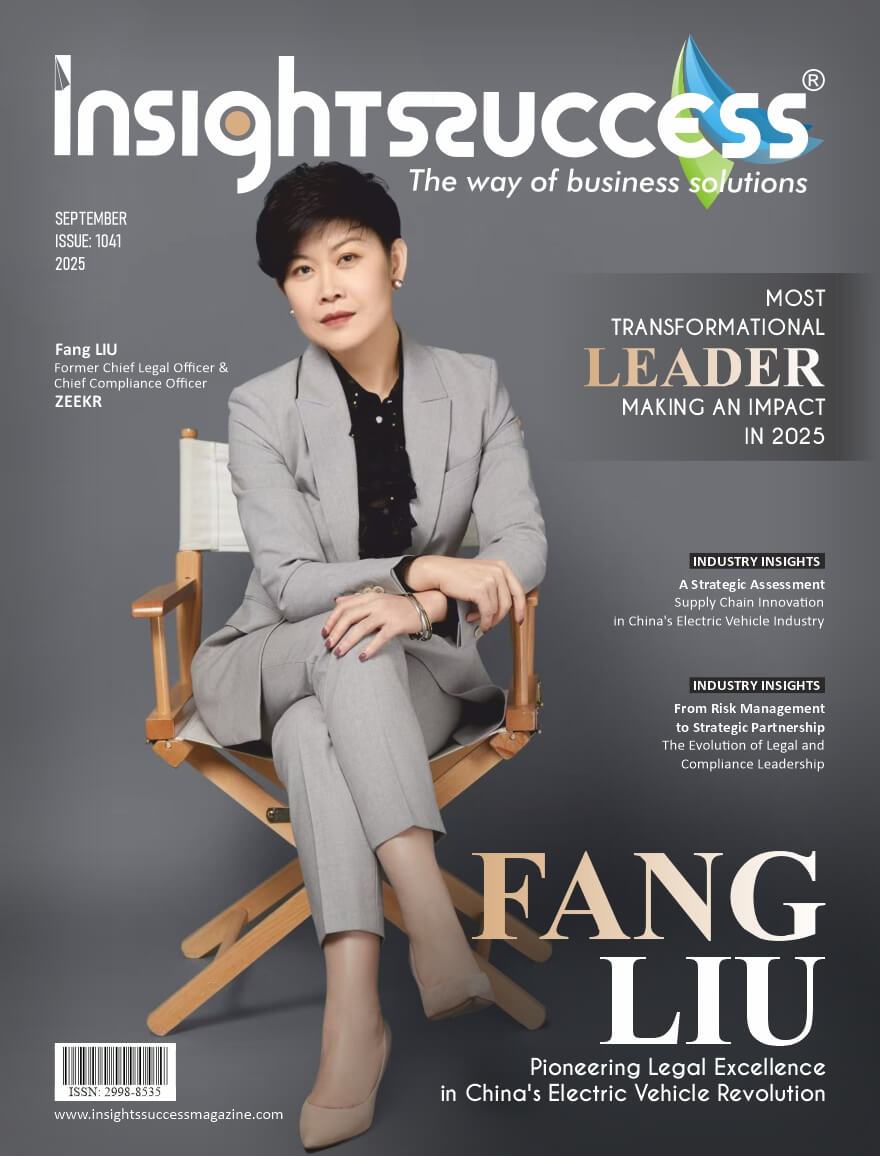
Most Transformational Leader Making An Impact In 2025
Most Transformational Leader Making An Impact In 2025 This edition featuring Fang Liu highlights visionary leadership reshaping industries and communities. It celebrates Fang Liu’s dynamic approach to innovation, resilience, and people-centric strategies, showcasing how transformative leaders inspire growth, empower change, and set new benchmarks for global leadership excellence in 2025. Quick highlights Quick reads

Fang Liu: Pioneering Legal Excellence in China’s Electric Vehicle Revolution
Few leaders can keep pace and navigate the vessel in a world where change comes before rules. One such unique gift on the international car market is Fang Liu, Former Chief Legal Officer and Chief Compliance Officer at ZEEKR. Her relentless push in breaking new ground sometimes with little map to chart her course is what characterizes her more than titles or deals. Her influence goes far beyond the silos of law. She is creating innovative legal and compliance structures for several of the globe’s most revolutionary EV makers, such as NIO and ZEEKR. They are not merely leading a technological revolution; they are transforming mobility norms, and she is at the forefront, ensuring each innovation is supported by legal acumen. She has devoted her career to transforming complexity into possibility, from the credibility of academic rigor, the nuance of cross-cultural fluency, and the unyielding persistence that characterizes her. She has always placed legal strategy at the center of corporate innovation-from record-breaking IPOs on the NYSE to governance models that are redefining the involvement of customers. But it is her leadership style based on clarity, collaboration, commitment and strong sense of purpose that most sets her apart. By combining visionary insight with management competence and encouraging others to meet challenges with understanding and integrity, she is leading by example rather than by giving orders. Fang Liu is exemplifying the kind of leadership that the future requires in an era where the stakes are high and the pace is relentless: one that is adaptable, values-driven, bravely innovative and people centric. Breaking New Ground: The Academic Pioneer Liu’s journey began in 1997 when she graduated from Renmin (People’s) University of China, but what happened next would set the tone for a career defined by first achievements. She became the first graduate from her university to pass the LSAT and secure admission to a US Juris Doctor program, an adventure that required not just academic excellence but extraordinary courage to venture into uncharted territory. The three years that followed were a masterclass in resilience. Battling significant linguistic barriers and financial hardship, Fang Liu didn’t just survive the rigorous American legal education system – she thrived. To support herself, she juggled four concurrent part-time jobs while maintaining her academic performance, a testament to the work ethic that would later drive her professional success. Her perseverance paid off in 2000 with two pivotal achievements: graduating with a special scholarship and passing the New York State Bar Examination. Fang Liu described this as the most crucial milestone in her academic journey, though it was merely the beginning of an extraordinary career trajectory. Building Legal Expertise Across Continents Fang Liu early career at a medium-sized New York law firm provided her with foundational skills in international trade, real property, and intellectual property matters. However, her ambitions extended far beyond routine legal practice. She envisioned herself at the center of large-scale, complex crossborder transactions where her unique cultural fluency could bridge international divides. This vision led her back to China, where she secured opportunities with top-tier law firms handling high-profile, multi-billion-dollar cross-border transactions in the areas of foreign direct investment, M&A, project financing, and venture capital funds, etc. These experiences became the crucible that forged her legal expertise, transactional acumen, and strategic business perspective. Her subsequent tenure at Fortune 500 corporations including Daimler, Chrysler, and Ingersoll-Rand – provided invaluable insights into multinational operations and organizational structures. This experience cultivated what she describes as “a robust, business-oriented mindset essential for a strategic legal advisor.” The EVRevolution: Where Legal Meets Innovation? The past decade represents the defining chapter of Fang Liu career, serving as Global General Counsel and Chief Compliance Officer for both NIO and Zeekr. In an industry where traditional legal frameworks often lag technological innovation, Fang Liu has been instrumental in creating the legal infrastructure that enables revolutionary change. At both NIO and Zeekr, Fang Liu spearheaded the creation and scaling of the company’s worldwide legal and compliance functions from inception. Her leadership secured two landmark NYSE listings: propelling NIO as the first Chinese premium EV brand to list less than four years after its 2014 founding and achieving Zeekr’s record as the fastest IPO in the NYSE’s 200-year history at just 38 months post-incorporation. Beyond capital markets success, Fang Liu team supported NIO’s pioneering of revolutionary technologies and business models, including battery swap technologies and the Batteryas-a-Service (BAAS) model. During NIO’s most critical financial crisis, she led the negotiation and execution of pivotal RMB 10 billion investment agreements with Anhui Province and Hefei City’s investment vehicles – a transaction now lauded as a benchmark in Chinese governmental investments. Perhaps most innovatively, Fang Liu legal team played a crucial role in translating NIO founder’s groundbreaking “User Enterprise” concept into reality for its 2018 IPO. The creation and implementation of the first-of-its-kind governance structure -NIO User Trust-also fundamentally reshaped OEM and customer engagement models within the EVsector. Navigating Global Complexity at Zeekr Fang Liu tenure at Zeekr further demonstrated her capabilities as a strategic leader operating at the nexus of relentless growth and global complexity. This role involved architecting legal and compliance strategies to support Zeekr’s uniquely accelerated trajectory aimed at rapidly launching competitive vehicle models and capturing market share while enabling breakneck international expansion across diverse markets simultaneously. Operating in an environment of evolving regulations and complex geopolitical tensions, her approach required constant foresight and agility. “Leading the legal function through this environment requires the constant development of innovative solutions to mitigate risk and empower sustainable global growth.” she explains. The Art of Balance: Professional Excellence Meets Personal Growth Managing the intense demands of China’s rapidly evolving EV industry while maintaining personal well-being requires extraordinary discipline and time management. Liu’s approach to work-life balance reflects the same innovative mindset she brings to legal challenges. Professional challenges in her field include not only navigating regulatory overload but also handling multidimensional roles that span litigation to international expansion, and supporting R&D in cutting-edge technologies like autonomous driving. The continuous