





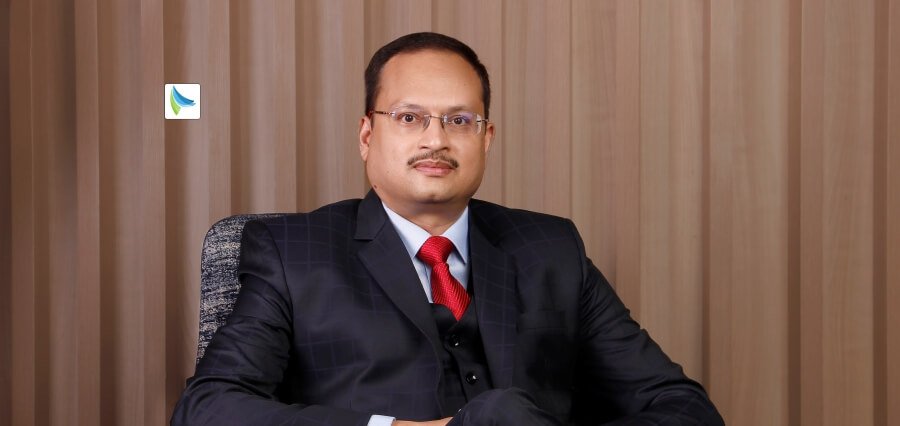
Nitin Bhandari: Driving Generational Impact in Digital Finance
Redefining the Future of Fintech Leadership A new era of finance is unfolding – one where marble columns give way to algorithms, and trust is earned not through decades of branch visits but through inclusion and human-centred innovation. This isn’t merely a technological upgrade; it’s a complete reimagination of money, access, and the possibilities of getting a fair share. These are the leaders who, apart from being executives, are also considered the visionary architects who mix code with profound human insight during this exciting period of digital change. They are the ones who understand that, after all, the strongest currency is still purpose. Nitin Bhandari, SVP & Head of Payit Digital Wallet at First Abu Dhabi Bank (FAB), is the person who is most impacted by this change and is, therefore, the centre point of it. He is more than a digital banking executive; he acts as a chief simplifier, dissolving the complexities that historically excluded billions from the global financial system. His accessible and fundamentally equitable inherently creates generational impact. For more than ten years, he has channelled his energy into meticulously transforming cold, mechanical financial transactions into warm, meaningful experiences. These moments successfully infuse individuals and families with pride and empowerment. The Anchor of Purpose: Sustaining Creative Energy What sustains Nitin’s drive and creativity, especially when he navigates the industry’s most challenging periods, is his absolute conviction in the larger purpose that underpins his daily work. He is a firm believer who has personally witnessed how innovation and cutting-edge technology, when they are guided by both purpose and empathy, possess the power to genuinely transform lives. This deep, internal conviction supplies him with the unshakeable energy required to maintain creative thinking, even when the road ahead is anything but clear or easy. He does not view challenges as insurmountable problems; instead, he interprets them as compelling invitations to rethink and elegantly simplify. Nitin Bhandari frequently finds that the most brilliant and robust ideas emerge precisely when external circumstances force his focus onto what truly matters. The unwavering knowledge that even the smallest, most refined idea holds the potential to create a lasting impact keeps him inspired, ensuring he consistently moves forward with momentum and clarity. “Empathy is the next frontier of fintech — reimagining finance to be personal, intuitive, and deeply human.” Reimagining Inclusion: From Transactions to Empowerment Having been part of one of the most significant global transformations, where the confluence of technology and the Internet redefined how billions live, connect, and access opportunity; Nitin Bhandari realized that technology’s true power lies in inclusion. This experience shaped his purpose: to create financial ecosystem that are accessible, equitable, and generationally impactful. By bridging telecom’s connectivity with finance’s empowerment, he is helping redefine digital financial ecosystem that uplifts individuals, strengthens households, and fuels inclusive growth within communities. Drawing from decades of experience at the intersection of telecommunications and finance, Nitin Bhandari has mastered the art of turning the confluence of technologies into human value. Under his vision, managing money is no longer a chore – it’s a moment of pride, a reflection of empowerment and dignity. Innovation with a Soul: Building for Permanence For Nitin Bhandari, the concept of “innovation” reaches far beyond the typical metrics of business success and shareholder value. To him, true innovation is an act of creation, focused on engineering a meaningful change that possesses the inherent capacity to outlast its creators. His work is not defined by corporate victories alone; it is fundamentally about simplifying the daily fabric of life, solving the real, tangible problems that affect people, and successfully injecting a palpable sense of joy and personal pride into their everyday interactions. In his view, the most enduring innovation is the one that flawlessly integrates purpose with empathy, actively leaving a significant, positive, and indelible mark on society. Global Leadership: Cultivating a High-Impact Culture Nitin’s perspective on leadership has been profoundly shaped by the extensive experiences he gained while living and working across multiple, distinct countries and cultures. This deep, cross-cultural immersion taught him a critical lesson: people perform at their absolute best when they feel consistently valued and possess an unclouded understanding of the larger purpose that frames their work. This powerful insight continuously moulds his leadership philosophy. Nitin Bhandari focuses intensely on establishing an exceptionally clear vision and a detailed roadmap, ensuring that every single team member precisely understands their specific role and their vital contribution to the collective, grander picture. Rituals of Refinement: Maintaining Focus and Perspective To sustain the high-level focus and creative output demanded of a trailblazing executive, Nitin Bhandari meticulously prioritizes achieving a fundamental equilibrium between body and mind. He is unwavering in his commitment to maintaining a healthy work-life balance, specifically dedicating a full 24 hours each week to go completely offline. He intentionally uses this critical period to fully recharge his mental and physical batteries, deeply reflect on his strategy, and gain a fresh perspective on the challenges and opportunities ahead. Beyond this necessary respite, Nitin Bhandari consistently invests time in studying emerging trends and human behaviour, ensuring his perspective remains broad and future-ready. This intellectual habit actively helps him zoom out, enabling him to always perceive the necessary bigger picture and effectively anticipate where the next major opportunities will arise. These reflective habits enable him to connect technology, finance, and human emotion; thus ensuring that his vision remains as strategic as it is soulful. The Dual Horizon: Integrating Agility with Legacy Nitin Bhandari skilfully manages the inherent tension between tackling immediate, short-term challenges and pursuing his sweeping, long-term vision by keeping the larger, guiding purpose firmly anchored at the centre of all strategic decision-making. He views every immediate operational obstacle as a valuable and timely opportunity to simplify his processes, extract critical lessons, and adapt his tactics swiftly. Nitin Bhandari meticulously ensures that every decision made, regardless of its scale, is rigorously guided by a single, overarching criterion: Does this decision contribute positively to achieving a lasting, long-term impact? This highly disciplined approach
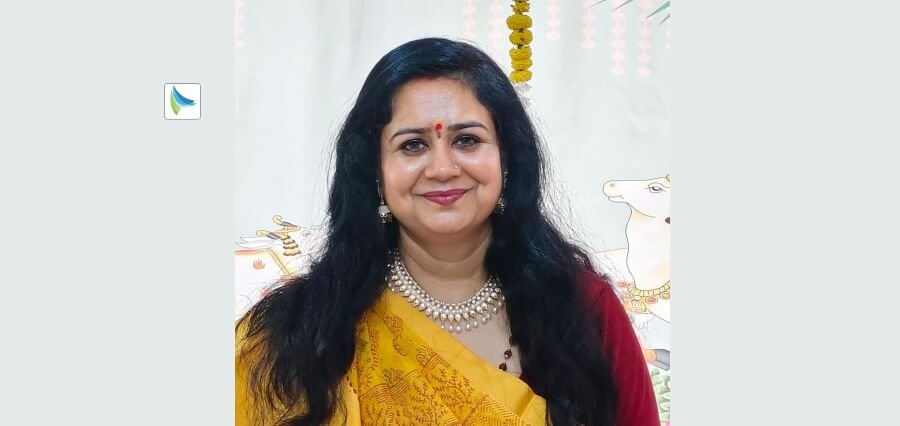
The Healer’s Covenant – How Dr Nisheetha Dixit is Weaving Clinical Excellence, Ancient Sciences, and the Sacred Mission to Transform Five Million Lives
Behind Dr Nisheetha Dixit becoming a trailblazing leader, the most important factors that created the difference are her vast experience in healthcare, the credibility established with the huge number of patients over the years, and dedicated teamwork. The core principle of Dr Nisheetha’s organization, Jan Urja Manch, is “Working for the larger Good.” She leads a team of like-minded people dedicated to a common cause, carrying out a social mission of preventing diseases through health and fitness activities and nation-building programs that connect all sections of society through regular seminars, medicine distributions, and honoring the achievers in society. The Holistic Revolution and Heritage Preservation Dr Nisheetha Dixit and her team created a trailblaze when they reversed thousands of COVID-19 positive cases to normal through Ayurvedic remedies, Yoga, Pranayam, and a holistic health approach. In her commercial ventures, she promotes Radiom Bioinnovations for A2 milk-based nutraceutical products, Gosetu Swarnaprashan natural immunity boosters for kids, and Sose Panchgavya Products; these are racing ahead as her vast healthcare experience proves helpful in their acceleration. Furthermore, she is a member of the Core Committee of The Gaumata Rashtramata Abhiyan, led by Jagadguru Shankaracharya Swami Shree Avimukteshwaranand Saraswati Ji Maharaj. In this capacity, she makes sure that the mission towards the protection, preservation, and maintenance of the purity of breeds of Swadeshi Vedic Gaumata (Bos Indicus) reaches the nooks and corners of the nation. Leadership Through Dissent and Digital Evolution Her new venture, Vedika Solutions for Life, is currently in the final stage of launch. Dr Nisheetha Dixit believes that AI and digital marketing can definitely help her services reach more people. She manages both her social mission and professional ventures together with the help of dedicated teamwork. She is in the process of making her services and products available to more people through websites, mobile apps, and social media connections. Her Garbh Sanskar classes, herbal and Gau-based products, and social campaigns like the Gaumata Rashtramata Abhiyan are all in the process of connecting with the masses through a digital presence. Having worked for the last two decades in healthcare as a clinician and at key administrative positions—such as Medical Director, Medical Superintendent, and Chairperson of the Ethics Committee in reputed corporate hospitals—she has extensive experience leading teams of people with thorough subject knowledge and differing opinions. Dr Nisheetha Dixit maintains that dissent is the accelerator for growth. When a subordinate challenges her decision based on facts and proper logical reasoning, she finds it helps her take a balanced approach to go further, keeping limitations in mind and strategizing accurately to overcome upcoming challenges. She views team members who can think boldly and out of the box as assets for any organization, and she considers her team to be exactly that. Strategic Vision and the Legacy of Quality To be effectively placed in the competitive market, she asserts that a long-term vision for steady growth and a short-term risk management strategy is a must. Dr Nisheetha Dixit believes any idea can sustain for a longer period of time only when it is continuously visible in the market. As a Garbh Sanskar Consultant, she caters to pregnant women through structured and customized classes. She emphasizes that the herbal, Gau-based, and nutraceutical product companies she is associated with need to be visible in the public domain continuously, just as the social mission of saving the Swadeshi Vedic Gaumata must remain prominent. Visibility is the key to success for any organization, mission, service, or product, in her view; she believes that when they are available for people continuously, on priority, and within time, they are bound to be successful. As far as risk management is concerned, she stays regular and updated in the competitive environment through continuous self-improvement, internal quality audits, smooth workflow processes, effective implementation of SOPs, and good relationships with stakeholders, which she notes can immensely reduce involved risks. The one irreversible standard she would like to see established is “No compromise with quality.” Five years from now, she anticipates the herbal, nutraceutical, and Gau-based products market will grow threefold. Dr Dr Nisheetha Dixit wishes to transform the lives of a minimum of 5 million women through her services as a women’s health and wellness expert, a Garbh Sanskar Consultant, and a promoter of herbal and Gau-based products. As a legacy, she sees her daughter taking up her role down the years and taking her commercial ventures and social missions to millions of people with the appropriate strategies and resources available. Read Also : Nixon Amoah-Awuah: Cultivating Cultures Where People Thrive

Nixon Amoah-Awuah: Cultivating Cultures Where People Thrive
Imagine the world in which all wild ideas, all bold innovations, all breakthroughs that make the game will not begin with some rigid corporate strategy or another spreadsheet killing the brain, but with a real, sloppy, unpredictable human interaction. People and their unfocused energy, their creative oddity, and general obstinacy are in fact the forces that actually make a company come to life, in the frenzy of this modern business world, everything underfoot is shifting. A place to work, not a place to live. It is science and pure art in leadership. It is the place where you find empathy and ambition intersect and strategy yield to those who have a real passion and purpose. It is the new era of the HR wherein individuals in authority are not merely shuffling documents or running the machines. They are setting fires, initiating movements, drawing people together. They define cultures that really buzz with creativity and bouncing back in case of a setback all through in a positive manner. These leaders take up matters no one writes in an email, uncovers dreams behind a spreadsheet, and create workplaces that everyone thinks that he or she is capable of actually doing something bigger. In this vibrant tapestry of innovation and heart, Nixon Amoah-Awuah stands out. He is a visionary steward of people-powered transformation, whose leadership lights the way through complex challenges and fuels future-ready growth. His story is not just about policies or numbers; it is a tale of inspiration, impact, and the unwavering belief that when people thrive, organizations flourish. The transformation of HR from a transactional, administrative function into a dynamic driver of organizational success requires leaders who can see beyond spreadsheets and who embrace complexity without losing sight of compassion and clarity. Nixon’s career exemplifies this new paradigm, where leadership is measured not only by results but by how effectively it builds trust, nurtures talent, and intertwines purpose with performance. Redefining Leadership with Heart and Vision Nixon’s journey is a unique blend of analytical insight and heartfelt leadership. He began with a foundation in science, where curiosity and method shaped his thinking. But it was his growing awareness of human dynamics, the stories, ambitions, and challenges within organizations, that redefined his path. Today, as the Regional Head of HR for Ghana and Anglophone West Africa at Ecobank Ghana PLC, Nixon Amoah-Awuah channels this duality into leadership that merges data-driven strategy with authentic care. He sees every employee not as a resource but as a vital thread in the fabric of success. His approach creates workplaces where individuals feel celebrated, motivated, and empowered to contribute to something bigger than themselves. Nixon’s leadership style centers around transparency. He fosters environments where open communication and trust are foundational. He believes in psychological safety, where innovation blooms only when people feel secure in voicing ideas and challenges. This culture of openness fuels continuous improvement and resilience, preparing Ecobank’s teams to adapt confidently to ongoing change. Through initiatives that elevate employee voice, strengthen community, and align individual goals with corporate missions, Nixon’s leadership transcends conventional HR. It inspires loyalty, drives excellence, and ultimately transforms organizations into ecosystems of opportunity and belonging. Beyond Numbers: Crafting Impact that Lasts Nixon’s concept of leadership impact goes far beyond traditional KPIs. He views success as the long-term growth of people and culture alongside business outcomes. For him, true impact resonates in stories of employees who find meaning in their work, teams that overcome adversity, and organizations that sustain prosperity. At Ecobank, Nixon Amoah-Awuah weaves strategic intent into people programs that nurture talent density and diverse leadership pipelines. He champions learning agility, encouraging staff to seize growth opportunities and tackle challenges with entrepreneurial spirit. His mentorship empowers emerging leaders with both operational skills and values-based decision-making, preparing them to steer the organization’s future with vision and integrity. His regional role amplifies this impact, catalyzing capacity-building across borders and cultures. In every initiative, Nixon Amoah-Awuah balances pragmatism with purpose, designing HR frameworks that drive measurable results while enriching the employee experience. This balanced focus ensures that success is both sustainable and human-centred. Weaving Local Realities into Global Strategies Nixon’s leadership navigates a mosaic of cultures, languages, and business environments across Ghana and West Africa. He begins with profound listening, engaging teams to understand their unique perspectives, challenges, and ambitions. This empathetic approach allows Nixon Amoah-Awuah to tailor people strategies that respect local norms yet align with Ecobank’s global vision. He empowers regional HR leaders to act as strategic partners, embedding ownership and agility within their teams. Regular communication channels, such as surveys, town halls, and small-group dialogues, anchor these strategies in real workforce insights. Nixon’s model fosters collaborative problem-solving and trust, enabling rapid adaptation without losing cultural coherence. Balancing standardization with local relevance, Nixon Amoah-Awuah builds HR systems that support inclusive growth and seamless integration, vital in today’s complex, interconnected markets. Shifting Paradigms: Building Diversity from the Ground Up Nixon’s hallmark achievement came during his tenure with a leading telecom company in Ghana, where he tackled the underrepresentation of women in technology leadership. Partnering with academic institutions and company stakeholders, he developed a three-year initiative to double the female executive count. This transformation broke old patterns and pioneered new norms, setting a precedent for gender equity in STEM fields in a traditionally male-dominated sector. The project’s success became a flagship model for inclusion, blending strategic planning with cultural change management. At Ecobank, Nixon Amoah-Awuah embeds these lessons deeply, promoting diversity beyond gender to include age, ethnicity, background, and thought. He recognizes that true innovation springs from heterogeneous teams empowered to collaborate authentically. His ongoing emphasis on equitable talent development ensures that the organization reflects and celebrates the rich diversity of the communities it serves. The Human Side of Digital Evolution As organizations race to integrate AI and automation, Nixon Amoah-Awuah remains a staunch advocate for humanity at work. He champions technology’s role not as a substitute, but as a bridge enhancing human potential and connection. He leads the design of
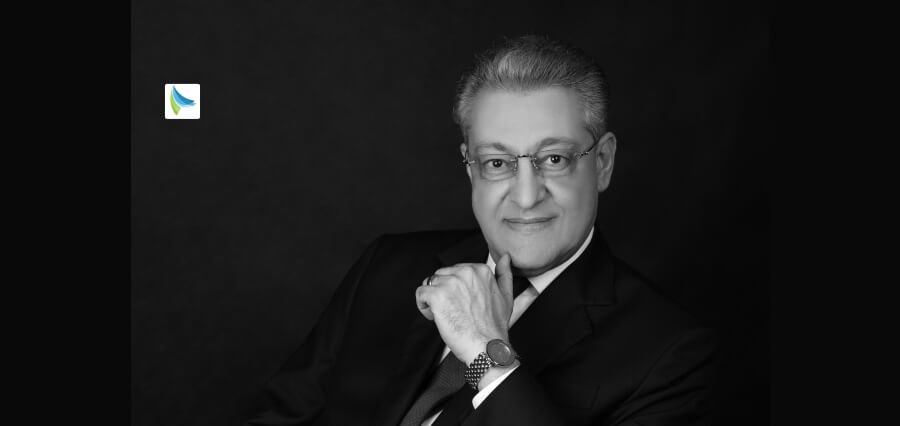
Reda Moukhtar: Redefining Hospitality and Leading Beyond Luxury
Among the dazzling cityscape of Dubai, where hope is in the form of steel and glass, there’s a quieter form of architecture; one constructed not of concrete but of faith, not by blueprint but by trust in human beings. Here in the high-stakes sandbox of luxury hotel hospitality where imagery is most important, authentic leadership is not making an entrance. It is observed in the firm hand that holds fast in storm, in the ear which hears before it speaks, and in the eye which sees not just what is, but what may be. This is where Reda Moukhtar has decided to leave his mark, not by taking up space or filling functions, but by re-writing what hospitality sounds like when it moves from transaction to transformation. Where others see staffing issues, he sees talent waiting to be heard. His is not a story of rising to the top; it’s one of re-writing what leadership looks like when intention is the map and human beings are the agenda. The Architect of Possibility Reda Moukhtar didn’t stumble into leadership at Atana Hotel. He built his path deliberately over three decades, spanning management, operations, finance, and business development across the Middle East. His journey reads less like a resume and more like a masterclass in understanding hospitality from every conceivable angle. But here’s what the titles don’t capture: Reda Moukhtar never wanted to lead just for the sake of leading. What ignited something in him was the gap- that space between what was and what could be. He looked at teams and saw potential that organizational charts couldn’t measure. He examined processes and spotted inefficiencies that had become so normalized nobody questioned them anymore. Growth became his north star, but not the hollow kind measured only in percentages and profit margins. He believes in growth that lifts, that creates opportunities for individuals to stretch beyond their perceived limitations, that allows organizations to serve more people in more meaningful ways, and that ripples outward into communities. This isn’t idealism disconnected from business realities. It’s a sophisticated understanding that sustainable success only comes when everyone invested in that success can actually benefit from it. Transforming Steel and Glass into Stories When Atana Hotel opened in 2015, it joined an already crowded Dubai hospitality landscape. The twin 22-story towers in Barsha Heights boasted 828 luxurious rooms and suites; impressive numbers that meant nothing without the soul to animate them. Under Reda’s stewardship, those towers became something more than accommodation. They became a testing ground for what happens when you treat hospitality as a people development industry that happens to serve guests. The accolades followed naturally. An 8.8 rating on Booking.com, where Atana Hotel was handpicked from over 100 properties worldwide. The Traveller Review Award. Multiple honors from the Middle East Hospitality Excellence Awards. And in 2024, Reda’s recognition as one of Hospitality’s Most Commended General Managers. This is an acknowledgement that someone finally noticed what his team had known all along. But Reda Moukhtar treats awards the way a sailor treats lighthouse beams- useful for confirming you’re on course, but never mistaken for the destination itself. He knows that genuine excellence emerges from the unglamorous daily work: building agile teams, creating learning cultures where curiosity is rewarded, and establishing communication channels where every voice matters. He has poured resources into systems and training that keep Atana ahead of regulatory curves and market trends, understanding a fundamental truth: in hospitality, standing still is moving backwards. Innovation as an Act of Courage Ask most hospitality professionals about innovation, and they’ll talk about mobile check-in apps or AI-powered customer service. Ask Reda Moukhtar and he’ll tell you about possibility- about having the courage to look at systems everyone accepts and ask, “But what if we didn’t do it this way?” Innovation, in his worldview, isn’t primarily technological. It’s psychological. It’s the willingness to challenge the comfortable lie that things must be done as they’ve always been done. Beyond business metrics, Reda Moukhtar sees innovation as a moral imperative. It’s about making systems fairer, services more accessible, and everyday experiences more human-centred. This philosophy crystallized during a community training initiative that Reda counts among his career’s defining chapters. The program took workers stuck in low-skill, low-wage positions and gave them a bridge into stable hospitality careers with better pay and genuine advancement potential. Watching these individuals transform validated everything he believes about leadership’s true purpose. Success that doesn’t lift others isn’t success at all. His relationship with risk reflects this depth of understanding. Reda Moukhtar distinguishes between recklessness and calculated risk-taking. He grounds his decisions in data, insights, and the intuition that comes from decades of pattern recognition. He asks probing questions, involves stakeholders with different perspectives, and prepares contingency plans for multiple scenarios. Most critically, he has separated failure from shame. In his operational philosophy, failure is simply information; it tells you what doesn’t work, which moves you closer to discovering what does. This mindset liberates his team to experiment and suggest ideas that might sound crazy but might also be brilliant. Forged in Fire, Led with Grace Reda’s leadership style didn’t emerge from business school case studies. It was forged in early career challenges that tested his resolve and personal setbacks that taught him resilience the hard way. Those difficult seasons became his most valuable education, teaching him empathy, the importance of listening, and that calm leadership isn’t about feeling no fear; it’s about learning to act despite it. He leads with transparency because he’s watched how secrecy breeds suspicion and how honesty builds trust. He empowers his team because he remembers what it felt like to have potential that nobody recognized. At Atana Hotel, people know they’re valued not just for their productivity but for their growth, not just for today’s performance but for tomorrow’s potential. His morning routine of quiet reflection and intentional goal setting isn’t some productivity hack; it’s a survival strategy. In the chaos that defines hospitality leadership, those early hours provide
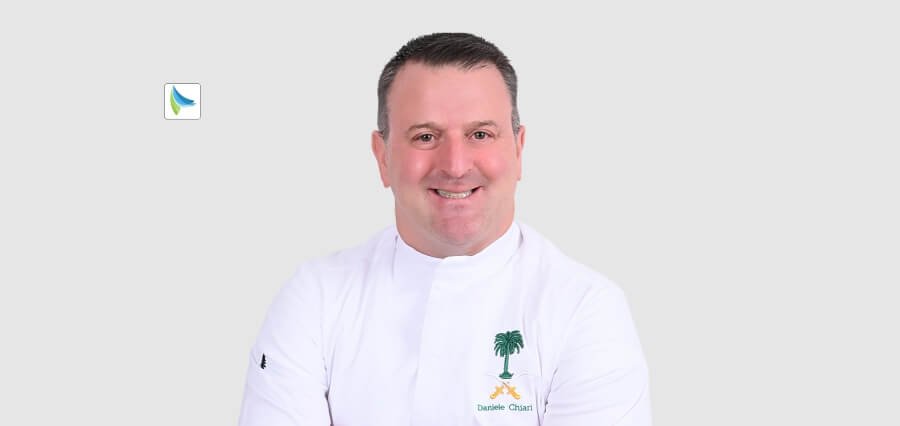
Daniele Chiari: Crafting Culinary Bridges Between Tradition and Innovation
In a world stitched together with the common language of cuisine, culinary arts transcend craft. They are a bridge of culture, memory, and innovation. Each meal is a tale, immobilizing history on a plate and bridging divides to bring together disparate folk. But this innovation has to be led by someone who honors tradition but dares to break boundaries, creating not sustenance but memorable experiences. Meet Daniele Chiari, a Culinary Director whose life is the embodiment of such a refined interweaving of tradition and creativity. Embedded in Italian cooking heritage and seasoned by travels around Northern Europe, Central Asia, Indian Ocean islands, and the Middle East, Daniele Chiari entwines food as art and conversation. Currently leading the culinary revolution in Saudi Arabia, he combines deep respect for culture with cutting-edge techniques, empowering the next generations and propelling national cuisine onto the world scene. Rooted in Tradition, Inspired by the World Daniele’s story starts in a warm Italian kitchen, where family meals were more than food; they were storytelling and connection. Inspired by his mother’s recipes, he recognised early on that food is a universal language, an invitation to explore culture and identity. His passion drives him beyond Italy’s borders into uncharted culinary territories. From remote islands to bustling Middle Eastern capitals, each experience expands his appreciation for food’s power to unite. Leadership Beyond the Kitchen Leadership comes naturally to Daniele, who sees his role as more than cooking. He is a guardian of culinary heritage and a catalyst for innovation, committed to creating growth for his team and the wider industry. He understands that honouring authentic recipes while embracing fresh ideas is essential to keeping traditions alive and relevant. Balancing Heritage with Modern Taste One of Daniele’s greatest challenges is balancing deep-rooted culinary identities with evolving contemporary tastes. He approaches this by preserving recipe authenticity and weaving modern techniques that enhance rather than overshadow original flavours. For him, sustainability is also important. He prioritizes local sourcing and creatively elevates native ingredients to international standards, reducing environmental impact and celebrating regional bounty. Sustainability at the Heart of Cuisine Elevating local ingredients while reducing environmental impact forms a key pillar of Daniele’s culinary philosophy. His innovative use of native products honours local ecosystems and traditions, paving a sustainable path forward for the culinary industry he leads. Creativity Driven by Curiosity and Connection Creativity fuels Daniele’s resilience, especially during difficult times. He views every ingredient as a character in a rich cultural narrative, a perspective that keeps curiosity alive. His greatest motivators are the young chefs he mentors and the joy in guests’ eyes as they discover cultural stories through taste. For Daniele, cooking is never just about food. It’s about imprinting a lasting memory. Embracing Risk as a Pathway to Discovery Risk-taking defines his creative journey. Like life, culinary innovation requires courage and preparation. He tests ideas on small scales and values his team’s feedback. His fusion of Italian and Saudi cuisines exemplifies this approach. Despite initial challenges, Daniele Chiari created harmony between the strong flavours by identifying shared regional traits, showing risk as a gateway to extraordinary discovery. Innovation as Cultural Diplomacy For Daniele, innovation means respecting tradition and culture while giving voice to the new generation of chefs. It’s cultural diplomacy through food- expressing stories that words alone can’t tell, building connections that transcend borders. Leading with Empathy and Cultural Sensitivity His leadership draws from global experiences, teaching him empathy and cultural sensitivity. In Saudi Arabia, where food is identity and hospitality, he trains his team to cook with skill and heart, fostering cohesive, proud crews. He listens deeply and leads with humility. A Defining Moment on the Global Stage A career highlight was crafting Saudi dishes infused with Italian technique for the FAO’s International Year of Camelids ceremony in Rome. This event was more than a culinary presentation. It was a dialogue between cultures, showcasing Saudi heritage while fostering international understanding through cuisine. Daniele’s work demonstrates how food transcends status. It bridges nations and celebrates identity. Discipline and Balance Behind the Scenes Behind his creative leadership is a disciplined routine: daily reading across art and culture, family time for balance, and physical activity to refresh the mind. Early mornings and reflective evenings structure his curiosity and clarity. Navigating Challenges with Vision Short-term pressures don’t distract Daniele Chiari from his long-term vision: elevating global cuisine through innovation and mentoring via platforms like the Tastes Beyond Borders Academy. Every project advances this greater mission. Guiding Future Leaders with Humility and Curiosity Daniele’s advice to aspiring leaders is clear- “stay curious, humble, and open to learning from the world. Avoid chasing fleeting trends; build leadership rooted in respect for tradition and innovation. Leadership means responsibility to inspire and create opportunities, leaving meaningful legacies”. A Visionary Transforming Culinary Art into Cultural Connection Daniele’s journey captures food as passion, diplomacy, and leadership. His visionary path transforms culinary art into a shared story, inspiring change that honours roots while embracing the future. Through him, cuisine speaks as a unifying force, elevating culture and connection on the global stage. Read Also : Coryn Mann: Empowering Innovation Through Cybersecurity
Coryn Mann: Empowering Innovation Through Cybersecurity
In an era where the digital drumbeat sets the tempo for global enterprise and innovation, leadership is less about power. It is about vision, understanding, and courageous risk-taking. The leaders who truly create our tomorrow don’t merely respond to shifting contexts; they envision, evolve, and inspire. They transform pressures and uncertainties into promises of growth and innovation. Where technology may seem impersonal and overwhelming in industries, they bring humanity into the mix, interpreting facts into action and encouraging real relationships that are beyond the screen. Among that select group of visionaries is Coryn Mann, one whose vision extends beyond the technical mastery of cybersecurity. She has crafted, over three decades, an amazing tapestry of potential, vision, and tenacity. It is not one filled with awards or titles, but one that reflects her unrelenting desire to empower organizations and people to innovate fearlessly and securely. She crafts cybersecurity as a force for transformation in business success and societal benefit, demonstrating that purpose-based leadership and empathy can illuminate the way ahead even in the darkest of times. Leading Cybersecurity with Vision and Precision At the helm of Corvus Technologies, LLC, Coryn Mann stands as a beacon of foresight in the cybersecurity domain. She refuses to confine security measures to mere defense and reaction. Instead, she crafts strategies built on anticipation and proactivity, enabling businesses to evolve with confidence amid a rapidly shifting threat landscape. Her approach blends rigorous frameworks, such as NIST 800-171 and the Risk Management Framework, with innovative and customized solutions that meet each client’s unique needs. Coryn’s technical fluency spans across Linux and Windows environments, empowering her teams to deploy multi-layered defense systems that are as adaptive as the threats they face. She integrates vulnerability assessments, penetration testing, and security engineering into comprehensive programs that build resilience from the ground up. But it is her leadership- the nurturing of talent, the fostering of trust, and the encouragement of creativity that elevates Corvus Technologies beyond a service provider, making it a strategic partner for secure and sustainable growth. The Human Side of Cybersecurity Coryn’s philosophy is simple yet profound: trust and understanding are the foundations upon which powerful cybersecurity solutions are built. She prioritizes deep client relationships, ensuring that every security strategy aligns with the organization’s long-term vision and operational realities. This bespoke, partnership-based approach dispels the myth of generic “one-size-fits-all” security and replaces it with tailored, meaningful protection that evolves as businesses grow. The widening cybersecurity talent gap challenges many organizations today, but Coryn Mann meets this head-on by nurturing her own teams with relentless commitment. She implements ongoing training programs, immersive hands-on labs, and mentorship opportunities, cultivating a culture where learning never stops and innovation flourishes. Her investment in people transforms talent development from a checkbox task into a continuous journey, producing professionals ready to meet tomorrow’s challenges with confidence. Creativity Forged in Challenge The true test of leadership often comes in moments of pressure and uncertainty. For Coryn Mann, these moments are fertile ground for creativity and growth. Challenges spark her curiosity, pushing her to explore diverse perspectives and embrace unconventional solutions. She leans on a collaborative network of colleagues and partners to foster fresh ideas and to stay at the forefront of innovative strategies. Her daily routine reflects a balanced rhythm of discipline and flexibility. By crafting a focused action list each morning, she clarifies priorities and aligns her team’s efforts without stifling agility. Through regular check-ins, Coryn Mann ensures that her team remains motivated, connected, and prepared to pivot in response to emerging threats or opportunities. This is a true hallmark of resilient leadership. Embracing Risk and Learning from Failure Coryn Mann views risk through a lens of opportunity and growth. She approaches every new initiative by carefully weighing potential outcomes, understanding that both success and failure offer invaluable data. Within her teams, she fosters a culture of experimentation, where innovation thrives in a safe environment that encourages informed risk-taking. Failures are never stigmatized. Instead, they become catalysts for insight, pushing the organization to refine strategies and accelerate learning curves. This mindset creates a resilient organization, confident in its ability to navigate uncertainty and evolve. Innovation as a Human Endeavor For Coryn Mann, innovation transcends technological accomplishments. It’s a mindset anchored in curiosity, creativity, and relentless problem-solving. She inspires teams to view challenges as invitations to develop new ideas rather than barriers to progress. By celebrating the art of continuous learning, she builds an environment where people feel empowered to explore boldly, make mistakes, and innovate responsibly. Her leadership style embodies the belief that technology serves humanity best when creativity and empathy guide every decision. This human-centered approach ensures that innovation enriches work experiences and drives positive business outcomes. Harnessing Diversity for Performance Coryn’s leadership journey has spanned varied environments ranging from highly structured ecosystems to fluid, unstructured teams. These experiences have sharpened her ability to lead with adaptability, empathy, and cultural awareness. In one pivotal role, she successfully unified a diverse international team, integrating different working styles, communication norms, and expectations. Through open dialogue and mutual respect, she helped the team coalesce around shared goals, which led to early completion of complex contract negotiations. This experience deepened her conviction that embracing diversity is a strategic asset, cultivating innovation through varied perspectives and collaborative strength. Empowering Communities Beyond Business Coryn’s impact extends beyond boardrooms and cyber defense. She is committed to giving back through education and community engagement, actively consulting for the Small Business Development Center (SBDC) and APEX Accelerator. Her passion lies in demystifying cybersecurity for local businesses, transforming complex technical language into clear, actionable guidance. Her grassroots efforts enable vulnerable startups and small enterprises to embed core-to-edge cybersecurity strategies, significantly reducing risks of cyberattacks. Coryn Mann recognizes that empowering communities with knowledge is not only socially responsible but essential for building a resilient digital economy. Her contributions nurture ecosystems where security, innovation, and entrepreneurial spirit flourish side by side. A Balanced Leadership Style The hallmark of Coryn’s leadership lies in its blend

Sonal Bhatia: Ensuring Red Event Services LLC Remains Dubai’s Premiere Choice for Event Management
When she joined Red Event Services LLC—a creative Event Management Agency that specializes in event planning, production, and implementation of custom-made entertainment programs, as a Chief Executive Officer (CEO), Sonal Bhatia imbued its vision to be the premier choice for event services in the region. “With over 15 years of experience and seasoned event professionals of different nationalities, a fully equipped design studio, cutting-edge multimedia technology, in-house production, and our own transport unit, we service Federal and Local Governmental entities in the UAE,” she says. Her team is divided into: – Creative Conceptualization & Design – Strategic Planning – Execution and Operations Management – Production With offices strategically located in the UAE, USA, India, and Saudi Arabia, she reveals that their goal is to provide their esteemed clients with the best resources needed to create astonishing and memorable events. “One word that describes our philosophy is PASSION.” Red communicates through Events. This unique approach has led to the creation of some of the finest designs. Here is her candid discussion with the team from Arabian World Magazine. \What made you decide to become a leader in your field and focus on creating new growth opportunities? Event management is about crafting immersive experiences that connect people, culture, and vision. When I stepped into leadership, I realized that organizations needed more than events — they needed meaningful, memorable moments that reflect their brand values and aspirations. That belief stems from the legacy of RED Events, founded 21 years ago by Arif Ebrahim, whose passion and determination to achieve the unimaginable continue to inspire me. Building on his vision, I’ve focused on redefining what events can achieve — moving beyond execution to create experiences that truly engage, inspire, and leave a lasting impact. For me, leadership isn’t a final milestone — it’s a new beginning. It’s about learning constantly, seeing the bigger picture, and growing together. True leadership means lifting others — empowering your team, partners, and clients to evolve and succeed alongside you. What are the biggest challenges your industry faces, and how have you worked to overcome them? The events industry is inherently dynamic — and that’s both its biggest challenge and its greatest beauty. What’s relevant today can be outdated tomorrow. Every day brings new expectations: fresh ideas, emerging technologies, innovative designs, and richer experiences. It’s thrilling but also demanding. Post-COVID, team dynamics have changed dramatically. Many professionals prefer freelancing or flexible work setups, and commitment levels have shifted — making people management more complex. Meanwhile, the market has become crowded; new agencies keep emerging, and even fabrication houses now approach clients directly. This has disrupted the traditional agency–client balance, adding new layers of competition for established players. At RED Events, we’ve built resilience into our DNA to thrive amid this change. We adopt innovation early, plan every project with agility, and nurture trust-based relationships with government and corporate clients. Above all, we believe everything is possible\ — it’s about thinking deeper, working together, paying attention to every detail, and trusting our teams. With the right ichinen — determination and shared intent — we’ve seen even the impossible become reality. Can you share a specific moment when your work has made a positive impact on people, your industry, or society? One moment that stands out is our work on National Day celebrations, festive events, and government inaugurations for entities like the Ministry of Education. Seeing events like PGB56 executed seamlessly and receiving heartfelt appreciation from clients and the public is incredibly rewarding. At RED Events, we also love creating events that engage students, youth, and communities on a large scale — from Emirates Skills, Think Science, MILSET Expo-Sciences International, youth festivals, to health and fitness fun festivals. These projects go beyond entertainment; they inspire learning, promote wellness, and leave a lasting societal impact. What advice would you give to young leaders who want to make a real difference in the world? My advice is simple: be curious, courageous, and conscious. Never stop asking “Why?” and don’t fear failure — every misstep teaches you something no success ever will. Lead with service at the heart of everything; true leadership is about uplifting your team, your stakeholders, and your community. Keep integrity and trust as your guiding compass. In a competitive world, reputation is your most valuable currency, and consistency matters more than applause. Embrace lifelong learning — learn, unlearn, and relearn — because the world evolves faster than any plan. Focus on impact over accolades. Don’t chase superficial metrics; ask yourself every day, “How did I move someone, something, or somewhere forward today?” Finally, remember: the devil is in the details. Obsess over every minute element until perfection is achieved. Excellence delivered from the heart and fueled by passion is my standard, and I strive to pass that commitment on to every single member of my team. Read Also : ColPR Software Consultants: Building Clarity Where Complexity Takes Over

ColPR Software Consultants: Building Clarity Where Complexity Takes Over
There are partnerships that are made in boardrooms. Others are made in much more ambivalent locations that require listening to speak and flexibility to control. In the case of Steven R. Baxendale and Alan Vargas, it was the South of France, where they were way out of their usual systems, language, and habitual practices. What began as a semester abroad in Marseille quietly was a silent start of a professional collaboration on the basis of clarity, discipline and a profound respect of how people actually work. A few years later, as co-founders of ColPR Software Consultants, Steven R. Baxendale and Alan Vargas would retrace their steps and go back to the same lessons, make things simpler, speak with accuracy, and create systems that benefit people. A Foundation Formed Beyond Comfort In 2015, both Steven R. Baxendale and Alan Vargas found themselves navigating everyday life in a foreign country where even simple tasks required intentional communication. With no shared language and no shortcuts, they learned quickly that progress depended on structure, patience, and the ability to truly understand context before acting. That experience did more than shape their personal growth. It introduced a mindset that would later define their professional work: clarity is not optional; it is essential. Misalignment, they learned, creates friction. Precision creates momentum. Corporate Worlds and Real-World Exposure Upon returning to the United States, both founders stepped into high-performing corporate environments, gaining firsthand exposure to how large organizations scale successfully. Alan Vargas built a strong foundation in investment advisory, financial analysis, and requirements planning. His work demanded clear frameworks, disciplined decision-making, and an ability to translate complex financial and operational needs into actionable strategies. Steven R. Baxendale spent nearly a decade immersed in software-as-a-service environments, leading operations, implementation strategy, and cross-functional teams. Working across the United States, Europe, and Asia, Steven R. Baxendale saw what sustainable growth really looks like from inside large, distributed organizations, predictable workflows, aligned teams, and technology that supports execution instead of slowing it down. Together, they witnessed a consistent truth: successful companies do not rely on chaos or heroics. They rely on systems that scale. The Gap No One Was Addressing But while large enterprises had access to structure, expertise, and resources, small and mid-sized businesses were playing a very different game. Steven R. Baxendale and Alan Vargas repeatedly encountered companies burdened by outdated tools, disconnected software, and processes that grew without intention. These businesses knew they needed modernization, but the path forward felt fragmented and overwhelming. Vendors often added noise instead of clarity, pushing tools without understanding the business beneath them. What was missing was not ambition or intelligence, it was guidance grounded in operational reality. The Birth of ColPR Software Consultants That realization led to the creation of ColPR Software Consultants, based in Jacksonville, Florida. The mission was simple but ambitious: give small and growing organizations access to the same structural thinking and technical capability that large companies depend on. ColPR was never about chasing trends. Steven R. Baxendale and Alan Vargas built the firm around one core belief, innovation works only when it is intentional. Technology should remove friction, not create it. Strategy should clarify, not complicate. Every client engagement begins the same way: not with software, but with understanding. Bottlenecks are identified. Manual processes are exposed. Workflows are mapped honestly. Only then does the solution take shape, whether that involves custom software, intelligent automation, AI-supported processes, or modern digital platforms. A Model Designed for Real Growth One of ColPR’s defining strengths lies in its blended delivery model. Clients work directly with U.S.-based project managers, ensuring clarity, accountability, and strategic alignment. At the same time, ColPR leverages an experienced offshore engineering team to execute with consistency and cost efficiency. This structure allows clients to access enterprise-level capability without the overhead or complexity of traditional agencies. The result is predictable delivery, tighter feedback loops, and solutions that are built to evolve as the business grows. Leadership Rooted in Communication The lessons Steven R. Baxendale and Alan Vargas learned in France still guide how they lead today. They prioritize open communication, realistic timelines, and solutions that respect the day-to-day realities of business owners and internal teams. Steven R. Baxendale brings systems thinking and operational discipline shaped by years in distributed software environments. Alan Vargas contributes analytical depth and financial clarity, ensuring every recommendation aligns with measurable outcomes. Together, their leadership reflects balance, strategic yet practical, disciplined yet adaptable. It is a partnership built on trust, shared standards, and a clear sense of purpose. Preparing Businesses for What Comes Next As automation, AI-enabled workflows, and screenless digital interactions reshape how companies operate, ColPR positions itself as a steady guide through change. Steven R. Baxendale and Alan Vargas do not promise transformation overnight. Instead, they focus on building foundations capable of supporting long-term growth. Whether untangling overloaded tech stacks, modernizing internal systems, or designing new digital capabilities from scratch, ColPR delivers with one question always in mind: Does this make the business stronger tomorrow than it is today? Systems That Strengthen Communities Steven R. Baxendale and Alan Vargas share, “Technology should create clarity, not complexity.” When a company that once felt behind begins operating with clarity, confidence, and tools that finally match how its people work, the change is immediate, and lasting. They believe stronger systems lead to stronger businesses, and stronger businesses, in turn, strengthen the communities they serve. That belief continues to define ColPR’s work and its future. In a world where complexity often feels unavoidable, Steven R. Baxendale and Alan Vargas have built their careers on proving the opposite: with the right thinking, the right structure, and the right intent, clarity can scale. Read Also : The Educational Re-inventor – Dr Bobby Rao: Your Most Reliable Top Career Guide

The Educational Re-inventor – Dr Bobby Rao: Your Most Reliable Top Career Guide
Explaining the concept of modern education, Dr Bobby Rao, Founder and Director of Top Career Guide, quotes Alvin Toffler. “The illiterate of the 21st century will not be those who cannot read and write, but those who cannot learn, unlearn, and relearn.” Elaborating on it further, Dr Bobby spoke in an exclusive interview with Insights Success, the highlights of which are given ahead. Ma’am, what made you decide to become a leader in your field and focus on creating new growth opportunities? During my journey (that began in dentistry) of 17 years, my first role was as a tutor, balancing academia and clinical practice for six years. And there I realized my true passion: teaching, mentoring, and giving back through education. Even after moving to the UAE, I continued to teach, eventually becoming a certified Vedic Math tutor, earning an MBA in Educational Counselling, along with certifications from UCLA and others. This structured learning led to the founding of Top Career Guide. Leadership is about creating a platform that enables growth, clarity, and confidence, not just for individuals but for the broader educational ecosystem. What are the biggest challenges your industry faces, and how have you worked to overcome them? I see three critical challenges: ~Misinformation: Parents overwhelmed by outdated advice, still clinging to traditional routes like medicine or engineering. To counter this, Top Career Guide provides end-to-end, data-driven support, beginning with psychometric assessments and detailed parent sessions to give a realistic perspective. ~Lack of Emotional Connection: Too many students feel “processed.” We choose a more human approach, ensuring empathy forms the heart of our process, making every student feel supported, not pressured. ~Absence of Actionable Guidance ‘The missing how’: Unlike most counsellors, we provide complete implementation support, connecting students with global opportunities for research, internships, and mentorship through strong international partnerships. What keeps you motivated to come up with new ideas, even when times are difficult? My biggest motivation mantra is impact—the ability to create change that helps someone move closer to their dream. I treat challenges not as setbacks but as learning phases that push me to upskill and think differently. Innovation is “doing familiar things with greater meaning, clarity, and impact.” When I see a student find direction or a parent find relief, that is the outcome that inspires me. My core belief is simple: growth begins the moment you decide to keep learning. How do you approach taking risks when you’re trying something completely new or different? In counselling, I see “risk” as a challenge worth exploring. It is not about investments, but about innovation, personalization, and adaptability, especially when working with interdisciplinary students. We don’t stop at theoretical advice; we build bridges by connecting students with customized internships and research projects that reflect their multiple interests. This process is complex but rewarding. For me, taking on new challenges isn’t just about risk—it’s about vision. It is “about having the courage to create opportunities where others see obstacles.” What does “innovation” mean to you personally, beyond business success? Innovation means redefining relevance—courage to question the usual, explore what others overlook, and give something ordinary an extraordinary purpose. In education, innovation is fundamentally about personalization—understanding that every student learns, dreams, and grows differently. It lies in creating pathways that are as unique as the individuals we guide, combining technology with empathy. Beyond business success, innovation is a deeply personal mindset that reflects a commitment to continuous evolution and curiosity. What personal habits or routines help you stay focused and creative as a leader? Focus is built on discipline, balance, and purpose. I constantly remind myself of my values and remain open to learning. It is humanly impossible to know everything, so I value the willingness to admit, learn, and upskill. As part of Generation X, I make a conscious effort to enroll in leadership programs, AI workshops, and global summits to bridge the generational gap in learning. My Taurian persistence ensures I master new skills once committed. I also find inspiration in connection—engaging with fellow educators and entrepreneurs to spark new ideas and broaden my vision. How do you balance short-term challenges with your long-term vision for your industry? I treat short-term challenges as stepping stones rather than setbacks; they are temporary checkpoints. I respond to daily dynamics (policy shifts, new tech) with clarity and consistency, not impulsivity. The long-term vision—making career guidance accessible, personalized, and globally relevant—is constant. I ensure that short-term actions, like new partnerships or technology integration, are directly aligned with that broader vision. Balance comes from perspective: understanding that while we can’t control circumstances, we can control our response. What advice would you give to young leaders who want to make a real difference in the world? If you haven’t found your passion, explore until you do. Once found, mind-map your vision and start working toward it step-by-step. Before setting goals, listen, learn, and absorb the struggles of others. Be your own best critic: prepare multiple solutions and backup plans, as ‘Preparation gives confidence, and confidence brings clarity.’ Walk with humility. ‘Be good to people when you rise in life, because you may meet them again on your way back.’ Stay grounded, patient, and kind. Remember: ‘Your eyes do not see what your mind does not know.’ Keep learning and evolving. For more information, call +971506958740.
How Suji Gopalakrishnan.: A Senior Retail Banking Leader is Leading Customer-Centric Growth
As the UAE banking’s proven leader, Suji Gopalakrishnan has spent over two decades driving retail assets’ profitable growth by converting customer understanding into commercial outcomes. Prior to this role, Suji Gopalakrishnan worked at First Abu Dhabi Bank as Senior Vice President – Consumer Banking, playing a pivotal role in building and scaling retail banking distribution, portfolio and consumer acquisition His work spans cards, unsecured lending, SME products, and portfolio businesses, consistently delivering sustainable results at scale while balancing revenue, risk, and customer experience. Across his career, Suji Gopalakrishnan has held end-to-end P&L responsibility for retail asset portfolios with cumulative book sizes exceeding AED Billion + A Defining Strength Suji’s leadership ability to build scale with control is awesome. He has led large, multi-layered teams of on-roll and outsourced resources, spanning sales, product, and portfolio management. He now leads the Retail Assets function, bringing an end-to-end perspective across acquisition, growth, and portfolio optimization. According to Suji Gopalakrishnan, the most pressing challenge in banking today is operating in a state of constant transition. Customer expectations are evolving faster than institutional structures, and decisions are often made under time pressure without the luxury of long learning cycles. He has addressed this by focusing on simplification and prioritization. Rather than adding layers—new products, new rules, new processes—he looks for ways to reduce complexity where it no longer serves customers or the business. Clear ownership, fewer handoffs, and tighter feedback loops have been far more effective than broad transformation programs. “In my experience, progress comes from disciplined execution, not constant reinvention.” The Motivating Spark What motivates Suji Gopalakrishnan during difficult periods is the responsibility that comes with leadership. When conditions are challenging, decisions have a more direct impact on customers, teams, and the institution itself. That weight sharpens thinking. “I’m motivated by the need to make choices that stand up not just to immediate pressure, but to hindsight.” Difficult times force a different level of discipline: ideas have to be practical, defensible, and aligned with long-term intent. The process becomes less about creativity for its own sake and more about judgment. That shift keeps him engaged and focused. Suji Gopalakrishnan approaches risk through clarity rather than caution. When trying something new, he ensures the objective is well defined and the boundaries are understood. “What we are solving for, what we are testing, and what outcomes would require us to pause or rethink.” This creates space for informed risk-taking. In banking, the issue is rarely taking risk; it’s taking risk without structure. Clear intent and accountability allow teams to move forward with confidence while maintaining discipline. Innovation, to Suji Gopalakrishnan, is about reducing friction in financial decision-making. It’s about making products easier to understand, processes less burdensome, and outcomes more predictable for customers. When innovation achieves that, it builds confidence and trust—both of which are far more valuable than novelty. Business success follows when innovation improves how people experience financial institutions in their everyday lives. A strong advocate of digital-first transformation, Suji Gopalakrishnan has led initiatives that simplified onboarding journeys, improved funnel efficiency, enhanced digital engagement, and reduced friction across the customer lifecycle. These efforts have delivered tangible outcomes, reinforcing his belief that digital transformation must be anchored in practical and scalable outcomes. Defining Moments in Suji’s Journey They created a meaningful and lasting positive impact by reshaping customer experience, expanding financial access, and “Embedding customer choice at the core of our value proposition.” One defining moment was the transformation of the end-to-end digital journey for Cards, spanning both front-end and back-end capabilities. This shift enabled faster onboarding, seamless servicing, and stronger operational resilience, while aligning multiple stakeholders around a unified digital vision that improved scalability and efficiency. Another defining moment was addressing underserved financial needs through Earned Wage Access (EWA). By enabling customers to access their earned income in a timely and responsible manner, this initiative reduced dependence on short-term borrowing. It reinforced a more inclusive, needs-based approach to financial solutions. A further defining moment was the launch of a customer–choice–based Value Proposition, marking a fundamental change in how rewards are delivered. Customers are empowered to choose and seamlessly switch between different reward programs based on their preferences, ensuring ongoing relevance and engagement while shifting the organization from a product-led to a customer-led mindset. Equally Respected as A People Leader Suji Gopalakrishnan has mentored and developed leaders across sales, product, and portfolio roles, many of whom have progressed into senior leadership positions. His leadership style is characterized by strategic clarity, operational discipline, and a strong bias for execution. In his personal routine, Suji Gopalakrishnan is intentional about creating time to think, not just act. In a fast-moving environment, it’s easy to mistake constant activity for progress, he says, staying close to teams that interact directly with customers. “Those conversations keep my perspective grounded and often surface insights that dashboards don’t.” For him, focus and creativity come from understanding real constraints and designing around them. Suji’s advice to young leaders who want to make a real difference in the world is wise: Understand before influencing. Learn how customers think, how systems operate, and how decisions compound over time. Impact in complex industries like finance is durable when built on competence and integrity. Staying curious, grounded, and patient enhances your ability to shape meaningful outcomes. Read Also : A Multi-Talented Leader – Swapnil Raste: Entrepreneur, Anchor, Event & Media Visionary, Producer, Celebrity & Talent Strategist, and Photographer