






The Intersection of Emotional Intelligence and Leadership in Life Coaching Practices
In today’s complex world, leadership is no longer a matter of title and rank. Instead, it is increasingly a matter of influence, empathy, and encouraging others to generate positive change. This is particularly the case in the field of life coaching, where emotional strength, motivation, and individual transformation are the goals. In the middle of the transformation is the dynamic combination of emotional intelligence and leadership in life coaching. Learning About Emotional Intelligence Emotional intelligence, or EQ, refers to the capacity to understand, recognize, and regulate one’s own emotions, as well as those of other people. It contains essential components that include self-awareness, self-regulation, motivation, empathy, and social skills. To a life coach, EQ is not a buzzword—it’s a necessary characteristic that enables coaches to connect with customers at a deep level, establish credibility, and instill change through transformational experiences. High emotional quotient enables life coaches to listen without bias, answer with empathy, and modify the communication style according to each client. It’s being heard and empowered in a safe space. But add EQ to robust leadership skills, and twice the impact on coaching results is at play. Redefining Leadership in Life Coaching Life coaching leadership is not commanding power. It’s instead intentional leadership, clarity, and emotional presence when communicating with clients. Great life coaches model the way—remaining resilient, genuine, and visionary in a manner that others would want to be equally. This is a very relational and empathetic form of leadership. As opposed to control- and performance-measure oriented traditional leadership models, life coaching leadership is emotionally intelligent. Life coaching leadership is inspiring clients to take charge of their lives, set realistic goals, and step towards them confidently. A highly emotionally intelligent coach can pick up on unspoken fears, confront limiting assumptions in a gentle manner, and enable individuals to reach their potential. The Emotional Intelligence Advantage Incorporating emotional intelligence into life coaching leadership styles has a number of unique benefits: Building Deeper Trust The clients will feel more open and vulnerable if they feel deeply heard and seen. An emotionally intelligent coach listens between the lines, picks up on the emotional cues, and affirms the feelings of the clients without assuming. Improving Communication High-EQ coaches speak clearly and empathically. They listen actively, intend what they say, and create non-threatening, authentic dialogue. This creates more effective dialogue and progress forward. Working With Emotional Challenges Every coaching cycle has good days and bad days. Clients are most often stuck by fear, uncertainty, and resistance. Emotionally intelligent leadership allows the coach to contain these challenges but still move forward. Emotional Mastery Modeling Life coaches are behavioral models. By the manner in which they role model emotional management, resilience, and empathy within their own lives, clients are prompted to role model these behaviors. Building Leadership With EQ For anyone who hopes to be an incredible leader of life coaching, building emotional intelligence is not a choice—it’s a necessity. Below are some approaches to building this intersection: Self-Reflection Exercises: Journaling, meditation, or feedback loops build self-awareness, anchoring coaches and keeping them grounded. Empathy Training: Standing in the client’s shoes at all times and listening to their emotional truth builds relational depth. Attentive Communication: Being present in communication and actively listening to verbal and non-verbal data results in richer exchanges. Continuous Learning: Emotional intelligence is an improvable skill that requires constant work. Holding workshops, reading books, and learning from others result in constant improvement. A Human-Centered Style Finally, the ultimate leadership in life coaching is authenticity. Clients are attracted to authentic coaches—those who fail, are vulnerable, and engage on a human level. Emotional intelligence makes it possible for coaches to be genuine and yet receptive to others’ views. Coaching is not knowledge. It’s co-creating a path forward with the client, using empathy, curiosity, and presence as skills. In this collaborative effort, leadership and emotional intelligence are indistinguishable. Final Thoughts Where real change takes place is where leadership and emotional intelligence intersect with life coaching. Through the evolution of emotional awareness into leadership action, coaches emerge as more empowered guides, mentors, and leaders of change. As they do this, they not only help clients deconstruct inner obstacles but also empower them to lead themselves confidently and purposefully. As the coaching profession continues to develop, adopting emotional intelligence as a core leadership skill will become increasingly critical. New coach or old, don’t forget: your ability to lead starts with your ability to feel, connect, and inspire.

Implementing Innovative Coaching Techniques in Remote Work Environments
The modern workplace has seen a revolutionary shift in the past two years, with remote work becoming the new norm instead of the exception. As businesses continue to adapt to this new reality, leadership and management must also change to ensure that teams are maintained in a motivated, productive, and engaged state. One of the most effective ways to develop a remote staff is through utilizing Innovative Coaching Techniques. These techniques are not a fleeting phenomenon; they are essential in providing a work environment in which individuals can excel despite physical remoteness. The Challenge of Coaching in Remote Work Environments Remote work creates challenges for managers and leaders. Physical distance destroys the traditional leadership habits such as face-to-face interaction and face-to-face supervision. Remote workers can feel isolated, disconnected, or unclear about their performance because they lack instant feedback or support, they can receive in a typical office setup. Such issues compel organizations to implement Innovative Coaching Techniques that address these specific issues. Learning About Innovative Coaching Techniques In effect, Innovative Coaching Techniques are those that stray away from conventional ways of leadership and place greater emphasis on new ways of engaging, inspiring, and growing employees. These techniques will be more apt to use technology tools, highlight emotional intelligence, and develop learning culture. For virtual work, these styles are required in breaking geographical barriers and keeping team members motivated by the work and with themselves. Amongst the Innovative Coaching Strategies that might be applied to virtual work setups are: Virtual One-on-One Coaching Sessions Periodic one-on-one meetings are essential to keep remote workers connected. The meetings enable managers to stay current on personal and professional growth, exchange challenges, and provide feedback on a more intimate basis. But to be revolutionary, these meetings need to go beyond the standard performance appraisal. Managers can use video conferencing, screen sharing, and collaboration tools to create engaging sessions that are more immersive and personal. The inclusion of a formal agenda in such sessions can significantly ensure that they become more effective. Managers, for example, could take some time to discuss the employee’s career growth, her future career goals, and learning capacity, apart from work performance. Through this, coaching is turned into a discussion and not management dictation. Peer Coaching and Mentorship While managers also have some role to play when coaching teleworkers, peer coaching and mentoring initiatives are just as useful. In bringing employees into contact with fellow employees in the company who possess expertise, aid, and wisdom to share, companies create an exchange culture of receiving and giving. Peer coaching facilitates experience-swapping, seeking advice, and solving problems on an informal less-structured setting among employees. This method promotes not only team working but also increased connections amongst team members. Under effective facilitation, for example, some chat channels’ utilization or virtual coffee breaks, peer coaching could take place easily without formalized sessions. Even such random communications may be just as effective as formal coaching meetings. Data-Driven Coaching In the age of remote work, Innovative Coaching Techniques can be greatly enhanced using data. Data regarding employees’ work patterns, performance, and engagement can be accessed by organizations from project management software, time management software, and communication software. Then these data points can be used to determine trends, strengths, and weaknesses. For example, if a staff member is continually completing projects early, coaching may be structured to challenge them on more challenging projects or learn new skills. Or, if an employee is finding it difficult to meet deadlines, a coach will help them find the cause and create a strategy to do better. Data coaching allows managers to provide more effective feedback and constructive advice based on real experience. Collaborative Learning and Knowledge Sharing Offshore workers do not have serendipitous learning opportunities that happen within co-located teams. To mitigate this, Innovative Coaching Techniques can integrate collaborative learning environments like virtual workshops, knowledge-sharing forums, and online communities of practice. These environments allow workers to learn from each other, share best practices, and collaborate on solving problems. Managers can foster a culture of continuous improvement by encouraging employees to participate in these web-based training sessions on a regular basis. Managers can even offer avenues for team members to exchange knowledge by conducting workshops or presenting on subjects of choice. This helps not only develop expertise but also enhances morale by giving employees a feeling of belongingness and purpose. Mindfulness and Emotional Intelligence Coaching One of the most significant aspects of working remotely is taking care of mental health. Innovative Coaching Techniques can be blended with mindfulness and emotional intelligence coaching, which can help employees cope with stress, develop greater emotional resilience, and form stronger relationships. Mindfulness meditation, stress management, and online workshops on effective communication can go a long way in enhancing overall well-being. By providing managers with the skills to recognize burnout or disengagement, companies can intervene early in supporting their remote workers before issues occur. Emotional intelligence training also provides workers with the resources necessary to cope with the complexity of remote working, such as virtual team leadership and cross-platform communication. Conclusion Since remote work would be a part of the new world order, Innovative Coaching Techniques would be the foundation to keep employees engaged, motivated, and productive. By the virtue of digital tools, promoting a culture of collaboration, emotional intelligence, and data insights, companies can facilitate a coaching culture that nurture the employee’s growth and development at its core. These processes not only enable individuals to become capable enough to give their best but also make the fabric of remote teams robust so that they can work together effectively even across geographical distances.
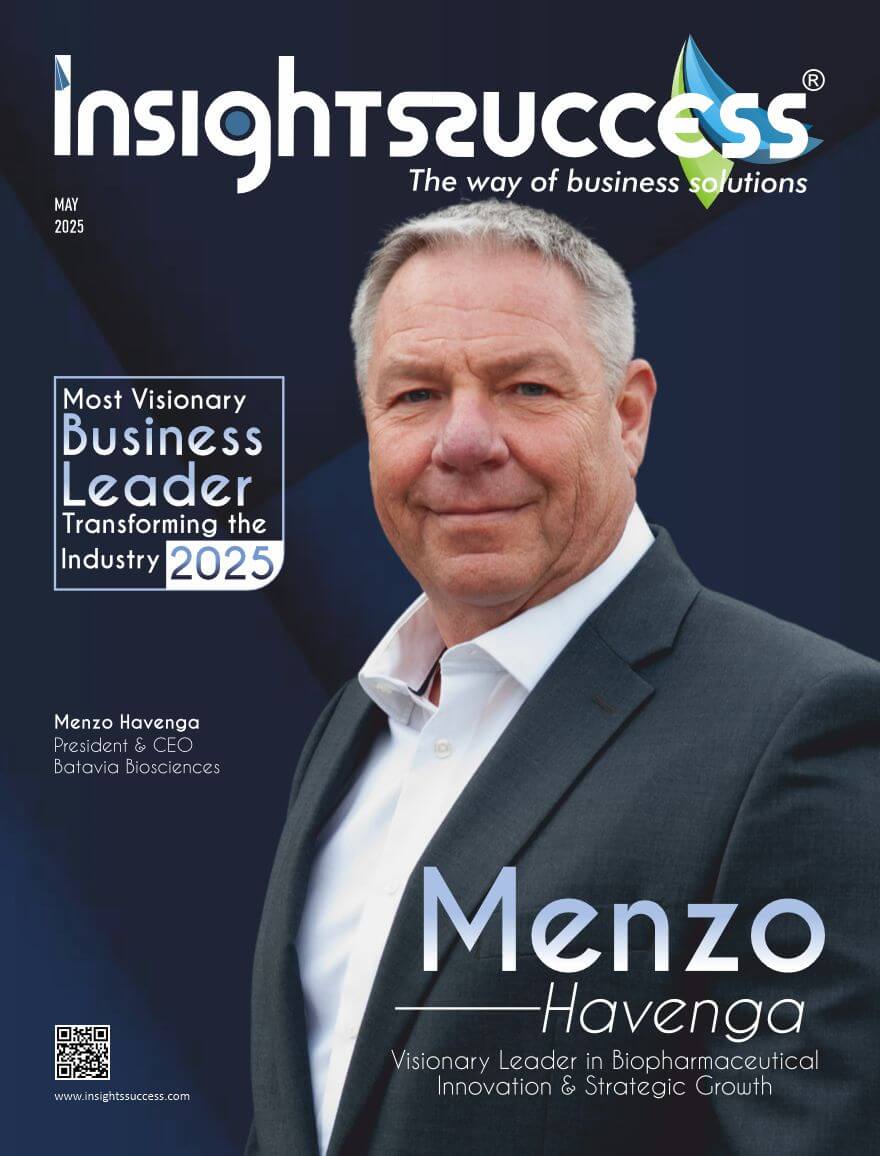
Most Visionary Business Leader Transforming the Industry 2025
Most Visionary Business Leader Transforming the Industry 2025 In an industry where precision meets urgency, Menzo Havenga stands out as a transformative force. As the President & CEO of Batavia Biosciences, he is redefining what’s possible in biopharmaceutical innovation. With a future-focused mindset and a deep-rooted commitment to global health, Havenga is leading the charge in developing and scaling complex vaccines and life-saving therapies. Quick highlights Quick reads

Menzo Havenga: Visionary Leader in Biopharmaceutical Innovation & Strategic Growth
The world of biopharmaceuticals moves fast, and Menzo Havenga thrives in the momentum of today. As President & CEO of Batavia Biosciences, he doesn’t just anticipate the future—he builds it. With every challenge, whether developing complex vaccines or scaling up production for life-saving therapies, he sees an opportunity to push boundaries and make an impact. His journey began with a PhD from the University of Leiden, where he explored gene therapy solutions for Gaucher disease. Since then, his career has been defined by a pragmatic yet visionary approach, rooted in the SMART principle—turning ambitious ideas into measurable success. Under his leadership, Batavia Biosciences has grown into an elite R&D force, solving some of the toughest manufacturing puzzles in the industry. But for Menzo, success isn’t just about innovation—it’s about people. He believes that talent should feel at home, empowered to grow and take bold steps, whether horizontally or vertically. As he steers Batavia toward new frontiers, from groundbreaking research to large-scale production facilities, one thing is clear: he’s not waiting for the future—he’s creating it today. Leader in Biopharmaceutical Innovation and Global Health Menzo is a molecular virologist by training with a career dedicated to advancing biopharmaceutical development and manufacturing. His journey began with a PhD from the University of Leiden in 1998, where he conducted groundbreaking research on retroviral vector-based gene therapy for Gaucher disease, a rare genetic disorder affecting lipid metabolism. His work was supported by Henri Termeer (founder and CEO of Genzyme) and guided by leading Dutch biotech pioneers, Prof. Dr. Dinko Valerio and Prof. Dr. Dick van Bekkum. After completing his academic training, Menzo joined Crucell, a biotech startup, where he quickly rose to the position of Head of R&D, reporting to Prof. Dr. Jaap Goudsmit. By 2003, he was overseeing a 250-person R&D organization spanning the Netherlands, Switzerland, and Sweden. During this time, he played a pivotal role in the development of key technology platforms, including the adenoviral vector platform and the PER.C6 designer cell line, both of which were later instrumental in Janssen’s COVID-19 vaccine development in 2020. He also led the advancement of vaccines targeting malaria, HIV/AIDS, tuberculosis, Ebola, Marburg, Lassa, and West Nile virus, collaborating with global health organizations to drive high-risk product development. In 2007, Menzo transitioned to TNO, the Netherlands’ largest applied sciences organization, where he managed a 300-person R&D business unit. Seeking to enhance early-stage drug development, he established a new research group focused on biopharmaceutical manufacturing, which proved to be in high demand. Recognizing the potential of this initiative, he spearheaded the spin-out of this activity, founding Batavia Biosciences BV in 2010. Under his leadership, Batavia Biosciences grew from a 7-person startup into a global R&D powerhouse, achieving financial break-even in its first year and maintaining a 35% compound annual growth rate. The company became a trusted partner for government agencies (NIH, DARPA, BARDA), philanthropic organizations (IAVI, PATH, BMGF, CEPI), and biotech/pharma companies, excelling in the development of vaccines, recombinant proteins, and antibodies. By 2021, Batavia had 200 employees and operated across 4,500 square meters of R&D and GMP manufacturing space, contributing to multiple COVID-19 vaccine initiatives. Recognizing the need for large-scale manufacturing capabilities, Menzo led the strategic acquisition of South Korea-based CJ CheilJedang as Batavia’s majority shareholder. This move enabled Batavia to expand into commercial-scale biopharmaceutical production, strengthening its position as a leading CDMO. By mid-2025, Batavia will launch a state-of-the-art, 120,000-square-meter commercial manufacturing facility, marking a significant milestone in the company’s growth. In September 2024, Menzo stepped down as CEO of Batavia Biosciences, transitioning into a board member and advisor role to support the new CEO, Dr. Youngjin Seo. He now leads MHPM Services BV, where he provides scientific and strategic consulting while exploring new investment opportunities. Throughout his career, Menzo has remained driven by a deep commitment to making medicines accessible—regardless of geographic or economic barriers. He believes that collaboration and team spirit are essential for success in life sciences, where expertise across basic research, scale-up, preclinical testing, manufacturing, regulatory affairs, and clinical trials must come together. His leadership style embodies the Level 5 management philosophy, balancing personal humility with unwavering determination. For Menzo, leadership is not about personal ambition but about advancing the mission, the organization, and its greater purpose. Over time, his leadership approach has evolved naturally—shaped not by a single pivotal moment, but by a lifelong dedication to innovation and impact in global health. Bridging Innovation and Impact At Batavia Biosciences, a world-class R&D team has been assembled with the expertise to tackle some of the most complex manufacturing challenges in biotechnology. Under Menzo’s leadership, the company has played a crucial role in rescuing promising medical products—ensuring that innovative therapies progress from research to human clinical trials. Whether improving product yields, solving purification issues, or enhancing product stability, Batavia has repeatedly demonstrated its ability to make life-saving treatments viable at scale. Seeing a once-struggling product demonstrate profound clinical impact—whether against Ebola, Marburg, Lassa, Nipah, or cancer—has been a source of immense satisfaction for Menzo and his team. As CEO, Menzo structured his responsibilities into five core areas: Stakeholder communication Financing Mergers & Acquisitions (M&A) Public relations & public affairs Sales support In a high-stakes environment, he and his management team adhered to a structured decision-making process: Orient—Decide—Act—Repeat. This approach ensured that all relevant stakeholders were fully informed, scenarios were evaluated based on risk and benefits, and decisions were monitored and adjusted as needed. In critical situations, the management team convened daily to assess progress and adapt strategies in real time. Operating in a highly regulated industry, Batavia Biosciences maintained strict safety protocols. The company’s biosafety level 1, 2, and 3 laboratories were rigorously maintained to contain and properly dispose of hazardous materials, ensuring compliance with international safety standards. Additionally, staff handling carcinogenic and high-risk substances were extensively trained in emergency protocols, following the principle of “prevent before cure.” Through meticulous strategy, expert problem-solving, and an unwavering commitment to global health, Menzo helped Batavia Biosciences become a leader in biopharmaceutical development—bridging the

Leadership Velocity: Accelerating Team Growth and Strategic Execution
Today, success in the business world is just as much a matter of vision as velocity—how rapidly leaders can take teams in one direction, develop innovation, and implement strategy. Velocity of leadership is the intersection of speed, agility, and receptivity that can assist leaders in taking teams into action in the correct direction with intention, precision, and determination. In fast-growth environments, this pace is not optional—it’s a requirement. It separates behind-the-curve companies from market drivers and reactive managers from proactive leaders. Defining Leadership Velocity Leadership velocity is quicker decision-making. It’s a momentum of strategy—the ability to inspire teams, be flexible in adapting, and deliver do-overs without sacrificing long-term vision or company well-being. Essentially, leadership velocity brings together three key components: Clarity of direction Capacity to empower Consistency of follow-through These pillars check speed from degenerating into haste, and motion from becoming disorder. Instead, the company is progressing with one strength in hand over common causes. Creating Clarity in the Mess Effective leaders move with speed because they are able to think clearly. Amidst an ocean of information and a state of constant change, clarity is power. Leaders who have a compelling “why,” stay focused on priorities, set clear goals are able to cut through the mess and act. Alignment is achieved through transparency. When all the individuals are clear about what winning would be and how their unique contribution fits into its attainment, they act confidently. This also does away with slack caused by misinformation or ambiguity. Weekly priorities, OKRs (Objectives and Key Results), and cascading strategic objectives are instruments that current leaders utilize to construct alignment on the basis of quick-paced teams. Constructing a Team Conducive to Velocity Speed requires trust—and trust develops when leaders enable, not micromanage. Speed leadership is to enable independent, talented teams to take responsibility, drive themselves, and speed-pivot. This starts by recruiting for agility—brought on board people who thrive in high-speed cultures, open to feedback, and comfortable questioning the status quo. Most of all, though, it is to create a culture in which experimentation is welcomed and failure is a learning hill, not an error. Delegation is another pillar. Velocity leaders avoid obstacles by delegating authority further down the chain. They trust their teams to make decisions within boundaries that promote autonomy and accountability. Execution That Drives Momentum Leadership velocity means nothing if it doesn’t drive results that matter. Execution—translating strategy into action that reverberates—is where momentum finds a hold. Agile leaders create rapid feedback loops, set brief success criteria, and monitor progress in real-time. They’re focused on iterative improvement, not perfection. Whether it’s product MVPs shipping, market tests, or operational tuning, they prefer motion and learning to analysis paralysis and gridlock. A handy technique is the 30-60-90 strategy model—in deciding what to do in 30, 60, and 90 days, tied to measurable business objectives. This triggers urgency and ease without compromising on long-term aims. Communication: Fuel for Speed Communication crawls when it doesn’t take place. Good communicators and leaders who make communication a frequent practice keep people motivated, keep them on track—even when they’re not even sure where to go. Cross-functional briefs, daily stand-ups, and open communication channels (e.g., Slack, Teams, or async video updates) cut wait time on a decision or uncertainty about what’s required. Transparency also creates psychological safety—teams complete work faster when they’re psychologically safe to question, voice concerns, and disagree. Balancing Speed and Sustainability The risk of velocity is burnout. Managers need to be mindful that their passion for velocity does not steal well-being, ethics, or values. Velocity as a model of leadership must be sustainable. That’s building rhythms that make room to pause and reflect, rest, and refuel. High-performing teams need contemplative pauses, emotional care, and obscenely transparent expectations on load. Leaders who lead from empathy, self-compassion, and a place of mental equilibrium build cultures where velocity is strength—not risk. Second, sustainable velocity is about long-term orientation from the start. One must not be tempted to aim for high velocity and quick wins at the expense of not sustainable value, but timely short-term wins. Short vision and high velocity mean collapse and burnout. Learning How to Adapt Leadership Styles to Build Velocity There is not and cannot be a one-size-fits-all speed. Adaptive leadership—style adaptation to team dynamics, organizational maturity, and market needs—is what’s required. Start-up companies, for instance, will require directive leadership so that they can dictate pace and simplicity. Scaling organisations, however, are likely to require a participative and coaching style of leadership so that teams get empowered and are able to handle complexity. Organization leaders switch seamlessly from front-running leadership to coaching from the back. This allows them to let go of team performance and the culture of accountability as well. Metrics that Matter: Measuring Leadership Velocity To know if leadership velocity is working, organisations must measure it—not just in terms of output, but impact. The key metrics are: Decision to action cycle times Employee engagement Innovation or product release rate Reaction to market feedback or disruption Pressure resistance and team retention Monitoring these metrics on a regular basis enables leaders to adjust their approach, remove friction, and continually optimize velocity and accuracy. Final Thoughts Leadership speed isn’t about getting everything done at light speed—about doing the right things at higher speeds. It’s having the ability to drive clarity, enable people, and execute with consistency and agility in response. In an economy that never slows down, the leaders who can keep up without losing their bearings will map the course of competitive greatness. The real test is not how fast you go—but how many you bring with you.

Inclusive Leadership: Empowering Diversity for Stronger Business Outcomes
With today’s advanced and integrated world of international business, merely diversity will no longer be adequate. For companies to realize fully the capabilities of a diverse organization, organizations must have inclusive leadership—leaders intentionally building settings wherein everyone feels respected, valued, and encouraged to give their full contribution to the organization. It is not an ethical concern, but a strategic one. Inclusive leadership businesses are more profitable, adaptable, and innovative. With shifting demographics in the workforce and consumer demands for representation and equity, inclusive leadership is a differentiator in high-performing teams and sustainable growth today. What is Inclusive Leadership? Inclusive leadership is a conscious practice of providing every last member of every team—background, identity, experience be darned—equitable opportunity, influence, and visibility. Not only do they celebrate difference; they value it and draw strength from it. Inclusive leaders actively work on: tearing down systemic obstacles establishing psychologically safe space alleviating unconscious bias embedding diversity in decision-making Above everything else, inclusive leadership transcends HR policy or compliance—it’s experienced every day in words, actions, and deeds. The Business Case for Inclusion Statistics clearly show that more-diverse leadership teams yield greater performance. McKinsey found, in a study, that the most ethnically and gender-diverse companies are 35% more likely to have their financial returns exceed their industry average. Why? Because diverse perspectives result in superior decision-making, ignite innovation, and link firms to a global customer base. Inclusive leadership also improves staff involvement and loyalty. When staff feels included, listened to, and appreciated, they will: Remain loyal to the organization Begin Collaborate better together This yields more efficiency and a better organizational environment. Important Traits of Inclusive Leaders Inclusive leaders are not born—they’re made by purpose, self-reflection, and application. Following are the major traits that make them stand apart: Self-Awareness Inclusive leaders recognize their own biases and actively work on improving. They are attuned to the impact that their actions and words have on other individuals, and they leave the door open for others to call them out on their actions. Empathy They are actively interested in people’s lives. They listen carefully to people and ask respectful questions regarding other perspectives. Curiosity and Openness Inclusive leaders are lifelong learners. They challenge assumptions, promote dissent, and pursue new perspectives with humility. Courage They won’t hesitate to speak up, buck the system, and stand up for justice—no matter how painful it may be. They prioritize people over politics. Collaboration They actively create space for others to lead and to contribute. They assemble diverse teams and create interdependence instead of hierarchy. Inclusive Leadership in Practice In order to construct inclusive leadership, organisations need to infuse it at every level from boardrooms to frontlines. These are feasible measures towards inclusive outcomes: Creating Diversified Decision-Making Tables Inclusion begins at the leadership level. Get diverse faces at leadership, not merely entry-level skills. Establish advisory councils or ERGs (Employee Resource Groups) which can help to offer views on the voice of the underrepresented. Placing Bias Interrupters Apply fair hiring, promotion, and performance measurement practices. Blind résumé screening, standardized interview protocols, and multicultural evaluation boards are examples. Create Inclusive Team Norms Promote norms in the team that foster open discussion, shared credit, and respectful disagreement. Hold room in meetings for everybody’s voice—particularly those least likely to be heard. Offer Ongoing Education Provide ongoing, not sporadic, inclusive leadership development and allyship training. Teach leaders to learn as a leadership skill, not an HR box. Measure What Matters Monitor representation, compensation equity, retention, and promotion metrics. Monitor worker experiences and psychological safety through pulse surveys. Connect leader performance assessment to results of inclusive actions. The Link Between Inclusion and Innovation Innovation will flourish when individuals are willing to take risks and work on new possibilities together. Inclusive leaders establish such safety by fostering an environment where difference is strength, not deficit. For instance, technology companies that promote inclusive design put in the market more products that better fit a greater user segment. In finance, inclusive leadership leads them to find new sets of customers and market demand. In healthcare, it creates culturally adaptive care that enhances patient outcomes. Irrespective of the industry of business, inclusive leadership enables businesses to future-proof their operations by ensuring that people—and their ideas—within a business are diverse enough to cover the whole range of complexities available. Leading Through Change As companies step into digital transformation, geopolitical turmoil, and workforce reimagining, inclusive leadership is a guiding star. It enables leaders to manage diverse, dispersed, and in the majority of cases, remote teams with empathy and solidarity. Besides this, in crisis or cultural conflict scenarios, inclusive leaders enable organizations to react authentically and responsibly, establishing trust with employees and the public too. Final Thoughts Inclusive leadership is no longer a “nice to have” but a necessity business. In a complexity-change-competition economy, diversity- and inclusion-driven leaders tap into more innovation, more engagement, and more sustainable success. To lead inclusively means to lead for the future—a future where all people, all identities, have the chance to grow, contribute, and succeed.

Most Influential Leaders Shaping the Future of Procurement, 2025
Most Influential Leaders Shaping the Future of Procurement, 2025 This edition celebrates visionary professionals driving transformation across global supply chains. Highlighting innovation, resilience, and strategic foresight, this list honors those who are redefining procurement through technology, sustainability, and leadership paving the way for smarter, more agile, and future-ready procurement ecosystem Quick highlights Quick reads

The Human Side of Digital Procurement
Upskilling Teams for the New Paradigm In an era fueled by automation and algorithms, it’s all too easy these days to disregard the human beings that drive current-day business. Among the regions this is more apt to ring particularly true in Digital Procurement, a sphere often linked to machine learning, data analytics, and optimized processes. But with all the dashboards, KPIs, and supply chain integrations working in the background, there remains a simple truth: digital change isn’t superior to those in the background. Beyond the Technology Digital Procurement is applying digital platforms and solutions to manage and optimize procurement processes. From managing contracts to sourcing, via spend analysis to collaboration with suppliers, technology is emerging as a major player in enhancing speed, transparency, and precision. Technology is not independent, though. It is developed, deployed, and operated by human beings making daily decisions that count. The success of every procurement revolution hinges on how successfully we balance the human factor in the digital formula. Far too often, digital transformation initiatives center around tools and platforms without being aware of the significance of culture, communication, and change management. The guarantee of efficiency and cost savings exists, but they can be obtained only when the procurement professionals are empowered and included in the initiative. Empowering Procurement Professionals This transformation to Digital Procurement can send shivers down the spines of teams, particularly when automation is seen as a replacement for their jobs. But the real intent of digitization is not replacing people but to make them more capable. Such manual tasks as invoice matching or approval of orders can be automated, and procurement teams can concentrate on strategic key activities such as supplier relationship management, market research, and innovation sourcing. By freeing mental resources and time, digital technology enables professionals to operate at a greater level. The procurement professionals start becoming analysts, collaborators, and strategists. But none of this would have been possible had organizations not made investments in training, upskilling, and reskilling activities that cause the people to find it convenient to adjust themselves to the new technologies in confidence and fearlessness. Creating Human-Centric Solutions One of the most common Digital Procurement transformation errors is deploying platforms with disregard for the end-user experience. Procurement experts are not data entry operators; they are subject-matter experts with phenomenal intuition. If systems are not intuitive, if interfaces are not user-centric, and if processes fail to replicate actual procurement realities, uptake will be poor and morale even poorer. Human-centered design should be placed in front and center of digital software. This means including individuals on procurement teams at an early stage in tool choices and design. This involves providing feedback loops, usability testing, and working alongside users as equals, not simply operators. If individuals feel respected and heard, they are much more likely to accept change. Culture Drives Adoption Digital tools may be the muscle behind today’s procurement, but culture provides gasoline. There needs to be a culture of openness, collaboration, and ongoing learning so that Digital Procurement can truly thrive. Leaders create culture. Leaders need to behave in the manner they wish to create—being actively engaged with digital tools, fostering a culture of experimentation, and rewarding incremental gains. Change management must not be an afterthought. Communication takes precedence, particularly when transitioning from legacy systems to digital platforms. The teams should know why the change is being made, how it will impact them, and what assistance they will get. Trust is a transformation currency, and this trust should be built based on transparency and empathy. Collaboration and Connectivity Procurement is a team-based activity in its very nature. Coordination with internal stakeholders, external suppliers, finance, legal, and so on is required. In this context, Digital Procurement platforms have no need to alienate but bring people together. Real-time messaging, shared dashboards, and workflow enablement can be leveraged to enhance decision-making and accountability. In addition to this, software can bring a global buying team closer. Home-based work and hybrid work culture became the way of life, and cloud procurement systems provide collaboration between geographies and time zones without any lag. This type of connectivity improves efficiency while at the same time retaining a human touch through collaboration. Ethics, Empathy, and Responsibility Another critical element of Digital Procurement is in ethical sourcing and sustainable supplier management. In the quest for cost savings, it’s tempting to ignore work conditions, environmental concerns, or diversity in the supply base. But digital platforms can—and must—be used to track compliance, encourage ethical sourcing, and spur sustainability. With the integration of technology, accountability, and empathy, businesses can modernize procurement strategies that not only capture business objectives but also their values. It matters how business is done, and procurement helps ensure that operations are aligned with social expectations. Conclusion Digital transformation is not a technological initiative is a human one. Digital Procurement at its best is not about saving or automating. It is about empowering people to do their best work, to make intelligent decisions, and to create more resilient, more ethical, and stronger supply chains. As we increasingly use smarter platforms and tools, let us not lose sight of creativity, wisdom, and collaboration that only human beings can provide. Ultimately, the best digital procurement system is only so good as the people using it.

Lance Jay: Transforming Procurement Practices to Align with Business Objectives
Procurement is the foundation for ensuring efficiency, cost-effectiveness, and resource optimization across industries. It has progressed from a traditional purchasing function into a strategic element that drives sustainability, innovation, and inclusivity. The shift towards data-driven decision-making and technology integration has enhanced procurement’s role in maintaining resilient supply chains and cultivating economic growth. Organizations are prioritizing supplier diversity, transparency, and ethical sourcing to align with broader business goals. Additionally, engaging with small and minority-owned businesses has become essential in creating equitable opportunities, further enriching the procurement ecosystem. As a Chief Procurement Officer and a prominent leader, Lance Jay brings a strategic and goal-oriented approach to procurement, shaping the field with his keen ability to anticipate industry trends and implement innovative solutions. His leadership is committed to efficiency, adaptability, and inclusivity, ensuring that procurement strategies deliver measurable value. With a deep understanding of operational and procurement needs, he cultivates collaboration, empowers teams, and creates impactful opportunities for diverse business communities. His focus on clear communication and accountability allows him to drive meaningful change while maintaining a strong focus on continuous improvement. His leadership philosophy revolves around setting achievable goals, integrating technology, and ensuring every team member is engaged. The City and County of Denver Department of General Services is essential in optimizing procurement processes to support city-wide operations. By managing over $700 million in goods and services, the department ensures that procurement activities align with the city’s economic and social goals. A core focus is engaging with small, minority, and women-owned businesses, facilitating their participation in government contracts through training, certifications, and streamlined processes. Additionally, the department is committed to technological advancements, leveraging strategic tools to enhance efficiency, transparency, and accessibility. These initiatives continue to strengthen the local economy, improve public services, and build a more inclusive business environment. Let’s explore Lance’s innovative procurement strategies for making a greater impact and value: Agile and Efficient Procurement Practices Lance’s journey in procurement began in the late 1990s within the hospitality industry, where managing unexpected challenges cultivated agility and efficiency. Over his career, Lance has worked for some of the largest hospitality and entertainment businesses in the industry, including The Walt Disney Company, Disney Cruise Line, Gaylord Hotels, Marriott International, Millennium Hotels globally, and now the City and County of Denver Department of General Services. Transitioning from the hospitality sector to the government sphere enabled him to bring many skills cultivated and refined in the hospitality world, including exceptional customer service and anticipating operational needs. This unique perspective, encompassing operational and procurement viewpoints, has ultimately resulted in mutually beneficial opportunities. Delivering Value in City Goods and Services Lance is privileged to work with a dedicated group of professionals who procure and deliver value for over $700 million of city goods and services. The team also manages city-wide surplus property activities through the sale and strategic reutilization of city goods and provides asset inventory management. One key focus is engagement with the SWMBE (Small, Minority, and women-owned business community) to ensure alignment with city goals. The team also performs outreach to the vendor community, including small, women, and minority-owned business enterprises, providing opportunities for training and certifications and identifying opportunities to do business with the city. In the past 24 months, $242.7 million was successfully awarded to entities in the MWSBE community. Strategic Goal-Driven Leadership Framework Lance’s approach to leadership and decision-making begins with envisioning the end goal and then establishing a framework to work towards that goal. The process must start with strategically relevant goals, allowing the team to focus on the most important elements first. Goals should be measurable, as people tend to perform differently when they can see the impact of their efforts. It is important to ensure that the strategy steps are attainable, as setting unrealistic milestones can demoralize the team. Furthermore, the team must see their involvement in the process. In simple terms, the approach is to think big, act small, and be willing to pivot when necessary. However, the most important aspect is the need to listen. There are four forms of communication: speaking, listening, reading, and writing. Despite extensive training and education in speaking, reading, and writing, many leaders fail to listen effectively. The key is to seek first to understand, then to be understood, as the old saying goes. Prioritizing and Seeking Support for Better Balance He believes balancing the demands of his role and personal life involves setting clear expectations for oneself. Lance highlights that it is not so much about balance as that implies a trade-off and a time management equation. Early in his hospitality career, a mentor shared advice that he still uses today: “Work needs to be a part of life, not the meaning of it. You must be 100% present at home and work.” As a result, Lance prefers to view it as work-life harmony, where work is integrated into the rest of life in a way that promotes happiness both at home and in the office. Lance established some personal non-negotiables: Be present through established boundaries, set priorities, and seek support when needed. He makes sure to be fully engaged with his tasks and activities, making the most intricate decisions first thing in the morning when he is at his best and then putting work responsibilities out of his mind when he is off the clock. He uses technology to enforce these boundaries to hold himself accountable, such as setting ‘do not disturb’ modes on devices after hours. He sets priorities by establishing goals and priorities for work and home, helping him focus on tasks that bring satisfaction, happiness, and a sense of accomplishment. He ensures he makes time in the day for regular exercise, adequate sleep, and healthy eating. Lastly, he seeks support by establishing a strong network at work and home, providing much-needed advice and emotional support, and not hesitating to seek help when required. Engaging with Industry Partners and Vendors According to Lance, networking is essential to staying ahead of industry trends and innovations. Engaging with industry

Top Dynamic Personality Making A Difference In 2025
Top Dynamic Personality Making A Difference In 2025 This edition highlights Srinivasarao Paleti, as a transformative leader driving innovation and impact across industries. With a visionary approach, Srinivasarao is reshaping the landscape through strategic initiatives, empowering others, and making significant contributions to technological and organizational advancements. Quick highlights Quick reads