





CPT Group: Elevating Standards and Setting the Bar in Class Action Administration
In an industry where precision and impartiality are paramount, CPT Group has consistently set the standard for excellence. Imagine a world where complex legal settlements unfold seamlessly, where fairness is not just a promise but a demonstrated practice. This vision drives CPT Group, an organization that has spent over 40 years perfecting the art of class action administration—transforming intricate legal processes into trusted, effective solutions. With a proven track record of administering over 530 cases annually and disbursing more than $1 billion in settlement funds each year, CPT Group has earned the trust of 10,000 plaintiff and defense clients nationwide. The company’s expertise extends across all facets of class action administration, having served over 250 million class members and handled cases of all sizes—from small-scale wage and hour settlements to nationwide, multi-million-member class actions. From its inception, CPT Group recognized that class action administration goes beyond executing settlements; it is about safeguarding trust, maintaining transparency, and ensuring each case is managed with staunch integrity. This guiding philosophy has propelled the company to the forefront of the industry, where its legacy is defined not only by experience but also by a forward-thinking approach that grows alongside the legal landscape. Its accomplished leadership team, unified by a shared vision, propels CPT Group forward. Yet, what truly sets the company apart is its consultative approach—going beyond administrative processing to offer strategic insights that optimize notice programs, streamline claims processing and enhance cost efficiency. Its steadfast commitment to security, neutrality and compliance has earned CPT Group the trust of leading law firms, corporations and government agencies. With a leadership team boasting decades of experience and a legacy of excellence, CPT Group continues to raise the bar in class action administration. At CPT Group, “We pride ourselves on being more than just a service provider—we are your dedicated partner in achieving success. With our unique blend of small company attention and big company capabilities, we ensure that every project receives the utmost care and expertise. Our commitment to building long-lasting relationships means that we are here for you, not just for today, but for every step of your journey,” shares CPT Group’s skillful team. Join us for an exclusive interview with the accomplished leadership team at CPT Group. Learn how their consultative approach, industry expertise, and solid commitment to security and compliance set them apart in class action administration. Don’t miss this opportunity to gain insights from the experts shaping the future of claims processing! CPT Group has been a leader in class action administration for decades. How do you continue to innovate and stay ahead of evolving legal and regulatory landscapes? Innovation is at the heart of our operations. We continuously evolve by investing in cutting-edge technology, advanced data security measures, and automating our processes to enhance efficiency and accuracy. One of our key differentiators is our ability to anticipate industry shifts. Our leadership team monitors regulatory updates and emerging trends in class action litigation, allowing us to proactively adapt our services to meet new compliance requirements and client expectations. CPT Group has a remarkable track record of managing over 530 cases annually and servicing over 250 million class members. What key strategies and principles have contributed to this long-standing success? At CPT Group, our success is built on a foundation of precision, reliability, and strategic client partnership. With over 40 years of experience in class action administration, we have continually refined our approach to ensure seamless execution at every phase of the process. Our ability to navigate complex legal frameworks, maintain strict compliance, and leverage innovative technology has allowed us to evolve year over year, staying ahead of industry shifts. A key factor in our longevity is the stability and expertise of our leadership team, a rare advantage in an industry where turnover is common. Tim Phillips, recently promoted to Senior Vice President of Business Development, has been with CPT Group for 15 years—an extraordinary tenure in the business development space. His consistency and deep knowledge of class action administration provide clients with a trusted, long-term partner who understands their unique needs and ensures a seamless experience across cases. Julie Green, our newly appointed President, has spent 20 years at CPT Group and is recognized as one of the industry’s foremost experts in legal notice administration. Having personally overseen thousands of class action notice programs, Julie’s expertise in compliance, notice strategy, and regulatory adherence has been instrumental in CPT Group’s ability to administer even the most complex settlements successfully. Her leadership continues to drive innovation, ensuring that CPT remains at the forefront of class action administration. Our leadership’s strength lies in our consultative approach—we go beyond administrative processing to provide strategic insights that optimize notice programs, enhance claims processing, and ensure cost efficiency for our clients. Our commitment to security, neutrality, and compliance makes us trusted partners to top law firms, corporations, and government agencies. With a leadership team that has decades of combined experience and a track record of consistency and excellence, CPT Group continues to set the bar in class action administration. With the recent leadership transitions at CPT Group, can you share how these changes will further the company’s vision and strengthen its position in the industry? CPT Group’s recent leadership transitions mark a significant step forward in strengthening its industry leadership and advancing its vision for innovation and excellence in class action administration. This strategic evolution enhances the company’s ability to provide unparalleled service, operational efficiency, and technological advancements to clients. Julie Green, now serving as President, brings 20 years of experience at CPT Group and is widely regarded as an authority in class action notice administration. Her expertise in regulatory compliance, strategic case management, and client advocacy ensures CPT continues delivering unparalleled service and thought leadership in the industry. Randi Martz, as Executive Vice President of Business Development and Strategy, will leverage her 16 years at CPT to drive national market expansion, optimize client engagement strategies, and fortify the company’s infrastructure to deliver efficient, high-quality service at

Nurturing Resilience: Dr. Robyne Hanley-Dafoe Gains Recognition in The Knowledge Review as one of the World’s Most Encouraging Keynote Speakers to Follow in 2024
Stress, change, and growth are constant aspects of personal and organizational development. Overcoming these challenges requires more than just coping; it calls for adaptation, resilience, and emerging stronger. Cultivating resilience and well-being is key to navigating life’s uncertainties with purpose. Dr. Robyne Hanley-Dafoe, Founder of Dr. Robyne HD Inc., specializes in resiliency, wellness, and navigating stress, change, and self-identity. With extensive experience in post-secondary education, professional development, and research, she offers research-based solutions to foster positive learning environments. Her approach, accessible and relatable, empowers individuals and organizations to embrace growth through tailored keynotes, consultations, and training. Dr. Robyne Hanley-Dafoe’s journey into keynote speaking began with over two decades in academia. Recognizing the value of extending her expertise beyond the university setting, she sought to democratize knowledge, particularly in psychology, human development, and behavior. Her goal was to ensure that valuable insights were accessible to all, not just academics. Transitioning from university to public speaking, Dr. Robyne’s mission became clear—empowering individuals with actionable knowledge. In 2016, a surprise invitation to deliver a TEDx Talk marked a pivotal moment in her career. From this point, Dr. Robyne embraced public speaking, focusing on resilience, hope, and personal growth. Drawing on years of teaching and feedback, her message resonated with diverse audiences, encouraging self-reflection and societal transformation. Dr. Robyne’s approach to keynotes emphasizes practical, research-backed insights delivered with authenticity. She uses storytelling to communicate complex ideas, making them relatable and memorable. Her presentations aim not only to inform but to inspire action, encouraging audiences to apply newfound wisdom in their lives. Believing in speaking as a form of service, Dr. Robyne continues to reach individuals worldwide, helping them navigate life’s challenges with hope and resilience. Through her work, she fosters personal and collective growth, guiding others toward a brighter future. Distinguished by The Knowledge Review as one of the World’s Most Encouraging Keynote Speakers to Follow in 2024, Dr. Robyne Hanley-Dafoe’s commitment to resilience and personal growth serves as a beacon for individuals and organizations facing the challenges of stress and change.
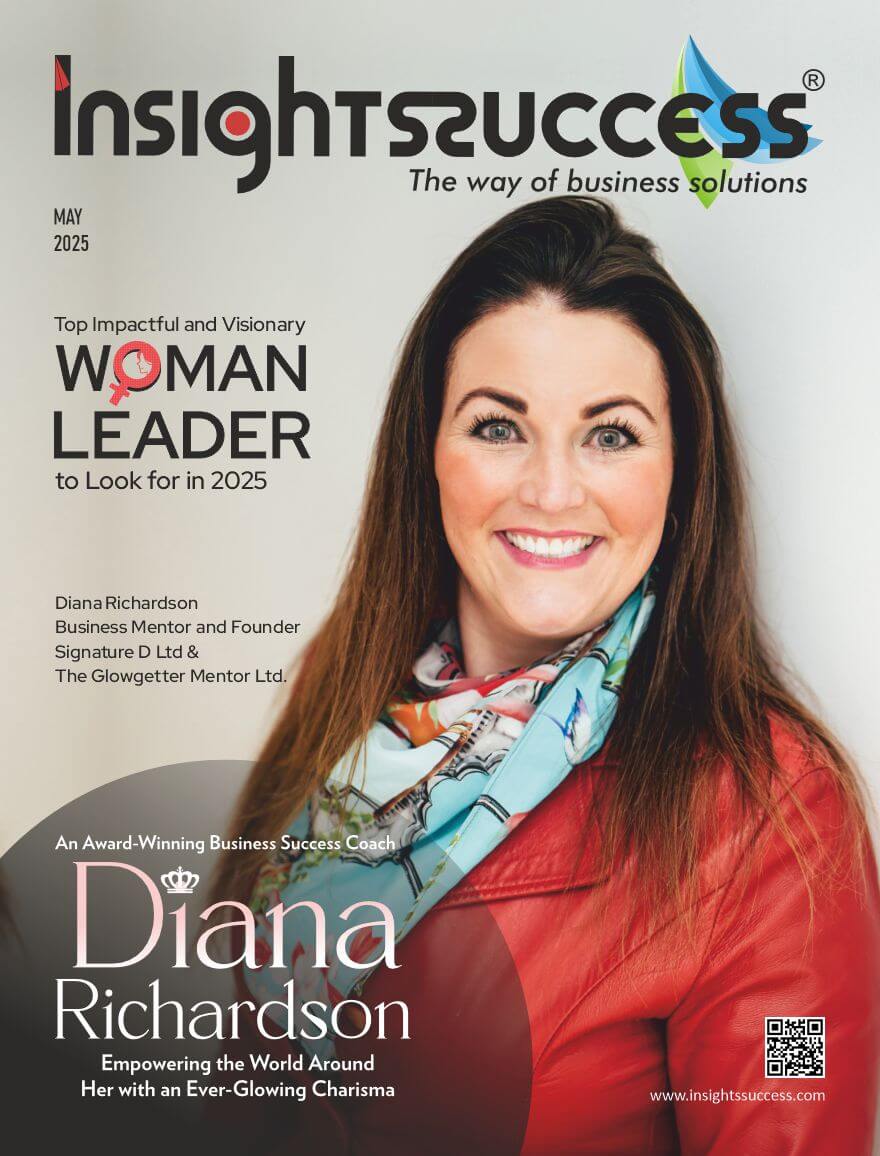
Top Impactful and Visionary Woman Leader to Look for in 2025
Top Impactful and Visionary Woman Leader to Look for in 2025 This special edition honors Diana Richardson, a purpose-driven business mentor and the visionary Founder of Signature D Ltd and Glowgetter Beauty Entrepreneurs. With over three decades of entrepreneurial experience—spanning acquisition, startup, scale, and successful exits—Diana embodies the resilience, insight, and authenticity that define truly transformative leadership. Quick highlights Quick reads

An Award-Winning Business Success Coach – Diana Richardson: Empowering the World Around Her with an Ever-Glowing Charisma
Instead of titles, accolades, or personal achievements, true leadership success is a journey that is rooted in the ability of the leader to uplift, empower, and transform the lives of others. A true leader like Diana Richardson, Business Mentor and Founder of Signature D Ltd and Glowgetter Beauty Entrepreneurs, knows that her greatest legacy lies not in what she accomplishes individually but in how she inspires growth, resilience, and excellence in those whom she mentors and coaches. In her words, it took her 33 years of lessons in entrepreneurship from acquiring, starting, scaling and selling businesses to gain the experience and expertise to share with others. A university-educated entrepreneur and seasoned business owner, Diana’s expertise lies in the beauty, wellbeing and skincare industry. An Ever-Shining Starlet Featured in Forbes, Entrepreneurs Herald, Yahoo Finance, New York Weekly, Women’s Herald, New York Journal, Yahoo News, and Beyond! Magazine, Insights Success Magazine, CIO Magazine, Disruptors Magazine, Hampshire Life, Vitality Magazine, The Leaders Globe, World Leaders, Fortunes Business Review, Women’s World, International Business Weekly, Global Publicist 24, The Enterprise World, and Billboard Magazine, Diana’s complete award list includes: Top Beauty & Wellbeing Entrepreneur of the Year for 2024 – IAOTP International Association of Top Professionals. Global Impact Excellence Awards – Business Strategy 2024. Best Business Mentor – Global Women Leadership Awards 2024. Beauty Business Strategist of the Year 2024 (UK) – Lux Life Magazine PHAB Service Star 2021 – 2024 LUXlife Excellence Award in Microneedling 2024 – South East England Innovation and Excellence Awards (2021 • 2022 • 2023 • 2024) Luxury Beauty Salon of the Year Being a multiple award winner for her comprehensive knowledge, business acumen, customer service and team management skills, Diana gained international recognition. As a Founder and CEO of ten successful companies that she has started, scaled and sold, Diana shares her experience and expertise with her Glowgetter Beauty Entrepreneurs Podcast, Coaching, Mentoring and Continued Professional Development (CPD) program. With an illustrious background as an Alumna of Saïd Business School, University of Oxford, earning a first in their Strategic Innovation Program along with obtaining her teaching qualification from Greenwich University and studying Communications at the University Nevada Las Vegas, Diana empowers entrepreneurs through education. With her wealth of experience, dedication to excellence, and entrepreneurial spirit, Diana continues to make significant contributions to the beauty and wellbeing industry. The Origin of Diana’s Success Saga It lies not in her youth but in her late childhood. Beauty, wellbeing and skincare have been her passions since adolescence. At nine, she had her first job sweeping floors as a Saturday girl in a hair salon. As a pre-teen, Diana started her entrepreneurial endeavours with various makeup and skincare mail-order companies. Then, whilst at the University of Nevada Las Vegas, majoring in communications with business electives, she worked in the prestigious spa. In 2003, Diana moved to the UK and gained her qualifications in beauty therapy, which has evolved over the years into award-winning international advanced aesthetics and multiple award-winning businesses. Diana has acquired, started, scaled, and sold several businesses in her thirty-three years as a professional in the beauty and wellbeing industry, which has now transformed into her business coaching and mentoring companies that help elevate entrepreneurs and executives around the globe. Signature D Ltd initially started to help students start their own businesses, and intrapreneurs were set up as solopreneurs. That mentorship model expanded to helping spas, salons and beauty entrepreneurs during the global pandemic. Diana recalls, “I was asked to help the government write the regulations for our industry and worked with medical personnel, which gave me niche knowledge on how to operate as a ‘COVID-19 secure’ business.” “Knowledge is Power,” A quote Diana uses often. She offers continued professional development, and she’s also an avid seeker of further education… to offer the best for her community; she has achieved a first at Oxford University Saïd Business School studying their Strategic Innovation Program and completed Harvard Medical School’s Lifestyle Medicine Coaching course, with distinction. Diana has recently been nominated for an honorary doctorate at Azteca University, and she’s embarking on a program at Harvard Business School. Diana shares all of these lessons through her business strategy sessions with the Glowgetter Beauty Entrepreneurs Ltd community through its podcast, blog, and further education programs. According to Diana, qualities like Accountability, Cadence and Time Management distinguish a great business mind from a good one. Furthermore, in today’s fast-changing business landscape, she believes that adaptability, innovation and the KEY to success is to Keep Educating Yourself. These are the most critical skills a leader needs to stay relevant and resilient. Diana’s mentorship programs have impacted many aspiring entrepreneurs. She has had many memorable mentee success stories. One was a student who was changing careers, and she wanted to specialize in Indian wedding makeup. “This inspired me to partner with the photography department so both courses could build portfolios to use immediately once they had qualified. We chose themes that would support her goals, and along with the skill set, I mentored her in becoming an entrepreneur.” She left the course fully prepared with the knowledge and launched her business startup. A year later, Diana received a card in the post to her salon – heartfelt gratitude as the mentee student had hit six-figure success in her first year. “This career chapter change was a dream come true – she had designed her destiny and was living her best life,” smiles Diana. The Pivotal Challenges Turned into Opportunities However, no successful leadership journey is without challenges. Instead of calling them mere challenges, Diana says that pivotal moments have always come to her through obstacles that have been turned into opportunities. “The landscape of these lessons is vast – staffing, finances, injury… the list goes on.” Through grit, determination and the ability to take action with the confidence that she’s making the best decision with the knowledge she has at that moment… doesn’t mean every decision was a successful one. However, lessons are learnt, and often, things

Women at the Helm: Redefining Risk Management Through Empathy and Strategy
Risk management has traditionally been regarded as a quantitative, compliance-based role — a numbers-driven, forecast-based, and fixed-protocol function. Increasingly, though, this is being displaced by a changing world context. A new, more adaptive, people-focused, and forward-thinking form of risk-taking is appearing that integrates strategic imagination with emotional intelligence. Leading this transformation are women leaders who are redefining risk management by introducing empathy into strategic choice, and in doing so, reauthoring the rules of organizational resilience. Beyond the Numbers: The Human Face of Risk Risk in the majority of industries has historically been defined in terms of financial uncertainty, operational failure, or disturbance in the marketplace. International crises in the last two decades — from the crisis itself to geopolitics and global warming — have, nevertheless, served to remind us that risk is both a people and process problem. Workforce well-being, stakeholder trust, customer mood, and reputation are now core preoccupations in deciding an organization’s risk profile. Women leaders are particularly well-suited to address this multifaceted nature of risk. With an unusually strong emphasis on cooperation, listening, and building relationships, they add a human element to traditionally data-driven fields. Their leadership will embody a heightened sense of stakeholder needs and a compassionate awareness of the emotional and cultural forces that drive risk behavior in teams and ecosystems. Empathy as a Strategic Asset Empathy has too often been mistaken as a soft skill — a good but non-critical trait for high-stakes business settings. But in today’s uncertain and dynamic world, empathy is a strategic asset. Empathy-driven women leaders are not just better at bringing new threats to the forefront; they are better at creating cultures of inclusion where concerns are raised early and addressed proactively. Empathic leadership establishes a culture of psychological safety — a primary factor in successful risk management. Where employees feel comfortable to raise concerns, operational, ethical, or interpersonal, organizations receive early signals on potential risks. Having such prior awareness allows leaders to mitigate risks before they become incidents, hence safeguarding business continuity and organizational integrity. Strategic Foresight and Inclusive Risk Governance Female leaders increasingly redefine risk management by integrating varied views into decisions. Instead of limiting risk management to executive boards or technical staff, they encourage cross-functional team work and diverse stakeholder engagement. This varied process not only enhances the quality of risk assessment but also makes the reactions holistic and sustainable. Moreover, women executives prioritize long-term consideration above short-term gain. Their capacity to integrate short-term stress with visions for long-term contribution optimizes strategic vision — a risk anticipation ability. Whether dealing with ESG risk, digital disruption, and geopolitical change, women leaders are asking the right questions, disrupting conventional thinking, and creating adaptive models that prepare organizations for success in uncertainty. Gender-Diverse Leadership Teams: A Competitive Advantage Numerous studies have associated gender diversity in leadership with improved business performance — and risk management is no exception. Gender-diverse leadership organizations experience more effective governance, stronger monitoring, and improved crisis management. That’s because a diversified leadership is accompanied by more diversified cognitive style, communication style, and ethical orientation — all of which are essential to understanding and managing risk. Female leaders also exhibit an increased systems thinking capacity — the capacity to identify patterns, interdependencies, and cascading effects in complex systems. This allows them to predict second- and third-order effects not captured by conventional models of risk. Their trust-building and stakeholder management capacity also facilitates organizational resilience in the face of disruption. Leading Through Crisis: Case Studies in Compassionate Leadership Recent global crises have highlighted the worth of women’s leadership during periods of risk. From CEOs to government leaders, women leaders have demonstrated an unmatched capacity to address crises with clarity, empathy, and resilience. Their honest communication, people-centered policies, and fair-minded judgment have earned the people’s trust and boosted institutional legitimacy. For example, in the context of the COVID-19 pandemic, governments and female-led institutions were universally applauded for rapid decision-making, aggressive containment, and transparent communication. It has nothing to do with personality but with direction of leadership — an awareness of oneself mixed with evidence-informed decision making that is critically necessary in high-risk, high-stakes situations. Toward a New Risk Culture As businesses and communities are facing unprecedented overlap of risk, the call for a new model of leadership is sounding clearer. Women leaders are not filling gaps in existing models; they are actively rewriting them. By anchoring risk management in empathy, inclusiveness, and forward vision, they are raising the stakes for what it takes to lead responsibly. This transformation demands system sponsorship. Companies need to do more than symbolic representation and directly empower women with the mandate, resources, and platforms to influence strategic risk choices. Similarly, risk education and leadership development should feature emotional intelligence, ethical mind, and stakeholder management as competencies — not ancillaries. Conclusion: The Future is Empathic and Strategic The future of risk management is where strategy meets empathy. Women leaders are showing us that these are not necessarily opposing forces, but complementary ones — and they are needed. By broadening the concept of risk, establishing stakeholder trust, and shaping resilient cultures, they are forging a leadership legacy that is pragmatic and visionary. In a universe where uncertainty is the only surety, the capacity to lead from mind and heart is not merely useful — it is revolutionary. And as women increasingly occupy seats at tables of power, they are not merely navigating risk — they are remaking it.

Leading Through Layers: How Women Tackle Complex Organizational Risk
In the modern-day business environment, risk is not merely financial risk or regulatory risk anymore. It is multi-dimensional — extending to cybersecurity, climate, talent, supply chains, brand reputation, geopolitical changes, and so on. To deal with these complexities, one needs more than technical skills; one needs prudent judgment, emotional intelligence, and systems thinking. More and more, women leaders are entering this arena, showing a unique capacity to manage risk across layers — from operational nuance to boardroom strategy — with transparency and compassion. Women Leaders and Systems Thinking Maybe one of the most common characteristics among women leaders, especially in high-risk settings, is their inherent systems thinking. Instead of seeing risks as discrete events, women leaders see them as part of a system within an organization. This allows them to see patterns, predict cascading effect, and react with holistic solutions. In most cases, this is the outcome of needing to balance competing roles and expectations — professional and personal — that provides an appreciation for context and complexity. This capacity to accommodate multiple perspectives all at once is essential when it comes to leading during risky decisions where trade-offs are necessary and one-dimensional solutions do not apply. Communication as a Risk Mitigation Tool Communication is central to effective risk management. Bad communication fosters uncertainty, but good and sympathetic communication can manage reputational risk, maintain employee trust, and mobilize collective action. Women leaders have long demonstrated themselves to be good communicators in this area — especially during crisis situations. Whether responding to a data breach, leading cultural change, or reorganizing business units, senior women will probably have an open, transparent communication style that engages, rather than intimidates. Through describing the “why” of what they’re doing and holding open spaces for conversation, they quash resistance, build alignment, and reveal early warnings that otherwise go undetected. Empathy and Psychological Safety The capacity for empathetic leadership is becoming a key risk competence — and, unsurprisingly, one that women naturally excel at. Empathetic leaders create a culture of psychological safety, in which members feel they can bring up concerns, make mistakes, or flag an ethics red alert. The willingness to embrace such cultural openness is a very critical check on risks itself because it enables organisations to acknowledge challenges as they are newly emerging instead of discovering them when they are heightened. Empathy enables leaders to take into account the human effects of risk-based choices — from downsizing to cyber surveillance policies. Women leaders will factor stakeholders’ welfare into their decision tables, resulting in more sustainable, ethically based outcomes. They connect strategic intent and organizational lived experience. Multistakeholder Thinking and Inclusive Governance Risk in the organization is seldom a function of internal operations itself; it’s influenced by the external stakeholders of customers, regulators, investors, and communities. Women leaders possess an ability to manage this multistakeholder dynamics, but not transactionally and rather relationally and inclusive governance. By expanding the circle of consultation and imbibing diverse perspectives, they minimize blind spots and build reputational resilience. Participative governance thus enables improved crisis management, improved ESG alignment, and more difficult scenario planning. It also indicates a leadership style that gains strength from conversation and diversity as opposed to command-and-control approaches. Long-Termism Over Reaction Risk management requires speed and vision. While swift response can be critical in some situations, strategic long-term vision is equally critical — and especially in the consideration of slow-onset but huge risks like climate change, demographics, or AI regulation. Women leaders also consider the long term, balancing the short-term imperative to deliver with a wider worldview on organizational ownership. This vision-based approach isn’t risk-avoidance. Rather, it facilitates risky innovation by necessitating risks to be fully mapped out, ethical dilemmas to be assessed, and backup plans to be in position. Through foresight regarding second- and third-order consequences, women leaders position their companies not merely to survive turbulence but to capitalize on it. Case in Point: Leading Through Industry-Specific Complexity Industry by industry, women leaders are transforming compound risk management. In health care, they are managing regulatory, patient safety, and digital change all at once. In finance, they balance fiduciary responsibility, cyber resilience, and changing compliance environments. In technology, they are leading innovation while maintaining data ethics and algorithmic integrity. These leaders are not only reactive. They are proactively building enterprise risk cultures — encouraging accountability, extending the measures of success, and creating the sort of adaptive capacity needed to thrive and survive in the face of uncertainty. Breaking the Mold to Set New Standards Not only are they learning to thrive in risk-laden cultures, but they are transforming them. By bringing empathy into analysis, merging cultural and operational mindsets, and focusing on long-term value rather than gains, they are redefining what success looks like for risk leadership. More often than not, that means embracing old systems and antiquated models of risk that no longer capture the complexity of the business today. It requires boldness, passion, and collaboration — values that exist in many women in great abundance at the executive table. Conclusion: The Risk Leaders We Need Now Since firms are struggling with more sophisticated, more risky, and more stakeholder-orientated risk, leadership constructs need to transform. Women executives are demonstrating that complex risk can be best governed not only through control, but through relationship — not only through compliance, but through culture. Leading through layers is having the ability to know how frontline decisions reverberate at the strategic level, and vice versa. It is seeing people, technology, finance, and ethics not separately, but in harmony. Women leaders are not only stepping up to this challenge — they are leading the pace.
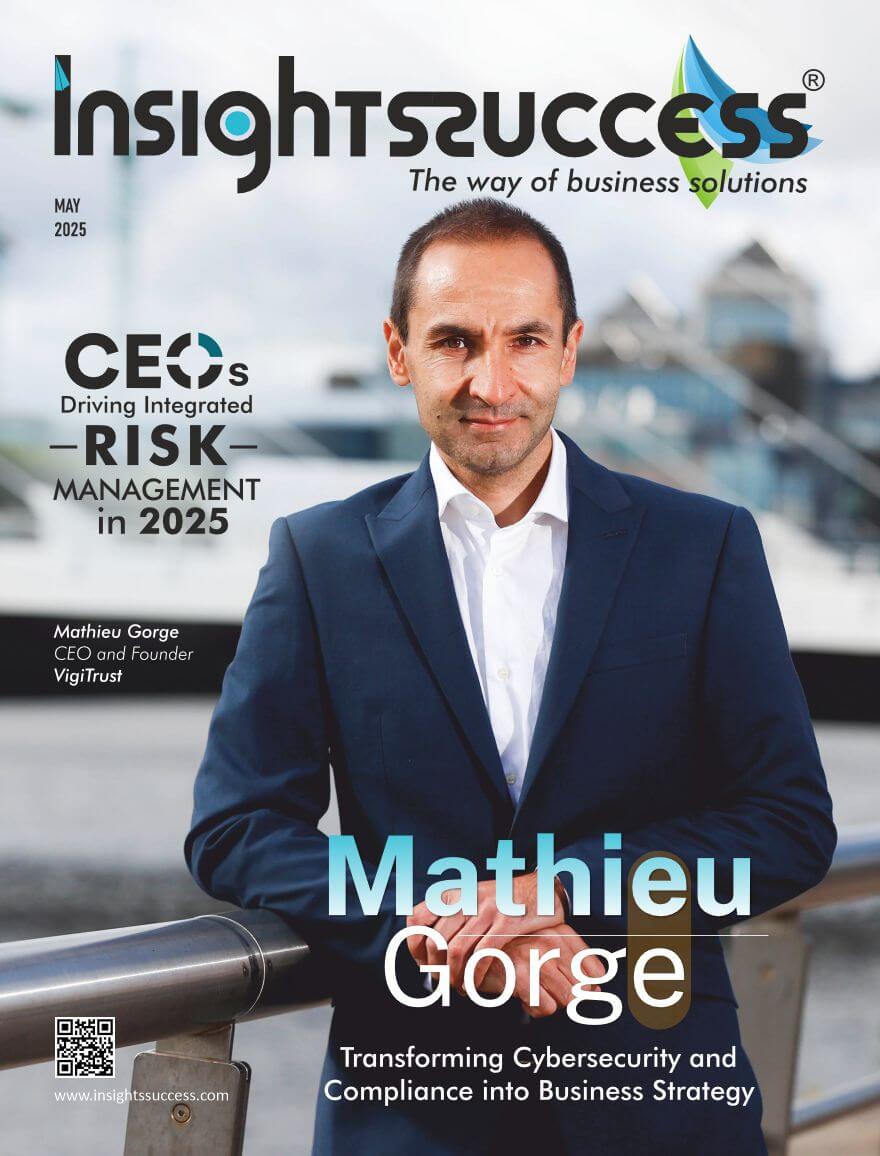
CEOs Driving Integrated Risk Management in 2025
CEOs Driving Integrated Risk Management in 2025 This edition features an elite group of forward-thinking CEOs who are reshaping the future of enterprise resilience through integrated risk management. As global markets grow more complex and interconnected, these visionary leaders are pioneering proactive, tech-enabled strategies that unify risk, compliance, cybersecurity, and business continuity into a single strategic framework. Quick highlights Quick reads
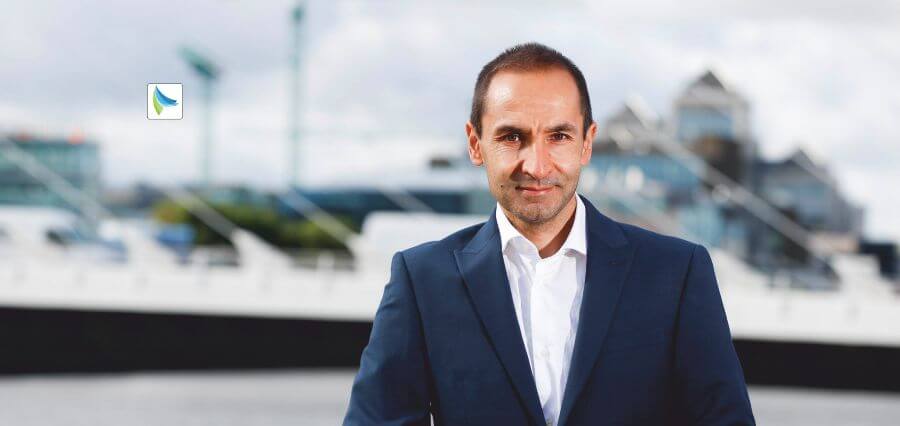
Mathieu Gorge: Transforming Cybersecurity and Compliance into Business Strategy
In a world where cyber threats evolve faster than ever, Mathieu Gorge is at the forefront of helping organizations navigate the complexities of cybersecurity, risk management, and compliance. As the CEO and Founder of VigiTrust, he has dedicated his career to ensuring that businesses understand the real-world consequences of security issues and integrate cybersecurity as a critical component of their business strategy. Through VigiTrust’s Global Advisory Board, Mathieu actively collaborates with industry experts, thought leaders, and policymakers to stay ahead of emerging threats. His approach is not just about defence—it’s about proactive innovation, fostering a culture of security awareness and resilience. With a deep passion for education and advocacy, Mathieu is a regular speaker at global cybersecurity conferences and a trusted advisor to enterprises worldwide. His mission is clear: to empower organizations with the knowledge, tools, and strategies they need to stay secure in an increasingly digital world. Leader in Cybersecurity, Risk Management, and Compliance VigiTrust—a company dedicated to cybersecurity, risk management, and compliance solutions. His journey into the cybersecurity sector was driven by a deep commitment to addressing the complex security and compliance challenges that organizations face in an increasingly interconnected world. Coming from a background in languages, marketing, and law, Mathieu’s path into cybersecurity was unconventional. However, through his professional experiences, he quickly recognized the growing need for robust security measures. His firsthand exposure to evolving cyber threats and regulatory demands fueled his passion for creating strategic, practical solutions that help organizations navigate these complexities. A pivotal moment in his career came during his early involvement in payment security, where he worked extensively with frameworks such as PCI DSS, GDPR, CCPA, HIPAA, VRM, and ISO 27001. Over the past 25 years, this experience reinforced the critical importance of adopting strong security practices, effective risk management, and continuous learning to stay ahead of emerging threats. Recognizing these challenges, Mathieu founded VigiTrust with a vision to create a platform that empowers businesses to manage security and compliance proactively. Through innovation, collaboration, and education, he continues to lead the charge in helping organizations build resilient security strategies while fostering a culture of continuous improvement within the cybersecurity community. Bridging the Gap Between Cybersecurity and Business Strategy As the CEO and Founder of VigiTrust, Mathieu specializes in translating complex cybersecurity challenges into actionable business strategies. His expertise lies in bridging the gap between technical teams and non-technical stakeholders, ensuring that cybersecurity is recognized not just as a technical requirement but as a fundamental driver of business success. Rather than overwhelming executives with technical jargon, Mathieu focuses on real-world consequences—protecting customer data, ensuring regulatory compliance, and preventing financial and reputational damage. By aligning cybersecurity initiatives with business goals, he helps organizations integrate security as a core component of their long-term strategy. Addressing Compliance Challenges in a Global Landscape With extensive experience in compliance frameworks such as PCI DSS, GDPR, CCPA, HIPAA, VRM, and ISO 27001, Mathieu understands the challenges organizations face in managing complex, evolving regulations. To navigate these challenges, Mathieu advocates for structured frameworks such as VigiTrust’s 5 Pillars of Security Framework™, which help organizations break down complex regulatory requirements into manageable steps. This approach ensures that businesses remain proactive, collaborative, and continuously improving in their security practices. Through clear communication, strategic compliance management, and a commitment to continuous learning, Mathieu empowers organizations to protect their data, mitigate risk, and build a culture of cybersecurity resilience. Redefining Cybersecurity and Risk Management Mathieu has spent his career developing practical, strategic solutions that help organizations navigate the ever-evolving world of cybersecurity and compliance. One of his most impactful contributions to the industry is the VigiTrust 5 Pillars of Security Framework™, a comprehensive approach designed to simplify complex security and regulatory requirements. 5 Pillars of Security Framework™ Originally created to break down cybersecurity into manageable components, the framework has evolved into a globally recognized solution covering: People Security: Ensuring employees are trained and aware of security risks. Physical Security: Protecting facilities and critical infrastructure. Data Security: Securing sensitive information against breaches. Infrastructure Security: Safeguarding networks, cloud systems, and IT assets. Crisis Management: Preparing for and responding to security incidents. With continuous refinements to align with international standards and regulations like GDPR, PCI DSS, HIPAA, and ISO 27001, the framework has become a key tool for organizations looking to validate and maintain compliance. Its impact has been profound, helping businesses foster accountability, collaboration, and a culture of continuous improvement—ensuring that security is not just a technical function but a strategic business enabler. Lessons from Risk Management Through years of research and hands-on experience, Mathieu has identified common blind spots in risk management that organizations often overlook: Risk Management Is Not a One-Time Task: Many companies treat risk assessment as a checklist item rather than an ongoing process. True security requires constant monitoring and adaptation to emerging threats. Focusing Only on Immediate Threats: While addressing cyberattacks and data breaches is crucial, many organizations neglect long-term risks such as regulatory shifts, reputational damage, and internal culture challenges. These unseen risks can be just as damaging. Disconnection from Business Strategy: Security and risk management are often isolated from broader business goals. However, when integrated, they become powerful enablers of growth and innovation. Lack of Organizational Buy-In: Effective risk management requires engagement at all levels, from executives to frontline employees. Without a culture of security awareness, even the best strategies fail in execution. Stay Ahead of Emerging Risks By combining structured frameworks, industry collaboration, and a proactive approach to security, Mathieu Gorge has helped businesses future-proof their security strategies. His work with the VigiTrust Global Advisory Board ensures that the latest threats and regulatory shifts are addressed, keeping organizations ahead of evolving risks. His mission is clear: To transform cybersecurity from a compliance burden into a competitive advantage—one that safeguards businesses, fuels innovation, and enables long-term success. Championing Cybersecurity Awareness and Innovation In today’s rapidly evolving digital landscape, cybersecurity is no longer just an IT concern—it is a critical business imperative. Mathieu has dedicated his career to helping organizations

Why Emotional Intelligence is the New Leadership Superpower
During an era of rapid technological change, economic uncertainty, and shifting demographics in the workforce, the traditional definition of leadership is actually evolving. Achieving success is no longer merely a function of technical proficiency, strategic insight, or management skills. Increasingly, it is emotional intelligence (EQ) — the ability to recognize, understand, and manage one’s own and other individuals’ feelings — that distinguishes superlative leaders from merely competent ones. As businesses put more value on versatility, variability, and worker well-being, emotional intelligence has arrived not just as an extra skill but as a central leadership superpower. Understanding Emotional Intelligence in a Leadership Environment There are five basic competencies that make up emotional intelligence: self-awareness, self-regulation, motivation, empathy, and social skills. These are the building blocks whereupon leaders connect with their people, tackle challenges, and affect outcomes. While IQ is unchangeable, EQ can be attained by hard work and reflective practice. Emotional intelligence leadership is manifested in the ability to lead with empathy, resolve conflicts constructively, communicate effectively, and establish trust. It enables leaders to respond rather than react, creating spaces that foster innovation, resilience, and collective growth. Building High-Performing, Human-Centric Teams Emotionally intelligent leaders are likely to build high-performing teams. Through being attuned to the diverse emotional and motivational drivers in their team, emotionally intelligent leaders establish psychological safety — a key driver of employee engagement and team performance. When individuals feel heard, valued, and understood, they are likely to contribute willingly, experiment, and remain committed to common goals. In addition, EQ-leadership fosters inclusiveness of decision-making. It fosters open conversation and active listening, thereby allowing leaders to access their team’s best thinking. Not only does it foster creativity, but it also produces better business decisions by eliminating blind spots and unconscious biases. Lastly, emotionally intelligent leaders create environments where people thrive and overall performance improves. Handling Crisis and Change with Equanimity During times of turmoil, emotional intelligence is a force for stability. Leaders often must guide their organizations through crises — economic downturn, organizational change, or global crisis. While hard skills may possibly manage the nuts-and-bolts of crisis management, it is emotional intelligence that provides clarity, empathy, and calm needed to navigate during times of uncertainty. Emotionally intelligent leaders are not daunted by adversity, they speak the truth, and own up to their people’s emotional response. That, in return, creates confidence and dampens anxiety so there is better working in high-pressure environments. When showing emotional robustness, they enable other people to drive change through belief and purpose rather than fear and reluctance. The Strategic Advantage in a Competitive Marketplace Emotional intelligence is a competitive advantage in today’s business landscape. There is empirical correlation time and again found in research between high EQ leadership and enhanced employee retention, customer satisfaction, and organizational performance. Clients, stakeholders, and partners increasingly look for authenticity, emotional connection, and integrity — all characteristics of emotionally intelligent leadership. Besides that, EQ enhances the market vision and adaptability potential of a leader. With increased sensitivity to internal organizational dynamics and external stakeholders’ feelings, emotionally intelligent leaders have more flexible, better-informed decisions. Their ability for multi-layered people skill and empathetic leadership makes them genuine brand ambassadors and visional change agents. Developing Emotional Intelligence: A Leadership Priority As businesses realize the bottom-line value of EQ, leadership development programs that incorporate emotional intelligence training are becoming increasingly significant. Unlike traditional models of control and dominance-based leadership, more recent models emphasize emotional agility, vulnerability, and interpersonal effectiveness. Organizations that invest in EQ development — coaching, reflective practice, and 360-degree feedback — will probably create agile, empathetic leaders to navigate the subtleties of the day. Above all, emotional intelligence is not a so-called soft skill in the usual sense; it is a very-high-level skill with concrete outcomes. Those executives who prioritize emotional building are more apt to inspire, motivate, and innovate. They build loyalty, foster collaboration, and instill long-term success through a convergence of business objectives with human ethics. Conclusion: The Future Belongs to Emotionally Intelligent Leaders The leadership of the future is learning to lead from the heart, as well as the head. Emotional intelligence is no longer a “nice-to-have” skill; it is an energy that propels the way leaders engage with their people, respond to challenges, and create enduring difference. In a universe of human complexity and interconnection, emotional intelligence is the talent that makes leaders not only survive, but thrive all around them. Looking ahead to the future, the strongest leaders will be those who combine strategic wisdom with emotional sophistication — leading from below, but on purpose.

Future-Proof Leadership: Anticipating Risk in a Rapidly Changing World
In an era of VUCA, when volatility, uncertainty, complexity, and ambiguity are characteristics, the old typologies of leadership in terms of efficiency, hierarchy, and sequential planning are quickly becoming obsolete. Leaders today are forced to contend with a world where geopolitical change, digital disruption, climate risks, supply chain exposures, and social expectations all strike the same place at the same time. Under such circumstances, the capacity to sense and respond to risk has emerged as the hallmark of future-proof leadership. Dominating the present is insufficient; leaders need to actively peer over the horizon, detect early warning signs of danger, and create the resilience to cope with the unforeseen. Rethinking Risk: From Defensive to Strategic Throughout much of the 20th century, risk management was a back-office, compliance-driven function aimed at constraining downside exposure. Today, though, risk is a strategic issue that occupies the very center of executive consideration. Innovative business leaders no longer conceptualize risk solely in terms of prevention; they see it as a source of intelligence, imagination, and long-term strength. Risk prediction in the modern era needs to be done with an interdisciplinary process combining geopolitical awareness, ecological imagination, technological savvy, and stakeholder inclusion. Redubbing risk as anything less than a weakness, and rather an obligation zone as a leader, is what must occur. Leaders must step forward and move ahead preemptively in predicting not only what will break, but where fresh opportunity will arise out of chaos. The ability to see ahead and react to risk is based on organizational flexibility — the capacity to turn around effortlessly with new data in the air. Flexible organizations are more horizontal, decide nearer to the frontline, and function across functions better in their work together. Such systems give freedom to leaders at all levels to pick up early signs of change and act quickly. Equally critical is developing organizational resilience. This is not just business continuity; it’s the strategic, psychological, and cultural ability to navigate and thrive in times of adversity. Future-proof leaders take an attitude of agility throughout their organizations, where experimenting, failing fast, and ongoing iteration are encouraged. They don’t react to crises; they position their companies to thrive in spite of them. The Foresight and Scenario Planning Role Foresight underpins the anticipation of risk. Foresight allows leaders to look ahead of present-day operating issues and extrapolate potential long-term tendencies that may reshape their industries or mold stakeholder expectations. With scenario-planning techniques, leaders are able to chart a set of likely futures, test assumptions, and stress-test their plans against varied conditions. Scenario planning is not predicting the future correctly. Rather, it prepares leaders to manage uncertainty in an organized, reflective way. It simplifies strategy, refines risk awareness, and allows decision-making to remain strong even under surprise. Through the instillation of foresight into leadership DNA, companies provide a cushion against blind spots and reactive mindsets. Technology and Risk in the Digital Age Perhaps most paramount is one of the most crucial domains in which future-proof leaders need to look around corners for risk: technology. With all the potential for growth and productivity that digital transformation holds, there are new forms of risk on the horizon — from cybersecurity intrusions and data privacy issues to unforeseen AI consequences and algorithmic bias. Future-proof leaders make it their priority to build digital fluency throughout the leadership team. They create open, honest arguments over technology’s social, ethical, and security impacts. Instead of relegating tech risk to the IT function, they put it on the prime strategic agenda. In addition, they target human-centric innovation to ensure that digital tools are an extension of bigger organizational values and social purpose. Human Capital and the Ethics of Risk Through all these changes, there is one constant: human beings. Employees, customers, communities, and extended ecosystems all resonate with leaders’ risk choices. Future-proof leaders need an acute ethical compass and emotional intelligence. Future-proof leadership needs to comprehend how policy, technology, and change cross paths with the human condition. Future-oriented leaders prioritize open communication, mutual accountability, and participative risk-taking. They never hide harsh realities from teams but involve them in solving problems. In this manner, they build a culture of collective responsibility based on trust — a source of strength at a time of uncertainty. Leadership That Sees Beyond the Next Horizons Pressure to report quarterly results and short-term performance measures can erode long-term thinking. But future-proof leadership is not only about environmental sustainability, but also strategic, financial, and social sustainability. It is about reconciling innovation and responsibility, speed and reflection, and growth with stewardship. Anticipatory leaders are not necessarily the fastest movers, but most visionary. They are thinkers, systems thinkers, who comprehend interdependencies, see patterns, and avoid simplistic solutions. In a time when the only certainty is uncertainty, visionaries such as these will not just survive — they will create the future. Conclusion: Leading in the Age of Anticipation It takes a risk predictor, a systems navigator, and an adaptive strategist to be a leader these days. The complexity of the issues calls for leaders who span data-driven insight and intuition, strength with accountability, and suppleness with foresight. As change gains speed across all sectors, future-proof leadership is not about the avoidance of risk, but about the courage to face it intelligently, responsibly, and bravely. It is those who take on this challenge who will not only defend their organizations — they will drive them into the future with clarity and confidence.