






Why Being Real Wins in the Long Run
Authentic Leadership Today, with the speed and complexity of business, leadership is not as much a matter of title, power, or even tenure of operation. Increasingly, organizations value more the strength of real leadership—a leadership style based on self-awareness, candor, and openness. Real leaders create trust, catalyze loyalty, and establish cultures in which people are counted on and enabled. Leaders construct lasting results and organizational power on the foundation of authenticity. The Heart of Authentic Leadership Authentic leadership is the alignment of action and values, demonstrating consistency, and being transparently honest with stakeholders and teams. In contrast to more powerful or hierarchical older forms of leadership, authentic leaders are interested in influence and relationship, not in power. Authentic leaders possess a self-awareness of their strengths and weaknesses, are truthful about challenges, and lead with integrity and empathy. This model creates trust, the most highly valued currency in organizations today. When employees believe that they can trust leaders to be open, reliable, and value-driven, they will be more likely to work together, contribute more, and innovate. Authenticity is not a soft skill but a strategic skill that engages performance and culture. Building Trust Through Transparency Leadership is trust-based. Leaders discuss organizational goals, challenges, and decision-making openly with whom they build trust culture. Trust erases suspicion, facilitates communication, and facilitates teams to coordinate efforts more effectively towards organizational objectives. Also, authentic leaders can apologize. Acknowledging mistakes not only makes the leader human but also sets the example of learning and responsibility. This vulnerability makes employees take smart risks and experiment with new things without any fear of catastrophic fallout, producing innovation and continuous improvement. Leading with Empathy and Emotional Intelligence It is also directly related to genuine leadership. Empathy and comprehension of the perspectives of workers allow leaders to motivate groups, avoid conflict, and establish belonging. Emotional leaders understand production is not simply about getting the job done—it’s about improving people. By active listening, reflective response, and respecting diversity of opinion, genuine leaders establish commitment, loyalty, and a sense of belonging. Those who are heard and understood are more committed, more creative, and more productive. Consistency of Values and Behavior Genuine leaders practice what they preach core values. Decisions, communications, and leadership behaviors remain aligned with personal and organizational values. Credibility is established, expectations are set clearly, and organizational culture is maintained. Staff observe, soak up, and reflect on such conduct, and a cascade effect is created that forms ethical norms and generates a sense of accountability. In the age of commercial blunders being carried into the public space in seconds as scandal, value-deed alignment is not only ethical—it is an institutional safeguard against reputation risk and ultimate failure. Constructing a Culture of Empowerment Actual leaders do not wield power but allow others to take and share. Through delegating, mentoring, and praise, they generate a sense of autonomy and imagination. They generate trustworthiness and the sense of capability among staff that ultimately translates to increased performance and satisfaction. This empowerment is most precious in knowledge economies where growth is driven by initiative, innovation, and flexibility. Authentic leadership creates environments where talent turns into genius, and collective wisdom transforms organizational peak performance. Authentic Leadership as a Competitive Advantage Companies with genuine leaders perform better than transactional or hierarchy-based management companies. Credibility is gained with authenticity from customers, partners, and employees. Truth and transparency attract people to work with you, inspires loyalty, and fortifies stakeholder bonds. Besides, resilience is enabled by genuine leadership. Value-based and honest leaders, in crisis or disruption, will persevere, build confidence, and guide groups under uncertain circumstances. Placed in their workers is trust with decision-making managers who are honest and dependable, and thus the business becomes resilient and resilient. The Long-Term Payoff The payback of authentic leadership is delayed but worth it in the long run. Principle-driven, empathetic, and transparent leaders create committed, high-performing teams and robust organizational cultures. These drivers fuel sustainable performance, innovation, and competitiveness. Authenticity also leads to enduring legacy. Real, reliable, and value-based leaders construct organizations that endure long after they depart. It endures in the culture, reputation, and long-term organizational values. Conclusion Excellent leadership isn’t a style, but a time-based strategic imperative. Empathy, vulnerability, and authenticity are used by leaders to build trust, elicit the best in people, and develop great, high-performing organizations. In a cynical world where it is easy for doubt to kill engagement, authenticity breaks through. The leaders who are willing to be themselves, behave the way they feel, and give most people connections priority are successful in the long term and make an impact on the people and businesses they serve. Authenticity is not the easiest route, but it is the route that prevails in the long term. Read More: Rethinking Leadership for Modern Teams

Rethinking Leadership for Modern Teams
Empowerment over Authority The antiquated perception of leadership as a seat of command is slowly unraveling. High-performing teams survive and even thrive outside the limits of tight rank or command-and-control pyramids, where trust, empowerment, and collaboration are the values. New leaders are not decisive types first and foremost; they are facilitators who create an environment for people and teams to excel. To shift leadership from authority to empowerment is what companies must do to create agility, innovation, and enduring success. The Move from Command to Collaboration Leadership used to be defined as controlling, directing, and managing. Decision-making authority equaled authority, and obedience sometimes took priority over creativity. While the approach succeeds in the short run, it crushes flexibility, deters initiative, and murders participation. Facilitator leaders, not commanders, are what current teams, especially networked and knowledge-intensive digital teams, require. Enabled workers are likely to be self-starting, create new ideas, and cross-function, delivering superior results for the enterprise. Empowerment as a Strategic Imperative Empowerment is more than delegation; it is giving employees resources, autonomy, and self-efficacy to contribute significantly. Empowering leaders create a culture where the employee is accountable, valued, and incented to perform at their best level. The more empowered its people are, the healthier an organization is in many respects: faster decision-making, more engagement, more innovation, and improved retention. Empowerment flips the workplace on its head from a chain of control into a vibrant community of shared accountability and shared problem-solving. Building Trust and Psychological Safety Trust is the foundation of empowerment. Teams perform best when their members feel that they can make suggestions, challenge assumptions, and try informed risks without risking punishment. Leaders who lead through transparency, consistency, and honesty establish psychological safety, accountability, and creativity. This trust is applied to decision-making authority. By letting others decide and try out, leaders show trust in others. When individuals are trusted, they rise to the challenge, and perform better than anticipated, and produce imagination that isn’t achievable under minutes of control. The Role of Coaching and Mentorship Empowerment is generated through mentoring, not control. Coaches and mentors, leaders lead by providing input, feedback, and insight and by teaching others to be problem-solvers on their own. This develops skills, confidence, and judgment, equipping members for greater responsibility and creating a leadership pipeline that will last. Continuous learning is encouraged through coaching too. When mistakes happen, empowered teams examine results, learn from them, and adapt approaches — turning failure into a learning opportunity. Learning and resilience demonstrated by leaders foster an openness to valuing improvement over perfection. Aligning Purpose and Autonomy Empowerment will be most effective if tied to the organization’s mission. Not only must teams be told what they can decide, they must also be told why. Clearly articulating goals, values, and expectations will guarantee that autonomy is used responsibly and strategically. Mission-based empowerment encourages employees to innovate for the benefit of the cause of the company. It also fosters the ownership, responsibility, and work pride culture that are key drivers of motivation and long-term motivation. Aligning Leadership Styles to Modern Teams The transition from control leadership to empowerment leadership requires adaptability. Leaders must strike a balance between control and freedom, govern without dominating, and align without killing imagination. This precarious balance requires emotional intelligence, empathy, and situational awareness. Technology is also utilized today by leaders to enable empowerment. Empowerment tools, open-book measures of performance, and feedback systems in real time enable distributed teams to make effective decisions, work well together, and keep each other accountable across functions and geographies. The Organizational Performance Impact Empowered companies move faster, create more quickly, and respond. They spark, innovate differently, and respond quickly to shifting markets. Cross-function collaboration accelerates solution-finding and ensures many heads equal well-informed decisions. Additionally, empowerment encourages participation and retention. Workers increasingly seek workplaces in which they are valued and their growth nurtured. Empowerment-leaders create workspaces that attract and keep talent and foster loyalty, maximizing long-term organizational performance. Conclusion Empowerment, not control, is not a gentle theory of leadership; it is a competitive necessity for today’s organizations. The leaders who employ this style build trust, spark innovation, and create teams that can handle complexity and uncertainty. In moving from control to enablement, they create workplaces where people can grow, collaboration becomes the standard, and organizational excellence is a collective result. In today’s dynamic world of work, the successful leaders are those who recognize that real influence never results from titles or authority but from having the power to inspire, facilitate, and empower others to achieve outstanding outcomes. This new leadership generates lasting value for people and organizations. Read More: Resilient Strategies: Advancing Global Metals Through Innovative Leadership
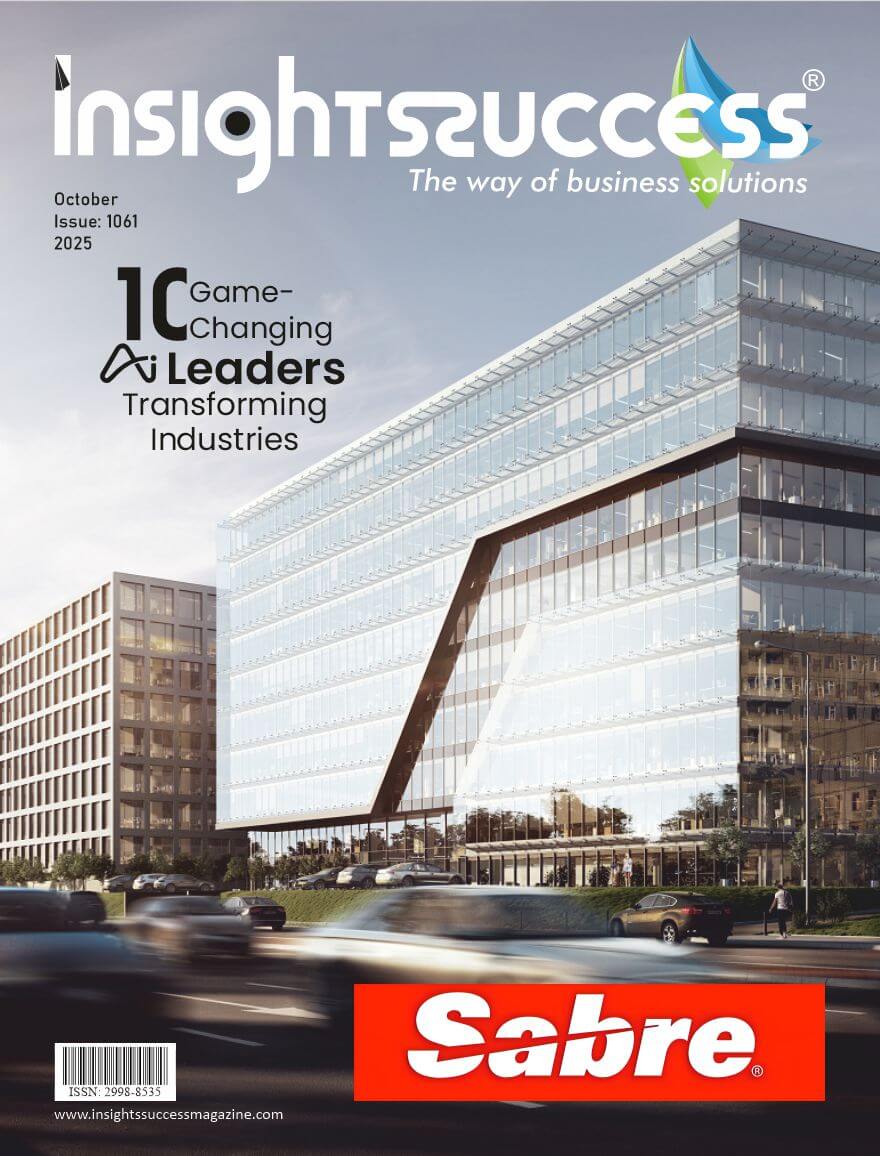
10 Game-Changing AI Leaders Transforming Industries
10 Best Logistics Companies to Watch in 2022 June2022 Lorem ipsum dolor sit amet, consectetur adipiscing elit. Ut elit tellus, luctus nec ullamcorper mattis, pulvinar dapibus leo. Lorem ipsum dolor sit amet, consectetur adipiscing elit. Ut elit tellus, luctus nec ullamcorper mattis, pulvinar dapibus leo. 10 Game-Changing AI Leaders Transforming Industries Sabre is redefining global mobility through innovation, technology, and human connection. From revolutionizing airline reservations in 1960 to leading today’s AI-driven travel ecosystem, Sabre continues to shape modern travel. Its intelligent platforms streamline booking, payments, and personalization, empowering airlines, agencies, and travelers to connect seamlessly in an increasingly digital world. Quick highlights Quick reads

Sabre: Architecting the Future of Global Mobility through Innovation, Ideation, and Dedication
Booking an airline flight in 1960 was a test of hope and perseverance. A booking might take an hour and then prove erroneous when you reached the airport. Airlines would place markers on revolving files, travel agents would burrow through piles of paper, and the public prayed the seat that they booked would really be available by the time they reached the gate. The excitement of flying was in the cabin; the chaos reigned behind the scenes. Now you book a flight in an instant, alter your hotel reservation with the click of a mouse, and get instant confirmation that arrives ahead of you at the destination. The revolution was the product of one of computing’s most ambitious undertakings: a collaboration between IBM and American Airlines that produced Sabre, one of the first real-time computers in the world. What started out as a fix for airline reservation pandemonium turned into so much more. Sabre not only automated bookings, it established the model for electronic commerce. A decade or more before Amazon or Google, Sabre was handling millions of transactions a day, tying together worldwide networks, and demonstrating that computers could perform complex, time-critical tasks in volume. The system survived every crisis the travel industry faced: deregulation in the 1970s, terrorism in 2001, financial collapse in 2008, and a global pandemic in 2020. Through each challenge, Sabre adapted and strengthened, becoming the invisible infrastructure of modern travel. Today, as artificial intelligence reshapes industries, Sabre stands at another inflection point, not as a survivor of change, but as its architect. The Foundation of Digital Commerce In the 1950s, American Airlines faced a crisis of success. Demand outpaced the airline’s ability to manage reservations. Manual processes collapsed under growing volumes. Errors multiplied. Customers grew frustrated. Revenue disappeared. The solution required rethinking everything. American Airlines and IBM created a system that processed reservations in real time, across multiple locations, with accuracy. When Sabre launched in 1960, it represented more than technological innovation. It pioneered a new way of doing business. The impact was immediate. An agent in Dallas could sell a seat with the same confidence as one in New York. Confirmation came in seconds, not hours. Family holidays could be booked without fear of error. Business travellers gained reliability. Though invisible to passengers, the system transformed their experience. By the 1970s, other industries studied Sabre’s architecture. What solved airline reservations became a blueprint for digital commerce, influencing banking networks, retail systems, and internet transactions. Entire sectors drew inspiration from Sabre’s ability to automate scale and accuracy without sacrificing speed. Expanding Beyond Airlines Sabre’s next evolution came in 1976 when travel agents began using Sabre terminals in their offices. Local agencies suddenly matched airline reservation desks in capability. Live inventory and instant bookings became standard. The 1980s brought even greater ambition. Sabre processed more daily transactions than major stock exchanges. Bargain Finder, the first automated low-fare search engine, showed that computers could optimize as well as process. EasySabre let consumers with personal computers book flights, hotels, and cars from home, predicting the internet economy a decade early. By the 1990s, Sabre pioneered online booking with Travelocity for leisure travellers and GetThere for corporate accounts. These platforms reimagined how customers interacted with travel content, enabling independent research, comparison, and booking. Travelocity even became a household name, shaping how ordinary families planned vacations online. In 2000, Sabre separated from American Airlines and IBM, becoming an independent technology company. Sabre Labs began working on personalization algorithms and revenue management tools long before they became industry standards, setting the stage for innovations that defined the next two decades. Global Scale, Local Touch Through the 2000s and 2010s, Sabre expanded globally while maintaining its technological edge. It wired online travel agencies and low-cost carriers into its network, giving smaller suppliers access to global markets. In 2015, Sabre acquired Abacus, the leading distribution system in Asia-Pacific, cementing its presence in a fast-growing region. By the 2010s, Sabre’s network connected hundreds of airlines, tens of thousands of hotels, and countless travel suppliers. Yet scale alone wasn’t the goal. Under leaders such as the Chief Marketing Officer Jennifer Handal Catto, Sabre emphasized connection over standardization. “Scale should never erase identity,” Catto explains. “Our role is to give agencies and suppliers of every size the tools to connect without losing their character.” This philosophy allows boutique hotels to compete alongside global chains and regional airlines to share channels with international carriers, preserving diversity within the travel ecosystem. It also keeps local travel agents relevant in a digital-first world, empowering them with the same access and intelligence as multinational agencies. Tested by Crisis Sabre’s resilience has been tested repeatedly. After September 11, 2001, Sabre managed rebookings and cancellations while fleets were grounded. In the 2008 financial crisis, its tools helped companies tighten budgets without ending essential travel. The COVID-19 pandemic presented the ultimate test. Global travel stopped overnight. Sabre processed millions of cancellations and refunds, maintaining accuracy under unprecedented strain. These weren’t abstract technical feats; they were lifelines for families, businesses, and stranded travellers relying on certainty in uncertain times. Reflecting on decades of crises, Catto notes: “Through deregulation, terrorism, recessions, and pandemics, the system never stopped running. Millions of refunds, rebookings, and schedule changes flowed through it. The industry bent, but Sabre helped it avoid breaking.” The AI Transformation Each crisis reinforced the need for more resilience, automation, and less friction. In the early 2020s, Sabre modernized on Google Cloud, adopting advanced reliability practices for the next generation of travel. More than seven hundred AI models now operate across workflows, automating fare matching, processing exchanges, and enabling predictive caching. Global Shopping delivers average savings of $35 on one-third of tickets, and lodging AI boosted hotel attachment rates. The real impact appears in faster refunds, smoother rebookings, and more relevant recommendations. Intelligent systems anticipate needs and resolve problems before they frustrate travellers, reducing stress for both passengers and providers. Addressing Payments and Fragmentation While bookings accelerated, payment systems lagged. Card declines stranded trips.

From Concept to Creation: The Role of AI Executives in Transformative Innovation
Artificial Intelligence is the most disruptive business enabler of today, disrupting businesses, markets, and business models. At the center of leading them is the Artificial Intelligence executive, tech-savvy manager with strategic acumen to enable firms in navigating the hurts of Artificial Intelligence adoption. Not only are there a responsibility to deploy Artificial Intelligence technologies, but also organizational and cultural change to get businesses prepared to utilize the full power of intelligent systems. In bridging this gap between company strategy, machine learning, and nascent analytics, Artificial Intelligence CEOs are a force that brings innovation to the forefront. Artificial Intelligence CEOs are operating in an ecosystem where there is a requirement for continual improvement. With technology, software, and platforms for Artificial Intelligence changing at lightening speeds, it is their role to be innovative and find out about and discover if the future is outpacing business strategy. It’s more than technology usage to creating the company’s innovation agenda. They strategically select what projects to do with AI, how to connect them back to opportunity in the marketplace, and where and how to leverage AI best across business units. Strategic AI Leadership Artificial Intelligence visionaries are the ones who need to lead the discovery of new Artificial Intelligence capabilities and reframe them as strategic enablers. One of their responsibilities is looking for where Artificial Intelligence can automate, improve customer relationships, or generate new sources of revenue. For instance, in business segments like finance, healthcare, and retailing, Artificial Intelligence visionaries look for where predictive analytics, automation, and personalization can be leveraged to help with differentiation. With the blending of their technical acumen and market dynamics, they lead firms to make highly informed investments that generate the maximum ROI with the least amount of risk. In addition, Artificial Intelligence leaders make the pervasiveness of Artificial Intelligence across every function of the enterprise a reality. Artificial Intelligence leaders believe in evidence-based decision-making and create a culture where first-order business decisions are informed by Artificial Intelligence insights. These kinds of leadership involve stakeholder communication regarding what can and cannot be achieved with Artificial Intelligence and establishing realistic expectations, and connecting technical staff to business objectives. Breakthrough innovation that is lasting and creates lasting worth rather than fleeting efficiency gains is achieved through reflective leadership by Artificial Intelligence leaders. Talent and Shared Innovations Synergy building between groups with varying qualities is one of the most important functions served by an Artificial Intelligence leader’s work. Artificial Intelligence involves more often than not multidisciplinary knowledge, from programming software and data sciences to business analysis and familiarity with domains. Artificial Intelligence leaders integrate cross-functional collaboration, with perspectives from various lenses integrated into solution creation. They also involve themselves heavily with external parties such as technology firms, research institutions, and industrial trade organizations to reap-edge innovation to their organizations and reduce innovation cycles. To make Artificial Intelligence potential business-ready products, such collaborations are essential. Another function where Artificial Intelligence managers can be helpful is talent development. They identify talent deficiencies in organizations and develop programs to build Artificial Intelligence capability, such as augmented analytics, model building, and ethical Artificial Intelligence practices. By building high-performing Artificial Intelligence organizations, these executives are not only building technical capabilities, but a culture of ongoing experimentation to learn. This aspect of talent development allows companies to be responsive to changing Artificial Intelligence technology and construct innovation in the long term. Responsible AI Leadership With more and more Artificial Intelligence technology being incorporated in business processes, ethics has become the front-of-mind concern of business leaders. Artificial Intelligence leaders have the mandate of ensuring that Artificial Intelligence systems are being used ethically, like fairness, transparency, and responsibility. They come up with governance structures that define data collection, processing, and utilization and contain preventive control measures in averting bias and discrimination or misuse. Using Artificial Intelligence, executives can implement moral aspects and initiate corporate reputation and protect customer, partner, and regulators confidence. Responsible Artificial Intelligence stewardship involves forecasting regulatory trends and placing Artificial Intelligence projects in harmony with forward-looking legal and social requirements. Artificial Intelligence visionaries set pro-active policy-making, compliance tracking, and stakeholder issue management in motion. The vision insight of their leaders ensures that leading-edge innovation never morphs into moral differentiation compromise or social irresponsibility. By bringing ethics into the Artificial Intelligence agenda, they show that responsibility and innovation are two sides of the same coin and not items to exchange. Conclusion Artificial Intelligence leaders have a unique and integral role in companies today, and they are at the forefront in the deployment and use of Artificial Intelligence technologies toward achieving transformational outcomes. By their leadership, collaboration, and potential for strategy, companies are capable of utilizing Artificial Intelligence as innovation driver, productivity accelerator, growth accelerator, and competitiveness stimulator. By their capability to capitalize on technology potential as good business strategy, collaboration and capacity building, and company ethics-motivated culture, Artificial Intelligence leaders create the firm’s future innovation. The more advanced AI is, the more critical their role is. Organizations that make investments in great AI leaders are superbly situated to ride through technological revolutions, capture market trends, and build value on a uptimemetrics scale. More generally, Artificial Intelligence leaders are visionaries of a new, dynamic, intelligent, ethical, and meaningful future. Read More : Resilient Strategies: Advancing Global Metals Through Innovative Leadership
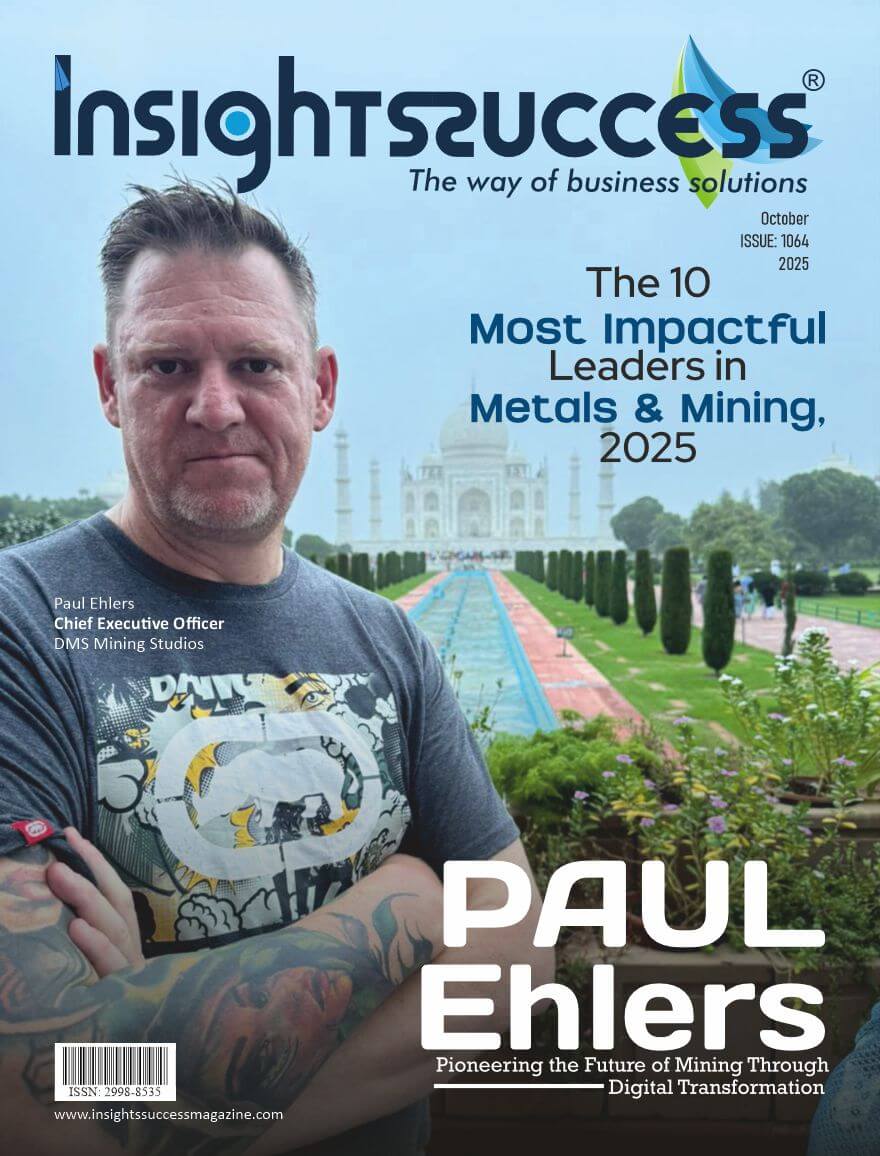
The 10 Most Impactful Leaders in Metals & Mining, 2025
The 10 Most Impactful Leaders in Metals & Mining, 2025 Paul Ehlers is the Chief Executive Officer of DMS Mining Studios, leading the transformation of the metals and mining industry through digital innovation and immersive simulation. With over 20 years of experience, he drives operational excellence, workforce development, and sustainable practices, empowering the next generation of mining professionals to learn, innovate, and lead. Quick highlights Quick reads

Resilient Strategies: Advancing Global Metals Through Innovative Leadership
The global metals industry has been leading economic growth for decades, underpinning industries as diverse as infrastructure and autos, energy, and technology. The industry has in recent years been faced with unprecedented levels of disruption, i.e., notoriously volatile commodity prices, geopolitics, and the necessity to respond to sustainability issues. In order to handle such complexity, leadership has to be of a new type that aligns with operational excellence along with strategic innovation. New-generation metals leaders of today are revolutionizing the path to grow, not only through production, but also by sensing future market waves even before they hit, embracing technology at the industry leader’s edge, and creating a culture of unflinching improvement. Firms of the future are aware that metal industry leadership is no longer a matter of how to produce more. Empathetic leaders who are at the forefront of innovation are guiding their firms towards next-generation manufacturing processes, digitalization, and environmental solutions maximizing efficiency at minimal environmental cost. By embracing a vision-based approach to address the global challenges, these leaders are making their businesses and the industry robust and innovative competitors in an extremely competitive market. Tech-Driven Growth Technology continues to be a differentiator in the metals sector with the capability to revolutionize manufacturing processes, supply chain efficiency, delivery of quality products, and overall business resilience. Those businesses that invest in computer-enabled solutions, including predictive analytics, artificial intelligence, machine learning, and intelligent manufacturing systems, can expect demand volatility, minimize downtime, maximize efficiency, and make fact-driven decisions that lead to profits. The technologies help firms to stay competitive in spite of the increasing operation costs, supply chain disruption, or marketplace changing patterns, and adopt greener practices. Innovation progresses from firm-level process to application innovation and material innovation. The development of light-weight metal alloys used in the transport and aeronautical sectors or tough metals for clean energy infrastructure is only one demonstration of the ability of the industry to keep up with changing market requirements and emerging technology trends. CEOs who guide research and development are enabling companies to offer customers new solutions for their needs, meet increasingly stringent environmental regulations, and boost long-term business performance. By having a key value in its culture of technological innovation, metal companies can enable sustainable growth, remain competitive, and be more competitive in an evolving world economy. Sustainability in Strategy Sustainability can no longer be a nicety for metal companies but an imperative of business. Companies worldwide are incorporating ESG thinking as an integral business strategy to reduce carbon footprint, enhance energy-use efficiency, and enable sustainable procurement of raw materials and enhanced long-term competitiveness. By embracing circular economy practice in metal re-manufacturing and recycling, firms not only reduce environment degradation but also open new business opportunities, cost savings, and enhanced stakeholder value. Visionary leadership must adopt sustainable practices that involve coping with complex regulatory regimes, multi-stakeholder relationships, and long-term investments with assured payback. Business with sustainability orientation is better positioned to win the confidence of investors’, partners’, and customers’, and remain ahead of global regulatory breakthroughs. Managers adopting sustainability in decision-making enable the metals industry to transform itself from an environmental sipping business to a source of economic, environmental, and social development. International Partnerships & Collaboration International metals business is not a system based on modules, and international collaboration lies at the core of fostering technological innovations, business growth, and environmentally friendly industrial processes. Large industrial companies are coming together more and more into strategic collaboration agreements with purchasers, research organizations, government offices, and vendors for common strengths, cost savings, improved business efficiency, and propelling technological innovation. These partnerships enable companies to gain access to new markets, create openings for state-of-the-art research, and create new products and services with solutions to worldwide problems such as resource limitations, energy conversion, and climatic footprint. Global collaboration also builds resilience via decentralization of supply chain, stakeholder trust establishment, and mitigation of geopolitical risk or market volatility. Business innovation mindset leaders know the advantages of extended cooperation rather than transactional partnerships and instead of adopting extended cooperation, knowledge sharing, and the common good. By establishing a culture of collaborative problem-solving, metal industry leadership can make innovation, competitiveness, and the world industry for all sustainable. Conclusion Innovation leadership is revolutionizing the world metals market by integrating technology, sustainability, and partnership in every business practice. Technology-oriented leaders optimize business performance as well as position their organizations to thrive in a more expanding, more high-tech, and more competitive marketplace environment. By driving technology innovation, providing sustainable initiatives, and creating strategic alliances, metals businesses are redefining industry greatness and fueling economic growth in general. The entrepreneurs willing to shake the established pattern, invest in solutions for tomorrow, and develop sustainably not only will guarantee the long-term success of their firms but also will result in an irreplaceable world industry. Visionary leadership will continue to drive the metals industry as a catalyst for economic growth, technological innovation, and sustainable development. Read More:

Paul Ehlers: Pioneering the Future of Mining Through Digital Transformation
The metals & mining industry, since the beginning of ancient civilizations, has always been at the center of human advancements. In recent times, the globally industrialized economy has put it on the high-growth pedestal. And thanks to some of the most impactful leaders like Paul Ehlers, in the modern era, the industry has been caught in a whirlwind of change. As the Chief Executive Officer, Paul is leading DMS Mining Studios with a mission transcending traditional mining operations; “It’s about pioneering educational methodologies through cutting-edge simulations.” This vast, over 20-year journey in mining technology and operations enables him to sculpt a tomorrow in which mining professionals learn through dynamic, hands-on experiences. “Our latest venture, the Mining Value Chain Simulator, is set to revolutionize how the fundamentals of mining are taught and understood,” he informs. Looking at the Big Picture Previously, as a Consulting Director, Paul Ehlers bridged the gap between software, technology, and technical mining know-how. “We pioneered partnerships with industry powerhouses and delivered consultancy services that elevated mining practices,” he—possessing other competencies in gaming, software development, and marketing—adds. His leadership has been the cornerstone of introducing innovative technological solutions to an industry ripe for transformation. Paul Ehlers began his career in mining as part of a survey team—essentially the eyes and ears of any operation. Being on-site daily allowed him to observe the intricacies of the entire mining process firsthand. From the start, he was never content with just doing the job at hand; “I had a constant drive to understand the broader operation.” That curiosity shaped his leadership journey. Over time, Paul Ehlers naturally became the go-to person—someone others turned to for answers. His leadership philosophy is grounded in relentless curiosity, continuous learning, and always questioning the status quo to drive improvement and innovation. Bridging Legacy and Digital: The Essence of Impactful Leadership For Paul Ehlers, being an impactful leader in the mining industry means navigating the critical divide between its deeply entrenched legacy systems and the urgent demands of a rapidly evolving digital world. He acknowledges that the industry has traditionally ‘lagged behind others in digitalization,’ often hindered by a conservative ‘if it isn’t broken, don’t fix it’ culture, generational hesitancy, and a justifiable skepticism born from past experiences with ‘overpromised, underdelivered solutions.’ Having personally witnessed the transition from analogue to digital, Paul Ehlers possesses a unique insight into where ‘true value lies and where it doesn’t.’ His leadership philosophy centers on guiding the industry through this complexity. It’s not about adopting technology for its own sake, but rather ensuring it ‘delivers value across the board: operationally, environmentally, and socially.’ He aspires to be recognized as a leader who champions the ‘meaningful and sustainable adoption of technology,’ not just at the mine site, but across broader governance and societal levels. For Paul Ehlers, technology is not a one-time implementation; it must “become part of how we live and lead in mining.” DMS Mining Studios: Revolutionizing Operational Excellence through Simulation DMS Mining Studios, under Paul Ehlers leadership, is at the forefront of leveraging technology and innovation to redefine operational excellence and workforce development in the mining industry. The company employs immersive simulation and gamified learning environments, enabling users to engage with realistic mining scenarios within a risk-free, virtual space. This hands-on methodology significantly builds practical skills and decision-making confidence, all without the inherent costs or dangers of real-world exposure. Their advanced platform offers real-time feedback and performance dashboards, empowering individuals and teams to meticulously track their progress and pinpoint areas for improvement. Beyond mere training, DMS actively bridges vital industry stakeholders—including mining companies, equipment manufacturers, educators, and technology providers—within a shared digital ecosystem, thereby fostering crucial collaboration and standardization across the sector. Crucially, the platform is designed with a strong emphasis on sustainability, integrating eco-friendly mining practices such as water conservation, electric machinery, and environmental risk awareness directly into its learning modules. By synergizing scalable technology with purpose-driven content, DMS Mining Studios is establishing a new, elevated standard for operational readiness, safety protocols, and pervasive innovation throughout the global mining sector. Integrating Sustainability: A Driver of Innovation and Resilience Paul Ehlers firmly believes that balancing growth and profitability with sustainability is not a trade-off but a synergistic imperative. He rejects the notion that these goals are ‘mutually exclusive,’ asserting that ‘long-term value is inseparable from environmental and social responsibility’ in today’s mining landscape. His approach involves embedding sustainability into the core business strategy, rather than treating it as a separate compliance obligation. This means strategically investing in technologies that not only enhance efficiency and reduce costs but also ‘lower our environmental footprint.’ Furthermore, it entails designing operations with end-of-life closure and rehabilitation plans ‘in mind from day one,’ and actively engaging ‘with local communities as partners rather than stakeholders.’ For Paul Ehlers, profitability achieved at the expense of the planet or its people is inherently ‘short-lived.’ Instead, when sustainability is viewed as a catalyst for innovation and resilience, it transforms into a potent “competitive advantage—and that’s how I aim to lead.” Embracing Adaptive Technologies: AI, Automation, and Digital Twins Throughout his career, Paul Ehlers has implemented a wide array of technologies, from basic programs to advanced systems like Collision Avoidance (CAS) and vehicle tracking. He contrasts these often ‘rigid and predictable’ tools with the dynamic and adaptive nature of emerging technologies like AI, automation, and digital twins. He notes that these powerful innovations ‘don’t come with a clear instruction manual,’ and their true potential is deeply contingent on the ‘mindset of the user.’ If an AI tool is given to someone lacking curiosity or interest, its impact will be minimal. However, in an operation that cultivates a culture of learning and innovation, the value these technologies can unlock is ‘immense.’ This understanding is precisely why “Education is at the heart of what we do at DMS Mining Studios.” They are not merely training individuals to operate tools but are ‘preparing them to think differently.’ By integrating AI into their simulations and long-term strategic planning, the aim is
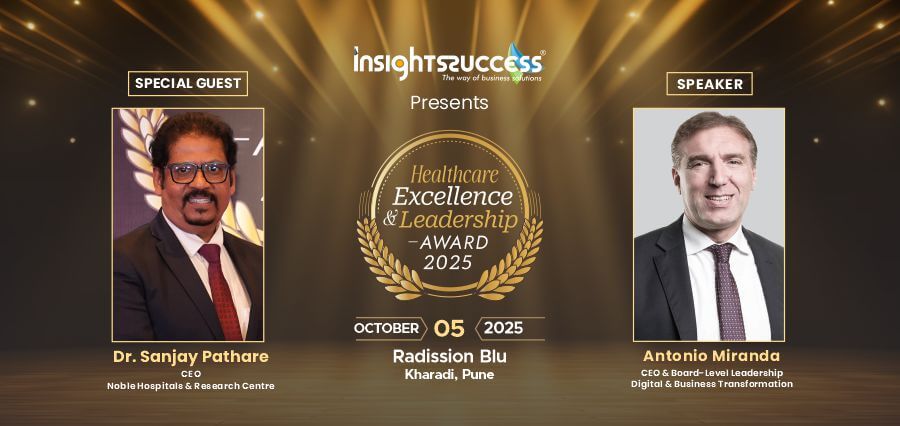
Board Leadership and Innovation in the Future of Healthcare
Abstract Healthcare is at a transformative juncture, driven by rapid technological advances, demographic shifts, and new market entrants. In this evolving landscape, boards of healthcare organizations must move beyond traditional oversight and actively champion innovation; proactive board leadership, via strategic adaptation, diversified expertise, and a risk-tolerant mindset, is essential for future success. Introduction Healthcare stands at an inflection point: technology and market forces are upending long-standing norms. Giants like Amazon and Google are investing heavily in patient care and health data, while artificial intelligence promises to revolutionize diagnostics and treatment. As one healthcare CEO warns, “Never in my 37 years have I seen the pace and force of change we have experienced in healthcare”. These disruptions, from empowered consumers to new entrants, mean that simply preserving the status quo is no longer safe. “To thrive in this era, governing boards must embrace innovation as a core responsibility. They should evolve their composition, culture, and oversight to support new technologies and care models. This article examines the forces of compelling innovation in healthcare, analyzes how boards can adapt and explains why active board leadership in innovation will determine healthcare’s future success.” The Disruptive Forces Shaping Healthcare Healthcare is undergoing profound transformation that demands innovative leadership. Many systems still rely on “fax machines, manual processes, and outdated workflows,” making them ripe for overhaul. A Deloitte survey found that “accelerated digital transformation” was the top issue for 2025, with about 70% of health executives saying investments in digital tools and platforms will be important. In practice, this means virtual care, data analytics, and AI are rapidly becoming central to healthcare delivery. Demographic and market pressures compound this. Aging populations and chronic disease burdens strain resources, and a global workforce shortage loom (the WHO estimates a shortfall of 10 million healthcare workers by 2030). At the same time, nontraditional competitors like Amazon, Walmart, and Google are entering healthcare, instigating change through technology and new business models. Patients now expect consumer-grade convenience and value. The combined effect is unprecedented turbulence, as summarized in Figure 1. Figure 1. Risk–Opportunity Heatmap for digital health initiatives. It helps the board separate high-impact, high-likelihood projects from those to explore cautiously. Takeaway: In this high-velocity context, healthcare boards confront novel challenges. The next section argues that boards must evolve their governance roles to actively guide innovation and change, not just retrospectively manage risk. The Evolving Role of Healthcare Boards Traditionally, boards focus on fiduciary oversight, compliance, and risk management. In today’s landscape, however, experts argue that this mandate must expand. Boards should act in a strategic or generative mode, anticipating trends and shaping direction rather than only reviewing past results. Watson Advisors calls this “future-focused governance,” where boards “balance effective risk mitigation with the ability to spot opportunity, navigate uncertainty, and guide their organizations through transformation”. See Figure 2 for the board’s innovation operating model. Figure 2. Board Innovation Operating Model. From vision to value: challenge strategy, set risk appetite, allocate funding, monitor outcomes, steward talent and ethics. This shift is echoed by industry leaders. Healthcare CEO Michael Ugwueke insists that boards “must foster innovative decision-making and solutions.” He argues that boards should encourage executives to experiment and take calculated risks in service of the mission, even allowing for some failure as part of the learning process. In practice, this means boards should not rubber-stamp only safe initiatives; they should actively ask which new ideas might drive better outcomes and authorize pilot projects with appropriate oversight. Consultancies reinforce this trend. Russell Reynolds Associates finds that governance at academic medical centers will require transformation in the next decade: boards must manage traditional responsibilities alongside innovation and digital strategy. One analysis concludes that future boards will be “smaller, sharper, and more strategic,” with the expertise and foresight to navigate change. Takeaway: Boards must redefine their success metrics. Effective governance in the modern era means guiding long-term strategy and innovation, not merely curtailing risk. By doing so, boards honor their fiduciary duty in a changing world: they protect the organization’s future viability. The next section examines how boards can develop the right composition and culture to fulfill this expanded role. Board Composition and Culture for Innovation Evolving the board’s role requires updating who sits on it and how they think. A board of similar backgrounds and narrow expertise cannot lead breakthrough change. Ugwueke notes that many community hospital boards are still dominated by bankers and lawyers, a legacy of the past, and he urges boards to become competency-based. He recommends conducting intentional skill-gap assessments and recruiting directors with modern expertise. For healthcare boards, this means adding members with backgrounds in technology, data science, or healthcare innovation. Table 1 highlights critical competencies and gaps to close. Table 1. Board Composition Skills Matrix. Core competencies and indicators for effective innovation governance. Key Competence Why It Matters for Innovation Evidence / Indicator Current Presence Gap Healthcare and Clinical Outcomes Links innovation to quality and safety Medical or clinical director on the board Yes / No Low/ Medium/ High Data, AI and Interoperability Ensures the right questions on usage, bias, and privacy Data/AI expert with healthcare experience Yes / No Low/ Medium/ High Cybersecurity Safeguards trust and business continuity CISO or dedicated advisor Yes / No Low/ Medium/ High Finance and Innovation Portfolio Enables sound capital allocation and ROI Former CFO or VC/PE health investor Yes / No Low/ Medium/ High Patient & Consumer Experience Drives digital adoption and access Patient or CX representative Yes / No Low/ Medium/ High Regulatory / Ethics Ensures compliance, AI governance, and ESG integrity Regulatory or ethics expert Yes / No Low/ Medium/ High Training and learning culture are equally critical. Even experienced directors must learn new domains. McKinsey reports that after boards undergo immersive technology training, over half made digital transformation into their top agenda item. Directors should demystify emerging technologies (like AI and telehealth) so they can ask informed questions. Watson recommends that future-focused boards allocate time for scenario-planning and reflection on mission and external trends, and
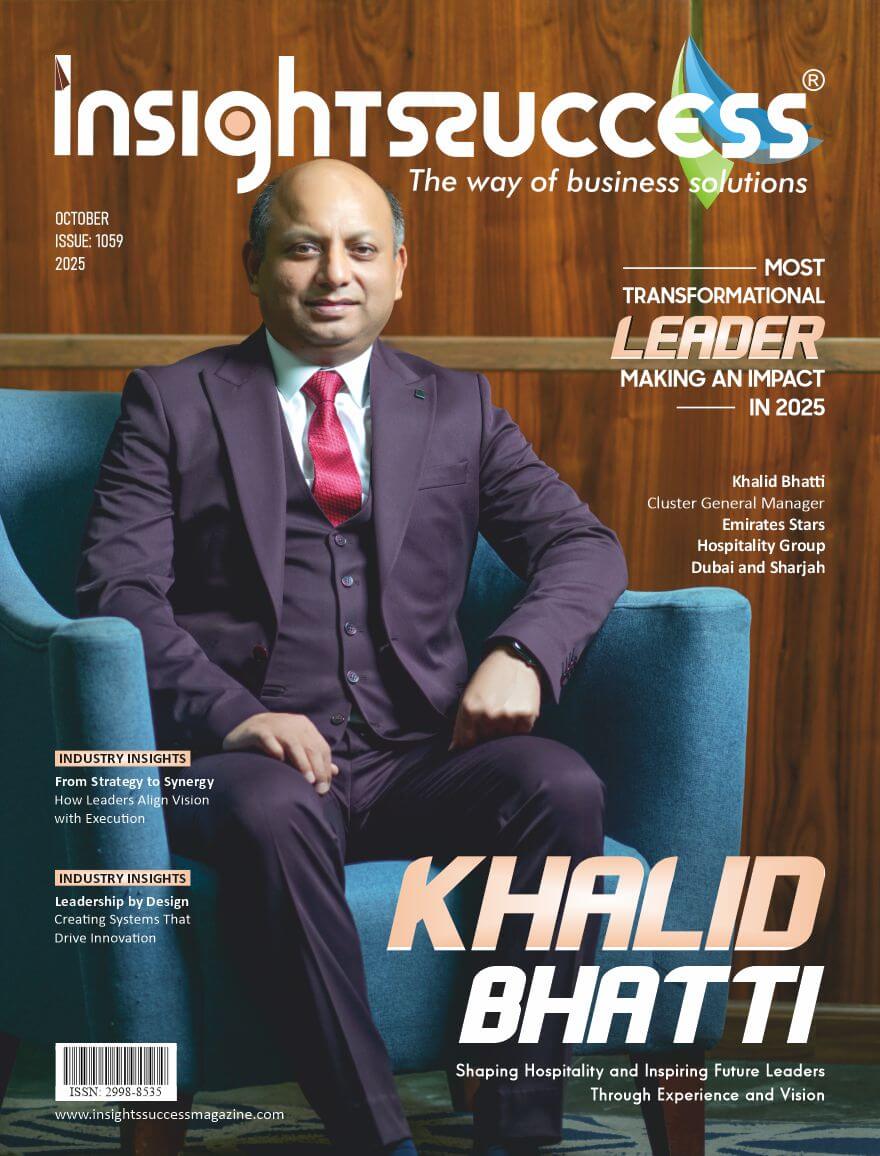
Most Transformational Leader Making An Impact In 2025
Most Transformational Leader Making An Impact In 2025 Khalid Bhatti’s journey serves as a powerful testament to the enduring value of patience, perseverance, and purpose. His leadership is defined not by speed, but by the depth of transformation he inspires—turning challenges into opportunities and empowering those around him to excel. Bhatti’s commitment to nurturing talent, redefining service excellence, and fostering a culture of resilience has positioned him as a guiding force for the next generation of leaders. By combining discipline with heart, he demonstrates that true impact is measured not only by achievements but also by the lives touched and the standards raised. Quick highlights Quick reads