





Why Emotional Intelligence Defines Modern Leaders
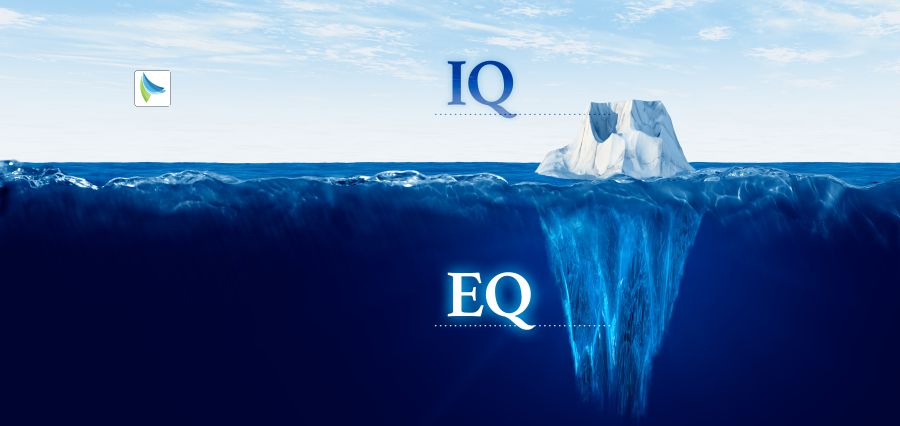
The Human Advantage In a time where the world seems to be ruled by algorithms, automation, and artificial intelligence, the notion that leadership is about dominating systems, data, and technology is quite appealing. Nevertheless, the one fact that remains after the digital revolution is that emotional intelligence is what separates great leaders from good ones, not technical expertise. Next leadership generation will not require knowing more but feeling more. The human advantage, to its ultimate, is in the ability to relate to, understand, and motivate others. The Shift from IQ to EQ For a long time, successful leadership was judged by the mental capacity, the strategic thinking, and the skill level of the leader. In such a role, leaders had to rapidly think through a situation, make a decision quickly, and carry out the task without error. However, as larger organizations tend to become more complicated and the workplaces more multicultural, an entirely different type of intelligence has come out on top as the most important one—emotional intelligence (EQ). EQ includes the skills of identifying, understanding, and dealing with the personal emotions, as well as detecting and influencing the emotions of other people. With it, leadership can turn from a transactional to a relational one. Smart IQ may create the strategy, but strong EQ unites people so that they can bring it into action with enthusiasm and a sense of purpose. In the world we live in where most tasks are automated, the leader’s advantage is not being more efficient—it is being more empathetic. Machines are capable of performing calculations, analysis, and even making predictions, but they are not capable of establishing connections, giving comfort, or inspiring. These, still, remain as human qualities. The Emotional Core of Leadership At its heart, leadership is a matter of emotion. People do not follow leaders because of their titles—rather, they follow leaders they trust. They are not straitjacketed by the strategies of the leaders—they commit to those making them feel valued, understood, and respected. Emotional intelligence equips leaders to convert this gap from control to trust into experience from being an authority to sharing authenticity. Understanding oneself is what constitutes the basis of this skill. Leaders who are aware of their own emotions have the capacity to control them rather than be under their power. They act from their control instead of their reactivity. The very act of this self-control adds to one’s credibility, especially in difficult situations where calm and confidence are most required. The inner side of emotional intelligence, on the other hand, empathy, is also very powerful in its effect. It provides the ability to understand others’ viewpoint, to detect the unspoken, and to use not only logic but also compassion in leading. By doing so, they provide a platform where everyone can openly participate, voice their opinion, and develop themselves. Emotional Intelligence as a Cultural Multiplier Modern-day companies not only require a well-thought-out strategy, but also depend heavily on their culture. Culture eventually is a very emotional thing. Culture is influenced by the people’s way of feeling, not only by their way of functioning. Leaders having high emotional intelligence realize that what keeps the company going is the good spirit of the people and what makes the people more effective is the feeling of being part of a group. On the other hand, emotional intelligence is a lifeline that is thrown especially to diverse and globalized work environments. It helps leaders to understand subtle differences in culture, to have conversations despite differences among them and to encourage the feeling of being included. Emotional fluency is as important as language fluency in such a world. Leading Through Empathy in a Digital World The rapid development of technology made the human touch, the most important thing in communication, the most endangered one. The introduction of remote work, AI-driven management systems, and digital communication has complicated the problem of making connections but, at the same time, has made the solution of the problem more critical than ever before. In such a world, as social media used to be acknowledged, emotional intelligence turns into a new form of digital fluency. Leading the next decade will call for this equilibrium—the capability of mixing the accuracy of technology with the power of human instinct. Emotional intelligence is going to be the tool that in our haste to automate processes, helps us keep the human side of leadership. The Future Belongs to the Emotionally Intelligent Leaders of tomorrow will be recognized for the depth of their understanding rather than the breadth of their knowledge. Their strength will be derived not from rank, but from their being human. They will institute the atmosphere of care, employ emotional literacy in their leadership, and turn workplaces into communities of belonging. For leadership, at its core, is not a mechanical but a moral act. It’s not about enforcing performance, but nurturing potential. Emotional intelligence is not only the characteristic of present-day leaders—it is the hallmark of leaders who transcend time. Read Also : What the Next Decade Demands

What the Next Decade Demands
Rethinking Leadership Leadership, as it was globally understood, is changing radically. The 20th-century style – which was heavily dependent on hierarchy, control, and logical thinking – is being replaced by a more flexible, democratic, and responsive manner. We are not even a decade into the new era that is characterized by disrupting technologies, climate change crisis, changing of power among the nations, and the redefinition of work, and yet it is already very clear that leadership concepts of the past cannot be used to solve the problems of the future. The leaders of tomorrow must be different leaders such as those that lead their followers not with power, but with purpose; not through authority, but through authenticity; and not by commanding others, but by connecting with them. The End of the Traditional Leadership Paradigm Leadership was for most part of the last century considered a function of power—establishing direction, preserving law, and increasing productivity. Leaders who could successfully bring about the structures and foresee the outcomes were viewed as the most effective. However, the world is no longer the same. Among others, the pace of innovation, the rise of remote collaboration, and the increasing expectations of purpose-driven employees have changed the context in which leadership works. Control will not be a sign of a leader’s strength in the coming years; instead, adaptability will be. Leaders who are able to handle the unclear situation with their composure, still talk during the madness, and rally people even though things are uncertain will be considered top-notch. They will gain their identity not from the degree to which they control but from the extent that they enable. The Rise of Purpose-Driven Leadership Leaders who represent values bigger than money will be the main characters of the following ten years. As the consumer market becomes more socially conscious and the loyalty of employees is affected by it, companies cannot anymore allow themselves to separate business success from the positive impact on society. Those leaders who will remain afloat are the ones finding the match between their vision and their values—that is, leaders who not only talk but also in their very core integrate sustainability, ethics, and inclusion in their decision-making. Purpose-driven leadership will not just be a phrase flaunted on banners, but rather an actual plan of action. It will be an absolute necessity for executives to spell out directions beyond numbers why their businesses exist and what they do to help the world. Thus, they will not only make their employees enthusiastic but also provide their organizations with stability and endurance. Embracing Technology Without Losing Humanity In the following years, artificial intelligence, automation, and digital ecosystems will be the major revolutions of the industries and the way jobs are arranged. Nevertheless, the biggest leadership issue in parallel with the technological progress will be to keep the human side of it. The leaders of the next decade must balance technological intelligence with emotional intelligence. Moreover, they ought to view tech not as a severer between human bonds but rather as a promoter of them and thus act accordingly. Such a measure between the two spheres calls for not only insight but also moral principles. Executives are the ones to take the responsibility to make innovations the servant of mankind, not vice versa. They should proceed with a “yes” to the question “Can we do it?” only if preceded by a “should we?”. The future managers’ legacy will be those who will be able to humanize technological means—who can, through technology, hasten creativity, inclusiveness, and empathy instead of letting them wear away. The Leader of Tomorrow The leader of tomorrow is a connector rather than a commander; a builder of trust rather than a systems manager. They lead through empathy, they act with integrity, and when they think, they think “without any limits”. They perceive risk as a window for success and inclusion as their power. Rethinking leadership involves changing the mental picture of the world that requires leaders to have courage, compassion, and consciousness. The next ten years will be the ones of the leaders who know that leadership is not about being on top but rather among. Moreover, it is not about leading the change—it means being the change. Eventually, those who are future leaders will not be the ones who crave for more power but rather those who seek for purpose. The upcoming decade will forcibly require leaders with such characteristics as far-sightedness, deep empathy, and brave decision-making skills. These leaders are able to simplify complexity and conversely, see it as an opportunity. They will not only see the value of their vision but also create it. The quote about leadership now needing a rethink is the very one that tells us that we are not only getting ready for the future but we are also shaping it. Read Also : Lessons from Effective Leadership
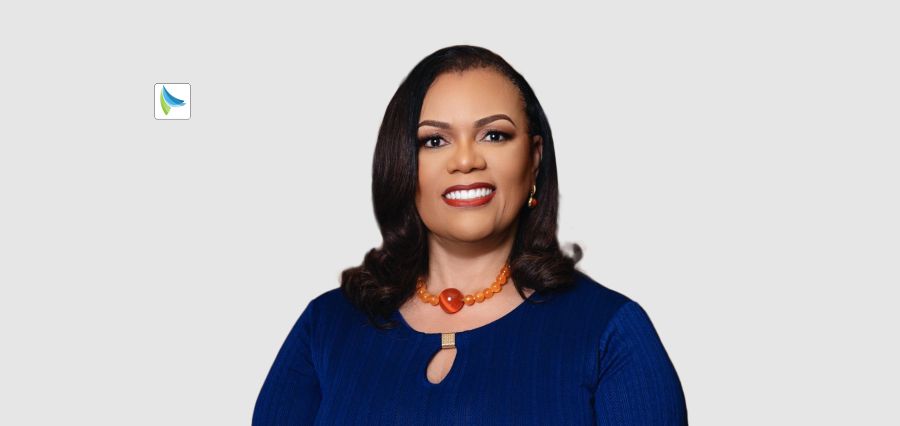
From Commercial Credit to Caribbean President: Denise Turnquest’s Legacy of Leadership and Empowerment
In the forward-looking Caribbean finance environment, where old Caribbean concerns intersect with new Caribbean innovations, a new set of transformational leaders is emerging. At the forefront of this emerging generation is Denise Turnquest, President of Commonwealth Bank Limited. With extensive experience in all aspects of financial services, including lending, collections and operations, she is a tour de force. A certified public accountant and a distinguished graduate of Harvard Business School’s Program for Leadership Development, Denise has a career predicated upon a commitment to continuous development and implementation through concrete expertise. Her commitment to education and development, reflecting her pledge to continued professional and personal development, extends from her early studies after Ivey Business School at Western University to her 2021 designation as Chartered Banker, being recognized by the Chartered Bankers Professional Forum. Her experiences during the Harvard Business School Program were transformative, focusing on recent best practices, improving and developing through personalized coaching by exceptional professors, and engaging and sharing experiences and learning with peer leaders from around the world. which has shaped her as a professional and the remarkable leader she has become. Doing Her ABCs in Banking Denise’s career is a masterclass in leadership and learning, rooted in a solid focus on finance and financial services. Indeed her background makes her one of the most experienced and influential leaders across the business environment in the Caribbean. Denise’s journey is a testament to the power of continuous learning and adaptability. Her career, which she describes as having “done my ABCs in banking” by working at American, British, Canadian, and Caribbean banks, in a series of progressive roles that consistently facilitated growth and development. “I’ve been really blessed to have had a progressive career, always taking on the roles that added responsibility and gave me opportunities for growth,” she feels. Experiences outside the Bahamas including studying at the Ivey School of Business in Canada and working in Puerto Rico and Venezuela, taught her she could “keep pace, thrive, and in fact excel” in varied circumstances and with people from all over the world. Varied Experience Which Prepared Denise Denise’s extensive experience in varied circumstances and with people all over the world was a defining aspect of her career. Early on, in Puerto Rico, she underwent commercial credit training alongside colleagues from across the region. As one of the top performers, she was selected to work in Venezuela. Though she spoke very little Spanish at the time, she quickly learned and made strong contributions. She spent most of her formative years honing her skills in commercial lending. Upon joining Commonwealth Bank, known as a leader in personal lending, she expanded her expertise to become equally skilled in consumer lending. Her progression at Commonwealth Bank enabled her to assume roles outside of lending, including operations, human resources and information technology. She also gained critical experience in delinquency management, a key success factor for any personal lending institution. Taking on these diverse roles exposed Denise to virtually all functions and uniquely prepared her for the Bank’s presidency. A Legacy of Mentorship and Growth Denise attributes much of her success to two impactful mentors. One, whom she describes as somewhat of a perfectionist with very high standards, taught her a valuable lesson: “If you come to me with a problem, you’d better be recommending a solution.” This mantra forced her to think critically and pushed her beyond being dependent on others for answers, to come up with recommendations, and to address problems with well thought-out solutions. Today, she pushes her team to think beyond their roles, preparing them for higher-level responsibilities. Executive leadership programs at both Ivey and Harvard Business School also shaped her. Both institutions use the case study method, which allowed her to collaborate with a diverse group of peers – sharing and gaining new insights. This approach, she says, taught her to “consider and understand different perspectives on a particular issue and then…make the best decision for all concerned.” Her Guiding Principles Also, for Denise, resilience and adaptability are not just buzzwords; they are the very principles that have guided her remarkable career. She believes that self-inspiration is key, as external validation or promotions may not always come. “I have set very high standards for myself, and I work to those standards,” she says. She advises others, particularly women, to never “work to rule” out of disappointment. This mindset, she says, only confirms any doubts others might have. Instead, she sees failures as opportunities to learn and grow, not as an end to the road. She looks back at challenging situations and asks herself, “What could I have done differently?” This self-critical, learning-oriented approach has allowed her to keep moving forward. Modeling the Way Forward When it comes to encouraging younger women, Denise believes in leading by example. “I try to model what I’m teaching,” she states. A powerful tool in her leadership arsenal is humility. She shares with her team that she has taken on roles in the past where she “really didn’t know anything about the area but committed to learning quickly” By being vulnerable and open to learning from those with more experience, she earns respect and the right to recommend and make changes. She also embodies a strong work ethic. Known for being the last one to leave the bank in the evening, she laughs as she shares her secret: she is not a morning person and uses that quiet time to focus. People appreciate her accessibility and her willingness to put in the time and effort. She knows the bank “inside and out” because she has worked side-by-side with her team. She encourages every member of her team to always give their best, because everything they do adds a building block to their reputation. “If someone asks you to do something and you’re not able or prepared to give it your best, tell them sorry, I can’t do it,” she advises, a powerful message for aspiring leaders. Remaining Two Steps Ahead Denise has a keen
The Most Impactful And Visionary Personality To Follow
The Most Impactful And Visionary Personality To Follow Dr. Hockings’ journey is more than a medical endeavor—it is a revolution in wellness. His pioneering system challenges the traditional healthcare narrative by focusing on reversing the root cause of diabetes rather than masking its symptoms. Under his leadership, DRG has not only transformed lives but also reshaped global perspectives on what’s possible in preventive and regenerative medicine. Quick highlights Quick reads

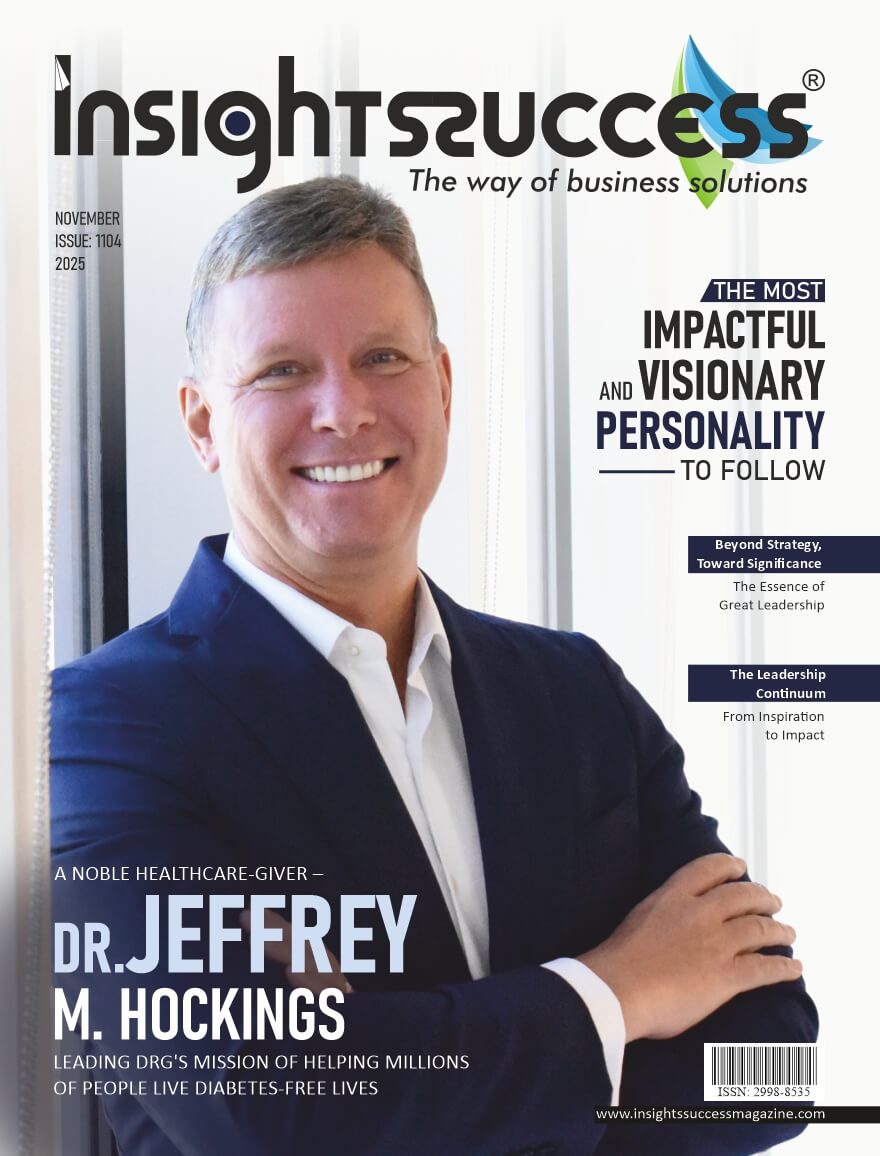
A Noble Healthcare-giver – Dr. Jeffrey M. Hockings: Leading DRG’s Mission of Helping Millions of People Live Diabetes-free Lives
When a system does not work for the very people it was created to serve in the first place, or does exactly the opposite of what it has promised, then it is high time that system must be replaced with a better one. A similar kind of belief was behind Dr. Jeffrey M. Hockings’ inspiration to launch a medical revolution. The story of Diabetes Reversal Group (DRG)― the world’s only Patented Type 2 Diabetes Reversal system that guarantees results―of which Dr. Hockings is the Founder and CEO, began with a simple but life-changing realization: the healthcare system was managing diabetes, not reversing it, he states, as he’s spent more than three decades helping patients transform their health, but couldn’t ignore the frustration he saw in people who were told their condition would only get worse. “I knew there had to be a better way,” he acknowledges. Keeping the Promise What began as a mission to help a few patients reclaim their health became a 16-year journey of research, refinement, and results that led to a patented system — the only one in the world proven to reverse Type 2 Diabetes. Dr. Jeffrey M. Hockings inspiration has always been rooted in hope that is backed by data, science, and faith. “Watching patients reduce or eliminate medications, normalize blood sugar, and reclaim their energy reminded me that true healthcare should restore life, not manage decline.” He also has an aunt and father-in-law who died of diabetes, “So helping reverse it now is a personal mission for my wife and me.” Turning a Business Model into a Healing Model Before this happened, there was a pivotal moment, a kind of personal experience that strengthened Dr. Jeffrey M. Hockings resolve to challenge conventional diabetes care models and pursue a reversal-based approach. The turning point came during his years running multiple clinics when he realized that ‘disease management’ had become a business model — not a healing model. He watched patients do everything their doctors told them, yet their medications increased and their health declined. “That didn’t sit right with me, so we (my wife and I) decided to sell our wellness clinics and focus 100% of our time tackling the Type 2 Diabetes epidemic.” He ardently believed that the world doesn’t need another medication; it needs a movement that restores health and hope. A Body Can Heal in the Right Environment DRG has become a faithful caregiver for the last 16 years since its inception in 2009. It has built a unique position in healthcare by offering hope to millions living with diabetes.Dr. Jeffrey M. Hockings states, “Our philosophy is simple but radical in the medical world: the body is designed to heal when given the right environment. We focus on root cause correction — not symptom suppression.” Dr. Jeffrey M. Hockings and his team of compassionate healthcare professionals combine advanced diagnostics, personalized nutrition, lifestyle restructuring, and behavioral coaching under one unified, patented system. The results speak for themselves: patients consistently experience normalized A1C levels, medication reduction and elimination, and restored vitality. But the true impact goes beyond numbers. It’s watching someone cry tears of joy after their doctor says, ‘You no longer have diabetes.’ That moment never gets old, shares Dr. Jeffrey M. Hockings. “We’ve built a company that delivers those moments every day — and that’s why DRG exists.” Relentless in Ethics-based Results As both a healthcare professional and a visionary entrepreneur, Dr. Jeffrey M. Hockings says that balancing scientific rigor with innovation to ensure that DRG’s programs remain effective, ethical, and evidence-based is everything. “We’re relentless about results, but also about ethics.” Their 16-year track record, patent approval, and an independent third-party study validate what they do. They’ve developed repeatable systems backed by data, not hype. At the same time, innovation drives them forward. They constantly refine their algorithms, patient education modules, and engagement tools to improve outcomes. Every decision at DRG passes through two filters: Is it scientifically sound, and is it in the best interest of the patient? “If it doesn’t meet both, it doesn’t make it into our program. Our team at DRG all share the same conviction — healing isn’t theoretical; it’s measurable.” Deleting Diabetes Completely from the Health System The term ‘reversal’ in chronic disease care often invites skepticism. DRG counters it with an approach of scientific and results-oriented awareness and education to help people truly understand what sustainable diabetes reversal entails. Dr. Jeffrey M. Hockings explains, “Reversal doesn’t mean a temporary fix — it means restoring normal metabolic function without dependency on medication.” They’ve educated thousands of patients and physicians on what true reversal looks like, and their data consistently support it. “Education is central to our mission.” They hold webinars, produce physician-level training modules, and provide every patient with one-on-one coaching and ongoing support. They also highlight the difference between reversing and management. Reversal is a state you can maintain through lifestyle and understanding — not luck. Once patients experience that firsthand, the skepticism disappears. Management is when you stay status quo and continue taking medications the rest of your life, says Dr. Jeffrey M. Hockings Tech-powered Scalability Technology and data analytics play a growing role in personalized health solutions. And they are the backbone of DRG’s scalability.Dr. Jeffrey M. Hockings adds, “We have a robust patient App, where patients log in their blood sugar, blood pressure, weight, and daily food intake, which is monitored by their support coach.” Patients are guided through our platform with measurable milestones, and DRG’s clinical team reviews progress dashboards to make real-time adjustments. “We’ve integrated AI-driven analytics to predict potential plateaus and help our team proactively intervene. That’s how we maintain engagement and prevent regression.” Patients feel supported, seen, and empowered — not managed by an algorithm but guided by insight. DRG’s system makes what was once a local clinic experience accessible nationwide. It’s precision healthcare, personalized and scalable. Eliminating Misconceptions In his journey, Dr. Jeffrey M. Hockingscame across some of the most challenging misconceptions about diabetes

The Essence of Great Leadership
Beyond Strategy, Toward Significance Leadership in the past was mostly measured by numbers—revenues, growth charts, and market share. However, the present-day organization is calling for something deeper. Nowadays, workers do not merely follow leaders; they follow meaning. They want the connection between values and vision, between their Being and the work. A leader of significance is the one who gets the point. Such a leader doesn’t just command from the boardroom, but rather, from the heart, integrating purpose in every act and decision. True leadership kick-off point is when strategy is used to serve a higher purpose. When technology serves to better human life. When performance is linked to purpose. These leaders, who understand this fact, do not just make companies accomplish financially, but they become a source of great significance for their people—a place where individuals can experience belonging, meaning, and growth. From Strategy to Soul Strategy is about achieving success; significance is about leaving a lasting legacy. While strategy is concerned with aspects like structure, scale, and systems, significance cares about people, values, and impact. A strategy can make a company win markets; however, significance can win the loyalty of customers and their trust. The true nature of leadership is basically in that very point—balancing the intellectual pursuit of excellence with the emotional pursuit of purpose. Such leaders who show this personality trait understand that the most powerful results come when rationality is combined with empathy. They do not only get others to perform, but also to believe. They create conditions where ambition is led by morals and success is measured by the amount one contributes. By this act, they change leadership from a mere job to a purpose-driven practice. The Dare to Be Concerned with Others Great leadership’s main feature is the brave act of showing concern which is demonstrated in various ways like listening, empathizing, and acting with integrity even when no one is watching. Courage is needed to put people first instead of placing profit above them, to take a break and have a moment of reflection amid the never-ending competition, and to decide on long-term rather than short-term benefits. Compassionate leadership is definitely not frailty; it is an advantage. It knows that empathy is the main factor innovation and that therein lies the challenge for engagement that in turn leads to excellence. When leaders establish a connection with the human side of their employees, they open the gates to the creative powers, collaboration, and resilience. A culture of compassion does not in any way weaken the drive for success—it rather renews it by basing it on purpose. Leading with Vision and Values A plan provides answers to what and how; significance provides the answer to why. The best leaders realize that one without the other is meaningless: vision without values is like a ship without a rudder, and values without vision are like a power without a source. The mix of both results in alignment—the feeling of lightness which goes beyond any situation. Value-led leaders rally their followers’ trust even in difficult times. Their unwaveringness thus becomes a safe haven for others, while their honesty, the source of their power. Not only do they declare the importance of an ethical standard by setting the good example, but they also prove that it is possible for ‘good’ and ‘well’ to exist simultaneously and to reinforce each other. When vision and values come together, leadership is even more than management—it turns into a movement. Toward a Leadership of Significance Moving beyond strategy to leadership of significance means leading as a form of service rather than a status. It is to keep leading with a clear vision, a strong set of values, and a compassionate courage. It is to understand that success only lasts for a short while, but significance is something that lasts forever. These leaders, who live by this principle, change the concept of leadership in the modern world. They make organizations where profit and purpose are two sides of the same coin, where innovation is a tool for human benefit, and where excellence is not only in the results, but also in the contribution. In the end, the core of great leadership is not about how far one goes, but about how deeply one relates. Strategy can be the ladder of success that one builds, but significance is what the ladder is leaning against. Leading beyond strategy means leading with soul, i.e., using force for the benefit of the community, empowering people by giving them the energy to carry out their ideas, and turning success into significance. Read Also : From Inspiration to Impact
From Inspiration to Impact
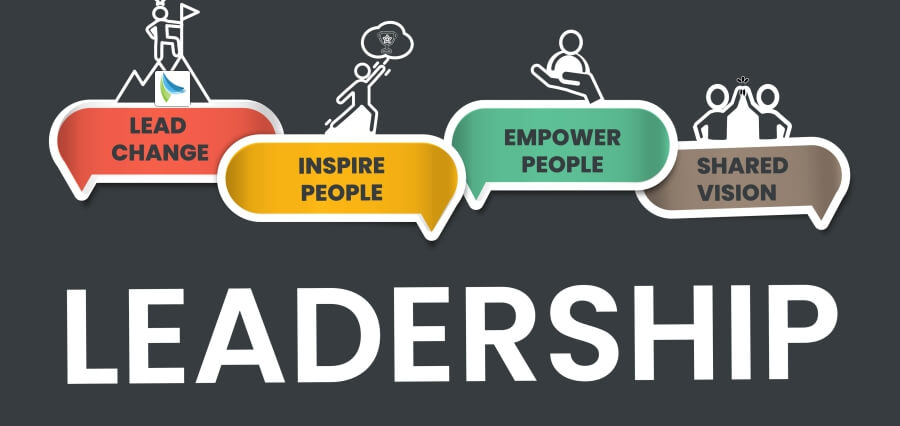
The Leadership Continuum Leadership, fundamentally, is not a fixed point but rather a continuum – a sensitive, mature, and constantly developing journey that extends from one leaders’ inspiration to their impact. We could say that leadership is not the moment when someone wins a great victory or a power position, but it is rather the ability to consistently influence people, ideas, and organizations to move towards a common goal. Most of all leaders recognize that leadership is not about having the power; leadership means bringing about movement – the continuing cycle of influence which starts with the vision, grows with the action, and reaches eternity with the impact. The Evolution of Leadership Leadership, previously understood as the capability to control and command within a hierarchy, has transformed radically. It now revolves around connection, empathy, and influence. The present world being an ever-changing and complicated place, leadership cannot be regarded as the art of commanding followers anymore. Leadership is about creating leaders. The continuum starts with inspiration, the ignition of belief, and ultimately reaches impact, the real effect made on other people’s lives. Each leader at some point is in a position where they have to make a choice on the continuum. Some are in a position to inspire but fail in their implementation; while others manage to achieve outcomes but cannot inspire. The real power of coming to terms with both of them—the ability to convert inspiration into intention, and intention into influence—is what defines true greatness. As such, leadership is a combination of both an art and a discipline, where one balances between heart and strategy, turning aspiration into action. Incorporating inspiration, as the very foundation, into leadership is what allows leaders to transcend beyond just being a mere person who leads. That’s what makes leadership a shared purpose out of the vision and makes the team, who before were unequally related individuals, now a united and unstoppable force. Usually, Inspired leaders not only communicate goals but also the reasons behind goals. They don’t only instruct people on what needs to be done; they show them the significance of it. By honesty, empathy, and being resolute, they bring out the drive from within people that makes them believe in something greater than themselves. One might say, inspiration is the driving force behind the zeal of the people and engagement is the fuel for the zeal to become reality. In that case, the leader’s vision will be the reflection in which the followers will be able to look at their own potential. Yet it is crucial to highlight that inspiration by itself, albeit being able to move mountains, is still not sufficient. This power has to be harnessed in a particular way, namely into direction, momentum, and finally results. Impact as the Destination Leadership, when done well, leads to impact – the difference that can be sensed and measured, that remains and is meaningful. Impact is the meeting point between vision and value as well as between intention and execution. It shows not only in figures but also in the development of people and change of systems. First and foremost, leaders of impact are not the ones who are in a constant pursuit of success; rather, they are creating significance. Their choices do not only produce the immediate effects but also shape the future of cultures, communities, and industries. Consequently, impact shouldn’t be thought of as being limited only to the figures or the honors; it rather, continues to exist in the confidence they build, the possibilities they create, and the people they uplift. At this stage of the leadership continuum, leadership turns into legacy. From Inspiration to Impact—and Beyond Leadership goes further than the impact—it stays with it. The real point of leadership is in the first place, but then also in the second and the third – the ability to inspire, influence, and impact not only once but endlessly, different times, and different people. It is a heritage that is still alive and gets bigger with each person it changes. These leaders who function through the spectrum are the very same, they are ageless, and they have the same traits: a vision that stirs, a moral character that wins over, and empathy that alters. They comprehend that leadership is not for the self but rather the evolution of the collective. In the end, The Leadership Continuum speaks of change—first the self, then others, and finally the society. It conveys the idea that leadership is who you are, not what you do; it is not ‘a’ but ‘the’ journey. Leadership starts with inspiration, gets its power through influence, and, finally, experiences its greatest depth in impact. Furthermore, when the cycle is uninterrupted—when one act of leadership leads to another—the world, as a result, moves forward. Read Also : The Leadership Momentum

The Elite: Trailblazer of 2025
The Elite: Trailblazer of 2025 Winson Tan is not just an entrepreneur—he is a catalyst of transformation, redefining what it means to lead in a world that rewards adaptability over convention. His journey has never been confined to a single path; instead, it has been a dynamic evolution driven by courage, foresight, and an unwavering belief that true progress lies in creating opportunities where others see obstacles. Quick highlights Quick reads
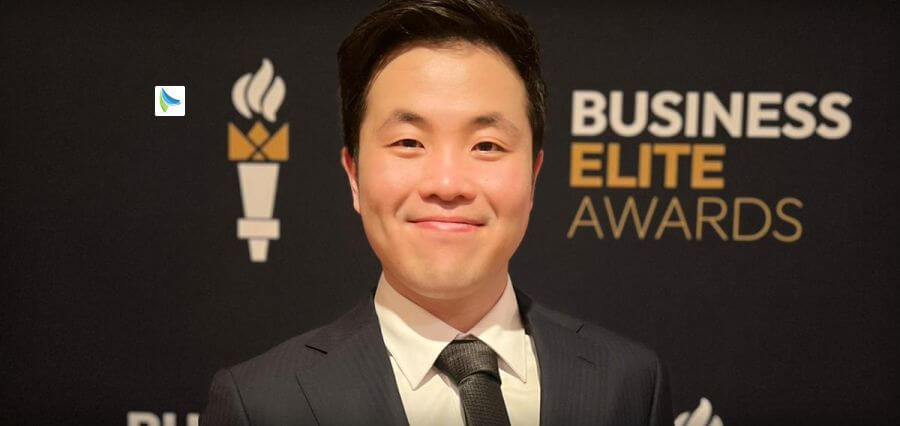
Winson Tan: The Architect of Intentional Spaces and the Trailblazer Redefining Resilience
Even though Australia’s business history is usually one of steady, measured progress, every now and then a leader steps up and turns systemic chaos into a springboard for radical, inspired innovation. This is the saga of Winson Tan, a modern-day entrepreneur whose career has not followed a straight path but rather exploded with adaptive growth. Rather than waiting for things to improve, he actively rebalances the whole opportunity landscape. In addition to being a thriving conglomerate, his companies, the WA Group, JWT Property Group, and Nexus Education Group, represent a shared conviction that bravery, community, and business are all interconnected and essential. Winson’s professional genesis is deeply rooted in the stillness and isolation of Melbourne’s extended COVID-19 lockdowns. This period of profound uncertainty became his definitive moment of clarity. Where many saw an insurmountable void of closures, he saw a stark, urgent need for reconnection. He felt an intense, internal calling to establish tangible, meaningful spaces where people could gather, share hope, and rebuild the essential fabric of community. This deep-seated conviction, born under the immense pressure of global crisis, served as the foundational spark that rapidly ignited the WA Group. Today, Winson Tan is recognized as a formidable force driving multi-sector enterprise, a Trailblazer of 2025 whose leadership is defined by its purpose-led intent and people-first values. He currently pursues a Doctor of Business Administration (DBA), focusing his critical research on developing an evidence-based leadership framework specifically designed for the post-COVID world, emphasizing empathy, adaptability, and unwavering relevance. His story is a powerful, living testimony that vision, fierce resilience, and a consistent focus on humanity can successfully transform deep adversity into unprecedented, lasting opportunity. The Unscripted Leap to Multi-Sector Impact Winson’s initial career track was grounded firmly in the analytical world of Business and Information Technology. His eventual, dramatic transition into the dynamic, high-touch world of hospitality was entirely unplanned, a profound and necessary departure from his technical training. He freely admits he possessed no practical knowledge of managing a café and certainly never imagined himself involved in the culinary sector. Yet, the emotional weight of the lockdowns created an inescapable sense of duty, recognizing that the greatest service he could offer the city was the restoration of shared human experience. The initial days of his entrepreneurial life were far from glamorous; they were a masterclass in necessity. He secured his very first café for just $7,000, acquiring it during the peak of the lockdown’s enforced solitude. This transaction began an intensive, self-directed crash course where he was able to learn every aspect of the business from the very foundation. He mastered operational efficiency, delivered responsive customer service, managed complex payrolls, and created effective marketing campaigns, all while the world outside stood still. He views every single early mistake as a critical lesson and every obstacle encountered as a powerful element that ultimately strengthened his core resolve. What he initially lacked in direct industry experience, he quickly and effectively compensated for with an almost boundless capacity for resilience, infectious curiosity, and a leadership heart dedicated to meticulous service. Now, he holds the distinguished role as the Founder and Managing Director across three interwoven ventures: the WA Group (hospitality), the JWT Property Group (development), and the Nexus Education Group (early learning). This multi-sector architecture beautifully reflects his conviction that leadership must be driven by purpose and dedicated to genuine community enrichment, spanning these three industries, all connected by a singular, defining mission: to forge deeper human connection. He is the recipient of two Honorary Doctorates in Business Leadership and Entrepreneurship, formal validation of his broad and accelerating impact. Decoding the Human Equation in Business The true beginning of the WA Group is an indelible narrative of seizing opportunity during a historical low point. The initial, modest café purchase quickly expanded into a compelling, large-scale vision of actively connecting people and profoundly enriching local communities. Winson’s idea transcended the simple transaction of serving coffee or food; it centered entirely on the creation of sacred social spaces- places where personal stories are openly shared, enduring relationships are authentically forged, and an undeniable, essential feeling of belonging is immediately felt. This powerful sense of purpose, the Connection DNA, is meticulously engineered into every establishment the WA Group operates. Venues like Docasa, Prefisso 3088, Jerry Joy Café, and Little Tienda are designed with deliberate intent, acting as cultural anchors and community hubs. As the enterprise rapidly matured, Winson Tan strategically pursued expansion beyond the limits of hospitality. This intentional diversification gave rise to the Nexus Education Group, an early learning network that embraces the inspiring Reggio and Montessori principles, focusing its energies on actively nurturing highly confident and culturally aware children who will become the leaders of tomorrow. Concurrently, the JWT Property Group was purposefully established. This division provides the essential financial and physical foundation for the entire group’s growth, dedicated to sustainable development and the creation of community-driven physical spaces. This integration ensures that Winson’s vision for community is built not only within the walls of a café or classroom but also physically anchored in the real estate where people live and gather. Since 2020, Winson Tan has successfully initiated and managed more than 14 distinct businesses, clearly proving that visionary thinking, coupled with high-level creativity and the support of the right people, can transform the most humble beginnings into an extraordinary, multi-faceted impact. The Engine of Value and Empowerment Winson’s immense appetite for business is powered by an insatiable curiosity and a deep, abiding love for generating positive impact. He remains perpetually fascinated by the powerful alchemy through which a simple idea transforms into a palpable experience and how insightful, good leadership can radically transform communities. He views business not as a purely financial endeavour, but as an indispensable vehicle for generating profound value, creating essential jobs, and establishing true meaning for countless others. Through his continuous progression, he has meticulously cultivated a mindset that is naturally inclined to embrace calculated risk. He recognizes that risk is inherent in growth, but

The Leadership Momentum
Turning Vision into Velocity Throughout history, leadership has been the silent force that made the vision real. It has been the factor that changed the impact of the idea, the result of the dream, and the performance of the purpose. Still, in the current volatile and unexpected environment, even this is not sufficient. What defines a transformative leader most of all is the element of momentum — the power to achieve continuous action from the strategic plan that can then be followed, excited, and be long-lasting. The New Equation of Leadership Today leadership is very much about losing the hierarchical and authoritative features and gaining the ones of movement and energy creation within the company. Transform leaders are not only the visionaries, rather, they are the catalysts that mobilize the people, the ideas, and the purpose towards the attainment of a communal goal. Vision is what leads, but momentum is what makes the journey last. Many companies have a powerful vision written down in their mission statements, but only a handful actually manage to live it out and turn it into reality. If there is no momentum, the vision will just stand for a mere aspiration; if there is momentum without vision, it will lead to chaos. The work is done when the two factors exist together – when one is consistent and at the same time clear, and also when inspiring is followed by execution. The new leader’s equation is very close to the reality and is as follows: vision times velocity equals impact. From Visionary Thinking to Action-Oriented Leadership A visionary leader is able to look further than the horizon – he is capable of imagining the future and spotting the opportunities even before they come out. However, the feature which separates the group of idolizers from the group of executors is the possession of the ability to mobilize teams, create unity of direction, and establish a sustained drive. Making the leap from vision to velocity requires leadership that is capable of merging the functions of the mind as one can dream and be realistic at the same time and not just follow through blindly. This kind of leadership is characterized by the decision-making ability enabled by courage, humbleness of listening, and the ability to foresee and therefore embrace change. Leadership action-committed individuals set the structures that are conducive to turning the ideas into actions and those actions into results. They live the awareness that genuine momentum in this case is not necessarily about speed but rather about going in the right direction with control. Momentum turns into a regular, unchanging beat of a drum that enables continuous movement of the organization during tough times of uncertainty. Building the Foundation of Momentum The core of momentum is purpose that touches the hearts of each individual. Purpose is what gives action its value, as it connects the effort done each day to the bigger mission. It changes work from being something you have to do into something you are called to do, and employees from being contributors into believers. Still, purpose is not enough; it requires people who will spread that purpose with their passion and belief. Leaders with vision put their money in relationships, by which they build a culture of ownership where people, feeling trusted and empowered, make a difference. When people are proud of their roles, they will act with shared purpose—thus, making collaboration and accountability the main tools through which results are achieved. Hence, performance is the tangible affirmation of such momentum. It not only shows motion but also significant progress, thus making the transformation of ambition into achievement and vision into measurable growth. From Motion to Meaning Speed without a sense in leadership is just noise, while leadership without movement is stagnation. The essence of true leadership is in both—leading the way to purposeful motion which, in turn, brings the transformation of ideas into action and the conversion of aspirations into achievements. Making a dream become a fast reality, and thus going beyond the performance level, is about creating movement that matters, Momentum that inspires, and progress that lasts. As companies make their way through a world of constant change, the leaders who will be calling the shots tomorrow are the ones, who know that vision is what gives the route, but momentum is what breathes it. They are the ones who turn the unreal into the real, trust into power, and organizational culture into a lasting heritage. They are not content with just seeing the future—they make it happen at a faster pace. In the end, leadership momentum is about having the skill to perform with a single aim at the right speed—leading with clarity, compassion, and conviction. The great leadership, in fact, being the last criterion, is not only the cleverness of the vision, but also the momentum it leaves behind. Read Also : A Journey from Control to Connection