






Turning Plans into Results
From Vision to Execution Vision provides the path to walk for organizations, but the execution reveals their credibility. A lot of organizations exclaim great visions and clever strategic plans but find it really hard to let their good intentions bring about the desired outcomes. The discrepancy between the vision and its practical application does not result from a lack of ambition but from misalignment, lack of discipline, and unclear responsibility. The effectiveness of leadership is, in the end, judged by how well they can turn plans into results. Why Vision Often Fails to Materialize The execution of strategic visions often exceeds their conception. The high-level ideas and goals, though they might be very inspiring, they do not steer daily decisions unless materialized into specific priorities. When the groups do not know what has to be changed, how the success will be measured, or who is responsible, the implementation of the plan gets stuck. Another main reason for the failure is the scope being too large. The management is trying to handle several projects simultaneously, which is taking away the focus and wearing the team out. Even the best plans lose pace if there are no strict prioritization and enforcement. Translating Vision into Strategic Priorities The initial phase in the process of execution is the conversion. The vision that is held by the leaders must, first of all, be translated into a manageable number of strategic priorities that are in direct line with the long-term goals. In other words, these priorities have to be so specific that they would point out the right way for decisions to be made and trade-offs to be made. Besides, the great leaders clarify not only what of the actions but also the inactions. This very concentration not only allows for the preservation of resources but also assures that the effort is deployed in the most critical area. The organization-wide clear priorities are used as a filter for the operational decisions to be made. Aligning Structure, Resources, and Capability Misalignment between organizational structure and resources with strategic intent leads to the failure of plans. Execution implies that the allocation of people, budgets, and capabilities will be done deliberately to priority initiatives. Decision-makers have to examine if the current structures are helping or impeding execution. Sometimes, this might involve reimagining roles, making processes easier, or purchasing new capability. Alignment guarantees that the strategy is supported by daily operations rather than being weakened by them. Ownership and Accountability When responsibility is made clear, the pace of execution increases. It is necessary for each strategic initiative to have a definite person in charge, who has the right to make decisions, and who is to be held accountable for measurable results. Vague ownership results in slow processes, overlaps, and a lack of interest. Top individuals who conduct frequent progress evaluations establish accountability. The reviews are centered on teaching and changing, not fault, which helps the teams to solve problems upfront, and keep the pace of work. If the work is owned, it is turned from the planning of the project into a promise. Communication That Enables Action The successful implementation relies on the communication that links the policy to the individual input. The workers must be aware of the fact that their labor is contributing to the achievement of general goals. Those leaders who consistently and in very practical terms communicate the vision create a united front. They inform the team about the reasons for the assigned priorities and give justification for the decisions taken. This transparency allows the different working groups to be self-sufficient in their action but still remain within the strategic framework. Managing Progress Through Discipline Execution is not a one-time event, but a process. Establishing operating rhythms that follow up on the progress, disclose problems, and allow for correction of the course is a must for the leaders. This process involves determining the main performance indicators that are related to the strategic outcomes and having a constant review of them. Monitoring with discipline avoids deviation and guarantees that execution transforms according to the changing conditions. Culture as an Execution Multiplier Culture is a decisive factor in execution, either accelerating or decelerating it. In cultures where accountability, cooperation, and learning are valued, the execution of plans is quickened. On the other hand, in cultures that are divided by departments or that avoid taking risks, execution slows down. Through their actions and rewards, leaders create the culture of execution. They practice ownership, support openness, and highlight achievements, thus building a habitat where execution flourishes. Conclusion The main characteristic of leadership is that it turns vision into results. Vision determines the destination; execution opens up the way. Clarity, alignment, accountability, and discipline are the qualities that successful leaders give top priority to in their journey. They understand that execution is not a matter of the amount of work done but rather the unity of the work. The time and results produced are thus that of a sustainable nature as trust and performance have already gained over time when vision and executions are held in line. Read Also : Managing Complexity Across the Organization

Managing Complexity Across the Organization
Operating at Scale Expansion provides chances but also complexity with size. As companies grow through markets, products, locations, and departments, the systems that were used to speed things up might turn out to be friction sources. The decisions are delayed, accountability is not clear, and the costs of coordination are increased. To operate effectively at scale is not to put more controls but to install clarity in the middle of complexity. The management determines if the size will be a competitive advantage or an operational burden. Understanding the Nature of Organizational Complexity Scale pushes the complexity envelope up very steeply. The more the number of people, the more the number of interfaces. The more the number of products, the more the number of dependencies. The more the number of markets, the greater the exchange of regulatory, cultural, and operational differences. If this complexity is not managed properly, it will show up as wasted resources through duplication of efforts, conflicting decisions, and competition among departments for financial support. Complexity is not the problem; rather, it is the unmanaged complexity that makes it difficult for the leaders to succeed at large-scale and during their whole career when they switch to streamlining the complexity reduction where possible and setting up the standardization where it is needed, all this done without giving up responsiveness. Designing for Clarity, Not Control One of the usual errors that come with the scaling of organizations is the delivery of complexity with that of being over controlled. Waning execution while keeping the appearance of order is just what the additional layers, approvals and reporting do. Leaders, who are effective, on the other hand, create for clarity. They prioritize, give rights to make decisions and set accountability in a very clear manner. With this in place, when the people know who is going to decide what, when and based on which criteria, coordination gets better and friction gets lesser. Control is no longer needed if there is clarity. Clarity of control drives up the cost and slows down the organization. Operating Models That Scale For large-scale operations, a functioning model has to be built that could stand the test of time and be repeated many times. Such processes that could not be run without dramatic efforts of key individuals or without sometimes relying on informal connections are destined to fail; they will completely collapse with the increase of their volume and the variability of the situation. The management team chooses to secure the standardized core processes, e.g., planning, budgeting, performance management, and risk oversight, while giving freedom and room for maneuvering at the edges. The “core-and-flex” system thus allows for consistency without suppressing local adaptation. Decision Architecture as a Scaling Tool Making decisions is one of the very first functions that suffer from a lack of power. When organizations become large, the decisions are either centralized to such an extent that a bottleneck is created, or they are so distributed that inconsistency arises. Leaders who can handle the complexity of the situation create a precise decision-making structure. They categorize decisions into strategic, tactical, and operational ones; set escalation limits; and assure the alignment of power with responsibility. The above-mentioned structure allows the company to make more rapid decisions with less disagreement. Furthermore, it minimizes the need for redoing some work, because decisions are taken at a suitable level and with the proper information. Aligning Structure to Strategy The evolution of an organization’s structure should go hand in hand with the evolution of its strategy. An organizational structure that facilitated the business when it was at one stage of growth might prove to be detrimental during the next stage. Functional silos, matrix confusion, or overlapping mandates can all add to the complexity of the organization. Leaders regularly evaluate the organizational structure to make sure it is in line with the company’s main goals. This might include making clearer distinctions between the roles of the corporate and business units, reducing the number of reporting lines, or redefining the relationships between different functions. A clear organizational structure is not about being perfect; it is about being suitable for the current scale. Technology as an Enabler, Not a Cure The utilization of technology is mandatory if the operation is to be successful on a large scale, but it cannot overcome the shortcomings in design. The systems will be able to integrate data, automate workflows, and improve visibility, but all that will depend on the underlying processes and decision rights being clear. Leaders who are good at technology application mainly operate by granting full visibility and making fewer handoffs. They do not allow the introduction of more tools on broken processes. Technology gives an extra effect to what already exists; it does not fix the misalignment. Conclusion Every decision made in the design process defines a leadership challenge of operating at scale. Complexity is always there but can be handled with the help of clarity, alignment, and disciplined simplification. The successful leaders don’t try to have everything under their control. Instead, they create a system that allows for the scaling of decision-making, align the structure to the strategy, and depend on the culture to unify the company. When complexity is managed intentionally, scale is no longer a limitation but rather a potent source of advantage. Read Also : What Remains When Systems Think for Us

An Unstoppable Crafter of the ‘Human Engine’ – Lalit Mishra: Leading with Vision and Growing with Discipline
“True leadership isn’t found in a handbook; it’s forged in the daily commitment to making people the most valuable asset on the balance sheet,” believes Lalit Mishra. From the moment you come into it, life is a complete unknown to you. The more you know it, the more you learn to live it. The same is the case with being a leader. Leadership has many books written about it. And there are many leaders on whom some of the greatest books are written. Also, there are leaders in every stratum of our society, every sector, and every industry. In recent years, some names have emerged as leaders who have made significant contributions to shaping culture through their leadership; Lalit continues this tradition. He is a visionary leader with more than 25 years of experience, establishing himself as an industry expert in helping individuals, teams, and organisations succeed. As the HR Head for India at Musashi Auto Parts India Pvt Ltd, Supreme Group and Continental Automotive Brake Systems I Pvt Ltd Lalit has emerged as the definitive architect of the ‘Human Engine’—a leader who bridged the gap between the mechanical precision of the automotive industry and the nuanced alchemy of human potential. A Legacy Written in Performance Lalit’s story is one of dual mastery. With twenty-five years of experience spanning the high-stakes sectors of automotive and pharmaceuticals, he brought a clinical rigor to HR that few could match. A strong advocate of developing leaders within their organisations, Lalit does not view himself as an administrator or executive coach (which he is); rather, he believes that his role is to provide guidance to individuals on how to achieve sustainable success by developing long-lasting legacies within their organisations. The Global Pulse Under his stewardship, Musashi & Continental didn’t just meet industry standards—it redefined them. From establishing greenfield projects to integrating multiple companies through corporate acquisitions, Lalit has played a pivotal role in establishing the cultural and operational foundation of an organisation. As a strategic member of the Global HR Steering Committee, he has contributed to the company’s strategic direction for all international companies, helped to establish a global presence that reflects the company’s Indian culture. The Optimizer of Organizational Velocity Lalit’s ascent to the peak of the HR profession was not a matter of chance; it was the result of a relentless pursuit of academic and professional excellence. A science graduate with a Master’s in Business Management from Delhi, Lalit established himself early as a high-flyer, emerging as a rank holder in the Advanced Human Resource Management program at the prestigious IIM Lucknow. Yet, for Lalit, the learning never stopped. From becoming a Certified Project Manager in Germany to mastering the future through XLRI’s Digital Transformation and People Analytics program, he built a multidisciplinary toolkit that allowed him to speak the languages of finance, engineering, and data as fluently as the language of people. The 100x Multiplier: Engineering a Global Legacy Lalit’s career reads like a masterclass in organizational scaling. His tenure at Continental, one of the world’s top three automotive giants, became the stuff of industry legend. For eight years, he headed HR for the Brake Business Unit in India, overseeing a period of explosive metamorphosis where the organization grew nearly 100 times its original size. He wasn’t just managing headcount; he was architecting the establishment of a state-of-the-art R&D center and traveling across Europe and Asia to integrate global projects. “To lead the modern enterprise, an HR professional must be a bridge between the rigid logic of data and the fluid potential of the human spirit.” The Greenfield Visionary: Mastering the Japanese Frontier Lalit carved a unique niche as a specialist in ‘Greenfield’ Japanese projects, playing a pivotal role in the early lives of Asti Electronics and Hitachi Astemo. Building a company from the ground up requires more than just hiring, he grasped. Thus, he delicately nourished a culture that can survive the transition from a startup to a titan. Lalit’s leadership reached its zenith when he managed the HR operations for 18 plants across the Supreme Group, demonstrating an uncanny ability to maintain cultural consistency across massive manufacturing landscapes. The Master of Strategic Resilience In the high-pressure corridors of global manufacturing, the hallmark of an iconic leader is not just how they lead during prosperity, but how they anchor an organization during a storm. During the global pandemic, Lalit was not merely looking to survive; he used this time to put into action the ‘people-first’ approach and has proven that even during times of global uncertainty, the resolve to do what is right will prevail. While others were downsizing and operating with fear, Lalit was hiring 2,000 employees, demonstrating that he had the organizational confidence to use the opportunity presented to him through a crisis as an opportunity to grow his company. “A crisis isn’t about what you do, it’s about who you are. When the world closed down, my goal was not only to survive, but to build a fleet of ships to sail into the future.” The Structure of Discipline: Beyond the Executive Suite For twenty-five years now, Lalit has continued as an executive with the same level of performance through the principle of ‘disciplined harmony.’ As an executive, Lalit knows that working as an executive will usually involve long hours. Still, he also does not allow work to overshadow how he defines himself as a human being. As Lalit starts each day with meditation and exercise, both of which he does with his spouse, they are really part of how he cares for himself as both a human being and an executive. Lalit’s commitment to wellness is characterized by two intentional breaks—one taken in conjunction with the school break, and the other taken with his immediate family. These two breaks provide him with the opportunity to remove himself from the demands of the business world and to reconnect with the values that drive him as an individual. The Ethical Architect: Strategy with a Soul Lalit’s Hall

Policybazaar for Business Welcomes General Insurance Veteran Balasundaram R to Senior Advisory Board
New Delhi,6th Jan, 2026: Policybazaar for Business, the corporate insurance arm of Policybazaar.com, has announced the appointment of insurance veteran Balasundaram R as a Senior Advisory Board member & Head of Marine Practice. With over four decades of experience in the Indian general insurance industry, Mr. Balasundaram brings deep technical expertise, strategic insight, and sectoral leadership that will help guide the company’s long-term growth across the corporate insurance landscape. A seasoned general insurance professional, Mr. Balasundaram has built a distinguished career spanning underwriting, claims management, and solution structuring across multiple lines of business. He is widely respected for his in-depth understanding of the Indian general insurance market, with Marine Cargo being a key area of specialisation and long-standing expertise. His technical mastery, combined with a strong foundation in finance, has enabled him to consistently balance underwriting rigour with commercial outcomes while designing bespoke insurance solutions for complex corporate risks. Beyond technical expertise, Mr. Balasundaram is known for his leadership in channel management, negotiation, and team development. He has successfully built and mentored high-performing teams across diverse roles and age groups, contributing to organisational resilience and capability building over the years. He is also a recognised industry voice and a passionate advocate for core insurance education. As a visiting faculty member at institutions such as the National Insurance Academy and the College of Insurance, he actively engages with and mentors young insurance professionals. He is a regular speaker and panelist at leading industry forums and webinars organised by bodies including IUMI, IBAI, III, and NIA. Commenting on the appointment, Sajja Praveen Chowdary, Director, Policybazaar for Business said, “We are delighted to welcome an industry stalwart of Mr. Balasundaram R’s stature to our Senior Advisory Board. His four decades of hands-on experience in general insurance, particularly in complex areas such as complex marine cargo and hull exposures, will be invaluable as we continue to strengthen our technical depth and advisory capabilities. His strong commitment to mentorship and training aligns closely with our mission of delivering robust, well-structured insurance solutions to India’s businesses.” The appointment underscores Policybazaar for Business’s continued focus on deepening domain expertise and building a strong advisory ecosystem to support Indian enterprises with increasingly complex risk and insurance needs. About Policybazaar for Business Policybazaar for Business (PBFB), launched in 2021, is the corporate insurance arm of Policybazaar, a household name. Building on its retail insurance expertise, PBFB addresses the diverse insurance needs of businesses across India. It offers comprehensive insurance solutions to companies of all sizes, from startups and SMEs to large enterprises, hospitals, medical practitioners, and healthcare institutions. With a client-centric and consultative approach, PBFB provides customised advice and integrated solutions from a single, trusted source. Its offerings span employee benefits, liability, property, engineering, marine and transit, and cyber insurance, among others. PBFB’s vision is to empower businesses and professionals with robust insurance solutions that help them stay resilient against adversities and unforeseen risks. Disclaimer – This article is a work of original content created for public relations and informational purposes only. It may be published across multiple digital platforms with the full knowledge and consent of the author/publisher. All images, logos, and referenced names are the property of their respective owners and used here solely for illustrative or informational purposes. Unauthorized reproduction, distribution, or modification of this article without prior written permission from the original publisher is strictly prohibited. Any resemblance to other content is purely coincidental or used under fair use policy with proper attribution. Read Also : Real Estate Awards Nomination Profile

Developing Enterprises: The Rise of Africa Business Excellence Across Key Industries
The business environment in Africa is currently experiencing a tremendous shift in terms of competitiveness, better governance, and closer interconnectedness with international value chains. Since the continent has traditionally been regarded as the origin of raw materials, at present it is the place where businesses are establishing new standards in terms of effectiveness, innovation, and sustainability. The change is an indication of decades of structural reforms, better macroeconomic management and focus on development of the private sector in most African economies. This is being fuelled by a mix of positive demographics, policy reforms, regional integration efforts, and increased investment in skills and infrastructure. In various industries, African firms are proving that geography does not limit business excellence, but they can be achieved through strategy, leadership, and flexibility. It is in the financial services and telecommunications, manufacturing and agribusiness as well as renewable energy, firms are developing scalable models that address local demands without failure to meet international standards. Financial Services and Fintech The financial services industry in Africa has become a global benchmark for innovation in financial inclusion. Bank, mobile network operators and fintech entities have built digital platforms that reach out to millions of previously unbanked people with payments, credit, insurance and savings products into the formal financial system. The examples of mobile money ecosystems in Kenya, Ghana, and Rwanda can explain that in cases when physical banking infrastructure is insufficient, technology can be used to bridge the gaps and ensure high security, reliability, and trust among the users. Besides inclusion, the industry is becoming more characterized by an emphasis on governance, risk management and scale. Pan African banks have gone international, consolidated their compliance systems, and are investing heavily in the digital revolution to deliver services effectively. Fintech companies are no longer offering single product solutions but providing full service financial platforms such as integrated payments, lending, and wealth management. International investors, strategic alliances and regulatory participation have considered this transformation and enhanced the confidence in the growth of the sector. Manufacturing and Agribusiness The main focus of Africa in the attempt at diversifying its economies and creating more resilient growth models is manufacturing and agribusiness. Many nations over decades have depended on export of commodities and little value addition on local levels. To take advantage of the uncertainties of exposure to world commodity prices, governments and players in the private sector are investing in processing, packaging, and logistics to keep a higher value in domestic economies. The development of competitive manufacturing centers in industries such as food processing and textiles, pharmaceuticals and consumer goods are being supported by industrial parks, special economic zones, and specific incentives. African companies are embracing the modern farming methods, mechanization and data driven supply chain management in agribusiness to enhance productivity and quality. The access to the high-end regional and international markets is facilitated by quality certification, traceability systems, and cold chain investments. Most of the major companies are also incorporating smallholder farmers into formal value chains, which can offer them access to inputs, loaning, and assured markets. These strategies make it more profitable and also promote food security and rural livelihood. Agribusiness and manufacturing are becoming strong examples of inclusive and sustainable business excellence in the continent by connecting commercial success with social impact. Technology and Infrastructure Africa has witnessed a rapid growth in the technology sector, which has been boosted by a digitally literate and young population as well as rising access to broadband, smartphones and cloud services. Startups and the established firms are coming up with solutions in e commerce, financial technology, health technology, education, and enterprise software to tackle local issues and have global applicability. Innovation hubs, accelerators, and venture capital ecosystems worldwide are maturing, enabling companies to move beyond experimentation, scale their operations, strengthen governance, and achieve sustainable long-term profitability. Africa equally has energy and infrastructure in the core of the business excellence story. Industrial growth and regional trade require reliable power, transport, and digital infrastructure, and these areas are being improved significantly. Solar, wind and hydro projects are drawing long term capital, enhancing energy security, and climate commitment. International project management and financing standards are being used by infrastructure developers to provide roads, ports, rail networks, and data centers to bridge the markets and reduce the cost of doing business. With a combination of commercial feasibility and the need to be environmentally and socially responsible, these sectors are establishing new standards of responsible and sustainable enterprise. Conclusion The changing business environment in Africa is a sign of a continent that is decisively shifting past the legacies towards a future that is characterized by competency, strength and internationality. In the fields of finance, manufacturing, agribusiness, technology, energy and infrastructure, African businesses are proving that it is possible to achieve long term excellence through effective leadership, good governance and investment. They are also becoming competitive as a result of the capacity to integrate local knowledge with global benchmarks and the production of inclusive economic value. With the further integration of the region and the increasingly important capital flows championing innovation and sustainability, Africa is in a good place to aggregate these benefits. The skills development, infrastructure growth, and continuity of policy orientation will be important in keeping the momentum. Read Also : What Remains When Systems Think for Us

Spotify Adds Real-Time Sharing and Jam Features to Boost Social Listening
Prime Highlight Spotify has introduced Listening Activityand Jam features to let users share what they’re listening to in real time and invite friends to listen together. The update aims to make the app more interactive, allowing users to explore music through friends without leaving Spotify. Key Facts Listening Activityappears in the Messages section, letting users play tracks, save them, or react with emojis directly from chats. Jam sessionsallow Premium users to co-control shared playlists in real time, with Free users able to join by invitation; the rollout will reach iOS and Android fully by early February. Background Spotify has introduced new social tools that allow users to share what they are listening to in real time and invite friends to listen together, as the company steps up efforts to make the app more interactive. The update adds Listening Activity to the Messages section, where users can see what their friends are currently streaming. To activate the feature, users must go to Settings and turn on “listening activity” under the Privacy & Social menu. Once enabled, the music a user plays will appear at the top of their chats. By tapping on a friend’s listening activity, users can instantly play the track, save it to their library, open more options, or react with an emoji. This feature gives Spotify users a quick way to explore music through their friends without leaving the app. Spotify has also expanded access to its Jam feature, which allows people to listen together and add songs to a shared queue. Premium users can now tap the Jam option in Messages to send a request to friends. If the other user accepts, they become the Jam host, and both can control the playlist in real time. Free users can join Jam sessions when a Premium user invites them. The company said Listening Activity and Jam requests will roll out on both iOS and Android in markets where Messages is available, with a full rollout expected by early February. Since the tools sit inside Messages, only users aged 16 and above can use them. Spotify launched Messages in August 2025 to bring social interactions into the app. Until now, most users shared music links on other platforms. With these changes, Spotify hopes to improve user engagement, reduce app switching, and encourage more people to upgrade to paid plans. At present, Messages only support one-to-one chats and are limited to users who have already shared content before. While messages are encrypted during transfer and storage, they do not yet support end-to-end encryption. Read Also : UK Car Sales Hit 2 million in 2025 as Chinese Brands Drive Market Growth

Boston Moonsamy: Translating Complexity into Clarity in Global Distribution
In Sub-Saharan Africa, the industrial revolution is bringing about a shift that focuses on the fundamentals of corporate culture and human development rather than just market data. This shift is being led by Boston Moonsamy, Managing Director of Azelis South Africa. His work history is less conventional and more proof of the efficacy of synthesis. He is a special and potent fusion of the rigorous analytical approach of a research scientist, the caring insight of a mentor, and the comprehensive strategic thinking of a business architect. His core belief is simple yet profound: the people who depart each evening and, ideally, return the next day are the most valuable assets any organization possesses. Moonsamy’s story spans over three decades, marked by transitions through multinational corporations, high-stakes entrepreneurial ventures, strategic acquisitions, and ultimately, continental expansion. Yet, the true compelling force behind his success is the animating philosophy that guides every decision: the conviction that business excellence emerges not from dominating markets but from building authentic partnerships, not from extracting value but from creating it, and not from commanding followers but from lifting others. In an industry often dominated by technical specifications and profit margins, Moonsamy has charted a course that honours both the science and the soul of leadership, demonstrating that commercial success and ethical conduct are not opposing forces but complementary elements in a single, integrated vision of excellence. The Foundation: Where Character Meets the Chemistry of Possibility Long before navigating multi-million-dollar acquisitions or leading teams across four African nations, Moonsamy’s character was meticulously forged in the modest classrooms and spirited playing fields of Verulam Secondary School. The year was 1985, and the young scholar-athlete was already demonstrating a defining pattern: excellence is not confined to a single domain. It is a fluid concept, connecting intellectual rigour with physical discipline, academic achievement with teamwork, and individual brilliance with collective success. His achievements were not simply accolades; they were indications of his future leadership style. He earned provincial colours in football, secured the Science Course Award and the Mathematics Award, and, crowning them all, the coveted Dux Award. This Dux recognition was reserved for those who achieved a synthesis of excellence across disciplines. The skills honed on the football field, reading the game, anticipating the play, understanding when to pass versus when to shoot, and knowing that victory belongs to the team, would prove just as vital in the boardroom as any formula learned in the lab. The Intellectual Crucible at University The transition to the University of Durban-Westville offered a deeper immersion into the complex, invisible world of chemistry and biochemistry. Moonsamy was not merely absorbing information; he was cultivating a methodology and mindset that would distinguish his leadership decades later. The laboratory became his first teacher in the principles of organizational and strategic management: Patience: It taught him that some reactions cannot be rushed; strategic growth requires time. Precision: Small variations in measurement or execution yield dramatically different outcomes; attention to detail is non-negotiable. Humility: Nature reveals its secrets only to those who approach it with respect and rigorous discipline; the market demands the same deference and work ethic. When he completed his Honours degree in Biochemistry in 1990, he possessed more than academic credentials. He had internalized a framework for understanding complexity, a comfort with uncertainty, and a profound appreciation for the forces that transform raw materials. These lessons would become invaluable when the raw materials shifted from molecules to people, from formulations to business strategies, and from laboratory reactions to organizational transformations. The Making of a Leader: Chevron and the System’s View The next decade began in 1991 when the laboratory doors of Caltex/Chevron opened to welcome a young Research and Development Chemist. For most, this would have been a satisfactory first role. For Moonsamy, it was a masterclass in the pragmatic intersection of science and commerce, precision and pragmatism, and innovation and execution. His R&D years were spent immersed in the intricate dance of molecular engineering: understanding how additives modify base oils, how viscosity indices translate to engine performance, and how friction coefficients influence fuel efficiency. Yet, the true education lay beyond the bench. Moonsamy learned to see that laboratory excellence is useless if it doesn’t solve real customer problems, can’t be manufactured reliably, and fails to create economic value. The Strategic Pivot This critical insight catalyzed his 1996 transition into Chevron’s Supply Chain and Planning Division. This was a move many purely technical professionals might resist, leaving the satisfying precision of the lab for the “messier” realm of procurement, production scheduling, logistics, and commercial operations. Moonsamy understood why the move was necessary: leadership requires seeing the whole system, not just your favourite part of it. “Chevron instilled in me a deep respect for process discipline and technical rigor,” he reflects. “Working across R&D and supply planning taught me the value of precision, collaboration, and data-driven decision-making”. This period was transformative in a non-technical sense, too. He discovered that his true gift was not just technical competence, but the ability to translate complexity into clarity, bridging the gap between the technical language of scientists and the commercial imperatives of salespersons, and between global strategies and local execution. This translation capacity, the ability to “speak multiple languages” within the same organization, became his signature strength. The Entrepreneurial Ascent: Building the Umongo DNA By 2001, Moonsamy had accumulated a decade of robust corporate experience, mastered the technical and commercial nuances of the lubricants business, and earned widespread respect. For many, this path offered a comfortable, predictable career trajectory. But within him was a restlessness, a vision that employment could not fully realize. Following a brief, insightful stint at African Petroleum Additives and Chemicals, Moonsamy made the defining leap in 2005: co-founding Umongo Petroleum Additives. “The inspiration came from a desire to create a business that could bridge global innovation with local market needs,” he recalls. Starting a technical distribution company in a highly relationship-driven industry, dominated by decades-old, established players, required more than just capital or knowledge.
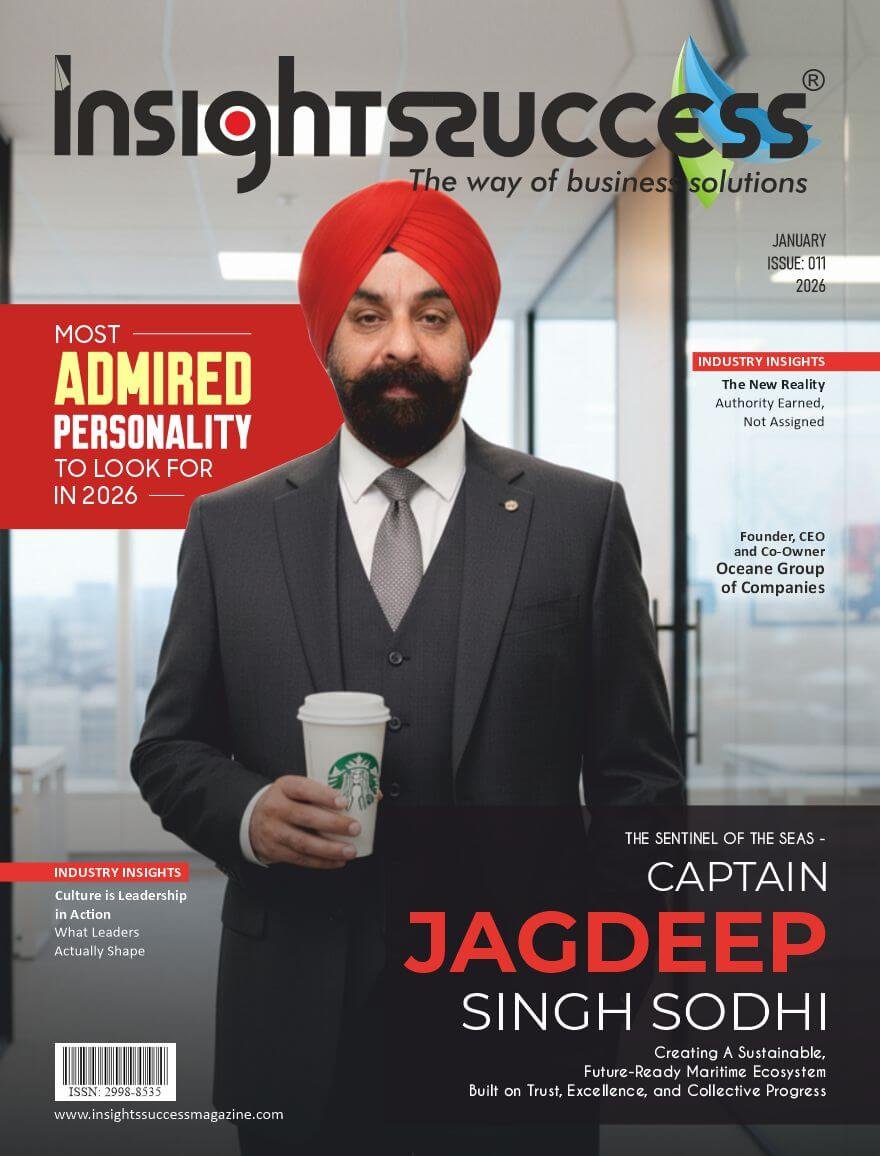
Most Admired Personality To Look For In 2026
Most Admired Personality To Look For In 2026 This edition recognizes an exceptional individual, Capt Jagdeep Singh Sodhi, whose leadership, integrity, and influence inspire trust and progress—setting a powerful example through vision-driven action, sustained excellence, and meaningful impact. Quick highlights Quick reads
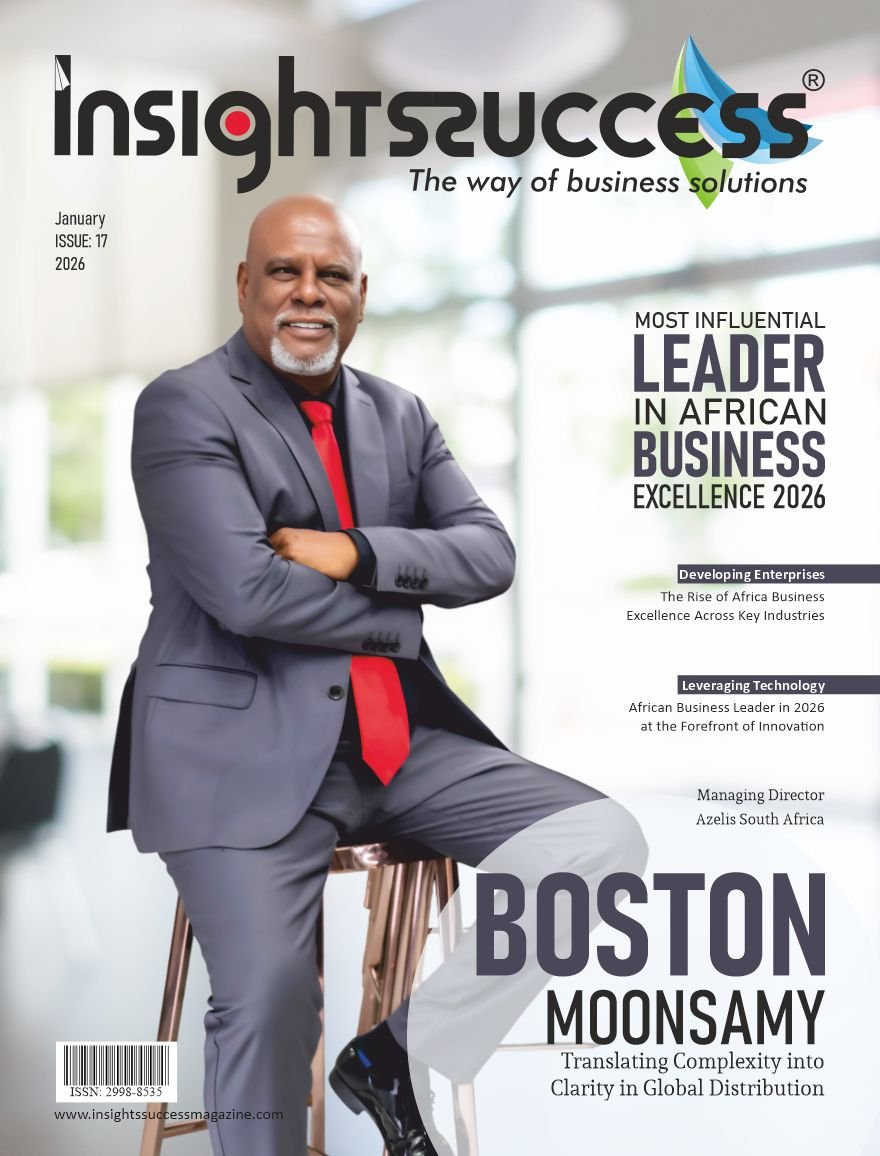
Most Influential Leader in African Business Excellence 2026
10 Best Logistics Companies to Watch in 2022 June2022 Lorem ipsum dolor sit amet, consectetur adipiscing elit. Ut elit tellus, luctus nec ullamcorper mattis, pulvinar dapibus leo. Lorem ipsum dolor sit amet, consectetur adipiscing elit. Ut elit tellus, luctus nec ullamcorper mattis, pulvinar dapibus leo. Most Influential Leader in African Business Excellence 2026 Boston Moonsamy exemplifies people-centred leadership in global chemical distribution. As Managing Director of Azelis South Africa, he translates technical complexity into strategic clarity, building authentic partnerships, fostering talent, and driving sustainable growth across Sub-Saharan Africa through ethical, value-creating business practices. Quick highlights Quick reads
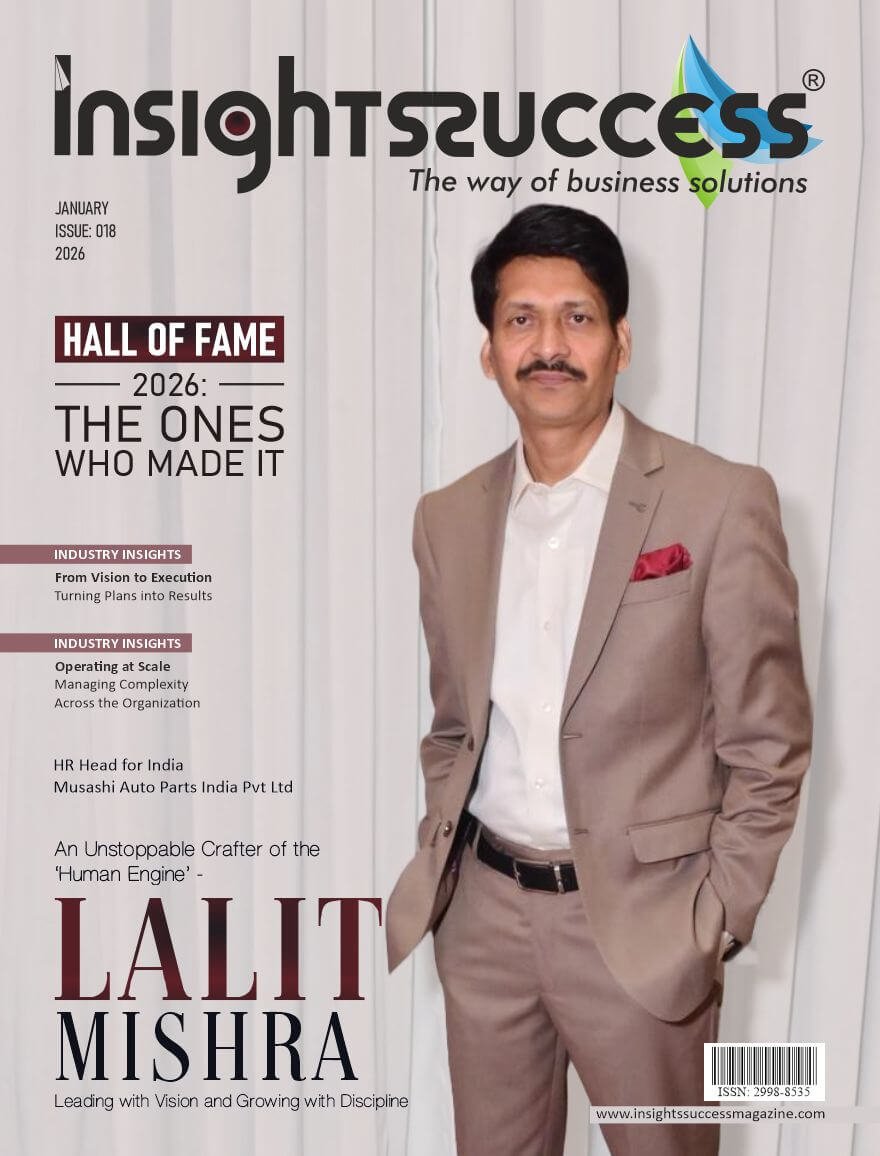
Hall of Fame 2026 The Ones Who Made It
Hall of Fame 2026 The Ones Who Made It This edition honors Lalit Mishra, an achiever whose commitment, defining achievements, and lasting influence have earned them a place among the most respected—celebrating legacies built on excellence, resilience, and impact. Quick highlights Quick reads