






Using Insights to Improve Decisions
Data Strategy for Growth The quality of decisions has the most significant impact on today’s growth. The dynamics of the market are such that they require quick reactions, global engagement, and always aligning with the customers’ ever-changing demands. Well, in this situation, relying on one’s gut feeling is not sufficient anymore. The reason why organizations that manage to grow without exhausting their resources are able to do this by making better decisions; they do it quicker, more regularly, and with a higher level of precision. This is exactly the point where data strategies come into play, and they become indispensable. To have a solid data strategy is not the same as just increasing the quantity of data collected or creating more visualizations. It is converting insights into practices that yield better results. If the data strategy is good, data will be a growth driver: it can facilitate investment decisions, customer understanding, operations, and risk management control. Why Data Strategy Matters for Growth Tech is a big part of a lot of companies’ investments, yet they still cannot find a way to get value from data. They make a lot of reports, use different kinds of analytics, and pile up enormous datasets, but the influence on business decisions is little. The main issue is not the lack of access to data, but rather the lack of strategic intent. A very well-executed data strategy focused on growth makes sure that analytics are tied to business outcomes. It poses a very straightforward question: What decisions do we need, and how will data improve them? These reframing changes focus from data collection to decision impact. In companies that perform well, the data strategy is the same as the business strategy. Start with Decisions, Not Data One of the major blunders that companies usually make is constructing data infrastructure prior to establishing the most important decisions. Without being linked to the decision-making process, data projects become high-cost tech jobs with no measurable return at all. The best companies start with a decision map. They reveal the decisions with the greatest impact over the whole company: pricing, customer retention, supply chain planning, credit risk, workforce allocation, product design, etc., and then they locate the areas where better insights would greatly improve the end results. After the organization’s critical decisions are clear, it states what data is required, how it should be organized, and where and when it will be made available. Build a Single Source of Truth Growth needs to be synchronized, and synchronization has to be based on common truths. When different departments apply different data sources, terminologies, or measures, their decision-making becomes unequal and inconsistent. So, the situation becomes complex instead of clear, and internal arguments take up time. A well-thought-out data policy provides a single reliable source for all. It also involves the adoption of standard definitions for revenue, customer churn, product performance, and operational efficiency. Here, governance is very important, not as bureaucracy but as the facilitator of coordination. Whenever the managers and staff work with the same information, the decisions are quicker, and the execution is better. Make Insights Actionable at the Frontline Data only becomes valuable when it alters behavior. A plethora of firms generate insights; however, they are merely in dashboards, cut off from the workflows. The best and the brightest organizations are those that integrate the insights seamlessly into the process of execution. The sales departments are given customer propensity scores. The operations departments are notified in real-time about the supply chain disruption. The finance departments are utilizing risk models that predict the future. The management gets projections based on different scenarios instead of receiving reports that are based on one scenario. The aim is not to notify people; it is to initiate actions. Insights should be delivered to the decision-making process in a form that allows for immediate use. Develop a Culture of Data-Informed Leadership Culture can never be a substitute for technology, even if the strongest data infrastructure is in place, the decision will still be made through intuition if the leaders favor opinion over evidence. Data-powered organizations develop a culture of data-informed leadership. Top executives practice it by providing answers to the right questions, opposing the assumptions with proofs, and giving credit to groups that make wise use of the insights. Most significantly, this cultural change does not mean the end of intuition. It rather combines intuition with evidence. Data gets its strength when it is accepted and incorporated into the routine of the top management. Conclusion Data strategy for growth is, in the end, a strategy for better decisions. It first identifies the crucial decisions, establishes solid data foundations, provides actionable insights, and encourages a culture that respects evidence. Firms that are able to play this approach well are not merely transformed into data-driven ones—they are also transformed to be more able to make decisions. Besides, decisiveness is one of the most powerful competitive advantages in the modern economy. When the data and the strategy are perfectly aligned, the insights turn into actions and actions, in their turn, into growth. Read Also : How Top Companies Stay Focused

How Top Companies Stay Focused
Setting Business Priorities In contemporary corporate practices, the primary threat to performance is not usually a shortage of opportunity. It is the access to too many opportunities at the same time. Markets change rapidly, the demand of the customers varies constantly, and new technologies provide unlimited options to choose from. In such a scenario, companies do not only lose to the competition but also get weakened by their own distractions. The best players in the market do not necessarily do more but, rather, do better through focusing their resources on the right areas. Thus, the setting of business priorities is not a matter of planning anymore. Instead, it is a leadership discipline that decides the allocation of resources, the making of decisions, and the sustainment of execution. Focus is not only a way of thinking but also a system. Why Most Organizations Lose Focus The usual case is that organizations are often losing focus for three main reasons. First of all, the management plans to do a lot of activities concurrently, showing a lack of foresight concerning the execution capacity. Secondly, the lack of clear-cut priorities or ever-changing priorities leads to uncertainty in the teams’ operations. Thirdly, decision-making is no longer a joint effort as each department tries to get the best for itself and therefore the company as a whole suffers. The outcome is predictable: dilution of the strategy. The resources are so evenly spread out that there is no area of strength, the deadlines are pushed back, the people get tired and there is no consistent level of performance. Even the best strategies get defeated when the focus is divided. The best companies are those that, by treating prioritization as a competitive advantage, manage to stay above the fray. Clarity Starts at the Top Focusing on leadership clarity is the starting point. Companies with good performance make it a point that their top leaders are in agreement and share the same message about their key issues. This agreement is not as easy as it seems. Numerous companies use vague terms like growth, innovation, and transformation to define priorities without any clarification of what those priorities mean in practice. The leading organizations condense the strategic will into a small number of priorities that are detailed enough to direct action. These priorities provide answers to three crucial questions: What is the objective? Where will we put our money? What activities will we discontinue? Being able to refuse is one of the characteristics that indicate a mature organization strategically. They Align Resources to Priorities – Not Politics A lot of businesses are saying that they have priorities, but the real situation is given by the resource allocation. When the budget, talent, and leadership attention are not in line with the stated priorities, the focus disappears. The best companies utilize prioritization to direct their investment decisions. They finance the important ones and, conversely, they cut the unimportant ones. They place their best talent in strategic initiatives, not just in urgent operational work. They also make sure that the time of the leadership is given according to priorities, because the most influential resource of all is attention. When resources are distributed according to priorities, execution takes on a consistent form. They Empower Teams Within Clear Boundaries The top companies manage to blend focus with empowerment. They do not put all decision-making power in one place. On the contrary, they draw clear strategic limits and empower the teams within those limits. This method allows for quick execution while still preserving alignment. Clear priorities enable teams to independently decide because they are aware of the most important things. Thus, the company moves faster and does not get stuck in bottlenecks. Power is not effective if the leadership is not very clear. Using Culture to Protect Focus There is a lack of recognition of the significant role that culture plays in establishing priorities. In organizations with a strong focus, cultural practice supports strict execution. Teams confront the unnecessary workload. Managers discard the projects that do not have a clear value. The process of conducting meetings is determined by the results. Employees consider attention to be an activity that has a high value and thus a resource that is strategically managed. In the circumstances of distracted cultures, people take business as a synonym for productivity. However, in cases of focused cultures, productivity is measured or defined in terms of affecting the situation or the environment. Conclusion Among many duties of a leader, one of the most important is setting business priorities. It is not planning that is harder but it is the selection of better that brings focus. The best companies maintain a sharp focus by setting distinct priorities, making tough compromises, matching resources with the strategy, and keeping discipline through systems that are strong. Focus has turned into a rare advantage in the times that are characterized by continuous disturbance and limitless chance. The organizations that are successful are not the ones that go after everything; they are the ones that do a few things extraordinarily well. Read Also : What Leaders Actually Shape
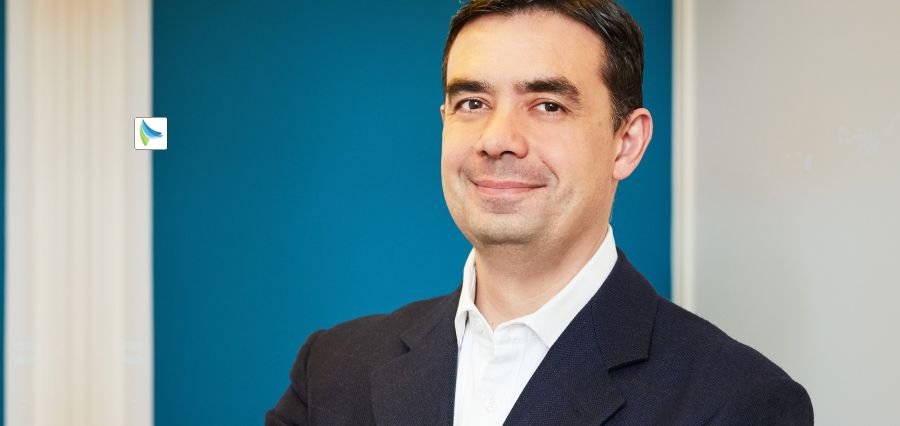
The Global Macro Strategist – Prof. Brunello Rosa: Insightfully Guiding the Next-Gen of the World Leaders
Not many people represent the superior command and gentle authority that Professor Brunello Rosa does in the high-stakes, global economic arena. With several academic, policy, and business connections at the highest level, his journey has been influenced by scientific training and then by his transformative move to the UK to develop his expertise as an economist through the rigorous education process offered at the London School of Economics. Emerging into a volatile post-dot-com world, he did not just witness financial history; he began to architect its future. Brunello’s career is a masterclass in intellectual duality. As a bond strategist at IDEAglobal, he decoded complex markets while simultaneously shaping brilliant minds back at the LSE. This symbiotic relationship between profound theory and high-pressure practice became his professional hallmark. His formidable tenure at the Bank of England saw him informing the UK’s monetary policy implementation and the provision of liquidity insurance, serving as a sentinel of financial stability during times of profound economic shifts. The Turning Point The narrative took a legendary turn at Roubini Global Economics. Working alongside Nouriel Roubini, Brunello ascended from Director to Co-Head of Research, eventually co-founding the prestigious Rosa & Roubini Associates. Today, he occupies a unique vantage point at the intersection of global power and academic depth. As Course Convener for Global Macroeconomic Challenges, an Associate of the Centre for Macroeconomics and a Visiting Senior Fellow at the LSE, his insights guide the next generation of world leaders. His far-reaching influence stretches from the classrooms of Bocconi to the elite think tanks of Chatham House and the IISS. As a trusted policy advisor to central banks and finance ministries across the G10, he is the architect of resilience. Prof. Rosa’s story is an epic of constant learning and strategic progression. He stands as an Inspirational Icon who proves that when deep academic insight meets the practical fires of the financial market. A Visionary Legacy is Born The idea behind his business leadership began when Brunello was working at Roubini Global Economics, and he decided to found a new company. Before co-founding Rosa & Roubini, traditional macro shops were offering the typical suite of products based on macroeconomic analysis, policy outlook, and market forecasts. “But we wanted to create a company that was able to integrate seamlessly macroeconomic analysis and geopolitical insights.” It was 2016, and at that time, the idea seemed far-fetched and almost impossible to realize. But the evolution of events has proven them right, since today it is clear that geopolitics is one of the major drivers of economic activity, suffice to look at the recent events in Venezuela, in the Middle East or in Ukraine. This was the foundation idea behind Rosa & Roubini Associates. But if you want to remain ahead of the curve, Brunello adds that you need to continue innovating. So, in 2016, they added geopolitics and political risk analysis to traditional macro/policy/market analysis. In 2020, they added cyber risk analysis and strategy, which, at that time, Brunello was also teaching at Bocconi University. “Again, most people were skeptical about this move, but we thought it was warranted for two main reasons.” First, some of the most relevant geopolitical developments were occurring in cyberspace. Secondly, it was obvious that the tech space was becoming a major battlefield for global dominance. In effect, the tech war is one of the defining features of the ongoing competition between the US and China. And this is when the great ‘Eureka!’ moment presented itself: China decided to introduce its central bank digital currency (CBDC), and this was an instrument that was able to capture all the dimensions of analysis discussed so far, i.e., macro, policy, politics, geopolitics, markets, cyber strategy, and tech. And this is what inspired the book ‘Smart Money: How Digital Currencies Will Shape the New World’, which discusses the geopolitics of digital currencies, “And clearly was able to put my name on the map of the most influential economists around the globe,” adds Professor Brunello. Following that, he says they decided to implement the latest evolution of Rosa & Roubini, i.e. their pivot to digital assets, which was conceived in 2025 and will be fully operationalized in 2026, together with their tech partners. Business Leadership by Chance Moreover, Brunello says that he became a business leader almost by chance, “Considering that I started as an academic and an economic analyst and financial strategist, with some relevant experience in policymaking at the Bank of England.” But it became almost a necessity, considering that by the age of 38, he was the managing director of one of the most prestigious independent research houses at a global level. At 40, he was already the CEO of his first startup company, co-founded with other business leaders. “When you reach that position at such a relatively young age, it is obvious that the next step is founding your own business, and taking full responsibility for the main decisions regarding the company.” So, Brunello has grown in the role of business leader over the last several years, considering that he now has several associates around the globe to help him deliver the services that their clients want. “I like the idea of shaping the future of the company by making strategic decisions that can affect the lives of so many people around me and being able to find another way of staying ahead of the curve, not just with analysis, but also with action,” he adds. Also, “It may sound naïve, but I’m still driven by the passion of my young age which is that of making the world a better place,’ he continues. This is the reason why the motto of his company is “making sense of this world”, “And I would like to emphasize the importance of the italics in the word ‘this’.” By doing that, they wanted to attract people’s attention to the fact that ‘this’ is kind of a ‘crazy’ world, where the rules of the past are no longer valid, the rules-based system
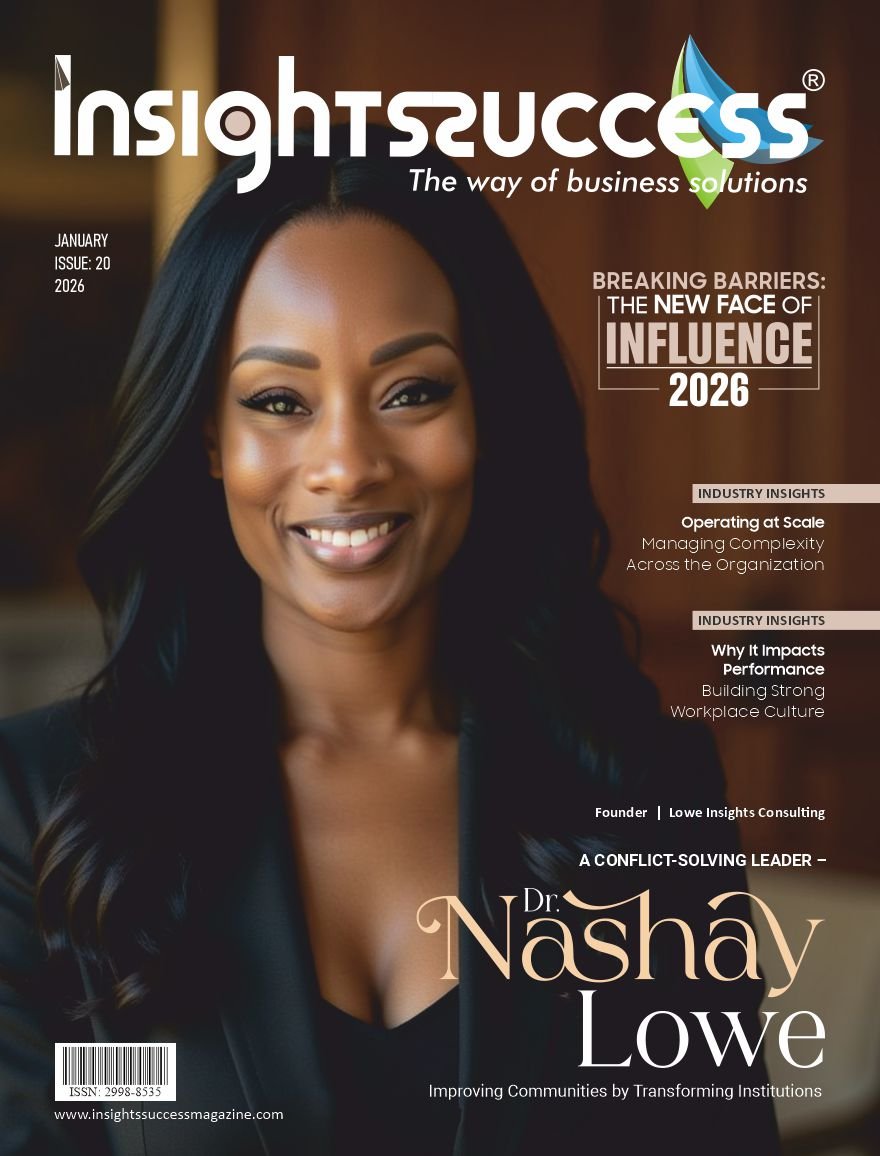
Breaking Barriers: The New Face of Influence 2026
Breaking Barriers: The New Face of Influence 2026 This edition is dedicated to Nashay Lowe, a standout changemaker whose fearless leadership, authentic influence, and transformative impact are redefining norms, setting new benchmarks through purpose-driven action, innovation, and measurable progress. Quick highlights Quick reads

Building Strong Workplace Culture
Why It Impacts Performance Workplace culture is most of the time referred to as an intangible thing—the vibe, a sensation, or a group of principles. However, culture is not just a matter of internal identification but rather a performance system. It impacts people’s way of thinking, how they collaborate, make decisions, and eventually the outcome of their work. In organizations with high performance, culture is not considered as a “soft” topic at all. It is considered as a backbone of the organization because the leaders know a simple fact: culture shapes the way work is actually done. A strong culture makes execution simple. In contrary, a weak culture renders performance costly—more supervision, more fixing, more meetings, and more effort to be applied in order to get the same results. For this reason, developing a vibrant workplace culture is not only about morale. It is also about gaining a competitive advantage. Culture Drives Behavior, and Behavior Drives Results Performance is not a result of strategy only. It comes from everyday activities—what teams do with customers, how managers deal with problems, the speed of decision making, and the level of standards. These behaviors are not regulated by rules, but rather by the culture of the organization. In all organizations, there are implicit rules: who is silent, who is listened to, what errors are punished, what risks are taken, and what people think is necessary to succeed. These rules influence behavior even more than the official procedures do. Gradually, they either develop high-performance habits or create chronic dysfunction. Thus, culture has a direct impact on results. It is the way through which effort becomes outcome. A Strong Culture Reduces Friction and Increases Speed Cultures that are not well defined or that lack clarity cause work to be done slowly. Employees will be uncertain, they will question and doubt their choices, look for more approvals than what is necessary, and will not take charge of their roles. They will be more concerned about managing the politics within the organization than about the priorities from outside. A strong workplace culture has the power to eliminate the above-mentioned friction. It very quickly clarifies the rough expectations and thus the speed of the alignment of the teams. It will be very easy for the people to understand what the standard of ‘good’ is without being constantly supplied with clarifications. They will know the way to handle disputes, the route for elevating things, and the order of what comes first among their tasks. Culture Shapes Decision Quality and Accountability Culturally strong teams have a very strict and methodical approach to making decisions. Bringing up the existing data, questioning the basic ideas, and looking at the results instead of personalities are the main things that people do. The level of responsibility is clear and it is the same all the time. On the other hand, weak cultures see decisions that are influenced by politics. Leaders may not make hard decisions, teams may keep the information to themselves, and accountability may depend on the relationships. As a result, there are two things: bad decisions and slow recovery. Strong culture fosters good accountability. People are responsible for their actions because they have the confidence that the management of the responsibility will be done in a just manner. This creates trustworthiness and minimizes the number of problems that require unnecessary escalation. Trust Improves Collaboration and Execution Trust is one of the most important cultural factors. When trust is established, the people in the different functions of the team cooperate without mistrust. They transfer their knowledge to each other very quickly and openly. They interact with each other supportively rather than with a sense of rivalry. On the other hand, the lack of trust leads to a breakdown of collaboration. The teams work separately, protect their own areas, and avoid taking responsibility together. Even the most minor initiatives require intensive supervision due to the weak alignment. Trust-based cultures developed by leaders result in performance revamping since collaboration becomes instinctive. The organization turns into a single entity rather than a group of departments. Conclusion The influence of workplace culture on performance is great, as it is the major driving factor behind the manner in which work is carried out. It molds all the aspects such as speed, accountability, decision-making, trust, engagement, and resilience, which in turn, directly affect business outcomes. The organizations that create a good culture cut down on the friction and polish the quality of execution. They turn into quicker, more harmonized, and more flexible. In a scenario where strategies are easily copied and technologies can be matched, culture stands as one of the most unassailable performance advantages a leader can create. A strong culture is not merely a feel-good project; it is a performance strategy. Read Also : Leadership in the Digital Age

A Conflict-Solving Leader – Dr. Nashay Lowe: Improving Communities by Transforming Institutions
For us, humans, conflict is eternal. “Conflict is a natural part of life, experienced in professional, personal, and internal contexts.” As an advocate for systems thinking, Dr. Nashay Lowe’s mission is to improve communities by transforming the institutions that influence our daily existence. Lowe Insights Consulting was born from a simple but urgent question: why do so many organizations invest in mission, values, and strategy, yet struggle when conflict emerges inside their systems? The idea grew from years of research and on-the-ground experience, observing that conflict is rarely a failure of intention; it is often a failure of structure, language, and support. The work began organically through research, facilitation, and advisory roles, where leaders repeatedly asked for help navigating team tension, communication breakdowns, and cultural strain. Over time, this understanding evolved into a more formalized practice, strongly aligning with conflict scholar John Burton’s concept of ‘conflict provention.’ This proactive, systems-oriented method for addressing organizational challenges before they escalate is a concept that deeply resonates with Dr. Lowe. This philosophy is not merely theoretical, it is operationalized through the work of Lowe Insights, where research-informed frameworks are translated into real-world organizational practice. Lowe Insights operates at the intersection of research, leadership development, and practical application. Its core work includes Resolution Sessions, delivered through Storytelling Circles, Fireside Chats, Interactive Talks, and Facilitated Dialogue, focused on alignment, effective communication, and conflict prevention. This is complemented by thought leadership initiatives, including keynote talks and The Resolution Room podcast. The goal is not to eliminate disagreement, but to help individuals and institutions develop the clarity, skills, and structures needed to engage difference constructively. What distinguishes the work is its grounding in both scholarship and lived experience. Drawing from qualitative research methods, global fieldwork, and interdisciplinary study, Lowe Insights supports clients in moving beyond quick fixes toward sustainable cultural shifts. Whether working with growth-minded professionals, educators, nonprofit leaders, or multinational organizations, the focus remains consistent: translating complexity into insight, and insight into action. The Resolution Collective The Resolution Collective is a connected community-based ecosystem designed to help people reimagine how we relate, lead, and resolve. It brings together three pillars: 1) The Resolution Room is a global conversation space where leaders, thinkers, and change-makers explore how conflict, culture, and complexity shape the way we live and lead; 2) The Resolution Society is a learning community for those who want to practice these ideas in real time through shared language, reflection, and dialogue; 3) The Resolution Fellowship is an advanced coaching and development program (coming soon) for leaders seeking deeper guidance, accountability, and strategic support. The ecosystem moves beyond surface-level dialogue to examine the tensions we often avoid and what becomes possible when we engage them with clarity and intention. With a growing international audience and community, The Resolution Collective is becoming a trusted home for thoughtful storytelling, meaningful partnerships, and human-centered growth. A Conflict Transformation Scholar-Practitioner and Researcher Dr. Lowe is a conflict transformation scholar-practitioner, researcher, and founder of Lowe Insights Consulting. Her journey began with a deep curiosity about people, systems, and the invisible dynamics that shape how we relate to one another. Raised in a close-knit family, she learned early how communication patterns, unspoken expectations, and emotional intelligence influence relationships. These early observations later became the foundation of her professional path. She is a first-generation college graduate who pursued her academic journey with persistence and independence, earning a B.A. in Journalism, an M.A. in International Relations, and a Ph.D. in International Conflict Management. Along the way, she lived, studied, or worked across more than 30 countries, including Jordan, South Korea, Greece, Cuba, Switzerland, China, Austria, and South Africa. These global experiences deepened her understanding of how culture, power, and identity shape conflict and how much people across the world have in common beneath surface differences. Professionally, Dr. Lowe’s career has been an adventure with its share of ups and downs, spanning diverse environments. She has led large-scale qualitative studies, facilitated complex dialogues, and supported organizations navigating change. This journey involved pivoting between going back to school, roles in education, corporate settings, freelance consulting, and ultimately, building her own business. Like many purpose-driven leaders, her path included moments of uncertainty as she built credibility across sectors and learned to trust her voice in spaces that were not always designed for it. These diverse experiences profoundly shaped her both personally and professionally. She believes that when our systems work better, our communities can thrive. Today, she blends scholarship, facilitation, and public dialogue to help individuals and institutions move from reactive conflict toward intentional, sustainable transformation. A Deep Commitment to Helping People What drives Dr. Lowe is a deep commitment to helping people make sense of complexity within themselves, their relationships, and the systems they inhabit. She is especially passionate about creating spaces where difficult conversations can happen with honesty, dignity, and care. Her work is fueled by a belief that conflict, when approached thoughtfully, can be a source of clarity rather than division. Across cultures and contexts, she has witnessed how misunderstanding and silence often cause more harm than disagreement itself. This insight continues to guide her scholarship, facilitation, and public work. She is also motivated by the possibility of connection across differences. Having lived and worked in diverse cultural settings, she has seen how shared humanity often emerges once people feel seen and heard. That moment when defensiveness softens, and curiosity takes its place remains at the heart of her passion. Ultimately, having seen what is truly possible when we can see each other at our best, her work is driven by a desire to help individuals and institutions move from reaction to intention, from fragmentation to coherence, and from tension to transformation. Entrepreneurship: A Vehicle for Problem-Solving Dr. Lowe’s appetite for business is rooted in curiosity and impact rather than scale for its own sake. She approaches entrepreneurship as a vehicle for problem-solving that allows ideas, research, and values to move beyond theory into real-world application. For her, business is not separate from purpose; it is a

Dr. Mymoona Alzouebi: Championing Advanced Radiotherapy and Clinical Excellence
Every day, cancer care is changing. New treatments, smarter planning, and faster workflows are giving patients better chances of recovery. Making this work in real life requires more than technology. It requires leaders who inspire their teams, innovate with purpose, and put patients first. Dr. Mymoona Alzouebi leads with exactly this approach. As Head of Radiation Oncology at King Fahad Hospital Al-Ahsa, she currently serves as the sole radiation oncologist, single-handedly managing the radiotherapy service, while also overseeing departmental strategy, clinical governance, and service expansion. Her vast experience in the UK’s NHS as a senior Clinical Oncologist and her leadership in Saudi Arabia have shaped a radiotherapy service capable of delivering advanced, patient-centred care with world-class standards. Let’s explore how Dr. Mymoona Alzouebi is transforming cancer care! Leadership Philosophy & Vision 2030 Alignment Dr. Alzouebi’s leadership philosophy is deeply rooted in the principle that clinical excellence must drive innovation. She explains, “My core leadership philosophy is clinically driven, data-informed, and people-centered transformation.” Every initiative she leads begins with patient benefit and safety, while empowering her team to take ownership and innovate within their roles. This philosophy aligns seamlessly with Saudi Arabia’s Vision 2030 healthcare transformation goals. Key objectives include expanding equitable access to advanced radiotherapy, incorporating evidence-based best practices in line with international protocols, advancing digital oncology workflows, and building national talent across all disciplines. Through this approach, Dr. Mymoona Alzouebi has guided her department from its early stages into a strategic oncology hub capable of delivering world-class outcomes. Her focus on patient-centered innovation ensures that technology serves a purpose beyond novelty. Whether deploying IMRT, VMAT, or IGRT techniques, or exploring new digital workflows, every decision is assessed against its tangible impact on patient care. This framework has not only improved clinical efficiency but has also reinforced the department’s reputation as a regional leader in oncology. Team Contribution & Collaboration The success of any transformation rests on the strength of its team. Dr. Alzouebi’s department exemplifies how collaboration and professionalism can drive remarkable results. The team has spearheaded the rapid expansion of tumour sites treated, implemented advanced treatment techniques, and successfully commissioned new technologies and treatment pathways. A culture of collaboration is deeply embedded in daily practice. Formal clinical peer review has improved decision-making, digital documentation, and streamlined workflows, while reducing planning and initiation delays. Staff engagement in quality and safety initiatives remains consistently high. Dr. Mymoona Alzouebi highlights, “What I value most is their collaborative mindset and boldness in innovation. Even under tight timelines, the team demonstrated professionalism, resilience, and a shared commitment to elevating cancer care for our region.” From physicists and radiation therapists to nurses and IT specialists, every member contributes to a shared mission. This collective focus ensures that patient care is not only timely but also precise and responsive, enabling the department to achieve ambitious goals such as delivering emergency radiotherapy within 24 hours. Cultivating a Culture of Continuous Learning Continuous learning forms the backbone of Dr. Alzouebi’s approach to clinical excellence. Structured teaching and peer review are interwoven into daily routines, ensuring that staff across all disciplines remain at the forefront of radiotherapy advancements. Weekly contouring peer reviews, plan quality assessments, and participation in VARIAN workshops, both in-house and internationally, reinforce a culture of inquiry and continuous improvement. Competency pathways for new staff, upskilling initiatives, and structured teaching programs have immediate clinical impact. The department introduced same-day consultations and CT simulations for urgent cases, enabling rapid treatment initiation for high-priority patients. Hypofractionated regimens were also implemented, improving patient compliance, reducing treatment burden, and enhancing overall satisfaction. Structured follow-up programs and standardized toxicity assessments ensure early detection and management of side effects, further strengthening patient care. By embedding continuous learning into every facet of the department, Dr. Mymoona Alzouebi fosters an environment where innovation is not a one-time event but a constant, measurable process. Patient Advocacy, Community Integration & Governance Patient experience and feedback are central to the department’s philosophy. An experienced senior radiotherapy clinical nurse and coordinator plays a pivotal role in nurturing patient relationships, coordinating care pathways, and managing referrals across specialties. Regular departmental meetings, structured feedback analysis sessions, and the collaborative development of patient education pathways create a continuous loop of improvement informed directly by patient voices. A major governance milestone under Dr. Alzouebi’s leadership has been the incorporation of the UK Royal College of Radiologists (RCR) individualized, site-specific radiotherapy consent forms. These were adapted to local clinical practice and treatment techniques and professionally interpreted into Arabic, enabling their implementation within a Ministry of Health hospital. This initiative strengthened informed consent processes, enhanced patient understanding, and ensured the use of nationally accredited consent documentation aligned with international standards. This integrated approach to patient advocacy and governance ensures that clinical advancements translate into meaningful outcomes, improved satisfaction, and strengthened trust. Through close multidisciplinary collaboration, the department delivers cohesive, culturally aligned care strategies that support the holistic needs of patients and their families. Key Achievements & Milestones Under Dr. Alzouebi’s leadership, the department has achieved remarkable milestones: Single-handed clinical leadership of the radiotherapy service as Head of Department Rapid expansion of tumour sites treated using advanced techniques Launch of same-day CT simulation for all urgent cases Implementation of formal documented clinical peer review planning for every patient Establishment of a comprehensive paediatric radiotherapy service Implementing data incident reporting and governance process Zero major QA deviations during external audits Referral-to-treatment planning time reduced to 5 days for curative cases and 2 days for palliative care, with emergency treatments delivered within 24 hours Structured teaching, mentoring, and competency pathways for junior colleagues Adoption of UK RCR individualized, site-specific radiotherapy consent forms, adapted locally and translated into Arabic for use in an MOH hospital These achievements reflect a systematic, patient-focused approach, emphasizing both operational efficiency and clinical excellence. Embracing Emerging Technologies in 2025 Looking forward, Dr. Mymoona Alzouebi is piloting AI-assisted auto-contouring and adaptive radiotherapy workflows. These technologies, supported by a multidisciplinary team of therapists, physicists, oncologists, and IT champions, promise to enhance precision and reduce treatment delays. In parallel, the department is establishing a stereotactic
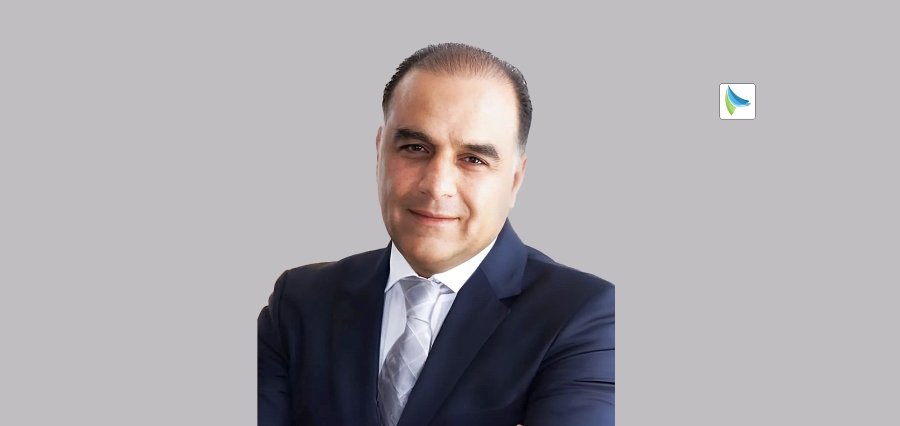
Khaled Younis: Redefining What’s Possible in Medical-Aesthetic Technology
Every once in a while, a leader comes along who changes the way people think about what is possible. Khaled Younis is one of those leaders. As the CEO and Founder of ARAMED, he has dedicated his career to transforming medical-aesthetic technology and helping clinics, practitioners, and patients achieve better outcomes. Leadership, for Khaled Younis, is measured by the difference it makes, the growth it inspires, and the ways it turns difficulties into opportunities. He has built his work on curiosity, persistence, and learning from every experience. Khaled Younis approaches his role with clear thinking and empathy, knowing that lasting results come when people feel supported and inspired. Innovation, for him, is more than products or technology. It is about solving problems in ways that improve lives, simplify processes, and create lasting value. Through ARAMED, Khaled Younis has helped clinics adopt advanced technology, strengthen their teams, and stay ahead in a fast-changing industry. He focuses on trust, continuous learning, and steady growth, showing that obstacles can become opportunities. Let’s delve into the interview details below! What made you decide to become a leader in your field and focus on creating new growth opportunities? From the beginning of my career, I knew I wanted to be part of shaping the future of my industry not just following it. Working in a fast-moving and highly competitive sector opened my eyes to how much impact the right leadership can make. I realized that leadership is not a title; it is a responsibility to create value, to open doors for others, and to transform challenges into opportunities. Choosing to lead came from a genuine desire to build, inspire, and push the boundaries of what’s possible. What are the biggest challenges your industry faces, and how have you worked to overcome them? The medical-aesthetic technology sector faces intense competition, rapid technological shifts, and rising expectations from both clinicians and patients. To overcome these challenges, I focused on real innovation not just upgrading products, but improving the entire user experience. Building long-term trust with clients, offering continuous education, and equipping our teams with strong knowledge and tools has allowed us to stay ahead and deliver consistent value. What keeps you motivated to come up with new ideas, even when times are difficult? What motivates me most is impact. When you see clinics growing, practitioners becoming more confident, or patients experiencing better results, it fuels you to keep pushing forward. Difficult times don’t discourage me they challenge me. Every market shift creates a new opportunity, and every gap is an invitation to innovate. That mindset is what keeps the ideas flowing, even in the hardest moments. How do you approach taking risks when you’re trying something completely new or different? I see risk as a calculated process, not a leap of faith. I start by analyzing data, understanding market needs, and evaluating the worst-case scenario. Yet intuition built through years of experience also plays an important role. Clear communication with my team is essential, because when the vision is shared, risks become more manageable. For me, well-planned risks are the gateway to breakthroughs. What does “innovation” mean to you personally, beyond business success? To me, innovation is a mindset before it is a product. It is the ability to imagine what doesn’t exist yet and bring it to life in a way that improves people’s lives. True innovation isn’t measured by financial returns it is measured by its human impact. It’s about bringing simplicity, efficiency, and meaningful change, even in small forms. Innovation is leaving something better than you found it. How have your life experiences shaped the way you lead your team and make decisions? I grew up believing that success is earned through dedication and integrity. This shaped my leadership style into one grounded in transparency, empathy, and responsibility. I learned that great leadership is not about directing it’s about listening, understanding, and empowering people. My decisions always take into account the human element, because strong teams create strong companies, not the other way around. Can you share a specific moment when your work has made a positive impact on people, your industry, or society? One defining moment was when we were able to support small and medium-sized clinics during a challenging period in the market. By providing them with advanced technology, proper training, and continuous support, many of these clinics stabilized and grew improving patient care and protecting jobs. Seeing this ripple effect reminded me that meaningful work always extends beyond the business itself. What personal habits or routines help you stay focused and creative as a leader? I maintain a structured daily routine that allows time for strategic thinking without distractions. Continuous learning is essential to me I read, study trends, and stay connected with leaders across different industries. Creativity, in my view, doesn’t appear by accident; it comes from being curious, staying informed, and always being open to new perspectives. How do you balance short-term challenges with your long-term vision for your industry? I follow a simple principle: “Move two steps forward, even if you take one step back.” Short-term challenges require quick and efficient solutions, but they should never derail long-term strategy. I make decisions with flexibility but always anchored to a clear vision. Balancing both allows me to handle immediate issues while ensuring the direction of the industry and our company continues upward. What advice would you give to young leaders who want to make a real difference in the world? My advice is: Start don’t wait for perfect conditions. Real change is driven by people who take action, not by those who hesitate. Be courageous, stay humble, and commit to lifelong learning. Don’t fear failure; see it as a mentor. Build a team you trust and empower them. And most importantly focus on creating value, not noise. Leadership is about impact, and impact begins the moment you take your first step. Read Also : Dr. Mymoona Alzouebi: Championing Advanced Radiotherapy and Clinical Excellence

Samsung Electronics Forecasts Sharp Profit Jump as Memory Chip Prices Climb on AI Demand
Prime Highlight Samsung Electronics expects operating profit of around 20 trillion wonin Q4 2025, nearly triple last year’s level. The surge is driven by soaring memory chip prices, fueled by strong AI server and data center demand. Key Facts Samsung projected quarterly sales of about 93 trillion won, with profit set to exceed its previous record from 2018. Memory prices rose an estimated 40%–50% in Q4 2025, and are expected to keep climbing into 2026, according to Counterpoint Research. Background Samsung Electronics has forecast a sharp rise in profits for the final quarter of 2025, driven by a strong surge in memory chip prices amid booming demand linked to artificial intelligence. The South Korean technology giant said it expects operating profit to reach around 20 trillion won, nearly three times higher than a year earlier. In its earnings guidance released on Thursday, Samsung also estimated consolidated sales of about 93 trillion won for the quarter. If confirmed, the operating profit figure would mark the highest quarterly profit in the company’s history, surpassing the previous record of 17.6 trillion won set in the third quarter of 2018. The company’s profits rose because global demand for memory chips used in AI servers and data centers keeps growing. Chipmakers like Nvidia now compete for a limited supply of advanced memory chips, which pushes prices higher across the market. As manufacturers focus production on these high-margin products, shortages have spread to memory used in personal computers and smartphones. Market research firm Counterpoint Research said the memory sector has entered what it described as a “hyper-bull” phase. According to the firm, memory prices increased by an estimated 40% to 50% during the fourth quarter of 2025. Counterpoint expects similar price gains in the first quarter of 2026, followed by a further rise of about 20% in the second quarter. Rising memory prices have increased costs for consumer electronics makers, but they have benefited major suppliers such as Samsung, SK Hynix, and Micron. Samsung’s shares have gained more than 145% over the past year and edged up 0.5% on Thursday despite volatile trading. Even with strong results, Samsung still trails SK Hynix in high-bandwidth memory chips, which AI processors need. The company plans to focus on expanding production of these chips in the coming months. Samsung is scheduled to release its audited earnings and hold its quarterly earnings call later this month. Read Also : Spotify Adds Real-Time Sharing and Jam Features to Boost Social Listening
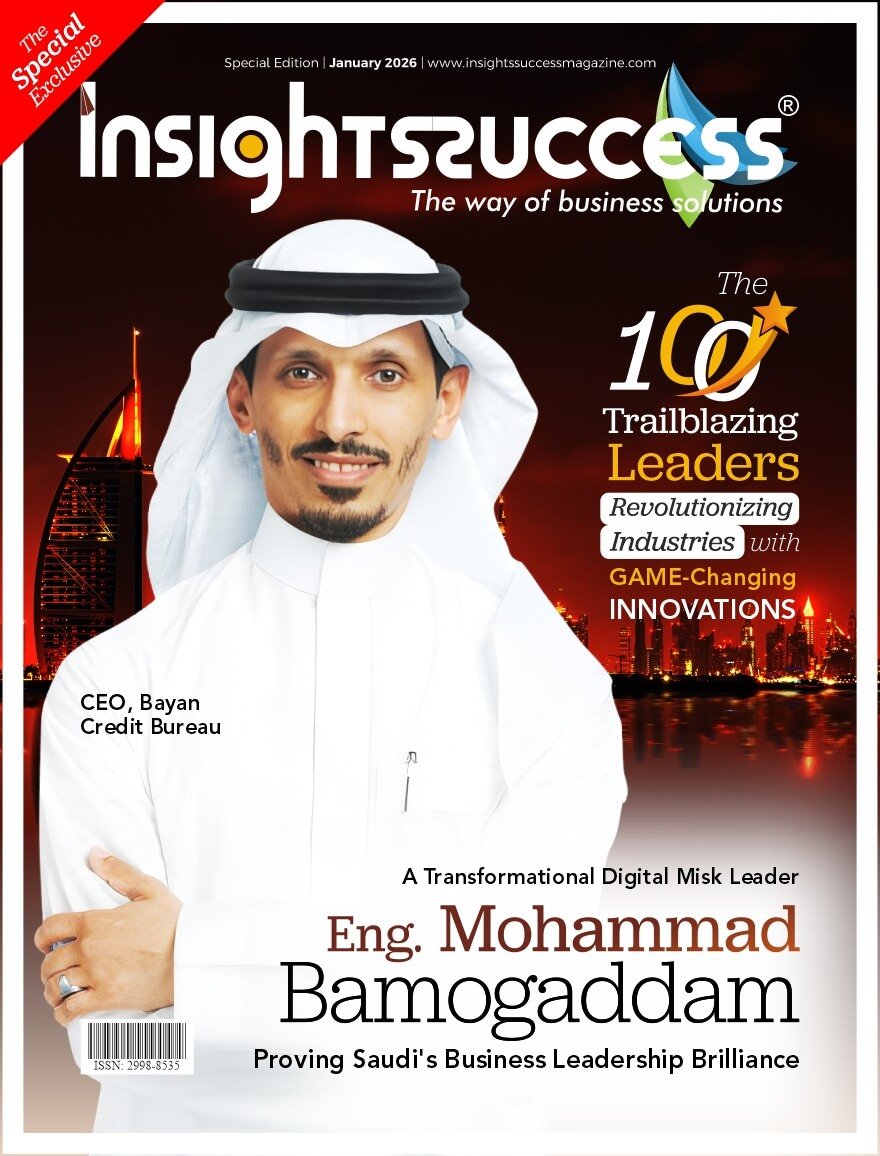
The 100 Trailblazing Leaders Revolutionizing Industries with Game-Changing Innovations
The 100 Trailblazing Leaders Revolutionizing Industries with Game-Changing Innovations This edition is the definitive exclusive of the year, shedding light on a rare cohort of visionary leaders whose breakthrough ideas and decisive leadership are reshaping industries, setting new global benchmarks, and defining the future of innovation. Cover Story Profiles Quick reads