





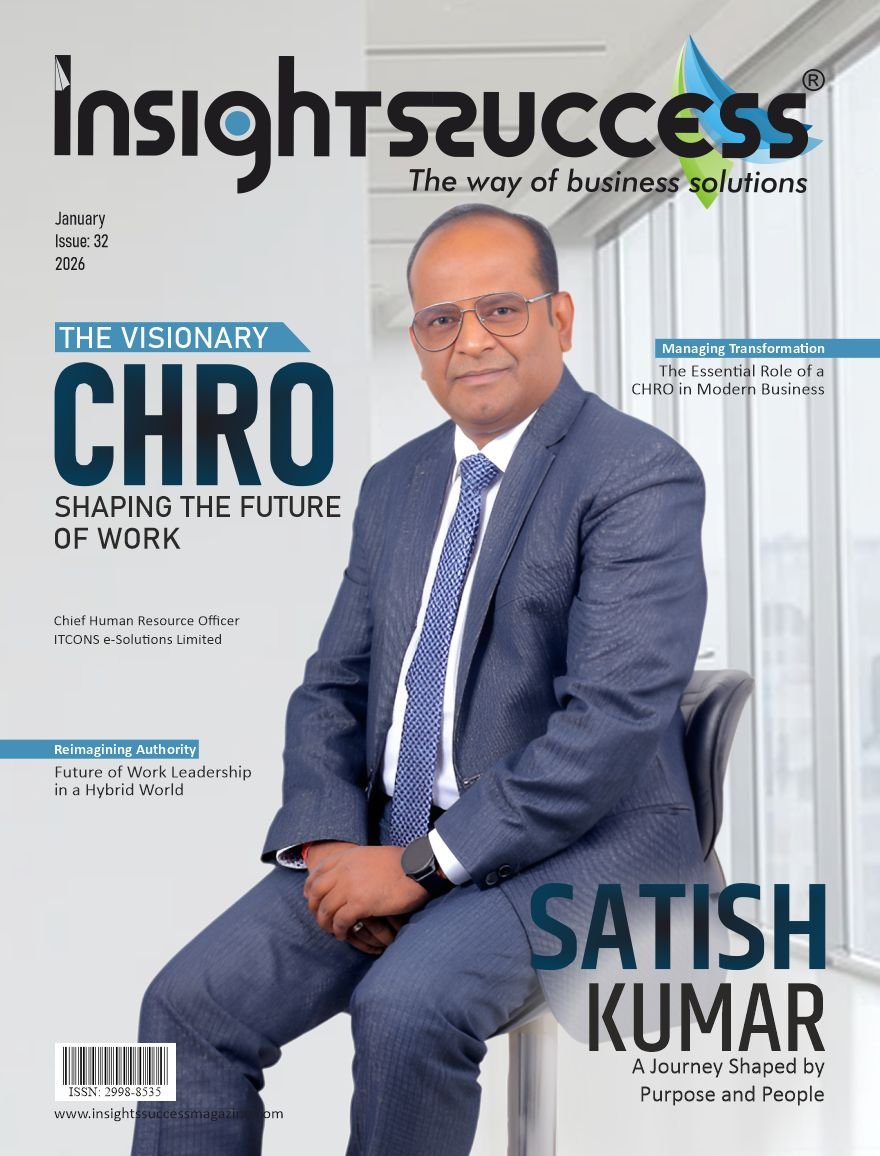
The Visionary CHRO Shaping the Future of Work
The Visionary CHRO Shaping the Future of Work This edition highlights a people-first leader redefining modern workplace. The edition explores Satish Kumar’s strategic approach to talent, culture, and digital transformation, showcasing how progressive HR leadership drives organizational agility, employee well-being, and sustainable growth in an evolving global work landscape. Quick highlights Quick reads

The Essential Role of a CHRO in Modern Business
Managing Transformation The priorities in human resources today are not the company’s products or profits anymore but the people instead. The Chief Human Resources Officer (CHRO) is taking the lead in this change of process. The CHRO who was previously seen primarily as an admin leader is now acknowledged as one of the main builders of competitive edge for the company. Besides just submitting to management’s demands and managing the employees, the role of a CHRO in contemporary business has grown tremendously, this engaging the human resource strategies with the future business goals and at the same time cultivating a fast, dynamic, and robust workforce. The Role of CHRO as a Strategic Business Partner The Chief Human Resources Officer (CHRO) aka HR Chief is an inevitable company official among the top management executives in modern-day business’ the CEO’s strategic partners in a fast-changing world with global competition and disruptive technologies. Thus, one could take HR department to exclusively a policy enforcement or compliance oversight but in case of CHRO it is different, as the latter is a close partner of the CEO and the executive team translating the business goals into people strategies and putting them into practice. Thus, the CHRO makes sure that the acquisition and quality management of human resources as well as the building of workforce are directly contributing to the organizational growth which the role of CHRO in modern business entails skill needs forecasting, succession pipelines creating, and the aligning of the performance management systems with the enterprise-wide priorities. The aligning of the strategies enables companies to make faster responses to the market changes, keeping internal stability at the same time. Creating an Organizational Culture That Is Strong and Inclusive The company’s culture has been determined to be one of the most important factors influencing the happiness of employees and the company’s image. The new generation of workers is mainly concerned with having a job that matters, being part of a community, and getting their value from the management. The chief human resources officer has an important part to play in creating and keeping this culture. The CHRO makes the workplace where diversity, equity, and inclusion are not mere words but daily practices, through policies thought out, management techniques that include and communicate openly. One of the major roles of the CHRO is to make sure that the employees feel heard, respected, and empowered to give their best in today’s fierce business environment. An extremely strong culture does not only boost employees’ morale but also results in high retention and a company that is well-positioned in the market to attract the most competent workers. Talent Development and Leadership Pipeline This is viewed as a long-term investment and, therefore, one of the primary duties of the CHRO is to inspire personal and professional growth among the employees. The continuous learning advocated by the CHRO has become the industry standard through upskilling, reskilling, and leadership development programs. With the CHRO, the company’s sustainability is guaranteed as high-potential employees are discovered and their abilities developed through mentoring and focused training programs. In the corporate world, the role of the CHRO is very human, indeed: star the talent, ease the growth, and guide the people through their careers while, at the same time, satisfying both the individual and the organization’s needs. Driving Digital Transformation and Workforce Agility The entire business atmosphere along with the human resource sector has completely changed because of technological innovations. The primary role of the CHROs was the people-oriented approach to the digital transformation. This evolution not only embraced HR technologies aimed at enhancing the employees’ experience but also required the use of data to back the management’s decisions on the workforce and the upskilling of the staff for the new ways of working. One of the important role of CHRO in modern business must do in today’s business world is to oversee the organizational change very carefully. The CHRO, meanwhile, keeping efficiency high, ensures that the employees are not harshly treated during the changing times when the automation and digital tools are taking over the existing roles. By changing the organizational structure and upholding the mindset of agility, the CHRO drives the realization of the competitive edge that is now indispensable—workforce agility. Championing Employee Well-being and Trust The COVID-19 pandemic, among other things, was highly responsible for uncertainty and fatigue; thus, the well-being of the workforce became the main priority for the companies. The head of HR department is largely associated with mental health support, work-life balance, and setting realistic expectations. The role of CHRO in modern business aims on building trusted relationships and promoting open dialogue, helping the organizations to pass through the hard times with compassion and openness. It is the employees who receive support who are likely to be more engaged, productive, and loyal. To this extent, the totality of the well-being approach reflects the human-centered aspect of the new leadership paradigm. Conclusion: A Human-Centered Vision for the Future The role of a CHRO in modern business is becoming increasingly powerful amidst the growing complex challenges and changes that businesses face today. The CHRO is not anymore, a hidden executive; the Chief Human Resource Officer speaks together with the board of directors on matters of strategy, culture, and capabilities, thereby influencing the rising highest level jointly. One of the main functions of the modern CHRO in business is to make sure that no conflict exists between performance and purpose – thus leading companies to win not only in finance but also in the areas of sustainability and ethics. The new CHRO who bases his/her decisions on people, the CHRO strengthens the taking of organizations that are resilient, innovative, and ready for the future. They have taken it upon themselves to remind us that a productive workforce is always the backbone of a prosperous business. Read Also : The Role of Corporate Decision Makers in Innovation
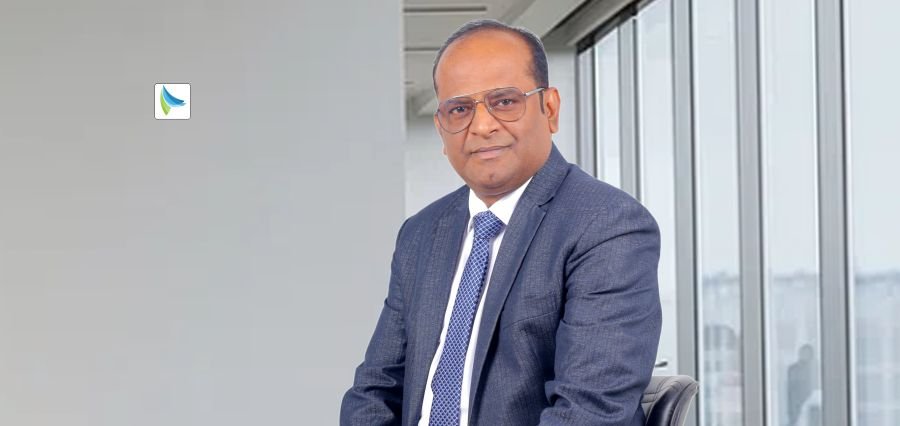
Satish Kumar: A Journey Shaped by Purpose and People
Built on consistency rather than contrast, this professional journey of Satish Kumar reflects steady progress shaped by hard work, continuous learning, and resilience. Early exposure in Nepal provided practical experience and a strong foundation in people management. That grounding later supported growth in the highly competitive corporate environment of Delhi NCR, where adaptability and learning through experience became defining strengths. With a formal education in Hotel Management, the professional path was further strengthened through an MBA in HR and IT, along with certifications such as Six Sigma Green Belt. Career advancement came not through shortcuts, but through a sustained commitment to skill enhancement and alignment with evolving business needs. Currently serving as Chief Human Resource Officer at ITCONS e-Solutions Limited https://www.itconsinc.com/, the role focuses on aligning people’s strategy with organizational goals. The leadership approach remains practical and inclusive, grounded in the belief that strong processes and technology are most effective when supported by sound human judgment. This journey reflects a leadership mindset rooted in responsibility and balance. By carefully aligning performance expectations with employee wellbeing, Satish Kumar continues to contribute to building a stable, people-focused organization in an increasingly dynamic business environment. The Making of a Leader Satish’s story begins in Bihar, a state with a rich cultural and educational heritage and growing professional aspirations. His early career started in Nepal, where he gained valuable exposure before progressing into the dynamic and competitive corporate environment of Delhi NCR. Armed with nothing more than a modest Hotel Management degree and facing the daunting challenge of mastering English communication, he exemplified the archetype of a self-made professional who refused to let circumstances define his destiny. “My career path represents a down-to-earth, hardworking individual who doesn’t shy away from stepping out of his comfort zone,” notes an industry observer familiar with his progression. Over nearly three decades, he has continuously equipped himself with new skills and knowledge, earning certifications including Six Sigma Green Belt and an MBA in HR and IT. His dedication earned him recognition as Best Corporate HR by the NCR Chamber of Commerce in 2015. What sets him apart isn’t just his resume but his willingness to venture into the corporate sector and fight for survival by constantly evolving. He is representing a generation of leaders who build themselves through perseverance rather than privilege. A Philosophy Rooted in Humanity Satish practices democratic leadership with genuine conviction. He involves all stakeholders, through collecting their diverse viewpoints which help him to arrive at decisions quickly. It is considered a rare combination in today’s hierarchical corporate structures. He leads from the front, setting live examples of work execution while maintaining a process-oriented approach that leverages technology to minimize errors and automate standardized tasks. His open-door policy isn’t corporate theatre. He makes himself available on the first ring, a quality that employees consistently praise. He delegates work to the lowest levels in his hierarchy while simultaneously empowering individuals to deliver results efficiently and on time. But perhaps the most compelling evidence of his character comes from his actions during crises foe which he shares a compelling story. When an employee met with a near-fatal accident, he was the first to arrive at the hospital. His timely intervention saved the person’s life. As he went beyond duty, supporting the employees’ continued employment despite becoming handicapped and losing mobility. Today, that individual continues working and supporting his family, a living testament to his commitment to his people. An employee familiar with the incident shares an insight about him saying, someone familiar with the incident noted that he goes beyond merely speaking about employee care, consistently backing it up with action even when it requires going out of his way to modify HR processes. Beyond the Boardroom Satish brings unexpected variations to his professional life. As a talented singer, he built a home studio that reflects both his technical acumen and his determination not to let resource limitations interfere with his dreams. Using innovative, low-cost solutions, he created a recording space that serves dual purposes, nurturing his passion for singing and producing impressive video content. On lines of Maan ki Baat his video series in the name of “Baat Baaki” became a hit among his circle, demonstrating that professional-quality content does not require formal technical degrees or expensive equipment. He has launched multiple YouTube channels to share his content as a proof that creativity and resourcefulness matter more than credentials. At official gatherings, he ensures broad participation through personal initiatives, relatability, and motivation. His multi-talented nature breaks the stereotype of the rigid, one-dimensional corporate executive. Redefining the CHRO Role Satish rejects the conventional view of CHROs as passive support functions handling recruitment, retention, compliance, and salaries. Instead, he positions the them as a core business management professional actively involved in business operations and accountable for segments of the business cycle end to end. “This approach gives any CHRO better understanding of commercial aspects, business processes, and technology,” he explains. He views the CHRO as a business manager specializing in people management from “cradle to grave” handling everything from recruitment to retirement. In his framework, the CHRO serves as the brand ambassador of an organization in the manpower market, responsible for building a company’s reputation and to attract and retain talent. This expansive vision transforms HR from a cost center to a strategic driver of competitive advantage. Navigating the Future of Work Satish recognizes that AI and automation are reshaping expectations of employees and organizations alike. “Companies are now with agile mindsets, flair for continuous learning, and openness to adapt in VUCA (Volatility, Uncertainty, Complexity, Ambiguity) business environments,” he expresses. Business models require constant adjustment to ever-increasing customer demands, and skills need to be upgraded at the same time as them. Organizational agility presents new challenges for CHROs, who must scale teams up and down on short notice. Fast scaling requires powerful recruitment engines with constantly identified talent pools at planned compensation levels. Scaling down presents even more complex challenges, potentially damaging an organization’s employer brand and
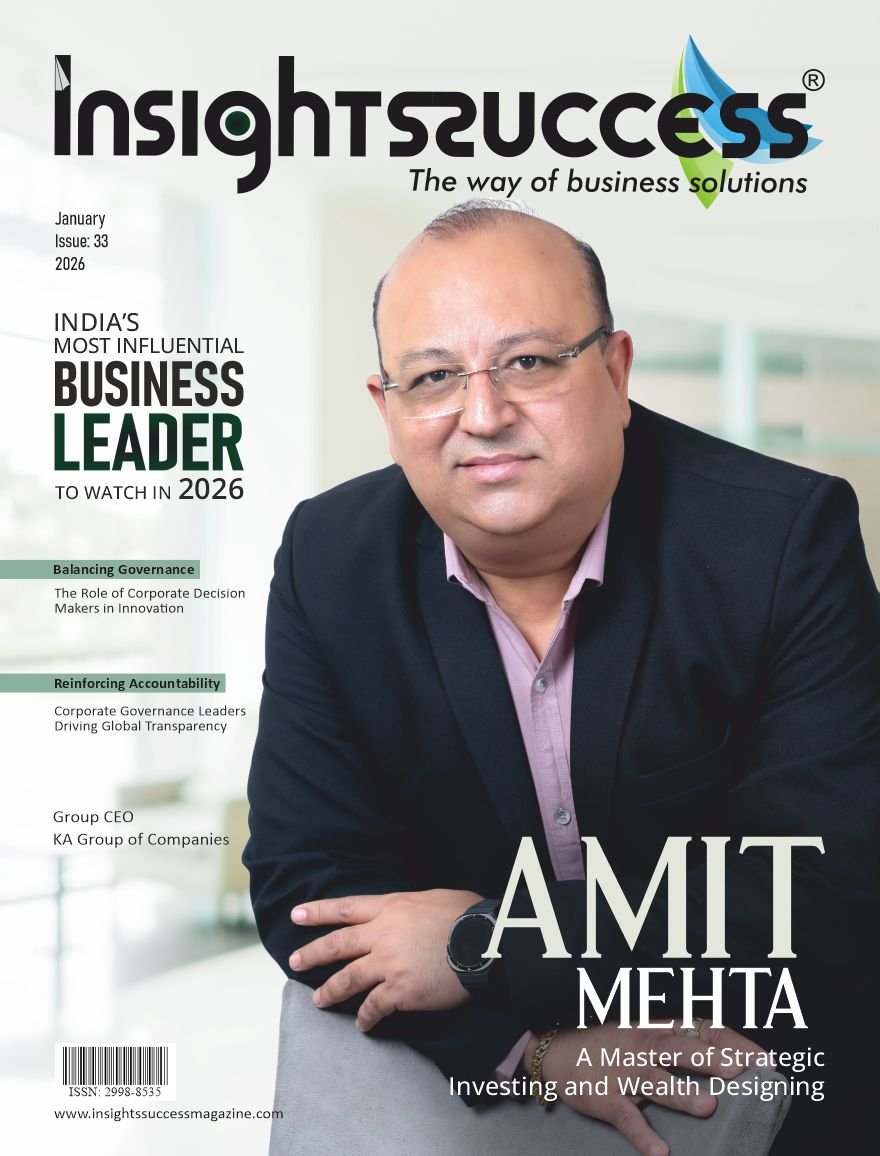
India’s Most Influential Business Leader to Watch in 2026
India’s Most Influential Business Leader to Watch in 2026 This edition showcases Amit Mehta as a visionary force shaping the nation’s business landscape. This edition highlights his strategic foresight, innovative leadership, and lasting impact across industries, positioning him as a catalyst for sustainable growth, transformation, and future-ready enterprise in India. Quick highlights Quick reads

The Role of Corporate Decision Makers in Innovation
Balancing Governance Most people think of cutting-edge technology, brave new startups, and even annoying new products when they hear the word “innovation.” But if you look a little deeper in any big company that has made great advances, you will certainly see these different choices being made all along like who, what, and how. Just like their role as the directors of the company, it is possible that such a decision would have a major impact on the way innovation is thought of, rated, and put into action. Their control does not only limit the approving of budgets or the signing of strategies, it determines if a company acquires an innovative capability that is hard to lose or just an initiative that dies off soon after. Considering the current rapid changes in the global market, the organizations that keep on innovating are those where the leaders perceive innovation as a mindset supper rather than a department that is restricted to a certain section of the company. Strategic Vision and Direction As it stands, the very essence of innovation is purpose. Top management is the ones who are accountable for the process of defining the company’s vision that would strike a balance between its long-term ambitions and the short-term executions. This vision is like a compass directing the teams to the right place of the valuable innovations rather than leading them into petty and scattered experiments. In this regard, the corporate decision makers not only taking the role of defining innovation in general but also indicating the place where it is necessary and a good example of such a case could be customer experience, operation optimization, or even new business model creation. By this, the top management aligns the innovation objectives with the organization’s overall mission and thus ensures that the creative efforts are not only relevant but strategically sound and not isolated. Creating a Culture that Encourages Innovation Among the factors that characterize the environment’s encouraging innovation are curiosity and the taking of failure as learning experience. Nevertheless, leadership is the one that produces the culture and not the other way round. The invisible and the visible parts of the decision makers’ involvement in fostering such culture are the same and different at the same time. In cases where the leaders are open to all kinds of experiments, they send out a very powerful signal. Conversely, if the executives halt or limit the flow of ideas by giving top priority to short-term profitability and security measures, the innovation process gets utterly stagnant. It will not be long before the workers get it whether the employer is really introducing new ideas or just having a show-off at the meetings. The leadership of the companies that are the embodiment of the values of openness and flexibility not only creates the physical environment but also the psychological one that is responsible for the degree of confidentiality the staff feels when proposing new ideas. Resource Allocation and Risk Management The time, money, and people have to be poured in every innovation project. One of the constant and most noticeable tasks of the management is to push the boat out regarding the future applications of the resources and to decide how they are to be used. Such decisions include allocations for R&D, digital transformation, and even supporting interdepartmental cooperation initiatives. In addition, risk management is an issue that is still of high priority. Every innovation comes along with its uncertainties, and it is up to the top managers to precisely indicate the former and the latter. Good decision-makers, for example, don’t hesitate to establish governing bodies who will be overseeing the teams in their quest to generate innovative ideas at a high pace, learn quickly, and eventually implement the winning ones, all while the organization is not being exposed to risks that are unnecessary. In this context, the second of the two, being able to which is the case with the leaders, that is protecting the innovation from a major part of the bureaucracy while keeping the accountability, is creating the kind of environment where the coexistence of creativity and discipline is balanced. Resource Allocation and Risk Management Every innovation project has its great share of the investment by the business in terms of time, money, and human resources. One of the most important and in-your-face management tasks is the coming up and deciding on the future applications of the resources and how they should be spent. Such decisions involve divisions in Research and Development, digital making-over, and even supporting interdepartmental cooperation projects. Additionally, risk management is a field that is still highly regarded. Every innovation comes with a certain amount of uncertainty, and it is up to the top management to identify the former and the latter with great precision. The very good decision-makers, for example, do not hesitate to create committees that will be keeping an eye on the innovators in their quest to get new ideas quickly, learning fast, and finally implementing the good ones, all while the organization is not being exposed to any unnecessary risk. In this context, being the second one of the two, which is the case with the leaders, that is protecting the innovation from most of the bureaucracy while having the accountability, is creating the kind of environment where the cohabitation of creativity and discipline is properly balanced. Innovation Measurement Not Only by Metrics Traditional performance metrics in very many situations do not represent the true value of innovation at all. Of course, financial returns are the primary concern, but it is the innovation that at the same time provides the invisible advantages like resilience, brand relevance, and organizational learning. It is, however, the management of the company who must gradually change the whole concept of the measurement of success. The educational milestones, the customer insights, or the rapidity with which ideas are moved from concept to execution may be some of the factors that constitute the official measure of success. Thus, by valuing progress
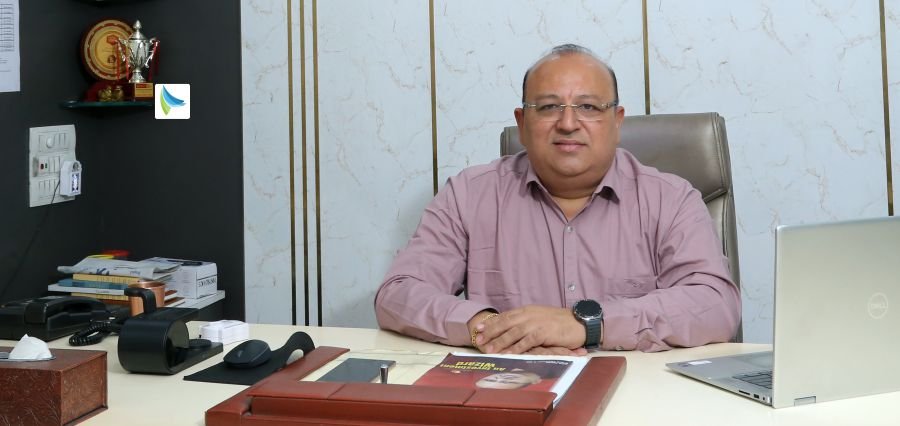
Amit Mehta: A Master of Strategic Investing and Wealth Designing
The financial heartbeat of India is frequently discerned through personal experiences rather than theoretical concepts. Amit Mehta, way before he established a firm, spotted these realities very much seeing how money went into families and yet, very often, it did not develop into lifelong riches. That initial recognition raised a major question that would later characterize his professional life: why does the combination of access and opportunity not lead to financial security that lasts over a long time? That question took him to the banks and beyond. He uncovered capital markets, where the disciplines of valuation and time along with the patience turned out to be the driving forces of wealth creation. His transition from working for someone else to being his own boss was based on the whole belief rather than just the desire. He established the KA Group of Companies with a noble aim to change irregular financial choices into unbreakable, orderly systems. What began as a vision has now evolved into a comprehensive financial ecosystem. Today, the organization is offering an integrated suite of services spanning equity, mutual funds, all types of insurance, M-Gain, real estate, trading, import-export, and all types of loans. This diversification isn’t merely about product expansion; it reflects his core philosophy that true wealth creation requires addressing every dimension of a family’s financial life within one cohesive framework. The firm’s reach extends far beyond India’s borders. Currently serving over 15,000 investors from 16+ countries including Australia, Canada, Switzerland, USA, UK, UAE, South Africa, New Zealand, Saudi Arabia, Oman, Spain, Germany, Azerbaijan, Hong Kong, and Malaysia, the firm has established itself as a trusted partner for families navigating complex cross-border financial landscapes. Industry recognition has followed this remarkable journey. The organization has also been awarded Best Investment Advisor by 94.3 MY FM, Best Wealth Advisor by Sandesh Newspaper, and Investment Wizard by Corporate India Magazine, testimonials to the firm’s unwavering commitment to excellence and client outcomes. In the role of Group CEO, he has redefined the firm as a wealth process-driven institution and not a mere advisory service based on products. His approach aligns investments, insurance, and leverage into one framework which is meant to lead families through uncertainty, life changes, and planning for different generations. He is gaining the reputation of person who mingles strategic rigor with human insight, and thus, he gives behavior management equal importance as asset allocation. Currently, Amit Mehta is situated at the point where judgment meets systems, and he is concentrating on liberating families from income dependence and inculcating wealth-class thinking among them, slowly, responsibly, and sustainably. From Banking Floors to Building Systems Amit’s journey began in the structured environment of banking, where he gained front-row access to household financial realities across India. The experience proved invaluable, revealing not just how people earned, but how they failed to translate earnings into enduring wealth. As his exposure to capital markets deepened, he began investing through a different lens. Markets weren’t arenas of randomness or speculation, when approached with discipline, valuation awareness, and time, they functioned as powerful wealth-creation engines. The differentiator wasn’t access to markets, but how investors structured and executed decisions. This realization marked his decisive shift from employment to entrepreneurship. KA Group emerged not as another product-selling firm, but as an institution grounded in process, ethics, and long-term thinking. Mehta positioned the company to guide families across market cycles, life stages, and changing economic environments. “We never wanted to sell products. We wanted to build systems that could withstand volatility and deliver outcomes consistently,” he explains. That foundation of responsibility has evolved into resilience, allowing KA Group to scale while remaining anchored to its original philosophy: wealth is built deliberately, not accidentally. The Paradox Mehta Set Out to Solve India’s wealth landscape presents a striking contradiction. Equity markets have expanded dramatically. Mutual funding penetration has improved. Awareness around investing stands higher than ever. Yet sustained net-worth growth remains uneven and often disappointing. Amit identifies the core problem immediately: structure. “The challenge isn’t access to opportunities. It’s the absence of disciplined frameworks to capture them,” he says. Investor behavior in India continues following emotional patterns. Market optimism triggers indiscriminate buying. Volatility sparks panic-driven exits. Many investors unknowingly lock in losses by entering markets at elevated levels and exiting during downturns, destroying compounding before it can work its magic. Asset concentration compounds the problem. Excessive dependence on fixed deposits limits growth potential. Overexposure to real estate compromises liquidity and diversification. Even within financial markets, portfolios skew toward narrow instrument sets, increasing risk without commensurate reward. He recognized this behavioral gap demanded a solution. “Wealth creation isn’t merely about choosing assets. It’s about managing behavior, allocation, and timing within a disciplined framework,” he notes. Building an Integrated Ecosystem KA Group operates on a defining belief: net worth doesn’t emerge from isolated financial decisions. It requires managing wealth as an integrated system. Amit structures wealth management around three interconnected pillars, investments, insurance, and loans, each playing a critical role in long-term net-worth creation. Investments form the growth engine. KA Group provides structured exposure across equity, mutual funds, alternative assets, and global opportunities, always aligned with an investor’s time horizon, risk capacity, and life goals. The emphasis isn’t on chasing outperforming assets, but on building portfolios that compound steadily across market cycles. Insurance functions as the protection layer. “Wealth creation efforts become vulnerable without adequate risk cover,” he stresses. KA Group integrates life and health insurance planning into the overall wealth framework, ensuring unforeseen events don’t derail years of disciplined investing. Insurance isn’t a compliance exercise; it’s a strategic safeguard for capital. Loans and leverage represent the optimization layer. When used intelligently, leverage accelerates asset ownership and improves balance-sheet efficiency. When misused, it erodes wealth. The company advises clients on structured borrowing, home loans, asset-backed loans, and liability management, ensuring debt supports wealth creation rather than constraining it. Coordination differentiates this ecosystem. Each decision gets evaluated through its impact on total net worth, liquidity, risk exposure, and long-term objectives. This prevents

Owning Decisions and Consequences
Leading with Judgment Ultimately, leadership is a decision-making role. The hierarchy of titles, the strategy decks, and the structure of the organization may be important, but they do not define leadership as importantly as judgment does. In times of uncertainty, when the stakes are at their highest, and the outcomes are going to have an impact on the people and the direction of the business, the leaders are not judged by their knowledge but by their choices. To lead with judgment is to go beyond the mere act of making decisions. It involves making decisions clearly, under pressure, and with accountability. It is about realizing that being in authority is not the same as being powerful; it is about being responsible. With every major decision, there are consequences, and the credibility of leadership will depend on whether those consequences are accepted. In the current world situation, where the level of scrutiny is very high and the nature of business is changing rapidly, judgment has become the most important asset that a leader can possess. Judgment Is More Than Intelligence Intelligence is the one who collects information. The one making the decision is the one judging what to do with it. An analysis of situations can be performed by a lot of very competent people. However, only a few can make the decision when it is still uncomfortable, even after being analyzed. The complexity is made into a single point of confusion by judgment. It mixes logic with context, combines data with experience, and couples ambition with ethical awareness. This is the reason why judgment cannot be replaced by automation or passed on to someone else. Tools can give insights that are helpful to the leaders but then again, judgment is the human act of choosing the direction, accepting trade-offs, and taking responsibility. Owning the Decision Means Owning the Trade-Off Each major decision involves a trade-off. Most of the time leaders err, and this happens in two ways: either they evade making choices so as not to be criticized or they select and do not recognize what has been sacrificed. Judgment entails the opposite. It involves trade-off ownership that is explicitly stated. A leader who is cutting costs must own up to what is being cut—speed, capability, comfort, and investment. A leader who is choosing aggressive growth must take the risk—quality, cash flow, reputation, sustainability. Not acknowledging the trade-offs leads to confusion and later to blame. The most powerful leaders make the decisions in a straightforward manner and communicate the trade-offs in an honest way. This transparency shields the execution of the plan and councils’ trust. Judgment Under Pressure Requires Emotional Discipline Leaders under pressure process their thoughts differently. It shortens the duration, intensifies the emotions, and narrows the horizon. Stress can make leaders to be reactive, defensive, or have a false sense of security in the so-called easy solutions. The practice of ruling by reason is an issue of emotional control. The top brass ought to temporarily pause, calm their minds, and let no one but their rationality dictate their choices. They need to spot the difference between what needs to be done quickly and what is really needed. They need to slow down just a bit to get the light of understanding—and then take the boldest step. Cold-headedness in tough times puts one ahead of the pack. Making Decisions That Build Trust, Not Just Results Today’s leadership does not solely rely on performance. It relies on trust. Judgment and fairness are the qualities that a leader can always fall back to, and eventually they will build up trust even in hard situations. The team knows the management is careful, and not making quick decisions. The stakeholders are aware that the company is taking into account the risks and not ignoring them. The company is witnessing the benefits of having a decision-making process that is trustworthy. This becomes even more important in a situation of uncertainty. When people around do not know what the external situation will be, they will seek for predictability in their own organization. Leaders will do that by being strict and fair with their decisions. Conclusion To lead with judgment is the main thing that has the capacity of differentiating between the good and the bad leaders’ presence. It is the power of making decisions when it is not clear, of explaining the options and their respective pros and cons in a plain manner, and of being responsible for the outcomes arriving when they come. Judgment is a trust builder. Accountability is a credibility builder. Together, they are the characteristics of leadership maturity. Finally, leaders do not become part of the memory for the mere fact that they were decision-makers for so many times. They do remember, however, by virtue of their judging quality—and by their readiness to take the consequences, particularly when it was most crucial. Read Also : Balancing People, Performance, and Pressure

Balancing People, Performance, and Pressure
Modern Business Leadership Modern business leadership is not defined by a single category of excellence any longer. It is not, for example, enough to be a visionary leader but lack humanity, or to be a designer and not have the ability to inspire, or to be a focus on the employees and not produce good results. Today’s leadership is an art—ambition and sustainability, speed and stability, empathy and accountability are the dimensions that need to be balanced. Leaders had to undergo more pressure than before. Besides higher stakeholder demands, disruption is happening all the time and organizations are getting more complicated. At the same time, the workers are asking more for their work to be meaningful, they want flexibility, development, and most importantly a trustworthy employer. Leaders are required to perform without exhausting the team, carry out changes without destroying the culture, and make difficult decisions without harming their reputation. This is the modern leadership equation: people, performance, and pressure—all at once. People: The Foundation of Sustainable Performance In present-day organizations, people are not merely a resource anymore. They are the execution engine. Strategy turns into reality only when there is talent—there are those who build, sell, innovate, serve customers, and solve problems with an uncertain future across the entire company. Nevertheless, talent requirements have changed. The workers expect much from the companies besides just job security and money. They require purposeful work, opportunities for development, good leaders, a safe atmosphere, and honor. The leaders who do not pay attention to such requirements might still generate short-term profits, but they will be faced with turnover, lack of commitment, and reduced capacity as their consequences. Today’s leaders realize that people management is not an isolated leadership function, it is at the heart of performance. They invest in the areas of providing clarity, coaching, development, and culture. Through consistency, they build trust. They develop the type of atmosphere that has no limits on quality but full support. It is not a coincidence that we have strong teams. They are the product of leadership desire. Performance: Results With Discipline Through the years, leadership has changed into a very people-centric one, but the performance standard is still here to stay. The issue has only escalated. Growth, innovation, and execution in businesses are the fastest ever. The rivals are not slowing down. The profits are shrinking. The customers are getting more and more demanding. Modern leaders will not have the option to be either people or performance-oriented; they will have to be both. There will be a need for clear priorities, measurable outcomes, and disciplined execution. It will require the accountability of the teams without the element of fear. It will require the setting of ambitious targets without chaos. Pressure: The New Operating Environment Pressure has ceased being a rare phenomenon. It has become a normal part of life. The business leaders have to cope with the ambiguities caused by the ups and downs of the economy, changes in regulations, new technologies, unreliable suppliers, and consumers whose behaviors are hard to predict. The pressure will always reveal the weaknesses in the leadership. Some of the leaders would be found meddling, thereby causing the organization to slow down by going through the lengthy processes of approval and trying to avoid risks. Others would be found overreacting, changing direction too frequently and thus tiring the teams. The performance level is lowered in both situations. Conclusion Current business management is no longer about one single skill. It consists of the blending of thinking in terms of systems, understanding of human psyches, and discipline in execution, with the ability to withstand pressure, forming the whole package of modern leadership requirements. The leaders of modern times are evaluated not only by the end results but also by the means through which those results came about. They are expected to be the ones who bring about the cultures of the organizations where people can keep performing even when the conditions are hard to predict. They have to be the ones who manage to keep the trust while maintaining the speed of the momentum. They have to be the ones who push the performance upwards without dragging down the employees through over-exhausting them. The leaders who will be able to walk this path with ease and grace will not only be the same as the new business success of the future but also be the best, as the world’s leadership is no longer about, in the modern world, either people or performance. It has become a matter of giving both, and that too, under pressure, with no doubt about the leader’s character. Read Also : Cognitive Pioneers: Intelligence Redefined and the Future of Memory in 2026

Annie Holmes: Architecting Liberation Through Strategic Innovation
Leaders go on to be recognized and awarded. However, Annie Holmes had already practiced and understood leadership at the crossroads of faith, culture, and service. In a household where responsibilities always came first and where her family did not seek to be recognized, she absorbed a truth that would last: one cannot only perform leadership, but it is not to be a show; leadership is to be accountable, human, and eventually, stewardship. This first grounding would later picture a career that was less conformist and more of a courageous re-imagination of the systems that often put efficiency above people and that were characterized by re-conception and even excommunication. Over more than two decades in social impact and public leadership, she earned a reputation for identifying patterns of unfairness, unacknowledged misalignments, and untapped avenues to long-term change. Her experience includes top executive positions in national education, finance, and policy institutions, where she oversaw huge teams, multimillion-dollar budgets, and transformational equality programs that influenced systems on a scale. Nonetheless, her work repeatedly returned to a fundamental question regarding, how can effect be increased without jeopardizing humanity? That question became a reality when she founded Elevated Labs LLC, where she is now serving as Founder. The organization represents both her personal experience and professional rigor, emphasizing education, wellness, and economic opportunity while tackling the systemic factors that influence neighborhood results. Elevated Labs, under her direction, is more than just a charity; it is a living foundation for dignity-driven, long-term transformation. Annie Holmes’ story is one of urgency over vision, care-driven leadership, and the creation of futures in which people and purpose may live together. Roots in Service, Vision in Action Holmes’s leadership philosophy emerged from her upbringing in a Black family deeply rooted in faith, culture, and service. These early experiences taught her that authentic leadership extends beyond visibility, it demands responsibility, integrity, and stewardship. This foundation would prove essential as she navigated institutions that often-valued efficiency over humanity. Rather than conforming to systems that contradicted her values, she chose a different path. She questioned the structures themselves, asking why leadership had to mean burnout, why impact had to come at the cost of well-being, and whether entirely new models could better serve communities historically left behind. Over 25 years, she is building an impressive career in social impact, moving through roles that progressively expanded her capacity to see patterns others missed. She developed an uncanny ability to ask the questions that unlock purpose, alignment, and sustainable growth within organizations and systems. Building the Foundation: Elevated Levels Holmes formally launched her entrepreneurial journey with Elevated Levels Foundation in 2022, though the vision had been taking shape for years. The benefit emerged from a clear recognition: access to education, wellness, and opportunity remains deeply shaped by systems never designed with equity or wholeness in mind. “My entrepreneurial work began with Elevated Levels, which emerged from a clear recognition that access to education, wellness, and opportunity is deeply shaped by systems many of which were never designed with equity or wholeness in mind,” she explains. Elevated Levels became both a proving ground and a living laboratory. She worked closely with individuals, organizations, and communities to develop programs that centered dignity, cultural intelligence, and long-term sustainability. The foundation addressed social determinants of health in Black, Brown, and Indigenous communities through arts, learning, and economic development. The experience revealed both possibilities and gaps. She recognized the need for scalable infrastructure capable of supporting liberation without relying on burnout, extraction, or crisis response the very dynamics that plague many social impact initiatives. Scaling Impact: The Birth of Elevated Labs In 2025, Holmes launched Elevated Labs LLC as the natural evolution of her vision. While Elevated Levels established values and community foundation, Elevated Labs provides the tools, platforms, and intellectual property required to operate at a global scale. The company functions as a creative studio and tech incubator where strategy, technology, wellness, education, tourism, and the arts intersect. Holmes positions it as the institutional home for her work, a place where ideas cultivated through Elevated Levels can mature into systems that can be replicated, adapted, and sustained worldwide. “Elevated Labs is not a departure from my earlier work; it is its expansion,” she emphasizes. The studio currently develops AI-powered tools, liberation-centered curricula, wellness technologies, and cultural intellectual property. Each initiative reflects her commitment to building financially sound, culturally grounded, and structurally liberating ventures. A Distinguished Track Record Holmes brings formidable credentials to her entrepreneurial ventures. Her resume includes executive leadership positions at major national organizations where she consistently drove transformational changes. As Chief Equity Officer at the Council of Chief State School Officers from 2018 to 2022, she partnered with the Board of Directors to build and implement the organization’s first internal and external equity and inclusion strategic plan. The plan gained adoption by 58-member state education leaders. She provided executive leadership for multiple departments, contributing to the management of a $55 million annual budget. Under her guidance, the Council implemented an Anti-Racism Action Plan across 58 states and territories, resulting in 39 new state equity offices and actively influencing state-level policies and legislation in three states. She collaborated closely with the Chief Development Officer to raise seven-figure impact grants for organizational operations and state programs. She also provided state education leaders, federal legislators, and policy stakeholders with equity-focused data strategies that created targeted programs for systematically marginalized student populations. Prior to that role, she served as Senior Vice President of Equity, Inclusion & Human Capital at Opportunity Finance Network from 2016 to 2017. She managed teams and budgets across three departments while leading strategic implementation of national industry equity and inclusion initiatives. Her earlier career included serving as the founding Executive Director of University Diversity and Inclusion at California Polytechnic State University, where she developed comprehensive diversity strategic plans for a university serving 20,000 students and 5,000 employees. She holds multiple master’s degrees in education from Pennsylvania State University and completed all but dissertation requirements for a
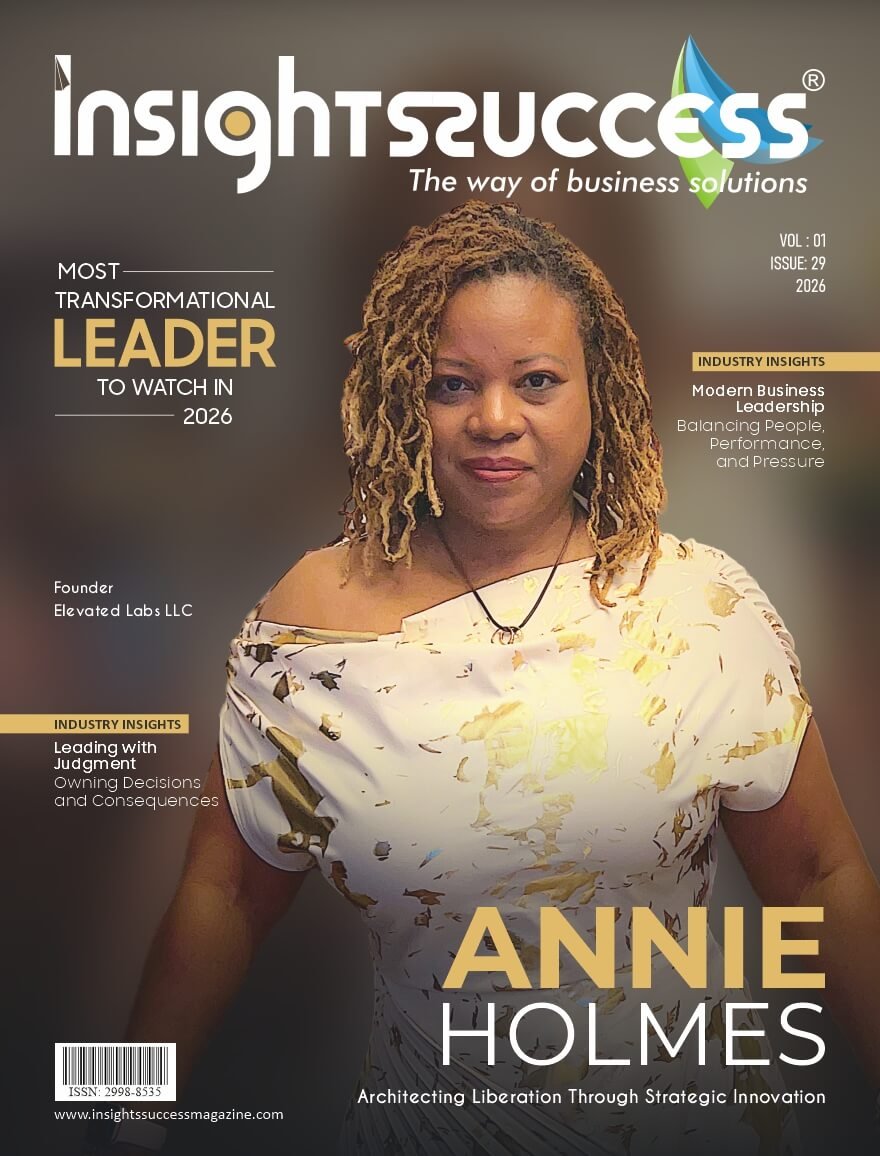
Most Transformational Leader to Watch in 2026
Most Transformational Leader to Watch in 2026 This edition is dedicated to Annie Holmes, a visionary changemaker whose bold leadership, strategic foresight, and measurable impact are reshaping the future—recognized for driving breakthrough transformation, innovation, and sustainable progress across industries. Quick highlights Quick reads