






Google Introduces Daily Listen An AI-Generated Podcast Tailored to Your Interests
Prime Highlights: Daily Listen converts users’ Search and Discover feed history into personalized audio summaries. It also creates a five-minute podcast-style overview of relevant topics. Key Background: Google is now experimenting with a new feature called Daily Listen, which transforms users’ personalized Search and Discover feed history into AI-generated audio podcasts. The feature, currently being tested via Google’s Search Labs, is available to Android and iOS users in the United States. Daily Listen works by analyzing the user’s search history and interactions with the Discover feed to curate a selection of news articles and topics that might interest them. It then synthesizes these into a concise, roughly five-minute audio summary. This feature aims to offer a personalized, hands-free way for users to catch up on the latest news and trends related to their interests. The audio player includes essential features, such as playback controls, allowing users to pause, rewind, skip, or mute content. Additionally, a text transcript of the podcast is available, offering a full-text summary of the discussed topics. A “Related Stories” tab appears at the bottom of the player, where users can engage with content by liking or disliking specific topics. This also provides users with an opportunity to explore new areas of interest. To access the Daily Listen feature, users must opt-in via the Google app, where it will appear within the personalized widget carousel located just below the Search bar. It provides an innovative way to consume news tailored to users’ preferences, whether they are on the go or multitasking. Currently, there is no information on when the feature will be publicly available, but its rollout in Search Labs suggests that it could eventually be expanded to a broader audience. Google has previously tested AI-powered features, such as its Search Overviews, through similar testing phases, so it is possible that Daily Listen may become a permanent addition to the Google ecosystem in the future. For now, users in the United States can enjoy this experimental feature, with hopes that Google will provide more control over participation in future AI-driven tools.
India’s School Electrification Sees Major Leap, Reaching 91.8% Access in a Decade
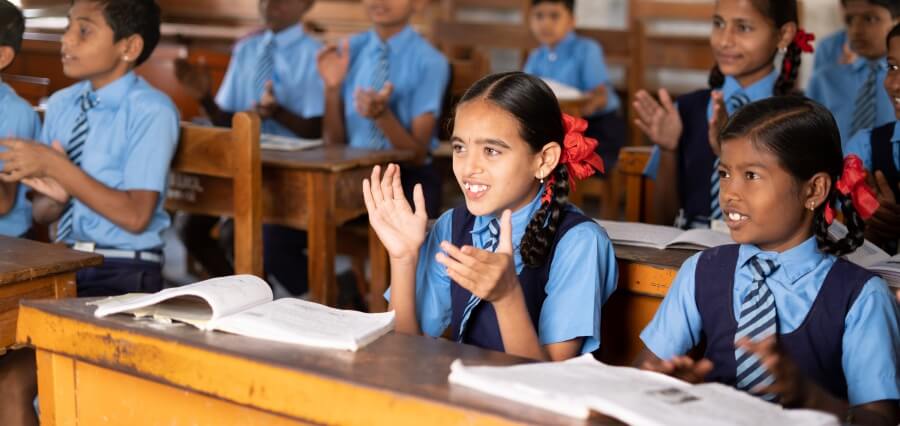
Recently, Union Education Minister Dharmendra Pradhan announced that now 91.8 percent of the schools in the country have electricity, which used to be only 53% during 2013-14. This development speaks volumes of the overall endeavor of the government to better the learning environment for its students all across the country. Speaking during a press briefing on 17 December 2024, Pradhan was emphatic that the rising tide of electrification is a part of the larger momentum for better school infrastructure especially in underprivileged and rural areas that have, until now, struggled to even provide electricity. Over the past decade, this thrust upon improving infrastructure has helped to open up millions of learning environments for students. This can be further supported by statistics for the Unified District Information System for Education Plus for the year 2021-22, as that is tracking the progress in all educational sectors. Until the year 2019-20, it had 80.16% schools with electricity and for the year 2020-21, it rose to 83.92% and for the year 2021-22, to 86.58%. These statistics indicate a steady and consistent improvement in electrification across the country. Some states have achieved close to 100% electrification with Union Territories such as Delhi, Chandigarh, and Puducherry reporting that schools now have 100% electrification. Tamil Nadu, Gujarat, Punjab, Kerala, Sikkim, Haryana, and Karnataka also performed well with rates above 97%. Nevertheless, an urban-rural gap can be observed. Urban schools generally have better access to electricity than their rural counterparts, and schools in some northeastern states and regions like Odisha and Jammu & Kashmir report lower electrification rates. The importance of electricity in schools is not only the basic lighting and ventilation, but it also opens doors for students to learn modern educational tools such as smart classrooms, computers, and audio-visual equipment, which are very vital to the digital learning ecosystem. For government and rural schools, it may be a drastic improvement in terms of quality education and opportunities. This move reflects the commitment of the Indian Government to upgrading educational facilities throughout the country so that access to quality education remains comprehensive and universal.

Maruti Suzuki Achieves Historic Milestone of 2 Million Vehicles Manufactured in a Single Year
MSIL has achieved a significant milestone, becoming the first company to deliver 2 million vehicles in a calendar year. Approximately, 60% of these vehicles were manufactured at its Haryana facilities, while the remaining 40% were produced in Gujarat. The top five models that were manufactured in the lines for 2024 included Baleno, Fronx, Ertiga, WagonR, and Brezza. A landmark vehicle rolled out for the 2 millionth car, which was Ertiga from MSIL’s Manesar plant in Haryana. The total manufacturing plants that exist at present with MSIL are three in number. They are located at Gurgaon and Manesar within Haryana, and also one at Hansalpur, Gujarat. These have a production capacity of 2.35 million units per annum. Despite a lukewarm market for the automobile industry, sales in April-November 2024 have gone up only 2% over last year for the same period. According to SIAM, domestic sales of passenger vehicles were around 2.7 million units in the said period, the same as last year. Going ahead into the future, Maruti Suzuki is also planning for increased capacity at its plants. The company also wants to double its annual output to 4 million units by FY31. Towards this end, MSIL is currently building a greenfield facility at Kharkhoda in Haryana. This new facility is set to commence in its initial phase in 2025, and will add 250,000 units to its capacity in total. Once the Kharkhoda plant is fully operational, the total capacity will be 1 million units annually. Maruti Suzuki is also planning another greenfield facility with an expected capacity of 1 million units and is considering the location currently. Heishi Takeuchi, Managing Director and CEO of Maruti Suzuki India Ltd, proudly highlights this achievement. The 2 million milestone underscores the company’s commitment to the “Make in India” initiative. He further stated, “This accomplishment demonstrates what India is capable of producing and serves as a testament to the country’s potential to achieve even greater success.”

DP World Expands Pali-Rewari Rail Terminal Capacity by 25% to Meet Growing Freight Demand
DP World has a global logistics company operating out of Dubai that upgraded the rail terminal infrastructure by adding a third railway in Pali in the state of Haryana, this upgraded rail will cater to the surge of freight services in the north Indian region. Accordingly, under this, the monthly handing of freight at the rail terminal Pali-Rewari will increase from 192 to 240 trains. This will cater to the ever-growing demand for logistics services in the region and enhance the company’s position in the rail freight business in India. The Pali terminal is an important node in the DP World logistics network, which is connected to the WDFC at New Ateli station. This terminal plays a very vital role in the company’s supply chain operations across northern India, using the hub-and-spoke model for distribution. It consolidates shipments at a central hub and distributes the goods to various regions from there. Inland container depots (ICDs) are located in Modinagar, Uttar Pradesh, and Panipat, Haryana, supporting DP World’s network for this hub. The Rewari terminal, part of DP World’s extensive rail network, is currently operating at about 85% of its capacity. Each containerized train at the terminal can carry between 90 and 180 twenty-foot equivalent units (TEUs), depending on the technical specifications and weight of the containers. As the company continues to invest in its rail infrastructure, DP World’s total investment in its railway and inland business has reached Rs 1,800 crore. Apart from rail terminals, DP World is one of the significant players in the maritime logistics of India and it operates six port terminals in India. In addition, it has more than 90 container rakes and SFTO rakes and more than 16,000 containers and trailers for last-mile delivery. The growth of domestic rail freight, having risen by more than 140% since 2021, is largely accredited to DP World’s new innovative rail solutions such as SARAL (Sustainable, Assured, Reliable, and Agile Logistics) and SARAL-2. These solutions offer businesses door-to-door cargo services under the SARAL and SARAL-2 brands reliably and efficiently, especially between South Gujarat and the National Capital Region (NCR) and between Chennai and northern India. With these infrastructure investments, DP World is going to further consolidate its leadership in India’s logistics and transportation sector.
India Establishes First Diabetes Biobank
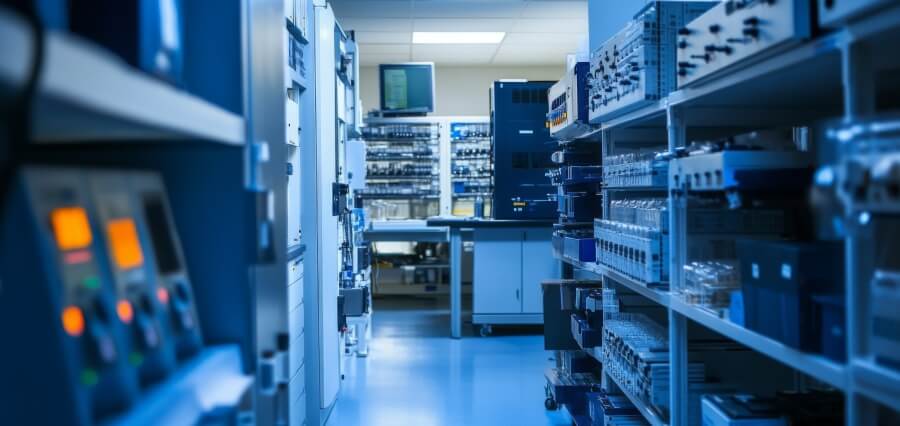
India has launched diabetes biobank in Chennai pushing forward the fight against a big health challenge. The establishment of the biobank was in collaboration between the Indian Council of Medical Research and the Madras Diabetes Research Foundation, both of which are India-based. Diabetic cases have now emerged as one of the major public health issues in India. The cases of diabetes amount to over 100 million and prediabetes cases to over 136 million, one of the highest in the world. Yet, despite the massive scale of the disease, the country has not had a large-scale biological sample depository to research its causes and effects. This biobank offers a good chance to scientists to explore genetics, the environment, or lifestyle which may be implicated in this disease in an Indian context. There exist over 150,000 blood, tissue, and DNA samples housed in this biobank, collected from varied locations across India. These samples would be helpful for studies like the ICMR-INDIAB study, described as one of the largest diabetes studies in India, and also a ICMR-YDR which is a national registry based on early onset diabetes. These samples will also help researchers who will be able to prepare targeted treatments, prevention methods, and much more personalized methods of medicine using these samples. The protocols of the quality and integrity of samples have been strictly implemented keeping ICMR guidelines in view. Future developments will see automation by artificial intelligence and robotics which is expected to boost the efficiency and capability of the biobank. The uniqueness of the diabetes biobank in India lies in its focus on the disease affecting a large portion of the population; its establishment points to a crying need for specialized research infrastructure in the country. While there exist Indian biobanks specifically focusing on cancer, liver disease, and other health conditions, there has been a chronic deficiency of a diabetes-specific repository. Internationally, biobanks have been a significant driver in advancing medical research, and India’s diabetes biobank is no exception. With the attention it has received globally, especially in countries like the UK and the US, the new resource in India can make vital contributions to diabetes research and bring about better public health outcomes.

Education Department Orders Delhi Schools to Conduct Hybrid Classes for Students Upto Class V
The Directorate of Education issued an order Monday for all schools in the national capital to conduct hybrid classes for students up to Class V, responding to the persistent air quality concerns in Delhi. This comes as part of efforts the city is making to minimize health risks posed by the deteriorating air quality that has reached alarming levels over the past few days. All Heads of Government, Government aided and Recognized Private schools under the DoE, NDMC, MCD and Delhi Cantonment Board have been instructed in the circular by the DoE to implement hybrid learning for younger students. Hybrid learning is specified to be adopted wherever feasible, as an immediate measure, effective immediately and will remain applicable unless otherwise notified. The move follows deteriorating air quality in the nation’s capital. Delhi AQI has now risen to 379 as recorded yesterday, putting pollution into a very poor category. It had touched poor levels with 294 during the previous day. City’s Pollution has been such severe that stringent measures are undertaken to bring down exposure to harmful air. Delhi has now entered Stage III under GRAP measures, which prohibit the use of petrol vehicles that do not meet BS-III emission standards and diesel vehicles which do not meet BS-IV norms. These measures are implemented to curb the sources of air pollution and improve public health safety. Earlier this year, on November 25, all schools in Delhi switched to hybrid learning due to the deteriorating air quality. In-person classes resumed on December 5, but with the recent spike in pollution levels, the DoE has once again mandated a shift to hybrid classes for younger students. This is yet another measure the city has undertaken to provide continuity in education and to meet concerns for public health, where the levels of pollution remain serious enough to affect the respiratory system. The DoE decision will serve to minimize the poor quality of air from affecting the student’s well-being and to ensure education does not come to a grinding halt during these challenging times.

Trident Group to Invest Rs 3,000 Crore in Madhya Pradesh’s Textile Sector
Trident Limited is a company located in Ludhiana, Punjab, and vertically integrated with operations in the textiles business, including yarns, bath and bed linens, and wheat straw-based paper manufacturing. Some of the products offered include towels, yarns, bedsheets, and paper and it plans to invest one of an additional Rs 3,000 crore in the state’s textile sector. This step is likely to increase the manpower of the company in the state from its current 12,000 to over 15,000 employees. Trident Group Chairman Rajinder Gupta made the announcement at Invest Madhya Pradesh: Regional Industry Conclave’ at Narmadapuram on December 9, 2024. Trident, which has stepped into Madhya Pradesh several years ago, has invested a good sum of Rs 5,000 crores in the state so far. Gupta explained how successful Trident is as the finished goods have currently reached 122 countries with this demand continuing to soar high and he also emphasized that this investment will reaffirm the company’s presence in and expansion across the region at the Rs 3,000 crores of planned investment. The Group’s commitment to Madhya Pradesh is based on a vision of sustainable and inclusive growth. Gupta said Trident is keen on making sure that the benefits of its operations, from sourcing cotton to producing finished goods, remain within the state. Madhya Pradesh is considered an ideal location for sustainable development, with considerable scope for growth in solar and wind energy. Trident is particularly focused on skill development and women empowerment, as 50 percent of the new employment opportunities would be reserved for women. The chief minister of Madhya Pradesh, Dr. Mohan Yadav, has also been praised for his leadership, where the cooperation between intellectuals and industrialists has led to innovation and regional development. The state has further cemented in its position as a leader in sustainable industrial growth and inclusive progress, which makes it a place to invest.

AIIMS and Wipro GE Healthcare have signed a Memorandum of Understanding (MoU) to establish an AI Health Innovations Hub in New Delhi
AIIMS has partnered with Wipro GE Healthcare to form AI Health Innovations Hub, formalized with a Memorandum of Understanding. It is working towards changing the way healthcare services are delivered in this nation by bringing artificial intelligence to major areas such as cardiology, oncology, and neurology. This is aimed at making better outcomes for patients by better diagnostic accuracy and the real-time tracking of patient data. Under this partnership, AIIMS will act as the clinical partner by providing expert clinical inputs and a real-life environment to develop and test the AI-driven healthcare solutions developed and tested by Wipro GE Healthcare, which will assume the role of the technology partner for developing, testing, and deploying AI-based healthcare sector-specific solutions. Wipro GE Healthcare has promised to invest a sum of $1 million for the next five years in this project, with an eye on developing intelligent systems and workflow solutions that can improve healthcare delivery. The focus areas are precision diagnostics, innovative methods of treatment, and efficient patient data management. AIIMS, in return, will facilitate academic research and provide an actual field-testing ground for these solutions. The joint working committee would co-coordinate this collaboration and representatives from these two organizations would ensure an integration of clinical research with academic engagement and practical implementations. The partnership will abide by India’s vision about improving health care using higher technologies. M. Srinivas, Director of AIIMS while commenting on the partnership emphasizes the significance of the relationship in the context of achieving the status of a developed nation, where AI-enabled innovations will revolutionize the way patients are treated, according to him. For his part, Parminder Bhatia, Chief AI Officer at GE Healthcare, described how AI will play an important role in India’s rapidly growing healthcare sector, accelerating predictability, preventive care, and diagnostic accuracy. Chaitanya Sarawate, Managing Director of Wipro GE Healthcare for South Asia, described the partnership as a pivotal step toward developing innovative clinical care frameworks that will have a lasting impact on India’s healthcare landscape. The AI Health Innovations Hub is to become the global model for AI-enabled healthcare solutions. Experts predict that AI could contribute up to $25-30 billion to India’s healthcare GDP by 2025. Additionally, Wipro GE Healthcare plans to invest over Rs 8,000 crore in manufacturing and research and development over the next five years, further strengthening the MedTech sector. This collaboration between AIIMS and Wipro GE Healthcare is a landmark achievement in the advancement of precision healthcare and critical challenges in India’s medical infrastructure, especially in underprivileged areas. This collaboration has the potential to revolutionize the future of healthcare in India and around the world through better diagnostic and treatment capabilities.

Lubrizol Aims to Double Business in India Within Five Years and Hire 250 More Employees
Lubrizol Corporation, a global leader in specialty chemicals and a wholly-owned subsidiary of Berkshire Hathaway, has recently announced plans to more than double its operations in India during the next five years, as part of an aggressive new growth strategy. Having infused the country with about $350 million, this specialty chemicals company plans to double business in this region while it improves local workforce and capabilities. The new GCC is expected to open in Pune shortly and has already employed 100 workers. Lubrizol intends to recruit another 250 professionals, thereby making a total of 850 people in India. It has long-term goals in mind of localizing its production, thereby increasing its market reach in India, where Lubrizol sees immense growth possibilities. Lubrizol, for its talent acquisition strategy, has signed a Memorandum of Understanding (MoU) with Polyhose, where it would make medical tubing and expand production capacity in Chennai. Rebecca Liebert, President & CEO of Lubrizol, said that the company is confident about the Indian market. She feels that the growth potential in India is huge. “I have challenged the team to double our business here in five years,” she added. The market is encouraging and those who move with the speed and decisiveness shall succeed.” Lubrizol’s target of 20% annual growth in India aligns with its more ambitious objective of doubling the business by 2029—a goal Liebert believes could be achievable with the local expertise of the company as well as a dedicated workforce. Lubrizol’s further investment in India comes after its previous $150 million investments in CPVC production, including the world’s largest CPVC resin plant built in Vilayat, Gujarat, in partnership with Grasim. These efforts indicate Lubrizol’s commitment to the Indian market as a key hub for manufacturing and innovation. This reflects growing confidence in the Indian economy, which is the long-term strategy of the company and crucial for expansion and sustainability in the global market. As Lubrizol further strengthens its local presence, the company feels quite hopeful for the future. With its strategy of utilizing the best talent pool in India, Lubrizol hopes to increase operations and scale to match market demand. The company’s “Local for Local” approach is expected to foster deeper connections with Indian companies and customers, facilitating continued growth and innovation in the region.

Hindustan Aeronautics Shares Surge Following Sukhoi Deal with Defense Ministry
Hindustan Aeronautics Limited (HAL) stocks went up by a strong 2.33% on 13 December 2024, after the MoD said that it had finalized a massive contract with HAL for buying 12 Sukhoi Su-30 MKI aircraft along with equipment valued at around ₹13,500 crore. The contract will help the Indian Air Force enhance its operational strengths and improve India’s preparedness on the defense front. This triggered an upside in the share price of HAL, which rose to an intraday high of ₹4,770. Though the share price closed the trading session marginally higher by 0.13% at ₹4,667.25, analysts continue to remain optimistic about the company’s prospects and indicate further upside potential. After the deal, analysts at UBS have placed a target price of ₹5,700 per share, indicating upside of over 22% from the latest closing price. HAL’s Nasik division would manufacture the aircraft, and these Su-30 MKIs will have 62.6% indigenous content, representing the rising Indian defense industry contribution to critical components of the country. The deal not only boosts HAL’s order backlog but also provides future revenue visibility, with the estimated total backlog standing close to ₹1 trillion. The deal is likely to create a ripple effect across the broader defence ecosystem. Other companies such as Bharat Electronics (BEL), Astra Microwave, and Data Patterns are expected to be beneficiaries as they would be supplying critical electronics systems for the Sukhoi aircraft. Bharat Dynamics (BDL) will supply missiles, while Mishra Dhatu Nigam (Midhani) will provide materials for aircraft engines. The fact that HAL is successful and executing upgrade contracts on the existing Su-30 MKIs will make it the largest aerospace and defense company in India. It has a market capitalization of ₹312,134 crore and is one of the leaders in the defence sector. The company’s diverse operations include aircraft and helicopter manufacturing, component production, satellite structures, and maintenance services, spread across multiple Indian cities. HAL plays a strategic role in India’s aerospace and defence sector, which is pivotal to the nation’s long-term security objectives.