






Turning Managers into Mentors: Coaching Cultures That Drive Results
In today’s workplace, the old definition of a “manager” is changing fast. Today’s organizations are no longer satisfied with managers who only assign tasks, check on performance, and dictate what to do. Instead, they’re looking for leaders who can motivate, grow, and energize their employees. What drives this change is a powerful movement: transforming managers into mentors. And in the process, they’re building coaching cultures that not only drive employee engagement but also produce quantifiable business outcomes. This transformation isn’t about leadership style—necessarily—it’s a business necessity. Top-performing coaching cultures always result in highest-performing companies performing better than others when it comes to productivity, retention of talent, and innovation. Mentorship is rapidly emerging as the driver of organizational growth. The Power of Coaching Culture A coaching culture is one in which ongoing development, feedback, and guidance are woven into everyday conversations—saved neither for periodic performance appraisals nor for yearly training sessions. Managers here actually listen, ask questions, and nudge people toward their own solutions. They recognize potential within others before others recognize potential within themselves. This is how to create trust, autonomy, and psychological safety—settings in which humans thrive. People who feel valued and cared for are more likely to perform, more likely to learn, and more likely to own their growth. These are not soft rewards; they produce more resilient teams, improved productivity, and sustainable competitive advantage. Why Managers Must Evolve Most businesses are deceived into hiring their top performers for management roles without equipping them to manage. So these new managers are going to do the best thing they know: either micromanaging others or do it themselves. This crushes team growth—and burnout for both team and manager. Today’s best leaders recognize that their role is not to be the individual who knows, but to ask. They are growth developers, not management implementers. This shift of thinking takes training, practice, and investment on the organization’s part—but done correctly, the difference is revolutionary. Building the Conditions for Mentoring It is not an accident that managers are transformed into mentors. It takes a huge effort to infuse the practice of coaching into leadership development programs, performance requirements, and corporate cultures. Firms need to spend money on learning basic coaching skills—listening, empathy, feedback, and goal-setting—and carving out space and time for managers to practice them. Maybe as valuable is reshaping the definition of “success” for a manager. Instead of being evaluated by output or productivity only, firms need to measure how well managers develop talent, develop potential, and develop good team cultures. Senior leaders are at the heart of this change. As executives model coaching behaviors themselves, they send a clear message that mentoring isn’t an option—it’s the standard. Driving Business Results Through Coaching Coaching cultures benefit more than just individuals—coaching drives business results at scale. Employees in coaching cultures are more likely to stay with the organization, pursue leadership positions, and lead strategic initiatives. In addition, coaching unleashes the type of innovation and responsiveness that businesses require today. When workers are encouraged to question, think, and own, they’re transformed from task processors to change makers, contributors, and problem solvers. For companies facing digital transformation, workforce disruptions, or competitive forces, this type of engagement is priceless. It transforms teams into high-performing, responsive, resourceful, and development-ready teams. Scaling Mentorship in a Hybrid World As work becomes hybrid and decentralized, there is even greater necessity for purposeful coaching. Physical distance tends to dilute culture, reduce communication, and place team members at arm’s length—unless managers do a deliberate job of bridging the gaps. Coaching offers a structure to preserve human touch when face-to-face contact is minimal. Virtual one-on-one, growth check-ins, and casual feedback loops are the adhesive that binds teams together and keeps them engaged. Technology has its uses too. Learning platforms, collaboration software, and AI-based analytics enable managers to monitor development objectives, tailor support, and mobilize engagement at scale. Technology can never replace the strength of actual human mentoring—it must always sit in the middle. Conclusion: The Future Belongs to Coaching Leaders Companies that need to succeed in the future of work need to break free from conventional management models. They need to build leaders who mentor, motivate, and lift others up. Making managers into mentors isn’t a talent move—it’s a growth move. By putting coaching into the culture, companies can tap into their full human potential and develop a climate in which talent isn’t just managed but fully developed. And that next generation of leaders will have the best possible question to ask: “How can I help you grow?” And when that becomes standard practice, results will follow—naturally and forever. Read More: Business Coaching for Burnout Recovery: Reclaiming Focus and Energy

Business Coaching for Burnout Recovery: Reclaiming Focus and Energy
Burnout has emerged as the most important workplace issue of the contemporary time period—particularly for entrepreneurs, business leaders, and high-performing professionals. While corporations strive for relentless growth, relentless innovation, and digital speed, professionals are becoming physically depleted, emotionally drained, and mentally disengaged. More alarming is that burnout typically appears in the form of zeal or ambition until it hits the point of breakdown. The price isn’t human—it’s economic. Lowered productivity, higher turnover, poor decisions, and lower creativity are all clearcut results of unaddressed burnout. In turn, a new frontier of leadership assistance has arisen: corporate coaching specifically designed to assist in the recovery from burnout. This isn’t merely stress management—this is reviving clear thinking, rebooting energy, and regaining sense. Essentially, coaching offers a systematic yet compassionate process for leaders to exit survival mode and step into a realm of sustainable performance. Knowing the Anatomy of Burnout Burnout is not just caused by overtime or hurried deadlines. Burnout is caused by extended workplace stress that has not been appropriately controlled. Per the World Health Organization, burnout has three components: emotional exhaustion, cynicism or depersonalization, and diminished professional effectiveness. For executives, burnout comes as decision fatigue, brevity, disconnection from their teams, and being perpetually “on” yet never present. It affects not only their wellbeing but also their capacity to lead vision, empathy, and strategic acumen. Burnout business coaching gets to the root of the issues rather than the symptoms. Burnout business coaching assists leaders in reframing their thinking, setting boundaries, prioritizing well, and reengaging with their greatest drivers. The Function of Coaching in Overcoming Burnout Unlike therapy, where emphasis is placed on curing previous pain or sickness, business coaching emphasizes solution-seeking that is goal-focused and directed towards the future, goal setting, and enhanced performance. If properly integrated, coaching is an absolute effective method of burnout recovery, wherein people learn how to regain resilience without sacrificing business goals. Self-awareness is where coaching starts. Leaders have no idea how far burnout has reached them until they are allowed to step back and observe it. Deep questions, listening, and values discovery assist coaches in leading clients to recognize the mental habits, assumptions, and expectations that fuel burnout. And then from there, intentional change is the focus. This may be a question of resetting priorities, reengineering time, or resetting what winning looks like. Most importantly, it is about creating a model for ongoing high performance that does not sacrifice one’s well-being or joy. Reclaiming Focus in a World of Distractions One of the fundamental victims of burnout is attention. In the era of digital saturation, perpetual notifications, and incessant context switching, leaders struggle to think profoundly, prioritize meaningfully, or focus without distraction. Business coaching gives one the tools and techniques for mastering one’s attention. Coaches assist clients in recognizing energy leaks and mental chatter. The ability to work in the midst of distractions, to delegate, or to be mindful are all ways of establishing a work rhythm that enables deep focus and flow. This new concentration results in improved decision-making, more effective leadership, and ultimately—more fulfillment. Rebuilding Energy: Physically, Mentally, and Emotionally Energy is the currency of leadership. When it is gone, even the most strategic-thinking minds become reactive, indecisive, or disengaged. Business coaching assists leaders in finding out what sources of energy replenish their reservoirs and what drains them. This can involve establishing more distinct boundaries between work and personal life, establishing healthier habits that reinforce them, or breaking through self-defeating beliefs that associate self-healing with weakness. Coaches tend to collaborate with clients to co-design certain rituals that help foster renewal—whether it is in nature time, creative expression, structured breaks, or reflection practices. One particularly fascinating thing about coaching is helping professionals to grant themselves rest and recovery without guilt—something so necessary yet so prevalent lacking in high-stress settings. Coaching Culture: An Antidote to Burnout for Organizations One-to-one coaching is strong but has a greater impact when organizations have a coaching culture. Organizations that better integrate coaching into leadership development, team performance, and performance management are better able to recognize burnout early and facilitate recovery. These cultures normalize vulnerability, open up communication, and equalize wellbeing with performance. Managers trained in coaching are then able to assist employees more on a whole-person level, building an employee-centric work culture where employees flourish, not just survive. Investing in coaching at every level conveys a clear and powerful message: people are our greatest asset—and their wellbeing counts. Conclusion: Burnout Recovery Is a Leadership Imperative Burnout is not a sign of personal weakness—it’s frequently a result of misaligned systems, unrealistic expectations, and abandonment of self. But with proper intervention, healing is not only possible—it’s a rebirth. Business coaching is the answer. It leads leaders to reclaim what burnout steals from them: clarity, energy, presence, and purpose. And in so doing, it doesn’t simply revive individuals—it renews companies. Future-proofed workplaces aren’t just about productivity; they’re about human sustainability. And business coaching isn’t about merely having leaders satisfy that need—it’s about enabling them to lead by example. Read More: Turning Managers into Mentors: Coaching Cultures That Drive Results
The Knowledge Review Celebrates David Fiorucci’s Visionary Leadership in Education
In its prestigious edition, Most Inspiring Leaders Making a Difference in Education, 2024, The Knowledge Review proudly features David Fiorucci, CEO and Founder of LP3 Ltd and the visionary creator of Octocracy. David, having more than three decades of leadership that rewrites the rules of education, has revolutionized educational paradigms with his participative, innovative, and holistic strategy. His dedication to creating a positive impact goes beyond organizations, creating a ripple effect that mobilizes communities and industries globally. David’s path started with a courageous choice 30 years ago to chase a dream of influential leadership. That decision set him on the path to his revolutionary work with LP3 Ltd, where he has built a leadership philosophy centered on three pillars: common language, coherence/congruence, and simplicity. Through the synchronization of actions and words, organizational harmony, and clarity with positivity of communication, David Fiorucci enables educationists and students to excel in dynamic environments. His open question, “What makes a good leader?” generates thought, reflection, and participation that serves as the foundation for his revolutionary LP3 leadership philosophy based on over 36,000 insights from people across diverse backgrounds. Featured by The Knowledge Review for his capacity to inspire, David’s professional work at LP3 Ltd is committed to educators’ professional development by providing cutting-edge training programs. His Train The Trainer (TTT) workshops prepare local teachers with LP3 practices so that they can spread these principles far and wide. In addition, David Fiorucci organizes an annual Trainer Day with the aim of collaboration by bringing a space for trainers to share experiences, tools, and insights and to remain current on new developments. These efforts demonstrate his commitment to establishing a global network of empowered educators who are able to effect lasting change. David Fiorucci’s Octocracy represents his own vision of participative leadership and the promotion of collaboration and participation in schools. By subverting the conventional and embracing change, he puts students and teachers in a position to handle the uncertainty of the contemporary world. His guiding principle of critical thinking, creativity, and resilience prepares people not only for success at school but also for leadership in an increasingly dynamic and global world. David Fiorucci encourages aspiring teachers and leaders to stay passionate, resilient, and dedicated to ongoing learning. His focus on challenging the status quo and promoting innovation has solidified his position as an education trendsetter. With his leadership, LP3 Ltd remains a leader in excellence, integrating practical training with visionary thinking. The Knowledge Review honors the lasting legacy of David Fiorucci as a leader who not only revolutionizes learning but inspires a generation of leaders to lead with purpose, coherence, and simplicity. His efforts are changing the face of education, making a lasting difference around the world. Read More: From Messy Kitchens to Cramped Closets: How These 5 Startups Are Making Urban Life Easier

Most Influential Leaders in Talent Development to Follow in 2025 June2025
Most Influential Leaders in Talent Development to Follow in 2025 This edition celebrates the visionaries redefining how organizations attract, grow, and retain top talent. These forward-thinking leaders are not just responding to change—they are driving it. With bold strategies rooted in empathy, inclusion, and continuous learning, they are building dynamic cultures where individuals thrive and teams excel. Quick highlights Quick reads

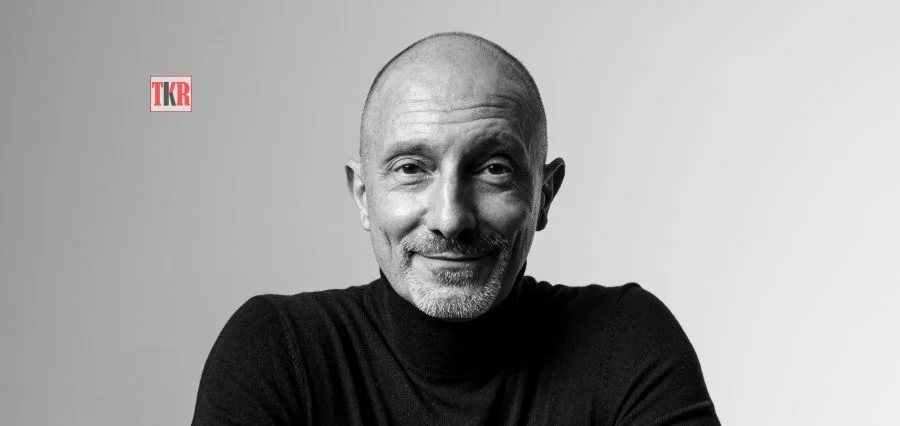
Ignacio Bonasa and the New Culture of Wellbeing: From Financial Leadership to Leading a European Movement with Soul and Action
Vantage point matters. When leadership is holistic with an all-around approach, it holds the power to transform the world around it wholly. In today’s VUCA (Volatility, Uncertainty, Complexity, and Ambiguity) times, such influential leadership is a prerequisite for shaping the future with modern global talent development. That is what Ignacio Bonasa, as the President of the European Association for Wellbeing, stands for. From the Peak of Success to the Center of the Soul Your viewpoint defines your point of view. It’s either macro–outside–in or micro–inside-out. It’s either top-down, bottoms-up or side-by-side. However, can it be all and encompass everything at once? Yes. When you begin from the center point. Ignacio Bonasa knows what it means to lead from the top. But he chose something far more revolutionary: to lead from within. With a law degree, an MBA from ICADE, and a PDG from IESE, he has spent over two decades as a top executive in the financial sector. He held high-ranking positions in institutions such as Banco Exterior, Argentaria, BBVA, Caja Rural de Aragón, and BBVA Portugal—where he was CEO—and served as President of BBVA Dinero Express. But as his career soared, something within him was quietly sinking: his connection with purpose, emotion, and soul. “I was trained to lead through control. But I discovered that KPIs don’t measure true leadership—it’s measured by inner coherence,” he says. That internal rupture gave way to a personal rebirth. He founded Liderarte, his soul-and-talent-driven project. He created programs like Resetéate (Reset Yourself), which has transformed over 15,000 people, and launched the social movement Dale la vuelta a la tortilla (Flip the Tortilla), which transforms pain into soul-vitamin—a movement now supported by hundreds of people and the European Association for Wellbeing itself, where it’s promoted as a community-based tool for emotional health and resilience. With this journey, Ignacio Bonasa has been appointed President of the European Association for Wellbeing, where he leads a quiet yet unstoppable revolution: bringing wellbeing back to where it truly belongs—the heart of life, organizations, and society. But his impact doesn’t stop there. Ignacio also serves as President of the European Association of Soulful Organizations, promoting human, conscious, and sustainable business cultures. Both presidencies—Wellbeing and Soul—nourish each other. Because there can be no wellbeing without soul… and no soul without wellbeing. Born to Care for the Invisible Invisibility is the shadow of visibility. And almost all the time, it is hidden behind what is seen. To see through the visible and confront invisibility, one must break the illusion. The European Association for Wellbeing, founded in 2014, has a profound mission: to place emotional, social, and organizational wellbeing at the heart of Europe and Latin America. Ignacio Bonasa has revitalized this institution with a vision that blends academia, lived experience, and art. Vision: To be Europe’s beacon for holistic, emotional, organizational, and community-based wellbeing. Mission: To support, train, empower, and inspire individuals, leaders, organizations, and institutions to build a new culture of purposeful wellbeing. Values: Humanity, compassion, coherence, art, emotional health, beauty, deep learning, practical spirituality, sustainability, and transformative action. As the President, Ignacio has launched an ambitious strategic plan: Wellbeing Ambassadors Network in 10 countries. European Congress on Integral Wellbeing (Madrid, 2025). European School of Wellbeing, with training programs for leaders, educators, and healthcare teams. Conscious Wellbeing Seal, based on scientific and emotional criteria. European Observatory of Happiness and Workplace Wellbeing. And a flagship project, BienestART, which integrates performing arts, mental health, and emotional learning as a path for social transformation. The “Feliciologist” Who Transforms with Art and Truth Every soul craves happiness. Yet, in this conflicted world, happiness is what eludes the soul the most. That is why Ignacio Bonasa defines himself as a feliciólogo (feliciologist): “I study happiness, I design it, I share it. But not from theory… from the soul.” His passion for the performing arts is not a hobby—it’s a path of transformation. He has turned theatre, music, bodywork, and spoken word into vehicles for learning and wellbeing. In his programs, art is not a tool. It is the heart. And there’s another lifelong passion that defines him: traveling. Not for tourism—but for the soul. Because every journey is a metaphor for leadership: to leave, discover, expose oneself, listen, and return changed. These two passions—art and travel—have led him to create experiential methodologies such as Aprendizaje por el Arte® (Learning Through Art) and to promote initiatives like Dale la vuelta a la tortilla, the social movement he leads alongside the European Association for Wellbeing, bringing emotional health to individuals, neighborhoods, schools, and vulnerable communities. “We want no one to be left out of wellbeing. That’s why we go to people—we don’t wait in an office,” he says. The Recipe for Wellbeing Being overtly well is not holistic wellbeing. Only when the fountain of inner delight spreads through the spirit does one get immersed in the real happiness that leads to wholesome wellbeing. In 2025, Ignacio Bonasa’s new book will be released: “La receta del bienestar: una fórmula para ser más feliz” (The Wellbeing Recipe: A Formula for Greater Happiness). It’s not a manual—it’s a declaration of intent. The recipe is based on eight dimensions of holistic wellbeing that Ignacio has developed through his life and professional journey: ~Body – Taking care of the vehicle that carries us through life. ~Mind – Creating space for silence, reflection, and focus. ~Emotions – Feeling, naming, managing, and releasing. ~Purpose – Connecting with what gives life meaning. ~Relationships – Relating from nourishment, not need. ~Profession – Working with coherence and vocation. ~Finances – Using money as energy, not as a prison. ~Technology – Engaging with the digital world consciously. The book will offer tools, exercises, reflections, art, and real-life stories to guide each reader on their personal journey toward wellbeing—not as decor, but as deep-rooted truth. Leading with Soul, Caring with Vision Ignacio Bonasa leads the European Association for Wellbeing not from status but from coherence. His life, choices, and words are aligned. From Liderarte, his core project, he

Unlocking Human Potential: The New Age of Talent Development
In today’s rapidly changing, rapidly moving global economy, talent development is a prime driver of organizational success. The traditional approach—essentially skills training and career growth—is insufficient to meet the multidimensional needs of today’s workforce. Instead, a more coordinated, more strategic, more people-centered model of talent development is emerging with an emphasis on releasing maximum human potential and connecting development to organizational goals. This is a new talent development age, a paradigm shift in which it is realized that investment in human beings is the most sustainable way of developing innovation, agility, and resilience in an ever-changing business environment. Beyond Skills: Developing the Whole Person Today, talent development is far beyond the technical skill. It encompasses emotional intelligence, leadership ability, flexibility, and orientation development. These abilities enable the employee to work under uncertainty, work in a team, and encourage ongoing improvement. Organizations increasingly want to have learning experiences that are characterized by individual strengths, goals, and learning style. Customization not only produces higher levels of involvement but also builds capability in areas that will be most critical for future success. Harnessing Technology for Improved Learning Breakthroughs in digital technology have revolutionized provision and assessment of talent development. Learning management platforms, artificial intelligence, virtual reality, and data analysis enable organizations to create engaging, scalable, and data-driven learning journeys. Technology facilitates just-in-time learning, peer-to-peer collaboration, and real-time feedback, delivering a flexible environment through which talent can acquire new skills and knowledge at high velocity. Predictive analytics also facilitate the discovery of talent gaps as well as foresight into future workforce needs in developing early plans. Establishing a Culture of Continuous Learning Successful talent building requires more than programs; it requires learning-and-growth mindset culture. Leaders play an important role in role-modeling that kind of mindset by being curious, experimenting, and learning together. Organizations embracing psychological safety allow employees to experiment, discover from errors, and innovate freely. That is a state that brings about creativity and interest, and talent building is a business driver of transformation. Aligning Business Strategy with Talent Development The most effective talent development initiatives are those most connected to organizational strategy. Organizational objectives tied to individual development ensure investments in talent return tangible value. Alignment is through clear communication of objectives, performance measurements that link to development outcomes, and leadership involvement in mentoring and coaching. Where employees’ development has open linkage to organizational achievement, motivation and retention are radically improved. Preparing for the Future Workforce The job of the future needs a flexible, digitally savvy, problem-solving work-force. The development of talent must be forward-thinking and future-proof workers for today’s jobs and future potential challenges and opportunities. All of this vision involves building cross-functional skills, cultural awareness, and ethical decision-making. Building resilience to be able to survive, let alone flourish, in the midst of disruption and constant change is also involved. Conclusion: Unlocking Potential as a Strategic Imperative The era of new talent development is a process of evolution that realizes human potential at business and individual levels. By adopting comprehensive development, leveraging technology, developing a culture of learning, and linking development to business outcomes, organizations set themselves up for long-term success. In a world where human beings are the most valuable resource, releasing human potential is not an HR talent management task—it is a necessity for business tomorrow.

Inclusive by Design: How Talent Development Drives Diversity
In the modern workplace, diversity and inclusion (D&I) are strategic imperatives—not moral requirements or checkbox compliance. Tomorrow’s innovative companies know that performance, innovation, and long-term sustainability directly correlate to people diversity and culture inclusiveness. While recruitment is a critical component of achieving representation, the real driver of sustained diversity is inclusive talent development. Talent development, being equity-informed, is an accelerator of not only individual talent, but also of organizational culture where every employee feels empowered, valued, and seen. Equitable-designed, it ensures that opportunity is not for some—but crafted for many. Moving Beyond Representation: The Equity Gap in Development Diversity hiring is just the beginning. The toughest part is ensuring that when individuals from diverse backgrounds become part of an organization, they have an equal chance of growth, promotion, and impact. This is where most organizations go wrong—falling into the cycle of unintentional exclusion by not linking development efforts with specific needs, backgrounds, and abilities of underrepresented employees. Implicit bias, rigid promotion routes, and the absence of mentorship can subtly perpetuate inequality-even in otherwise well-intentioned organizations. Noninclusive talent growth has the potential to be self-selecting, where only the ones already “fitted for the mold” gain anything. Inclusive talent growth, by contrast, deliberately breaks that mold. Designing for Equity: Intentional Structures and Systems In order to be effective, talent development must be intentional from the start. That is followed by a genuine assessment of what exists: Who are looking at big-name projects? Whose leadership potential is being defined? Whose learning needs are being met? By disaggregating data by race, gender, age, disability, and other identity dimensions, organizations can identify where the gaps lie and channel development programs to fill the gaps. This may mean tailored leadership pipelines for groups that have historically been underrepresented in leadership, inclusive mentoring and coaching networks, or neurodiverse and adaptive learning models that adapt to different learning styles. The goal is to build systems of talent development that mainstream diverse leadership—not as a remedial measure, but as a proactive and sustainable norm. Learning That Encourages Belonging A well-crafted talent development program accomplishes more than it teaches people skills—it sustains the sense of belonging and psychological safety. When individuals see folks like them advancing and rewarded for their unique talents, it sends an excellent message: “You belong here.” Likewise, learning content must be inclusive in values. Scenario studies, case studies, and leadership models based on various perspectives help shift mental models of what success looks like. Inclusive instruction-trained facilitators lead more engaging debates and ensure all voices are heard and valued. This strategy not only serves diverse participants but also the organization at large by fostering empathy, cooperation, and increased cultural intelligence among teams. Creating Diverse Leadership Within One of the greatest signs of an inclusive company is leadership level diversity representation. But leaders of diversity aren’t born on a whim—instead, they’re intentionally built. Inclusive talent development notices that and tries to create future-proof, diverse leadership pipelines internally. This can mean rethinking traditional leadership development models to include sponsorship and mentorship to bring high-potential candidates for promotion faster, lest they be overlooked otherwise. It can mean removing subtle barriers such as vague promotion criteria or muddled succession planning. The business case is self-evident: companies with diverse leadership are more innovative, more robust, and more attuned to the people and markets they serve. Measuring Impact, Not Just Activity To ensure inclusivity is not performative, businesses must measure outcomes, not activity. This involves setting measurable goals for representation through development programs, measuring developments over time, and holding leaders responsible for developing inclusive cultures. Equity audits, pulse surveys, and employee engagement metrics can offer valuable information about the influence of talent development efforts. Are all employees from all backgrounds coming along at the same rate? Are they moving ahead at equal speeds? Are they retaining themselves and referring others? Measurement isn’t about optics—it’s about knowing lived experiences and leveraging data to create ongoing improvement. Conclusion: Inclusion by Design, Not by Default Diversity does not succeed in isolation—it requires to be nourished, promoted, and empowered by inclusive talent development. As work evolves, the successful organizations will be ones that intentionally provide paths for all talent to rise. Inclusive by design involves acknowledging historical disparities and strategizing solutions ahead of time, ones that tap the full potential of all individuals. When talent development is based on equity, it moves from a business function to a tool of cultural transformation. It communicates that everyone, regardless of background, identity, and situation, is an investment worth making—and leadership potential. That’s not inclusion. That’s transformation. Read More: Unlocking Human Potential: The New Age of Talent Development

Why Passion Alone Isn’t Enough: The Truth About Starting a Business
Passion has traditionally been touted as the chief driver of launching a venture. Passion is what generates the energy, inspires the long hours, and drives the constant quest for achievement. However, while passion is valuable, it is not enough by itself to create a successful venture. Potential entrepreneurs come into the market place with passion but without the nuts-and-bolts ability to manage the complexity of business. Grasp why passion alone is not enough is key to anyone starting the entrepreneurial path. Success depends on a proper combination of vision, strategy, discipline, and flexibility in addition to true passion. The Limits of Passion Without a Plan Passion brings energy and concentration but can be aimless without a strong business plan. A good idea fueled by passion needs to be transformed into actionable objectives, competitive analysis, and budget planning. Entrepreneurs need to take seriously their target market, competition, and value proposition. Without these variables, passion can create tunnel vision, where affective commitment destroys rational judgment. It can turn into an overestimation of demand, a discounting of costs, or the disregard of unavoidable operating pitfalls. A good plan is a map, and by its application, entrepreneurs are able to direct passion constructively towards quantifiable goals. Execution Requires More Than Passion Building a business is just as much a function of implementation as it is a function of vision. Good leadership, operating discipline, and fiscal responsibility are core competencies that passion cannot substitute for. Business builders have to learn skills in budgeting, hiring, marketing, and compliance with the law. Moreover, adaptability under challenge is important. Passion makes entrepreneurs rigid and often change-resistant since they get obsessed with a initial idea in the face of evidence that necessitates changes. Flexibility driven by data and customer insights is important to sustained success. The Role of Skills and Experience While passion fuels entrepreneurial energy, experience and knowledge fuel enduring success. Entrepreneurs with industry experience or prior business experience possess a tremendous edge when it comes to recognizing challenges and opportunities before they arise. They are familiar with the inside story of supply chains, customer needs, and regulatory landscapes. For those without hands-on experience, access to guidance, the creation of informed teams, and ongoing learning are all essential. The interplay of passion and maturity is balanced leadership that can steer the firm through dynamic and challenging situations. Financial Realities and Resource Management Passion will motivate entrepreneurs to invest enormous personal resources in their enterprise. Sound finance and careful budgeting are, however, necessary to avoid cash flow catastrophes from wiping out even the most brilliant ideas. Entrepreneurs need to be aware of funding models, cost models, and break-even analyses. Additionally, passion-oriented founders should be careful not to get overly attached to expenses or initiatives not in strategic focus areas. Effective management of resources is important in order to sustain operations and establish investor trust. Emotional Resilience Beyond Passion Passion fuels drive in the initial phases of a business, but determination keeps entrepreneurs going despite repeated failures. The process involves setbacks, rejection, and times of doubt. Emotional resilience—being able to bounce back, learn, and continue—is distinct from passion and needs to be developed. Entrepreneurs who combine passion and persistence are more likely to see it through despite roadblocks without disillusionment and burnout. Building a support group, being self-nurturing, and keeping one’s eyes on the future are the keys to entrepreneurial endurance. Conclusion: Passion As Part of a Holistic Approach Passion is a component of the entrepreneur’s success formula—it gives the motivation, vision, and determination to begin. Passion by itself is not enough, however. It has to be paired with strategic planning, operational expertise, financial expertise, and emotional stability. Future entrepreneurs with this integrated philosophy improve their chances of building businesses that are not only inspired but also realistic and sustainable. In the many complicated dynamics of entrepreneurship, passion lights the fire, but achievement is a question of how well the fire is directed, controlled, and sustained. Read More: Innovation Isn’t Optional: Why Entrepreneurs Must Embrace Change

Innovation Isn’t Optional: Why Entrepreneurs Must Embrace Change
With the fast-changing world economy, innovation has changed from being a driver of competitive advantage to being the driver of survival. Entrepreneurs who fail to innovate become obsolete, while entrepreneurs who innovate early enough risk dominating markets and redefining industries. The speed of technological advancement, changing consumers’ palate, and growing international competition necessitate that entrepreneurs innovate and adapt. Innovation is no longer a nicety or something done one-time-a-whyle; it’s a constant cycle that drives growth, adaptability, and currency. Knowing why innovation is needed—and how to incorporate it into the entrepreneurial mindset—can be the difference between thriving and just getting by. Disruption as the New Norm Today’s business environment is one of continuous disruption. Emerging technologies like artificial intelligence, blockchain, and the Internet of Things are changing industries at an unprecedented level. Startups disrupt incumbent players by using new business models, products, and services designed to meet changing customer needs. Disruption is not external to business but is something that is always present. Companies have to be able to predict what is next, experiment radically, and infuse innovation into the business core. Stagnation pushes against change, and the adoption of innovation creates new sources of revenue and revitalizes customer activity. Innovation Drives Customer Value Basically, innovation is providing more value to the customer. In better products, better service, or more efficient processes, innovative solutions solve headaches more effectively and deliver better experiences. Business owners who hear their customers and listen to use feedback to cycle iterate during development create differentiation and loyalty. Customer expectations change swiftly in competitive environments. Businesspeople who do not innovate risk losing customers to the more nimble competitors. Innovation keeps companies sensitive to their surroundings and adapt products that speak meaningfully to target customers. Creating a Culture of Innovation Innovation does not happen by chance; it requires conscious nurturing of a culture of experimentation, learning, and innovation. The entrepreneur must offer a culture in which individuals feel free to suggest ideas, question assumptions, and test things without fear of retribution. Leadership is key to replicating this mentality. By successful celebration with partying and failures as a means of learning, leaders will be in a position to embed innovation into the company’s DNA. Cross-functional collaboration, thinking variety, and continuous skill enhancement drive innovation-ready culture as well. Balancing Innovation with Execution As innovation ignites growth, it should be seasoned with realized experience. Entrepreneurs need to circumvent the idea stage to successfully execute and develop innovative concepts. Disciplined management of projects, allocation of resources, and measurement of performance are needed for this. Visionary leaders who have strong operation skills can transfer innovations to the marketplace effectively and make sure they return tangible business value. In so doing, it also manages risk coming from untested concepts by offering iterative tuning based on empirical feedback. Navigating Change with Agility Agility is the attribute of innovative entrepreneurs. With market conditions, regulations, and technologies changing in a flash, strategic pivotability becomes essential. Agile entrepreneurs are always checking the environment, accepting ambiguity, and adjusting accordingly. Developing agility means demolishing silos, streamlining decision-making, and making decisions based on data. Entrepreneurs who develop this flexibleness can capitalize on new opportunities first and bounce back quickly from failure. Conclusion: Innovation as a Business Imperative Innovation is now a necessity rather than a nicety for entrepreneurial success in today’s fast-evolving world. Adopting change, creating an innovative culture, winning the innovation vs. execution game, and staying agile allow entrepreneurs to access emerging opportunities and sustain growth. In a world characterized by disruption, fearless innovators do not merely survive, they get to build tomorrow. Read More: Why Passion Alone Isn’t Enough: The Truth About Starting a Business

Built to Lead: The Mark Blocker Way to Big Block Athletics-powered Empowerment and Excellence
An entrepreneurial mind influences time to envision and shape a better tomorrow. Initially, it dreams of a better tomorrow. Then, in pursuit of that vision, the mind draws upon its knowledge, wisdom, foresight, strategy and acumen. It uses future-oriented cognitive processes to see beyond the immediate horizon and identify unmet needs, untapped opportunities, and potential solutions that lie dormant within the present. It dissects current realities, not with contentment, but with a critical eye towards continuous improvement and innovation. That is how it brings in a positive change in the future. Possessing such a marvellous entrepreneurial mindset, with his passion for athletics and mastery in sales and marketing, Mark Blocker dreamt and realized his vision into a thriving brand – Big Block Athletics – that embodies discipline, resilience and performance. Today, shining amidst his contemporaries as one of the most influential entrepreneurs, visionaries, and business revolutionaries, Mark is backed by a background as a former Division II college athlete and champion bodybuilder. Thus, he brings a competitive edge and unshakable determination to the business world—qualities forged through years of personal and professional grit. Mark leveraged his over six years of hands-on experience in advertising and sales to build Big Block Athletics from the ground up by applying both street-smart strategy and boardroom-level acumen. An alumnus of the University of Phoenix, his academic training in health, wellness, and healthcare administration bolsters his vision of a company that doesn’t just promote fitness—it sets a gold standard for it. Beyond his athletic empire, Mark leads with purpose. As the Founder of the Mark Blocker Foundation, an advisor to Fruit Street, and an active investor through SV Venture Group and OurCrowd, he continually empowers innovation, wellness, and entrepreneurial growth. A respected success coach, Mark inspires others to rise, build, and realize their own potential. From being honored as Best of Clinton Township to receiving multiple leadership nominations, Mark is not just building a business—he’s building a legacy rooted in integrity, professionalism, and hard-earned success. In every arena he enters, whether athletic or entrepreneurial, Mark is the embodiment of grit in motion and vision in action. Created with a Spark, Leading with a Purpose Mark’s journey is not just one of entrepreneurial triumph—it’s a testament to unbreakable will. Having faced the harsh reality of homelessness as a child, Mark’s early life was defined not by comfort but by challenge. These formative experiences didn’t break him; they built him. They instilled in him a profound appreciation for every opportunity and a relentless drive to succeed. It’s this lived perspective—of fighting for every inch—that now fuels his leadership at Big Block Athletics. When Mark launched Big Block Athletics in 2014, the odds were steep, and the sacrifices were immense. There was no roadmap, no safety net—just vision, determination, and an unwavering commitment to building something greater. In the earliest days of the business, resilience and time management weren’t buzzwords—they were survival skills. Mark often worked around the clock, giving everything he had to breathe life into his dream. There was no room for balance—only the burning need to rise above and make Big Block Athletics a name synonymous with grit, performance, and excellence. Through sleepless nights and countless challenges, Mark didn’t just build a brand; he forged a legacy. His ability to lead through intensity, to remain focused and unshaken in the face of adversity, is what continues to elevate him as a modern business icon. Every step of his journey reflects a deep inner strength molded by past struggles and driven by a clear, unwavering purpose. Today, Mark leads not only with ambition but with authenticity. He understands what it means to fight for a dream—and he brings that same energy to mentoring others, empowering teams, and redefining what it means to be a leader in both business and life. From Solo Struggle to Shared Success: An Evolving Legacy What began as a one-person vision—born from adversity and driven by sheer will—has grown into a thriving enterprise under Mark’s steady hand. Scaling Big Block Athletics from a personal dream into a collective mission required more than strategy; it demanded belief. Mark knew that to transition from “me” to “we,” the foundation had to be an undeniable success. By proving what was possible through his own relentless pursuit, he naturally drew others in—people who saw not just a brand but a movement worth standing behind. This evolution in leadership wasn’t about handing off control; it was about creating alignment. Mark didn’t just seek employees—he inspired believers. He built a culture that champions excellence, commitment, and purpose, leading not by mandate but by example. Every milestone Big Block Athletics achieves is a reflection of the values he first demonstrated alone: grit, focus, and integrity. But behind the triumphs, Mark’s story carries deeper layers. He has faced moments of profound personal pain, including a suicide attempt—a reality he neither hides nor lets define him. Instead, he channels those experiences into building a company where mental wellness is not an afterthought but a pillar. By prioritizing therapy, self-care, and emotional honesty in his own life, he sets a tone of compassion and strength for his team. His leadership goes beyond profits and productivity—it’s about wholeness, healing, and humanity. Mark leads with both power and vulnerability. He understands that true leadership isn’t just about elevating business—it’s about uplifting people, starting with yourself. Through Big Block Athletics, he’s creating more than a brand—he’s building a legacy of resilience, unity, and purpose-driven growth. Leading with Conviction: The Unshakable Core of A Resolute Leader As Big Block Athletics continues to rise, Mark remains anchored in one principle that defines both his leadership and his brand: authenticity. For Mark, staying true to himself isn’t just a personal choice—it’s a strategic cornerstone. He understands that in a world full of curated facades, realness resonates. It attracts the right people, builds trust, and cultivates a brand culture where everyone feels seen and empowered to be themselves. His authenticity radiates through every layer of Big Block Athletics,