





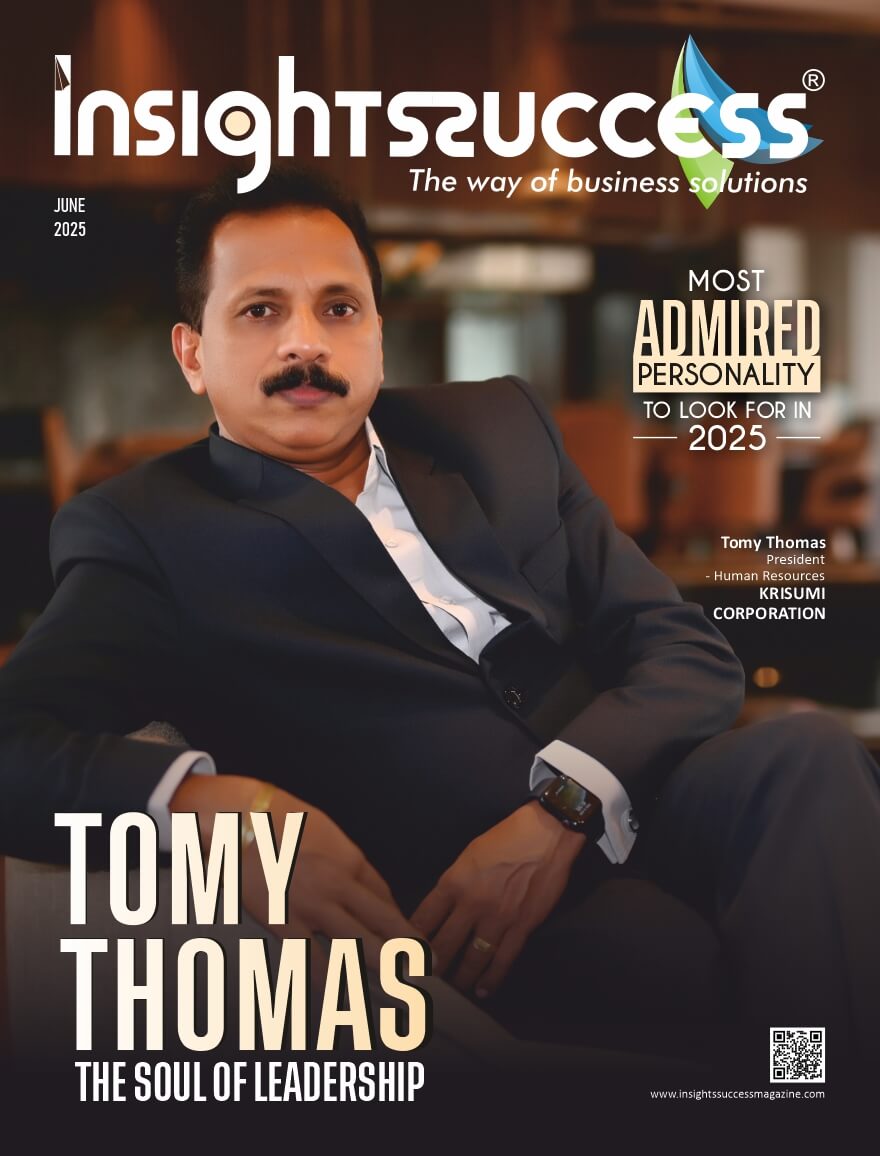
Most Admired Personality to Look for in 2025
Most Admired Personality to Look for in 2025 This edition proudly features Tomy Thomas, a visionary leader known for his exceptional integrity, innovation, and impact. This edition celebrates his inspiring journey, unwavering commitment to excellence, and influential role in shaping the future across industries and communities. Quick highlights Quick reads
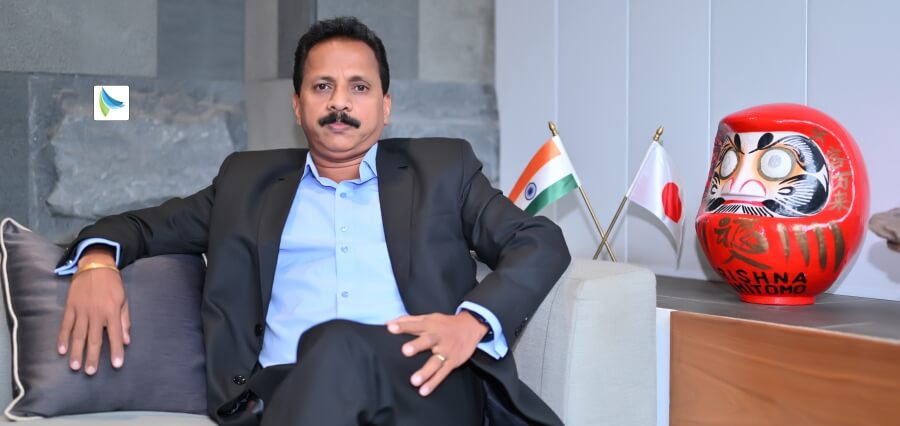
Tomy Thomas: The Soul of Leadership
In a time where quarterly goals and financial figures are frequently used to define corporate leadership, Tomy Thomas is providing a unique and comfortable alternative that is based on sincerity rather than power. In his capacity as President of Human Resources at Krisumi Corporation, he is subtly changing the nature of workplace culture by implementing a leadership style based on compassion, service, and deliberate action. His path was not the result of luck, but rather of a lifetime of prioritizing character over qualifications. Having grown up in a traditional Keralan home and influenced by years of volunteer work and religious devotion, Tomy is offering a very human viewpoint to the boardroom. The deep, multifaceted foundation of his people-first attitude is provided by his background, which includes substantial academic efforts in English, human resources, and public administration in addition to religious studies at Don Bosco Seminary. The ability of Tomy’s leadership to balance compassion and vision sets it apart. From founding HR at Grand Hyatt and Emaar MGF to spearheading ground-breaking employee engagement programs at Krisumi, he is continuously showing how sincere concern for people can result in quantifiable economic benefits. Projects such as the “Employee Charter Program” and the “Krisumi School of Learning” are not only business benefits; they are expressions of his conviction that exceptional businesses are created by empowering individuals. Honors such as CHRO of the Year 2025 and being named one of India’s Top HR Innovators confirm what his colleagues already know: Tomy Thomas is not only a team leader but is creating a legacy based on mutual success, trust, and purpose. Roots That Run Deep “Character matters more than competence,” Thomas reflects, a philosophy that was forged in his earliest years. Growing up in a household where hard work, discipline, and spirituality were not just values but a way of life, young him absorbed lessons that would later become the cornerstone of his leadership philosophy. As an altar boy, Mission League leader, and catechism participant at Little Flower Church, Oonnukal, Kerala he learned the art of service a skill that would prove invaluable in his corporate career. Thomas’s household wasn’t just about individual achievement; it was about community upliftment. Watching his parents support daily workers in rural Kerala instilled in him a deep understanding of dignity in labor and the importance of caring for those who serve. These early observations would later manifest in his revolutionary HR initiatives that prioritize employee well-being above all else. His educational journey took him far from home to Shillong, Delhi, and Shimla where he pursued degrees in English Literature, Human Resource Management, and Public Administration. But perhaps the most influential experience came during his time at the Don Bosco Salesian seminary in Assam, where the values of empathy, patience, and guidance were not just taught but lived on a regular basis. The Making of an HR Visionary Thomas’s entry into the corporate world wasn’t accidental, it was evolutionary. “My journey into Human Resources was not a planned decision; it was an evolution born from my passion for people, service, and community building,” he explains. Initially drawn to priesthood, he discovered that his natural inclination towards helping others could be channeled effectively into the business world. His corporate baptism came with the pre-opening team of Grand Hyatt Delhi, where he worked alongside industry stalwarts and absorbed global HR practices. This exposure to world-class hospitality standards became the foundation for his people-centric approach. The transition from administration to hospitality wasn’t just a career move, it was a revelation that service excellence and human development could coexist profitably in the corporate realm. The real test of his philosophy came during his tenure at Emaar MGF, where he spent over a decade crafting HR structure that promoted growth, engagement, and excellence in a high-paced real estate environment. Here, he learned the art of building something from scratch that would prove invaluable in his current role. The Krisumi Revolution At Krisumi Corporation, Tomy Thomas found the perfect canvas to portray his vision of transformative workplace culture. The challenge was unique: integrating Japanese precision with Indian ingenuity while maintaining the human touch that defines great organizations. The result has been nothing short of revolutionary. Under his leadership, Krisumi has introduced groundbreaking initiatives that have redefined employee engagement. The ‘Homecoming Experience’ ensures that every employee feels valued from day one. The ‘Employee Charter Program’ outlines a commitment to creating a workplace based on fairness and concern for people and thereby creating a problem-free working environment. The ‘Krisumi School of Learning’ and ‘Leadership Development Programs’ invest in continuous growth. Meanwhile, ‘Skip-Level Meetings,’ ‘Wellness Programs,’ and the innovative ‘Happiness Board’ create an environment where employees are happy, positive, healthy and ensure free flow of communication. These aren’t just HR programs, they’re manifestations of Thomas’s core belief that when organizations invest in their people, business growth becomes a natural outcome. The proof lies in the results: Krisumi has achieved prestigious certifications as a ‘Great Place to Work’ and ‘Dream Companies to Work For,’ validating the effectiveness of his people-first approach. Beyond the Boardroom What sets Tomy Thomas apart from typical corporate leaders is his unwavering commitment to service beyond the office walls. “As Principal of Sunday School at Nirmal Hriday Church, Delhi, and a two-term Pastoral Council Member of the Diocese of Faridabad, I continue to nurture young minds and strengthen communities.” he says. His Sunday School’s recognition as the 2nd Prize Model Catechism School across the Faridabad-Delhi Diocese speaks to his dedication to holistic education. His role as Vice Chairman of the Delhi Malayalee Association demonstrates his commitment to community welfare and cultural preservation. Through career mentoring, financial aid, and civic initiatives, he has touched countless lives, proving that true leadership extends far beyond professional boundaries. The Athlete’s Discipline Physical fitness isn’t just a hobby for Tomy Thomas, it’s a philosophy. His daily routine includes badminton, volleyball and swimming with family. This commitment to wellness isn’t merely personal; it’s a leadership tool that teaches resilience, teamwork, and focus

Transforming Corporate Culture Through Servant Leadership
In today’s world of breakneck speed, technology upheaval, and changing workforce expectations, companies are being asked to reimagine not only their business models, but the very cultures that shape their businesses. At the center of this culture revolution is a compelling, people-focused philosophy: servant leadership. Unlike other leadership models, which are based on control, hierarchy, and authority, servant leadership turns these ideas on their head. Servant leadership is based on the function of serving other people—primarily employees—first. It creates an environment in which teamwork, empathy, and trust thrive, eventually revolutionizing the corporate culture from within. The Essence of Servant Leadership In essence, servant leadership is about putting staff, customer, and broader social interest before individual ambition or corporate gain. It was first defined by Robert K. Greenleaf in the 1970s, who thought that great leaders are actually servant leaders first. In reality, it is leaders who listen empathetically, empower others, make decisions together, and develop individuals and organization in others. In the modern-day business culture where burnout and disengagement are now the norm among employees, servant leadership is a strong alternative. It is a reframing of the focus away from short-term gains to long-term value, away from competition to cooperation, and away from control to empowerment. Building a Culture of Trust and Empowerment One of the most revolutionary things about servant leadership is that it offers a means of building trust within an organization. If leaders care about their employees and take care of their welfare, there develops a culture of mutual respect. Employees start to feel valued, heard, and respected—not as employees, but as humans with their own talents and ambitions. This trusting culture is a fertile ground for innovation. Employees who are trusted and provided with psychological safety to experiment are likely to provide innovative solutions and rock the boat. Organizations that work with servant leadership discover that decisions turn out to be cooperative and effective with a sense of shared purpose and not fear of failure. The Ripple Effect on Organizational Performance The value of servant leadership is more than employee and team morale; it has tangible effects on organizational performance. Organizations with servant leaders have been found to experience greater employee retention, higher customer satisfaction, and higher overall productivity based on various studies. When individuals are driven by purpose rather than merely by numbers, they work the extra mile. Servant leader employees show higher engagement, identification with their jobs, and affinity with their colleagues. That unity leads to more resilient and closer teams and a more responsive organization. Aside from that, servant leadership promotes the reputation of the brand. Clients and stakeholders are more attracted to such organizations that are values- and people-centered. Both internally and externally, servant leadership fosters a sense of responsibility and authenticity—two things demanded in the modern socially responsible business environment. Overcoming Challenges in Implementation Despite the wonderful benefits of servant leadership, it is not easy to introduce and must be accompanied by dedication and self-reflection. Business cultures to a large extent still operate on competitive attitudes that embrace individual success at the cost of group success. Changing this attitude takes time and even calls for retraining leaders at all levels within the organization. Additionally, servant leadership is a vulnerable act—a personality trait not commonly considered in the realm of business leadership. Leaders need to be able to acknowledge errors, solicit feedback, and set aside ego. This emotional intelligence may be hard-won, especially in the most fast-paced industries where speed and assertiveness are paramount. To actually bring this change about, firms can begin with incorporating the values of servant leadership into leadership development programs, performance management, and internal communication strategies. The power of leading by example can be leveraged; if top leadership does that, it sends a very strong message that the culture is changing. Servant Leadership in Action Think of organizations such as Southwest Airlines, The Container Store, or Marriott International—organizations that are always cited as possessing great cultures and customer-focused value systems. Central to their achievement is a servant leadership philosophy. Their leaders place their employees’ development first, promote from within, and continuously encourage employee participation in decision-making. These are just a couple of the numerous examples in life that show servant leadership is not merely a philosophy—it’s a practice that, if done sincerely and regularly, can have lasting effects. A Call to Reflect and Redefine Leadership Shaping corporate culture with servant leadership isn’t learning a new set of don’ts and do’s—it’s an invitation to redefine what leadership is all about. It’s an invitation to create organizations where empathy, not vulnerability, creates strength, and where leaders realize their first responsibility is not as task masters, but as caretakers of people. The world is evolving, and the future generation of talent expects more than a salary. They’re looking for purpose, belonging, and values alignment. By embracing servant leadership, companies are not only setting themselves up for long-term success but are also helping to make the world a more human and fair business environment. Let’s find out more. Finally, the deepest change occurs not through mandates or management orthodoxy, but through leaders who will serve. That is the promise—and potential—of servant leadership.

The Business Case for Human-Centered HR Leadership in Digital Transformation
In today’s fast, fast work world, digital transformation isn’t an option, it’s a requirement. And yet, as businesses are hurrying to get new technology on board, they’re leaving behind the single key ingredient for success: people. People-focused HR leadership, the strategy that aligns employee happiness, engagement, and empowerment with tech innovation, is the key to successful digital transformation. Not only does this kind of strategy improve smooth transition but also develops organizational resilience and performance in the long run. Human-Centered HR Leadership People-centric HR leadership is a forward-thinking strategy where individuals are put at the center of all things, particularly in periods of change. It is grounded in active listening, empathy, mutual inclusivity, and building a culture where employees feel heard. Unlike conventional HR practice that is, in some instances, compliance- and process-oriented, this strategy enables co-creation, emotional intelligence, and growth mindset. While digital transformation remakes job functions, processes, and business models, employees are most likely overwhelmed by uncertainty. Human-first leaders know that is where it all falls apart and gives the care, communications, and reskilling to enable employees to learn and adapt. Why the Human Element Matters in Digital Transformation? Technology can transform operations but will be future focused only when staff are engaged and prepared. People-focused HR leadership positions ensure technological changes in digital technologies are implemented with empathy and commitment to human requirement. For example, technological innovation in automation technologies can automate business processes but, when employees are threatened of becoming obsolete or do not have relevant skills, resistance hobbles transformation processes. Study after study tells us that highly engaged organizations outperform others on productivity, customer satisfaction, and innovation. Empathetic decisions by HR leaders, like on employee health spending or mobilizing teams for digital road mapping conversation, build resilience and trust. Trust lies at the center of enduring change and innovation. Developing a Culture of Flexibility Digital transformation is not an event—but a process. Organizations require an adaptable, learning, and agile workforce. These can be nurtured by people-centric HR leadership that empowers them to foster such culture. Rather than doing top-down change, it tries to establish collaboration and feedback loops that enable workers to become the drivers of the change. Leadership starts with substituting the words “change management” with “change enablement.” It is a semantic but significant distinction: It is enabling individuals with both capability and attitude to change, as opposed to managing how they respond. It is creating learning systems that are shaped to cater to individual requirements, acknowledging different learning methods, and providing an empathetic psychic space where one might explore. Embracing Technology with Empathy The arrival of AI, machine learning, and analytics has provided HR functions with powerful tools to streamline recruitment, performance management, and employee engagement. But human HR leadership makes sure these tools are used ethically and in an transparent way. For instance, when using algorithms for recruitment, one has to be careful not to introduce bias and also verify if humans are involved to be fair. In addition, worker input, mental health, and computer collaboration tools work best when employees see them as a standard part of people-first leadership culture, rather than as spying or productivity-gain tools. People-first leaders clarify in simple terms that motivation for technology use is being created and invite workers to be co-creators of tool choice and deployment. Measuring What Truly Matters Past measurements like cost savings or process efficiency can show short-term success, but never the success of digital transformation. People-first HR leadership would mean more interconnected measurements—like employee experience ratings, psychological safety ratings, inclusion ratings, and learning agility. These will capture a clearer sense of how well a business is governing transformation on a people-first basis. By placing these behaviors on the leadership dashboard, the sentiment of employees is not only recognized but actually tapped to inform strategic decision-making. Over time, this produces a concrete staff that is more engaged, reduced turnover, and increased capacity to innovate and renew. Real-World Impact: Companies Getting It Right Some of the most progressive companies have embraced human-centered HR leadership to lead their digital transformation. Consider, for example, Satya Nadella’s remaking of Microsoft. The application of the growth mindset philosophy, empowering employees, and culture change, Microsoft reshaped itself as a pacesetter in tech innovation and a global-class employer leadership platform. Unilever is a good example where human values are interwoven into its Future of Work agenda. With one-on-one career guidance and digital upskilling methods, Unilever never lags behind its employees in the digital age. Moving Forward: A Call to Action For companies already down the digital-transformation road, adopting a human-capital vision for HR leadership is not an optional nice thing—it’s a strategy call. The further we go down the road of AI and automation, the companies that will thrive are those that see humans as assets to be developed, not problems to be managed. HR executives and leaders should change the outdated hierarchies, invest in training emotional intelligence, and use instant feedback systems and tuning. Above all, they should lead with honesty, curiosity, and a passion for making work more human, even in this digitized era. Conclusion It is people power that powers digital transformation, although technology may light it. Human-focussed HR leadership marries innovation and excecution by developing change agents rather than change victims among employees. As businesses cannot continue being pack leaders and robust during times of adversity, embracing this type of leadership will be essential to achieving long-term success. For when individuals thrive, businesses do as well. And in today’s environment of change, that human factor might be your best competitive advantage. Read More – Scaling Quantum Leadership Principles Across Global Teams
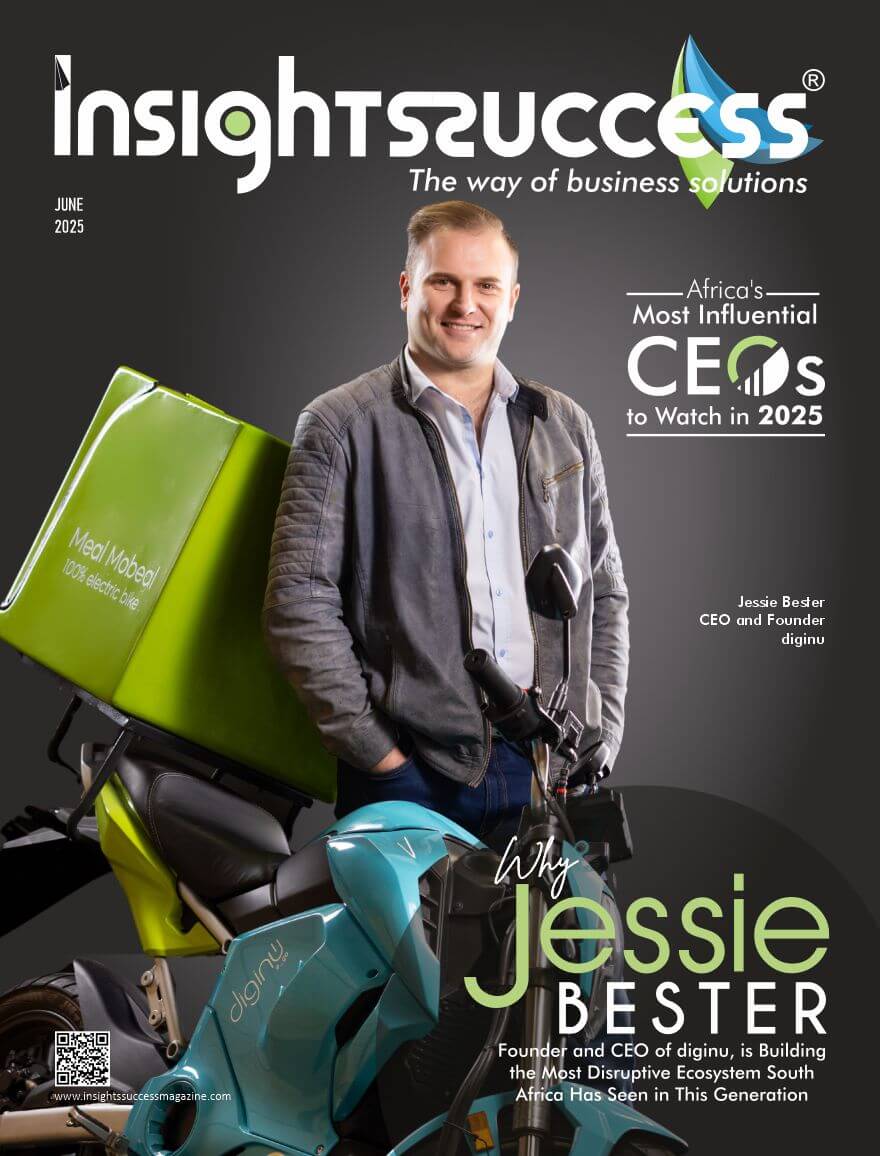
Africa’s Most Influential CEOs to Watch in 2025
Africa’s Most Influential CEOs to Watch in 2025 Africa stands at the forefront of a global shift—where youthful energy, digital transformation, and untapped potential are converging into powerful momentum. In this pivotal moment, a new class of CEOs is rising—leaders not only navigating complexity but boldly shaping the future of the continent. This edition honors the visionary minds driving this evolution. Quick highlights Quick reads
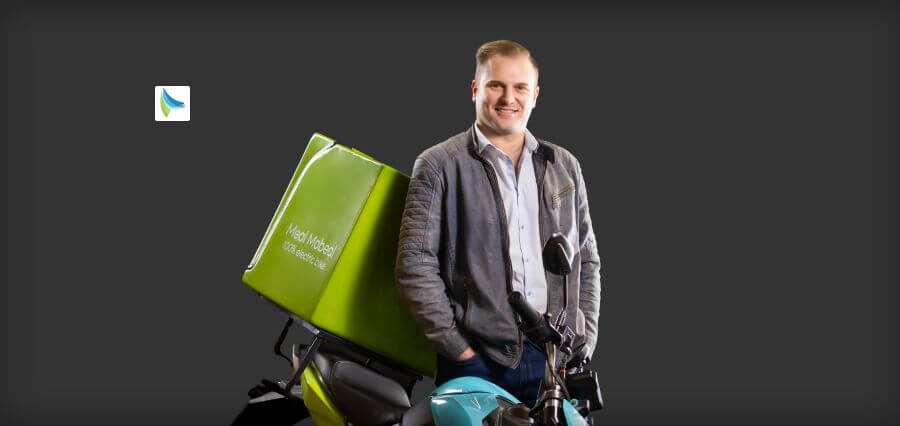
Why Jessie Bester, Founder and CEO of diginu, is Building the Most Disruptive Ecosystem South Africa Has Seen in This Generation
When conversations begin around the most influential CEOs to watch in 2025, it’s easy to default to names in finance, mining, or telecom. But true influence isn’t just about scale or capital—it’s about impact. And probably no one in South Africa is improving more lives and futures right now than Jessie Bester, the visionary Founder and CEO of diginu. diginu is the rewarding food, drinks and grocery ordering App, with a massive twist. “We want South Africans to feel that diginu is their company too. So, we put our money where our mouths are, and we launched the Profit Share Program, where anyone in South Africa can not only place orders on diginu, but also earn commission every single Friday from diginu,” Jessie Bester reveals. In a world craving new answers to old problems, Bester isn’t just running a company—he’s architecting a new economy. A Leader Building What Others Didn’t Dare Jessie’s rise isn’t rooted in privilege or convention. It’s rooted in conviction. He saw firsthand the cracks in the food delivery space, the failure of traditional rewards systems, and the lack of opportunity for everyday South Africans to build wealth. Where others saw complexity, he saw clarity. Where others settled for profit, he pushed for purpose. And that’s the heartbeat of diginu. It’s not a one-dimensional app that only delivers food, it’s a revolutionary ecosystem backed by three interconnected companies – diginu, their food delivery company, diginuPay, their Fintech company, and diginuEgo, the latest addition to their ecosystem – an electric vehicle company. Each one is engineered to solve a different problem with one unified vision: to become the number one food delivery app globally, by creating a more just, efficient, and profitable ecosystem for customers, drivers, and entrepreneurs alike. The diginu story is already rewriting the script in South Africa. But what makes Jessie Bester influential isn’t just the size of what he’s building – it’s also the timing. He is taking the lead exactly when the South Africa needs something different. The diginu Trio That’s Changing the Game Under Jessie’s leadership, diginu has become the first of its kind—a three-tiered economic engine that includes: 1. The diginu delivery platform, now making waves across the nation, with lower service fees than most other food delivery companies, no order batching, faster drop-offs and an opportunity for anyone in South Africa to earn commission weekly. 2. diginupay, the fintech platform on which they conduct all their payouts to drivers, independent marketers, customers and stores listed on their platform. 3. diginuEgo, whereby “Ego” stands for “electric go”, the cutting-edge electric vehicle division, built around the world’s most advanced AI-powered e-bike, designed for deliveries and ready to fuel a cleaner, more profitable mobility economy across Africa. This three-headed ecosystem is the diginu team’s genius at work: seamlessly aligning logistics, lifestyle, and long-term wealth-building, while creating opportunity across every layer of society. No handouts. Just a better, fresher and more relevant model. Alongside the group of companies they built, they also now offer an optional monthly-paid membership model, called diginuCashBack. It offers customers up to R3,500 in discounts, vouchers and physical cash back payments for only R99/month. This model compliments what diginu already offers customers – an ecosystem of relevant rewards that customers actually can and want to use. Well known national brands like Spur, Mugg and Bean, Panarottis, Woolworths and Wimpy, to name but a few, are part of this program. The Face of Disruption—On the Cover, On the Ground It’s no coincidence that Jessie Bester is attracting attention all over. He’s not the kind of CEO who sits behind emails or prefer being in boardrooms. He’s on the streets, in the various provinces, and in the trenches – testing the e-bikes, training the teams and even engaging directly with customers and marketers who are the lifeblood of his vision. “I am not ashamed to say I am obsessed with our vision and the wellbeing of every person involved in diginu. As a result, having built diginu from the ground up, I genuinely care about our team, our customers, our merchants and our drivers, because I remember what it felt like when there was no one else in the company but myself. Putting in 16-18 hours per day, 6 days a week, is no problem, because I found my passion – helping others and making the vision a reality,” Jessie says. The e-bike itself is a statement-one of the most stunning examples of African ingenuity: internet-connected, AI-enabled, remote power-off technology over the internet, GPS-tracked, swappable batteries, and blazing with looks. It’s fast. It’s smart. It’s made to lead a delivery revolution and shift South Africa’s relationship with energy and mobility. “We assembled a team of experts from across the world, and I’ve never seen any e-bike come even remotely close to what we have built. And the best part – it’s not just fit for deliveries – it’s also fit for everyday use,” Jessie states. And it’s only available through the diginu owned company, called diginuEgo, a subsidiary of the main company, which owns the intellectual property on those e-bikes. “With over 20 million South Africans projected to order food online this year, the environmental impact is massive having so many traditional motorbikes on the road with all that fuel emmissions. Can you imaging what damage that does to the environment in the long run? So we realised back 2022 that we need to get e-bikes. At diginu we feel we have an obligation to look after the environment as much as we can, especially with the scale we are soon going to be operating on. So we started looking at e-bikes a few years ago, couldn’t find any e-bikes fit for our needs, and as a result, we decided to have it built. I am very excited to share with you that the first two prototypes have successfully been built and are already being tested in Pretoria right now,” Jessie Bester states. When the team at diginu could not find

Lynne Krawchuk: Powering the Future of Fleet
Lynne Krawchuk’s path to the CEO position at Simply Fleet is exemplified by strategic moves, a depth of cross-industry executive experience, and a sheer dedication to innovation. Her professional career is rooted in the world of advertising, where she was instrumental in spearheading brand redefinition for many of the most well-known corporations throughout South Africa and the greater African continent. In these roles, she gained firsthand experience with strategic expansion, marketplace positioning, and leadership of staff—abilities later used to catalyze the shift into fleet management. Simply Fleet was Lynn’s next change, but it was one inspired by a vision. Lynne recognized the need to infuse new ideas and digital thinking in an industry which was rapidly developing. Nowadays, she heads with purpose and vision—executing operational excellence, propelling technological integration, and advocating customer-focused solutions addressing the multifaceted needs of contemporary fleet operations. With her at the helm, Simply Fleet is not merely growing its presence throughout Africa but is also influencing industry best practices in sustainability, data insights, and mobility solutions. In this exclusive interview, Lynne offers a thoughtful reflection on her professional journey and shares strategic insights drawn from her career experience. What key experiences and decisions have shaped your path to becoming the CEO of Simply Fleet? Stepping into the role of CEO at Simply Fleet is an exciting new chapter in my career, but my journey here has been shaped by years of executive leadership experience across diverse industries. Before entering the fleet management space, I had the privilege of working with leading blue-chip companies and some of the biggest brands across South Africa, the African continent, and beyond. My experience in top advertising agencies sharpened my ability to drive strategic growth, build strong brands, and lead high-performing teams. These skills have been invaluable in shaping my approach to leadership at Simply Fleet, where I am focused on innovation, operational excellence, and creating real value for our clients. As CEO, what are your core responsibilities, and how do you ensure the company’s continued success in the fleet management sector? My role as CEO revolves around setting a clear vision, driving business growth, and ensuring that we stay ahead in a competitive market. I work closely with our team to refine our strategy, develop cutting-edge solutions, and enhance customer experience. A key focus area is making sure Simply Fleet remains at the forefront of digital transformation in fleet management. This means continuously investing in technology, optimising operations, and adapting to industry shifts to maintain our competitive edge. How would you describe your leadership style, and how do you inspire and empower your teams to drive innovation and growth? I believe in a leadership style that is collaborative, results-driven, and people-focused. I encourage open communication and empower my team to take ownership of their ideas. By fostering a culture of innovation and accountability, we create an environment where creativity thrives. My approach is to lead by example—setting high standards while ensuring that my team has the support, resources, and confidence to push boundaries and achieve great things. What are some of the most significant challenges you have faced as a business leader, and how have you successfully navigated them? Every industry presents its challenges, and for me, one of the biggest has been stepping into a new sector while ensuring a strong strategic direction for growth. The key to navigating this has been leveraging my past leadership experience, staying adaptable, and surrounding myself with a strong team that brings deep industry expertise. Another challenge has been keeping pace with rapid technological advancements, which we’ve addressed by fostering a culture of continuous learning and innovation within Simply Fleet. With rapid advancements in digital transformation and fleet technology, how do you ensure Simply Fleet remains competitive and ahead of industry trends? The fleet management industry is evolving quickly, and staying ahead requires a strong focus on technology and customer needs. At Simply Fleet, we are committed to innovation—whether it’s through AI-driven analytics, smart vehicle tracking, or predictive maintenance solutions. We actively monitor industry trends, collaborate with key partners, and use data-driven insights to refine our offerings. By staying agile and forward-thinking, we ensure that our solutions remain relevant and impactful. What professional achievements or industry recognitions are you most proud of in your career? Throughout my career, I have had the opportunity to lead successful teams, drive transformational growth, and work on some of the most iconic brands across various sectors. I am particularly proud of the international recognition I have received for my contributions to the advertising and brand-building industry. Having served as a global advertising judge for multiple years across digital and brand categories, I have had the privilege of shaping and celebrating world-class creative work. This role not only affirmed my expertise but also allowed me to stay at the forefront of innovation and industry trends. In addition, leading high-performing teams and contributing to the success of iconic brands across sectors has been deeply rewarding. Now, as CEO of Simply Fleet, I am excited to channel this experience into reshaping the fleet management space and driving measurable value for businesses across Africa. How do you maintain a balance between the demands of your leadership role and personal well-being? Leadership comes with its demands, but I firmly believe in maintaining a balanced approach. Time management is critical—I make a conscious effort to set boundaries between work and personal life. Regular exercise, time with family, and moments to recharge help me stay focused and energised. I also believe in empowering my team, which allows me to delegate effectively and maintain a sustainable workload. How do you see your role as a business leader contributing to the broader evolution of Africa’s fleet management and mobility industry? Africa’s mobility and fleet management landscape is undergoing rapid and necessary transformation. I see my role as a catalyst in accelerating this evolution by introducing modern, technology-driven solutions that enhance operational efficiency and promote sustainable practices. Beyond Simply Fleet’s immediate offerings, I am passionate about

The Silent Strategist: Leadership That Speaks Through Results
In a noisy world—constant updating, bombastic pronouncements, and drama of leadership—the loudest leaders are not always the most powerful. The most powerful are often the quietest. They are the quiet strategists: the ones who shun theatrics and posturing but rather choose disciplined implementation, calculated strategy, and deeds that speak louder than words. They are not the first to speak up in a meeting, nor the most vocal in the room. But they are always present, always listening, and always thinking about the big picture. Their leadership is not about commanding attention; it’s about commanding respect—through action, through dependability, and through results that matter. As today’s leaders’ needs change, the quiet strategist is a powerful counter-medicine for ego-leadership. It is a low-key, highly effective style, not about theatrics, but about vision, precision, and iron-clad follow-through. Leadership Beyond Words Quiet strategists lead from the center. They don’t depend on charisma to get their message across. Instead, they show that true leadership is gauged by effect, not time on camera. Their success isn’t founded on performance but on content—on the capacity to carry out with clarity, to align teams with purpose, and to drive organizations forward steadily, unhurriedly. This kind of leadership is not unique in seeking neither praise nor credit. The only thing it demands is excellence—and this implies that it accomplishes this anonymously, consistently, and without apology. These leaders plan long. They do not make a ruckus for the purpose of momentum. Every movement is thought through. Every decision is purposeful. And when outcomes come, they rarely need to explain themselves. The evidence lies in the performance, the morale, the culture, and the trust they quietly establish over time. The Strategy is in the Stillness Behind every stoic strategist is an active mind—listening rather than speaking, observing rather than acting, thinking through rather than leaping to conclusions. In an era of instant punditry and reflexive action, this ability to hold back and think strategically is a force. Quiet leaders lead through asking questions, typically before anyone has even figured out there is an issue. They take the time to learn systems, people, and trends. They tend to think in structure and anticipation, rather than slogans or soundbites. While others are rushing to do something, the quiet strategist is building a strong foundation for long-term success. This isn’t to suggest they’re passive. Far from it. Their silence isn’t hesitation—it’s discipline. Their restraint isn’t indecision—it’s focus. And their silence isn’t absence—it’s intentionality. Execution Over Exhibition In cultures fixated on optics and appearances, quiet strategists are mercifully untroubled by their own self-promotion. They don’t spend time building personas—they spend time solving problems. They’re execution-focused, believing the best communication is perfect execution. They do not drop the ball on strategy and leave the building. Instead, they stay connected to the execution loop—aligned, removing roadblocks, and revising plans at speed. They are observed not with applause but with momentum. Their co-workers respect them because they deliver results. Their peers trust them because they are reliable. And their organizations rely on them because they bring clearness, capability, and peace to the most frustrating problems. Trust Established Through Consistency The silent strategist’s greatest strength is perhaps that he or she is able to create trust—not by argument, but by dependability and integrity. People know what to expect from him or her: thoughtful comments, carefully considered advice, and a steadfast dedication to doing the right thing, not the easy thing. They show up where it matters. They listen without judgment. They vow sparingly—but when they do, they make good on it. Over time, this kind of dependability becomes a valuable and hard-fought asset in any leadership situation. And when a reflective thinker does speak up, people listen—not because they demand it, but because their words are rooted in wisdom and augmented by results. Enabling Others to Lead Another characteristic of this leadership approach is its altruism. Silent strategists don’t necessarily have to be in the spotlight of every success. For sure, they may work behind the scenes so that others are in the limelight. They believe in empowering leadership at all levels rather than concentrating power or limelight. They lead humbly, guide without micromanaging, and empower their teams to get the job done. Their impact is quiet but deep-reaching—transforming cultures where ownership thrives, and success is shared. By valuing less about personal credit and more about collective success, they create the platform where teams are empowered yet accountable. That ego decentralization is what allows organizations to scale leadership—and achievement. When Action Becomes Influence In a world filled with more information than we can manage and visibility mistaken for value, quiet strategists remind us that leadership is not about volume, but about value. They show us that you don’t need to scream to get listened to. You don’t need to blink to get results. And you don’t need to seek out influence when your actions earn it on its own. They show that strategic simplicity, emotional intelligence, and consistent follow-through are more potent than charisma. And in doing so, they redefine leadership—not through dominance, but through intentional, results-producing presence. Conclusion: Let Results Speak All leaders do not lead from the podium. Some lead from the back of the room. Some lead silently, through strategy, structure, and service. And yet, their leadership is felt throughout teams, departments, and entire organizations. The quiet strategist reminds us that subtlety is not weakness—it’s savvy. That leadership doesn’t mean being noticed, but about making others feel noticed. And that outcomes, not statements, are the true legacy of leadership. Ultimately, their work speaks for itself—and speaks volumes. Read More – Scaling Quantum Leadership Principles Across Global Teams

The Mindset of a Leader: Clarity, Confidence, Commitment
Leadership starts in one place—the mind—before it ever appears in decisions, actions, or results. The leader’s mindset is the unseen force behind every decision, the fire that fuels every relationship, and the architect of every result. It not just determines how a leader shows up, but who they become when it matters most. Leadership is no longer a role marked by authority or experience in a world characterized by complexity, ambiguity, and acceleration. Leadership is now defined by purpose clarity, trust in oneself and others, and dedication to long-term development. These three pillars of the mind—clarity, confidence, and commitment—become the building blocks of leadership that inspires, lasts, and changes. Clarity: Seeing the Path and Lighting the Way Clarity is the basis for leadership. It’s looking past the noise, possessing a clear vision, and getting others in line under uncertainty. A leader with clarity not only knows what he or she needs to do—he or she knows why it matters and how to get other people to the future too. Clarity is not a function of knowing everything. It’s a matter of knowing what questions to ask. It’s a way of simplifying complexity, and establishing priorities that reflect strategic intent, as well as human consequence. It allows leaders to focus their teams, make decisions when they must, and cut through distractions that suck energy and direction away. Most crucially, clarity is contagious. Teams yearn for clarity and direction. Especially during change or crisis. When a leader talks clearly, they anchor others in shared meaning. They provide not just a plan, but a sense of purpose. And that sense of purpose becomes a rallying point for momentum forward. Confidence: Believing in Yourself and Inspiring Others Self-confidence is the internal fuel that propels leaders forward. It’s the faith in oneself to do better, learn, and be a true leader. Authentic leadership self-confidence, however, isn’t in bluster or control—it’s being confident in oneself based on knowledge of oneself. Strong leaders are humble. They are aware of their strengths but will not be afraid to acknowledge gaps or seek feedback. They do not perform to demonstrate themselves—leadership is rooted in conviction. This quiet, relentless confidence creates psychological safety, which allows others to collaborate, play, and grow. Equally valuable is confidence in others as a leader. Micromanaging is most often brought about by insecurity, not worry. Leaders who trust their teams create high levels of autonomy, creativity, and ownership. They delegate intentionally, coach out of empathy, and know that their role is not to have all the answers—but to make the answers happen within the team. Confidence also helps leaders face challenges with ease. They do not worry under pressure or waver in the face of criticism. Instead, they pause, think, and move forward with honor. In doing this, they show how strong they are and inspire others to stay calm. Commitment: Showing Up for the Long Haul Clarity provides guidance. Confidence motivates action. But commitment sustains momentum. It’s what keeps leaders grounded during setbacks, grounded during uncertainty, and firm when progress is maddeningly slow. Dedicated leaders don’t respond—they’re committed. They’re driven by purpose, not praise. They show up with reliability, even when there’s no guarantee of outcome or thanks. This sort of commitment is not loud or flashy—it’s subtle, reliable, and deeply impactful. Commitment extends beyond goals—it is commitment to people. Great leaders do not commit only to results; they commit to development, diversity, and trust. They invest, develop potential, and lead with commitment. Their people know that success will be pursued with quality and ethics. Commitment, in essence, is integrity. It’s keeping your word and doing what you said you were going to do, even when it’s inconvenient. It’s staying true to values even when circumstances change. And it’s leading not for short-term outcomes, but for long-term outcomes. The Interplay of Clarity, Confidence, and Commitment While each of these attitudes is strong on its own, it is when they work together that real leadership exists. Clarity without confidence feels tentative. Confidence without clarity feels arrogant. Commitment without either causes burnout. Together, however, they forge a leadership presence that is centered, empowered, and lasting. These internal anchors do not eliminate challenge—but allow leaders to meet those challenges with elasticity and grace. They transform uncertainty into opportunity, and pressure into performance. They take leadership from a role to a responsibility—one that serves not merely goals, but people and purpose. Developing the Leadership Mindset A leader’s mindset is not set—it is developed. It is formed by reflection, feedback, and learning. Intentional leaders establish habits that support it: journaling to keep things clear, coaching to develop confidence, and persistent action to increase commitment. They are surrounded by people who stimulate and motivate them, as well. Leadership is not an individual task—it thrives in community. Pursuing mentorship, peer support, and other perspectives sharpens leaders’ minds and expands their impact. Most importantly, leaders have to lead themselves. A strong mind is the result of inner discipline—of putting purpose above impulse, vision above distraction, and resiliency above resignation. Conclusion: Leadership Begins Within In a world that appreciates speed, transparency, and disruption, the strongest leadership begins with something less noticed—but far more powerful: mindset. Clarity gives a leader direction. Confidence gives them strength. Commitment gives them staying power. Together, they create a leadership approach that is not just effective, but meaningful—one based on honesty, guided by reason, and built to inspire. For in the end, leadership is less about what you do. It’s about who you become—and how your outlook affects the lives and legacies of your team. Read More – Leadership in Action: Empowering Teams, Driving Change, and Building a Legacy

Inspirational Icon To Look For In 2025
Inspirational Icon To Look For In 2025 This recent edition featuring Rachel Choong celebrates a trailblazer whose resilience, excellence, and leadership continue to inspire across industries. This special edition honors her impactful journey, spotlighting her as a beacon of motivation for aspiring professionals and change-makers around the world. Quick highlights Quick reads