





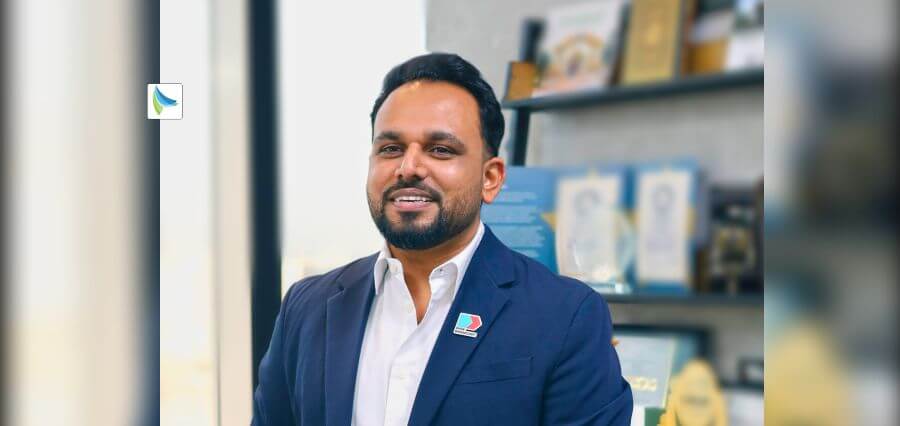
Muhammed Rafeeque Alampady: The Architect Behind Unforgettable Broadcasts and World Events
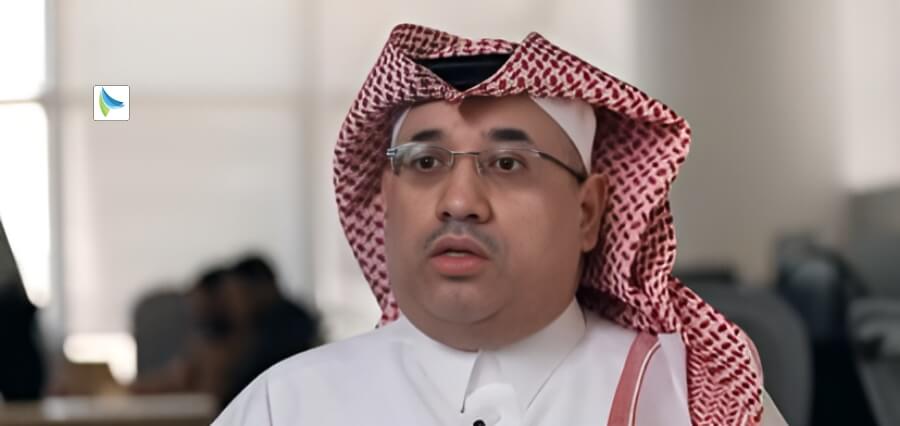
He is truly inspirational, multitalented and multitasking leadership personality. The depth and breadth of his technological knowledge, his resilience, hardworking and smart-working attitude are commendable. Moreover, his capability of remaining calm, composed, and keeping his cool & patience even in the toughest circumstances is recognized by the industry when Muhammed Rafeeque Alampady and his team at Ever Broadcast won accolades. These awards include the IBC Rising Star 2016, Middle East Transformation Award, and a Guinness World Record for the Longest Underwater Radio Show. Reflecting on Muhammed’s remarkable contributions to Expo 2020 Dubai, Mandy Keegan – Vice President of Expo 2020, shared, “It is with great pleasure that I provide this reference for Muhammed, who I have known and worked with for the last 27 months as part of the Expo 2020 Dubai Media Services team that I had the honour to lead as Vice President, Media Services. Muhammed’s role in the team was as the Technical Broadcast Manager for the extremely complex and challenging broadcast operation for Expo 2020 Dubai. His responsibilities spanned the lifecycle of the planning and delivery of the operation – from designing broadcast systems, to regularly troubleshooting issues, ensuring our Host Broadcaster was able to operate and assisting the visiting broadcasters. The manner in which Muhammed Rafeeque Alampady undertook his work was excellent throughout. He has a brilliant analytical mind and problem-solving approach and he was an enormous asset to the team. His calm and positive attitude ensured he was trusted by broadcasters relying on him and the team to successfully deliver broadcast operations throughout the world. For the duration of the six months of Expo, the Media Services team delivered an average of 20 hours of live broadcast and livestreaming per day. Without the talent and skills of Muhammed as part of the Broadcast Technical team, this would not have been possible.” Talal Al Murad, also praised him, “Muhammed’s multitasking ability is applause-worthy and helped Al Murad Group achieve our company’s technology transformation. I was impressed by Muhammed’s capability to handle any situation calmly and patiently, even with the toughest clients. This natural skill of his has helped us overcome many challenges to achievement in our journey and the Guinness world record for longest underwater broadcast; virtualizing the entire Al Murad Group’s Server infrastructure and AI&ML-based broadcast switching are some of them. Muhammed earns my highest recommendation.” Yet beyond the titles, recognitions, and recommendations, Muhammed’ true mission is clear: to create unforgettable broadcast and world event experiences that transcend time, powered by strategic thinking and transformative technology. Founding Ever Broadcast: A Mission, Not a Business With an exceptional career spanning over 18 years across industries as diverse as Real Estate, Retail, Media, Broadcasting, Hospitality, and Global Events, Muhammed rises as a visionary force at the intersection of technology and experience design. As the Founder and CTO of Ever Broadcast, and a celebrated Technical Manager for iconic platforms like Expo 2020 Dubai, COP28 UAE, and the World Government Summit, Muhammed has redefined how the world engages with live, immersive events. His impressive portfolio includes the successful execution of business projects worth over AED 300 million—leading them from concept to completion with a rare blend of creativity, precision, and technological expertise. From building intelligent cloud infrastructures to pioneering innovations in robotics, AI, and machine learning, Muhammed has proven time and again that no challenge is too complex when driven by vision and purpose. Renowned for his leadership in building agile technical teams and designing high-impact broadcast systems, Muhammed played a pivotal role in delivering a secure, flexible, multi-department electronic data interchange for the Expo Media Center—an achievement hailed as a benchmark in media operations. A Vision Beyond Broadcast: From Engineer to Storyteller While his nearly two decades of career has spanned multiple sectors—engineering, media, hospitality, broadcasting, and real estate—Muhammed has always been driven by one unshakable purpose: to connect people through meaningful, visual, and transformative experiences. That calling became the foundation for Ever Broadcast and Ever Events, two ventures born not just out of professional ambition but out of a deeper personal mission to build something enduring, creative, and purpose-driven. Muhammed’s professional journey, though far from linear, has gifted him a rare and valuable perspective—blending the logic of a technologist with the intuition of a storyteller. “My leadership style reflects that journey,” he says. “Empathetic, adaptable, and rooted in empowering others.” It’s this blend of vision and vulnerability that defines his role as a founder—not as a distant executive but as an ever-present force within his organization. At the helm of Ever Broadcast & Ever Events, Muhammed Rafeeque Alampady wears many hats. As a visionary, he scouts the future—tracking global trends, experimenting with emerging technologies, and shaping the next frontier of broadcast innovation. As an anchor, he remains immersed in the every day—overseeing creative concepts, refining execution pipelines, and staying deeply connected with clients and collaborators. This duality is what keeps his ventures both grounded and ahead of the curve. Yet, behind the success of Ever Events stands not just one mind but a shared leadership. Anaam Baig, Co-founder and CEO of Ever Events has played a pivotal role in carving the brand’s identity and market relevance. With her media background at Dubai TV and a sharp eye for branding and marketing, Anaam has been instrumental in translating creative vision into powerful market positioning—ensuring the brand speaks not just to the eyes but to the heart of its audiences. Together, Muhammed Rafeeque Alampady and Anaam represent a partnership where innovation meets execution and purpose meets performance. As Ever Broadcast & Ever Events continue to evolve, their shared story is one of inspiration, transformation, and the relentless pursuit of excellence in the ever-changing world of global media and events. Leading with Empathy, Delivering with Precision For Muhammed, leadership is not about commanding from the top—it’s about creating space for brilliance to emerge. Having led some of the most high-impact technical teams behind world-class events, from Expo 2020 Dubai to COP28 UAE, his approach to leadership is defined

The Moral Compass: Navigating Leadership with Integrity
In a disrupted world, trust is thin, and transparency is required, leadership is no longer quantified in terms of results—it is assessed on ethics, values, and character. Being able to lead with a moral compass is not an adjunct characteristic for today’s leaders; it is the base upon which sustainable influence, culture, and credibility are constructed. Leadership integrity does not require perfection. It requires consistency between words and actions, consistency under pressure, and the strength of principle to do what is right rather than what is easy. In leadership defined by speed, visibility, and accountability, the most long-lasting leaders are those who lead with clarity of conscience and strength of principle. It’s Not Just a Character Trait—It’s a Strategic Asset Anything but a soft skill, integrity is an intelligence differentiator. It informs decision-making, safeguards reputation, develops stakeholder trust, and forms robust organizations that withstand adversity. When leaders exhibit moral compass conviction, they send a compelling signal: that trust is essential, that values are negotiable only at one’s peril, and that leadership is an obligation, not a privilege. Those companies that are guided by leaders with good ethical compasses will tend to attract the best talent, have loyal customers, and have cultures of openness and accountability. Conversely, when leadership integrity is lost, it flows downhill—toxic culture, disengagement, and long-term harm that no strategy or makeover can reverse. The Daily Decisions That Define Character Integrity is not just challenged on big-stage occasions of crisis. It’s identified in mundane choices, frequently when nobody is looking. Do we cut corners ethically to get something done by a deadline? Do we tackle the uncomfortable truth or sweep it under the rug for convenience sake? Do we stand up to unfairness or keep quiet to prevent arguments? The moral compass for leadership is not a theoretical construct—it is a daily guide. It assists leaders in navigating gray areas, balancing competing priorities, and standing up for fairness, even when it’s hard. It takes self-awareness, critical thinking, and the willingness to face consequences for principled decisions. And it asks leaders to recall that the tone they set in little things sets the standards that teams will apply in big things. Modeling Ethical Behavior Creates Cultural Integrity Leaders don’t just define strategy—they define standards. When a leader chooses transparency over concealment, truth over convenience, and accountability over blame, those behaviors become cultural norms. People begin to understand that doing the right thing isn’t just encouraged—it’s expected. This modeling is particularly important during times of transition or uncertainty. During change, staff members will observe leadership for cues in behavior. Behavior that is erratic or self-serving generates fear and disengagement. But values-based leadership fosters trust and unity. It sends the message to teams that while the consequences are unknown, values are not negotiable. Cultural integrity—where doing the right thing is part of the organization’s DNA—doesn’t occur by chance. It starts with leaders who make ethical leadership transparent, customary, and unconditional. Integrity and Long-Term Thinking Moral compass leaders tend to be characterized by their long-term vision. They know that true achievement is not measured in quarters but in decades. They eschew short-term victory at the expense of long-term trust. They create businesses, teams, and reputations that last—not just make money. It doesn’t mean avoiding risk or ambition. It means growing with a conscience. It means making shareholder decisions, but also employee, community, and future-generation decisions. It’s a way of thinking that connects performance and purpose, and impact and integrity. These leaders also understand that in today’s changing world, moral compass standards can change—but values such as honesty, fairness, and respect are timeless. Courage Under Pressure Maybe the biggest challenge to moral leadership is how one acts when it hurts. It’s simple to speak well of integrity when it’s good politics or good for one’s bank account. But integrity is tested when doing the right thing is inconvenient, unpopular, or dangerous. Whether it’s exposing unethical behavior in a partner organization, standing up for whistleblowers, or taking responsibility for a failure no one else perceived, moral leadership takes courage. It is in those moments—when the character of a leader is laid bare—that teams make their minds up to follow mindlessly or believe profoundly. Leaders who succeed here gain something far more valuable than compliance—they gain loyalty and belief. The Legacy of Moral Leadership Ultimately, all leaders leave a legacy. For some, it’s in the form of revenue or growth. But for the most highly regarded leaders, legacy isn’t just about what is accomplished—it’s about how it was accomplished. Were individuals treated with respect? Were choices made with integrity? Were uncomfortable truths confronted courageously? Were values lived, not merely spoken, but also acted upon? The leaders we remember and hold in high regard are not merely the effective ones. They are the principled and the transformational—who led not only through authority, but through integrity. Conclusion: A Compass That Guides Through Complexity Leadership in today’s times requires vision, strategy, and even charisma. But more than anything, it requires a moral compass—a steady guide that leads through complexity with clarity, pressure with principle, and opportunity with responsibility. Integrity is not the absence of error—it is the presence of responsibility, the principle of congruence, and the bravery to hold firm when it counts most. The leaders who become proficient in this are not merely respected—they are revolutionary. And their legacy lasts far beyond the glare of fame. For the bottom line is that the definition of a leader is not so much what they accomplish—but what they believe in. Read More: Lessons in Leadership: What the Greats Always Get Right

Lessons in Leadership: What the Greats Always Get Right
Leadership trends can be blown away by technology, globalization, and generational change, but some principles endure. The greatest leaders—regardless of time, industry, or organizational size—are always returning to a universal set of habits and philosophies that amplify their influence, move people, and create lasting legacies. They are not faddish management methodologies. They are timeless truths that capture the essence of revolutionary leadership. Be it in boardrooms or on the battlefield, from startups to the world’s great institutions, the greats have some unusual clarity, consistency, and character. And even though their styles differ, their results are frequently supported by the same playbook—one ridden with humility, discipline, and the ability to bring out the best out of others. Principle Over Popularity Great leaders do not seek approval-they stand in principle. They make decisions not for fleeting applause, but for enduring consequence. This does not imply that they ignore their people. Not at all, they listen deeply, hear many perspectives, and build consensus where needed. But when the moment requires courage and decisiveness, even unpopular, they act. What sets such leaders apart is a feel for balance between empathy and accountability. They don’t seek validation from the crowd, nor do they decide policy on a whim. Their moral compass is set by values, not vagaries. Consistency generates confidence, especially during uncertain times. Vision That Resonates All of the greatest leaders move from a place of inspiring vision—not just a tactical agenda, but a deep conviction in what can be. They are not focused on quarterly targets. They see what doesn’t yet exist. And most importantly, they are able to articulate it with precision and confidence, to rally people around a shared sense of purpose. But vision is only powerful if it’s supported by action. Inspirational leaders inspire, but they also mobilize. They turn aspiration into momentum, strategy into systems, and intention into results. They bring sense out of complexity and ensure that all decision making, initiatives, and behaviors loop back to that foundation vision. People First, Always One of the characteristics of leaders is a genuine belief in people. The greats recognize that success never comes about because of one person. It’s a question of teams—diverse, motivated, and empowered to perform. That’s why they invest time not merely on products or processes, but on people. They’re investing in up-and-comers. They create psychological safety. They listen, challenge, and encourage. And they celebrate ego-free when other people win. They’re generous with praise and candid with feedback—because they know that leadership is not about being the smartest person in the room, but about unleashing potential in other people. Adaptability with Integrity The modern leadership landscape is characterized by disruption—economic change, technological disruption, social revolution. Successful leaders are those who remain adaptable without losing their core identity. They evolve their style, adopt new models, and remake assumptions—but remain anchored in values. It is a balance that must be maintained. It allows them to lead through change without being reactive and uneven. It earns trust, even in moments of uncertainty. And it ensures that progress is not achieved at the cost of principle. In times of crisis, these leaders are future-focused, unflappable, and decisive. They don’t pretend to be all-knowing. Instead, they lead with transparency and determination, piercing the fog of disruption with clarity. Self-Awareness as a Strength The best leaders are deeply self-aware. They are aware of their strengths—and equally important, their blind spots. They surround themselves with others whose expertise is complementary to their own. They seek input. They are always learners of their trade, no matter where they rise to. This humility is not weakness—it’s a leadership multiplier. Humility generates trust, authenticity, and growth. Great leaders don’t hide behind vulnerability; they view it as a connection point. They own up to mistakes, learn publicly, and lead by example. Because they are secure about who they are, they don’t fear others’ success. Instead, they create space for others to shine. Consistency in Action It’s not brilliance or charisma that makes stand-out leaders different—it’s most often consistency. They show up when it’s tough. They follow through on their commitments. They maintain standards, even when no one is looking. On a day-to-day basis, these habits build a reputation that creates trust and confidence in all directions. Stability arises from consistency as well. In companies where things outside the organization can be volatile, this reliability is a source of stability. Groups of people rely on what will be done. They rely on the values of the leader not changing with public opinion or internal pressure. That ability to be predictable, and principled action, becomes a force for good that speaks loudly but softly. Legacy Through Others The most important lesson history’s greatest leaders have to offer is this: Leadership is not about you—it’s about what you leave behind. The best leaders are less concerned with individual legacy and more concerned with building long-term systems, enabled successors, and value-based cultures that survive beyond their era. They gauge their achievement not by the size of their spotlight but the depth of their impact. They measure themselves by their actions, asking: Have I helped to grow other leaders? Have I left the world better than it was before me? Have I made decisions that will still be good for others in years to come? That ripple effect is the true sign of greatness. Conclusion: The Unchanging Core As leadership itself evolves, the core lessons are surprisingly consistent. Outstanding leaders lead from vision, values, and an unbending focus on people. They grow without compromising values, speak clearly, and act in humility and conviction. What the greats always get right isn’t a formula—but a foundation. One that is built on trust, purpose, service, and the quiet discipline of returning each day with excellence. Because leadership at the end of the day isn’t about being followed—it’s about lifting others so they can lead as well. Read More: The Moral Compass: Navigating Leadership with Integrity
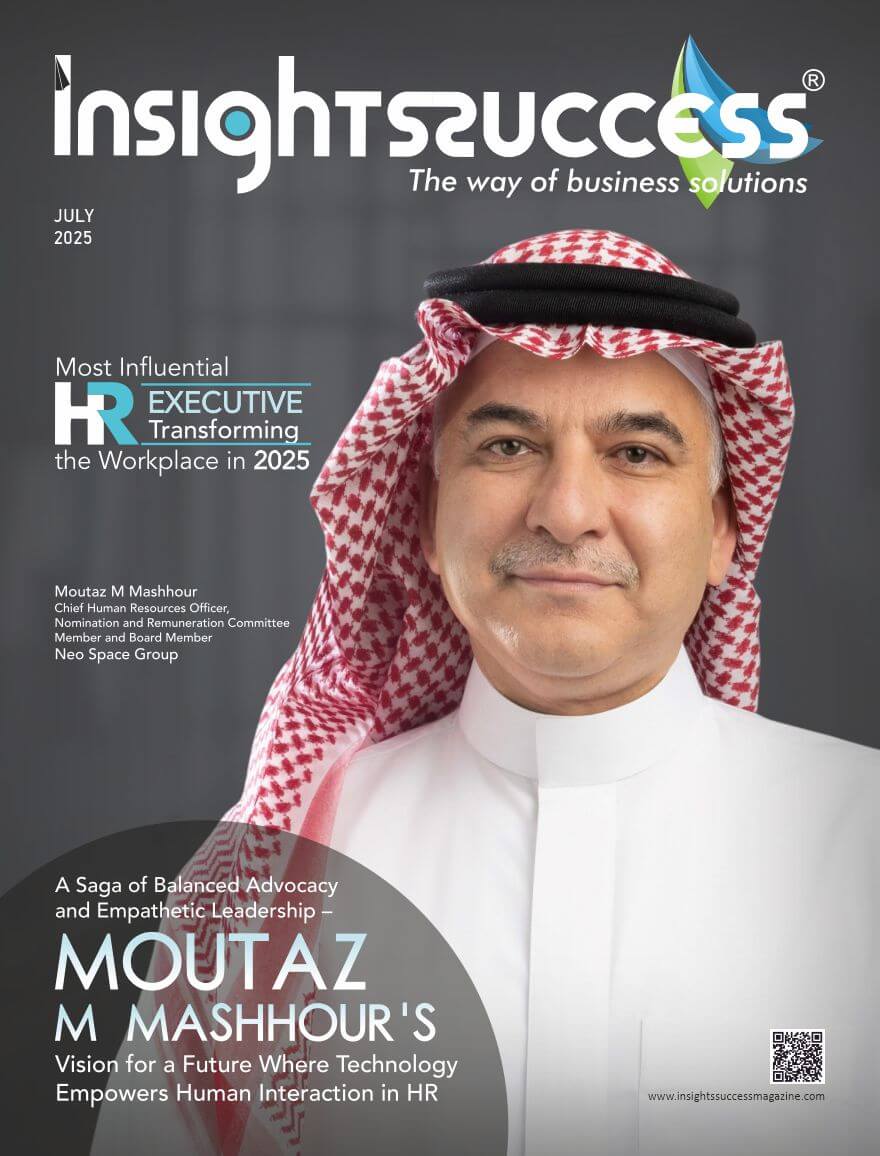
Most Influential HR Executive Transforming the Workplace in 2025
Most Influential HR Executive Transforming the Workplace in 2025 The workplace of the future is being shaped today—by leaders who understand that true organizational success begins with people. Among those pioneers, Moutaz M Mashhour stands out as one of the Most Influential HR Executives Transforming the Workplace in 2025. With over 30 years of cross-sector leadership across oil and gas, healthcare, academia, and professional services, Moutaz brings a rare depth of perspective to human capital strategy. As Chief Human Resources Officer at Neo Space Group, his influence extends beyond HR, to unify a vision for enterprise-wide transformation. Quick highlights Quick reads
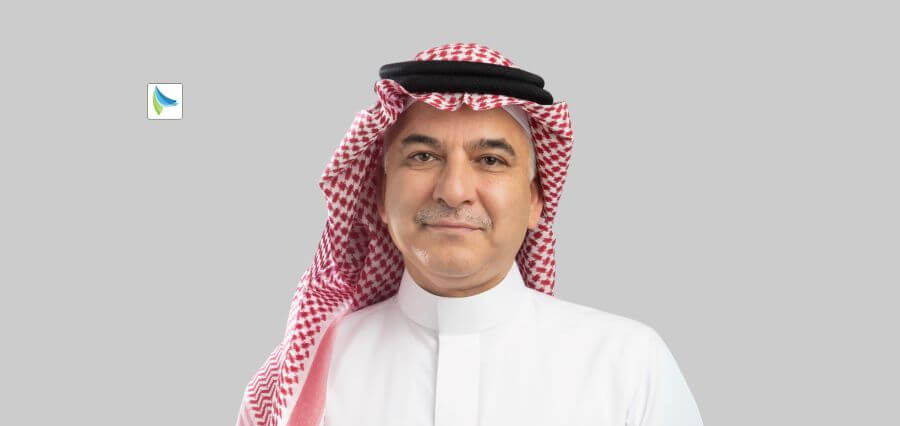
A Saga of Balanced Advocacy and Empathetic Leadership – Moutaz M Mashhour’s Vision for a Future Where Technology Empowers Human Interaction in HR
Along with the changing times, the waves of globalization, technological advancements, and modern industrial progress have erased the boundaries to make our world more interconnected. In these rapidly evolving eras, major organizational concepts have been completely revamped. Staying mostly on the fringes of the operations department at the beginning of the industrial era, today, HR has been moved to the core of every successful global company. It is thanks to the consistent and constant herculean efforts of some of the most influential HR executives like Moutaz M Mashhour, who are transforming the workplace to be more people-centric and employee-driven than ever before. With over three decades of transformative leadership across oil and gas, healthcare, academia, and services, and as the Cheif Human Resource Officer, at Neo Space Group, Moutaz brings strategic oversight driving enterprise-wide change across the organization from its base in Riyadh. An Experience Spanning Oil and Gas, Services, Academia and Healthcare Sectors Before his current role, Moutaz M Mashhourserved as Executive Vice President – Corporate Services at the Industrialization Energy Services Company (TAQA), where he spearheaded integrated strategies across HR, IT, and supply chain functions. His leadership was particularly impactful during his tenure at the Saudi Aramco Medical Services Organization (SAMSO), a premier private healthcare facility dedicated to Aramco employees. Following a joint venture with Johns Hopkins Hospital, he successfully managed the complex transition of thousands of employees into the newly established Johns Hopkins Aramco Healthcare (JHAH), fostering a people-first culture within one of the Kingdom’s most distinguished private healthcare institutions serving the oil and gas industry. Moutaz’s expansive career includes senior roles at Saudi Aramco, Aramco Americas, Yanbu Aramco Sinopic Refining Company (YASREF), and King Abdullah University of Science and Technology (KAUST)—each marked by visionary HR frameworks, organizational agility, and a deep commitment to human capital development. From building HR infrastructure at a world-class research university to driving leadership development programs across global locations, he has consistently demonstrated a unique ability to align people strategy with business outcomes. Backed by a strong foundation in HR, business management, and industrial relations, Moutaz is known for his empathetic leadership, strategic foresight, and unwavering dedication to organizational excellence. His influence in shaping future-ready workforces and ethical governance makes him a standout leader in transforming the HR landscape in the Middle East and beyond. From the Classroom to the C-Suite: A People-First Journey in HR Leadership Moutaz’s journey from a passionate educator to a board-level HR executive is nothing short of inspirational. His career is a testament to the power of purpose-driven leadership rooted in people development. Reflecting on his early days, Moutaz M Mashhour shares, “My career began as a teacher at the Saudi Aramco Industrial Training Center in Dhahran, Saudi Arabia. I was among the first Saudi teachers at the center, pioneering a role predominantly held at that time by non-Saudis” This early experience, working alongside both new apprentices and experienced professionals, was pivotal in forming his people-centric philosophy. He emphasizes, “I feel that teaching and training is the core of HR—or the heart of HR.” This direct involvement in developing emerging talent and empowering existing employees ignited his lifelong dedication to human capital development. Over the years, Moutaz’s career progressed through significant shifts, each one sharpening his people-centric acumen. He recalls, “There were certain stations, certain pivots in my career—this teaching role was the first, and I was one of the first!” This initial pioneering role launched him into increasingly senior positions, where he seamlessly blended his HR expertise with impactful leadership in diverse, multicultural settings. Moutaz was employee #7 to join the company (NSG) and I don’t want to mention that it is a startup company but rather mention that he was one of the first 10 company pioneers during the establishment and inauguration. For example: Now, as Chief HR Officer at Neo Space Group, a trailblazing force in satellite communications, geospatial, and advanced space technology, Moutaz M Mashhour is once again playing a foundational role in shaping a bold new organization from ground up. As one of the first ten pioneers to join NSG during its establishment and inauguration, he remarked, “I’ve been part of other early ventures, but being here at Neo Space Group is yet another exciting chapter.” Adapting, Learning, and Leading with Relationships at the Core Further reflecting on his journey, Moutaz M Mashhour emphasizes two powerful themes that have shaped his evolution as a leader: adaptability and relationship-building. “The most important elements in HR—and in any leadership role, really—are constantly adapting and learning,” he shares. “If you adapt and learn, you become agile. You can do things quicker. You can adjust, reengage, and re-navigate situations.” Equally vital to his leadership philosophy is the human connection. “I cannot emphasize enough the importance of building relationships,” he says. “With your peers, employees, and customers—both internal and external—strong relationships are the backbone of effective HR leadership.” These core values lived and refined over decades, continue to define Moutaz’s approach as he helps shape the future of work in Saudi Arabia’s vibrant startup ecosystem. The Quiet Power of Listening: A Lesson from the Classroom to the C-Suite In a profession often associated with talking, Moutaz M Mashhour reveals a powerful truth: “HR has a reputation for speaking a lot—but the real strength lies in listening.” Reflecting on his early days as a teacher at Saudi Aramco, he shares how the classroom was his first training ground in this vital skill. “When you’re teaching, yes, you talk—but you also must listen. Listen to trainees’ questions and attend to their learning needs. That’s how you truly help them grow.” This foundation evolved into a lifelong practice of attentive listening, becoming a defining trait of his leadership style. “As you mature in your career, you listen more and speak less. You learn to withhold judgment until you’ve understood the full picture.” For Moutaz, this blend of mindful listening and thoughtful speaking isn’t just a professional tool—it’s a philosophy that guides every conversation, decision, and relationship he builds. The

Listening, Learning, Leading: The New Culture of HR Engagement
The Human Resource function itself is being wholly remapped. Unencumbered by task-based management or regulation, HR leaders today are strategic designers of organizational culture, performance, and purpose. With the world transformed by hybrid work, digital disruption, shifting employee expectations, and social conscience, the secret to driving real HR impact is a triple return to fundamentals in three easy steps: listening, learning, and leading. The best HR functions of today are no longer just reacting to the needs of the workforce but rather pre-empting them. They are influencing policy and programs through timely input, building people-first cultures through ongoing learning, and pushing systemic change by infusing trust, transparency, and inclusion into the very fabric of the organization. That is the new HR engagement culture—engaged, agile, and empathetically authentic. Listening: The Foundation of Trust At the foundation of successful HR leadership lies the capacity for listening—not passive, not occasionally, but with intention, with empathy, and with strategic vision. Listening in this context means more than the occasional check-in or the implementation of a survey. It involves creating systems and spaces in which each voice—level, identity, and location notwithstanding—can be heard, heard accurately, and valued. Innovative HR executives use combinations of qualitative and quantitative surveys to receive employee sentiment in real time. Pulse surveys, listening tours, focus groups, and analytics powered by AI give rich insight into what people require—not only to remain, but to excel. Most importantly, people hear that this feedback drives concrete action. Employees notice that their voices guide policy transformations, leadership decisions, and new initiatives, fostering increased trust. HR Engagement is no longer a score to be achieved but a relationship to be fostered. That trust is most important during times of change. Navigating return-to-office strategies, organizational design changes, or DEI initiatives—people just want to be heard. HR leaders who build listening into the everyday work create cultures where openness is business as usual—and where psychological safety sparks innovation and resiliency. Learning: An Evolving Culture Needs are informed by listening; learning bridges the gap. Learning and development in high-performing organizations is no longer an add-on to the HR role—it’s a core driver of strategy, responsiveness, and inclusivity. The workforce today requires something more than transactional learning. Workers want ongoing opportunities to develop, skill flexibility, and meaningful career advancement. To meet the demand, HR chiefs are architecting learning environments that are dynamic, democratized, and digitally empowered. They encompass microlearning platforms, mentor networks, cross-functional initiatives, and customized development pathways aligned with individual workers’ passions. But not the sole form of employee learning. HR staff are learning themselves—about generational change, neurodiversity, mental health, remote work, and ethics for emerging technologies. The greatest HR professionals are those who remain curious, question long-standing assumptions, and lead hypothesis-driven experimentation. By building a culture of collaborative learning—where leaders learn from each other, and from staff as well as vice versa—HR builds a more adaptable, open, and future-focused organization. Leading: From Influence to Impact Business in the workplace today requires not only the credibility of knowledge, but of persuasive leadership. Listening and learning are its bedrock, but it is through value-driven, decisive leadership that HR remakes the future of work. HR executives are emerging more and more into boardrooms as strategic partners, employing fact-based insights to guide workforce planning strategies, ESG alignment, talent attraction, and innovation. They are aligning people strategy with business goals—making culture, capability, and performance walk together. Moreover, leading HR today also requires you to be an example of the very culture you are looking to create. Whether it is promoting mental health, molding equity into compensation and advancement programs, or constructing flexible work environments, HR needs to lead the example in terms of authenticity and being held accountable for the rest of the company. This also involves the courage to disrupt the status quo. The finest HR leaders in today’s times have the courage to pose tough questions, disestablish old systems that are no longer in service, and become voice, equity, and belonging champions. A Human-Centered Future At its core, this new culture of HR engagement is a culture of humanity in practice. It recognizes that human beings are not resources to be managed, but individuals to be empowered. It recognizes that sustainable business success cannot be severed from employees’ wellbeing, purpose, and sense of belonging. Listening is not hearing the rhythm of productivity numbers. Learning is not creating spaces where skills mature and potential is unleashed. Leading is not moving away from transactional service and toward transformational partnership—where HR is not reactive, but fiercely intentional about creating what’s next. Firms that live this model are already seeing the payoffs: improved retention, more robust employer brands, more compassionate teams, and cultures where people feel seen, heard, and valued. Conclusion: The HR Mandate Reimagined New HR culture of engagement doesn’t happen overnight—but it starts with intention. By leaning into listening profoundly, learning perpetually, and leading boldly, HR practitioners are stepping up to become catalysts of cultural change and strategic growth. In this cleaned-up job, HR is not merely helping the business—it is helping create its future. And, in the process, it is demonstrating that the greatest asset of any business is not a process or a product—it’s the person behind it that makes things happen. Read More: Digitizing the Human Touch: Balancing Technology and People Strategy

Digitizing the Human Touch: Balancing Technology and People Strategy
As businesses embrace the future of work, one irreconcilable contradiction is always in the picture: how to digitalize processes without depersonalizing the workplace. With the coming of AI, automation, and data-based systems, hiring, managing, and growing people have changed forever. But even as we advance digital transformation, one thing is very clear—people are still at the heart of every business. This is where the effort—and challenge—are for today’s leaders and HR planners: to create an environment of technology that leverages, not extracts, the human aspect of work. Winning in the digital era is not merely a matter of operational efficiency or innovation potential, but whether the firm can achieve technology and empathy, velocity and integrity, and machine and human judgment. The Digital Transformation of People Operations From AI-driven hiring platforms and HR self-service portals to predictive analytics and virtual onboarding, digital technology has transformed the manner in which HR functions. Such technologies provide never-before-seen velocity, accuracy, and scope—enabling teams to optimize resource allocation, detect capability gaps, and anticipate workforce trends with fact-based insight. Automating drudgery work also released the HR professionals to devote more time to high-level work, including employee motivation, leadership development, and culture design. Yet as technology is embedded in every nook and cranny of the employee life cycle, organizations need to be careful not to forget what matters most to employees: meaningful connection, transparency, and purpose. An integrated user experience is not a substitute for a good manager. And predictive analytics is no replacement for the nuance of human mentoring. The aim, then, is not to automate for the sake of it, but to augment the human touch with smart, strategic integration. Rehumanizing the Employee Experience In a time of technological saturation, human-centered design stands out as a differentiator. New-world organizations are infusing empathy into their people agenda in the digital world—making sure automation supports and does not diminish the well-being of workers. This encompasses: Designing intuitive and accessible platforms, with consideration for the differentiated needs of a multigenerational and diverse workforce. Harnessing AI ethically and transparently, especially in areas of hiring, performance management, and career development. Leverage data for personalization, not spying—customizing learning pathways, rewards, and messaging around worker interests and objectives. Most of all, rehumanization of work demands real human connection. Technology must enhance, not substitute, conversation. Virtual media must be supplemented by leadership behaviors centered on hearing, empathy, and remarking. When workers feel heard and understood—regardless of the medium—is when passion flourishes. Leadership in a Hybrid, High-Tech World Today’s labor force is hybrid in a number of ways—not only geographically, but how they are reaching out to the company: digital and physical, synchronous and asynchronous, automated and human. To make sense of it all demands digitally aware leaders who grasp the potential of technology as well as the nuance of human motivation. They need to: Be agents of digital acceptance as well as agents of human touch. Leverage data to guide decision-making, but never substitute it for judgment or emotional intelligence. Walk the balance between flexibility and structure in virtual teams. Speak regularly and openly, letting technology make transparency great instead of add noise. All in all, digital leadership is about succeeding at the nexus of systems and relationships—where effectiveness and empathy intersect, and innovation is sparked by inclusion. The New Talent Equation The HR transformation in today’s digital world also demands a transformation in how we source, attract, and retain talent. With skills changing fast and jobs becoming more fluid, organizations have no option but to value learning agility and flexibility over fixed qualifications. Digital technologies have the potential to decide new skills needs, evaluate prospects more fairly, and level the playing field for access to growth. Yet, these must be combined with a broader people approach that emphasizes development, psychological safety, and purpose. Workers today are not job hunting—they are seeking spaces in which to do significant work, be themselves, and continually learn. Technology can be leveraged behind such aspirations, yet only by being coupled with a leadership vision that respects humanity. Ethics, Equity, and the Digital Workplace As we continue to digitize the people function, ethical considerations become paramount. How we collect, use, and share data has a powerful impact on employee trust. Challenges such as algorithmic bias in hiring, invisibility in the promotion pipeline, and uneven access to digital capabilities have the potential to drive existing inequalities in the worst possible directions if not purposefully addressed. A digitally enabled people strategy must feature: Visible data governance policies. Periodic audit of technology tools for prejudice or unforeseen effects. Input from employees in digital transformation strategy. Leader training to lead and empower in digital spaces, culturally sensitive. By structuring ethics at the core of digital design, organizations guarantee that development isn’t made at the expense of justice. Conclusion: Human-First, Tech-Enabled The future of HR isn’t about people or machines—it’s about how to bring the two together for the sake of a more capable, responsive, and empowered workforce. The most effective strategies won’t be those that automate the greatest amount, but those that humanize the greatest amount, using technology as a bridge to greater understanding, deeper connection, and improved leadership. In an era of velocity and volume, it is the human element—purpose-driven and augmented by technology—that will characterize the organizations people come to create, commit to, and remain with. Read More: Listening, Learning, Leading: The New Culture of HR Engagement
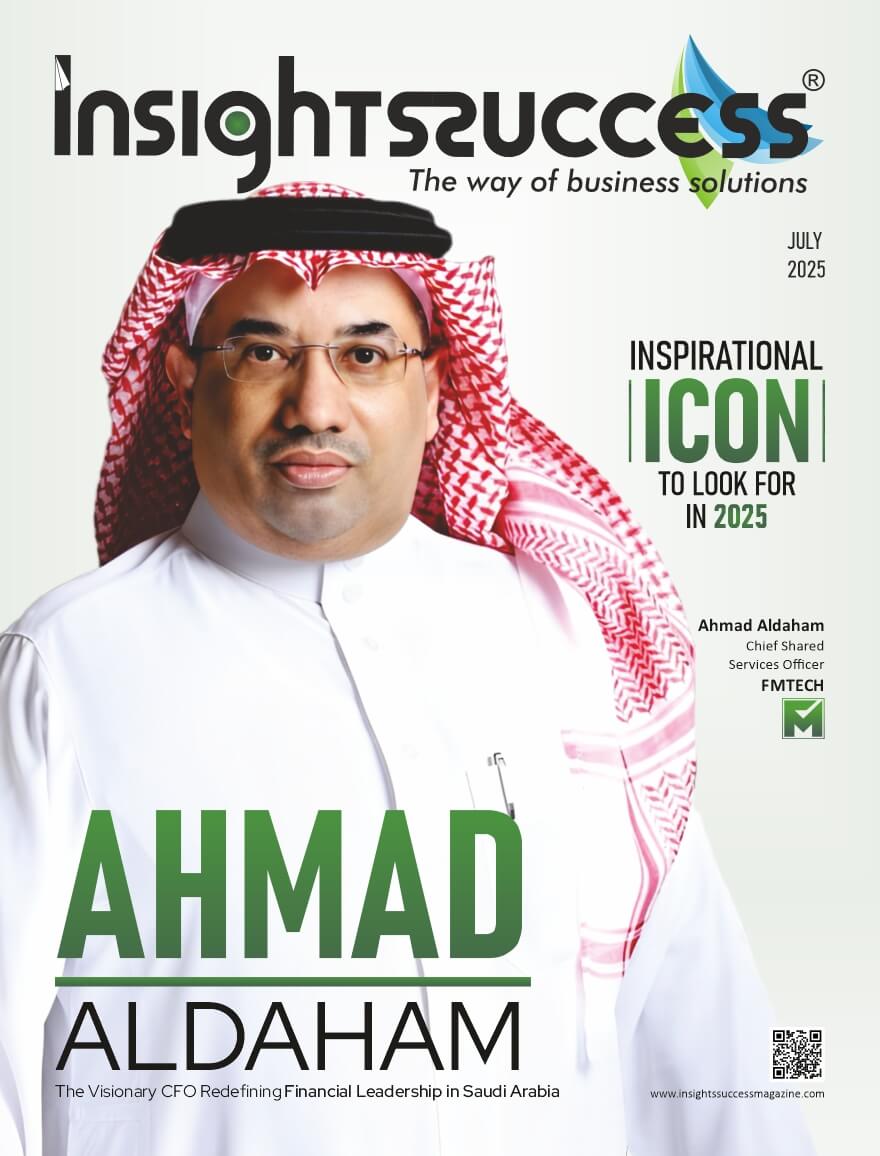
Inspirational Icon To Look For In 2025
Inspirational Icon To Look For In 2025 This edition celebrates visionary trailblazers shaping tomorrow’s world. Featuring Ahmad Aldaham, this issue highlights his exceptional journey, leadership impact, and unwavering commitment to innovation and excellence, making him a beacon of inspiration for aspiring leaders and changemakers across industries in the coming year.Lorem ipsum dolor sit amet, consectetur adipiscing elit. Ut elit tellus, luctus nec ullamcorper mattis, pulvinar dapibus leo. Lorem ipsum dolor sit amet, consectetur adipiscing elit. Ut elit tellus, luctus nec ullamcorper mattis, pulvinar dapibus leo. Quick highlights Quick reads
Ahmad Aldaham: The Visionary CFO Redefining Financial Leadership in Saudi Arabia
In a time when agility, inventiveness, and purpose are frequently used to gauge leadership, Ahmad Aldaham stands out as a potent example of transformative leadership in Saudi Arabia’s changing economic environment. He is contributing more than just financial expertise to his role as Chief Shared Services Officer at FMTECH, a Public Investment Fund-backed company in the facilities management industry. With his extensive knowledge of company development, operational strategy, and human capital stewardship, he is embodying a new generation of leaders influencing the Kingdom’s future. Aldaham’s capacity to lead through complexity with poise, vision, and ethics is what makes him unique, in addition to his gradual ascent from junior accountant to C-suite executive. His leadership style, which is based on a passion for having a significant effect and ongoing learning, blends human-centeredness with strategic vision. He is constantly exhibiting a wonderful balance between analytical rigor and compassionate leadership, whether he is handling high-stakes company transitions or navigating digital transformation. His path is distinguished by his unshakeable conviction that promoting long-lasting change, rather than obtaining titles, is the true measure of accomplishment. He is a respected leader in several industries because of his dedication to professional development, which is demonstrating by his pursuit of executive education and unrelenting self-improvement. Today, in addition to overseeing commercial operations, he is creating a model for responsible leadership in the contemporary Middle East by playing a crucial part in coordinating FMTECH’s shared services with the larger objectives of Vision 2030. He is leading with resiliency, purpose, and legacy in mind, no matter what. The Foundation of Excellence Aldaham’s story begins with a solid educational foundation. Graduating from King Saud University’s College of Administrative Sciences with a major in accounting in 2001, he understood early that success in the financial world required more than just technical knowledge. Today, as he pursues his Master’s degree in Executive Business Administration from Imam Abdulrahman bin Faisal University, Ahmad Aldaham continues to embody the principle that learning never stops. “I gained the foundational knowledge that paved the way for my professional journey,” Ahmad Aldaham reflects on his early academic years. This commitment to continuous education has remained a cornerstone of his professional philosophy, driving him to seek specialized courses in finance and risk management throughout his career. Climbing the Corporate Ladder Aldaham’s professional journey reads like a masterclass in strategic career development. Starting as a junior accountant at one of Saudi Arabia’s largest local pharmaceutical manufacturing companies, he quickly distinguished himself through his analytical skills and innovative approach to financial management. His progression through the ranks was neither accidental nor merely due to tenure, it was the result of consistent excellence and a deep understanding of business dynamics. “I discovered my passion for numbers early on. The idea behind my choice of this field was the desire to understand how to manage money, forecast, and engage in financial and strategic planning.” Ahmad Aldaham explains. This passion propelled him from his initial role to the position in a subsidiary representing the investment arm of the group. His career trajectory took another significant turn when he transitioned to the role of Chief Financial Officer at a joint-stock company in the food manufacturing sector. This move demonstrated his versatility and ability to adapt to his financial expertise across different industries, a skill that would prove invaluable in his current role. Leading in the New Economy Today, Ahmad Aldaham serves as the Chief Executive Officer of Shared Services at one of the newly established Public Investment Fund companies in the facilities management sector. This position places him at the forefront of Saudi Arabia’s Vision 2030 initiatives, where he plays a crucial role in shaping the Kingdom’s economic diversification efforts. His current role represents more than a career milestone; it symbolizes his evolution from a financial specialist to a strategic business leader capable of driving organizational transformation. The facilities development for, being integral to the Kingdom’s infrastructure development, requires leaders who can navigate complex financial landscapes while maintaining operational excellence. The Art of Balance One of Ahmad Aldaham’s most remarkable qualities is his approach to work-life balance—a challenge that many executives struggle with in today’s demanding business environment. “I believe in the importance of balancing work and life. I dedicate time to family and friends, as I find that it enhances my productivity.” he states. His methodology for achieving this balance is both practical and strategic. He employs time management techniques such as prioritizing tasks and organizing his schedule meticulously. When facing professional challenges, Ahmad Aldaham has developed a systematic approach: “I make sure to write down the problem, study it, and analyze each phase, and I utilize modern technology to find the best solutions.” This balanced approach extends to his personal wellness practices. He sets aside time for rest and reflection, takes short walks, and engages in hobbies like reading. “By exercising and paying attention to mental health, I can maintain a high level of energy and focus,” he explains, recognizing that sustainable success requires personal well-being. Passion-Driven Leadership What sets Ahmad Aldaham apart from many financial professionals is his broader vision of business impact. “My passion for business stems from my desire to make a positive impact on society. I believe that business is not just about making profits, but it is a means to improve the quality of life.” he explains. This philosophy drives his approach to financial management and strategic planning. He sees every project as an opportunity to create value beyond mere financial returns, focusing on sustainable growth and societal benefits. His passion for creativity and innovation in business has led him to consistently seek new solutions that align with ever-changing market challenges. “I love being part of teams that strive to develop new solutions. I believe that innovation is the key to success in the fast-paced business world, and I continuously work on enhancing my skills in this area.” Ahmad Aldaham notes. Navigating Crisis with Innovation The COVID-19 pandemic tested business leaders worldwide, and Aldaham’s response exemplified adaptive leadership. Rather

The Evolution of Corporate Financial Strategy in Post-Pandemic Business Models
Since COVID-19, business has altered beyond recognition. The established fundamentals of conventional financial planning and corporate design were pushed to the limit as never before. While companies fought for survival, learned to adapt, and finally prospered in the new world, there was one discipline that was the tipping point in dealing with uncertainty: corporate financial strategy. Today, this original workhorse of organizational planning is an even more adaptable, tech-enabled, and mission-driven function at the very heart of business resiliency and long-term success. From Crisis Management to Strategic Transformation The crisis put businesses into survival mode. Liquidity took center stage, and short-term cost-cutting was paramount. Sure enough, with a few exceptions, most firms had to act in haste, slashing operating costs, renegotiating supplier contracts, or accessing emergency funds. It was a wake-up call, as well, though, as CFOs and finance leaders were compelled to rethink how financial strategy was being developed and implemented. Corporate financial strategy in the post-pandemic world is not just budgeting and forecasting anymore. It has become highly linked to organizational goals, with digitalization, workforce planning, risk management, and sustainability at the top. Today’s financial leaders are not capital guardians, but end-to-end growth strategists. Adopting Agility in Financial Planning It is now a natural part of financial planning in the modern era. Long-horizon planning cycles of the past have been displaced by responsive forecast models that include many scenarios and external shocks. This transition mirrors greater acceptance of volatility as the norm, not the exception. Post-pandemic business finance strategy is an ongoing rethink. Technology advances such as rolling forecasts, zero-based budgeting, and predictive analytics have more central roles to play, with companies able to respond in real time to shifts in the marketplace. Financial agility means that firms are not caught unawares but are able to adapt without undermining their core missions. Leveraging Technology and Data Analysis Digitalization is among the primary drivers that are speeding up corporate financial strategy. Cloud ERP, real-time dashboards, AI-driven data analytics, and RPA are now the new normal weaponry for a CFO. They provide improved visibility, accuracy, and velocity in decision-making. Also, analytics has moved on to predictive and prescriptive models. Leaders in finance are now in a position to forecast outcomes, understand risk exposure, and maximize cash flow management with higher accuracy than ever before. Such technology-driven thinking reduces room for error and enhances stakeholder confidence. Aligning Finance with Corporate Purpose and ESG Goals Another significant post-pandemic shift is synchronization of financial planning with wider corporate purpose and ESG factors. Investors, customers, and regulators are more and more demanding accountability from companies for their focus on ethical and sustainable behavior. A well-capitalized corporate financial plan today involves the price tag of ESG programs, whether it is carbon profiles reduction, workforce diversity enhancement, or philanthropic investments. The job of financial planners is to determine the ROI on such efforts and integrate them into overall capital deployment plans. Workforce and Capital Allocation Reconsidered The pandemic led to a re-thought in the workforce approach and on capital allocation. Telework, blended models, and employee wellness needs have driven human capital investment. Today’s financial strategies need to factor in upskilling, flexible design benefits, and digital infrastructure to support remote work. Equally, capital allocation is now focused on digital initiatives and research and development spending instead of physical expansion. Capital spending under the new methodology is mostly linked with innovation pipelines and long-term stability as opposed to short-term payback. The Rise of Strategic CFOs The position of the Chief Financial Officer has changed significantly. They used to be seen as mainly a custodian of records, while today the CFO is a transformational business partner. From taking care of M&A decisions to advising on coming up with digital products, the CFO position is now more in terms of collaboration and thinking ahead. This leadership evolution is a response to shifting expectations regarding corporate financial strategy. It is not just about control and compliance anymore but about innovation, vision, and value creation throughout the enterprise. Risk Management in a New Light Risk tolerance too has been redefined. Post-pandemic situations have revealed risks along supply chains in the world, in cybersecurity, and in markets. Therefore, today’s financial plans have more effective risk-assessment models. Scenario analysis and stress testing are typical practices to keep companies in healthy financial shape during disruption. Moreover, insurance planning, disaster recovery planning, and cybersecurity expenditure now form part of the financial planning framework, and these reflect how corporate financial strategy today includes risk as much as prudence. The Future: Sustainability and Stakeholder-Centric Models Corporate finance strategy formulation is not complete. In the next few years, some of these are going to meet stakeholder capitalism, climate risk reporting, and regulatory changes abroad. Companies will have to formulate more financial strategies that, in addition to creating shareholder value, contribute to the betterment of the societies in which they are located. The intersection of stakeholder interests, digital innovation, and resilience planning will define strategic finance going forward. Financial executives will need to counter short-term flexibility with long-term foresight, so profitability aligns with purpose. Conclusion Business after the pandemic needs a whole new mindset when it comes to finance. What was once a back-office exercise is now a central source of innovation, resilience, and purpose. As companies shape an age of complex disruptions and changing expectations, a solidly designed, dynamic, and linked corporate financial strategy is not only desirable—it’s indispensable. The future is going to be owned by those companies that understand the strategic power of finance and deploy it as a weapon to not only survive the storm but lead the storm.