





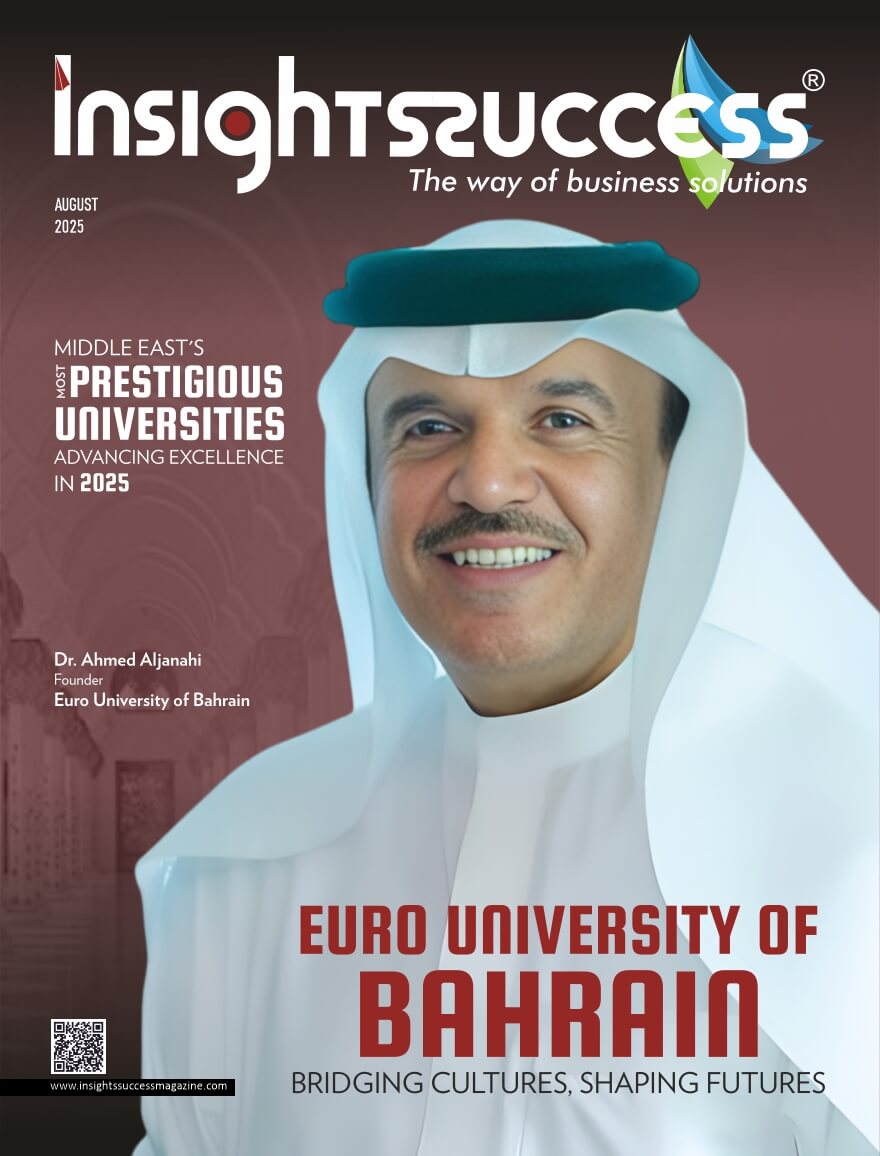
Middle East’s Most Prestigious Universities Advancing Excellence in 2025
Middle East’s Most Prestigious Universities Advancing Excellence in 2025 Rooted in rich heritage yet boldly future-facing, these universities blend tradition with transformation. Explore how the Middle East’s academic trailblazers are elevating excellence and reshaping education in 2025’s rapidly evolving world. Quick highlights Quick reads
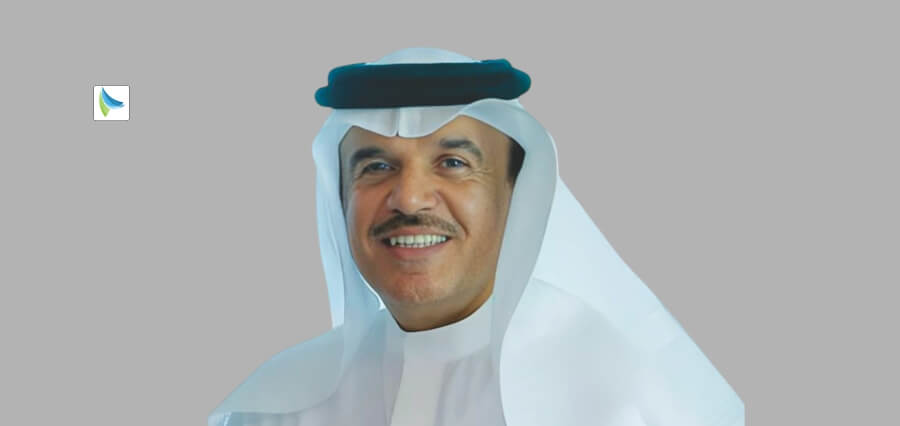
Euro University of Bahrain: Bridging Cultures, Shaping Futures
“The function of education is to teach one to think intensively and to think critically. Intelligence plus character—that is the goal of true education.” At a time when education must be more than a transactional path to employment, the Euro University of Bahrain (EUB) emerges as a pioneering institution, redefining the academic experience in the Gulf region. EUB is not just a university. It’s a bold vision in motion, where cultures converge, traditions evolve and students transform. The Genesis of a Vision The story of EUB began over two decades ago – not with the simple goal of building another university, but with a greater mission: to create a truly inclusive academic community that integrates the intellectual legacy of the East and West. At the heart of this vision was Dr Ahmed Aljanahi, a visionary whose personal and professional journey shaped the institution’s direction. Dr Aljanahi’s own postgraduate studies at the University of London inspired him to bring Europe’s academic excellence to the Gulf. EUB is the result, an institution designed to foster cross-cultural understanding, academic rigor and global competence. Milestones in the Making EUB’s journey from concept to reality was marked by significant milestones. Among these, none was more symbolic than the Foundation Stone Ceremony held in March 2005. Attended by dignitaries including German Chancellor Gerhard Schröder and honored by His Majesty King Hamad Bin Isa Al-Khalifa, the ceremony marked a pivotal moment in Bahrain’s educational history. It symbolised a commitment to bridging East and West through scholarship and understanding, an ambitious vision that would guide EUB’s growth for decades. Seventeen years down the line, the university opened its doors to its first cohort in summer 2022, offering full-time undergraduate degrees in Business, Computing and Law through a partnership with the University of London, affirming EUB’s commitment to global standards. The EUB Model: Tradition and Innovation Come Together EUB’s academic philosophy is founded on the belief that earning a degree is not merely a transaction, but part of a deeper, relational educational experience. Inspired by the intellectual traditions of European scholarship, EUB goes beyond meeting academic standards by cultivating lifelong learners rather than just students. Its curriculum is carefully designed to combine rigorous theoretical foundations with real-world application, ensuring that graduates are both internationally qualified and regionally relevant. EUB’s partnership with the University of London offers students the opportunity to pursue globally recognised degrees in Business, Law and Computing. These programmes are both professionally focused and academically rigorous, equipping students with the knowledge and critical skills needed to succeed in a competitive global landscape. With an emphasis on small class sizes and personalised learning, the university ensures that each student receives individual attention and support. A Campus at the Crossroads Situated in the heart of Manama’s commercial and cultural center, EUB’s City Campus is more than just a place of learning, it is a vibrant reflection of cultural diversity. The campus architecture embodies a harmonious blend of Eastern and Western influences, while a richly diverse student and faculty population creates a dynamic, inclusive community. This multicultural spirit is not only visible in the spaces and surroundings but is deeply woven into the core of the university’s mission. Learning Beyond the Classroom What truly distinguishes EUB is its emphasis on experiential learning and real-world relevance. The university integrates local internships, industry-led training and curricula tailored to Bahrain’s legal, historical and socio-economic landscape. Through close collaboration with leading employers and alignment with Bahrain’s Vision 2030, EUB ensures that its graduates are well-prepared to contribute meaningfully to the region’s transforming economy. Technological integration forms a core pillar of EUB’s educational strategy. Students harness digital tools to develop essential skills for today’s technology-driven workforce. Complementing this, the EUB’s Scientific Research and Innovation Centre fosters a collaborative environment where students engage with cutting-edge developments in their fields and actively contribute to research aligned with their professional interests. Interdisciplinary Excellence Interdisciplinary learning is at the core of EUB’s academic philosophy, encouraging students to explore a blend of cultural, academic and experiential perspectives. This approach fosters adaptability, critical thinking and global awareness, which are essential skills for success in today’s interconnected world. For example, the LLB programme combines studies of English law with Bahraini and Islamic legal systems, offering a broad understanding of diverse legal frameworks. By integrating theory with practical application, the programme equips students with problem-solving and teamwork skills that are highly sought after in the global job market. Stories of Transformation The impact of EUB’s innovative model is best reflected in the stories of its students. Lulwa Mohamed, a BSc Computer Science student, credits her studies with laying a strong foundation for her entrepreneurial dreams. She highlights how EUB’s extracurricular activities helped her become more confident and well-rounded, preparing her to meet the challenges of today’s world. Yara Bin Thani, a Business Administration student specialising in International Business, describes her journey as a “delightful process of self-enrichment and discovery.” She values the blend of academic rigour and practical business application, which has prepared her for a successful global career. Mohammed Alwatani, who advanced from EUB’s International Foundation Programme to Computer Science, found that the IFP sharpened his academic skills and prepared him for the rigorous standards of the University of London. He especially values EUB’s distinctive combination of global recognition and regional relevance, which has played a key role in his professional growth. These stories embody the mission of EUB: to provide an education that prepares students not just for a career, but for life. Faculty: Shaping the Future Transformative teaching at EUB begins with faculty who bring diverse perspectives, academic excellence and a deep passion for student success. In addition to strong professional credentials, they are selected for their ability to inspire, innovate and contribute to a dynamic, student-centered learning culture. Many have backgrounds at leading UK and European institutions and pair this international expertise with an informed understanding of the Bahraini and regional context. Continuous professional development, including staff exchanges and collaboration with the University of London, ensures that EUB’s

Inside the Rise of Future-Ready Universities
The Campus of Tomorrow In a time where technological change, variable lines of workforce, and global interconnectedness are the norm, Future-Ready Universities is no longer a dream-like rhetoric but a strategic reality. These schools no longer aim to provide traditional undergraduate programs on a predetermined four-year basis; the most innovative institutions of higher learning are becoming living ecosystems promoting lifelong learning, innovation, and adaptability to serve society. Rethinking the Role: Lifelong and Inclusive Learning Amid Future‑Ready Universities is the redefined educational mission. Instead of catering only to full-time recent high-school graduates, these institutions cater to a wide variety of learner groups, including working adults, re‑skilling professionals, seniors, early-college and dual-enrolled students, and lifelong learners at all life stages. This growth is a dedication to modular credentials, micro-credentialing, and stackable certificates, which are flexible and accessible. This transition allows the universities to stay relevant in the lifetime of an individual by providing on-demand reskilling and career development paths instead of a single degree. Curriculum for Complexity: Interdisciplinary, Experiential, AI‑Aware Uncertainty of the modern world requires more than specialization in information. Future‑Ready Universities are focused on interdisciplinary learning and integrating engineering, data science, humanities, and social sciences to produce solutions to the problems of our time in highly creative and collaborative ways, such as climate change, cybersecurity, and public health crises. Another pillar is experiential learning: co-op programs such as those at Northeastern University, internships, project-based learning, and industry-sponsored real-world cases allow students to rapidly close the gap between theory and practice. Meantime, AI is more in the spotlight, not only as an instrument but as course material. Universities like Ohio State now integrate AI fluency into all majors, and adaptive frameworks using AI deliver one-on-one learning feedback, early alert, and mass-scale student support. Campus as Innovation Ecosystem: Infrastructure & Industry Partnership Future‑Ready Universities are reimagining their physical and digital infrastructure. Lecture theaters are being replaced by more informal, collaborative environments with high-speed WiFi, multiple screens, mobile connectivity, and flexible furnishings that encourage two-way communications. Universities around the world are reorganizing their real estate, and some even opening downtown, CBD campuses, in rented heritage buildings, to capture international students and orient themselves within the urban innovation precinct. Technology-enhanced learning environments now encompass VR surgical simulations in medical schools, AR prototyping facilities in engineering, and virtual language immersion worlds, all of which are components of the Future-Ready University vision. Guest lectures are not the only form of industry-university cooperation. Curricula are co-designed by advisory boards; hackathons take place in innovation hubs; startups are incubated in co-working spaces. Students address industry issues, have professional mentors, and join the workforce already networked and with experience. Nurturing Skills for Uncertain Futures It is no longer sufficient to be academically rigorous. Future-Ready Universities prioritize adaptability, creativity, emotional intelligence, resilience, and digital fluency, all skills that are in line with McKinsey’s discoveries regarding future workforce readiness. Institutional outcomes of student well-being and life-skills development can also be observed, such as the mandatory coaching-style programs offered by Heriot-Watt University Malaysia, supportive of self-discovery and personal advancement. Such extended results can be validated through inclusive, student-centered pedagogies that demand active, customized learning (spaced learning, problem-based engagement, peer collaboration, and real‑time feedback systems) as opposed to the homogeneous generic lectures. Sustainability, Global Citizenship, and Equity A Future-Ready University is keen on sustainability in all its operations and learning. Green building leads many initiatives and renewable energy campuses and incorporates environmental literacy and sustainable innovation into degree programs. The rise of Arizona State University into a sustainability powerhouse and the producer of chipsets used to supply the world economy reveals how universities can spur environmental and economic change. Other values include equity, inclusiveness, and connectedness to the world. Institutions expand access to underprivileged or underrepresented students, ensure that their facilities are both digital and physical, and foster cross-cultural competence via virtual and physical global mobility. End Note Future-Ready Universities are the next step towards a new era of higher education. Learning is being reinvented in these institutions to support all municipalities in all periods of life, embrace AI and immersive technology, be industry-aligned, promote the principles of sustainability and global citizenship, and encourage life and career skills as well as academic learning. Universities transform into innovation centers and agents of change in society, reshaping what a campus is and can be. By doing so, we don’t only prepare students to be ready tomorrow but also contribute to a more resilient, inclusive, and innovative world. Read More : Elevating Higher Education Excellence

Elevating Higher Education Excellence
Academic Powerhouses Higher education excellence is no longer just a symbol of prestige in the current era of a knowledge-based global economy, but it is an essential cornerstone of innovation, economic growth, and societal improvements. On a global scale, elite universities and research-based ecosystems are defining norms, orientations, and social value of excellence within the higher education domain, known as academic powerhouses. Defining Higher Education Excellence Various aspects of excellence in higher learning include research, teaching, institutional strategy, graduate outcomes, culture of innovation, and impact on society. It is closely associated with excellent performance, not merely consistent standards or accreditation, but high and sustained performance in measures of greatest interest in the world and the local community. Emphasis on student learning success beyond graduation is now central to outcome-based frameworks expanding excellence to encompass employability and long-term contribution. In the meantime, interdisciplinary sometimes features across faculties, across institutions, across communities, and across industries, often characterizing institutions that are producing real public good, as opposed to any demonstrable incremental research productivity. Strategic Planning & Institutional Vision World-class universities usually embark on decade-long strategic plans to achieve world-class standards. The three-step plan of Shanghai Jiao Tong University, which includes restructuring, joining the top 100, and becoming a global leader by 2050, exemplifies this long-term perspective, goal-based model towards higher education excellence. European and Australian equivalents are similarly characterized by performance-based funding relating to teaching and research excellence, with institutional ranking and development of innovation pathways actively progressed both through national policy and strategic planning processes. Rising Giants: Asia & Australia On the contrary, there is a surge of several universities in Asia and Australia in search of excellence in higher education. Indian universities (particularly the Indian Institutes of Technology (IITs) and IISc Bangalore) are coming into the international rankings. Recent evidence shows that in QS Asia Rankings 2025, India had the highest number of scored institutions compared to any other country in the region, advancing on the strength of governmental policy, growth in research, infrastructure, and the integration of the academic and industry sector in the NEP 2020 policy in India. As an example, IIT Kanpur rose to 222 in the QS World 2026, and among its strong areas were citations per faculty (84.1), employer reputation (82.7), and sustainability (74.7). Institutionally, there is a momentum towards global competitiveness across India as more institutions make top international lists. Common Pillars of Excellence Across these institutions, several shared traits bolster higher education excellence: Research intensity and quality: Top universities obtain large grants, are prolific publishers, and promote applied work in the real world via state and commercial partnerships (e.g., Cambridge, members of Go8, IITs, MIT). Teaching excellence with purposeful learning outcomes: Numerous universities are moving beyond lecture-driven, discipline-focused curricula towards interdisciplinary, outcome-measured curricula linked to graduate employment and social impact. Innovation ecosystems & entrepreneurship: Schools such as MIT and Imperial encourage startups, startup labs, and problem-solving in the real world. Global partnerships and internationalization: International partnerships expand talent bases, research opportunities, and institutional brand, meeting with local relevance (e.g., St Andrews in Asia, industry-led research with IIT). Strategic funding and policy alignment: Quality improvement is directed by performance-based funding, outcome-based evaluation, excellent awards to nations, and accreditation systems. The Challenges and Tensions Striving for higher education excellence results in a dilemma. In addition, excellence should be pegged on benefits to the society-not just outputs, but impacts: social change, universal access, ethical leadership, and sustainability. Recently, the Indian President Droupadi Murmu stressed that academic excellence must be applied to inclusive innovation and social good endorsement, and IIT (ISM) Dhanbad graduates should drive research and startups to focus on the community. Looking Ahead Institutions that aspire to remain or become academic powerhouses should not stop at the ranking to foster excellence in all components of their missions, rigorous research, innovative pedagogy, ethical leadership, industry connectivity, global relevance, and societal responsiveness. With elements of the West still in flux, Asia and Australia are seeing opportunity: as leapers ahead, they are creating new paradigms of institutional excellence where scale, inclusion, innovation, and international impact are combined. With national policies getting more supportive of research clusters, interdisciplinary innovation and outcome-based curricula, and venturing into partnership with nations abroad, excellence in higher education is not only an academic ideal but also a source of Inclusive prosperity, sustainable development, and being a world leader in higher ed knowledge. Final Words Ultimately, a closer look at various academic powerhouses in the world, including MIT and Oxford, as well as IIT Kanpur, Go8 Universities, and NUS, proves how visionary planning, research intensity, innovation, and dedication to public impact can propel higher learning standards and reach. Read More :Leader of the Now: 2025’s Most Inspiring Minds
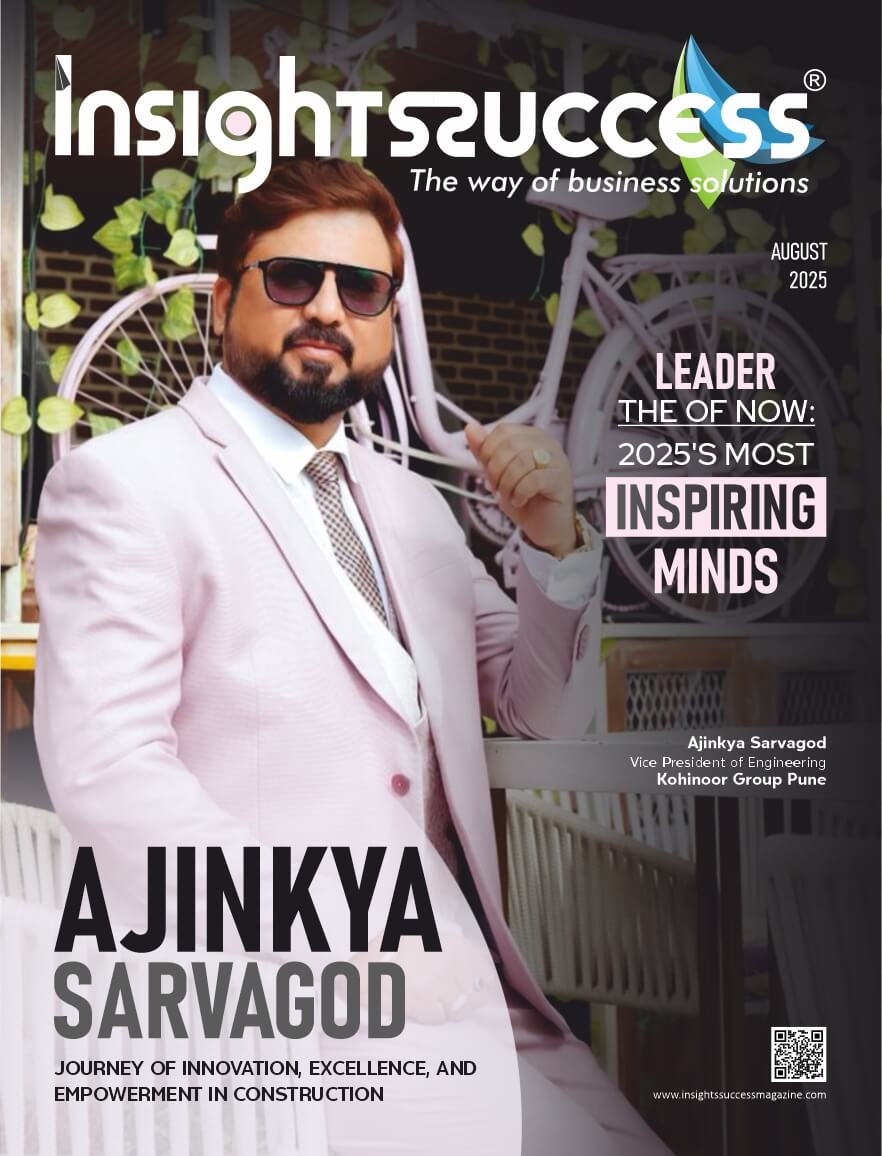
Leader of the Now: 2025’s Most Inspiring Minds
Leader of the Now 2025’s Most Inspiring Minds This edition featuring Ajinkya Sarvagod honors him as a visionary shaping the future with bold innovation, empathy-driven leadership, and a relentless pursuit of impact. This edition spotlights Ajinkya Sarvagod, whose transformative ideas and unwavering commitment to excellence make him a standout force in today’s evolving global landscape. Quick highlights Quick reads
The 10 Most Influential Leaders in Wealth Management, August2025
The 10 Most Influential Leaders in Wealth Management The ten most influential leaders in wealth management have reshaped the industry through innovation, strategic thinking, and exceptional client service. Their visionary approaches to investment, financial planning, and leadership have set new benchmarks, inspiring professionals and transforming how wealth is managed in an increasingly complex global financial landscape. Quick highlights Quick reads
Visionary Leadership Transforming the Future of Finance
The global financial landscape is undergoing unprecedented transformation, marked by rapid technological advancement, evolving client expectations, and shifting regulatory frameworks. In this complex and fast-moving environment, strong and forward-thinking leadership has become essential to navigating change and driving sustainable growth. Wealth management, in particular, demands a unique blend of strategic foresight, innovation, and a deep understanding of clients’ evolving needs. Insights Success in its recent edition titled The 10 Most Influential Leaders in Wealth Management celebrates visionary professionals who have not only reshaped their organizations but also redefined how wealth is managed, preserved, and transferred in today’s increasingly complex financial landscape. These distinguished individuals come from a wide range of backgrounds and firm types, including global financial institutions and boutique advisory practices. Their inclusion highlights the fact that influence in wealth management is driven not only by organizational size but also by innovation, thought leadership, and the ability to build lasting client relationships. Their influence goes beyond achieving business success, reflecting a deep commitment to ethical leadership, technological advancement, and inclusive financial growth. As the wealth management industry continues to navigate a landscape shaped by emerging challenges and evolving opportunities, the significance of effective leadership has never been more apparent. In a time marked by persistent market volatility, shifting regulatory demands, and rapid digital transformation, the leaders profiled have consistently demonstrated the foresight and agility needed to stay ahead of change. Their proactive approach to guiding clients through uncertainty underscores their dedication to financial security and long-term prosperity. Collectively, their experiences offer valuable perspectives on resilience, strategic vision, and the foundational role of trust in shaping the future of wealth management. Have a great read ahead! Read Also: Pluxee India Launches First-of-its-Kind Study on Corporate Gifting Trends

Comprehending the Essential Aspects in Finance
The process of underwriting SBA loans, equipment leases and equipment financing agreements has evolved significantly since the pandemic began a year ago. The purpose of this article is to share our observations of the 6 key factors considered by analysts in the underwriting process. It is a rare occurrence that applicants are strong in all areas, so the process is subjective in many respects, weighing the following key considerations. WHAT IS YOUR PERSONAL CREDIT SCORE? A 700+ credit score is a safe minimum standard. By looking closely at your credit report, lenders can gauge how well you pay your bills and if you have comparable credit. If an applicant is a homeowner with a house mortgage that is current, an analyst can determine if the applicant is or has serviced comparable credit. Lenders also consider your available credit compared to your current level of debt which is used to calculate your debt-to-income ratio. This ratio is calculated by comparing your annual family income to your current annual debt payments. Some lenders calculate a global debt-to-income ratio which adds the estimated annual debt payment of the loan or lease to your current annual debt payments. WHAT IN YOUR BACKGROUND WILL LEAD TO YOUR FUTURE SUCCESS? Underwriters first look for work experience and/or education in the industry you are applying to secure financing. Previous or current ownership and/or management experience within the industry is especially highly valued. Next, portable skills learned from positions outside the industry including finance, sales, marketing, and management are then considered if you have not previously worked in the industry. Finally, educational degrees in the field or a related field are also considered. In short, creating a résumé to highlight and customize your strengths is an important element in securing a loan approval. HOW MUCH IS YOUR EQUITY INJECTION SO YOU WILL HAVE “SKIN IN THE GAME”? Typically, SBA loan applicants must invest at least 10% of the project total cost and rarely are applicants required to invest more than 30% of the total project cost. The total project cost of SBA loans typically includes all monies needed to successfully launch any business including three months of working capital. With equipment finance agreements and equipment leases, the equity injection for a new business is typically 20% of the total equipment and soft costs of the total dollar amount being requested. The deposit requested for an existing business can be as little as one lease payment in advance. DO YOU HAVE A SECONDARY SOURCE OF INCOME? Are you keeping your job? Are you married and will your spouse continue to work? These are critical concerns when the underwriter is calculating the debt coverage ratio. In the best case, your family income can support your current personal debt and the ratio exceeds 1.25. If the lender is using a global debt, the estimated repayment of the loan or lease is added to the denominator. As a result, many applicants applying to launch a new business opt to keep their current employment and hire management until the business becomes profitable and can replace the owner’s income. In the worst case, the owner’s only income will be the projected annual income from the new business which makes securing an approval difficult unless the applicant has significant liquid assets listed on their personal financial statement. WHAT INDUSTRY IS YOUR BUSINESS IN? IS IT A FRANCHISE? In today’s post-COVID environment, securing financing for RV parks and campgrounds are more easily approved while fitness centers and restaurants face an uphill challenge. Established franchisors offer the best chance for applicants to secure financing because the franchisor has established a track record of success which is reported in their annual franchise disclosure document (FDD). Launching a new, non-franchise business is difficult, but not impossible, to secure financing unless the owners have a very strong industry related background. For example, our company recently arranged the financing of a climbing studio owned by a climbing instructor currently working in our Armed Services. WHAT IS YOUR COLLATERAL? SBA loans more than $350,000 require the owners to use the business and their personal and/ or commercial real estate as collateral up to the loan amount, which is discounted on a liquidated collateral basis. Collateral is required at the option of lender for all SBA loans under $350,000. The equipment used to operate any business is highly discounted when valuing collateral for an SBA loan. Alternatively, the equipment being financed using an equipment lease and equipment finance agreement serve as the collateral for the transaction. It is important to point out that collateral is a second form of repayment, so it is rarely the main consideration of any lender because they are focused on approving applicants they believe will be successful in repaying the loan or lease. About the Author Paul Bosley is known for his expertise in financing for franchises and has partnered with several national brands to assist new franchise partners acquire the capital they need to launch their new businesses. He is also keen on helping existing business owners find the finances to expand their current business. He is a regular speaker and writer for many industry conferences and online magazines. Paul has been a volunteer counsellor for SCORE, a division of the SBA, for over a decade which is where he learned the value of SBA loans for funding new and existing businesses. Business Finance Depot (BFD) specializes in providing financing for new and existing ng franchisees, helping them to acquire the capital they need to launch or grow their business. They are experts in packaging SBA guaranteed loans with their network of active lenders, and helping franchisees get that financing quickly so they can open their stores faster. Above all, BFD’s attention to customer service takes the stress out of the process for all of their borrowers.

Dreaming Big, Taking Action and Embracing Imperfection: Suloshini Krishna Singh’s Guide to Success
In today’s fast-paced business world, strong financial leadership is essential across industries—from automotive to advertising. Few embody this leadership better than Suloshini Krishna Singh, CFO of Optimi Group. With 17 years of experience across a wide spectrum of sectors and a robust track record in strategic financial management, Suloshini’s impact reaches far beyond spreadsheets. She is a visionary who believes in purpose-driven leadership, continuous improvement, and the power of people to drive organizational success. The Spark That Lit the Path At 16, Suloshini Krishna Singh stood at a familiar teenage crossroads: uncertain about her future career. With no Google or AI to guide her, career insights came from encyclopedias, word-of-mouth, and limited exposure to professional roles. Although she had a love for Math and Physics, it was an unexpected source—a friend of her sister, newly qualified as a CA(SA)—who introduced her to accounting. His canary yellow BMW M3 might’ve caught her eye first, but it was the promise of challenge, prestige, and opportunity in finance that sealed her decision. “It’s funny how life works out,” she reflects. Today, while the M3 remains a dream, her Golf R and role as a “soccer mum” are reminders of how aspirations evolve with time and purpose. Beyond the Numbers: Redefining the CFO Role As CFO at Optimi Group, Suloshini’s mission goes far beyond managing financial statements. “It’s about supporting the CEO and helping the business grow,” she explains. Her leadership focuses on unlocking value through innovation and efficiency—not just ticking compliance boxes. She sees the role of finance as integral to business strategy, requiring not only technical proficiency but also a strong foundation in soft skills. “Soft skills—like influencing, empathy, and communication—are essential. They’re what create a culture of innovation and engagement.” Suloshini Krishna Singh makes it a point to inject fun into finance too. “Yes, it is possible,” she smiles, advocating for an environment where professionals are not only skilled but also motivated and excited about their work. Strategic Agility Through Communication For Suloshini Krishna Singh, effective strategy starts with understanding the broader business goals. “Finance can’t operate in isolation. We can’t be the bean counters in a dark room. Our strategies must be aligned with the organization’s objectives—both long and short term.” Open, clear communication plays a pivotal role in enabling this alignment. While “communication” may sound like a buzzword, she warns that many leaders still don’t get it right. “So many issues stem from people simply not talking to each other,” she says. For her, keeping channels open ensures agility and the ability to pivot quickly when conditions shift. Insights Built on Empathy Suloshini’s diverse sector experience didn’t happen by accident. She deliberately sought out different industries to gain deeper insight into how businesses operate. Her method? Listen first. “Before implementing any change, I listen—to the business, to the people. It can take up to four months just to understand the culture and challenges.” Only after building this understanding does she begin to implement changes—and even then, cautiously. “You have to introduce change in small, manageable steps,” she notes. This empathetic, measured approach helps organizations adapt without resistance or overwhelm. Cultivating Accountability and Team Alignment In leading teams of various sizes, Suloshini Krishna Singh has encountered a consistent challenge: differing interpretations of accountability and transparency. To address this, she employs what she calls a ‘dipstick test’—an informal assessment of where her team members stand on engagement and alignment. But instead of leaning heavily on formal team-building exercises, Suloshini Krishna Singh prefers consistent, personal engagement. “A fancy team lunch at a posh restaurant won’t fix disengagement,” she says. What matters more? “One-on-one chats, braais, and showing real interest in people.” Harnessing Collective Intelligence “I firmly believe in surrounding myself with experts,” Suloshini Krishna Singh shares. “If you’re the smartest person in the room, you’re in the wrong room.” She draws inspiration from Gordon Ramsay’s collaborative kitchen model: even the best need support. In an ever-evolving business landscape, Suloshini’s strategy is to stay informed by tapping into the knowledge of specialists. “Relying on smart people keeps me sharp and ensures I make sound decisions.” Leading HR with Heart In addition to her CFO duties, Suloshini Krishna Singh leads the HR team at Optimi. True to her style, she began with observation and listening. “We needed to understand where the organization stood before developing short-, medium-, and long-term engagement strategies.” She believes employee engagement isn’t about perks or events. “It’s about knowing people—their needs, aspirations, and challenges. Only then can you build a culture of excellence.” Influence Over Authority According to Suloshini Krishna Singh, real success in a CFO role comes from influence, not just authority. “Anyone can know accounting standards or legal requirements,” she says. “But a great CFO instills meaning in others to help them perform at their best.” Acknowledging that she can’t do everything alone, Suloshini Krishna Singh places great value on teamwork. “You need people. Without them, even the best strategies fall short.” Perseverance and Kaizen A personal proponent of Kaizen—the Japanese philosophy of continuous improvement—Suloshini Krishna Singh believes in learning through iteration. She compares it to baking: “If a cake flops, I don’t give up. I bake it again and again until I figure it out.” This mindset translates into her professional life. For her, the true joy of being a CFO lies not in finalizing Annual Financial Statements but in watching her team grow. “It’s about people. Seeing someone flourish—that’s the ultimate reward.” Redefining the Finance Function Suloshini Krishna Singh envisions a finance function that’s dynamic, engaged, and fully integrated into business decision-making. “We can’t be the ones hiding in corners with spreadsheets that no one understands,” she asserts. Instead, finance must evolve into a strategic, people-centric unit aligned with the company’s vision. “I’m optimistic that by focusing on people, we’ll continue to drive this evolution. The more aligned we are with where the business wants to go, the more impact we can make.” The Bigger Picture: Balancing Dreams and Reality A strong believer in dreaming
Sibtain Bukhari: Redefining Leadership in Wealth Management
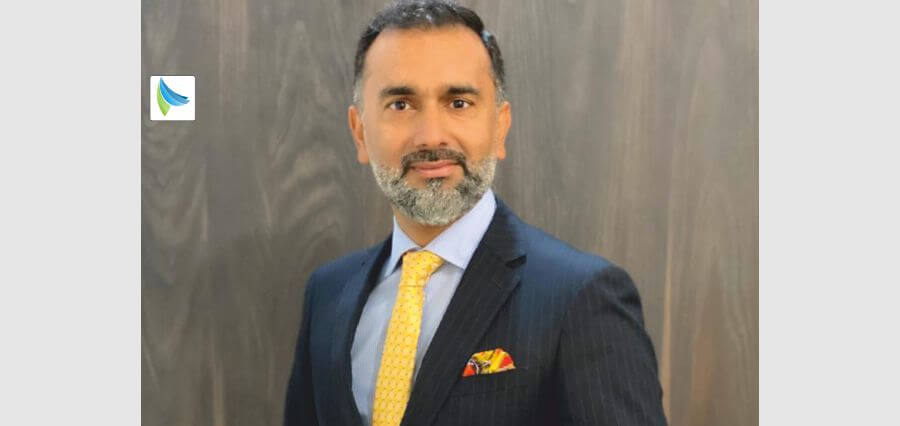
In the fast-changing world of finance today, with its calls for resilience, vision, and integrity, leadership is no longer just about deliverables—it’s about propelling purpose-led change. And within the Gulf’s finance industry, one pioneer is always remembered as a leadership icon: Sibtain Bukhari, Head of Wealth Management at Daman Investments. With a professional brand founded on vision, value-based leadership, and client-centered service, Bukhari is not merely creating portfolios—he’s creating a new wealth management model. Leading with Vision and Values Sibtain Bukhari is well known for his calm and thoughtful approach and his capacity to guide clients and teams through the intricacies of contemporary finance. He combines the analytical requirements of the profession with a formidable empathy, and this has gained him the confidence of high-net-worth individuals and sector players. “My leadership philosophy is grounded in integrity, client-centric thinking, and clarity of purpose,” he states. For Sibtain Bukhari, wealth management is not a product— it is more like a values-based journey of shared vision and legacy in the long term. His leadership style is externally oriented and team-oriented, employing teams to think innovatively yet keeping the customer outcomes at the forefront of their agendas. A Strong Foundation: Education and Early Career Sibtain Bukhari was born in February 1979 in Karachi, Pakistan. He was a curious and well-disciplined boy from his childhood. His educational journey had a solid base for an international career. He completed his bachelor’s in business administration from the University of Manchester and his master’s of business administration from the Institute of Business Management, which provided him with good analysis and strategy skills at the start of his profession. Not content to rest on his laurels, Sibtain Bukhari subsequently pursued executive education at Harvard Business School and achieved the Level V Chartered Wealth Manager qualification with the Chartered Institute for Securities and Investment (CISI) in the UK. These achievements further honed his technical skills and also developed his global finance outlook as well as ethical investment practices. Early Career: Building Blocks of Experience Sibtain Bukhari commenced his career in 2006 with leading international financial institutions including UBL, HSBC, ABN AMRO, and RBS. These positions gave him an overall perspective of retail banking as well as corporate banking activities. He gained hands-on experience in credit analysis, risk management, and client management, building a three-dimensional and versatile set of skills. Concurrently, Sibtain Bukhari also started cultivating an appreciation for the cultural sensitivities required to engage with a diverse client base—something that would eventually prove to be one of his greatest assets when he moved into wealth management. A Specialist in Wealth Advisory Bukhari’s natural transition into specialized wealth management roles came during his time at Abu Dhabi Commercial Bank (ADCB), where he focused on portfolio construction and investment advisory. He worked with a wide range of clients, tailoring solutions that addressed liquidity needs, risk appetites, and long-term objectives. Subsequently, at Emirates Islamic Bank, Sibtain Bukhari assumed leadership roles in the Priority Banking business. There, he advised high-net-worth individuals on strategies for preserving wealth, philanthropic investment choices, and succession planning. That experience alone honed his expertise in the principles of Islamic banking—a discipline where he became a respected thought leader. At Dubai Islamic Bank and Noor Bank, Sibtain Bukhari continued to ascend to leadership positions, managing complex portfolios and Shariah-compliant investment recommendations. He emphasized long-term planning as compared to short-term speculation, ethical advice, and honest communication. Daman Investments: Leading with Purpose Currently as Head of Wealth Management at Daman Investments, Sibtain Bukhari heads a team that embodies his philosophy—client-focused, ethics-driven, technology-enabled, and grit-based. Bukhari has played a key role in streamlining the strategy of Daman toward integrated wealth advisory through the adoption of new age financial technologies while retaining the human touch at the core. He strongly emphasizes ongoing learning and awareness of the market. His staff goes through facilitated weekly meetings on regulatory updates, market trends, geopolitical risks, and emerging technologies like AI in finance. They are not just enhancing knowledge but creating curiosity as well as shared ownership. His leadership also champions agility. Whether adapting to volatile global markets or regulatory changes in the GCC, Bukhari’s approach is one of proactive adaptation and smart risk calibration. Client-First, Always At the heart of Bukhari’s approach is an unwavering commitment to clients’ needs. He believes that wealth management should be deeply personal and that each client relationship is a long-term partnership. He and his staff do more than perform yearly portfolio reviews. They have the time to find out what matters most to each client—what kind of legacy he wants to leave, what concerns him about risk most, and how his financial objectives change with life milestones. This client-intimacy approach has been key to Daman Investments’ long-term success with high-net-worth individuals and business owners in the region. Sibtain Bukhari believes that risk management is not uncertainty elimination but uncertainty alignment with purpose. His approach is a disciplined mix of quantitative modeling, scenario analysis, stress testing, and geographic and sectoral diversification. This traps downside risk without being so rigid as to miss upside opportunity. Mentorship and Industry Leadership Bukhari’s influence extends far beyond the clients he serves. As a mentor, he actively nurtures young financial professionals. At Daman, he has instituted programs such as “Innovation Huddles”, cross-functional projects, and internal workshops that focus on both technical excellence and leadership development. He is also actively involved in the general development of the industry. Regular contributor to investment and finance conferences, Bukhari shares views on wealth preservation in uncertain market situations, sustainable finance expansion, and the promise of digital models for advice. An asset financing, pricing strategy, tax planning, and Islamic finance expert, Sibtain Bukhari is a well-rounded and well-known individual in Middle Eastern finance. Philanthropy: A Core Personal Value While Bukhari’s corporate success is well known, his philanthropic initiatives are equally impactful. He views giving back as a responsibility, not an option. He has played a pivotal role in funding and maintaining mosques, Islamic schools, and community learning centers, particularly in underprivileged regions.