





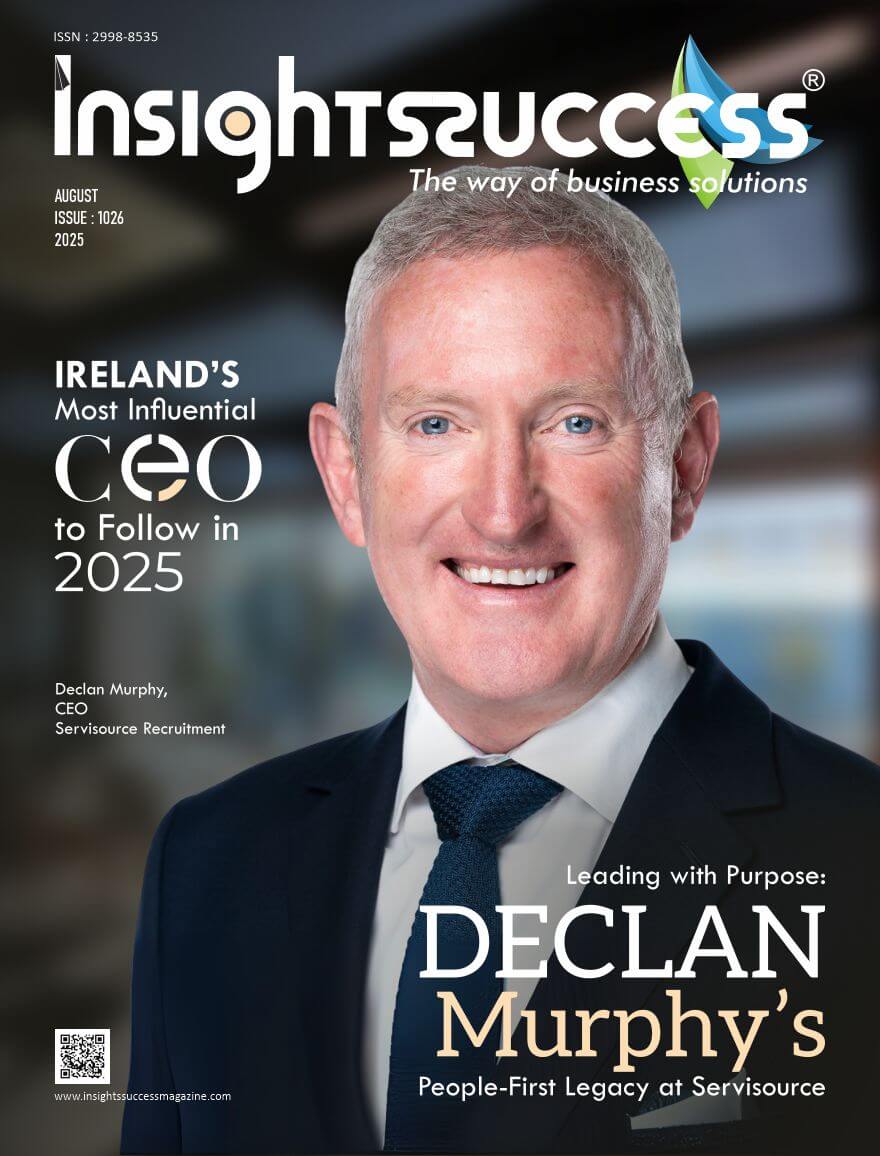
Ireland’s Most Influential CEO to Follow in 2025 Category of Industry: Leadership
10 Best Logistics Companies to Watch in 2022 June2022 Lorem ipsum dolor sit amet, consectetur adipiscing elit. Ut elit tellus, luctus nec ullamcorper mattis, pulvinar dapibus leo. Lorem ipsum dolor sit amet, consectetur adipiscing elit. Ut elit tellus, luctus nec ullamcorper mattis, pulvinar dapibus leo. Ireland’s Most Influential CEO to Follow in 2025 Category of Industry: Leadership Discover the story of a visionary leader shaping Ireland’s business landscape in 2025. This special edition honors one of the nation’s most influential CEOs, recognized for driving innovation, growth and meaningful impact across industries. Quick highlights Quick reads

Leading with Purpose: Declan Murphy’s People-First Legacy at Servisource
A leader is as good as his team, and his team is as good as he is, believes Declan Murphy, the CEO of Servisource Recruitment, an international talent acquisition and staffing support firm that provides world-class customer service. “As CEO of Servisource, I have the pleasure of working alongwith a team of professionals who are dedicated and experts at meeting and exceeding the expectations of our extensive client base,” shares Murphy, who is managing a team of highly motivated leaders in the areas of temporary, contract, and permanent recruitment. They are also specialists in Healthcare Staffing, Homecare, Training, and Managed Staffing. As the driving force behind Servisource, Murphy’s leadership philosophy is rooted in a strong family ethos of fostering genuine relationships, “And a deep sense of care in everything we do.” Believing leadership is not just about guiding a team, Murphy goes about engaging meaningfully with clients to truly understand their needs. “We don’t simply provide a service or place a person in a role; we aim to solve problems by matching the right people with the right challenges. The core question we always ask is: How can we help the client win?” A people-focused and performance-driven philosophy has shaped a vibrant culture at Servisource that Murphy and his team’s commitment to excellence and a “Customer First” mindset keeps nourishing. It means they strive to make meaningful contributions, not only in local communities but also on a global scale. The aspirational core values of Accountability, Responsibility, Empowerment, Effective Communication, and Respect that are lived daily create a strong sense of belonging and purpose across the organization, where every team member feels part of a shared success. “It’s a culture built on action, where our core values resonate in everything we do.” A Culture of Values: Where Leadership Inspires Action and Alignment” In his role as CEO, Murphy ensures that the core values of Customer First, Accountability, Responsibility, Empowerment, Effective Communication, and Respect form the foundation of everything Servisource does. These principles aren’t abstract ideals—they are daily practices that shape both strategic vision and frontline interactions. At Servisource, success starts with listening. By deeply understanding each client’s unique challenges, the team focuses on delivering tailored solutions, not just placements. This “Customer First” mindset drives performance and trust. Internally, Murphy fosters an empowered culture where teams are encouraged to take ownership and act with integrity. Clear communication and mutual respect are non-negotiables, ensuring that collaboration thrives. These values are also critical in shaping growth strategies, guiding innovation, and expanding global operations. In Murphy’s vision, leadership is about living the values every day, transforming them from statements into standards that define how success is achieved. Defining Decisions: Resilience Through Unity and Vision” A pivotal chapter in Murphy’s leadership journey came in 2010 with the decision to sell Servisource to CPL. It was more than a financial milestone—it was a defining test of leadership built on transparency, alignment, and trust. Rather than acting unilaterally, Murphy prioritized collective decision-making, ensuring the team understood the vision and long-term benefits. This moment reinforced his belief in collaborative leadership and underscored the strength found in shared purpose. The partnership with CPL provided Servisource the resources and scale to grow more resiliently, while preserving its people-first culture. For Murphy, resilience now means more than endurance—it’s about foresight, bold choices, and knowing when to embrace strategic opportunity for the greater good. Built to Grow: Empowering People, Delivering Impact Under Murphy’s leadership, Servisource’s growth has been anything but accidental. At its core lies a deliberate strategy of investing in people. By prioritizing early-career hires and equipping them with continuous mentoring and coaching, Murphy has cultivated a team that is both agile and deeply aligned with the company’s mission. This focus on internal development fuels not just employee retention but sustained business excellence. Equally vital is Servisource’s values-driven approach, anchored in its promise to provide “the right people, in the right place, with the right skills.” This commitment has helped differentiate the brand in a competitive recruitment landscape. With more than two decades of experience, Servisource continues to grow by combining purpose, innovation, and people-first leadership. Agility in Action: Leading Through Change with Purpose and Precision Murphy ensures Servisource stays ahead of the curve by anchoring agility in unity, growth, and core values. “Our senior leadership operates as one cohesive unit,” he shares, “where open communication and mutual support enable swift, informed decisions.” This collective alignment empowers Servisource to adapt with both speed and consistency, vital in today’s evolving healthcare and recruitment sectors. A cornerstone of this adaptability lies in people development. By hiring talent early and investing in mentorship, the company cultivates a future-ready workforce. “We don’t just prepare for change—we grow with it,” Murphy explains. Servisource’s Value Proposition—to deliver the right people, in the right place, with the right skills—is more than a mantra; it’s a guiding framework. Grounded in over 20 years of experience, their success is not just in reacting to change, but in anticipating it with clarity, confidence, and compassion. Their agility is built on people—empowered leaders and capable teams, ready to meet every challenge with purpose. Scaling with Purpose: Servisource’s Vision for Global Growth and Local Impact Under Murphy’s leadership, Servisource has embraced a bold expansion strategy—both geographically and in its suite of services—anchored in the principles of quality, innovation, and people-first care. With offices now established in major Irish cities including Dundalk, Dublin, Cork, Galway, Limerick, and Belfast, the company has also extended its footprint globally to London, Bradford, Kochi, and Dubai. “Our presence in these markets allows us to place over 3,000 staff across Ireland, the UK, and Europe,” Murphy states, emphasizing a seamless blend of local responsiveness with global capability. Strategically, Servisource is focused on integrating advanced technologies with compassionate care. “We see technology not as a replacement, but as an enabler,” Murphy explains. This ensures agility, data-driven decision-making, and improved service delivery, without compromising the human connection. A standout feature of this growth strategy is Servisource’s dedicated Quality Team and its

Leadership Lessons in Staying True to Purpose
Vision with Backbone Leadership is not just about running projects o giving orders. It is a matter of having a clear vision and staying stuck with purpose even when the outside forces are pressuring on compromise. The modern, dynamic world can be both exciting and challenging, especially to leaders who may be tempted to change with time, compromise, or sacrifice values to achieve short-term success. Nevertheless, it is those who demonstrate a rare fusion of clarity and conviction, who are leading with a backbone-based vision, who leave the longest impact. The point of intersection between vision and backbone represents the ability of a leader to inspire trust, generate a lasting change, and stay strong despite adversity. Without a sound basis, vision cannot be an abstract dream. The balance between the two qualities presents some of the best lessons on leadership in the contemporary complex world. The Power of a Purpose-Driven Vision Vision is the guide that drives decision-making. It establishes purpose, motivates groups, and conveys a sense of quality. Leaders who are personally interested in their cause earn credibility. That is enough of being a filter through which every decision is made, not simply a slogan or strategic point of speaking. The ability to discern between a guiding goal and vision is one of the prime leadership lessons to remain true to purpose. Goals may change. Situations can necessitate strategic changes. However, a vision that is purposive is stable. It serves as a benchmark against which priorities and hard choices are measured. Leaders who exemplify this reality create cohesive, motivated, and aligned cultures. Backbone as the Anchor in Times of Challenge Backbone leaders are not tempted by shortcuts. When the pressure builds, they hold the line not out of ego but out of dedication to a greater truth. The other essential leadership lesson is the distinction between rigidity and resilience. Backbone does not mean rigidness. Instead, it is grounded. A leader can evolve strategies without compromising values. This balance is essential. It allows expansion and education without suppressing the quality of the vision. Staying the Course in a Noisy World In the age of perpetual information and competing demands, it takes discipline to remain faithful to purpose. Distractions and opinions on what a leader should do are infinite. In the wake of such commotion, the urge to appease everyone may compromise the authenticity of a leader. One of the most tough leadership lessons is how to say no. Not all opportunities are purposeful. Not all popular options turn out to be the correct ones. Backbone leaders make decisions that others might not necessarily understand or praise, but which are fundamentally consistent with their vision. They make the lead not to get cheers but to be on track. Standing firm does not imply being alone. One can be open-minded to feedback and remain grounded in core values. Motivated leaders proactively seek alternative viewpoints, not to be influenced, but to be polished. Feedback becomes a source of clarity, rather than confusion. Cultivating Integrity in Action Planning without action is just dreaming. A good leader makes sure that all policies, practices, and decisions are appropriate to the purpose. Credibility is developed through consistency. This is the integrity that is particularly tested under high pressure. Limited resources or resistance can tempt the leader to compromise. Those who suffer are those who persist in congruity of behavior and belief. Among the timeless lessons of leadership is that reliability, particularly when dealing with pressure, is what is most admired over time. Also, transparency is a vital aspect. Explaining the reasoning behind decisions allows others to share in the purpose and helps to strengthen the vision. A leader must have a backbone to be able to communicate the truth even when it is hard to say. Such a trust cannot be achieved in an hour, but it is necessary to influence. Leading with Vision That Endures After all, being a visionary and a backbone is not about sweeping gestures or big-time actions. It is practiced in everyday discipline of valuing values, making decisions purposefully, and standing firm when it would be easy to compromise. The learning of these leadership lessons is most frequently done in moments of uncertainty, challenge, and revelation. Finally, vision with backbone is among the most eternal and precious lessons of leadership. It teaches that leadership is not about taking the easy way out but being resolute in what is most important. It requires bravery, belief, and a sense of purpose that goes beyond expediency. Leaders who follow this model not only achieve but also transform. Read Also: The Future of Influential CEO Leadership

The Future of Influential CEO Leadership
Tomorrow’s Leaders Today Top leadership is no longer merely the control of power or pushing quarterly earnings. Rather, the CEO position has turned out to be an intricate web of vision, influence, ethical responsibility, and flexibility. With the world changing rapidly and dealing with multifaceted challenges, the type of leadership needed in this field is changing radically. The key to this development is a powerful leadership of the CEO who is both inspiring and impactful, having a strategic sense and emotional intelligence. It is important to know what this new breed of leaders is about to equip the future CEOs to become leaders of organizations, but also to mold the future. The Changing Landscape of CEO Leadership Traditionally, the leadership of CEOs was based on authoritative decision-making, mainly centred on financial performance and operational efficiency. Nevertheless, the future does not require transactional leadership only. The contemporary CEO should reflect a complex style that embraces emotional intelligence, flexibility, and dedication toward inclusivity among stakeholders. This wider lens is crucial in overcoming the digital disruption, climate change, and shifting workforce expectations. Achieving influence through commitment to building trust and collaboration, both internally and externally, is becoming a core part of influential CEO leadership today. CEOs must act as visionaries who suggest an appealing feeling of purpose that should match with societal values and remain resilient and agile. Core Traits of Future Influential CEOs Moving forward, the image of the powerful CEO is a leader with empathy, vision, and ethics. Emotional intelligence is now a fundamental aspect of effective leadership. Empathic CEOs are more likely to appreciate different views, inspire teams, and develop an inclusive culture that leads to long-term organizational success. In addition, strategic foresight also helps a CEO to see early trends and disruptions that are about to occur. This form of foresight is necessary in the creation of long-term programs that balance innovation and risk. The characteristic that defines influential CEO leadership is the ability to act decisively and clearly, even in situations of ambiguity. The Role of Technology in Shaping CEO Influence The role of the CEO will keep evolving under the influence of technology, whereby leaders ought to be familiar with digital tools and data-driven insights. But technology alone cannot deliver the results. The next transformative CEO will make technology work for human creativity and judgment rather than in place of it. Digital transformation is a process that asks CEOs to be fast learners and open to change and be willing to explore new business models. The combination of artificial intelligence, automation, and data analytics into daily operations creates the need to balance efficiency and empathy among the CEOs to ensure that technology can enrich. In addition, effective CEO leadership entails establishing the tone for ethical use of technology, protecting data privacy, and ensuring fair access to digital resources. Such roles reflect the CEO as a guardian of both innovation and the welfare of society. Cultivating Influential CEO Leadership in the Next Generation Preparation of leaders for tomorrow requires deliberate skill and mindset building that is future-fit. Leadership development programs and organizations must prioritize the cultivation of effective CEO leadership abilities, flexibility, emotional intelligence, and ethical decision-making. Mentorship, learning by doing, and immersion in alternative perspectives are essential elements of this development. Future CEOs must have a chance to exercise leadership in real-world, complex, ambiguous challenges that reflect future realities. These opportunities develop resilience and strategic agility. Also, developing a growth mindset or the notion that one can develop skills through effort and learning is crucial for leaders of the future. CEOs who commit to ongoing learning stay current in dynamic environments and set an example for their staff. The Impact of Societal Expectations on CEO Leadership There is a change in the societal expectations of the CEOs that includes a wider accountability beyond the returns of the stockholders. Environmental sustainability, social justice, and corporate governance are not sideline issues; they are core to leadership measurement. Effective CEO leadership in today’s environment involves trading off profitability with purpose. CEOs need to interact with employees, stakeholders, communities, customers, and regulators. Stakeholder management redefines success in terms that are more complete. Those leaders who genuinely embed social and environmental objectives into their business strategies stand in a better position to create strong organizations that can succeed in the long term. This also serves to attract talent and customers who value value-based companies. Final Words The future of effective CEO leadership will increasingly be a mix of vision, empathy, ethics, and flexibility. The world keeps transforming; therefore, the role of the CEO must also evolve with the times. Those who learn these traits will become leaders who guide their organizations through progressive transformations and build a more sustainable and inclusive future. The importance of the development of such critical qualities and attitudes to prepare tomorrow’s leaders today is in order to make sure that good leadership by a CEO could remain a force of change many years after the task. Read Also: Top Leadership Skills You’ll Gain with a Business Management Degree

Top Leadership Skills You’ll Gain with a Business Management Degree
A business administration degree is not merely a piece of paper but a complete experience that makes students and professionals capable and confident leaders capable of solving the current complicated business world. Equipped with the tools and attitudes needed to lead teams and organizations, business management graduates are becoming more and more in demand regarding their leadership abilities and strategic foresight. What Leadership Skills Does a Degree in Business Management Develop? Any business management degree starts with a well-crafted curriculum that is aimed at shaping talent in leadership. Included among the foundational principles introduced to students are strategic planning, organizational behavior, project management, and business policy. The true worth of these courses lies in how both theory and practice merge to give future leaders an understanding of concepts and practical work. For Example, business analytics and financial management allow graduates to make more informed decisions, and entrepreneurship and operational command allow them to adapt to the innovativeness and complexity of the contemporary leadership position. Degree graduates in business management are taught to evaluate the market trends, develop innovative solutions, and execute strategies that will suit the organization’s objectives. Students also acquire the nuances of employee motivation, talent management, and succession planning through case studies and team projects, all of which are essential to developing high-performing teams and business continuity. Communication skills and negotiation modules pave the way for effective, persuasive leaders, and ethics and corporate responsibility lessons prepare them with the foundation of principled decision-making. The multidimensionality of a business management degree ensures that leaders who have come out are not just learned, but can also adapt, influence, and inspire. Why Are These Skills Vital for Success? In every successful business, the skills of leadership play are pivotal. The world of business is ever-changing, and there are new technologies, globalization forces, and changing consumer demands that are posing new challenges. The competencies that a degree in business management would prepare a person with, including strategic thinking, emotional intelligence, and strong problem-solving competencies, are invaluable assets in today’s business landscape. Graduates will be able to spearhead changes, influence organizational culture, and promote innovation where others would be left guessing. Influence and collaboration are the core of management. The communication modules not only enhance interpersonal relationships but also make sure that ideas are well expressed and pursued, and this keeps the teams on track and motivated. Furthermore, emphasis on teamwork and organizational behavior enables leaders to identify individual and group motivation so that they can effectively deal with conflict, inspire productivity, and develop trust among their departments. Who Can Benefit from a Degree in Business Management? The advantages of a business management degree are universal. New opportunities for growth and influence are available to aspiring managers, upcoming entrepreneurs, mid-career professionals, and even experienced executives through this educational endeavor. Young professionals receive the background knowledge needed to prepare them for their first leadership positions, and existing managers have a chance to sharpen their existing skills and address any gaps in their expertise. Particularly, entrepreneurs use their education in business management to create nimble teams, inculcate the culture of accountability, and steer their establishments through the growth stages. At bigger companies, a degree in business management can frequently lead to strategic roles where strategic thinking and action are required. Leadership skills gained here are valuable even to those who work in non-profit or governmental fields in order to create positive change and use organizational resources in a responsible manner. Where Are Leadership Skills Applied? The use of leadership skills earned with a business management degree cuts across industry and occupations. In startups that are dynamic, the managers apply their expertise in order to move swiftly, encourage innovation, and drive market disruption. These skills in the established organizations lead leaders in managing change, operational excellence, and long-term formulation of strategies. Business graduates are also observed negotiating high-stakes deals in global organizations, maneuvering cross-functional teams in technology companies, and making ethical decisions in financial organizations. It might be project management in construction, team building in the healthcare sector, and talent management in the retail sector, but the universality of such skills ensures that a degree in business management remains a highly valuable and versatile degree. This flexibility renders graduates useful at the local and international level. How Will a Degree in Business Management Shape Leadership Skills? To illustrate the scope of the development of skills, the following is a special list of the most frequently used leadership skills that a degree in business management would help develop: Strategic Thinking: Capacity to see problems ahead of time, develop long-term strategies, and evolve with the times. Problem-Solving & Critical Analysis: Evaluate circumstances, generate innovative solutions, and make decisions regardless of circumstances. Communication and Negotiation: clarity in ideas, convincing stakeholders, and finding an amicable solution to a problem. Emotional Intelligence: Discern and operate on feelings, build constructive relationships, and create a positive work culture. Team Building and Collaboration: Rally and inspire dynamic teams, foster diversity of thought, solve conflicts, and work together. Accountability & Ethical Leadership: Own decisions, accept responsibility, and lead with integrity. Adaptability & Change Management: Be prepared to transform, be innovative, and resilient to uncertain situations. Out of the classroom, several degrees in business management programs mandate internships, live projects, and peer feedback. Such experiences expose students to real business situations, which the classroom experiences will translate into real-life skills. Students can specialize and excel in their area of choice through assessment methods, case-based workshops on specialized functions of management, such as finance, marketing, or strategic operations. Conclusion: A business management degree is one of the cornerstones that lead to strong leadership attributes. It will respond to what skills are acquired (between strategic vision and emotional intelligence), why they are important to career-building and the well-being of organizations, who will find the skills useful (both the new graduates and the experienced leaders), where the skills will be applied (in virtually any field), and how the skills are taught through a rigorous curriculum and practice. The
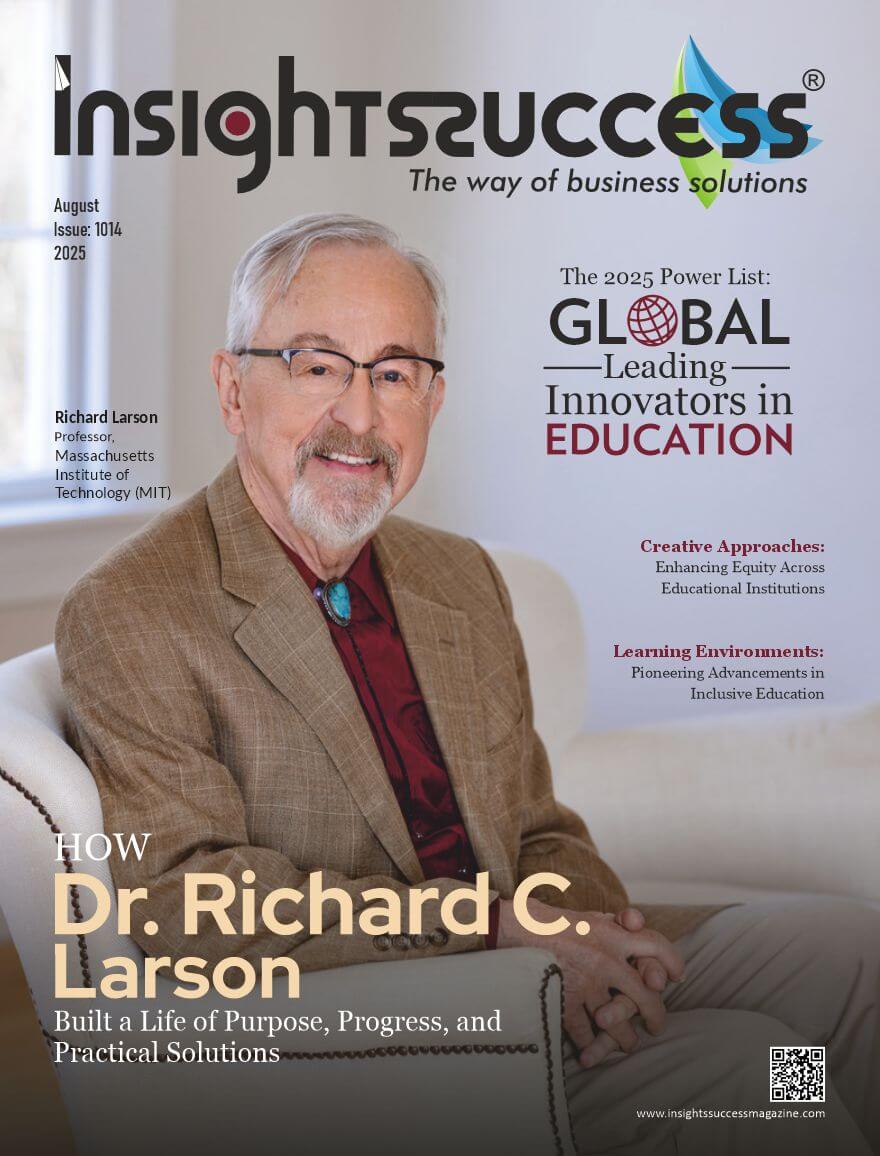
The 2025 Power List Global Leading Innovators in Education
The 2025 Power List Global Leading Innovators in Education

Google Enters Blockchain Space with Universal Ledger to Drive Next-Gen Digital Payments
Prime Highlights Google has officially announced its Universal Ledger (GCUL), a layer-1 blockchain designed to support wholesale payments and digital asset tokenization. By introducing Python-based smart contracts, the project aims to make blockchain adoption easier for businesses, finance, and AI developers. Key Facts The announcement was made by Rich Widmann, Google Cloud’s head of Web3 strategy, following earlier collaboration with CME Group on testing and integration. GCUL is positioned as a “performant, credibly neutral” blockchain, intended for financial institutions and large-scale adoption. Background Google has confirmed that its long-rumored blockchain project, the Universal Ledger, will operate as a layer-1 (L1) blockchain, putting the tech giant in direct competition with Stripe and Circle, which are also building their own networks. The information was announced on LinkedIn this week by Rich Widmann, the head of Web3 strategy of Google Cloud, who described the project as being differentiated compared to existing chains. The disclosure comes five months after Google partnered with CME Group, which announced in March that it had finished the first stage of integration and testing. Unlike layer-2 chains that rely on existing blockchains, a layer-1 blockchain functions as a foundational network, handling its own transactions and security. Google developed its version, which is known as the Google Cloud Universal Ledger (GCUL), which is meant to help support the wholesale payments and tokenization of digital assets. The use of Python as the language of smart contracts is one of the most visible and obvious aspects of the project and is not the industry standard, such as Solidity (Ethereum) or Rust (Solana, Aptos, Sui). According to experts, Python will simplify the process of blockchain adoption for businesses and data mining, finance, and AI developers who are already using the language. But critics caution that it can alienate developers unless Google offers powerful support and interoperability capabilities. Google is presenting its blockchain as a “performant, credibly neutral” system, open for use by financial institutions. Industry observers remain divided on this claim. “The challenge is whether institutions will trust Google to remain neutral in the long run,” said Aharon Miller, co-founder of payments platform Oobit. Others claim that Google has too much interest in payments, cloud, and advertising that which poses a conflict of interest and makes it impossible to be a true neutral. Stripe is in the meantime customizing its blockchain to payment firms, and Circle is concentrating on richness in financial infrastructure. While the three projects are not identical, analysts say they are shaping the future of institutional blockchain infrastructure, each taking a different path to win trust and adoption. Read Also: Databricks’ Valuation to exceed $100 Billion as the rate of Investment in AI increases
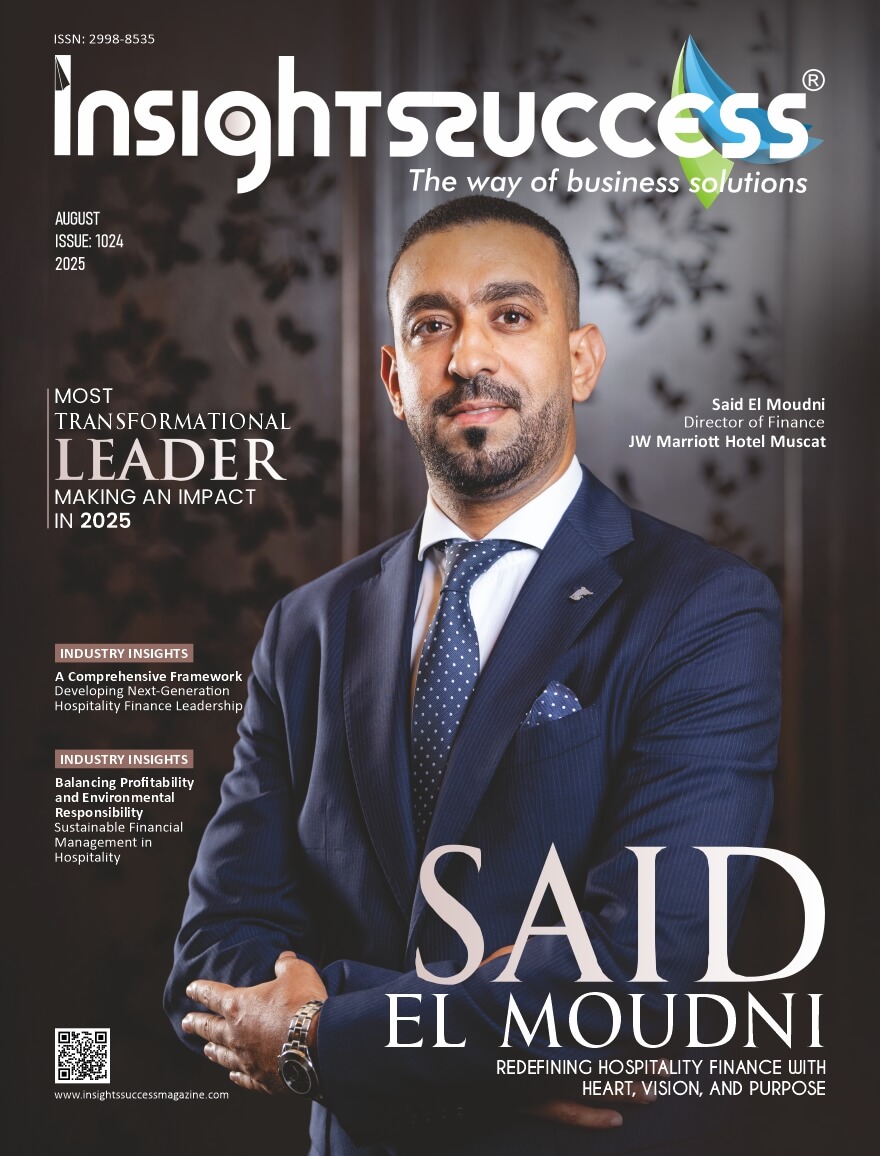
Most Transformational Leader Making An Impact In 2025
Most Transformational Leader Making An Impact In 2025 This edition celebrates Said El Moudni’s visionary leadership, resilience, and innovation. His transformative influence across industries highlights a commitment to excellence, people empowerment, and sustainable growth, inspiring future leaders to embrace change and drive meaningful impact in a rapidly evolving global landscape. Quick highlights Quick reads
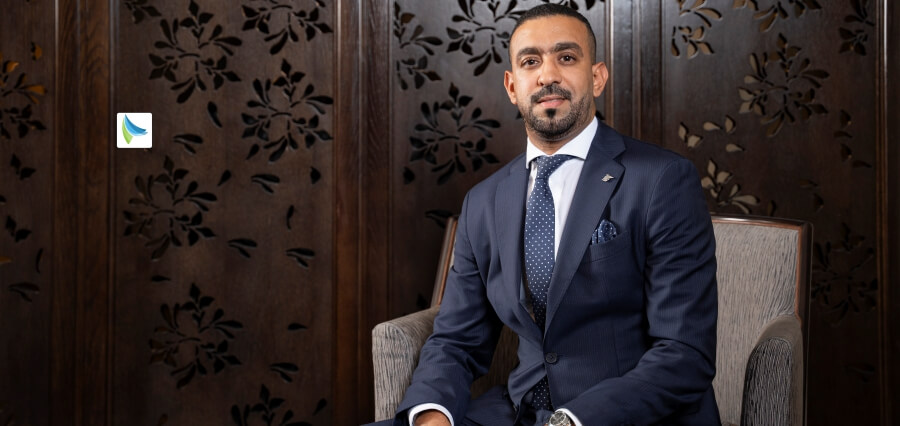
Said El Moudni: Redefining Hospitality Finance with Heart, Vision, and Purpose
In the realm of exclusive hospitality, which typically lurks in the shadows behind sparkling silver and marble façades, Said El Moudni has established himself the task to de-mystify and fashion the elaborate machinery which makes it all possible. His own career, beginning in Morocco, where welcoming guests was a way of life rather than a career, and continuing to the present day as Director of Finance, JW Marriott Hotel Muscat, is defined by a unique combination of financial expertise and interpersonal skills. His journey has never been quite so straightforward as it seems. He was drawn to the more profound question of how financial planning can support the visitor experience and make possible those who work behind the scenes, while others in his line of work concentrate solely on operational accuracy. With an MBA in economics, significant international qualifications, and an academic background in hotel management from ISEEM El Jadida, he has prepared budgets for some of the globe’s most renowned companies. Other than numbers, he is seen as an emerging voice of next-generation leaders, offering insight on purpose, resilience, and flexibility. Leadership, says El Moudni, is more about building potential than titles. His journey is serving as a guide and an invitation to invest in people, lead with honor, and make ideas come to life. Roots in Moroccan Hospitality El Moudni’s story begins in Morocco, where hospitality wasn’t merely a profession, it was a way of life woven into the cultural fabric. “Growing up in Morocco, hospitality wasn’t just a job; it was life. My family always had guests around, so making people feel welcome felt totally natural,” he recalls. This early immersion in the art of hospitality would prove to be the foundation of a career that spans continents and cultures. But his path wasn’t conventional. While many in his field focus solely on operations, he was drawn to something deeper—the financial mechanisms that transform hospitality dreams into sustainable realities. His academic journey at ISEEM El Jadida in Morocco, where he studied Hotel Management, was complemented by an impressive array of professional certifications. The ACCA in International Financial Reporting, GAQM Certified Finance Manager, and GAQM Certified Financial Analyst credentials speak to a mind hungry for knowledge and precision. Currently pursuing his MBA at the University of Woolf in Malta, he embodies the principle of lifelong learning that he advocates for emerging leaders. The Financial Philosopher What sets El Moudni apart in the competitive world of hospitality finance is his philosophical approach to numbers. Where others see spreadsheets and profit margins, he sees stories of human connection and potential for transformation. “My interest in hospitality finance started with a simple question: how does all the magic behind a great guest experience actually work?” he explains. This curiosity-driven mindset led him to a profound realization early in his career: “Finance in this industry is about way more than crunching numbers. It’s about connecting operations and creativity, and making sure the business side helps not hinder the guest experience.” This philosophy has guided his work across some of the most prestigious hotel brands in the world—The Ritz-Carlton, The Ritz-Carlton Reserve, Marriott, Hyatt, and JW Marriott Marquis throughout UAE, Saudi Arabia, Morocco, Qatar, Oman, and across the GCC and Africa. Mastering the Art of Transformation El Moudni has carved out a unique niche in the hospitality industry: the complex world of hotel transformations. His specialty lies in the challenging terrain of pre-openings, property conversions, and rebranding projects, the kind of high-stakes financial operations that can make or break multi-million-dollar investments. The real turning point in his career came with his first pre-opening project. Building the financial foundation of a new hotel from scratch proved both daunting and incredibly exciting for him. He enjoyed every aspect of the process—creating budgets, mapping out revenue forecasts, controlling costs, and ultimately watching it all come together as a living, breathing hotel. His track record speaks volumes: nine hotel pre-openings, two major conversions, and a high-stakes rebranding. Among his most notable achievements are transforming the Shangri-La Doha into JW Marriott Marquis and converting Hyatt Hotel Apartments into Marriott Executive Apartments projects that demonstrated how strategic financial planning can turn massive transitions into smooth, profitable ventures. The numbers tell their own story of success: a 13.9 percentage increase to the bottom line at JW Marriott Muscat, reducing pre-opening expenses by $1 million at a prominent hotel in Doha, and consistently managing multi-million-dollar revenues across his portfolio. Crisis as Catalyst If there was ever a test of El Moudni’s leadership philosophy, it came in the form of the global pandemic. As Multi-Property Financial Controller for three Marriott properties in Doha during COVID-19, he faced what he describes as “a true test for everyone in hospitality.” “I faced extreme drops in revenue and a constant sense of uncertainty. My focus became simple: keep the business afloat and protect as many jobs as possible,” he recalls. But true to his transformational mindset, El Moudni saw opportunity within crisis. “Even in the chaos, opportunities surfaced. With fewer guests, we finally had the chance to fast-track maintenance projects that would have been a headache at full occupancy, setting us up for a stronger comeback.” His pandemic strategy centered on three pillars: aggressive cost management, strategic pivoting to new market segments, and transparent communication. The team quickly adapted to attract local business, quarantine stays and extended-stay guests moves that helped stabilize cash flow during the industry’s darkest hours. He reflected with satisfaction that they hadn’t just weathered the storm but had emerged more efficient and resilient. That experience, he noted, had reinforced his belief that in times of crisis, resilience is just as important as vision in achieving lasting success. The Leadership Philosophy El Moudni’s approach to leadership is refreshingly human centered in an industry often dominated by metrics and margins. His management philosophy centers on what he calls “multiplying potential” a concept that goes beyond traditional mentorship to actively creating opportunities for team members to excel and advance. “For me, true leadership

Sustainable Financial Management in Hospitality
Balancing Profitability and Environmental Responsibility Hospitality industry remains the most vibrant segment of the global economy, driven by customer experience, service excellence, and innovation. Yet, behind the friendly smiles and superb services is the spine of any thriving business: financial management. Sustainability and resilience are top priority today, but hospitality organizations must integrate sustainable standards of financial management into their operations in order to realize profitability, responsiveness, and social responsibility. Understanding Sustainable Financial Management Sustainable financial planning is not merely budget balancing or cost-cutting. It’s creating systems of finance that are profitable, but also within overall long-term goals such as resource efficiency, ethics, and shock-resistance to markets. For the hospitality industry, it’s visionary planning with consideration towards environmental responsibility and social responsibility and keeping the business financially healthy. Hotels, resorts, and restaurants are subject to industry-specific challenges—seasonality, high fixed costs, and vulnerability to events that are global in nature like pandemics or geo-political instability. With sound financial management in the long term, firms can handle uncertainty better, have stable cash flows, and drive growth without compromise on quality and values. Why It Matters in Hospitality? The importance of financial management in the hospitality industry cannot be exaggerated. A profitability case relies on correct recording of revenues and expenses, but stability is ensured through long-term security intertwined with short-term needs. A hotel chain, for example, which invests its capital in green power or minimizing waste will incur additional costs in the short run, but these investments lower operating expenses and enhance its reputation in the consciousness of green travelers. Furthermore, stakeholders, from investors to customers, are calling for greater transparency and accountability. Organizations that can prove sound financial management will be likely to draw investor confidence, employee commitment, and customer satisfaction. Financial sustainability here is no less an issue of competitive advantage than it is an issue of ethical obligation. The Pillars of Sustainable Financial Management Lying beneath the sustainable finance management in hospitality is some interconnected practice at the core. Dynamic forecasting and budgeting allow companies to plan for season fluctuation and react rapidly to unplanned variations. Instead of rigid financial plans, firms employing dynamic forecasting supported by analysis of data can endure slowdowns while guaranteeing maximum opportunities during peak periods. No less important is cost optimization, as opposed to cost-cutting. Hospitality firms are discovering how to optimize costs in ways that bring greater efficiency without coming at the expense of guest satisfaction. Energy conservation through energy-efficient lighting, water-saving systems, or locally sourced produce drives down the cost of doing business while also strengthening brand reputation. These types of initiatives demonstrate how cost management can both improve bottom line and planet. Responsible investment is also important. Hotel operations usually require serious capital investments in the form of infrastructure, technology, or building human resources. Long-term financial planning ensures that investments in them are directed to long-term earnings. Investment, for instance, in green building design or computerized guest service may require up-front expenditure but ultimately translates to increased loyalty from customers and reduced operating expenses. Diversification of revenue is the second resiliency pillar. With all their revenues coming from bookings for restaurants or accommodations alone, hotels are exposed to hard times. Increasingly, hotels nowadays diversify to wellness retreats, virtual experiences, or partnerships with local cultural providers. The additional revenue streams ensure financial health while enhancing the total visitor experience. Technology as a Driving Force Implementation of technology has transformed the financial operations in the hospitality sector. Cloud accounting, AI-driven forecasting, and blockchain integration are making the operations more precise and transparent for the business. Data analytics are supporting guest preferences forecasting and aligning the price strategy, and automation is cutting down administrative expenses and avoiding payroll and procurement errors. By incorporating these tools into the financial decision-making process, hospitality organizations build systems that are efficient and enduring. Technology then becomes self-transcending and not only a source of profitability but also a source of accountability and long-term sustainability. People and Planet Financial management is not only just plain numbers on an accounting sheet; it’s about being in service to people and saving the planet. Hospitality businesses making business choices on the basis of environment and community values are the champions in a hectic marketplace. Employee training expenditures, reasonable wages, and professional development are all linked favorably with service quality and guest satisfaction. Similarly, corporate investments in sustainable processes, for example, alternative power or plastic-free operations, drive reputation and long-term profitability. This broader vision ensures that financial policy generates a loop of positive impact: returns fund causes within the community and environment, creating loyalty and repeat business. Obstacles on the Road to Sustainability Even with seemingly obvious benefits, applying sustainable financial management to the hospitality industry is not simple. Upfront money for greening with technologies or computerized systems could be out of reach for small businesses. In addition, finance managers must create new skills in sustainability reporting, data analytics, and issues of digital money beyond accountancy in general. The pressures of external market force from recession to geopolitics shocks also test the mettle of otherwise best-stocked firms. This requires leadership promise and cultural change with sustainability as organizational DNA. If financial decisions are always made with long-term implications in mind, then companies are well poised to deal with uncertainties without compromising competitiveness. Looking Ahead Hospitality’s future lies in balancing on the high wire between profitability and responsibility. The companies that incorporate sustainable financial management into their operations will not only survive crisis and thrive, but also create the foundations for authentic, sustainable guest experiences. At a time when travelers more than ever demand ethics and transparency, those companies will instill trust and loyalty among all constituencies. Hospitality is actually all about creating excellent memories, but ones that must be established on a stable foundation of stability, durability, and accountability. Sound and long-term financial management is what enables the industry to keep expanding—giving not just comfort to guests, but also good in the long run to society and the world. Read Also: Developing Next-Generation