






Why Bold Decisions Define Great Leaders
The Courage to Lead Leadership has always been about making decisions—decisions that shape not only the direction of an organization but at times the destiny of industries, societies, and even generations. Strategy, vision, and action will always be required, but it is courage that distinguishes truly great leaders. The courage to make gutsy decisions in adversity is the hallmark of leadership that stands the test of time and stirs the soul. Bravery as the ultimate quality of leadership Leadership is not caution; leadership is intentional and articulate risk taking. Bold action usually arises in those moments when the direction ahead is uncertain, when facts are insufficient, and when caution may seem more attractive than courage. But it is just in those moments that courageous leaders become pioneers. Instead of waiting to be certain, courageous leaders take action with confidence, guided by ideals and a vision beyond individual convenience. Bold Choices Create Change History and contemporary business both demonstrate that transformational expansion is not typically created by playing conservatively. Bold choices—to enter new markets, to implement new technologies, or to redefine organizational forms—create the stage on which innovation and expansion become reality. These choices entail venturing beyond the comfortable bounds and forcing past resistance within and without the firm. What sets great leaders apart from the rest is that they can perceive opportunity where others perceive risk. They know that aggressive action won’t always yield results, but if they don’t take it there will always be stagnation. The Cost of Inaction Though aggressive action is risky, inaction risks being a lot more destructive. In unstable times, holding out for the ideal moment or pure certitude is all too often the cause of lost opportunity. Challengers move forward, disruptors compound, and timing vanishes. Cautious leaders may cover themselves in the short run, but at the cost of sacrificing the long-term health of their firms. Courage to lead involves the belief that in most cases, the cost of not acting will be higher than the cost of taking a bold but flawed action. Courage is Rooted in Purpose Brash decisions are not impulsive; they are intentional. True courage for leaders is not risking in the heat of the moment, but linking tough choices to an overarching purpose. When decisions are made with a sense of purpose, they can build confidence and allegiance even when there are no results. Teams will be more willing to explore new territories with a leader if they feel that the decision reflects jointly held values and vision. To that degree, courage is as much a commitment virtue as a fearlessness virtue. Leaders are afraid, but they remain committed to serving and move forward anyway. Creating a Culture that Empowers Bold Leadership Bold leadership cannot stand in isolation; it thrives in risk-taking, experimental, and resilient cultures. Where the value is placed on learning over perfection, leaders are more likely to make daring decisions. But in cultures where failure is severely punished, even great leaders turn fearful. Great leaders not only make daring decisions themselves but encourage others to do the same. They create a wave effect that makes teams feel empowered to take initiative, provide outside-of-the-box ideas, and make calculated risks. In this way, risky leadership becomes an organizational characteristic and no longer an individual one. The Human Dimension of Courage Leadership courage is not limited to decisions relating to business—it also involves being brave in making difficult people, values, and ethics choices. Leaders will have to challenge the status quo, deal with unpleasant realities, or resist external pressures. These are usually the most difficult decisions, for they come with personal and emotional costs. It is this same human element that creates greatness. Leaders who demonstrate the courage to value integrity over expediency, or human well-being over considerations of profit, create a legacy that far outlasts profit results. Fostering Confidence in the Face of Uncertainty One of the most potent impacts of great leadership is the confidence it generates in others. Teams are holding their breath for their leaders to lead them through the unknown. When leaders show courage and clarity, they send the message that obstacles can be overcome, danger can be dealt with, and opportunity can be seized. This confidence has the ability to mobilize entire organizations, converting collective fear into collective action. Conclusion The ability to lead is not fearlessness but the strength to act in the face of it. The hallmark of great leaders is daring decisions as they drive companies forward, turn uncertainty into opportunity, and inspire others to overcome hesitation. In an era of persistent change and linked challenges, it is not prudence but strength that charts the route to lasting success. Bold leadership can keep things the same, but courageous leadership builds tomorrow. Read Also: Thriving in Times of Rapid Change

Thriving in Times of Rapid Change
Leadership Agility Change is the hallmark of the contemporary business world. Whether it is technology disrupts and global market trends, shifting employee expectations, or unexpected crises, organizations are in a state of relentless movement. In such a situation, rigid, fixed frameworks of leadership do not apply anymore. The differentiator among effective leaders now is agility—the ability to change quickly, think nimbly, and lead resiliently. Leadership agility is not an attractive quality; it is a survival skill for working under conditions of high change rates. The Nature of Agility in Leadership Leadership agility is the ability to perceive change early, make sense of its implication, and act with confidence and clarity. In contrast to conventional command-and-control models of leadership, agile leaders appreciate that triumph in uncertain contexts calls for responsiveness rather than brittleness. Agile leaders understand that strategies will need to adapt, priorities will need to change, and decisions too frequently will need to be made on incomplete information. Agility doesn’t mean the abandonment of long-term vision. Rather, it is the tug-of-war between staying rooted in purpose and adaptive in method. Leaders who embody agility produce firms that are capable of spinning on a dime without sacrificing their core mission. Change as the New Normal In an age of relentless disruption, leaders must not be able to think of change as a periodic problem—it is the permanent default. Economic volatility, geopolitical upset, environmental issues, and technological upheaval all cooperate to make a world in which solutions of yesterday are rendered instantly obsolete. For leaders, agility is recognition of this fact and enthusiasm for change as opportunity and not danger. Procrastinators or resisters open the door to stagnation, yet agile leaders place themselves and their organizations to take advantage of new chances of growth. Agility in Decision-Making One of the most urgent spaces for leadership agility is in decision-making. It is impossible to wait for best information in changing contexts. Agile leaders make decisions with the help of diverse intelligence quickly, in building collaboration, and with collective intelligence. Most importantly, they will change course when new information becomes available. Being agile is not always being right; it is being open to learning and to re-targeting without hesitation. This ability to move quickly and maintain options loose is what sets agile leaders apart from those who crack under uncertainty. The Human Dimension of Agility Though agility might suggest thoughts of speed and flexibility, people aspects are just as vital. Empathy, listening, and building trust are valued by agile leaders. During disruption and acceleration, teams need stability and assurances from their leaders. Leaders who speak openly about problems, listen, and involve their teams build psychological safety that facilitates collective agility. A nimble leader is not just the sole person shouldering the weight of change but one who sets up a culture where all members can adapt, contribute, and innovate. This distributed organization’s agility extends the leader’s influence to its full potential. Learning and Innovation as Drivers of Agility In the middle of agility is an awareness of ongoing learning. Agile leaders know that yesterday’s success does not ensure tomorrow’s utility. They are curious, open to new concepts, and willing to try. They invite their teams to experiment, iterate, and perfect solutions by instilling a culture of innovation. Through this, agility is a driver of innovation and not merely a response to change. Learning leaders not only survive disruption but also build the future for their industries proactively. Agility is part and parcel of resilience—the strength to endure hardship and come back even stronger. During times of unparalleled change, not all decisions will lead to success and not every plan will be rolled out as envisioned. Agile leaders embrace this fact without losing steam. They expect setbacks as temporary and leverage problems as a catapult for success. By being agile, they cause their teams to stay focused and goal-oriented even in the face of uncertainty. Such resilience coupled with agility produces organizations that are able to thrive in uncertain situations. Conclusion When change accelerates, there is no option but to be a adaptable leader. Great leaders who deliver in ambiguity are not only adaptable, but also possess decisiveness, vision, and strength along with flexibility, as well as empathy along with strength. They build firms that not only can respond to upheaval but convert change into opportunity. Finally, leadership agility is not a matter of surviving volatility but of leading clearly and boldly in a context of uncertainty so leaders and their organizations prosper in a world where change is the sole constant. Read Also: Why Bold Decisions Define Great Leaders

Microsoft Adds Anthropic’s AI Models to Copilot, Expands AI Options for Enterprises
Prime Highlight Microsoft has expanded its AI assistant Copilot to support Anthropic’s Claude models, giving business users a choice between OpenAI and Anthropic AI. Claude Opus 4.1 supports complex reasoning and enterprise tasks, while Claude Sonnet 4 handles routine development, data processing, and content generation. Key Facts This expansion follows Microsoft’s recent integration of Anthropic models into Office 365 apps, including Word, Excel, and Outlook. The move reflects Microsoft’s strategy to diversify AI partnerships and provide enterprises with greater control and choice in AI tools. Background Microsoft has expanded its AI assistant Copilot by adding support for Anthropic’s Claude models, the company announced on Wednesday. Until now, Copilot mainly relied on OpenAI’s technology, but business users will now have the option to choose between OpenAI’s reasoning models and Anthropic’s latest AI. The update gives Copilot business customers access to Claude Opus 4.1 and Claude Sonnet 4. Opus 4.1 is constructed to support complex reasoning, coding, and advanced system architecture planning, and can be used in high-end enterprise requirements. Sonnet 4, however, is more efficient with routine development activities, data processing at scale, and content generation, providing the flexibility to support daily business operations. This move marks another step in Microsoft’s shift away from exclusive reliance on OpenAI. Just weeks ago, Microsoft signed an agreement to integrate Anthropic’s AI models into Office 365 applications, including Word, Excel, and Outlook. According to industry analysts, this is part of the overall direction that Microsoft is taking to diversify its AI partnerships as well as provide enterprises with increased control and choice. Providing various AI choices, Microsoft can reinforce the position of Copilot as a customizable enterprise research, development, and automation assistant. The collaboration also underscores the increasing competition between OpenAI and Anthropic, which are competing to take control of the generative AI sector. Microsoft is establishing itself as a platform that has the potential to cross-link several AI ecosystems, as opposed to being a partner of one. Read Also: Google Rolls Out AI-Powered Photo Editing for Android Users with Voice and Text Commands
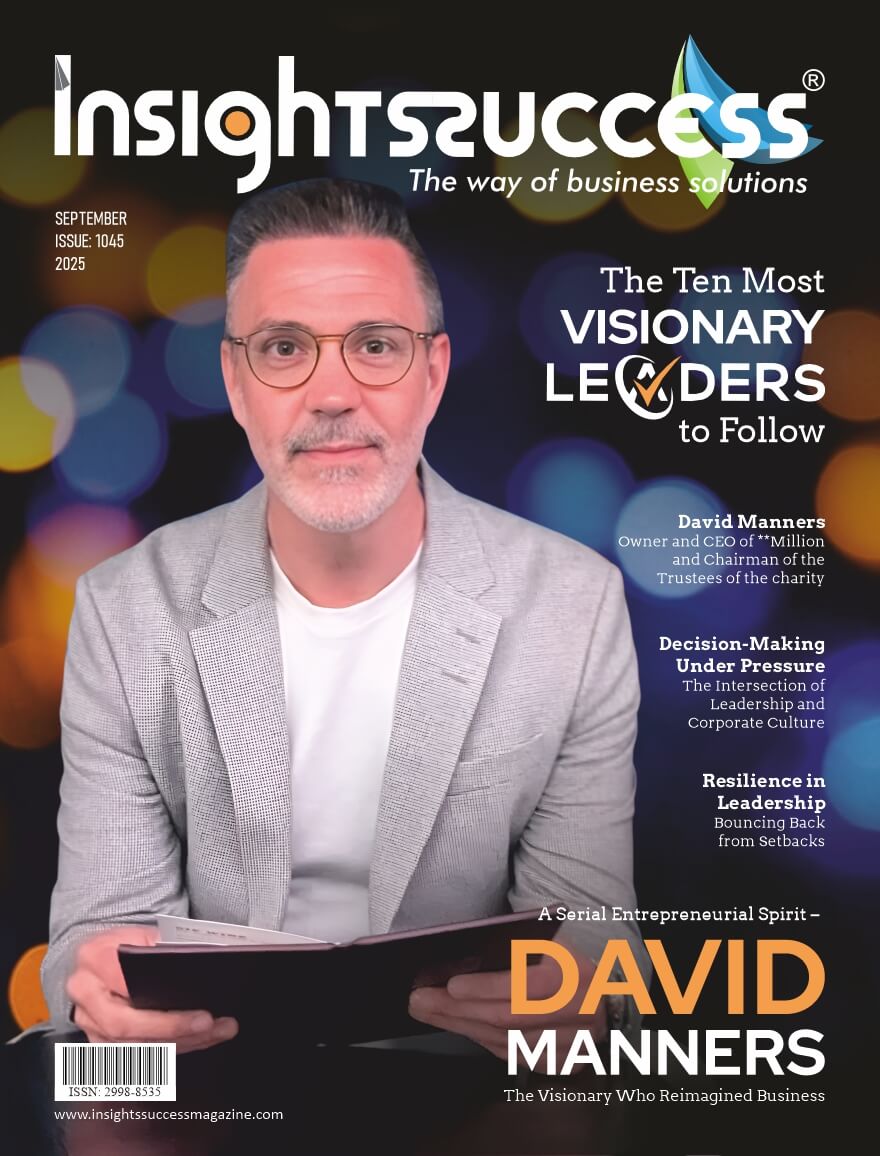
The Ten Most Visionary Leaders To Follow
The Ten Most Visionary Leaders To Follow This edition celebrates the individuals who embody the rare qualities. They are pioneers across industries—driving transformation, redefining success, and shaping a more resilient and innovative future. Their leadership goes beyond strategy; it reflects courage, adaptability, and a relentless pursuit of progress. Quick highlights Quick reads
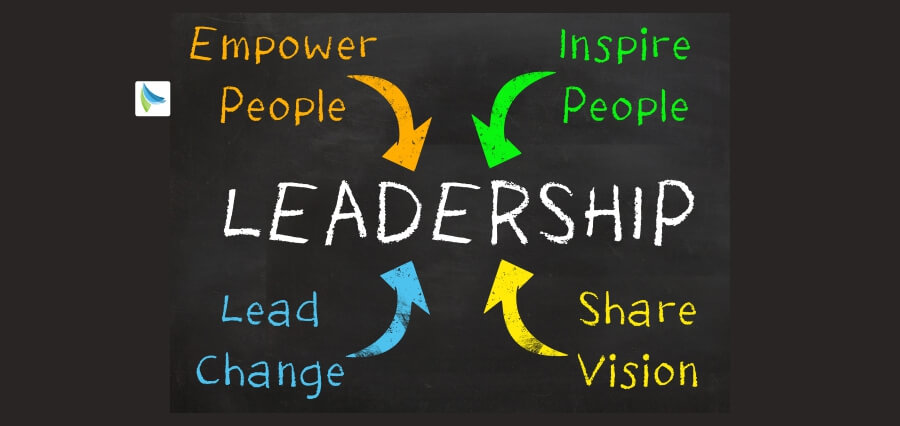
The Intersection of Leadership and Corporate Culture
Decision-Making Under Pressure With the increasingly frenetic business environment of the present day, leaders face repeatedly where they need to decide in the split of a second, based on insufficient information, and with critical outcomes. Whether in response to market upheaval or economic shock, reputation or operational crisis, these moments challenge not just the strategic abilities of leaders but the cultural foundations of their organizations. Good decision-making under pressure is not necessarily a personal skill—it is inherently tied to the company culture that nurtures and encourages leadership. Pressure as the Ultimate Leadership Test Pressure reduces leadership to its most fundamental form. At times of urgency when time is limited and uncertainty is the norm, leaders can no longer depend on long analysis or ideal information. In its place, they have to rely on a clarity of vision, faith in their people, and a fight-tested intuition. That is where culture comes in. A culture that facilitates fast collaboration, transparency, and accountability provides the bedrock upon which leaders are able to make good decisions even in a world surrounding them of mess and noise. Corporate Culture as a Framework for Making Decisions Company culture is the hidden compass in high-stakes situations. It governs how information is shared, how teams react, and how risk is considered. In failure-fearing cultures, decision-making is derailed; leaders wait for guarantee or perfection that never arrives. By contrast, those companies with psychological safety, open communication, and resilience enable leaders to make bold decisions while maintaining an eye on the company’s values and objectives. Strong culture ensures that even when a decision must be made under duress, it remains grounded in the values that promote long-term viability. Thus, corporate culture serves as both a guardrail and an accelerator of leadership during times of stress. The Role of Trust and Transparency Pressure leaders have to be able to delegate authority, trust professionals, and believe that their people will get the job done. This kind of reliance can only work within institutions that have a transparency culture. Trusteliminates the weight from leaders to micromanage in order for them to be able to think strategically rather than operationally. Moreover, an open culture provides ways for bad news or potential threats to become realized immediately, and thus leaders have enlightened choices without blocking issues. Resilience as a Cultural Strength Adaptive firms will be more likely to digest unexpected crisis shocks. Resilience is not only recovery but also a capacity for coming back stronger and better after failing. Top performers in the pressure-cooker setting are greatly favored by adaptability-driven, learning-driven, and agile cultures. These cultures mitigate stress-induced impulsive decisions and optimize creativity and ongoing improvement. Ethics and Integrity Under Strain Loss of ethical integrity is one of the highest risks of high-pressure decision-making. Pressure can induce leaders to sacrifice principles for short-term dividends. Once more, culture in the company makes the difference. Integrity cultures and ethical behavior are a moderating effect, reminding leaders that success for the sake of it is not worth sacrificing on the altar of principles. A doing-the-right-thing culture, even in adversity, keeps leaders anchored on a moral compass. Balancing Speed with Sound Judgment The best leaders realize that speed can be a decision made without sacrificing sound judgment. A culture that insists on disciplined decision-making processes but still retains an allowance for flexibility is what makes it possible to balance speed with sound judgment. For instance, inviting scenario planning, granting cross-functional teams the autonomy to make decisions, and encouraging a culture of responsibility makes even hasty decisions based on collective smartness instead of personal whim. Learning from Pressure Moments Pressure moments tend to leave us with precious lessons that inform leadership styles and organizational cultures. When the leader causes after-action reflection following such incidents—via post-crisis analysis or open sharing—organizations construct better decision-making systems for the future. Learning cultures that abhor blame turn pressure moments development building blocks, and they empower leaders and teams to be bold in facing future adversity. The Symbiosis of Leadership and Culture Finally, crisis decision-making demonstrates the symbiotic relationship between culture and leadership. Leaders define culture through what they do, particularly in times of crisis, while culture defines leaders by giving context to where decisions are drawn. Organizations that strive to create cultures of trust, resiliency, ethics, and learning create environments where leaders can flourish even in the highest-risk environments. Conclusion When the pressure arrives, leadership will not be enough. It teeters on the knife edge of unobserved but powerful corporate culture. Decisions then do not only create immediate results but leave lasting impressions on organizational identity. Those leaders embracing the intersection of bold action and strong culture are best positioned to ride crises out with direction, build confidence, and take their organizations to long-term success and resilience. Read Also: Bouncing Back from Setbacks

Bouncing Back from Setbacks
Resilience in Leadership Leadership never and never will be a straight line. Every leader, new and veteran alike, is hit with setbacks—sudden fluctuations in the market, organizational crises, personal matters, or failed strategies. Successful leaders are not those who can avoid trouble but those who can recover from it. Leadership resilience is a process of confronting turbulence with courage, learning from failure, and converting challenges into opportunities to learn. The Nature of Resilience Resilience is not the lack of struggle, it is the capacity to suffer, to learn, and to grow in the face of adversity. Resilience for leaders is staying clear on purpose and firm of character in the face of uncertainty. It is the practice of holding in tension determination and flexibility—knowing when to hold on and when to turn. While technical ability is acquired through experience, resilience is developed. It is achieved through trial and recovery incidents, a growth philosophy, and even through the ability to absorb failure without letting failure define. Why Resilience Is Important for Leadership In a world that is in disarray, the trait of leaders is resilience. Uncertainty in the markets, disarray in the technologies, and change in the social norms ensure failure. Resilient leaders are stability in the midst of uncertainty and reassure and guide people when others are lost. Resilience is also reflected in organizational culture. Resilient leaders who model the means of flourishing in adversity set the example of the behavior that inspires confidence in the teams. They enable people to resist being paralysed by fear of failure but to be motivated to try things out, innovate, and learn. Hence, resilience does not merely promise survival but long-term sustainability. Learning Through Setbacks Stumbles, painful as they are, inevitably result in growth. Great leaders don’t view failure as a destination but as a response. They ask the following: What can we learn? How can we improve? By reframing failure as opportunity, leaders establish a learning culture. Teams are prompted to look at what didn’t work, find the blind spots, and improve the processes for the future. This process turns failures into stepping stones to innovation and improvement. Emotional Intelligence and Resilience No resilient leadership is possible to be separated from emotional intelligence. Self-aware and compassionate leaders are best able to handle stress in a healthy way. They know their own emotions without being swamped by them and assist teams in coping with uncertainty. Empathy is critical in times of failure. Listening to complaints, acknowledging emotions, and maintaining open communication builds trust and unity. This human touch assists groups to persevere through challenges together, not singly. The Role of Adaptability Resilience is not obstinacy but flexibility. Circumstances change, and the resilient leader is prepared to tweak methods accordingly but keep core values and vision in place. They are resistant to dogma since they realize flexibility unlocks. In the outside world, flexibility can be embracing new technology, testing new business models, or restructuring groups to meet changing realities. Resilient leaders embrace change as a means of resilience and provide the lead for organizations to transform along with their environment. Developing Personal Resilience While there are individuals who might look resilient by nature, resilience can be developed with intent. Leaders can become more resilient by: Holding Perspective: Reframing setbacks as context, not as constricting failure. Prioritizing Well-being: Managing stress through mindfulness, exercise, and well-organized calendars. Seeking Guidance: Establishing networks of mentors, peers, and advisors for counsel. Reflection by Experience: Experience reflection for increased clarity and confidence. These are qualities that help people be good leaders, but they also help them enable others to be led. Resilient Organizations Through Resilient Leaders Resilient leadership trickles down throughout organizations. Managers who remain calm under pressure, are flexible, and are positive build teams with these traits. These types of organizations can survive catastrophes better, innovate in the face of crisis, and maintain long-term prosperity. Resilient companies also create psychological safety, in which the workers feel at liberty to experiment and raise their voices with ideas. This does not only encourage resilience in the face of adversity but also innovation and teamwork—pillars of drivers of excellence in times of competition. Conclusion It is not a matter of avoiding failures but about how one reacts when failure comes to their door. It is about bouncing back stronger, wiser, and more resilient. In an age of uncertainty fueled by disruption, resilience is not a choice—it is a necessity. Effective leaders build trust, form elasticity, and form a culture where organizations and individuals flourish in spite of adversity. By helping in converting misfortunes into learning experiences, they use adversity as a stepping stone and not a stumbling block. Ultimately, resilience is not just about enduring—it is the art of converting adversity into avenues for more profound leadership and sustained growth. Read Also: The Intersection of Leadership and Corporate Culture

A Serial Entrepreneurial Spirit – David Manners: The Visionary Who Reimagined Business
The contemporary business world is full of breathtaking hustle and bustle. Yet some extraordinarily multitalented business leaders establish empires of purpose, passion, and lasting significance that empower the past, present, and the future. With a twenty-five-year record of hugely successful founding, running, and expanding numerous UK businesses, David Manners, one of the highest entrepreneurial spirits, has shown a mastery of holistic, sustainable, all-inclusive, and progressive stewardship that is both strategic and profoundly ethical. Since becoming Owner and CEO of Sumillion Limited, David has not only established the UK’s most sustainable IT reseller but has also redefined the concept of being a corporate leader. The company is unique in the industry as the sole reseller to give 10% of yearly profits to charity, an indication that David believes economic development and sustainability are not at odds, but complementary. With his other pioneering ventures: Qumillion Limited, a Marketing & design consultancy specializing in creating strong brand identity and bespoke campaigns for its clients Bemillion Limited, a channel-only recruitment specialist, works as an invisible and anonymous value-added supplier Vemillion Limited, Basingstoke’s most sustainable café and first (and still only) 100% Vegan Café. Numillion Limited, a modern construction company specializing in sustainable renovations and conversions Ommillion Limited offers yoga and wellbeing classes, creating a space where people can reconnect to themselves and their lives through movement, meditation, and breathwork. As well as rebranding and managing: To Live in H.O.P.E, a non-profit organization aimed at empowering global communities through Health, Opportunity, Peace and Education. David Manners, the Owner and CEO of **Million and Chairman of Trustees of the charity, has been revolutionizing the modern era and redefining what a new business paradigm means. Demonstrating that a true leader means more than just a successful entrepreneur. He can be much more―a dedicated philanthropist. A devoted family man. And a proud vegan at the same time. All the while remaining true to a vision that is both profound and uncompromising. That’s why the global industry calls him a catalyst―change agent. Because he is envisioning a new generation of leadership that is building businesses that succeed, transform lives, and leave the world a better place. The **Million Brand’s Grand Vision: A Purpose Beyond Profit Having already built successful, traditional ventures, David reached a pivotal realization: he wanted to do more than simply succeed in business. He yearned to create a lasting, positive change in the world. This desire sparked the genesis of the **Million brand—a group of companies and a charity all united by a singular, powerful mission. Each entity, from Sumillion to Vemillion, was designed to challenge conventional industry norms and lead by example. The brand is built on a bold, recognizable identity and a non-negotiable commitment to giving back, with a minimum of ten percent of profits dedicated to charitable causes. David’s vision was to prove that “you cannot choose between economic growth and sustainability” and that the two can, in fact, be powerful allies. The influence of his personal vision is evident in every facet of the business. By embedding a core purpose of philanthropy and environmental responsibility, he ensured that the ventures would be truly unique and driven by a mission to improve the world. This isn’t just about corporate social responsibility; it’s the very foundation of the business model. The Soul of the Business: Leading with Integrity When it comes to steering his multiple ventures, David firmly believes that the soul comes first. For him, the core of the business isn’t just a strategy on a whiteboard; it’s the deeply held values and beliefs that define its existence. This is what truly separates the **Million brand from its competitors. By focusing on “why we exist, what we believe, and how we behave,” he cultivates a corporate culture that is both productive and deeply meaningful. His passion for creating lasting, positive change isn’t just an aspiration; it’s the guiding principle behind every strategic decision, ensuring that profitability is always balanced with integrity and a genuine commitment to social and environmental betterment. A Constant State of Reinvention Leadership, for David, is not about finding a single, static formula for success, but about a continuous process of reinvention. He keeps his leadership style fresh and future-focused by nurturing a constant state of curiosity and learning. He doesn’t just look for new ideas himself; he actively encourages his team to have a voice, listening to them, his customers, and his peers. Whether it’s exploring emerging technologies, sustainability practices, or innovative leadership frameworks, David is dedicated to learning and applying new knowledge. He prides himself on staying ahead of the curve, constantly challenging his own practices and those of his companies to remain at the forefront of innovation and sustainability in their respective industries. A Test of Resolve: Building on Belief Every visionary faces setbacks, and for David, the first major roadblock was a self-imposed one. From the very beginning, he made the deliberate choice to hire people based on personality and shared values, not on prior experience. This was a radical departure from traditional business models, but he believed it was the only way to build a company with the integrity and passion that defined his vision. The challenge, however, was significant. Without employees who had predefined ways of doing things, the company had to develop its own best-in-class training programs and procedures from the ground up. This process was time-consuming and required immense patience and resolve to get right, but it laid the foundation for a company culture built on trust and a shared mission. From Relevant to Revolutionary: Leading the Green Agenda In a world of constant change, David has ensured that Sumillion remains not only relevant but truly revolutionary by combining purpose with agility. He believes the company’s relevance comes from being the UK’s most sustainable IT reseller, but its revolutionary edge is its unwavering commitment to embedding sustainability into every part of the business. This goes far beyond a marketing slogan; it’s a strategic imperative that influences everything from procurement and partnerships

Google Rolls Out AI-Powered Photo Editing for Android Users with Voice and Text Commands
Prime Highlight Google has introduced an AI-powered photo editing feature in Google Photos, allowing Android users to make edits through natural language text or voice commands. Users can request edits like lighting adjustments, object removal, or photo restoration, and even apply creative transformations with follow-up instructions. Key Facts The feature, first launched on Pixel 10 devices in August, is now available to Android users aged 18+ in English. Google has extended C2PA Content Credentialsin Photos to mark images edited or generated with AI, enhancing transparency. Background Google announced on Tuesday that Android users can now edit photos in Google Photos by simply talking to or texting the AI. The feature is an AI-driven feature that allows users to describe their preferred edits in natural language rather than using editing tools to do so. To utilize the tool, the user may simply tap the Help me edit button in the Photos editor and type or speak what he/she wish to change. They can demand modifications such as changing the lighting, eliminating unnecessary objects, and even restoring old photos. For those unsure where to begin, the app offers Gemini’s suggested edits or a simple “make it better” option. The AI can also make creative transformations by adding imaginative elements to photos. Edits don’t stop with a single request; users can continue with follow-up instructions to fine-tune results. The rollout follows the feature’s debut on Pixel 10 devices in the U.S. in August. Now, it is available more widely to Android users aged 18 and above, though currently limited to English. Google has also announced the extension of C2PA Content Credentials in Google Photos, in addition to the AI editing. This feature marks when images have been created or modified using AI, supporting transparency in digital content. It was earlier exclusive to Pixel devices but will now be available on Android as well. This update will make photo editing more user-friendly and easier to use, eliminating the complexity of traditional photo editing tools. Read Also: Periscope Co-Founder Kayvon Beykpour Launches Macroscope with $40M Funding

Celebrating Asia’s Top Innovators
The Asia Excellence Awards is a prestigious event that celebrates the incredible work of Asia’s top entrepreneurs, organizations and SMEs operating in various industries. This lively assemblage brings together visionaries, industry leaders, and business innovators to celebrate innovation and excellence. The event is a mix of award ceremonies, thought-provoking discussions and networking sessions. This year the event took place on August 30, 2025, at the sophisticated Radisson Blu in New Delhi. The venue was abuzz with excitement as hundreds of attendees from sectors like technology, healthcare, pharmaceuticals, and insurance united to honour the transformational impact of Asia’s business community. There was a spirit of cooperation and shared ambition as participants looked back at what they had achieved and sought possibilities for growth. The ceremony was graced by the presence of Jaya Prada, an eminent Indian actress and former Rajya Sabha member, who served as the chief guest. Renowned for her great performances in Indian films and her invaluable contributions to public service, Jaya Prada lent elegance and authority to the evening. In her speech, she evinced appreciation of the novel ideas and achievements showcased during the course of the evening and underlined the awards’ value as a source of inspiration. Hosted by Insights Success Media, a leading PR platform with a reputation for mastery in storytelling, the Asia Excellence Awards 2025 demonstrated the strength of strategic communication. The team at Insights Success, trained in the art of combining creativity and accuracy, designed an experience that was not only befitting of the awardees but also brought them together with a network of global influencers and leaders. From the award ceremony to the informative discussions and networking sessions, each element was carefully planned. The event provided insights in the form of knowledge-sharing sessions, where business leaders shared their experiences, coping strategies for challenges, and methods of encouraging innovation. These sessions gave actionable insights to drive business expansion and resilience. Just as important were the networking aspects, which gave room for meaningful interactions and the establishment of potential future partnerships and collaborations. Jaya Prada emphasized the need for such a platform in inspiring and empowering thought-leaders and making them move forward, leaving people in the audience encouraged to drive their sectors forward. The award recipients, recognized for their noteworthy contributions, included: Eesha Sukhi: Excellence in Hospitality Innovation & Women Entrepreneurship for her notable contributions to the hospitality sector. Mamta Pall: Most Impactful Woman Entrepreneur of the Year for her transformative leadership in entrepreneurship. Acharya Addittya Tamhankar: India’s Top Spiritual Healer & Astrologer for his profound impact in spiritual guidance. Dhanesh Bharadwaj: Excellence in Hospitality Project Leadership & Construction Management for his exemplary work in project execution. Venugopal Rao Pendyala: Excellence in Strategic Financial Leadership & Business Transformation for driving growth and financial innovation. Sudarshana Niraj Dravid: Excellence in Global Business Development & Sustainable Digital Transformation for advancing sustainable business practices. Rajat Sheth: India’s Top Pioneering HR Leader for redefining human resources strategies. Mridula Singh: Top Global Leader to Watch in 2025 for her visionary leadership. Mohit Menghnani: Top Strategic Mind in IT – 2025 for driving technological advancements. D2i Ops Pvt LTD: Best IT Services Provider for delivering exceptional IT solutions. Somak Banerjee: Excellence in Delivery Transformation & Generative AI Leadership for advancing AI-driven solutions. Dr. SAJI PK: Excellence in Global Technology Leadership & Digital Infrastructure for his contributions to tech infrastructure. Sumeesha M. Chandran: Excellence in Agile Consulting & Digital Process Innovation for her agile methodology expertise. Amit Sanyal: India’s Top CEO of the Year – 2025 for his leadership at Botree Software International Private Limited. THEON PHARMACEUTICALS LTD. (Mr. Amit Bansal, Managing Director): India’s Top Contract Manufacturing Company of the Year for excellence in pharmaceuticals. Anish Naidu Basa: Young Innovator of the Year – Excellence in Artificial Intelligence & Emerging Technologies for his contributions in AI & emerging tech solutions. Sabapathy Ramesh: The Visionary Leader of the Year – 2025 for his forward-thinking leadership. Disclaimer – This article is a work of original content created for public relations and informational purposes only. It may be published across multiple digital platforms with the full knowledge and consent of the author/publisher. All images, logos, and referenced names are the property of their respective owners and used here solely for illustrative or informational purposes. Unauthorized reproduction, distribution, or modification of this article without prior written permission from the original publisher is strictly prohibited. Any resemblance to other content is purely coincidental or used under fair use policy with proper attribution. Read Also: Dr. Saurabh Suman: Director, Suman Brothers Consultancy
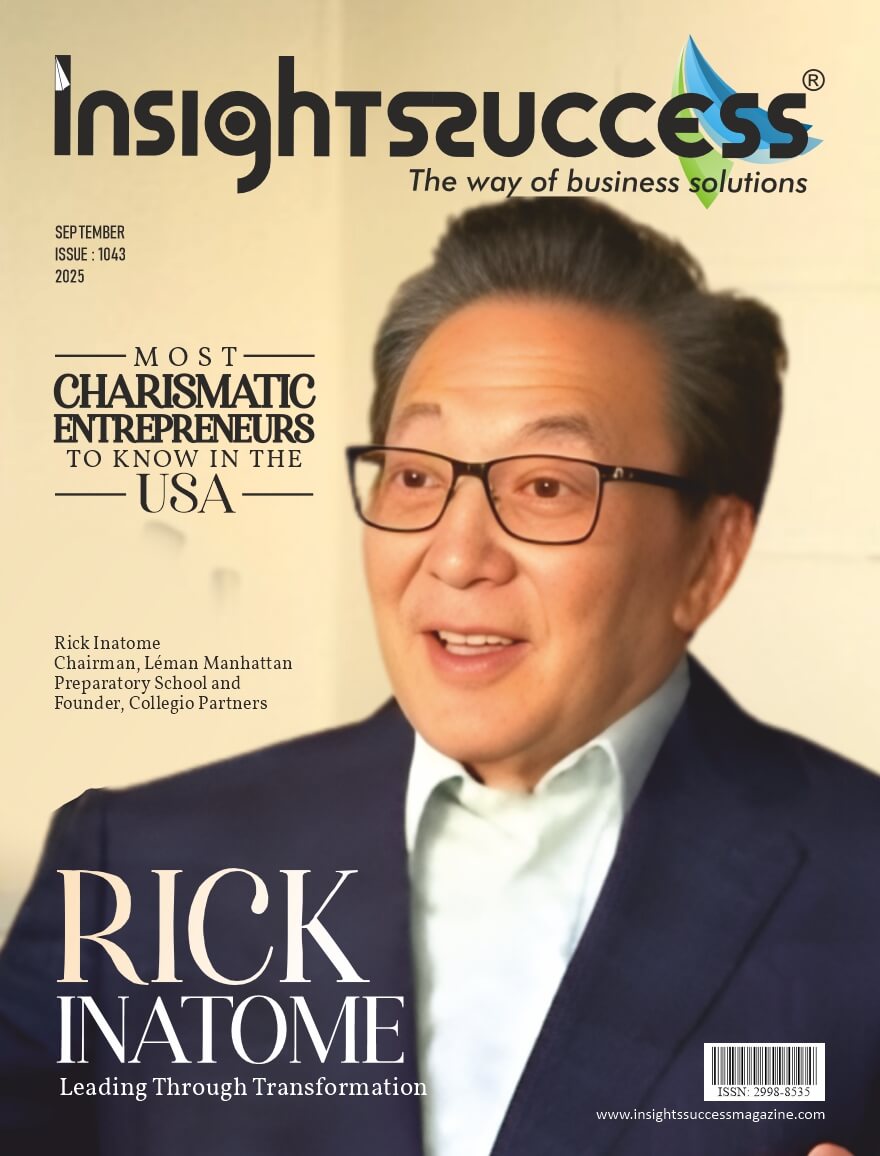
Most Charismatic Entrepreneurs to Know in the USA
Most Charismatic Entrepreneurs to Know in the USA This edition highlights the trailblazers whose energy, ideas, and personal influence have propelled their ventures to success while inspiring those around them. Their journeys go beyond business metrics—they embody resilience, authenticity, and the ability to connect with people, turning challenges into opportunities and ideas into transformative realities. Quick highlights Quick reads