






Nicole Gegenheimer: A Global Leader Bridging Business, Humanitarianism, and Innovation
Nicole Gegenheimer’s career is a masterclass in versatility, blending business development, peace-building, and humanitarian advocacy with a rare technical foundation. With academic credentials spanning three continents, she holds an M.Sc. in Negotiation & Conflict Resolution from Columbia University, an Executive M.B.A. from The American University of Beirut, and an M.Sc. in Electrical Engineering from Université Paris-Sud. This diverse educational background has shaped her ability to operate at the crossroads of strategy, technology, and social impact. Fluent in four languages, she moves seamlessly through complex, multicultural landscapes, bridging industries and cultures with ease. Nicole’s professional journey began in high-value account management, where she built a strong foundation in client relations and business strategy. Her ability to drive results quickly propelled her into the telecommunications sector with OOREDOO Qatar. There, she tackled a range of roles spanning Account Management, Business Process Engineering, and Mergers & Acquisitions. Whether leading integration projects or negotiating strategic partnerships, Nicole demonstrated an innate ability to synthesize technical expertise with big-picture business thinking. But numbers and strategy were never enough for her—Nicole always sought impact beyond the corporate boardroom. Her involvement with the Whitaker Peace & Development Initiative (WPDI) as a pro bono fundraiser marked a turning point. She played a key role in securing resources for programs that foster reconciliation in conflict-affected regions, reinforcing her lifelong commitment to human rights and sustainable change. Now, as the founder of a startup focused on recruiting and training skilled nurses for placements in European healthcare institutions, Nicole has once again blended business acumen with purpose. This venture not only addresses workforce shortages but also empowers professionals by providing language and cultural training—ensuring they can integrate smoothly into their new environments. Her work embodies the belief that businesses can be powerful vehicles for social change when built with vision and empathy. A true ENFP, Nicole thrives on creativity, connection, and problem-solving. She is known for her ability to navigate high-stakes negotiations with both logic and emotional intelligence, forging lasting partnerships that drive meaningful outcomes. Whether she’s spearheading an M&A deal, shaping peace-building initiatives, or launching a new business, her approach is always dynamic and deeply human-centered. Beyond her professional endeavors, Nicole’s personality shines through in the little details—like her ever-growing collection of funky socks and statement sunglasses, which serve as playful reminders that life should be approached with both style and humor. Her journey is proof that careers don’t have to fit neatly into a box; by embracing diverse passions, thinking globally, and acting with purpose, it’s possible to create a life that is both impactful and uniquely one’s own. Read More: Mark Kembel: A Visionary Leader in AI and Educational Technology

Mark Kembel: A Visionary Leader in AI and Educational Technology
Mark Kembel is a pioneering entrepreneur and seasoned technology expert whose career bridges the worlds of artificial intelligence and education. With a passion for innovation and a dedication to democratizing complex technologies, Mark has built a reputation as a forward-thinking leader driving real-world impact in the EdTech and AI spaces. Mark’s journey began with a foundation in business administration, later focusing on Management Information Systems at Eastern Washington University. Even before completing his degree, he was recruited by Microsoft—a testament to his early potential and technical skill. At Microsoft, Mark took on multiple roles, including Software Support Engineer, Test Engineer, and eventually a leadership position in engineering management. These experiences laid the groundwork for his deep understanding of the software development lifecycle and emerging tech trends. Before joining Microsoft, Mark also worked with Hewlett-Packard on a Department of Defense contract, contributing as a technical writer with top-secret clearance. This role not only honed his communication skills but also instilled in him the discipline and rigor required in high-stakes environments. Driven by a desire to create meaningful change, Mark eventually transitioned from the corporate world to entrepreneurship. He launched a technical training firm that successfully prepared hundreds of software test engineers for careers at Microsoft and other top tech companies. This venture served as the catalyst for his long-term mission: making high-level technical education more accessible to aspiring developers around the world. Today, Mark is the founder and CEO of AI Online Developer Plus, Inc., a cutting-edge platform offering practical, industry-relevant training in artificial intelligence, data science, and software development. The company provides a diverse portfolio of courses, including programs for AI Engineers, Machine Learning Engineers, Data Analysts, and AI Program Managers. Designed with real-world applications in mind, these programs focus on hands-on learning and practical implementation. Mark’s instructional philosophy emphasizes accessibility. Recognizing that many learners struggle with the theoretical complexity of AI, he has built courses that simplify learning through concrete examples and step-by-step project guides. By integrating tools like OpenAI and user-friendly platforms such as Microsoft Word for data visualization, he ensures that even those without advanced math backgrounds can grasp foundational AI concepts. In his role as CEO, Mark oversees strategic direction, course development, and marketing initiatives. His leadership is deeply involved and hands-on, ensuring the platform evolves in tandem with the rapidly shifting AI landscape. He is currently spearheading a $2 million capital raise to expand the company’s reach, enhance its offerings, and bring on specialized staff to fuel growth and research. Looking ahead, Mark is focused on launching “Math Kit 2.0,” a new educational toolkit aimed at simplifying advanced mathematical concepts for broader audiences. His long-term vision includes making AI education more inclusive and equipping learners with the tools needed to thrive in an increasingly AI-integrated world. With a career rooted in innovation, Mark Kembel continues to inspire a new generation of learners and technologists, proving that with the right guidance, anyone can harness the power of AI. Visit https://aiondevplus.com/ to get more information on Mark’s AI Programs.

Laura Rinnankoski: Transforming Lives Across Borders
Laura Rinnankoski is an Award-Winning International Transformational Life Coach, NLP Practitioner, Motivational Speaker, and two-time Bestselling Author. With a passion for personal development and a commitment to helping individuals unlock their potential, she has built a global reputation for guiding people toward meaningful change. Her expertise spans multiple disciplines, from Neuro-Linguistic Programming (NLP) to transformational coaching, empowering individuals to overcome self-doubt, develop resilience, and create fulfilling lives. One of Laura’s greatest strengths is her ability to connect with a diverse range of people, thanks to her fluency in English, Spanish, Finnish, and Italian. This linguistic ability, coupled with her extensive international experience, allows her to work seamlessly with clients across different cultures. She has coached individuals from various backgrounds, helping them break through limitations and achieve personal and professional growth. Her multicultural perspective is deeply rooted in her upbringing and life experiences. Born in Finland and raised in Venezuela, Laura was exposed to diverse cultures from an early age. She attended international American schools, which shaped her global outlook and adaptability. She later pursued higher education at Boston University, where she further expanded her knowledge and expertise. Her professional journey took her to Miami, where she established herself in the coaching and personal development space, before eventually settling in Dublin, Ireland. Laura’s work has not gone unnoticed. She has received six prestigious awards, including the CREA Global Award, recognizing her outstanding contributions to transformational coaching. Her insights and expertise have also gained international recognition, leading to features on three magazine covers and contributions to two bestselling books. These accolades underscore her influence in the coaching industry and affirm her dedication to helping individuals achieve breakthroughs in their lives. At the core of Laura’s coaching philosophy is the belief that transformation begins with mindset. She integrates NLP techniques with proven coaching methodologies to help clients shift their perspectives, overcome self-imposed barriers, and embrace new possibilities. Whether working with individuals or addressing larger audiences, her approach is results-driven, dynamic, and deeply empathetic. She tailors her coaching to each client’s unique needs, ensuring they receive the guidance and support necessary to achieve their goals. Beyond one-on-one coaching, Laura is a highly sought-after motivational speaker. Her engaging and insightful talks inspire audiences to embrace change, cultivate a success-oriented mindset, and take control of their personal and professional growth. She speaks at international events, sharing her expertise on resilience, confidence, and the power of mindset in achieving success. Her ability to motivate and uplift others has made her a favorite among those seeking practical strategies for self-improvement. Laura’s work extends beyond coaching and speaking. As a two-time bestselling author, she has shared her wisdom through written works that resonate with readers worldwide. Her books offer actionable strategies for personal transformation, providing readers with the tools and mindset shifts needed to create meaningful change in their lives. Her influence continues to grow as she reaches new audiences through her coaching programs, speaking engagements, and books. She is dedicated to helping individuals navigate challenges, unlock their true potential, and live with purpose. Her journey—from a multicultural upbringing to becoming an internationally recognized transformational coach—serves as an inspiration to those striving to achieve their own breakthroughs. Laura Rinnankoski’s impact is a testament to the power of resilience, self-belief, and continuous growth. Through her coaching, speaking, and writing, she empowers people to step into their highest potential, proving that with the right mindset and support, transformation is always possible.

Middle East’s Top Cybersecurity Minds Shaping the Future of Digital Safety
Middle East’s Top Cybersecurity Minds Shaping the Future of Digital Safety This edition honors the exceptional professionals who are driving innovation, shaping policy, and leading defense strategies against evolving cyber threats. These thought leaders are not only experts in technology—they are strategic thinkers, educators, and visionaries who understand the region’s unique digital challenges and opportunities. Quick highlights Quick reads

El Bachir El Alaoui: Advancing Cybersecurity Leadership with Strategic Precision
What is the heartbeat of a secure digital organization? It’s not just the firewalls or the encryption keys; it’s the people, the culture, and the strategic vision that pulses through its systems. El Bachir El Alaoui understands this truth—and has made it his mission to bring this pulse to life through strategic leadership and technical expertise. What sparked El Bachir’s curiosity about cybersecurity was simply a deep interest in technology in general, particularly electronic devices, and how they work. He always aimed for an impactful job and the satisfaction of making a real difference by helping to protect individuals and organizations from cyberattacks and by safeguarding sensitive information. El Bachir invested his time in developing his skills in various IT functions, i.e. systems, infrastructure and software development. Then, he turned to a more focused career in cybersecurity as a consultant and a project manager. And a few years ago, he grabbed the opportunity to join ENGIE as a Cybersecurity and Infrastructure Manager and, after 3 years, he was promoted to Chief Information Security Officer. As we dive deeper into the industry fundamentals, we see that there are many responsibilities, particularly in the cybersecurity sector. Today, cybersecurity covers not only IT (Information Technology), but also OT (Operational Technology) to protect industrial assets. However, while emphasizing the key responsibilities, El Bachir shares, “The main ones are Governance, by developing and implementing comprehensive security policies, procedures and standards that align with the organization’s business goals; Operations, by identifying, assessing, and mitigating security risks to protect our organization’s offices and industrial assets in the region; Compliance, by ensuring ENGIE meets regulatory requirements and industry standards; Security Architecture, by planning and implementing IT and OT infrastructure and solutions that follow best security practices; and Awareness, by developing a cybersecurity culture through employee awareness-raising and training.” Progressing with a Vision To stay ahead of emerging cybersecurity threats, El Bachir implements several key strategies. He starts by conducting regular security audits and assessments to identify potential vulnerabilities and to ensure compliance. Continuous monitoring is also a cornerstone of his approach, allowing his team to detect anomalies and potential breaches as soon as they arise. El Bachir invests heavily in advanced threat detection technologies, utilizing AI and machine learning to enhance the speed and accuracy of threat detection. Additionally, he ensures that employees receive ongoing training in cybersecurity best practices, helping them stay vigilant and maintain strong cyber hygiene habits across the organization. In El Bachir’s perspective, cybersecurity is an advancing field, thus he tries to maintain a dynamic leadership style by fostering trust, collaboration and engagement of team members. He ensures that communication flows effectively between the team and remains clear and transparent, and he tries to adjust the leadership approach to the team’s context and needs. However, he believes that he is fortunate to work with a team of leading cybersecurity professionals who already have a strong cybersecurity culture and for an organization that has integrated cybersecurity into its corporate priorities, alongside health, safety and ethics. He expresses, “Demonstrating a commitment to security, encouraging an open dialogue about team members’ issues and concerns, promoting a collaborative environment to solve security challenges and recognizing and celebrating their (and our) achievements, help to reinforce the importance of this culture.” Vocation in Spotlight While shedding light on professional milestones and recognitions throughout his tenure, El Bachir highlights his promotion to the current leadership position of Chief Information Security Officer as a defining moment. He views it as a significant acknowledgment of his expertise, dedication, and the consistent value he has brought to the organization over the years. However, in his past career as a project manager, he successfully led and contributed to impactful initiatives—one of which notably enhanced a well-known. NGO’s capacity to deliver essential health services and education to children in need across Africa. In his opinion, celebrating key work anniversaries, such as five or ten years with the same organization, is more than a formality; it’s a meaningful milestone that reflects dedication, growth, and a lasting contribution to a shared mission. The Advancing World of Cybersecurity El Bachir recalls the days when the implementation of cybersecurity initially focused on securing networks and ensuring data integrity. However, with the rise of sophisticated attacks, such as ransomware or supply chain attacks, it has since evolved to offer more comprehensive security solutions. Today, the growth of cloud computing and the use of AI have also introduced new security challenges, requiring more robust and complex solutions to protect infrastructure, applications and data. Curating Strategies for Addressing Challenges While closely observing the leading industrial sectors, El Bachir opines that the energy sector is facing many cybersecurity challenges, some of which have existed for a long time and will remain, such as phishing attacks or the use of outdated or obsolete systems. The interconnected nature of this sector also poses a major risk and means that vulnerabilities in the supply chain can have widespread impacts. As per the fundamentals, one that is fairly new is the acceleration in the integration of IT and cloud solutions with the industrial infrastructure, which increases the attack surface and the complexity of cybersecurity measures. Addressing these challenges requires a comprehensive approach, including regular security assessments, employee training, advanced threat detection, and robust incident response plans. Another pressing and major challenge is empowering women in the cybersecurity field to address the industry’s talent shortage and enhance diversity. In El Bachir’s view, tackling these multifaceted challenges demands technical resilience and a collective commitment to inclusivity, innovation, and continuous adaptation in the advancing business arena. He believes that, much like in other sectors, the core challenges remain consistent—the key difference lies in the accelerating pace of change. To stay ahead, he actively engages in conferences and webinars, follows trusted cybersecurity publications, networks with industry peers, and subscribes to expert-led newsletters. Additionally, he highlights the advantage of being part of a large organization, where valuable insights and guidance are regularly exchanged between internal cybersecurity teams and trusted partners. Maintaining a

Leading Through Regulation: Staying Ahead of Global Cyber Laws
In an increasingly integrated digital world, cybersecurity has ceased to be limited to technical infrastructure—it is a requirement for governance. With cyber threats rising in intelligence and frequency, governments and regulatory agencies around the world have reacted with blanket legislation to safeguard data, provide privacy, and enforce accountability. From the European Union’s GDPR to the U.S. SEC cybersecurity disclosure regulations, China’s Data Security Law to India’s Digital Personal Data Protection Act, the international regulatory environment is more intricate—and impactful—than ever. For corporate leaders, this change is an opportunity as well as a threat. It calls for something more than mere compliance; it calls for strategic vision, operational synchronizing, and principled leadership. The capacity to foresee and navigate changing worldwide cyber legislation is becoming the hallmark of robust, future-proofed organizations. The Emergence of Cyber Regulation: An Emerging Trend In the last decade, the world has experienced a shift from voluntary cyber security standards to legally binding obligations. Once a discretionary risk—handled within IT departments and informed by frameworks like NIST or ISO—cyber security is now an issue of legal exposure, investor scrutiny, and public trust. Legislators have acted rapidly to react to high-profile incursions, ransomware attacks, and systemic weaknesses in crucial infrastructure. These legislations extend beyond national borders; multinational corporations must now deal with overlapping jurisdictions, cross-border data transfer prohibitions, breach notification provisions, and fines that can amount to billions. For executive leaders, this translates to that cybersecurity strategy can no longer be isolated. It has to be converged across governance, risk management, legal compliance, and digital innovation. Keeping one step ahead of cyber regulation is now a business imperative—one that has direct bearing on valuation, reputation, and competitive advantage. Leadership Imperatives: From Compliance to Culture Remaining compliant with international cyber laws is a moving target. There are new regulations that come out all the time, and current ones keep changing. What makes great leadership in this scenario isn’t so much the capability to comply, but to instill within the organization’s DNA security and compliance. This starts with tone from the top. Boards and C-suites should be seen showing visible commitment to cybersecurity governance. This involves setting cross-functional cybersecurity governance, investing in regulatory intelligence, and continuously reviewing policies against the changing legal terrain. In addition to structure, awareness has to be the priority of leadership. All employees in all departments—marketing, HR, and operations—need to comprehend the ramifications of cyber laws and have a stake in defending data and systems. Organizations that are best prepared against cyber threats are those led by people who commit to ongoing training and communication. Global Complexity Requires Local Understanding Operating transnationally brings tremendous regulatory complexity. A multinational business might be within the scope of the GDPR in Europe, CCPA in California, LGPD in Brazil, and sector-specific legislation in Singapore, Japan, and Australia. Each jurisdiction contains varying personal data definitions, breach notification timescales, consent prerequisites, and enforcement strategies. Good leadership involves the right legal and regulatory awareness imbedded in the decision-making process. That entails collaborating closely with general counsel, data protection officers, and cybersecurity leaders to plot duty across every jurisdiction of operation. It also entails balancing compliance and innovation. Digital transformation—through AI, cloud take-up, and IoT connectivity—must be driven by leaders without violating data sovereignty or cross-border data flow restrictions. This needs to be supported by advanced risk modeling, ethical data governance structures, and nimble policy design. Proactive Engagement with Regulators and Stakeholders Regulators who are merely seen as the historians of regulation are never ahead of the curve. Those who actively interact with regulators, industry associations, and international forums establish their organizations as well-informed and responsible players in the digital world. Such interactions enable predictive anticipation of regulatory trends, influence policy formulation, and respond rapidly when regulations change. They also demonstrate a culture of cooperation and responsibility, which boosts credibility with regulators and investors equally. Internally, communication with stakeholders—shareholders, clients, partners, and employees—is proactive. It constructs openness and faith. When regulatory failures occur, companies that have had a record of open communication and ethical leadership are in the best position to respond and recover. The Cost of Non-Compliance: Beyond Fines The cost of not complying with worldwide cyber regulations is high—and increasing. Monetary fines, like GDPR penalties as much as 4% of worldwide turnover, are just the beginning. There are also legal exposures, regulatory probes, business disarrays, and irreparable damage to reputation. Current enforcement efforts have also directly targeted executives and boards. Emerging regulations within Europe and the United States increasingly focus on senior leadership in cybersecurity governance, mandating cyber incident reporting, risk management practices disclosure, and demonstrating board-level involvement. Here, leadership is not just a matter of not getting penalized, but actually protecting shareholder value. It is all about understanding cyber risk deeply, holding others accountable, and thinking ahead in terms of governance. Looking Ahead: Regulation as a Competitive Differentiator Instead of seeing cyber regulation as a hindrance, forward-thinking leaders realize that it is a competitive advantage. Companies that routinely meet and exceed regulatory requirements send a strong message to the marketplace—they are reliable, ready, and dedicated to responsible innovation. With privacy and data ethics emerging as key differentiators in the digital economy, organizations that excel at compliance will excel at customer loyalty and investor trust as well. By embracing regulation as a baseline—not a barrier—leaders can put business growth in alignment with public interest. Conclusion: Leadership is the Regulatory Advantage In an age of omnipresent cyber risk and mounting regulation, leadership is the most important variable in charting the future. Compliance is no longer about regulatory compliance—it is a strategic stance, a cultural alignment, and a competitive advantage. By incorporating awareness, conducting themselves with integrity, and infusing cybersecurity into the fabric of governance, leaders today can not only navigate regulatory risk—they can lead from it, raise the bar for others to follow, and contribute to building a better, more secure digital world.

Leadership in Crisis: Navigating Cyber Attacks with Integrity and Speed
In the hyperconnected world today, any organization is vulnerable to a cyber attack. International corporations or a company of mid-size, the vulnerability of a cyber attack is no longer a matter of “if,” but “when.” Amidst this exposure in the digital world, the leadership role becomes essential—not only in averting an attack, but in response. When there is a breach, the quality of leadership determines the speed with which the damage is contained, how openly the communication is managed, and ultimately, how trust is regained. Real leadership does not demonstrate itself when everything is right but how one responds when under pressure, faced with danger and uncertainty. Cyber attacks present exactly such a test—high stakes, condensed information, and having to make rapid, high-integrity decisions. The First Hours: Poise in Turmoil The first few hours after a cyber attack are likely to reveal. Networks may be hijacked, data may be held hostage, and systems may be brought down. These are the situations when good leaders must show their calm in the eye of the storm, not just to be able to make sound decisions but as a reassuring presence for their teams and stakeholders. Speed is paramount—but it has to be combined with clarity. Hurrying to judgment without a clear grasp of the breach can allow damage to escalate more quickly. Good leaders recognize the value in engaging pre-established incident response protocols so that cybersecurity, IT, legal, compliance, and communications teams can work together. They also acknowledge the human factor in crisis. Panic is contagious and will spread rapidly, and uncertainty generates speculations. Calm leaders who speak clearly and empathize during the initial stages of a cyber crisis instill a sense of order out of chaos and inspire confidence in the organization’s ability to respond. Transparency: The Currency of Trust Following a cyber attack, organizations generally have the challenge: how much, and when? There is not always a one-size-fits-all answer in each situation, but there is one principle that never changes—transparency, informed by responsibility and integrity, fosters trust. Hiding the scope of a breach or not releasing information for public consumption usually comes back to bite, resulting in reputational loss, regulatory fines, and stakeholder distrust. Effective leaders know that timely and unambiguous communication is crucial. They place fact over rumor, clarity over spin. They inform internal teams, clients, partners, and regulators on the basis of evidence-based findings, and report in a consistent and professional manner. Transparency also goes inward. Staff need to be informed and involved in the recovery process. Leadership that describes the extent of the attack, presents recovery plans, and reminds staff of security awareness creates a culture of resilience, not fear. Accountability and Action: The Dual Imperatives Personal responsibility is perhaps the key characteristic of strong crisis leadership. Avoidance or finger-pointing dissipates leadership integrity. Conversely, when leaders accept responsibility for how the firm handled it—no matter where the weakness lay—they are modeling strength, maturity, and devotion to enterprise values. Accountability needs to be accompanied by firm action. This involves launching forensic tests, evaluating the extent of damage, engaging regulators or law enforcement as appropriate, and sanctioning tools for quick recovery and long-term enhancement. Anticipatory leaders speaking about lessons learned and making public commitments to strengthening defenses indicate an active risk management stance. Managing Legal, Financial, and Reputation Risk Cyber attacks can easily escalate into complex crises impacting legal risk, financial performance, and reputation. These intricacies must be handled by the leaders in an effective manner while remaining on the same page as the strategic priorities and core values of the organization. Attorney coordination is key to remaining in compliance with regulatory frameworks—e.g., notification of data breach laws. CFOs and finance will need to estimate financial consequences, such as lost revenues, ransom, and other cybersecurity costs. Communications leaders will need to advise on outside comms tone and frequency to maintain credibility among investors, the media, and the public. The best leaders tackle these areas not as compartmentalized responses, but as integrated parts of a cohesive crisis plan. Such success in departmental coordination is a reflection of the strength of the organization’s leadership structure. Culture as a Line of Defense Cyber crisis leadership is not merely recovery at a technical level—it is resilience at a cultural level. Security is a culture that can be built up from top to bottom enabling staff to be the first line of defense. It also enables that if there ever is a breach, the organization is emotionally and operationally ready to respond to it. Building such a culture requires continuous investment in value-driven leadership, consciousness, and development. Leaders who consider ethics, openness, and continuing learning lay the foundation for a workforce that can learn and recover in the age of digital disruption. Preparing for Tomorrow, Leading Today Cyber threats will remain dynamic—more sophisticated, more personalized, and more debilitating. The players who will succeed here are not those with the most costly firewalls, but the most responsive, responsible, and reliable leaders. The future of cybersecurity leadership is not technical, it’s strategic, ethical, and human. It demands foresight, humility, and an unwavering commitment to safeguard people, data, and trust. Leaders who answer the challenge don’t merely react to crises—they lead through them, raising the bar for resilience and integrity.

Most Innovative Fleet Management Companies Transforming the Industry in 2025
Most Innovative Fleet Management Companies Transforming the Industry in 2025 This edition highlights the most innovative fleet management companies that are setting new standards in efficiency, safety, and sustainability for 2025 and beyond. From leveraging AI-driven analytics and IoT connectivity to implementing eco-friendly solutions and optimizing route planning, these companies are transforming how fleets operate—driving cost savings, reducing environmental impact, and enhancing driver experience. Quick highlights Quick reads
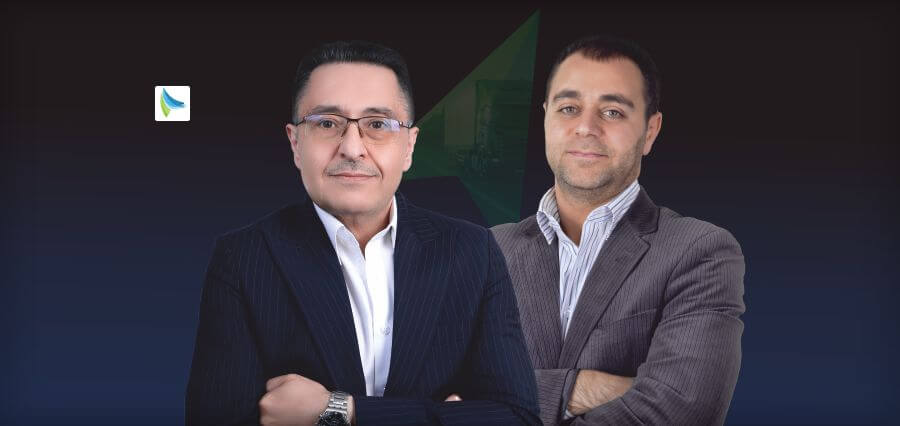
Safee Fleet Management: Leading the Transformation of Fleet Management
Fleets are the lifeblood of the global economy. They stand as an integrated infrastructure that ensures goods reach their destinations, services are delivered, and people and resources are connected across distances. For generations, the efficiency and reliability of these operations rested heavily on experienced management and manual processes. While effective to a degree, this traditional approach often meant that valuable insights embedded within the daily activity of vehicles and drivers remained largely untapped. The potential for optimizing routes, predicting maintenance needs, ensuring driver safety in real-time, and maximizing fuel efficiency was immense, yet often obscured by a lack of combined visibility and data-driven intelligence. As industries became more complex and the demands on logistics grew, there was a clear and increasing recognition across the sector: the foundational importance of fleets needed to be matched by a new level of technological sophistication. The era of relying solely on retrospective analysis and reactive responses was giving way to a desire for proactive control and predictive capability. Businesses began actively seeking solutions that could transform raw operational data into actionable insights, ensuring not just movement, but intelligent, safe, and efficient progress. This collective industry ambition to elevate fleet management from a logistical necessity to a strategic advantage sets the stage for a new chapter, one marked by innovation and technological integration. It was in this environment of recognized need and burgeoning potential that a transformative force known as Safee Fleet Management emerged. Since its launch since several years, it has empowered a significant evolution, fundamentally changing fleet operations through advanced telematics and cutting-edge IoT technology. Safee’s odyssey is transparently marked by several key milestones as a fleet tracking solution focused on location and performance. Then, the company significantly expanded its capabilities through comprehensive telematics integration, adding predictive maintenance, driver behaviour analysis, and fuel optimization. A major step was the introduction of its Video in Vehicle Monitoring System (ViVMS), designed to detect critical issues like fatigue, harsh braking, and risky behaviours, powered by a wide array of AI-driven alerts. Safee also developed the Journey Management System (JMS) to streamline logistics through optimized routes, reduced delays, and better risk assessment. The launch of Tracom provided a complete, seamlessly integrated hardware and software solution. Crucially, Safee has achieved compliance with key regulatory frameworks, establishing itself as a trusted provider in demanding sectors such as logistics, transportation, and oil & gas. Today, it offers scalable, tailored solutions, serving diverse industries by enhancing fleet performance and actively working to reduce costs. Defying the Boundaries What truly sets Safee apart is its comprehensive, results-oriented approach to fleet safety and intelligence. At its core is a strong commitment to proactive safety—delivering real-time alerts, predictive tools to prevent accidents, and driver behavior insights that reduce risk and liability. Moreover, Safee’s flexible architecture supports the most widely used AVL devices on the market, giving clients the freedom to integrate with existing hardware while still benefiting from Safee’s powerful analytics and fleet management capabilities. Safee’s Journey Management System isn’t just about tracking vehicles—it analyzes traffic, assesses risk and helps plan smarter delivery routes. The platform ensures that in everything it develops—it adheres to regulations, especially in places like the GCC, and it customizes the solutions to fit each client’s needs. On top of that, the system helps businesses reduce fuel waste and lower emissions through detailed eco-driving data. And with smooth API integration, connecting with other apps is easy, keeping everything running like clockwork. Thriving with an Exception Approach Safee’s commitment to innovation and empowerment is deeply rooted in the vision of its founders, Bakr Sarakbi and Rashid Albani. Bakr Sarakbi, a distinguished telecommunication engineer holding a Master’s degree from Sorbonne University and a PhD in Computer Networks from Polytechnique, brings more than just technical expertise to Safee; he cultivates a uniquely dynamic and forward-thinking environment for the technology team. His leadership, informed by over 10 years in scientific research and more than 20 years of professional experience in network engineering, project management, and technical directorship, empowers the team to push boundaries and develop truly innovative solutions. Dr. Bakr’s approach fosters a culture of continuous learning, experimentation, problem-solving that drives the exceptional technological advancements at Safee. Rashid is a seasoned engineer and technical consultant driving innovation in vehicle tracking and fleet management solutions across GCC and African markets. With extensive expertise in IVMS, AI-powered video telematics, and compliance with regional regulatory frameworks, Rashid has successfully managed large-scale integrations and government-approved deployments. Under his leadership, Safee Technology has grown to over 200,000 connected vehicles, serving major clients throughout the UAE, KSA, Oman, and various African regions, with a strategic roadmap targeting one million connections. His vision centers on enhancing road safety, regulatory compliance, and delivering scalable, cloud-based SaaS solutions tailored to enterprise needs. Collaboration is deeply rooted in Safee’s culture, with software developers, hardware engineers, and fleet experts working side by side to build well-rounded, effective solutions. Safee values open communication, giving every team member a voice and creating an environment where new ideas can flourish. Safee employee-first approach prioritizes flexibility and support—whether it’s offering work-life balance options like remote work for working mothers or promoting a workplace built on mutual respect, diversity, and inclusion. A Comprehensive Approach Safee’s comprehensive suite of solutions is tailored to meet the specific needs of each industry, and it covers diverse sectors like: Oil & Gas: In high-risk environments, Safee ensures safety through instant in-cabin alerts for speeding, harsh braking and lane deviation, helping drivers remain vigilant. Predictive analytics flag risky driving patterns early, enabling timely interventions that prevent accidents and shape safer long-term behaviors. With dual connectivity via 4G and satellite (backup), its system guarantees uninterrupted tracking and emergency communication—even in remote areas. Comprehensive journey risk assessments evaluate terrain, weather, and hazards, assigning risk levels to every route for better planning. AI-powered fatigue monitoring and geo-fencing features enhance driver safety while fuel and asset theft prevention tools secure valuable resources. Logistics & Delivery: Safee boosts logistics performance with predictive traffic analytics for smarter route planning and

Smart Fleet Management: Strategies to Drive Efficiency and Cut Costs
Fleet operations are transforming in dramatic fashion. With firms across all industries coming under growing pressure to reduce costs, lower emissions, and improve operating responsiveness, fleet management is no longer a logistical necessity but a strategic initiative. Whether a logistics firm and construction crew, a utility company, or public transportation operator, effective fleet management is now at the heart of business performance. With digital technologies, telematics, automation, and data analysis, companies today can move beyond fuel tracking and reactive maintenance to predictive, data-driven strategies. These technologies enable smarter decisions, eliminate wasteful expenses, and maximize fleet performance overall. Smart fleet management today is not about automobiles—it’s about intelligence, foresight, and strategic direction. The High Cost of Inefficiency Fleet management involves many variables: vehicle usage, fuel consumption, driver behavior, maintenance intervals, route planning, and regulatory requirements. Small inefficiencies in these variables can lead to substantial financial and operational loss on a long-term basis. Fuel typically is the biggest recurring cost in fleet operations. Idling, inefficient routing, and hard driving can substantially increase fuel expenditures. At the same time, breakdowns, downtime, and unexpected maintenance create service interruptions and lost revenue. In addition, absent visibility into asset utilization, many companies find themselves overspending on vehicles they do not truly need. Smart fleet management seeks to confront these inefficiencies holistically—via systems, sensors, and strategic decision-making based on real-time data. Embracing Telematics for Operational Visibility At the hub of modern fleet optimization is telematics—the integration of telecommunications and informatics. Telematics systems gather and transmit data on vehicle location, speed, engine status, fuel consumption, and driver behavior. Properly analyzed, this data provides rich information about how vehicles are being used and how they are being driven. With telematics, fleet managers are able to: Enhance and track driver safety Pinpoint and eliminate fuel-wasting practices Track maintenance needs before they become costly repairs Identify underutilized vehicles for potential downsizing The result is not just cost savings, but greater accountability, safety, and dependability of service. Data-Driven Maintenance and Asset Longevity Maintenance on fleets has traditionally been reactive—completed after things fail or on a routine schedule regardless of vehicle use. It causes unnecessary downtime and increased long-term repair costs. Smart fleet management turns maintenance into a predictive practice. By employing IoT sensors and vehicle diagnostics, businesses can analyze the condition of every vehicle in real-time. Predictive analytics then forecast wear and tear on the basis of driver behavior, terrain, and workload. Maintenance can then be scheduled precisely when needed—extending vehicle lifespans and minimizing downtime. Further, cloud-based fleet management software aggregates all maintenance records, inspection reports, and service histories to be a centralized compliance platform for warranty tracking as well as cost analysis. Optimized Routing and Real-Time Navigation Route optimization is another high-leverage remedy for fleet improvement. Smart fleet systems utilize AI and GPS data to determine the most optimal routes based on traffic flow, weather, road conditions, and delivery time. Smart fleet systems automatically change routes, enabling drivers to reduce delays and fuel usage. This sophisticated routing software also allows for load balancing, ensures timely delivery, and supports sustainability objectives through eliminating unnecessary miles. This translates into more daily assignments for field service technician fleets, or greater customer satisfaction and SLAs for delivery businesses. Enhancing Driver Performance and Safety Drivers are the focal point for fleet performance and safety. Telematics-based driver monitoring programs track speeding, hard braking, idling, and aggressive acceleration. Armed with training programs and real-time feedback, these programs promote a culture of responsibility and ongoing improvement. Gamification of driver scorecards and performance metrics will continue to encourage drivers to employ safe, efficient driving practices. In high-risk industries, it not only saves accident and insurance costs but also keeps organizational reputation intact. Creating a culture that makes drivers feel supported, rewarded, and informed will ensure retention of skilled personnel—a challenge that is becoming increasingly common among transport and logistics sectors. Sustainability and Regulatory Compliance With increased environmental legislation and greater corporate focus on going green, smart fleet management also helps businesses become compliant and reduce their carbon footprint. By optimizing fuel consumption, reducing idling time, and switching to electric or hybrid vehicles wherever possible, fleets can reduce emissions significantly. Compliance regulations such as the Electronic Logging Device (ELD) rule, emission reporting regulations, and safety controls need accurate, verifiable information. Smart systems ensure compliance needs are fulfilled ahead of time and efficiently. It is more than implementing new technology needed to transform into smart fleet management—a change in mindset. Organizations have to assess existing operations, identify performance gaps, and select the right digital tools that align with business goals. Change management is a must. Leadership will require enlisting stakeholders from operations, IT, compliance, and finance to ensure ease of implementation. Training courses, pilot tests, and performance measurements are the key to ensuring long-term success. Fleet management suppliers increasingly offer customizable, adaptable solutions to suit industry-specific needs—be it a local delivery business or a global supply chain network. Interoperability and flexibility of these platforms enable organizations to respond to changing requirements. Conclusion: Efficiency, Accountability, and Long-Term Value Intelligent fleet management is not a luxury but a necessity for organizations to discover resilience, flexibility, and cost reductions in a more competitive landscape. With proper strategy, businesses can unlock enormous savings, optimize operations, enhance driving performances, and attain sustainability targets. In effect, the fleet of the future is strategic, integrated, and smart. Executives who make a bet on smart fleet management today are not only saving money—they are building an operating foundation that can power scalability, innovation, and long-term value.