






From Field Data to Farming Decisions: How to Embrace the Future of Precision Agriculture?
Precision farming is not a fad; it is the future of productive, sustainable agriculture. With the growing population around the world and climate change yielding increasingly more pressure, the need for more intelligent, productive types of agriculture has never been greater. Precision agriculture leverages data, technology, and science to optimize crop yields, reduce waste, and direct resources with exact precision. Adjusting to this future involves acclimating to new tools and re-emphasizing the older methods of farming in order to stay competitive as well as green. Realizing the path to successful implementation of precision agriculture requires a quantum leap into the technologies available, the data-driven decision-making processes, and the associated change in mindset. Utilizing Smart Technologies in the Field Among the major pillars of precision agriculture is the application of sophisticated gadgets such as GPS devices, IoT sensors, drones, and satellite imaging. These tools provide farmers with real-time insights into soil conditions, crop health, moisture, etc. In opening up the potential for working with fields on a site-specific basis, technology helps to deliver the right amount of water, fertilizer, and pesticides to exactly where and when they are needed, and thereby reduce wastage and increase yield. Shifting towards a technology-based agricultural sector means investment in equipment, of course, but also training and support infrastructure. There has to be some base level of training which farmers acquire to understand the functioning of these devices as well as how one can read and use the data generated by them. Governments, educational institutions, and business enterprises have to come together to provide balanced resources, funds, and training programs to enable transition. Intelligent Decisions with Data Data analysis is at the heart of precision agriculture’s efficiency. By long-term data collection and analysis, farmers can identify trends and make anticipatory decisions. For example, predictive analytics can forecast diseases breaking out through weather patterns and trend history to allow for anticipatory action in order to salvage entire crops. But data access is useless if farmers cannot do anything with data other than to accept it passively. That involves friendly software platforms which will take unprocessed data and process it into actionable advice that farmers can interpret. Those platforms will need to be compatible with the literacy levels and skills of different farming communities, so the benefits of data farming do not go to large farming only. Sustainability as a Fundamental Principle Precision agriculture is sustainable in itself. It allows for optimal utilization of natural resources by preventing water and fertilizer from being used except where they are most necessary. This saves the surrounding ecosystem, minimizes runoff, and generally benefits the environment for the better. By reducing the application of drizzle chemicals, farmers can also cut the carbon footprint of their farms. For sustainability to take hold in a meaningful way, farmers must be encouraged toward long-term ecological thinking. That entails adopting crop rotation, cover crops, and regenerative techniques alongside high-tech methods. All of these taken together will restore soil quality and diversity, rendering agriculture more climate-resistant. Building a Competent and Resilient Workforce The future of precision agriculture is as much in technology as it is in technicians who operate it. As agriculture becomes increasingly computerized, there exists a need for individuals with agricultural and technical backgrounds. There has to be educational reform in the form of the inclusion of agri-tech courses in vocational training schools and colleges. To be achieved are inclusivity and diversity. In order for this to be so, training programs must be extended to smallholder farmers and rural communities that may not be in a position to access formal education. Mobile training units, e-learning platforms, and community training workshops can be used to bridge the gap, and precision agriculture can be made accessible to farmers from all levels of society and utilized. Policy Support and Collaborative Ecosystems Governments need to be in the forefront to facilitate adoption of precision agriculture. The policy interventions need to be updated to allow innovation, provide subsidies or tax credits on taking up technology, and facilitate fair access to digital infrastructure. This includes expanding rural broadband internet, which is a prerequisite for most technologies of precision farming to be useful. Apart from policy, there also needs to be cooperation between the parties. Public-private partnerships may speed up innovation, while farmer cooperatives and agribusiness networks may offer access to costly machinery and data analytics services. With a collaborative ecosystem, all the stakeholders along the agricultural value chain can enjoy and share in the transformation. Conclusion Precision agriculture is a bold move towards the future direction of food growing, governance, and harvesting. It’s not just a shadow of higher yields and income, but a path to higher environmental stewardship and food safety. Farmers, policymakers, educators, and technology providers must unite to bridge the gap, develop skill sets, and embrace an innovation mindset in order to stake their claim in the future. As the world community is faced with complex agricultural issues, precision agriculture presents a vision of a smarter and more capable agricultural future.
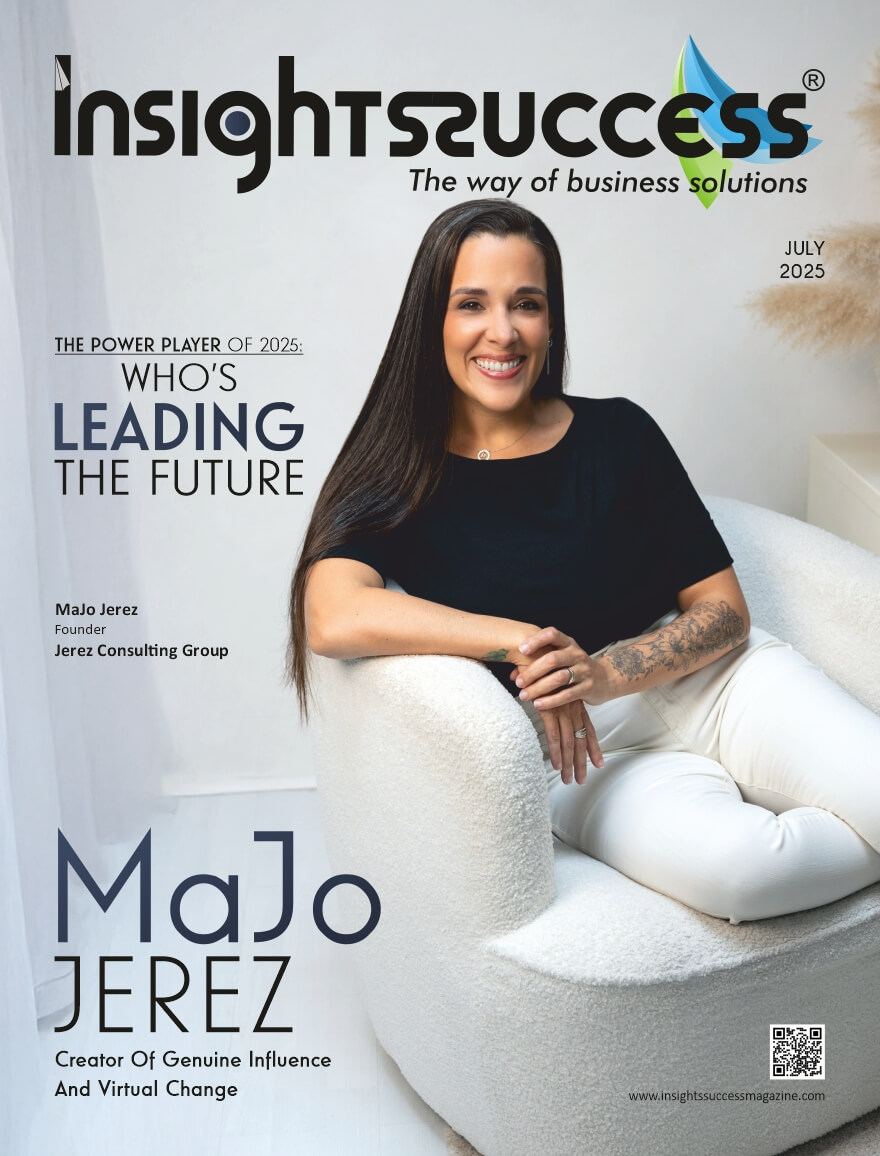
The Power Player of 2025: Who’s Leading the Future
The Power Player of 2025: Who’s Leading the Future This edition highlights visionary leadership shaping tomorrow’s world. This edition celebrates MaJo’s trailblazing impact across industries, her bold strategies, and transformative influence, making her a symbol of innovation, empowerment, and forward-thinking excellence in the global arena of leadership and progress. Quick highlights Quick reads

MaJo Jerez: Creator of Genuine Influence and Virtual Change
In a world where professional achievement may come at the cost of personal sacrifice, few have succeeded in rewriting the script with purpose and effect. MaJo Jerez is such a rare exception: a testament to what can be achieved when clarity, authenticity, and unrelenting curiosity converge. Her path through corporate boardrooms, digital entrepreneurship, and thought leadership provides a template for creating a career and life on one’s own terms. Early Foundations: The Seeds of Curiosity and Ambition Long before MaJo Jerez emerged as a force to be reckoned with in digital transformation and personal branding, her narrative started in a household where hard work, learning, and an affinity for education were the foundation of everyday life. She was fascinated from an early age by the intangible strings that bind individuals to brands-why some become attached and emotional, while others are forgotten. This initial interest drove her to pursue communications, then further specialize in marketing, laying the foundation for a career that would span industries and continents. Her early days in the corporate sector were both successful and reflective. MaJo Jerez excelled in fast-paced, global teams, yet faced the omnipresent issues of burnout, crises in purpose, and the persistent feeling that she had yet to realize her full potential. Both these victorious and testing experiences became the fire in which her vision for a more purpose-driven professional life was created. The Corporate Chapter: Lessons in Leadership and Limitation MaJo Jerez steered the challenging halls of the corporate landscape for more than a decade, including her time at Enreach ES as CMO. She thrived in positions that called for strategy, cross-cultural teamwork, and an intimate grasp of brand dynamics. However, behind the exterior of professional satisfaction lay a resounding question that haunted her: Was this all there? This was not a period without its dividends. MaJo refined her craft, mastered the subtleties of business strategy, and established a reputation for dependability and creativity. But the relentless tempo and strict frameworks of corporate existence also showed its limits. She started to feel a disconnect between her abilities and the notice her work received, a discrepancy that no promotion or assignment could fill. The Pivot: Embracing Digital and Entrepreneurial Freedom Resolute to align her professional life with purpose and influence, MaJo took a step-by-step but conscious shift into the digital arena. She began trying out content production, experimenting with marketing tactics on platforms such as Instagram, and studying the emergent role of artificial intelligence in personal brand development. What she found was remarkable and motivating: numerous extremely talented professionals were invisible, not because they lacked value, but out of fear, perfectionism, or the lack of strategic awareness. This awareness was the impetus for her business venture. MaJo recognized that the online world was not merely a fresh medium for commerce-it was a revolutionary space where influence, positioning, and possibility could be shaped with authenticity and intention. The IRIS System is Born: A Tool for Authentic Influence From her search for alignment and visibility, MaJo created the IRIS System. This proprietary system teaches people how to create personal brands that are not only strategic and scalable but also authentic. In contrast to the old way of going after followers or shallow numbers, the IRIS System begins with the inside out, beginning with identity, clarity, and enduring influence. MaJo Jerez’s vision was stark: to develop a functional, workable tool that enables individuals, especially women in business or entrepreneurial careers, to step out of obscurity and lead with assurance. The IRIS System resonated rapidly, evolving from an individual initiative to a platform that has enabled hundreds to reclaim their story and forge careers on their terms. Redefining Balance: Motherhood, Ambition, and the Myth of Sacrifice As a mother of two little children and a digital business owner, MaJo Jerez had to redefine entirely what balance looks like. Refusing the myth that accomplishment comes at the expense of family, health, or alone time, she has designed her business with purpose and flexibility as cornerstones. Automation, scalable digital products, and definite boundaries around her availability allow her to be fully present where it counts most. Releasing guilt and embracing vulnerability have been key to her growth as a leader. MaJo Jerez is convinced that authentic leadership is not about never-ending overperformance, but rather recognizing when to stop, prioritize, and safeguard one’s energy. She advocates the need for a strong support system and the valor to delegate, believing that sustainable success is something that is achieved collectively, rather than alone. Her morning rituals- closing her laptop at a designated time, unplugging during family time, and taking time out for reflection- are habits only insofar as they are declarations of her commitment to living correctly, not merely appearing correct. This is a philosophy she extends into her teaching, persuading others to seek professional achievement without sacrificing either personal values or relationships. Appetite for Business: Strategy, Innovation, and Purpose MaJo Jerez’s business style is a combination of instinct, strategy, and an unyielding obsession to build impactful solutions. She is intrigued by the mechanics of the successful models, the psychology of brand attachment, and the power of technology, particularly AI, to amplify impact. Her corporate years taught her priceless lessons, but her entrepreneurial fervor was driven by a need to create something of her choice, something that reflected her values and vision. The IRIS System was never about making money; it was about building authority, building community, and building a legacy of empowerment. Innovation and a desire to defy the status quo are signatures of her leadership. MaJo Jerez is driven by a vision of having more women lead with compassion, vision, and unapologetic ambition. Business to her is not just a means for personal achievement but a potent means for collective change. She is energized by every transformation she witnesses in her clients, finding fulfillment not just in personal achievement but in the ripple effect of empowerment and change her work creates. This focus on collective impact over individual gain is

Building a Personal Brand Strategy That Drives Career Advancement
In a global economy where there is so much ability to be had and competition for an employment position is on the rise, credentials and competence alone don’t cut it to stand out. It requires intention, purpose, and clarity. One of the most powerful tools working professionals have in carving out their own space is a personal brand plan—a thoughtful, honest guide for how they’re positioning themselves and adding value to the world. As much as firms invest money in creating and making brand plans for their marketplace, individuals can and must also do the same as a way of propelling career growth. Your personal brand is not only what you say about yourself, but it is also what other people are thinking concerning you. An effectively constructed personal Brand Strategy plan will have this perception positive, strong, and goal oriented. Knowing the Center of Personal Branding A personal brand strategy isn’t a catchphrase or a crisp LinkedIn page. It’s where your values, abilities, passions, style of communication, and professional purpose all unite. It’s who you are and what you must give concisely and consistently. A high-branded person is not necessarily the most extroverted or the loudest. They are extremely intentional. They realize that they are something, and they also ensure that everyone else realizes it too, but not with compulsion, but by presence, by delivery, and by repetition. Start With Self-Awareness The foundation of any successful brand strategy is knowing yourself. To get an image across, you need to know yourself inside and out. Ask yourself: What do I stand for? What are my core strengths? What are the things that make me excited about my work? This reflection work lets you create an authentic personal brand strategy that reflects who you are, rather than who you believe the world would like you to be. When what you’re saying out there aligns with what you care about here, your brand becomes more credible and attractive. Know Who You’re Speaking To Any good brand plan, business or professionalism is aiming at the audience. Your professional brand strategy must speak to those most important to your career: hiring managers, industry professionals, clients, or executives in your company. Because I know my audience, I can modify my style of communication more precisely and pay attention more to the quality or experience best suited to it. In case you’re interested in transitioning to leadership positions, for instance, your personal brand strategy would emphasize your ability to make decisions, mentoring strengths, and strategic thinking. Developing a Unified Story Once you’ve identified your people and yourself, then you can craft your message. Your story will simply need to say what you do, what you do best, and why it matters. Not careers or job titles, but the value you deliver on a regular basis. Let your failure and success define your story. Tell me how you’ve evolved, what you’ve overcome, and why you persist. Such storytelling enriches your brand strategy and encourages people to develop profound connections with you. Make a Consistent Presence An impactful brand strategy relies heavily on visibility. It’s important that your online and offline presence align with your narrative. A professional headshot, a well-written bio, and a thoughtfully curated social media presence all contribute to how you’re perceived. LinkedIn remains one of the greatest channels for personal branding. Fill in your profile with your goals and accomplishments. Share articles, comment on topical posts, and demonstrate thought leadership in your field. Coherence of look and sound establishes trust and belief in the long term. Relationships Are Part of Your Brand Your network is your brand. Who you meet, what you talk about, and where you join in all formulate how others will perceive you. Make it your intention to meet leaders, peers, and mentors. Attend conferences, present on panels, and mentor others as you advance. The best brand strategy is not ego boosting but elevating others and providing value to your professional network. Grow With You Grow Your personal brand strategy is not set in stone. As your career continues, so should yours. What you believed you were doing five years ago may not be where you are going today. And that’s why reflection is a fundamental part of effective branding strategy. Remember to check yourself each quarter: Is my message still on target with what I want to achieve? Am I being viewed in the way I would like to be viewed? Are the chances I’m making for myself in line with where I’m headed? The tweaks may involve redoing your bio, shaking up the type of content you are posting, or even the manner in which you discuss your role in conversation. Authenticity Wins Every Time There is a shared perception that personal branding is simply faking until you become successful. The reality is that most effective personal brand plans are based on authenticity. People are drawn to authenticity, likeness, and trust. Don’t hesitate to show your personality, to apologize when you’ve messed up, or to talk about passion for something you are passionate about. These things make your brand human and more attractive. Conclusion: Your Biggest Asset No matter how old you are or how long you’ve been in a career, you are your own greatest asset. A solid brand plan doesn’t simply get you doors open—it provides you with the smarts to know which doors to open. By developing, telling, and curating your own personal brand strategy intentionally, you are the owner of your professional story. And when you do that, you don’t merely create a career—you create a legacy. Read More: Building a Data-Driven Digital Marketing Strategy for Sustainable Growth

Building a Data-Driven Digital Marketing Strategy for Sustainable Growth
In a rapidly digitalizing world, companies are constantly under pressure to transform. Consumer trends change overnight, markets shift in a matter of hours, and competition is intense. Amidst this dynamic scenario, a data-informed and data-driven digital marketing strategy is no longer a choice—it’s the key to lasting growth. While creativity, branding, and storytelling remain paramount, they must now be informed by up-to-the-minute intelligence. Data has given marketers the ability to understand what their audiences truly want, when they want it, and how to reach them most effectively. It’s the key to creating campaigns that get noticed—not to mention converted. The Role of Data in Modern Marketing Marketing strategy is today an art and a science. Information is the compass that leads creative execution to the right place. By studying customer behavior, preferences, and usage patterns, businesses can make more intelligent decisions and predict outcomes with greater accuracy. Rather than taking a wild guess about which campaign could be effective or which platform could produce the best results, businesses can now use analytics to know exactly where they should put their effort. From social media stats to web traffic and customer buying histories, data paints a picture—a picture that enables businesses to serve their audience better and more effectively. Used well, data makes targeting more effective, the message more personalized, and time and dollar waste lessened. It allows brands to be more responsive and relevant, creating the foundation for sustainable consumer relationships. Setting Clear Goals and Objectives A good digital marketing strategy campaign begins with a mission. What are you attempting to achieve? Is your goal building brand awareness, generating more website traffic, generating leads, or retaining loyal customers? Having explicit and measurable goals in place from the beginning keeps data collection and analysis in focus. A goal without a target is as good as the best map ever created. Setting SMART goals—specific, measurable, achievable, relevant, and time-bound—sets the wheels turning to create a clear-cut roadmap forward. Having, say, an objective of “increase qualified leads by 20% over the next quarter through organic search” is more achievable and measurable than a vague objective like “grow the business.” Collecting the Right Data Having established objectives, the next step is collecting the correct kind of data. It’s not just simple collection of figures; it’s collecting data that is actionable and applicable. Web analytics tools, email platforms, CRM systems, and social media insights all serve as rich sources of user data. These can reveal where your visitors come from, what content they engage with, how long they stay on your site, and what drives them to convert—or leave. But data isn’t all numbers. Qualitative data—like consumer surveys, reviews, or comment cards—tells you more about why and where it hurts. Together, these two types of data form a whole picture that can transform the way you market. It’s also important to remain compliant with data privacy regulations. Proper use of data builds trust and guarantees the life of your brand. Building Personas and Segmenting Audiences One of the strongest benefits of the data approach is that it can be possible to move beyond the broad targeting and into personalization. Having more insight into your customers means you can segment them on meaningful attributes—such as purchasing behavior, geography, or prior engagement. This segmentation makes your communication more relevant. Instead of posting a generic message to everyone, you can develop content for different groups to enhance engagement and effectiveness. A metro-city millennial will be more sensitive to influencer marketing on Instagram, while a professional in a small town will respond more to detailed emails with deep content. The more you know about each customer segment, the more effectively you can serve them. Optimizing Campaigns with Real-Time Data The most wonderful thing about digital marketing strategy is that it can be measured. Every scroll, every click, every conversion leaves a trace. Marketers can instantly know what works—and what doesn’t—thanks to real-time campaign tracking. Imagine sending an email campaign and low open rates being reported. With real-time data, you can test a new subject line or adjust your send time instantly. If a landing page is getting high bounce rates, perhaps the messaging or user experience needs to be adjusted. A/B testing is now your strong friend, since you can test and optimize relentlessly. This ability to respond in real time maintains your digital marketing strategy flexible and effective in an ever-changing environment. Embracing Predictive Analytics Prediction is the future of data-driven marketing strategy. With enough history, organizations can forecast future trends and behavior. Predictive analytics software utilizes machine learning algorithms to help determine trends and forecast customer activity. For example, you can predict when a customer is going to return, what he/she is going to buy next, or when he/she is going to churn. These prophecies allow marketers to respond ahead of time—offering timely promotions, personalized recommendations, or re-activation emails before a customer is lost. When your marketing strategy anticipates needs rather than reacting to them, it becomes both more productive and long-lasting. Maintaining the Human Touch Despite all the focus on data, don’t forget the human factor. Data will inform you about what people do, but sometimes not why. That’s where empathy and storytelling and creativity come into play. The best digital marketing strategy balances analytical rigor with emotional smarts. Customers don’t just want to be monitored—though that can be a helpful destination. Instead, they want to be heard, understood, and treated with respect. That requires considered messaging, welcoming experiences, and timely communication. Data should support human connection, not replace it. Conclusion: A Plan for Now and Tomorrow A data-driven digital marketing strategy is more than a trend—it’s a necessity for businesses looking to grow responsibly in an increasingly digital-first world. By using data to make decisions, personalize the marketing strategy, and enhance performance, businesses can engage more relevantly with their audiences and achieve the highest ROI. But overnight success is a myth. It requires patience, persistence, and an openness to listening to the numbers. With
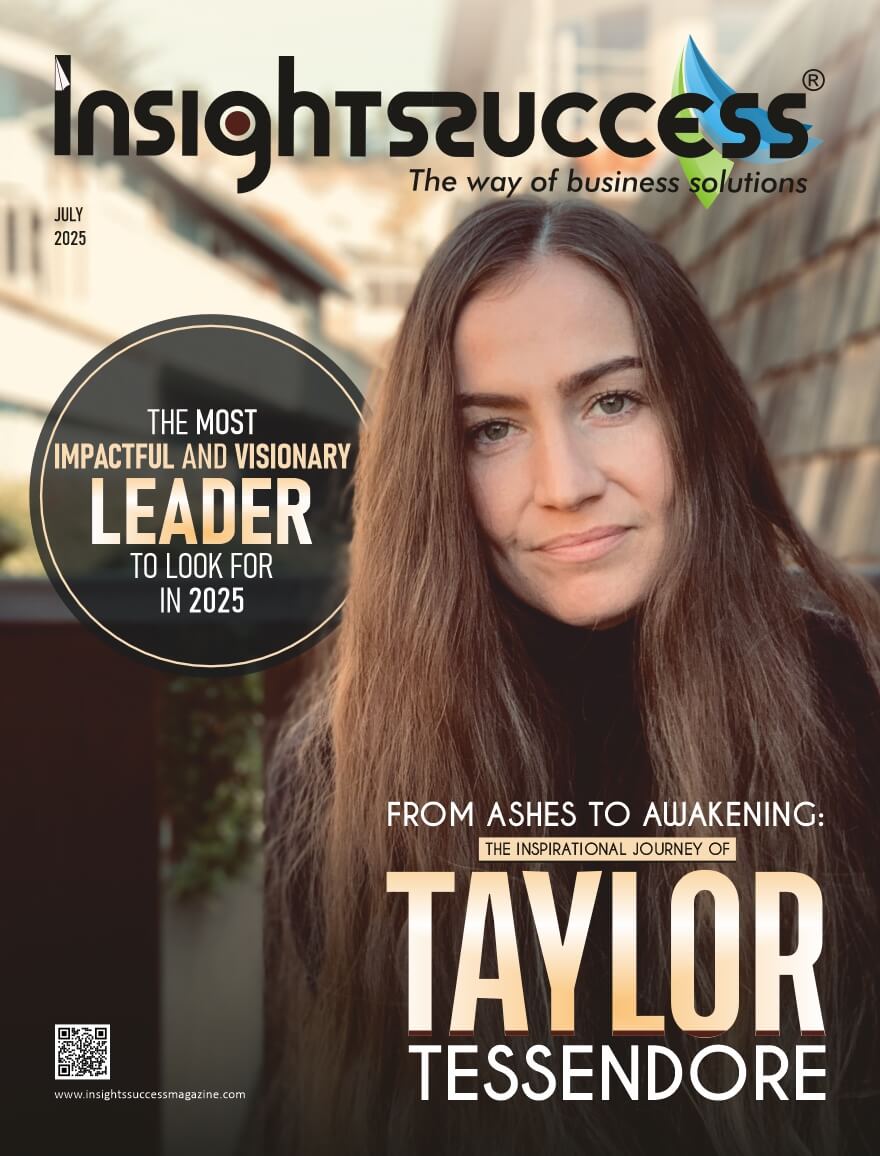
The Most Impactful and Visionary Leader to Look For in 2025- Vol-2
The Most Impactful and Visionary Leader to Look For in 2025 This edition celebrates Taylor Tessendore as The Most Impactful and Visionary Leader to Look For in 2025, spotlighting her groundbreaking leadership, innovative mindset, and commitment to driving meaningful change. Her inspiring journey sets a benchmark for excellence, resilience, and transformative vision in today’s rapidly evolving professional landscape. Quick highlights Quick reads

How Wellness Culture Consulting Transforms Employee Engagement and Retention?
Those days when a ping-pong table, a Friday afternoon day off, or free snacks would retain stars are gone. Employees now, especially Millennials and Gen Z, need a well-being-centric workplace culture that resonates with their values and supports their overall wellbeing. That’s where wellness culture consulting comes in to help businesses catch on and develop programs that are more than shallow. Through organizational behavior analysis, leadership dynamics, and employee needs assessment, these consultants make evidence-based recommendations that construct a culture of well-being from the ground level. Such a shift in culture then leads to more engaged employees who are heard, seen, and valued. What is Wellness Culture Consulting? Essentially, wellness culture consulting is a specialist intervention where specialists become aware of the current work culture of a company and create bespoke frameworks that prioritize the well-being of staff. It may not be about organizing yoga classes or offering fitness club membership. It’s a comprehensive approach that entails mental health care, empathetic leadership, adaptable working patterns, open policies, and ongoing feedback from employees. Wellness consultants tend to work in partnership with HR executives, management teams, and employees in collaboration to co-create well-being programs that drive business results and create a healthy and resilient workplace culture. The Relationship Between Wellness and Engagement Engagement is greater than job satisfaction, it’s emotionally attached to the company and its purpose. Time and again, studies have reaffirmed that engaged employees are more productive, innovative, and loyal. Yet burnout, stress, and feeling invisible are giants in their path. Wellness culture consulting solves these issues by developing programs that take root at the cause level, such as communication failure, micromanaging, and frustrated expectations. Consultants also roll out wellness habits that promote emotional intelligence, self-care, and stress management at every organizational level. When employees are treated with care both as human beings and professionally, their loyalty will automatically grow. They tend to provide suggestions, work overtime, and stick with the company during the lean months. Boosting Retention through Wellness Program Turnover isn’t just expensive, it’s an interference to workflow, morale, and organizational trust. Retention starts with a culture where people want to remain, and wellness culture consulting is leading the way. Why wellness culture consulting increases retention: Mental Health Support: Making access to therapists, wellness apps, or mental health days available is a powerful declaration that the organization is interested in employees’ well-being. Leadership Development: Empathetic and supportive leaders are created to construct more resilient employee relationships. Inclusive and Safe Spaces: Creating psychological safety and DEI develops a culture in which everyone feels valued and respected. Flexible Work Models: Helping companies create policies that respect diverse work-life integration enhances job satisfaction while reducing burnout. Through these innovations, employees feel more like belonging to the workplace and are less likely to seek it elsewhere. Real-Life Impact: A Case for Culture Change Consider, for instance, a mid-size technology company with high turnover and low morale. Despite competitive pay, workers were disconnected and overworked. After its hiring of a wellness culture consulting agency, the company transformed its in-organization communication, incorporated wellness check-ins, and streamlined its leadership development programs. In a mere year’s time, the organization saw its employee engagement scores rise by 40%, turnover drop by 25%, and interdepartmental collaboration improve. Investment in well-being was returned through retention, productivity, and enhanced employer brand. The ROI of Wellness Culture Consulting Few entrepreneurs are ready to spend money on cultural transformation with no returns that can be quantified. However, research has shown that companies that invest in employees’ wellbeing perform better than their peers. According to Gallup, highly engaged companies have 21% higher profitability and 59% lower turnover rates. Wellness culture consulting makes it possible to unlock this potential by the connection of employee health and business outcomes. An effective wellness culture attracts best-in-class talent not only but also boosts innovation, reduces absenteeism, and makes the workplace an even better place to work. Conclusion: Final Thoughts: Building a Workplace for Tomorrow As the modern workplace evolves, so too must organizationally planning. Wellbeing is no longer a “nice-to-have” benefit, it’s a cornerstone of sustainable business success. Integrating wellness culture consulting is an active step towards creating an organization where people thrive. Finally, investing in employee wellbeing is an investment in the heart and soul of the organization. When culture cares for the whole person—not just employee engagement and retention are the result. In a world where choices go to the best and the brightest, only the very best companies opt to lead by care, compassion, and culture. Read More: Building a Mindful Strategy Framework for Sustainable Business Growth

Building a Mindful Strategy Framework for Sustainable Business Growth
In an era marked by volatility, uncertainty, and rapid change, companies are not being called on to simply make money. They are being called on to do business in a better way, be responsible earth stewards, build communities, and respond to disruption. This new era demands a new model of leadership and decision-making, motivated by awareness, purpose, and long-term vision. Lying at the heart of this transformation is the idea of a mindful strategy. A mindful strategy is not corporate citizenship or risk management; it’s a conscious, intentional system by which business practices are value-based, sustainable, and stakeholder-oriented. Unlike focusing on short-term profit, companies utilizing this strategy prioritize making sustainable, long-term contribution. The Core of a Mindful Strategy Conscious intent begins with awareness—of inner culture, outside world, and broader implications of choice. It’s a system that encourages leaders to pause and consider first, and act later, and ensure that their choices are not only good, but right and aligned with their organization’s integrity. At its heart, a thoughtful mindful strategy is mission oriented. That mission is the guiding north star, and it directs every strategic choice such that organizations remain connected even amidst crises. A company with a clear, compelling purpose for existing—something greater than profit—is more likely to establish trust and engender loyalty among customers, employees, and partners. The second is awareness of stakeholders. Conscious businesses do not just consider shareholders anymore; they consider employees, customers, suppliers, communities, and the environment too. They know that sustainable development would only be possible if all these are aligned. Leadership is at the core of this transformation. Self-awareness, emotional intelligence, and empathy are qualities conscious leaders use to create cultures of belonging where the diversity of voices are heard and decisions are made both in head and heart. Conscious leaders model the behaviors they want to teach others—humility, honesty, and intentional action. From Theory to Practice It does not happen overnight to institute a thoughtful mindful strategy. It requires a mind change within the company, beginning at the top of senior leadership and filtering down to all levels of business. The initial response is reflection. Organizations must look at what they have in place and assess how they might be working in a non-aligned manner with the values they have purported to establish. The exercise will typically reveal where short-term interests have undermined long-term goals or where decisions have been made in disregard of wider social and environmental consequences. There, companies must begin to develop a culture of mindfulness—encouraging reflection, open communication, and mindful collaboration. That doesn’t require slowing down the process but adding more intention and clarity. Mindful teams are more innovative, responsive, and resilient, especially when change is on the horizon. Another key move is redefining success. Traditional measurements like revenue and market share aren’t obsolete, but they need to be complemented with metrics for monitoring the health of humans, the planet, and social progress. By devising broader definitions of success, businesses are better positioned to drive long-term growth. Companies such as Patagonia and Unilever have already shown us how the infusion of conscious mindful strategy within their very being of business not only enhances their image but also encourages economic success. Their values-driven leadership and their long-term perspective have been blueprints on how modern companies can flourish without compromising ethics. The Long-Term Benefits Businesses which are thoughtful in their approach will be likely to create more trust with their stakeholders. The customer is satisfied with responsibility and openness. The worker is more loyal. The investor appreciates long-term profit with long-lasting and ethical strategies. Most importantly, conscious mindful strategy places firms in a better position to ride out uncertainty more elegantly and easily. Since they’re making choices by design, they can adapt without getting lost or losing their sense of self. They don’t merely react to change; they proactively respond with confidence and clarity. A Future Built on Intention The business model is changing. Growth alone won’t cut it anymore. The great companies of the future will be those that do business on purpose, driven by purpose and have a deep sense of responsibility to planet and people. Developing a thoughtful mindful strategy plan is not merely a matter of survival in this new world, it’s about thriving. It requires courage, dedication, and a willingness to change. But for those willing to make the leap, the reward is enormous: sustained growth, loyal supporters, and a legacy of value created.

From Crisis to Clarity: The Awakening Journey of Taylor Tessendore
Few leaders more exemplify the subdued force of introspection than Taylor Tessendore is at the vanguard of an expanding movement that is combining traditional wisdom with contemporary leadership, redefining what it means to be a leader in the modern era by promoting consciousness as opposed to imposing power. Her path in becoming a globally renowned wellness and leadership strategist starting with hardship rather than with aspiration. She delved deeply into meditation, holistic treatment, and spiritual alignment after a life-threatening illness serving as the impetus for a profounfing personal awakening. A leadership philosophy based on harmony, presence, and purpose sprang out of that furnace. Her impact is multidisciplinary and cross-continental, directing individuals, groups, and organizations to cultivate resilience, well-being, and genuine leadership from within. From creating wellness centers for alternative schools to assisting organizations in obtaining millions of dollars in wellness financing, her work is exemplifying her exceptional capacity to convert arcane spiritual ideas into useful, significant outcomes. Her leadership approach is based on her belief in the “law of the least effort,” an age-old philosophy that has recognizing rewards that are in line with nature’s innate intelligence and defies conventional notions of struggle. She is emphasizing that being a leader is more about developing the energy and awareness that will keep inspiring people than exerting control. Taylor Tessendore is offering a unique depth of insight that comes from living experience rather than theory, whether she is directing silent retreats or influencing corporate culture. She is serving as a constant reminder that genuine leadership begins on the inside of every place she enters. The Awakening Taylor Tessendore’s path to wellness leadership began with what could have been an ending. A near-death experience that left her unable to walk upstairs, taste food, smell, or breathe easily became the source of the most profound transformation of her life. Instead of accepting medical limitations, she made a decision that would define her approach to everything that followed: she would heal herself using holistic methods, and she wouldn’t stop until she reached her goal. “In six months, I went from not being able to walk up a flight of stairs to hiking ten miles on one of the hardest outdoor treks of my life with intense elevations. I gained back all senses I had previously lost. My body, mind and spirit were restored to ultimate harmony.” she recalls. But the physical healing was just the beginning. Following her recovery, she embarked on what she describes as the most transformative experience of her life: six months of relative seclusion, meditating twelve hours a day and spending months in complete silence focused solely on yoga asanas and pranayama. “I remembered feeling slight nerves at first as my mind realized what I had committed to, but there was this force within pulling me to go further and trust. It was intense, but the greatest decision I’ve made.” she reflects. The Philosophy of Effortless Success From this intensive spiritual practice, Taylor Tessendore referred to her foundational principle: the law of the least effort. This concept, rooted in ancient wisdom traditions, became her blueprint for building what she terms “wealth consciousness, affluence and impactful success.” “The moment I awakened into knowing my pure potential, my universe drastically transformed with my success becoming expansive. My greatest dreams started being fulfilled more easily and effortlessly. At first my rational mind couldn’t believe, but it works.” she explains. Her approach is a challenge to conventional notions of struggle and effort. Instead, she advocates for alignment with what she calls “the organizing power of nature” a state of flow where desires manifest through trust, faith, and patience rather than force. “Do less and you’ll achieve more, then evolve to do nothing and gain everything. Write down a short-term success goal something your mind believes is possible. Then let go of trying, believe it will come when you release attachment and all you do is look at the piece of paper each day as many times as you like.” she advises, offering a practical exercise From Personal to Professional Taylor Tessendore’s professional journey began at fourteen when she was approached to become a peer counselor, leading to her first volunteer experience with a mentorship organization for underserved children. That moment of selfless service, she says, cracked her heart open and ignited a fire within her that continues to burn today. “The amount of unconditional love I felt for these individuals changed the way I viewed everything. I knew with certainty my purpose was to help and heal from that moment on.” she remembers. This early calling became a multifaceted career spanning psychotherapy, transformation coaching, retreat leadership, and teaching ancient yoga practices. Her unique approach led to invitations as an international speaker addressing the impact of spirituality and wellness, and she designed wellness centers for alternative education schools to increase belonging, empowerment, and mindfulness. Perhaps most significantly, she has worked with individuals and teams to secure over four million dollars in support of transforming wellness futures in organizations a testament to her ability to translate spiritual principles into tangible, institutional change. The Art of Conscious Leadership Taylor Tessendore’s leadership philosophy focuses on what she calls “the soul of leadership” an approach that is based on allowing inner guidance to lead from the highest level of universal consciousness. She believes that a leader’s level of consciousness directly impacts their team’s potential. “You are the container holding your team, you’re a unit. What you are, your level of consciousness can either raise the group or lower it. The power you hold is a sacred duty, so staying in harmony is essential.” she explains. Her leadership toolkit consists meditation as key to elevating consciousness and expanding awareness. She advocates for “wise speech,” noting that “every word we choose holds power, it has memory and the energy in which it is spoken has hidden messages expressed of the soul’s true intention.” For major decisions, she turns to what she calls “living in the gap” the space between thoughts accessible
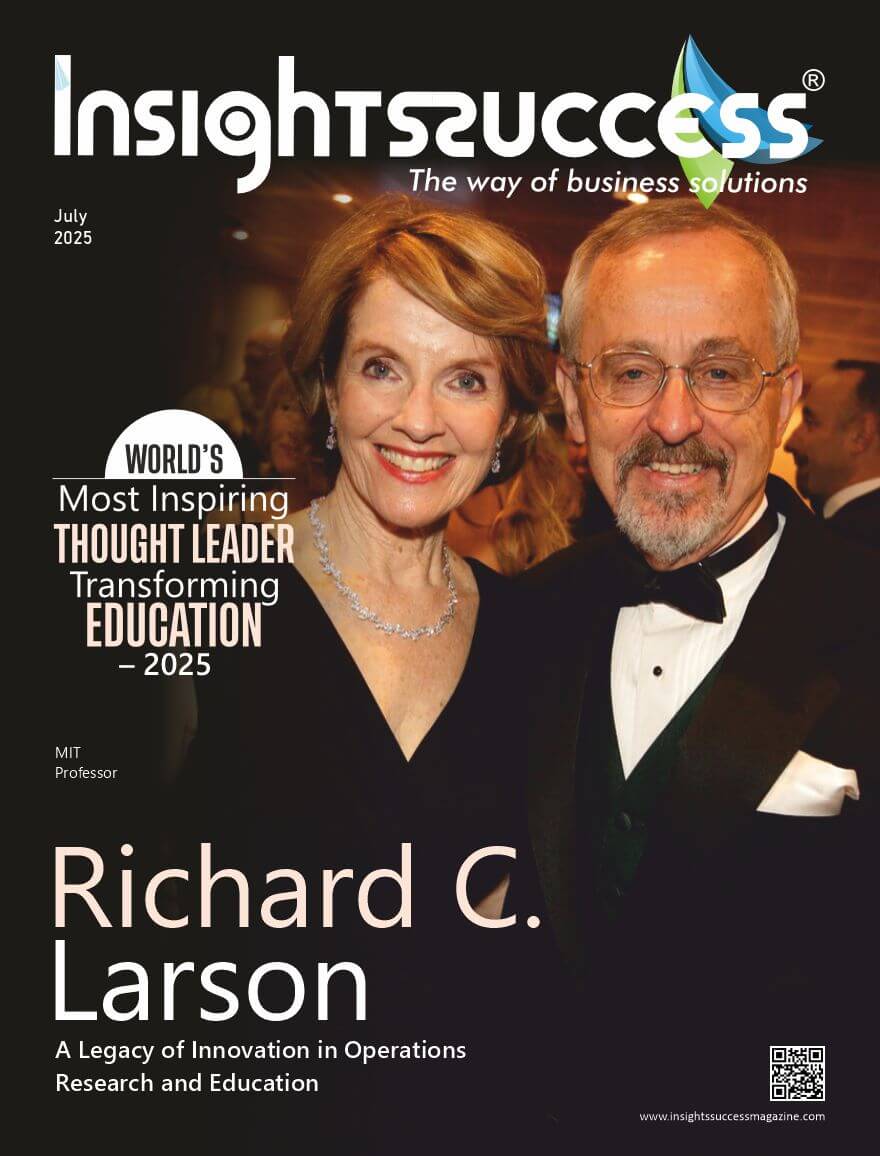
World’s Most Inspiring Thought Leader Transforming Education – 2025
World’s Most Inspiring Thought Leader Transforming Education – 2025 Richard C. Larson’s career exemplifies the transformative power of cross-disciplinary scholarship, public service, and educational innovation. As a pioneer in operations research and technology-enhanced learning, his lasting contributions continue to shape public systems, academic practice, and global access to quality education through pragmatic, human-centered solutions. Quick highlights Quick reads