




10 Secrets Behind the Fastest Growing Business Trends in 2025
Fastest growing business is no longer a slogan—it’s a performance benchmark for every young business entrepreneur and investor. With the rapid speed of today’s economy, the companies that rapidly respond and manage to keep pace with changing market demands are not only surviving but flourishing. If you’re planning to open a new venture or expand an existing one, getting some insight into what drives the growing business of 2025 can be a strategic advantage. Why Fastest Growing Business Resonates with Contemporary Entrepreneurs In a world ruled by speed and innovation, creating the fastest growing company is a very enticing concept. Profit is no longer what entrepreneurs desire—disruption, visibility, and impact are. Whether tech startups in the space of AI, green eCommerce businesses, and remote services platforms, size and the rate at which these businesses grow are founded on one and only one thing: value creation for existing and future market demands. The customer of today does not wait. They expect quick solutions, great user experience, and social responsibility. Organizations that satisfy these fundamentals do better than the others. Attributes that make a Fastest Growing Business In order to become a fastest growing business, there are some basic characteristics that always take precedence: Flexibility: Firms that adapt speedily with changes in the marketplace experience growth momentum. Tech-Enabled Operations: Artificial intelligence, cloud-enabled solutions, and automation minimize friction while maximizing scalability. Customer-Centricity: Customer experience—acquisition through loyalty is the template adopted by current leaders. Sustainable Practices: Green is not nice—it’s nice for the bottom line. All of these characteristics put together create a foundation solid enough to bear high and sustainable growth. Top Fastest Growing Business Industries in 2025 1. AI & Automation: The Digital Fastest Growing Business Frontier Artificial intelligence is revolutionizing business. From intelligent assistants to AI-based content generation, companies that embrace AI are not only saving money but also creating new revenues. Demand for AI-based solutions in marketing, logistics, and customer service has put some startups on the growing business list within a year of operation. 2. Health & Wellness: A Mindful Journey to Hyper Growth Following the pandemic, the wellness economy has grown in size exponentially. Mind well-being platforms, health technology, personalized well-being coaching, and nutraceuticals are flourishing. Low-cost and preventive companies with a health focus are quickly filling space in the growing business models. 3. eLearning & Skill-Based Platforms: Knowledge Is Power—and Profit With education having become digital, platforms for skill development are burgeoning. The companies providing microlearning, employability certification, and AI tutors have become the largest guns in the growing business list. The entrepreneurs who are entering professional development and distance education are finding gold in the sunrise market. 4. GreenTech & Sustainable Products: Eco-Conscious Growth Sustainability is no longer optional. Startups in solar energy, electric mobility, recycled fashion, and zero-waste packaging are exploding in popularity. The most successful ones don’t just sell green—they are green. If you’re building a sustainable solution, you’re already aligning with a fastest-growing business trend. 5. Creator Economy & Niche Communities: Monetizing Passion at Scale Platforms to monetize creative skills—podcasts, courses, newsletters, and digital products—are demonstrating such incredible momentum. Solo-preneurs and small content teams now operate a growing business from a laptop across connection and community. Best Practices to Start a Fastest Growing Business 1. Data-Driven Decisions Power the Growing Business Business Model Know the customer. Leverage analytics to uncover gaps, track trends, and change offers in a heartbeat. The fastest-growing businesses in the world today are data-driven, not instinct-driven. 2. Hyper-Niche Positioning Think small before you think big. Extremely targeted audience targeting enables precision marketing, less spend, and faster brand loyalty. Most of all-time growing business models began by solving a very specific pain point—and grew from there. 3. Digital-First Offline startups can scale, but digitally-born startups scale faster than them. SaaS, eCommerce, or online consulting, digital-first is the default way to be a fastest business these days. 4. Lean Organizations and Agile Methodologies Hiring clever people once again, automating, and outsourcing non-core activities keeps overheads low and accelerates. Lean startups pivot and iterate faster—an essential characteristic of any growing business. The Role of Branding as a Fastest Growing Business In an over-saturated market scenario, perception is power. Strong voice of a brand, truthful storytelling, and values that connect can differentiate your business. Customers no longer purchase products anymore—customers purchase meaningfully linking brands. Your business builds emotional equity because your branding is deliberate and unified, one of the primary drivers to the path of a growing business. Challenges Confronting Each Fastest Growing Business Growth comes with its own issues—scaling customer support, quality, people management, and cash flows. Why most startups fail is that they scale too quickly without sufficient supporting backend infrastructure. Creating the right foundation will have your business grow healthy fast, not short-lived. Conclusion: Will You Create the Next Fastest Growing Business? The journey of creating a growing business is not the domain of tech giants and giant funds alone. Anyone who is an aspiring entrepreneur can do that, if he/she is willing to go out to seek out genuine problems and fix them, be flexible, and shift directions faster than anyone else. Speed alone is no longer the mover in 2025 and onwards—purpose alignment with technology and with society is what makes the good great. If you’re dreaming of building something impactful, remember: the next growing business could very well be yours.
Christian Horner Removed as Red Bull Team Principal After 20 Historic Years
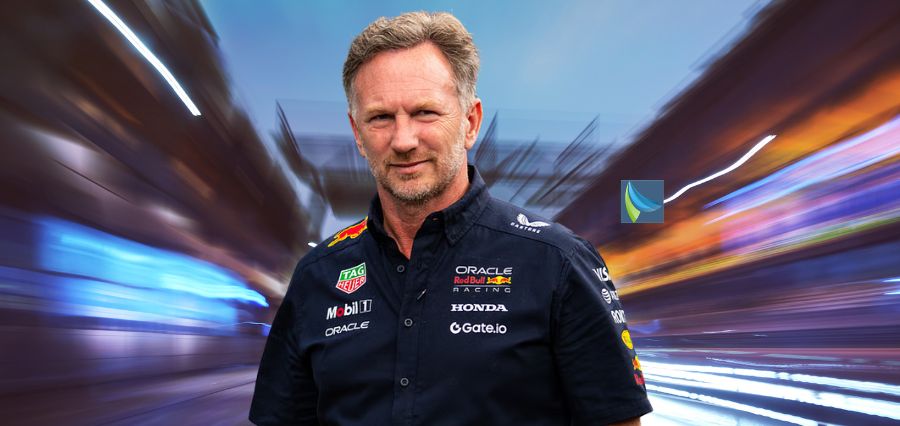
Prime Highlights Christian Horner has been removed as Red Bull Racing team principal after a decade at the helm following Red Bull’s F1 debut in 2005. Laurent Mekies, a Ferrari and Racing Bulls experienced campaigner, is the new team boss amidst internal turmoil. Key Facts Horner led Red Bull to 8 Drivers’ Championships and 6 Constructors’ titles. He departs at the end of a turbulent term with in-team politics and an all-time low in team shape recently. Key Background Christian Horner began his Red Bull Racing career in 2005, the dawn of one of the greatest team-management eras in Formula 1 history. Red Bull was revolutionized under his management from midfield fighter to dominance. The squad won four straight world championships between 2010 and 2013 with Sebastian Vettel and again from 2021 to 2024 with Max Verstappen. In the space of twenty years, Horner accumulated 124 Grand Prix wins and became one of the era’s dominant figures in motor sport. But that was in 2024 and 2025. There was internal conflict, with major men like Adrian Newey, chief designer, and Jonathan Wheatley, sporting director, lost. On-track form crashed to fourth in the Constructors’ Championship. That pressure also came from reports Max Verstappen was disillusioned and the high-drama use of his exit clause, reportedly over a change of leadership. In addition, Horner’s integrity was tarnished following his accusations of internal corruption at the start of 2024. Even though he had been acquitted twice by Red Bull’s internal investigations, the incident came under mass media scrutiny and caused lingering distractions for the team. The parent organization of Red Bull on the 9th of July, 2025, decided to sack Horner with immediate effect. The decision is a massive overhaul of the team in preparation for the regulation shift of 2026. Laurent Mekies, ex head of Racing Bulls and with the vast Ferrari heritage, is the new Red Bull Racing CEO and new team principal. The leadership change is a call Red Bull wants to get back to the track and on performance. The team is convinced the changeup will restore its racing path and free its star driver, Max Verstappen, from planning for the long term and consistency. Read More: Trump Issues Tariff Ultimatum, Targets BRICS With 10% Penalty Over Dollar Challenge
Leader of the Now: 2025’s Most Inspiring Minds
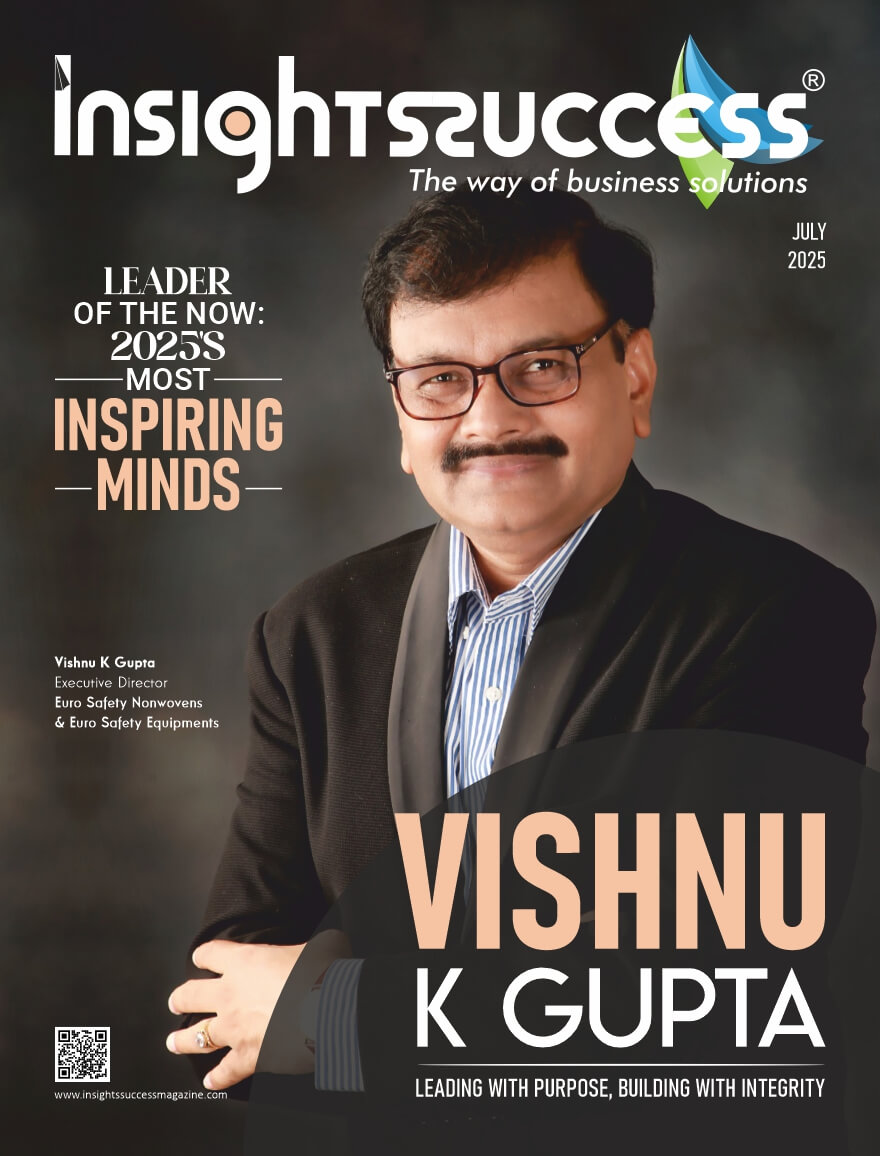
Leader of the Now: 2025’s Most Inspiring Minds This edition featuring Vishnu K Gupta celebrates visionaries shaping the present and influencing the future. This edition highlights transformative leaders like Gupta, whose innovative thinking, purpose-driven leadership, and unwavering commitment are redefining success across industries and inspiring a new generation to lead with impact. Quick highlights Quick reads

Vishnu K Gupta: Leading with Purpose, Building with Integrity
Few executives can combine operational expertise with a steadfast commitment to ethics in the quiet bustle of industrial corridors and the intricate dynamics of contemporary business. One such uncommon name is Vishnu K Gupta, a leader whose path from the backbone of rural India to the forefront of multinational manufacturing and IT endeavors demonstrating perseverance, foresight, and people-first leadership. His career is characterized by the changes he is creating, not by the titles he has. His early innovation at Roger Industries Limited allowed him to transform a traditional HR position into a strategic force that transformed the business’s operations and helped it obtain India’s first SA8000 certification for exporting shoes. However, it was just the start. His impact grew as his responsibilities spanned operations, administration, and compliance, finally laying the groundwork for his defining legacy. In charge of Euro Safety Group during the COVID-19 epidemic, one of the most unpredictable periods in world history, he is leading from the front, starting two production facilities from the ground up and helping to supply vital protective workwear to the national and international market. Under his direction, Euro Safety Nonwovens is now a well-known brand in the medical and hygiene industries. As the Executive Director of Euro Safety Nonwovens & Euro Safety Equipments, his inventiveness and adaptability are evident in the tech industry. His leadership aims to empower individuals, create trustworthy organizations, and promote intentional growth in addition to reaching milestones. Vishnu K Vishnu K Gupta is a prime example of how, even in the most trying circumstances, true leadership combines integrity and resiliency. The Turning Point: Roger Industries and Beyond In 2003, destiny knocked when Vishnu K Gupta joined Roger Industries Limited as an HR Manager. What happened next reads like a business school case study on transformation and vision. Within just one year of his arrival, he had implemented comprehensive HR systems and helped the company achieve SA8000 certification—making it the first footwear export unit in India to earn this prestigious recognition. “That achievement planted a deeper seed in my mind. I realized that business excellence must be anchored in ethical practices and human welfare. It wasn’t just about profits; it was about creating impact.” Vishnu K Gupta explains. The success at Roger Industries opened doors to broader responsibilities. Gupta’s role expanded beyond HR to encompass administration, compliance, and operations. His ability to seamlessly transition between functions a trait that would become his signature strength—caught the attention of senior leadership. Building an Empire: The Euro Safety Vision The real test of Gupta’s leadership mettle came with his appointment as Executive Director of Euro Safety Equipments and Euro Safety Nonwovens. The timing couldn’t have been more challenging—the COVID-19 pandemic had just begun reshaping global priorities, and there was an urgent need for high-quality personal protective equipment. “While COVID-19 was a period of global uncertainty, for me it marked a pivotal moment of professional transformation. I was entrusted with starting two manufacturing units from the ground up during a pandemic. We weren’t just building factories—we were contributing to public health and national resilience.” he recalls. Under his stewardship, Euro Safety Group expanded to include multiple manufacturing facilities in Bhiwadi and Mathura, specializing in technical safety workwear, disposable protective apparel, used in hygiene and medical products. The company now produces breathable and non-breathable PE Film and Hot melt laminate fabrics. “My vision is to position Euro Safety as one of India’s leading manufacturers in the hygiene and medical sector. We want to be among the top five companies in terms of quality, turnover, and credibility.” he states with characteristic confidence. The Leadership Philosophy: People Before Profits What sets Vishnu K Gupta apart in the corporate landscape is his unwavering focus on human capital. Despite his evolution into operations, sales, and strategic planning, his HR roots remain deeply embedded in his leadership style. “I believe in the power of people. Whether it’s organizing success celebrations, conducting in-house training sessions, or offering simple words of appreciation, I ensure the people around me feel inspired and empowered.” he emphasizes This people-first approach has earned him numerous accolades, including recognition as one of the “Most Influential HR Leaders in India” by Times Ascent in 2017, and the “Golden Globe Tigers Award” from Malaysia in 2019. His trophy cabinet includes honors like “100 HR Leaders Who Make A Difference,” “101 Top HR Minds,” and most recently, “Best Business Leader of The Year” in 2025. “Success is never it is always shared. When your team grows, your business grows.” he reflects. Balancing Act: Professional Excellence and Personal Fulfillment Managing multiple manufacturing units while maintaining work-life balance requires what Vishnu K Gupta calls “equal energy, presence, and respect to what matters most in each moment.” His support system includes longtime friends Rajiv Gupta, Vivek Gupta, and Vinit Singh, who have been instrumental throughout his journey. “I’ve built strong, empowered teams who are capable of owning responsibilities. I trust them. That trust not only keeps operations smooth but also gives me space to manage my personal time.” he explains. His approach to leadership challenges extends to personal growth as well. “I can be hot-tempered in high-pressure situations. But I’ve learned to channel intensity into focus and drive rather than frustration. I cool down quickly and never carry conflict forward.” he admits with refreshing honesty. Innovation and Growth: The Road Ahead Currently overseeing operations across Euro Safety Equipment in Bhiwadi and Euro Safety Nonwovens facilities in both Bhiwadi and Mathura, Gupta’s responsibilities span strategic planning, sales and marketing, operational leadership, and compliance management. The company’s ISO 9001, ISO 14001, and ISO 45001 certifications reflect his commitment to quality and ethical business practices. “We’ve achieved consistent exports and high-performance operations, but this is just the beginning. Every target met is a steppingstone, not a finish line.” he says His business philosophy extends beyond manufacturing to encompass technological innovation. As co-founder and Board Director of GFN-Dselva Infotech Pvt. Ltd., established in 2011, he has demonstrated his ability to identify and capitalize on emerging opportunities
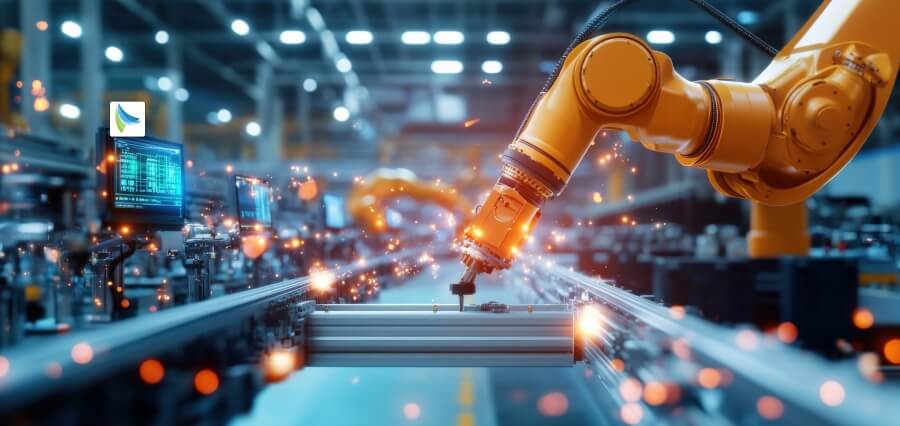
How Manufacturing Innovation Trends Are Redefining Competitive Advantage?
In the constantly changing world of industrial change, waves of manufacturing innovation are now no longer niceties—necessities for competitiveness. From intelligent factories and artificial intelligence-based quality control to sustainable materials and responsive supply chains, manufacturing is experiencing a renaissance today that is transforming how firms compete, expand, and thrive in the global economy. This article discusses how such innovation trends are remapping the manufacturing landscape and why companies must keep pace or lag. The Paradigm Shift from Efficiency to Intelligence Manufacturers in the past were concerned with efficiency only—reducing wastage, reducing costs of production, and streamlining workflows. As much as these remain important, manufacturing innovation trends have introduced a new era when intelligence, information, and flexibility come into prominence. Smart manufacturing, powered by the Industrial Internet of Things (IIoT), uses networked sensors and real-time analytics to monitor and control every aspect of manufacture. With the capacity to predict failures, make adjustments automatically, and even communicate with each other, machines can maximize uptime and productivity levels beyond what was ever thought possible just a decade ago. This shift makes production proactive instead of reactive, and firms are competitive in anticipating market demand, minimizing downtime, and becoming operationally agile overall. The Emergence of Sustainable and Circular Production Not only is sustainability now a corporate obligation—it’s a competitive advantage. Perhaps the most significant trend of manufacturing innovation is embedding sustainable approach and circular economy logic into mainstream business. Firms these days are also designing their products from cradle to grave—raw material extraction through the recycling of end-of-life products. For instance, the use of biodegradable plastic, recycled metal, and energy-efficient production helps reduce carbon footprints of firms while concurrently drawing environmentally conscious consumers and investors. In addition, closed-loop production and zero-waste manufacturing lines are also going mainstream, showing that green manufacturing not only pays, it’s better for the environment too. Digital Twins and Simulation-Led Design The other manufacturing innovation trend is employing digital twins—computer models of physical systems that simulate, predict, and optimize performance in real-time. Digital twins allow manufacturers to test scenarios without interfering with live operations, without wasting time or money, using this technology. For example, a firm can simulate the performance of a new assembly line under various loads, workloads, or product mixes prior to installation. It is a risk reduction and return on investment optimization. With AI and machine learning, digital twins allow continuous improvement through real-time feedback from the field. Computer simulation is not confined to hardware—it is even done on products. Engineers are now able to simulate stress levels, material strength, and energy use, speeding up the product development and prototype stage by a huge amount. Workforce Transformation Through Innovation Innovation is not just dependent on materials and machines; it’s also severely affecting the workers. As the trends in manufacturing innovation evolve, workers with digital skills are more in demand. Human and machine cooperation has reached the forefront, with human tasks transforming from hands-on to knowledge-based and decision-making focused. Virtual reality (VR) and augmented reality (AR) are also being utilized to support jobs as well as training, and it is simpler to retrain workers at a faster pace. Collaborative robots or cobots assist humans in performing repetitive tasks while staff members do higher-value work such as innovation and quality check. Through the empowerment of employees with digital tools and data-driven insights, manufacturers are not only boosting productivity but also supporting a culture of innovation that will fuel long-term success. Agile Supply Chains Driven by Real-Time Information Supply chain disruption on a global scale has proven that flexibility and resilience are essential. In response, manufacturing innovation trends have moved towards agile and transparent supply chain strategies. Advanced analytics, blockchain, and AI-based forecasting technology are employed to track vendor performance, anticipate shortfalls, and optimize logistics routes in real-time. It enables manufacturers to react more quickly to fluctuations in demand, facilitate proactive risk management, and achieve continuity amidst market turbulence. Additionally, additive manufacturing (3D printing) is becoming feasible for localized and on-demand manufacturing, cutting the reliance on distant suppliers and enabling stunning lead-time reductions. Speed and Customization as Competition Weapons Today’s customers expect products tailored to their specifications—and they want them delivered quickly. Mass customization is perhaps the most vibrant factory innovation movement, growing with ease. Technologies such as AI-based design, digital manufacturing, and modular manufacturing systems enable the small-series production of personalized products at mass production efficiency. Whether it’s customized footwear, modular furniture, or automobile features, firms that can deliver customized experiences at the cost of sacrifice neither in terms of cost nor velocity possess a singular market advantage. Conclusion: Innovation as the New Benchmark The factory floor of today is revolutionizing dramatically. Trends in manufacturing innovation are helping companies break free from the old constraints and redefining what’s possible. From predictive maintenance with AI to environmentally friendly materials, to optimizing the supply chain in real-time, the trends are raising the bar on success. In a world where competition is tougher than ever and customer expectations are changing faster by the day, innovation is no longer an organizational function—but a mindset. Such firms that embed innovation into its very culture, stay ahead of trending dynamics, and bet on people and technology will be running in the pack. The future of producing things is for those who don’t just make things—but make them more intelligent, more rapid, cleaner, and more human-friendly than ever before. Read More: Green Manufacturing as a Competitive Advantage

Green Manufacturing as a Competitive Advantage
In a world ravaged by environmental concerns such as climate change, resource depletion, and pollution, corporations no longer have the luxury of ignoring the importance of sustainability. In a myriad of responses to this world cry, green manufacturing stands out as one potent answer—providing not just a solution to minimize environmental footprints but also a competitive edge that determines industries’ fates. Whereas earlier, it was an expensive and utopian strategy, green manufacturing is presently showing itself to be a wise, forward-thinking business strategy. Firms that incorporate environmental stewardship with their production process are being rewarded with higher brand loyalty, cost savings in operations, market growth, and heightened innovation. Learning about Green Manufacturing Green manufacturing involves designing and bringing production processes into place that are more efficient, save energy and resources, and are less damaging to the environment. It involves utilizing clean energy, green materials, effective equipment, as well as green logistics and waste disposal systems. What is most distinctive about green manufacturing is its end-to-end approach. It is not so much about any single stage of manufacturing but reexamines the entire life cycle of a product—raw material procurement to discard or recycle. Its goal is to see a closed-loop system wherein resources get continuously reused, emissions minimized to near zero, and efficiency optimized. The Growing Relevance of Green Manufacturing There’s been increased pressure for green production over the last ten years, and it’s not hard to understand why. Consumers now are far more mindful of the impact their products are having on the environment. Not only do consumers care about what a product does, but also about how it was made and what it stands for. Brands which cannot demonstrate environmental responsibility will be left behind. Besides the customers, governments worldwide are also tightening up on environment regulation. From carbon taxation to more stringent emission controls and green labeling, the rules are changing rapidly. The companies that become early adopters of green production practices are not only in a better position to be compliant but tend to enjoy the benefits of tax credits and subsidies. Investors are also turning their attention. ESG considerations are becoming a central aspect of investment choices. Firms which are perceived to be sustainable from an environmental perspective are being perceived as less risky and more sustainable in the longer term. Therefore, green manufacturing is becoming core to how firms can access capital and establish market position. Building a Competitive Edge Through Sustainability One of the strongest points in favor of adopting green manufacturing is its clear-cut competitive advantage in many respects. It firstly reaffirms brand value. Today’s consumers are more brand loyal to brands that are aligned with their values. A public pledge to being green adds trust and creates stronger emotional bonds with consumers. Patagonia, IKEA, and Unilever have all been successful in achieving this alignment of green manufacturing with their brands, which has served to distinguish them as leaders amongst other chaotic markets. Second, green manufacturing is an innovation stimulator. When businesses turn green, they are compelled to create new technologies, enhance product design, and rethink supply chains. This emphasis on innovation can give way to streamlined processes, improved quality products, and new revenue streams in general. Third, it enhances cost-effectiveness. While the technology cost and training expenses may be incurred in the short term during the process of converting to green manufacturing, the long-run yield is high. Reduced energy usage, waste minimization, and processes maximization lead to lower operational costs. Most businesses save a lot within three years of green protocol adherence. Furthermore, organizations that adopt green manufacturing have freer access to new markets. Governmental agencies and large companies also now insist that their suppliers adhere to sustainability requirements. That means companies with solid green credentials are more likely to secure contracts and partnerships. Ultimately, green manufacturing can increase employees’ satisfaction and retention. Increasingly, employees, particularly millennials and Gen Z employees, desire to work for a firm that does some good. Doing something good generates a sense of pride and purpose that translates into greater productivity and reduced turnover. From Idea to Action: Making the Transition Greening is not a question of overnight revolution. It is a process that starts with a truthful accounting of how things stand. Firms must inventory their energy consumption, waste generation, raw material sourcing, and shipping practices. To pinpoint inefficiency and environmental hazards is the basis of change. Having well-defined, measurable sustainability goals is essential. These might be lowering energy use, using biodegradable packaging material, or using green certified suppliers for materials. Milestones must be measurable and disclosed openly to stakeholders. Technology is key to this transformation. High-tech production systems, high-efficiency equipment, and analytics enable firms to monitor and maximize their processes in real time. Technology is not sufficient, however. There also must be a cultural shift. All levels of employees must be motivated, trained, and empowered to assist with green efforts. Supply chain cooperation is also a primary contributor. Cooperation with suppliers and logistics suppliers that have sustainability-oriented philosophies helps strengthen the overall green manufacturing mentality. Looking Ahead: A Greener Future Is a Stronger Future With the world’s economy shifting towards greener production, green manufacturing has gone from being an option to becoming an imperative. It is not simply a reaction to climate change or customer pressure—it is a driver of growth, resilience, and innovation. Those who invest in green manufacturing now are positioning themselves for long-term success. They are not only creating more productive and profitable factories, but they are creating factories better suited to meet the challenges of the future as well. Most important of all, they are creating a better world. Read More: How Manufacturing Innovation Trends Are Redefining Competitive Advantage?

Charting His Own Path The Remarkable Life of Richard Larson
Charting His Own Path The Remarkable Life of Richard Larson

Education View India Features Prakash Sulakhe: A Visionary Transforming Engineering Education
In an era where the gap between educational training and industrial needs continues to grow larger, Education View India has put in the spotlight a visionary who has gone out of his way to bridge this gap—Prakash Sulakhe, the visionary Director of CAD-Mech Engineering Pvt. Ltd. For his commitment towards innovation, competency-based education, and application-oriented learning, Sulakhe has emerged as a revolutionary name in technical education. In the recent feature, Education View India valued Sulakhe’s efforts to redefine engineering education in light of the needs of the present industry. Through his path-breaking initiatives, he is establishing new windows of opportunity for students, institutions, and industries to become more meaningfully and synergistically connected. A Mission Born of Industry Insight With sound engineering foundations and first-hand industrial experience, Sulakhe realized early in his career that graduates didn’t often have the requisite practical skills needed to succeed in competitive work environments. Such realization was the cornerstone of CAD-Mech’s mission: to empower students through learning by doing and bridge the divide between traditional learning and technological advancement. Education View India underscored the way Sulakhe’s life has been shaped by this vision—where learning is not only confined to books but augmented with exposure to concrete tools and industry processes. Revolutionizing Technical Training Infrastructure One of Sulakhe’s biggest contributions has been the creation and engineering of higher-quality, industry-grade training systems and lab equipment. CAD-Mech’s CNC machine trainers, hydraulic and pneumatic stations, and other modular systems are now being adopted by technical schools throughout India. They enable students to gain a hands-on experience in running machinery and creating actual engineering solutions—hence making their education functional and future-proof. The highlight piece applauds Sulakhe’s mastery of marrying aesthetic design with functionality, making the equipment not only effective but also classroom-friendly and interactive. Driving Collaborative Learning Models Besides product development, Sulakhe has been instrumental in evolving significant collaborations between industry and academia. It has led to the formation of internship schemes, industry-academic exchange courses, and live projects for students. The program is accelerated as a model of scalable transformation by Education View India, where businesses and institutions alike benefit from a continuous talent pipeline of professionally trained individuals in live settings. Sulakhe’s approach is founded on preparing students not just for work, but for innovation leadership. His work motivates young minds to innovate, address critical issues, and take action—essentials for success in a rapidly evolving international economy. National Recognition and Forward Momentum Stepping into Education View India brings Sulakhe into a prestigious roster of visionaries reshaping India’s educational horizon. Success brings to the fore the growing significance of application-based education trends that prepare students for problems of today and tomorrow. As Sulakhe continues driving his vision through CAD-Mech, his story is a powerful reminder: change for the better in education is possible through vision and action. Disclaimer – This article is a work of original content created for public relations and informational purposes only. It may be published across multiple digital platforms with the full knowledge and consent of the author/publisher. All images, logos, and referenced names are the property of their respective owners and used here solely for illustrative or informational purposes. Unauthorized reproduction, distribution, or modification of this article without prior written permission from the original publisher is strictly prohibited. Any resemblance to other content is purely coincidental or used under fair use policy with proper attribution.

Trump Issues Tariff Ultimatum, Targets BRICS With 10% Penalty Over Dollar Challenge
Prime Highlights Trump establishes strict Aug. 1, 2025 deadline for precipitous tariffs, warning countries with formal notices. BRICS bloc countries to incur additional 10% duty for actions considered threatening dollar dominance. Key Facts South Korea, Japan, and India were some countries that were served tariff notices between 25% and 40%. BRICS countries are hit with a special 10% tariff charge if they pursue de-dollarization policies. Key Background Ex-United States President Donald Trump has triggered renewed global trade tensions with a daring act, issuing tariff warning notices to over a dozen nations including Japan, South Korea, Indonesia, India, Brazil, and South Africa. The letters, which Trump asserted are legally binding, indicate that 25% to 40% tariffs will be applied beginning August 1, 2025. Trump stated, “a letter means a deal,” and decidedly asserted that these are not threats, but permanent positions in trade. In a striking escalation, Trump singled out BRICS nations—Brazil, Russia, India, China, and South Africa—for special scrutiny. He announced an extra 10% tariff on any BRICS member nation “aligning with anti-American” economic agendas. The move comes in response to the group’s increasing push toward de-dollarization, which Trump claims is an attack on U.S. economic supremacy. “We’re not going to lose the standard,” he stated, referring to the U.S. dollar’s global reserve status. The news shocked world markets. Currencies such as the Indian rupee went into a tailspin, dropping below 86 per dollar. A number of Asian stock indexes also dropped, as there was apprehension of a new trade war. The U.S. dollar itself gained in the face of growing investor demand for safe-haven assets. BRICS bloc leaders in Rio de Janeiro denounced Trump’s action as a move that is unilateral and detrimental. They reaffirmed that their scheme to de-dollarize is simply about enhancing monetary sovereignty—never to intrude on the United States. Nevertheless, Trump claims that efforts to be less dollar-dependent will be punished by severe sanctions. This bellicose policy tariff is an expression of Trump’s devotion to rechart the course of international trade and establish U.S. monetary dominance, delivering a blunt threat to countries contemplating economic arrangements divergent from American dominance. Read More: Christian Horner Removed as Red Bull Team Principal After 20 Historic Years

The Professor of Possibilities: Richard Larson’s Trailblazing Role in Education and Operational Science
The Professor of Possibilities: Richard Larson’s Trailblazing Role in Education and Operational Science Professor Richard Larson’s lifelong dedication to education has shaped minds, influenced policy, and inspired global change. Through five decades at MIT, he has advanced interdisciplinary research, championed mentorship, and pioneered innovations such as MIT BLOSSOMS. His legacy endures as a visionary leader in global education. Quick highlights Quick reads