






Mastering AI-Driven Product Leadership
From Traditional to Transformational Artificial intelligence has traveled a long way since being a science fiction jargon to becoming the foundation of contemporary business strategy. Across all sectors, AI is not only applied to automate tasks but also to construct goods that can foresee demand from customers in advance, deliver personal experiences, and discover new sources of value. Underlying this shift is AI-based product leadership, an endeavor which combines traditional product management with strategic application of AI to develop intelligent, responsive, and ethical solutions. What is AI-Driven Product Leadership? AI product leadership is so much more than plugging machine learning or prediction algorithms into some sort of existing product. Instead, it is a totally new model of the product life cycle—starting from discovery and design to development, deployment, and continuous optimization with AI as an underlying enabler. Individuals working in this profession must possess the capability to merge customer empathy with technology vision in a way that products they create not only turn out to be innovative but also viable and credible. Compared to the classic product leadership that tends to depend on market understanding and intuition, this new one incorporates advanced data modeling, natural language processing, and decision-making through automation. The work combines technical competence, business acumen, and people-focused design. The Pillars of Effective Leadership One of the signature elements of AI product leadership is a data-first culture. Without properly governed, clean, and trustworthy data, AI applications cannot possibly succeed. Leaders must make sure that their organizations are investing in quality data infrastructure as well as staffing up teams that can derive insight above and beyond simple reporting. Just as important is a customer-first attitude. AI is not an end. Rather, it must make actual human lives better whether by forging customized healthcare solutions, anticipatory financial assistance, or smooth and natural marketplaces. The question always reduces whether AI makes life simpler, faster, and more relevant to the customer. Function collaboration is also not negotiable. AI products cannot be made in silos. They require interdependent working relationships among engineers, data scientists, designers, and strategists. Product leaders that are able to bridge the two teams build innovation and ensure that the end product is usable and goal-aligned with business objectives. Last but not least, moral responsibility must be embedded in all decisions. The more sophisticated AI becomes, the greater the danger of bias, obscurity, and exploitation. Good leaders make their products transparent, fair, and understandable, generating trust with customers, as well as stakeholders. Skills for the Next Generation of Leaders To thrive as AI-facilitated product leaders, professionals nowadays must acquire a set of skills. It is becoming increasingly necessary to be familiar with technology—not to the point of being a data scientist, but enough to possess the rudimentary knowledge of machine learning, natural language processing, and model training. Such an ability empowers leaders to communicate convincingly with technical teams and make their own decisions with sensitization. Vision is not less crucial. Leaders must be able to see beyond short-term product capabilities and out into the future of how businesses will change and what customer expectations will shift over the long term. That vision for the future, aligned with understanding with customers, ensures AI is applied in important, not gimmicky, applications. Soft skills are equally crucial. Team leadership through change, developing resilience, and managing the fear that typically follows AI introduction requires emotional intelligence and establishing trust. There needs to be confidence established in the technology and even with the individuals they work with. Overcoming the Challenges While the potential is immense, AI-powered product leadership does not come without challenge. Many organizations are still struggling with issues of big data from low quality to scattered sources. Others experience talent shortages, locating or being unable to develop leaders who have expertise in product strategy as well as in AI. One common challenge is change resistance, as teams fear that AI will render them obsolete or introduce unnecessary complexity. Regulation is also a source of complexity. Governments all over the world establish systems to oversee AI utilization, and leaders have to be agile enough to bring their products in line with evolving standards and keep innovating. These issues are resolved with foresight, communication, and agility. Building a Path Forward For organizations that must implement AI-based product leadership, learning is typically where the process begins. Learning foundational AI for leaders and teams establishes confidence and alignment. Simultaneously, investing in elastic data ecosystems prepares for advanced uses. Scaling small—through pilot pilots—allows teams to pilot, learn, and responsibly scale AI solutions. No less important is establishing ethical values from an early stage. Honest, straightforward, and fair solutions will not only be regulatory compliant but also win customers’ confidence. And finally, leaders must establish an experimental culture in which the teams will be willing to experiment, learn from mistakes, and progressively refine their way. The Human Element in AI Leadership Where technology is at the heart of product leadership with AI, it is human touch that maintains it. Brilliant leaders create teams of humans to look at AI as something that is not threatening them but empowering them and making creativity and higher-value work possible. They create a culture where machines and humans complement each other and not compete with one another, and where customer feedback loops are constantly fed back into product development. Along the way, they ensure AI is an extension of human potential and not a replacement for it. Looking Ahead And as the abilities of AI grow, so will the burden of product leaders. Leaders tomorrow will be utilizing AI to forecast market changes, working with customers, and even tailoring leadership style based on team composition. And in the future, AI-driven product leadership will never be a matter of mastering technology—it will be a matter of choreographing ecosystems where humans and AI are in harmony. Conclusion Being a product leader with AI is more than a technology pitch. It requires vision, agility, and unwavering commitment to humanity and morality. With the data organizing
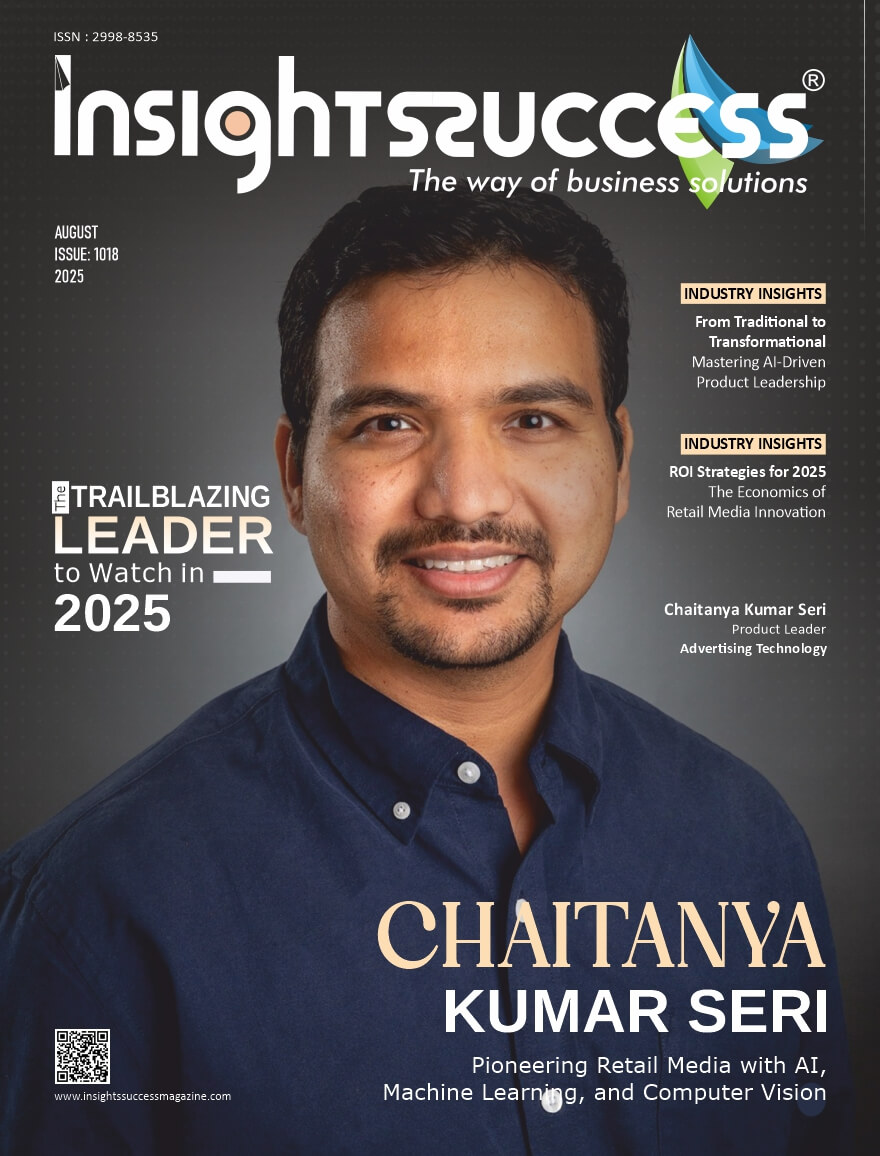
The Trailblazing Leader to Watch in 2025
The Trailblazing Leader to Watch in 2025 This edition featuring Chaitanya Kumar highlights the visionary leadership, innovative mindset, and transformative impact of a leader redefining success in today’s dynamic business landscape. This edition celebrates his journey, influence, and forward-thinking approach that inspires organizations and individuals to embrace growth, resilience, and innovation. Quick highlights Quick reads
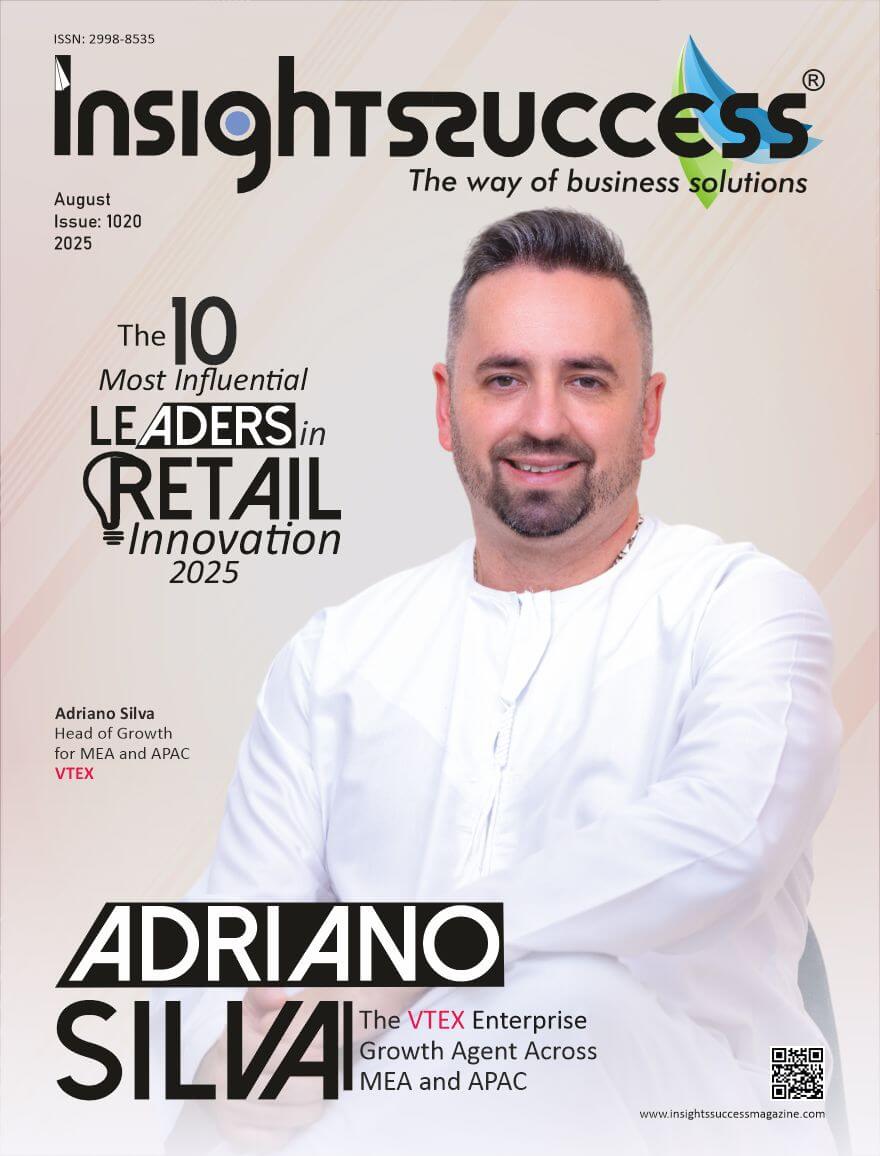
The 10 Most Influential Leaders in Retail Innovation, 2025
The 10 Most Influential Leaders in Retail Innovation, 2025 This edition celebrates the trailblazers who are rewriting the future of commerce. From pioneering sustainable practices and embracing digital-first strategies to creating immersive customer journeys and harnessing the power of AI, these leaders are pushing boundaries and setting new benchmarks for the industry. Quick highlights

Adriano Silva: The VTEX Enterprise Growth Agent Across MEA and APAC
Adriano Silva, Head of Growth for MEA and APAC at VTEX, serves as a key regional amplifier of VTEX’s global strategy in one of the world’s most dynamic digital commerce landscapes. With over two decades of experience spanning Digital Commerce, cloud technologies, and sales leadership, Adriano combines extensive global expertise with a keen understanding of MEA’s ( Middle East & Africa ) unique challenges and opportunities. Fluent in four languages and passionate about fostering partnerships and talent development, he supports regional businesses in unlocking new growth horizons aligned with VTEX’s broader vision The Great Convergence: MEA’s Moment to Redefine Digital Commerce Commerce worldwide is experiencing a historic transformation. What began as enthusiastic consumer adoption of online shopping has matured, now reshaping retail, wholesale, and complex B2B supply chains alike. Analysts forecast e-commerce will represent almost a quarter of global retail sales by 2027, and Gartner predicts that by 2025, 80% of B2B sales interactions will happen on digital channels. MEA sits at the forefront of this shift. Boasting a young, mobile-first population, aggressive government digitalization initiatives, and rapid fintech innovation, the region has a rare chance to bypass outdated legacy systems and build a digitally native commerce ecosystem. Yet success here requires more than technology, it demands visionary leadership, agility, and the right strategic partners. Unlocking MEA Retail Potential with Unified Commerce The MEA’s retail sector is on a fast-moving digital trajectory, with the wider MEA region expected to see digital wallets handling nearly 70% of online transactions by 2027. In markets such as Turkey, mobile commerce already accounts for close to 70% of purchases—a clear signal of where MEA markets are heading as mobile-first consumers set new standards for convenience. Shoppers here no longer tolerate fragmented experiences. They expect to browse, pay, and receive their orders seamlessly across apps, websites, and stores. This is why unified commerce—a step beyond traditional omnichannel—is becoming the defining strategy for MEA retailers. The strength of the market is reflected in the calibre of players it attracts. Global commerce leaders such as Salesforce Commerce Cloud, Adobe Commerce (Magento), SAP Commerce Cloud, and Shopify Plus have all established a strong footprint in the region. Alongside them, VTEX—a globally recognized leader in composable commerce—has been steadily expanding across MEA, bringing its experience powering enterprise brands like Samsung, Whirlpool, and Carrefour. This robust competitive landscape is good news for the region. It gives retailers choice, drives innovation, and accelerates digital maturity. For MEA businesses, the opportunity is to adopt platforms that offer composability—the ability to modernize with precision, selecting AI-driven personalization, live shopping, or marketplace capabilities incrementally, without costly full-stack overhauls. VTEX’s pragmatic approach to composable commerce is particularly well-suited to this reality, helping businesses innovate fast while staying in control of their tech investments. Bringing a Personal Touch to Digital Commerce with AI and Live Shopping While scalability is digital’s advantage, the human connection remains paramount. Modern MEA consumers crave efficiency but also intimate, personalized service that reflects longstanding cultural trading traditions. VTEX’s innovations in live shopping and concierge commerce, supported by AI-powered recommendations and search, replicate bespoke service at scale. Retailers can host real-time product demos, interactive chats, and one-click checkout embedded in livestreams—building trust and loyalty in a distinctly MEA style. AI enhances operational efficiency too—from dynamic pricing to demand forecasting—turning static catalogs into responsive commerce engines. Forrester reports a remarkable 133% ROI and $5.8 million savings for VTEX clients, underscoring the platform’s bottom-line impact. The Strategic B2B Transformation: Complexity Digitalized Alongside retail’s digital evolution, MEA’s B2B sectors are experiencing an equally transformative shift. Historically reliant on phone, fax, and paper, industries like construction, chemicals, industrial tools and others are increasingly embracing digital platforms built for managing complexity. Tex’s composable architecture excels here, supporting contract-specific pricing and tailored order workflows. Companies like Colgate and Stanley Black & Decker have successfully digitized their extensive distribution networks and dealer relationships with VTEX, proving that even complex B2B ecosystems can thrive digitally. Several Research shows that B2B companies leading digital transformation can achieve up to multifold revenue growth compared to those slower to adopt digital strategies, highlighting the critical urgency for businesses to embrace this shift MEA’s Unique Edge: Converging Retail and B2B on a Mobile-First Frontier MEA is perfectly poised to blend retail agility with B2B scale. Mobile-first consumer habits push retailers to innovate at speed, while industrial and logistics sectors begin digitizing procurement and supply chain processes. Growing digital wallet adoption across Gulf nations and rising super-app ecosystems in Egypt and Nigeria accelerate convergence. VTEX’s local presence means MEA businesses gain global best practices fine-tuned for regional needs—supporting varied payment methods including cash on delivery, wallet integrations, and installment financing, alongside scalable B2B capabilities that handle everything from local dealers to multinational procurement portals. This future proofing enables MEA companies to deliver personalized, transparent, and efficient experiences to both consumers and business buyers. Navigating Risks and Seizing Rewards: Priorities for Leaders MEA’s digital acceleration brings promise, but also sharper risks—from rising cyber threats to governance gaps and fragmented AI adoption. Addressing them is critical for growth. Security first. Customer trust hinges on protection. VTEX Shield embeds enterprise-grade defenses—Web Application Firewall, real-time monitoring, and pen-test readiness—so businesses can scale securely without added complexity. Governance at scale. Expansion across channels and markets often creates control issues. With Vision 25’s B2B approval workflows and punchout integrations, VTEX ensures compliance, budget control, and multi-level approvals are seamless, turning governance into an enabler, not a roadblock. AI with purpose. Many businesses rush AI adoption without measurable ROI. VTEX’s Agentic AI framework—from the Visual Editor Agent for no-code storefront changes, to the Data Insights Agent for real-time analytics, and the Weni Customer Service Agent for conversational commerce—integrates intelligence at the core of operations. The reward. By combining security, governance, and AI-native innovation, MEA businesses can scale faster, safeguard trust, and compete with global leaders on equal footing. Looking Forward: MEA’s Role as a Global Digital Commerce Benchmark The future will blur lines between B2C and B2B; consumers will buy directly
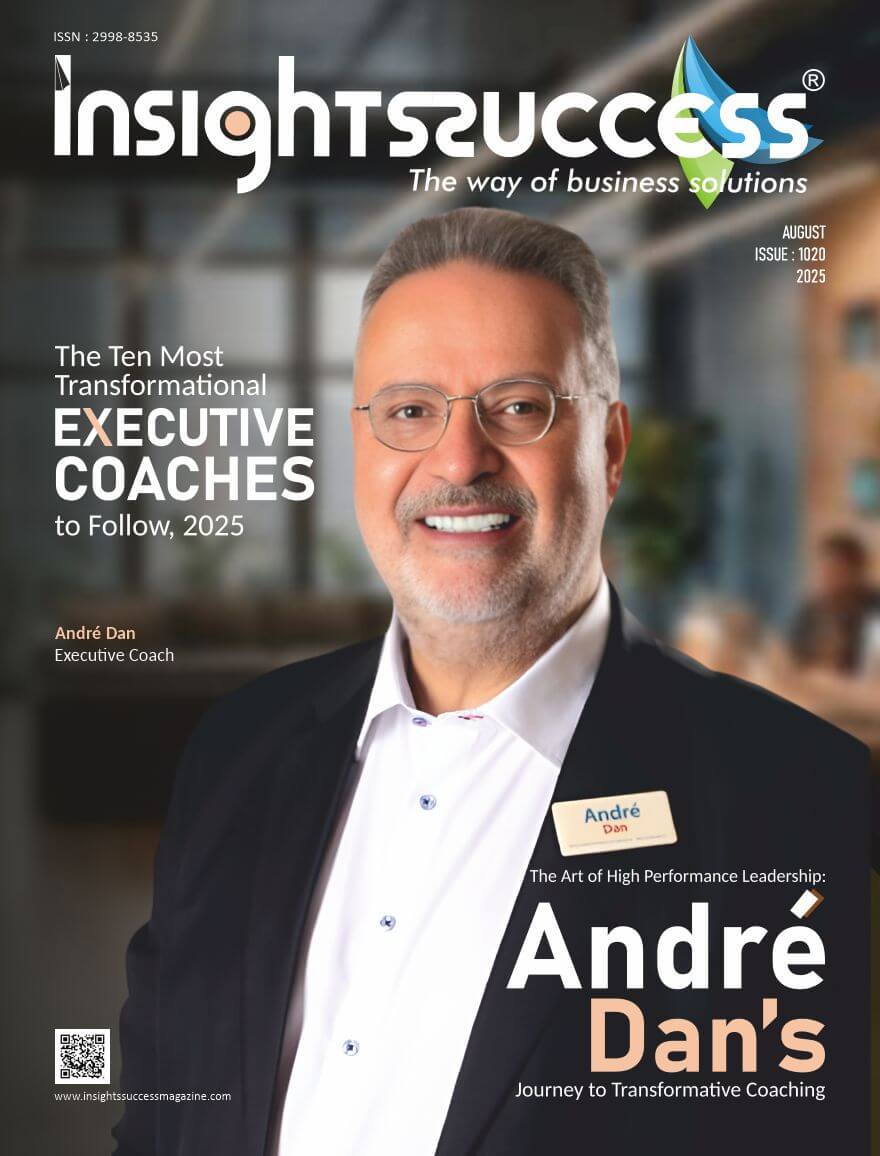
The Ten Most Transformational Executive Coaches to Follow,2025
The Ten Most Transformational Executive Coaches to Follow, 2025 This edition highlights industry-leading coaches who are redefining leadership. These visionary experts empower executives with innovative strategies, emotional intelligence, and transformative guidance to thrive in today’s dynamic business landscape. Quick highlights Quick reads

The Art of High Performance Leadership: André Dan’s Journey to Transformative Coaching
Leadership is an art. And high performance leadership – a prerequisite of the modern age – is an art of the highest degree, believes André Dan. A leadership transformation and digital strategy expert, he is guiding managers and organizations in becoming high performance leaders, using his over four decades of experience. André, by leveraging his 6-level coaching roadmap, guides executives towards clarity, influence, and impact, and by blending strategic vision, relational leadership, and digital expertise, uplifts leaders further–from self-mastery to operational excellence. In his bestselling book on Amazon, ‘The Art of High Performance Leadership: Master 6 Levels of Transformation to Become a Successful Leader,’ André shares his own journey to becoming a world-renowned leadership coach today. “There’s a story I often think about – one that shaped my understanding of leadership before I even knew what the world meant.” When he was eight years old, André won the Camaraderie Award at his school in Paris. It wasn’t for being the best in all subjects; it was for something far more profound. He was recognized for his ability to connect with others on a personal level. Then, “My first true leadership journey began at 16 as a Boy Scout where I lived in Paris, France,” further shared André. His positive attitude was appreciated—he was able to create an environment where the other boys and girls felt heard, respected, and inspired to be their best selves. This natural ability to bring people together, combined with formal leadership training to become an educator André received at 18, led him to take on his first official leadership role–by 19, he was selected for a prestigious two-year elite program that shaped his leadership mindset and gave him powerful tools—right at the beginning of his adult life. The Modern Leader’s Blueprint: Resilience and Influence André believes the qualities that define truly impactful leadership have evolved. It’s no longer enough to simply command a team; modern leaders must possess a specific blend of resilience and intentionality. “To lead effectively today,” he asserts, “it takes a resilient mindset and intentional influence.” This philosophy, which he shares with his clients, is a direct reflection of his own life’s journey. The same innate ability that led him to win the Camaraderie Award—to connect on a personal level—is the very essence of the “intentional influence” he champions. He teaches that a resilient mindset is not just about bouncing back from challenges but about viewing them as opportunities for growth and deeper connection. A Two-Part Approach to Growth: Perform Now, Lead Forever In his coaching practice, André refuses to separate a leader’s immediate performance needs from their long-term growth. He understands that a leader must achieve results today to have the credibility to lead tomorrow. “You can’t build the future by neglecting the present,” he often says. His coaching roadmap is designed to address this dual challenge by focusing on both immediate, operational excellence and the cultivation of timeless leadership qualities. This holistic approach ensures that executives not only meet their current goals but also develop the self-mastery and strategic vision necessary for sustained success. As he puts it, his goal is to help clients “Perform now, lead forever.” The Four-Step Transformation: Building Momentum from the Top André’s method is best exemplified by a particularly meaningful coaching experience with a visionary HR Director. He saw in her the potential for a profound, company-wide transformation. With her trust, they activated his structured, four-step method to create a ripple effect of leadership throughout the entire organization. The journey began with ExCom activation, where he provided digital leadership training to align the top executive committee. This was followed by task force coaching, a high performance support system for key individuals driving the company’s most important initiatives. From there, he scaled the inspiration with a company-wide keynote for 200 people at their annual convention, ensuring the leadership vision resonated at every level. The final step was scaled training, structured sessions designed to empower 100 emerging leaders. This comprehensive approach, from elite alignment to scalable empowerment, works because “it builds momentum from the top and drives impact at every level.” This transformative process not only elevated the company but also forged a deep bond between André and his client, with the visionary HR Director evolving into a “trusted strategic partner and valued friend.” It’s in these personal connections, mirroring his early school days, that André finds the true purpose and power of his work. Leading in a New Era: André Dan’s Vision for the Modern Executive As the professional world evolves, so too does the role of a leader, and André is at the forefront of this transformation. He views the rise of digital disruption, remote work, and new leadership paradigms not as obstacles, but as opportunities to redefine what it means to lead with purpose. For André, executive coaching now extends beyond individual skill-building to something far more foundational. The Digital Age Demands a New Culture In André’s view, the modern landscape requires a shift in focus for leaders and coaches alike. “With shifting leadership paradigms and the rise of remote work, executive coaching now extends beyond individual skill-building to shaping inclusive, trust-based cultures,” he explains. His mission, as a coach, is to equip leaders to build authentic connections that transcend virtual boundaries. This involves championing psychological safety and embedding a digital and AI mindset, which he believes is crucial for aligning people and technology for sustainable performance. André understands that in a remote-first world, a leader’s ability to create a safe, connected, and forward-thinking environment is more valuable than ever. Mindset: The Core of Navigating Uncertainty When guiding leaders through periods of change, André focuses on two fundamental mindset shifts. He encourages them to move away from rigid, top-down approaches and embrace a more fluid, empowering style. “Navigating uncertainty and leading through change require leaders to embrace two fundamental mindset shifts: from control to agility, from directive to empowering.” This means teaching leaders to trust their teams, decentralize decision-making, and view agility as a

The Hidden Impact of Executive Coaching in 2025
Why It’s Transforming Leadership Leadership is no longer limited to making decisions and delegating in the changing environment of global business. It now includes emotional intelligence, strategic foresight, cultural agility, and the capability to respond to disruptions. These pressures on executives are increasing, and one of the silent revolutionizers is executive coaching. In 2025, executive coaching will cease to be associated with remedial actions only meant to be taken with failing leaders. Rather, it evolved into an active, dynamic philosophy embraced by high-achieving individuals and professionals who seek long-term growth, clarity, and impact. It does not fix weak areas but reveals the potential. An unknown strength of executive coaching is that it redefines leadership inside out to make more self-aware, conscious, and capable leaders who can lead in turbulent situations. The Inner Work of Leadership Conventional leadership education tended to focus on outer skills, such as strategic planning, financial intelligence, and efficiency in operation. Although they are of the utmost importance, executive coaching does not focus on something tangible: internal growth. In individual work, the executives are asked to investigate their values, constraining beliefs, leadership functions, and emotions. This process of introspection synchronizes their inner world and outward behavior. The outcome is a more genuine leadership presence. Instead of imitating leadership styles or theories, executives are taught to lead in a manner that is organic and down-to-earth. This genuineness usually transfers into higher levels of trust in teams, better relationships, and a more promising leadership style during tough situations. From Directive to Developmental Leadership Leaders who can inspire independence and can stimulate innovation in an organization are becoming a bigger asset in the contemporary workplace than supervisors who can merely impose the rules. Executive coaching also aids in this transformation by coaching the leaders to alter their roles and become less directive with their junior staff. Professional leaders do not give instructions, but pose powerful questions, develop talent, and foster environments where others can flourish. This change is minor but transforming. It minimizes decision-making bottlenecks, gives emerging leaders confidence in the team, and enables a learning and experimentation culture. Leaders no longer act as gatekeepers of knowledge and power but as multipliers. Enhancing Strategic Thinking In the current world, linear thinking proves insufficient. In the modern age, leaders are expected to navigate ambiguity, predict the future, and make decisions with imperfect information. Executive coaching provides the space to reflect, notice patterns, and create meaning; qualities key to strategic thinking. Coaches are sounding boards that challenge assumptions and offer alternatives in looking at problems. It helps leaders to think beyond the short term and incorporate a wider picture, including both short-term realities and long-term visions. Navigating Complexity and Change The pace of change in 2025 is irreversible. With disruptive technologies, shifts in geopolitics, and the change of attitude by employees, leadership should guide their organizations through the changes to occur. Going beyond presenting immediate solutions, coaching teaches leaders to be comfortable with uncertainty, remain flexible, and exude confidence amidst changes. It promotes a growth mindset, embraces experimentation, and assists executives with reframing challenges into innovation opportunities. Building Inclusive and Conscious Cultures Leadership in 2025 also incorporates cultural navigation, specifically inclusive, purpose-driven, and human-centered cultures. Executive coaching is essential in this aspect, working to build empathy, cultural awareness, and social intelligence. It helps leaders to be more conscious of their influence, including understanding how their words, demeanor, and actions affect the larger organizational culture. This process makes leaders more aware of structural problems, unconscious biases, and blind spots. They are more equipped to nurture cultures of embracing varying opinions and viewing psychological security as paramount. The Quiet Revolution The true strength of executive coaching lies in its deeply personal approach, leading to meaningful and lasting change. There are no interventions and quick fixes. Instead, it is a highly personalized experience based on trust, inquiry, and accountability. The changes that it creates in attitudes, behavior, and presence may not be visibly observable but have a profound effect on the whole organization. In 2025, this silent rebellion continues to spread. As issues facing leadership become increasingly multifaceted, there is a heightened requirement to create closures where profound thinking, genuine reflection, and realization can occur. Executive coaching creates that space- non-judgmental, confidential, transformational. Conclusion Leadership in this age is more than mere technical expertise or strategic knowledge It needs self-knowledge, adaptability, and emotional maturity, none of which most people attain without some external help. This is where executive coaching can fill the gap, not necessarily with solutions to the specific problem, but the creation of an atmosphere of growth. It is also transforming how leaders think, relate, and lead. Its effects may not be immediately noticeable, but they are far-reaching in nature, transforming leadership internally. Read Also: Business Growth Strategies Used by High-Impact Executive Coaches

Business Growth Strategies Used by High-Impact Executive Coaches
Scaling Smarter Growth in a contemporary business environment is not only about expanding businesses or making more sales. Top-level executive coaches, who shepherd high-level executives and entrepreneurs, are also reimagining what smart scaling entails. Their strategies focus on deliberateness, sustainable operations, and relating growth to the long-term vision rather than immediate returns. Attracted by the forms common to leaders across industry and style, these coaches enable businesses to expand not merely larger, but more perfected. Rethinking Growth: From Linear to Strategic One of the foundational principles that effective executive coaches have insisted on is the distinction between linear growth and strategic scaling. Most company owners see growth as working to scale up the number of clients, products, and income amount. Successful coach direct leaders to undertake strategic growth, which entails enhancing impact alongside optimizing systems. This includes raising the right questions regarding what type of growth is beneficial to the business and its mission, rather than growing. An example is a coach assisting a business leader to analyze its core competencies to determine what generates the most value. Instead of diluting resources across several projects, they recommend doubling down on projects that yield the greatest payoff in terms of customer satisfaction, internal efficiency, or market differentiation. Clarifying Vision and Values One of the more influential growth strategies executive coaches employ is working with leaders to clarify their vision and values. This may sound philosophical, but it has some practical consequences. Companies without a great sense of direction are at great risk of failing to find a way when they grow. The coaches can organize different practices that will make leaders reflect on their vision in the long run, what type of influence they want to leave on the world, and what values they would like the culture of their companies to reflect. This clarity acts as a guiding compass when considering the opportunities. A clear set of values and a shared vision enable companies to say no to distractions and focus on engaging in high-impact initiatives. Operational Alignment and Process Optimization Smart scaling involves not only vision but also operational excellence. Executive coaches often enable leaders to get a reality check of their systems and processes. The coaches urge business managers to develop scalable processes as soon as possible- processes that can handle more demand without necessitating a linear rise in the proportions. This may include optimizing the processes, instituting more efficient ways of communicating, or creating better documentation internally. The objective is to develop a business that is quick and strong, as opposed to a company that cannot stand the pressure it exerts on itself. Emphasizing Emotional Intelligence and Communication Another aspect of smart scaling is the development of emotional intelligence. The relationship between organizations grows in complexity with their growth. Miscommunication, misunderstanding, and cultural misalignment may impede progress. Effective executive coaches place a strong emphasis on the development of emotional intelligence in their executives and enable them to create confidence, mediate disagreements, and motivate staff. Good Communication is not only about being clear, but also consistent and tone. Instructors who express themselves honestly and remain attentive in their communication environment make people feel important and encouraged. This anthropocentric philosophy is a major competitive edge in an era where strategy is often beaten out by culture. Navigating Change and Uncertainty There is no growth process without difficulties. The high-impact coaches focus on building resilience and adaptability in organizations, helping leaders to face uncertainty with confidence and agility. This incorporates scenario based planning, testing the ideas via stress tests and expectations of change as to the market or internal structure itself. Coaches keep reminding leaders that growth is not linear. There will be failures, re-directions, and times of confusion. Having the capacity to evolve without losing the grip of an evident purpose is what makes successful businesses be successful. Instead of being afraid of change, leaders should learn to accept it as a part of expansion. Building a Legacy, Not Just a Business Ultimately, high-impact executive coaches encourage their leaders to think beyond present profits. They inspire them to build a legacy, what their business is bringing to humanity, what changes it brings to the employees, and how it is contributing to the life one builds. This tradition-informed outlook cultivates a deeper form of growth, where ambition is consciously paired with integrity. With an emphasis on intentionality, leadership, emotional intelligence, and operational clarity, these coaches are setting out a guide to scaling in a more intelligent way. The outcome is a business that is not only larger but also stronger, more resilient, and more impactful. Read Also: The Hidden Impact of Executive Coaching in 2025
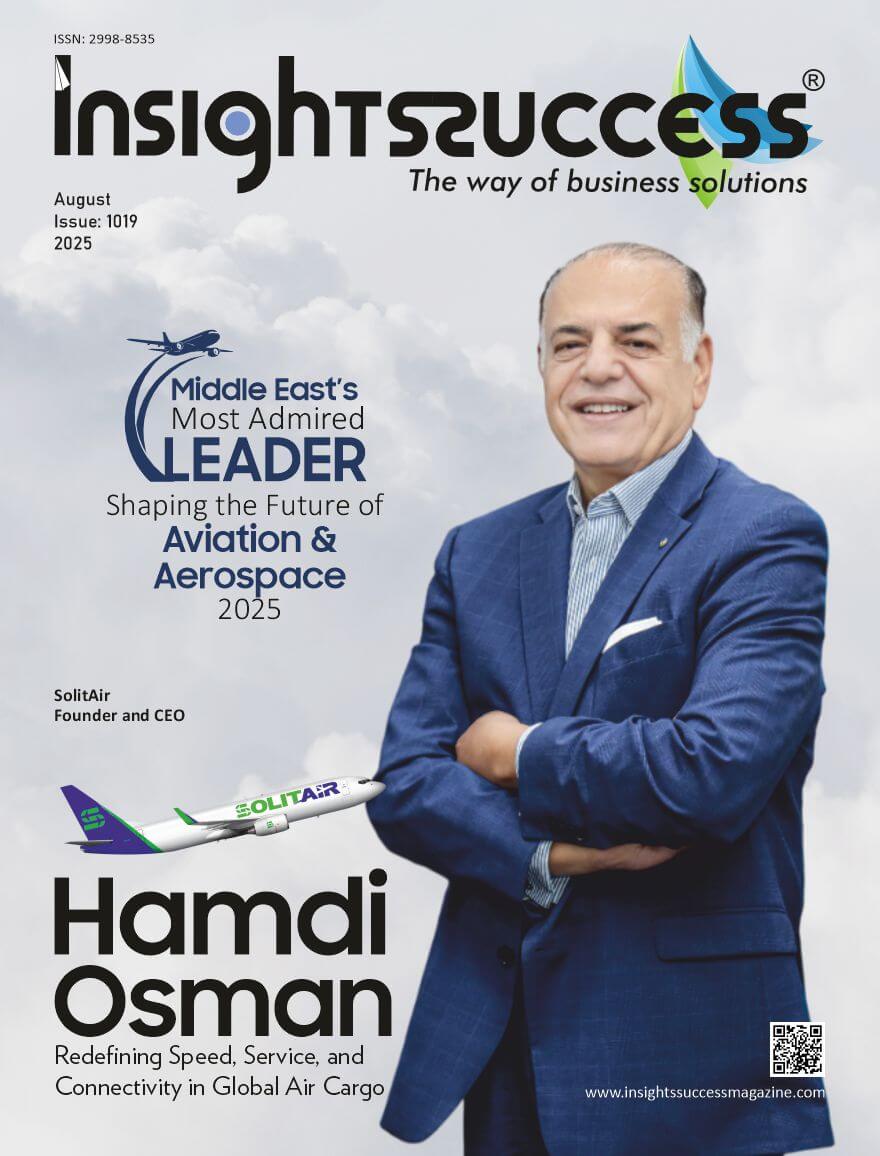
Middle East’s Most Admired Leader Shaping the Future of Aviation & Aerospace, 2025
Middle East’s Most Admired Leader Shaping the Future of Aviation & Aerospace, 2025 With over four decades in logistics and aviation, SolitAir Founder and CEO Hamdi Osman is pioneering faster, more reliable cargo connectivity across the Global South. His visionary leadership, resilience, and people-first philosophy are driving SolitAir’s growth, redefining regional logistics while strengthening global trade routes and economic integration. Quick highlights Quick reads

Hamdi Osman: Redefining Speed, Service, and Connectivity in Global Air Cargo
As the world remains more connected than ever, seamless logistics and effective air cargo services are cutting the edge in expediting international trade and economic growth. This challenge necessitates vision, resolve, and an unfaltering passion. Hamdi Osman, SolitAir’s Founder and CEO, possesses these in plenty as he leads the UAE’s express cargo airline with services along key trade routes in the Global South. His deep insights, strategic vision, and visionary leadership are defining the regional air cargo logistics landscape, enabling faster connectivity between Africa, the Middle East, the Indian Subcontinent, and Central Asia. A Pioneer in Aviation and Logistics: Hamdi’s Journey Hamdi boasts more than four decades of work experience in the logistics and aviation sector with a track record of steady rise and immense contribution. Hamdi joined FedEx in 1978, where he started working as a truck cleaner. With sheer hard work and great business acumen, Hamdi rose in the subsequent years to the position of Senior Vice President, managing Middle East, Europe, Africa, and the Indian Subcontinent operations. Throughout his career, Hamdi was instrumental in surmounting logistics hurdles brought about by geopolitical issues like the Gulf War. He was the innovator to initiate major cargo carriers like Blue Dart and Falcon Express Cargo that revolutionized air freight connectivity in the region. This exposure developed his profound knowledge of intricate logistical networks and operational excellence. In 2012, Hamdi moved over into the growth tech startup sector through the Solitaire Group. His investments ended up being in Health tech, Fintech, Food tech, EdTech, and last-mile delivery startups, all to drive game-changing innovation. Nevertheless, his interest in air cargo and logistics remained unchecked. The COVID-19 pandemic disruption globally in 2020 profoundly reiterated the role of air cargo in maintaining global supply chains. Realizing a definite shortage in regional cargo services, Hamdi decided to re-enter the field, merging his logistics expertise and investing acumen with the startup of SolitAir. Constructing SolitAir: Vision, Challenges, and Determination SolitAir was born out of Hamdi’s vision to revolutionize regional air cargo logistics by connecting underserved markets across the Global South with express, daily scheduled flights. In the first period, the airline focuses on linking the Gulf Cooperation Council (GCC), Africa, the Indian Subcontinent, and other regions, providing speed, reliability, and scalable services that traditional carriers had not prioritized. It was difficult to get a cargo airline going, particularly in a market as complicated as the one Hamdi was trying to enter. The firm encountered hard adversity from a very early point. The greatest disappointment arrived in the shape of an institutional investor who walked away from committed funds at the eleventh hour, jeopardizing the launch. With stunning resilience and unshakable belief in his dream, Hamdi took some extreme personal sacrifices—selling and remortgaging family assets—to raise $35 million in start-up capital. Currently, SolitAir is advancing toward a $40 million Series B funding round to expand its fleet and operational network. Despite the earlier challenges of an incremental aircraft acquisition schedule—where the initial plan to launch with three aircraft was delayed, Hamdi’s leadership ensured the company’s adaptability and sustained growth. Today, SolitAir operates 5 BOEING 737-800 CF. Two additional BOEING 737-800 CF will join its fleet by end of August 2025, leading to total number of 7 aircraft. The plan is to have a fleet of 10 to 12 BOEING 737-800CF by end of 2025. Leadership Philosophy: Listening, Communication, and Integrity At the center of Hamdi’s leadership philosophy is an irrepressible passion for listening and open communication. He credits 80 percent of his success as being able to listen well to customers, employees, and stakeholders. An expansive effort to listen to all forms a guard against narrow decision making, thereby increasing strategic alignment as well as teamwork oriented organizational culture. Hamdi’s open communication channels encourage feedback and continuous improvement, nurturing a workplace built on trust and mutual respect. Regular team meetings, business updates, and open forums are integral to his leadership toolkit, fostering transparency and accountability throughout SolitAir’s operations. Guided by the adage, “In God we trust; everything else we verify,” Hamdi balances a solid ethical compass with scrupulous due diligence. Each business decision is seriously weighed with equal regard for data-driven analysis, strategic foresight, and operational practicality. This symbiotic mixture of vision minded thinking and street-level verification has been the key to SolitAir’s consistent progress. Changing Air Cargo Through Technological Invention Under the leadership of Hamdi, SolitAir is a pioneer in adopting technology to enhance cargo operations. To give customers maximum visibility and transparency on their cargoes throughout the journey. It highly increases reliability and customer confidence. It highly increases reliability and customer confidence. From Al Maktoum International Airport (DWC), SolitAir draws on cutting-edge automated cargo handling systems at its heart, providing efficient loading and unloading. Apart from minimizing turnaround times, these technologies also reduce handling errors, with guaranteed accuracy and efficiency of operations. Data analysis is also widely utilized in the process of optimizing f light routes, cargo capacity management, and scheduling delivery to their optimal levels. The interrelated digital systems of the airline facilitate smooth online reservations, tracking shipments, and cargo management—providing the best customer experience with optimized business functions. In alignment with its sustainability commitment, SolitAir makes investments in clean technologies like fuel-saving airplanes as well as electric ones. This initiative reduces environmental effects without compromising the level of service, making SolitAir’s a socially responsible industry leader in an industry historically constrained by its carbon legacy. Navigating Challenges: Resilience in the Face of Adversity SolitAir began with surprising operational delays, such as postponed access to aircraft. The initial intention of introducing three planes at the beginning was thwarted by the reality that there was only one plane available then, with the rest arriving months apart. This did not discourage the team, though. Hamdi fostered a culture of resilience, encouraging his team to harness their industry knowledge and agility to explore alternative business models and routes. This adaptability proved critical in sustaining momentum and building a solid foundation for future expansion. The ability to