


Paediatric surgery rests on a simple recognition: children differ from adults in their anatomy, physiology, disease patterns, emotional needs, and capacity for recovery. Treating a child means understanding not only the disease that presents today, but also the decades of growth and development that lie ahead. The specialty is now approaching an exciting period of transformation. Robotic technology, artificial intelligence, advanced imaging, molecular diagnostics, and improved perioperative care have the potential to change how children with surgical conditions are diagnosed, treated, and monitored. The most thoughtful surgeons want this transformation to be guided by clinical relevance rather than technological enthusiasm.
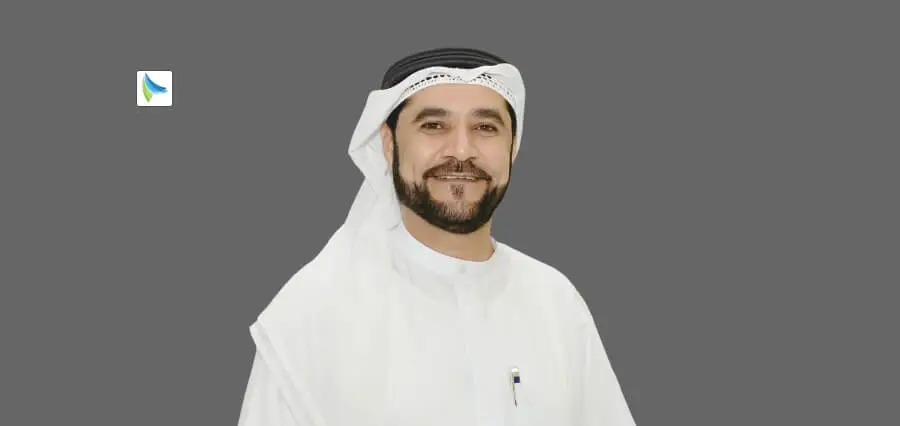
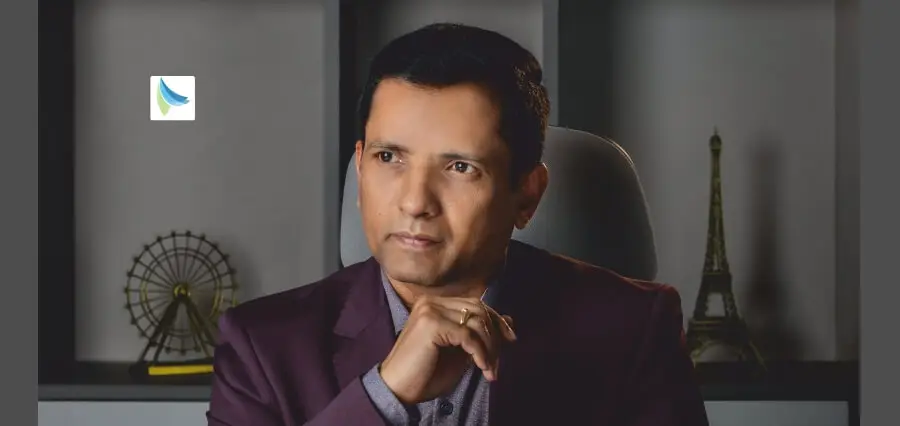
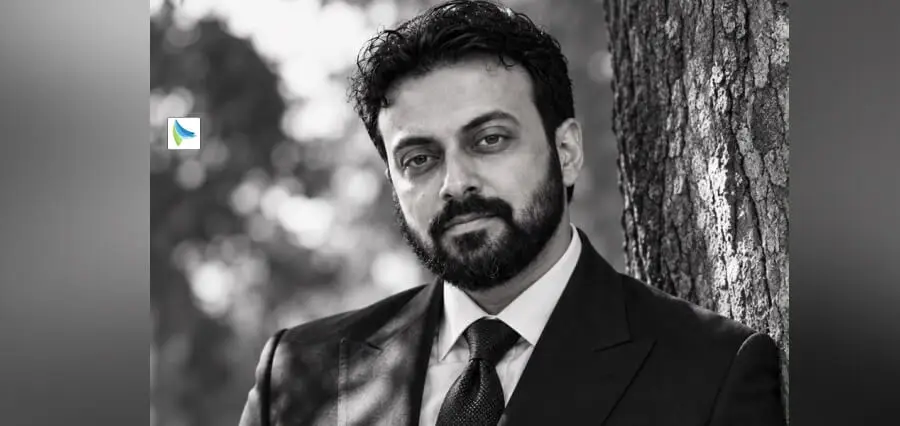
Dr. Vivek Viswanathan, Consultant Paediatric Surgeon, Urologist, and Robotic Paediatric Surgeon at Sterling Hospital, Bhayli, is one such surgeon. He is also an educator, researcher, and author, serving as an Assistant Professor of Paediatric Surgery at Sumandeep Vidyapeeth. His work in paediatric urology and robotic surgery, his interest in artificial intelligence, and his commitment to explaining health information to parents all share one purpose: protecting a child’s future. At the inception of the robotic initiative at Sterling Hospital, he was the only dedicated paediatric robotic surgeon in Gujarat.
A Calling Shaped by Training
Dr. Vivek’s decision to pursue medicine stemmed from an early fascination with science, human physiology, and the possibility of making a tangible difference in someone’s life. Exposure to surgery turned that interest into a calling. Surgery demands knowledge, technical ability, decisiveness, and accountability; it is a discipline where preparation meets precision.
Paediatric surgery appealed to him for an additional reason. “Children are not simply smaller versions of adults,” he notes. His surgical journey began with foundational training at SSG Hospital, followed by specialised paediatric surgical training at CNBC, and focused training with advanced exposure to minimally invasive and robotic techniques at Kokilaben Dhirubhai Ambani Hospital.
He became particularly interested in paediatric urology because it brings together reconstructive surgery, functional restoration, congenital anomaly management, and long-term follow-up. Conditions such as hypospadias, posterior urethral valves, hydronephrosis, and bladder exstrophy call for careful planning, technical precision, and a deep appreciation of the child’s future quality of life. His academic appointment at Sumandeep Vidyapeeth and his clinical work across Vadodara have reinforced his commitment to education and multidisciplinary practice. In his view, the best surgeons are defined by the judgment they exercise, the outcomes they pursue, and the trust they earn from families, rather than by the number or complexity of their procedures.
Planning Treatment One Child at a Time
Dr. Vivek explains that every child presents a different clinical problem, even when the diagnosis is identical. Hypospadias is not simply an anatomical abnormality that needs correction. Successful management involves assessing the position of the urethral opening, penile curvature, tissue quality, associated abnormalities, and the child’s developmental stage; consequently, the choice of procedure must be individualised. A technically successful operation is only one part of the outcome, since urinary function, appearance, healing, and long-term satisfaction also matter.
Hydronephrosis calls for a different approach. Dilatation on antenatal or postnatal imaging does not automatically mean an operation is needed. The surgeon must distinguish physiological dilatation from clinically significant obstruction, assess the renal parenchyma, understand differential renal function where indicated, and monitor how the condition evolves. The aim is to intervene when necessary without exposing a child to unnecessary procedures. Bladder exstrophy needs comprehensive, often multi-stage planning with long-term surveillance and coordination between surgical, anaesthetic, nursing, and rehabilitation teams. Meanwhile, neonatal surgery requires attention to fluid balance, thermoregulation, nutrition, infection prevention, and the limited physiological reserve of a newborn.
His approach begins with three questions. What is the precise anatomical and functional problem? What is the natural history if the team chooses observation over intervention? Which treatment offers the best long-term functional outcome with the least avoidable morbidity? He believes in evidence-based individualisation. “Guidelines provide a framework, but they cannot replace clinical judgment,” he states. He also places great importance on counselling so that parents never feel a decision has been imposed upon them.
Using Robotic Surgery with Judgment
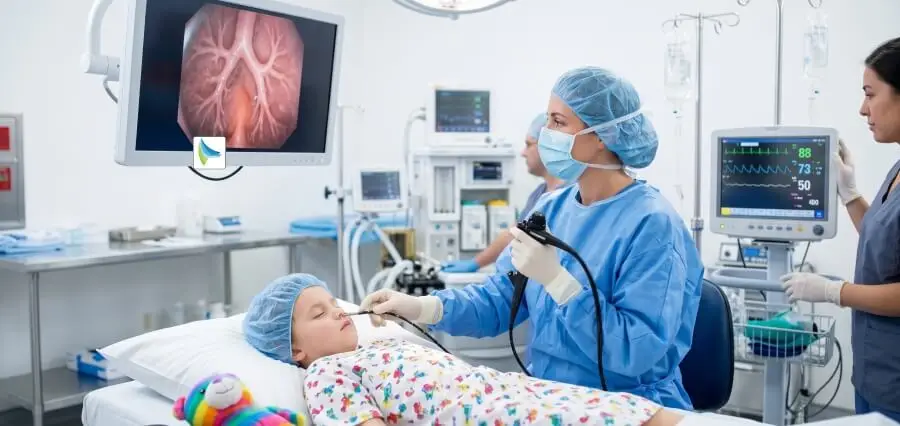
Minimally invasive surgery has fundamentally changed the way several paediatric conditions are treated, Dr. Vivek notes. Laparoscopy made complex procedures possible through smaller incisions, and robotic technology has expanded the possibilities of precision surgery, particularly in restricted anatomical spaces. Children have smaller working spaces, delicate tissue planes, and structures that demand meticulous handling. Robotic systems offer three-dimensional magnified visualisation, articulated instruments, tremor filtration, and better ergonomics, which can assist in complex reconstructive work and precise intracorporeal suturing. Paediatric urology is an especially interesting field for this, featuring procedures involving the renal pelvis, ureter, and bladder in appropriately selected patients.
He is clear about the limitations. Robotic systems involve substantial infrastructure and operational costs, and they require specialised training, coordinated operating-room teams, and an understanding of the platform’s limits. Instrument dimensions, patient positioning, access, docking, and the availability of appropriately sized equipment must all be considered. A robotic approach is not automatically superior to conventional laparoscopy or open surgery for every paediatric procedure.
His decision-making follows one principle: choose the approach that offers the child the safest and most appropriate operation, based on age and size, pathology, previous interventions, anatomical complexity, available equipment, and the surgeon’s expertise. At Sterling Hospital, he sees an opportunity to build a specialised service rather than simply introducing another technological offering. This is supported by structured training, transparent outcome assessment, and responsible patient selection. “The robot does not make the surgical decision. The surgeon does,” he asserts.
Judgment, Humility, and Resilience
Some of the most valuable lessons in surgery come from situations where the answer is not obvious, says Dr. Vivek. In paediatric urology, children with significant urinary tract abnormalities may show anatomical findings, renal function, and a clinical picture that do not point in the same direction. The temptation is to correct the most visibly abnormal structure, yet the more important question is whether that intervention will genuinely improve long-term function. He has learnt to slow down at those moments. A detailed review of imaging, functional assessment, discussions with radiologists and anaesthetists, and careful thought about natural history can change the plan substantially. Sometimes surgery is the right decision, and at other times structured surveillance is better. “The ability to operate is important, but the ability to recognise when not to operate is equally important,” he reflects.
Complex reconstructive surgery has also taught him humility. Tissue quality, vascularity, healing potential, and anatomical variation can make even a well-planned procedure unpredictable; therefore, he treats every operation as a chance to reassess the original assumptions. His plans are structured enough to give direction, yet flexible enough to accommodate what he actually finds.
Resilience, for him, is not simply tolerating pressure. It is staying consistent in one’s principles while adapting to changing circumstances. He has met the demands of training, specialisation, academic work, and research by treating learning as a continuous responsibility. He believes leadership in surgery means creating an environment where the whole team understands its responsibilities and communicates well. He values accountability without arrogance and confidence without complacency, maintaining that professional achievement must never supersede the responsibility that originally brought him into medicine.
Artificial Intelligence with Caution
Artificial intelligence, Dr. Vivek believes, will become one of the most influential developments in modern healthcare. However, its greatest contribution may be improving the quality, accessibility, and consistency of clinical decision-making, rather than replacing existing practice. He sees several promising applications in paediatric surgery. AI-assisted imaging analysis could help identify anatomical patterns and quantify measurements, which could improve the assessment of hydronephrosis and renal morphology. Predictive analytics may identify children at higher risk of complications, recurrent infections, or renal deterioration, thus supporting earlier intervention. AI could also make surgical education more structured and accessible, and carefully validated tools could translate complex medical explanations into accessible language for parents.
Enthusiasm, he cautions, must be tempered with care. AI systems are only as reliable as their training data. Paediatric datasets are often smaller, more varied, and underrepresented compared with adult datasets, meaning algorithms built on adults cannot simply be transferred to children. Other concerns include data privacy, algorithmic bias, explainability, cybersecurity, regulatory oversight, and automation bias.
He draws an ethical distinction between decision support and decision ownership. He would welcome a system that helps him spot a subtle imaging finding, but would not support one that makes an autonomous treatment decision without clinical oversight. “AI should make healthcare more thoughtful, not more mechanical,” he observes. The future, he adds, belongs to clinicians who understand both medicine and technology and have the wisdom to recognise the limits of each.
Teaching and Research as One Responsibility
Dr. Vivek views clinical practice, research, and teaching as interconnected. Clinical practice generates questions, research investigates them systematically, and teaching shares the resulting knowledge while challenging assumptions. As an Assistant Professor of Paediatric Surgery at Sumandeep Vidyapeeth, he teaches undergraduate and postgraduate students, supervises trainees, and contributes to surgical education.
Research is an important part of his professional identity. He has worked on subjects including urinary tract infections, hypospadias, and emerging areas of surgical innovation, and his interests extend to newer technologies in clinical practice. Writing academic papers taught him to test an opinion against reproducible evidence. He applies the same principle in the classroom, where he encourages students to understand the reasoning behind a decision rather than just memorising it.
He believes the next generation of paediatric surgeons will need strong surgical knowledge and technical competence, evidence-based reasoning, familiarity with minimally invasive, robotic, and digital technologies, communication skills, emotional intelligence, and an understanding of research methodology, ethics, and lifelong learning. “We cannot prepare students for tomorrow’s operating room using only yesterday’s teaching methods,” he states. His ambition is to help develop thoughtful professionals who understand the privilege and responsibility of caring for children.
Speaking Plainly to Worried Families
Parents who bring a child to a paediatric surgeon often carry far more than a medical problem, Dr. Vivek explains. They may be frightened, confused, and worried about the future; the first responsibility of the surgeon, in his view, is to recognise that. He starts by understanding what the parents already know, what they fear, and what they expect. He then explains the diagnosis in straightforward language, utilising diagrams, imaging, or visual aids whenever needed.
When discussing hydronephrosis, for example, he explains that dilatation does not necessarily mean permanent kidney damage or an immediate need for surgery. For reconstructive procedures, he sets out the intended outcomes, possible complications, recovery times, and the likelihood of further interventions. He does not create unrealistic expectations, because no surgeon should promise a perfect result. “Informed consent should be a meaningful conversation, not merely a signature on a form,” he asserts.
Children deserve consideration according to their age and understanding, and empathy means navigating difficult conversations with sensitivity and honesty. Trust, he says, comes from consistent communication, accessibility, and accountability throughout the child’s treatment because parents are entrusting the surgeon with their child’s future.
Bringing Medical Knowledge Beyond the Hospital
A doctor’s responsibility, Dr. Vivek believes, does not end at the hospital door. Families often search online right after receiving a report or hearing that their child may need surgery, and what they find can be contradictory, needlessly frightening, or inaccurate. This led him to build an educational presence through his website, drvivekviswanathan.com, alongside social media, public speaking, and written content. His aim is not to replace a consultation, but to help parents arrive with a better understanding and more informed questions. He enjoys explaining conditions that are often misunderstood, such as antenatal hydronephrosis, urinary tract infections, hypospadias, and undescended testes.
He also writes for professional audiences through academic articles and editorial work. His TEDx talk at TEDxIPEC in Delhi on 19 October 2026 gave him a chance to take ideas beyond the medical audience and reflect on medicine, innovation, human responsibility, and communication. The language changes with the audience, he says, but the scientific principles must stay consistent. He avoids jargon for parents, as well as content that creates fear or promises guaranteed results. An informed parent is not a substitute for a good doctor but can become a much stronger partner in a child’s healthcare journey.
The Road Ahead
Looking forward, Dr. Vivek names three priorities. The first is the responsible expansion of robotic paediatric surgery in Gujarat, since access to advanced technology should not be limited by geography where the infrastructure, expertise, and clinical indications exist. He would like to see more structured training, standardised outcome reporting, and collaborative learning networks. The second is the practical integration of validated AI into paediatric healthcare, including imaging, decision support, risk stratification, and patient education. The third is research, with stronger prospective data and multicentre studies that address questions specific to children. He also hopes to see surgical training move towards competency-based learning, simulation, and mentorship, alongside ethical reasoning and communication skills.
What he cares about most is not the number of procedures, publications, or technologies, but the children who grow up with better functional outcomes, the parents who make informed decisions, and the young surgeons who learn how to think. Technology will keep advancing, yet the purpose of the specialty will not change. “We operate on children not simply to correct anatomy, but to protect the possibility of a healthier childhood and a better adult life,” he concludes.