


Precision through surgical innovation
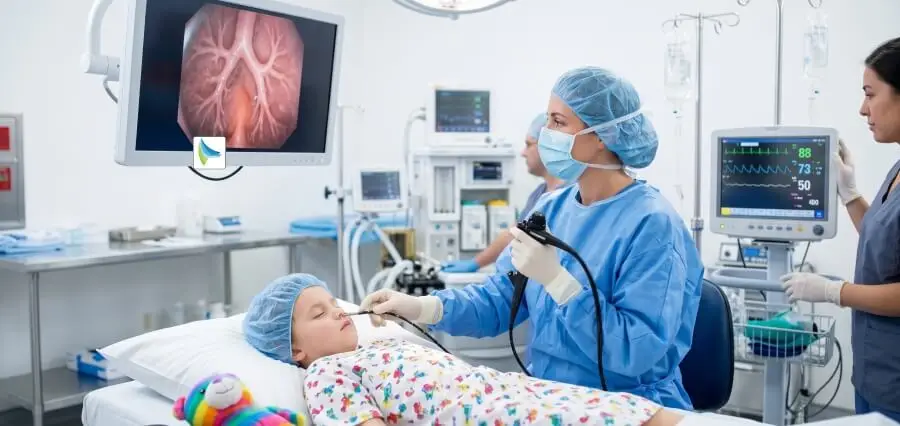
Operating on a child is very different from operating on an adult. The organs are smaller, the spaces inside the body are tighter, and there is far less room for error. Surgeons who care for young patients have always had to work with extra care. Over the past several years, a new set of tools has started to change what is possible in these delicate cases. Robotic Paediatric Surgery is now playing a larger part in some of the most complex procedures performed on children.
How the Technology Works
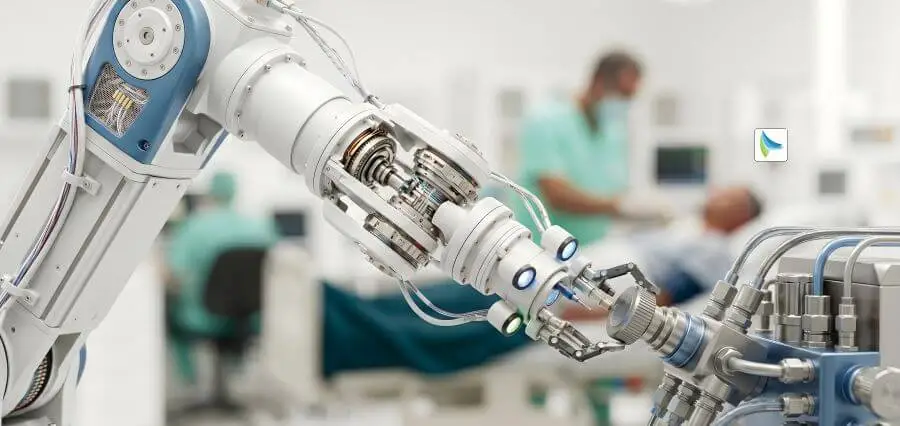
The name can be a little misleading. A robot does not operate on its own. The surgeon stays in full control the whole time, sitting at a console close to the patient and guiding thin instruments through a few small cuts in the body.
The system translates the surgeon’s hand movements into smaller, steadier motions inside the body. A camera gives a clear, magnified, three-dimensional view of the area being treated. The instruments can bend and rotate in ways that are hard for a human wrist to manage in a tight space. Together, these features give the surgeon better reach and a sharper view than many older methods allow.
Why Precision Matters So Much in Children
In a small body, even a slight shift of an instrument can affect nearby tissue. Blood vessels, nerves, and organs sit close together, and they are still growing. Surgeons need to protect these structures not just for today but for the years of growth ahead.
This is where Robotic Paediatric Surgery offers a real advantage. The filtered, steady movements reduce the effect of natural hand tremor. The magnified view helps surgeons see fine details clearly. For reconstructive work, such as repairing parts of the urinary tract or rebuilding narrow passages, this level of control can make careful stitching in cramped areas far more manageable.
Benefits for Young Patients and Families
Because the procedure is done through small openings rather than one large cut, many children experience less pain afterwards. Smaller wounds also tend to heal faster and leave less visible scarring, which can matter to a child as they grow older.
Shorter hospital stays are another possible benefit. For parents and families, having the child able to go home faster provides immense relief. Parents will be able to return to their normal duties, whereas children will have the chance to recover in a familiar setting.
Nevertheless, it is worth emphasizing that each individual case has its peculiarities, which only the operating team will be able to consider.
The Challenges That Remain
Like any advance, robotic surgery comes with hurdles. The equipment was first designed with adult patients in mind, so some instruments can be large for the smallest children. Fitting the tools into a very small body takes skill and careful planning, and in some infants a different approach may still be the better choice.
Cost is also a concern. The systems are expensive to buy and maintain, which means not every hospital can offer them. Training is another factor. Surgeons need dedicated time to learn and practice before they can use these tools with confidence in young patients. As a result, Robotic Paediatric Surgery is still more common in large, well-equipped centers than in smaller hospitals.
Building Skilled Surgical Teams
Technology alone does not make a procedure successful. It requires a highly trained team working collaboratively. The surgeons, the anaesthetists, the nurses, and the technical staff have to know how the system works, and they have to act immediately if anything happens in between an operative procedure.
In many hospitals, simulation training is already widely applied in order for teams to learn this skill before they handle real patients. Experienced surgeons, on the other hand, greatly contribute to the training of new surgeons. Knowledge exchange becomes consistent, thus improving Robotic Paediatric Surgery procedures.
Looking Toward the Future
The field continues to move forward. Scientists are developing smaller and more pliable devices that fit well into the body of a child. Imaging technologies might soon improve, making it possible for surgeons to have even greater guidance while performing complicated surgeries. As prices slowly drop and education becomes more widespread, many hospitals will start offering such procedures.
Robotic Paediatric Surgery is not a substitute for the skill and experience of a surgeon. It is merely a technique, which, in the hands of the right professional, can increase the precision of surgeries and reduce pain afterwards. For children suffering from complicated diseases and their parents who support them throughout this process, there is light at the end of the tunnel.